
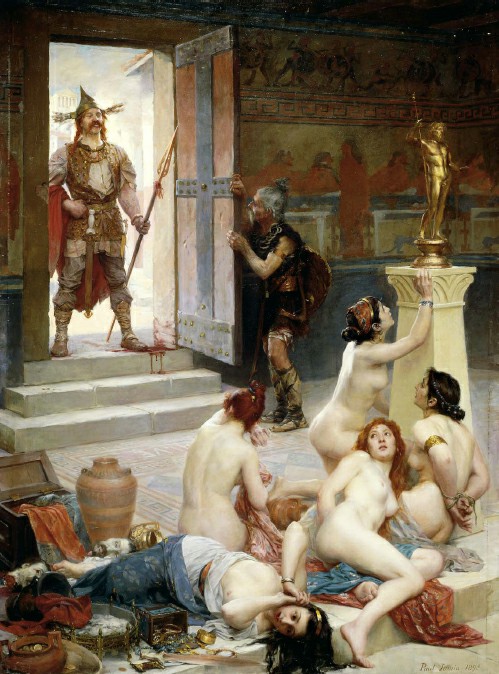
A late nineteenth-century vision of the Gallic sack of Rome. Brennus and his share of the spoils by Paul Joseph Jamin, 1893.
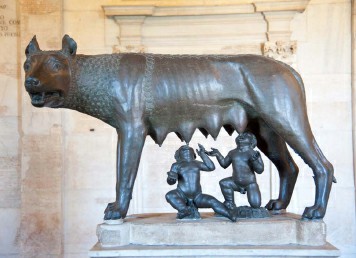
She-wolf suckling Romulus and Remus. The wolf statue was believed to date from Rome’s earliest centuries until 2006, when carbon dating revealed it was in fact medieval.
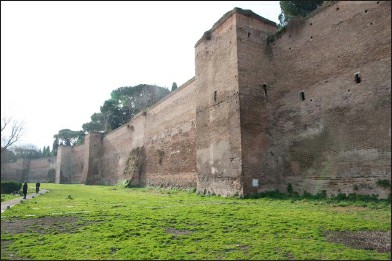
Section of the Aurelian Walls between Porta Latina and Porta Metronia. Built more than a century before Alaric’s Visigoths appeared and strengthened shortly before they arrived, the walls were effective against armies but not betrayal.
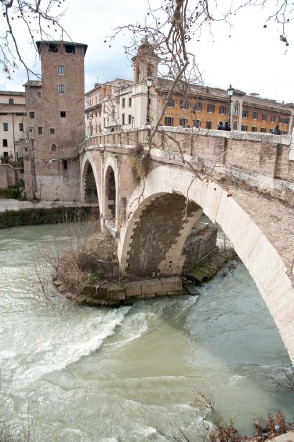
Fabricius Bridge. Rome’s oldest surviving bridge, it was built in 62 BC, during the last decades of the Republic.
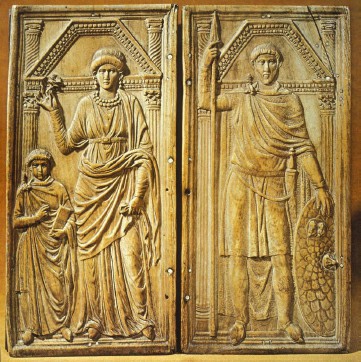
Stilicho, military commander of the Western Roman Empire during its great crisis in the early fifth century, with his wife Serena and son Eucherius. Ivory diptych, Monza cathedral, Lombardy.
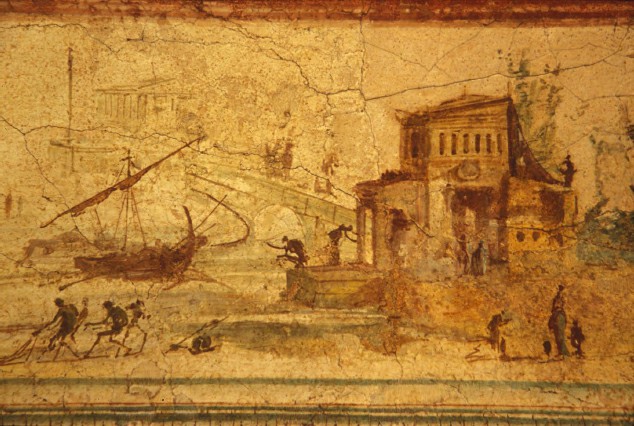
A glimpse of classical Rome. Fresco detail, National Museum of Rome, Palazzo Massimo alle Terme.

The Colosseum. To this day it is thought to be the world’s most concentrated killing ground, where between a quarter and half a million people lost their lives. It was also surprisingly fragile.
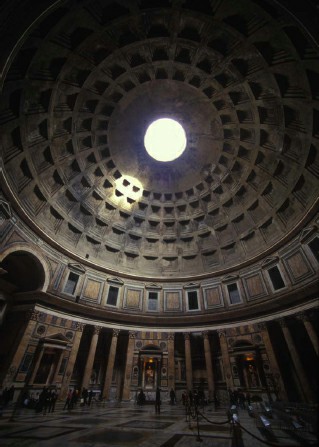
The interior of the Pantheon, classical Rome’s greatest architectural gem, which is also one of the city’s great survivors. It remains largely intact since imperial times.
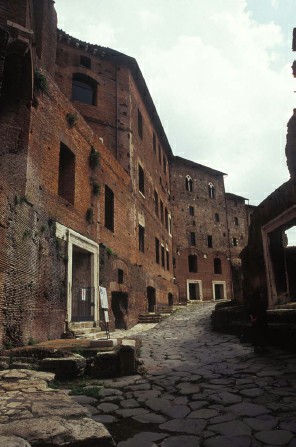
Trajan’s Market: a classical Roman shopping mall which was part of a vast complex that included a basilica hall, two libraries and the famous column depicting Trajan’s conquests.

Porta Salaria, where Alaric got in. Or rather a section of wall next to where it used to be. The gate itself was demolished in 1871.
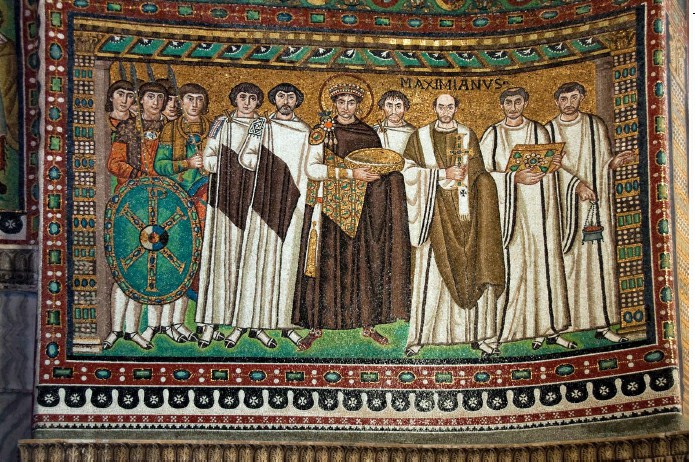
Mosaic of Emperor Justinian and his retinue, Basilica of San Vitale, Ravenna. Belisarius, the Byzantine general who saved Rome and then failed to save it, is the one to Justinian’s left, with the Rolling Stones haircut.
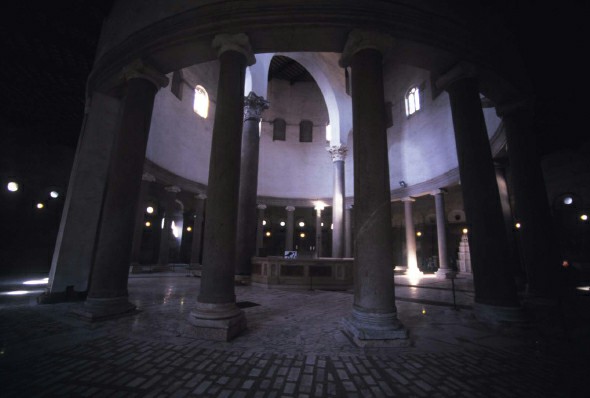
Santo Stefano Rotondo: one of Rome’s most exquisite fifth-century churches. In this era the only new buildings were churches and the rest of the city decayed.
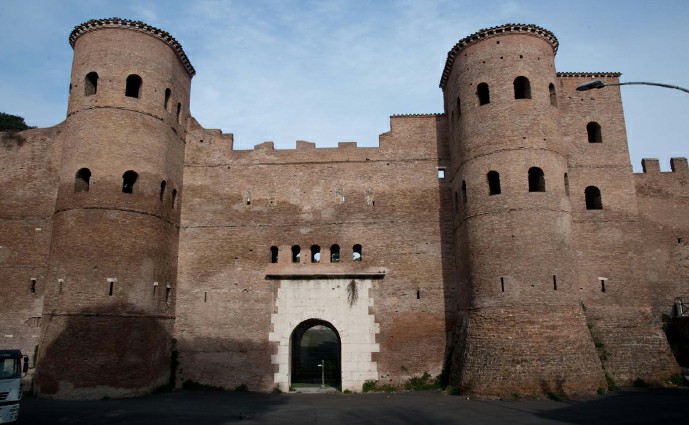
Porta Asinaria, where Totila got in. The windows above the gateway were added during the gunpowder age but otherwise the gate has changed little since Totila’s time.
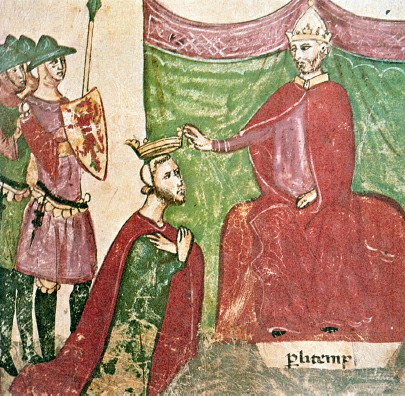
Pope Nicholas II invests Robert Guiscard as duke of Apulia, Calabria and Sicily, 1059: an unlikely alliance, between zealous, purist reformer popes and ruthless, self-serving Norman adventurers.
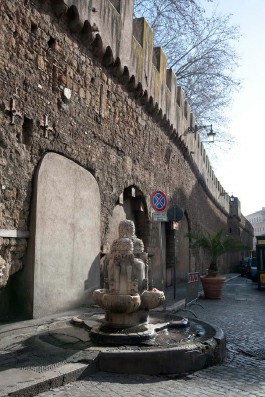
Section of the Leonine Wall. It was built 846-50 AD to protect the Vatican, after an Arab raid during which the St Peter’s lost all of its many treasures and even its bronze doors.
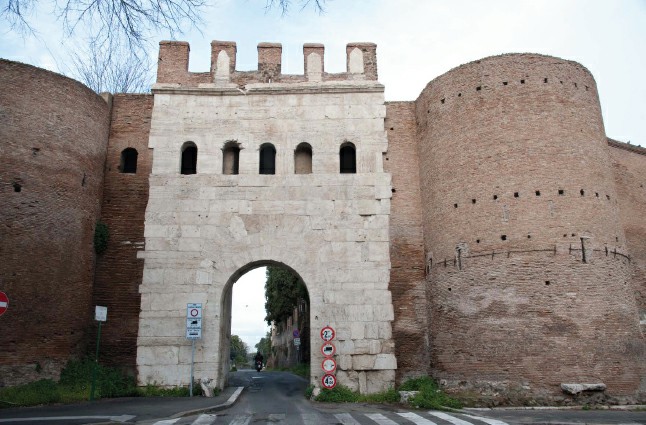
Porta Latina, where Robert Guiscard got in. It remains all but unchanged from Guiscard’s time.
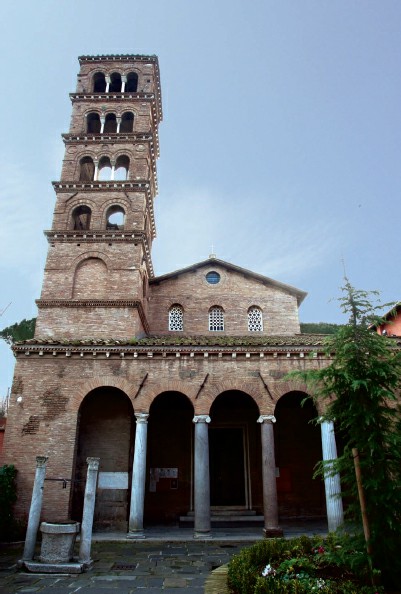
San Giovanni a Porta Latina. The present church was extensively repaired after being burned by Guiscard’s Normans, to smoke out Roman defenders who threatened their retreat.
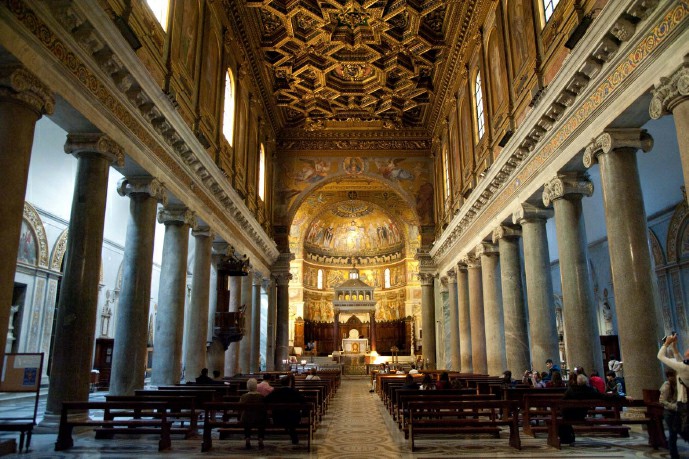
Santa Maria in Trastevere. One of Rome’s most beautiful churches, it was built out of spite, after Pope Innocent II demolished its predecessor, which was associated with his hated rival, Pope Anacletus II.

A view of the pincushion Rome of the high Middle Ages, with its numerous fortress towers. From a 1459 copy of St Augustine’s ‘De Civitate Dei’.

Rome three decades before the 1527 sack. Aside from a few classical and Renaissance patches it was a largely medieval city. (Woodcut from the 1493 Nuremberg Chronicle by Hartmann Schedel.)

Pope Julius II ordering Bramante, Michelangelo and Raphael to construct the Vatican and St Peter’s. The decades before the 1527 sack were a cultural high point for Rome when the city drew Italy’s greatest artists. (Emile Jean Horace Vernet, 1827)
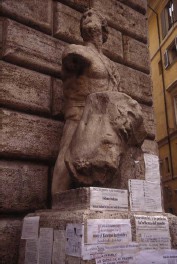
The Pasquino talking statue, still talking to this day.
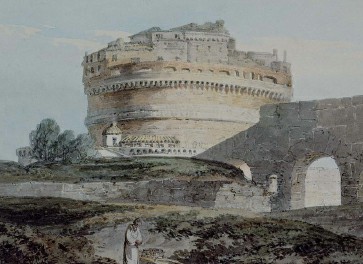
A nineteenth-century view of the papal citadel where Pope Clement VII and others fled imperial troops. (Castle of San Angelo by Joseph Turner, 1775–1851.)
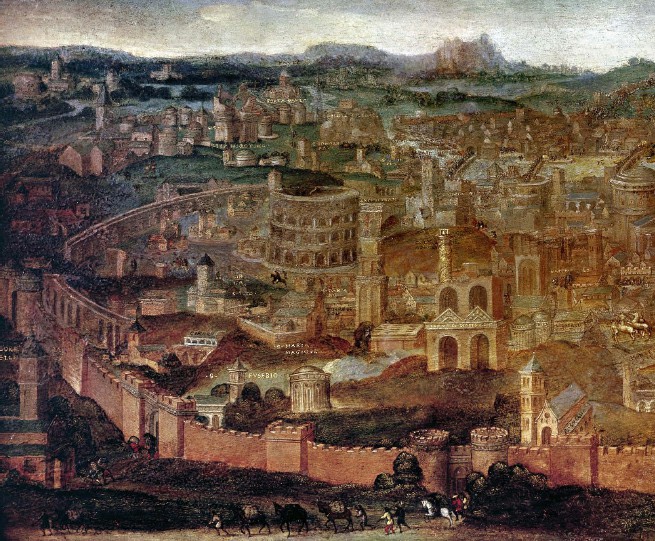
The sack of Rome, 1527, by Holy Roman Emperor, Charles V, work attributed to Pieter Brueghel the elder. Dramatic though it is, the painting captures little of the true horror of the event.

Porta San Spirito, where the Imperialists got in. The gate was wholly remade when the Vatican and Trastevere were given new defensive walls, following the 1527 sack.

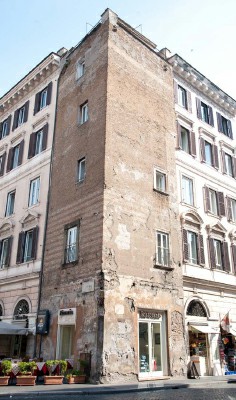
Tor Sanguigna, a medieval tower hidden away among later buildings. One of many medieval towers that have survived in Rome.
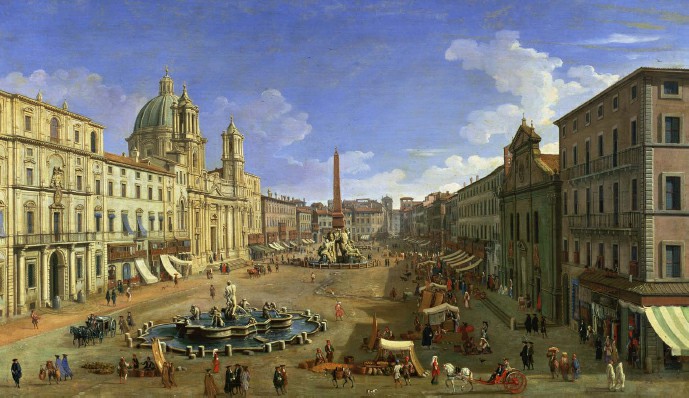
View of Piazza Navona by Canaletto (1697–1768). The new Baroque Rome of palaces, domes and fountains that delighted nineteenth-century tourists.
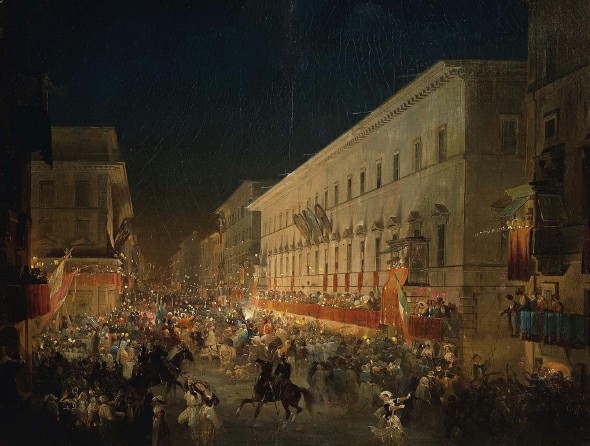
La festa dei moccololetti (festival of tapers) by Ippolito Caffi (1852). The finale to Rome’s uproarious carnival celebrations, when Romans and tourists let their hair down together.
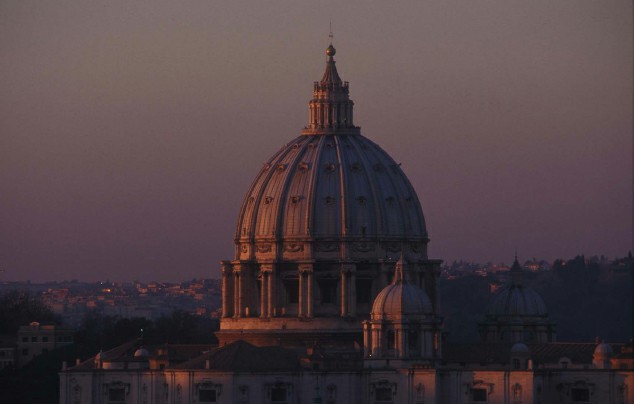
Dome of St Peter’s, dusk. After classical Rome’s temple to Jupiter Best and Greatest, and medieval Rome’s church of Santa Maria in Aracoeli, both on the Capitoline Hill, the skyline of Baroque Rome was dominated by the Vatican.
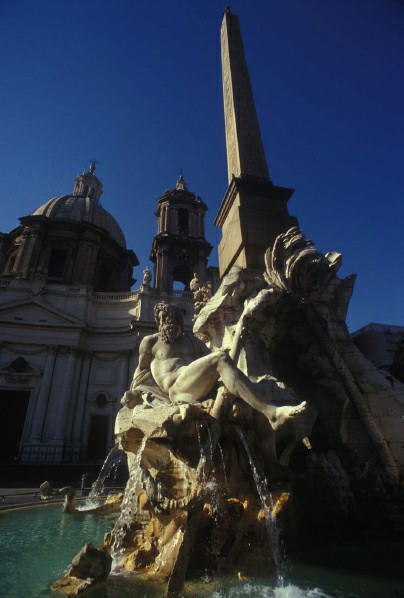
The Fountain of Four Rivers, Piazza Navona. Artwork fountains were part of the remaking of seventeenth-century Rome, intended to make the city into a weapon of the Counter-Reformation.
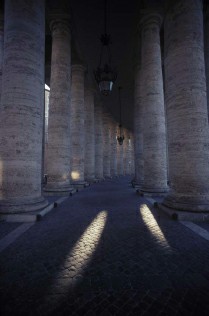
Columns of Bernini’s vast, curving arcades. Thanks to them St Peter’s Square finally became a place to awe pilgrims.
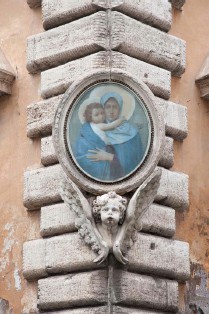
Street corner religious image, one of many dozen that appeared under the intensely conservative popes of the earlier nineteenth century.
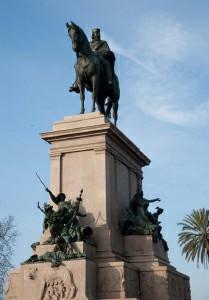
Statue of Garibaldi, Gianicolo Hill. Part of the anti-papal propaganda that filled Rome after it became capital of the unified kingdom of Italy.
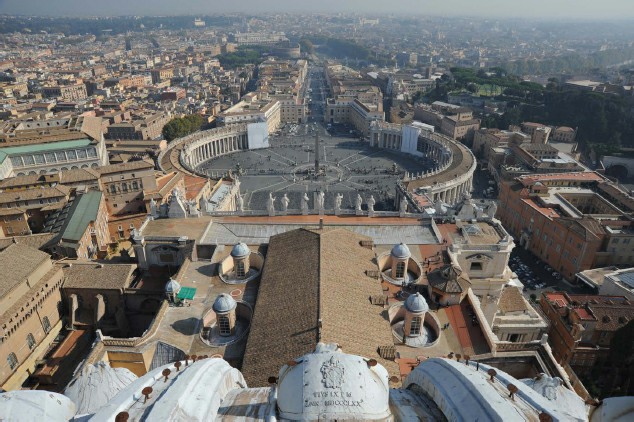
View from the dome of St Peter’s. The wide Via della Conciliazione, leading away to the river, had been a warren of medieval streets until it fell victim to Mussolini’s campaign of demolitions.

Palazzo della Civiltà Italiana. Part of Mussolini’s planned permanent exhibition area south of Rome, E-42. The building, which was nicknamed the Square Colosseum, had six vertical and nine horizontal arches, to represent the letters of Benito and Mussolini.

Obelisk at the Foro Mussolini (now the Foro Olimpico). Weighing over 300 tonnes it still stands by the stadium of Roma and Lazio football teams.
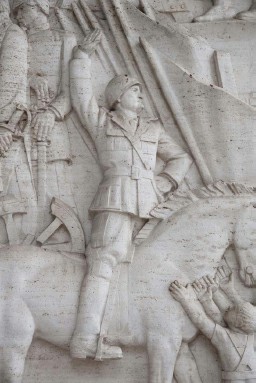
Equestrian relief of Mussolini in the Palazzo degli Uffici dell’Esposizione Universale di Roma, E-42. Mussolini’s nose was broken off during the Second World War but was quietly repaired in 2001.

American officers lined up for flag-lowering ceremony in front of the Vittoriano after the liberation of Rome, on 5 June 1944.
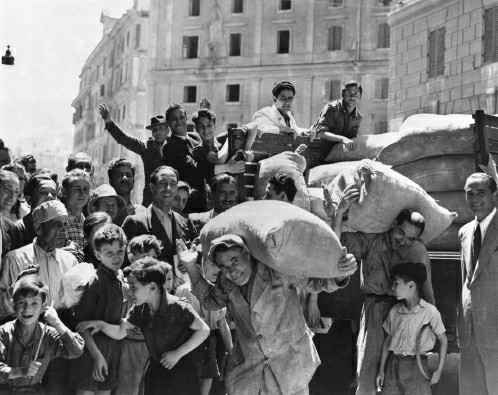
Romans unload sacks of flour to feed the starving population after liberation.