
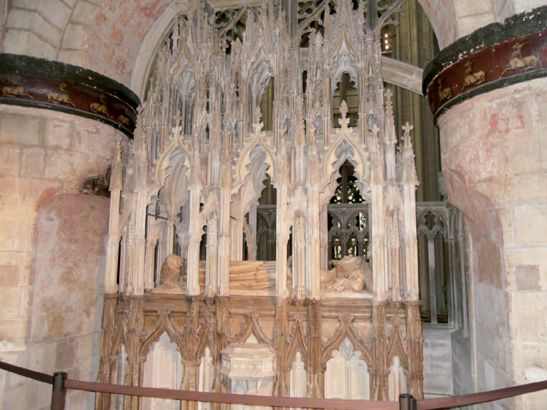
1. Edward’s tomb and effigy in Gloucester Cathedral.
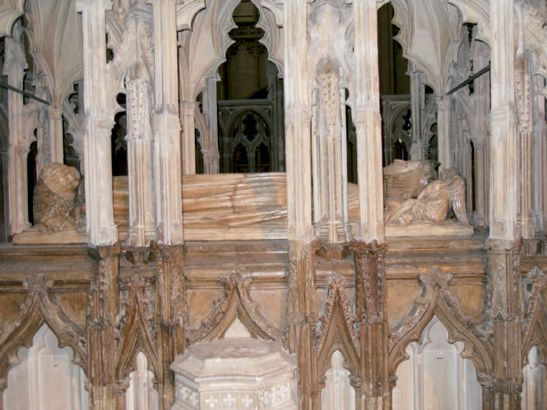
2. Edward’s tomb and effigy, with his feet resting on a lion. (Photos by author, with permission of the Very Reverend Dean of Gloucester)
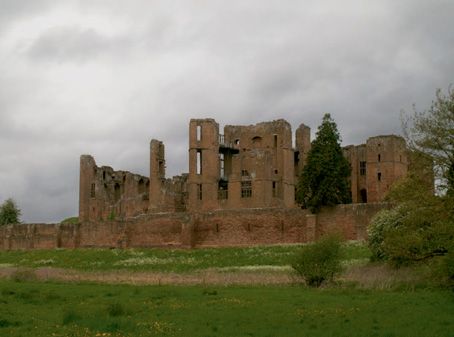
3. Kenilworth Castle, Warwickshire, where Edward was forced to abdicate in January 1327. (Courtesy of Steve Taylor under Creative Commons)
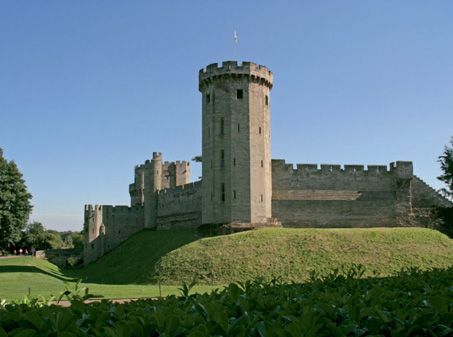
4. Warwick Castle, where Piers Gaveston was imprisoned in 1312. (Courtesy of Tony Hisgett under Creative Commons)
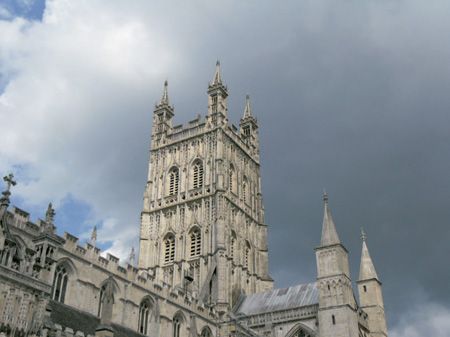
5. Tower of Gloucester Cathedral. (Photo by author)
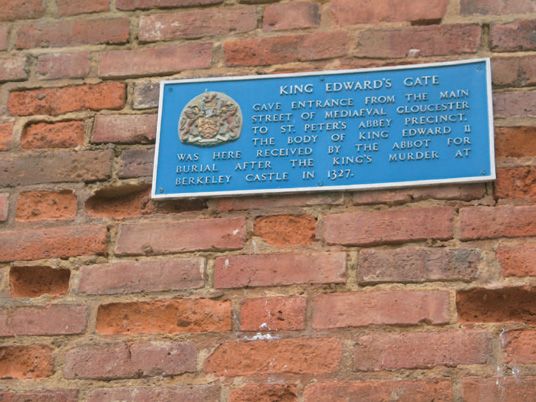
6. An inscription outside Gloucester Cathedral, formerly King Edward’s Gate. (Photo by author)
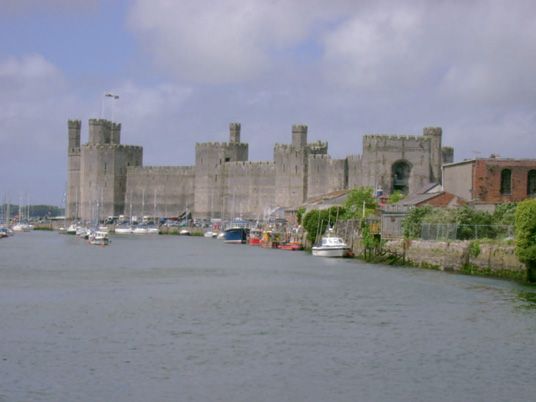
7. Caernarfon Castle, North Wales, Edward’s birthplace in 1284 when it was a building site. (Courtesy of Peter Broster under Creative Commons)
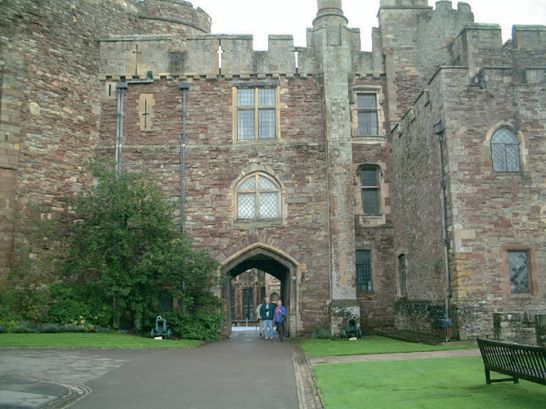
8. Berkeley Castle, Gloucestershire, where Edward was held in captivity in 1327.
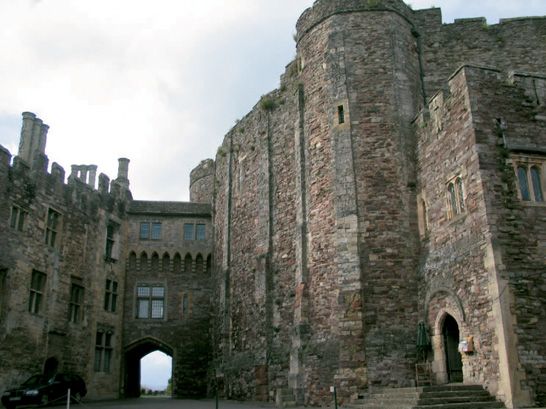
9. Inside Berkeley Castle; Edward was held in the keep, on the right. (Photos by author)
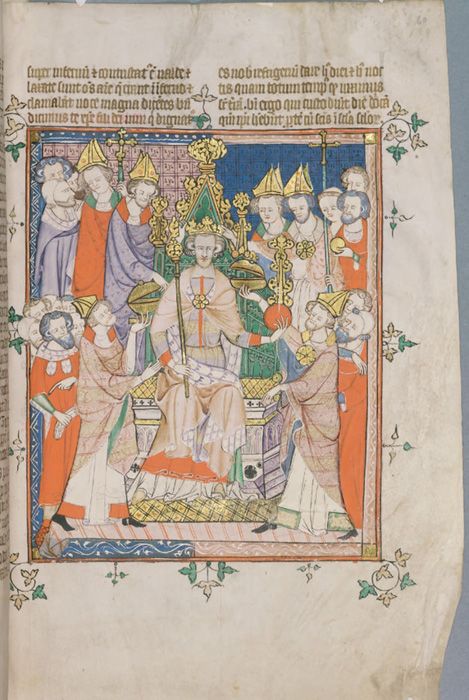
10. Edward’s coronation, from a manuscript of the early fourteenth century. (Courtesy of the Master and Fellows of Corpus Christi College, Cambridge; MS 20, folio 68r)
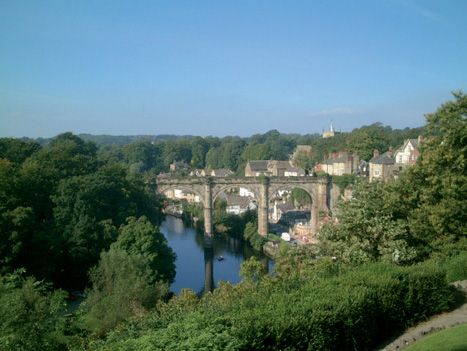
11. Knaresborough, North Yorkshire, where Edward spent much time. (Photo by author)
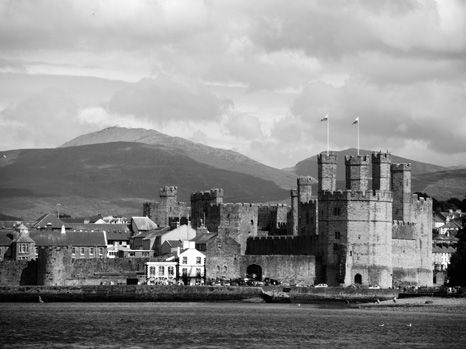
12. Caernarfon Castle and town. (Courtesy of Reinoud Kaasschieter under Creative Commons)
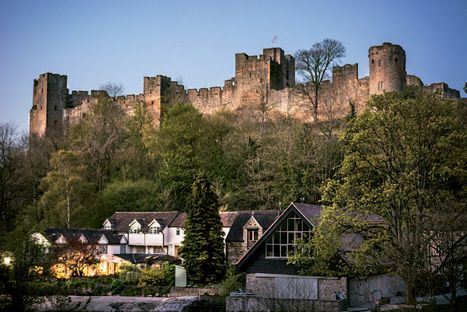
13. Ludlow Castle, Shropshire, which belonged to Edward’s most dangerous enemy Roger Mortimer. (Courtesy of Darren Musgrove under Creative Commons)
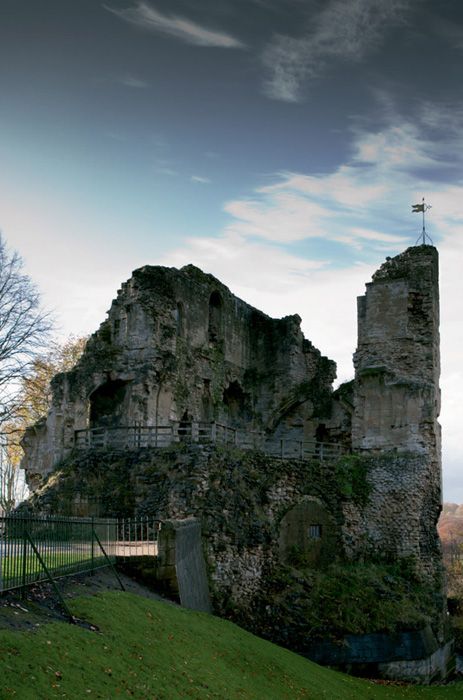
14. Knaresborough Castle, which Edward gave to Gaveston. (Courtesy of David Pacey under Creative Commons)
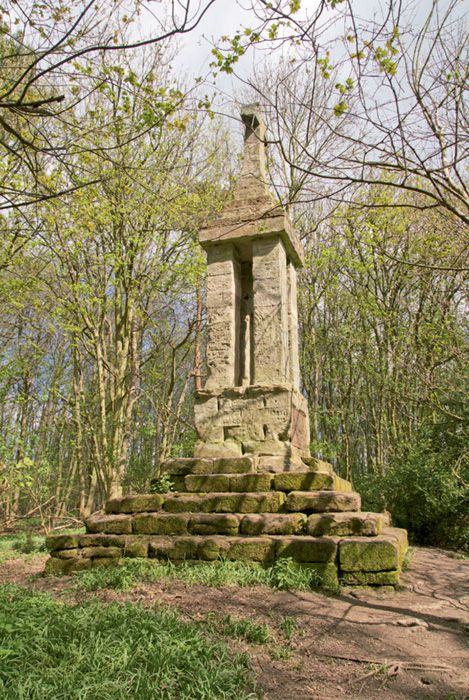
15. A cross erected near Leek Wootton, Warwickshire, in the nineteenth century to mark the spot where Piers Gaveston was killed in June 1312. (Courtesy of Andrew Donkin under Creative Commons)
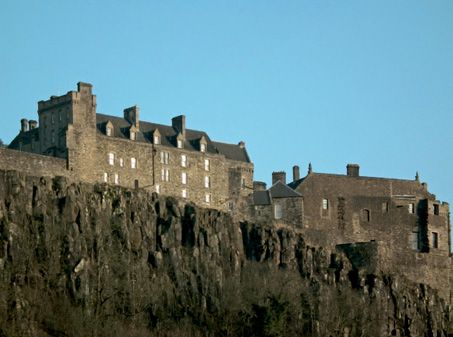
16. Stirling Castle, Scotland, near the battlefield of Bannockburn. (Courtesy of Liz under Creative Commons)
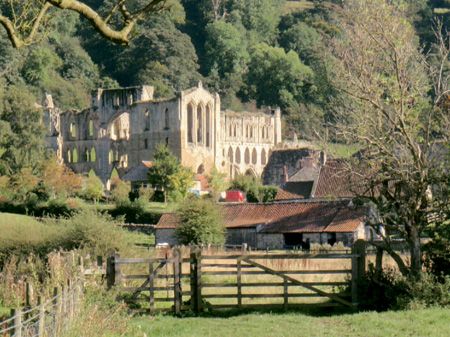
17. Rievaulx Abbey, North Yorkshire, where Edward was almost captured by a Scottish force in October 1322. (Courtesy of Reinhold Behringer under Creative Commons)
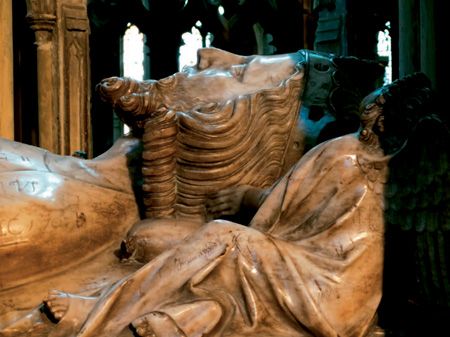
18. Edward’s effigy in Gloucester Cathedral. (Courtesy of BazzaDaRambler under Creative Commons)
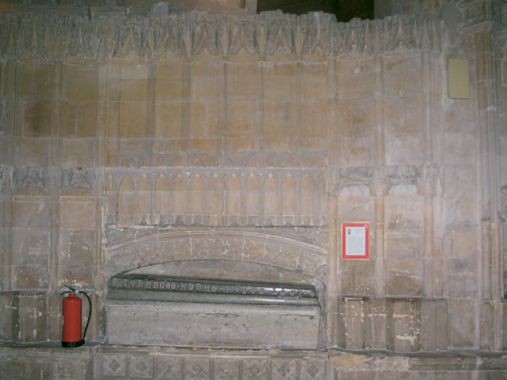
19. Tomb of Edward’s chamberlain and favourite Hugh Despenser the Younger in Tewkesbury Abbey. (Photo by author, with permission of the vicar and churchwardens)
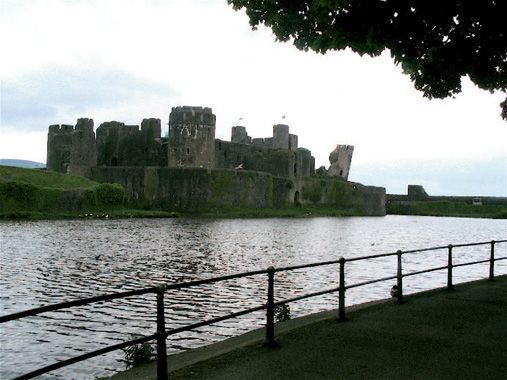
20. Caerphilly Castle, South Wales, which belonged to Hugh Despenser and was where Edward and Despenser fled in October 1326. (Courtesy of deadmanjones under Creative Content)
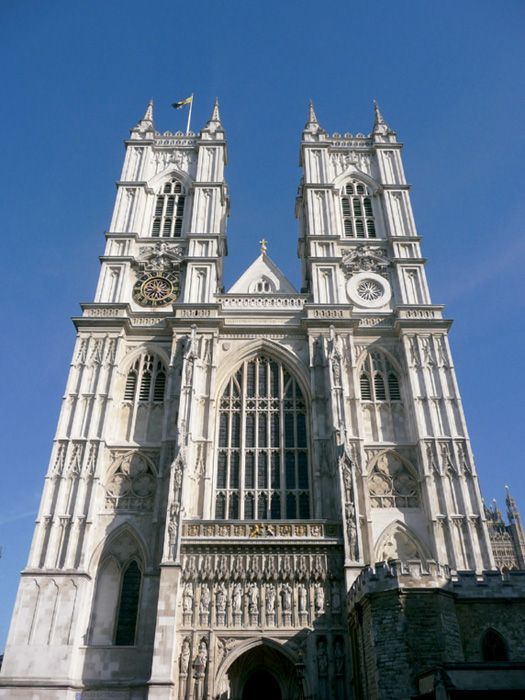
21. Westminster Abbey, where Edward’s parents Edward I and Eleanor of Castile are buried. (Courtesy of Elentari86 under Creative Commons)
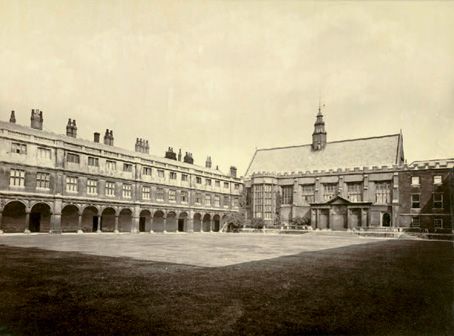
22. Trinity College, Cambridge, c. 1865. Edward’s 1317 foundation of King’s Hall was incorporated into Trinity on its foundation in 1546. (Courtesy of Cornell University Library)
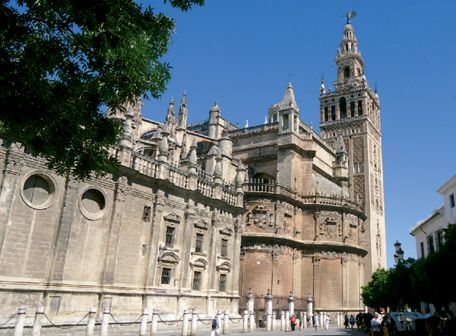
23. Seville Cathedral, southern Spain, where Edward’s maternal grandfather San Fernando, king of Castile and patron saint of the city, is buried. Edward’s uncle Felipe was archbishop of Seville. (Photo by author)
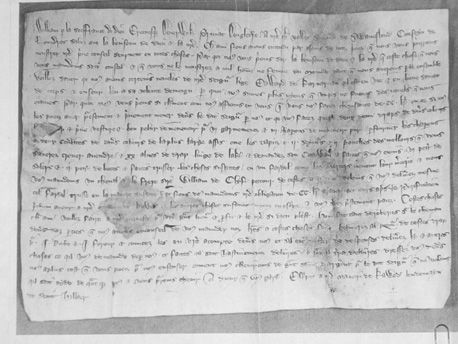
24. Letter of the archbishop of York in January 1330 saying that Edward is still alive, over two years after his funeral. (Courtesy of Warwickshire County Record Office; MS CR136/C2017)
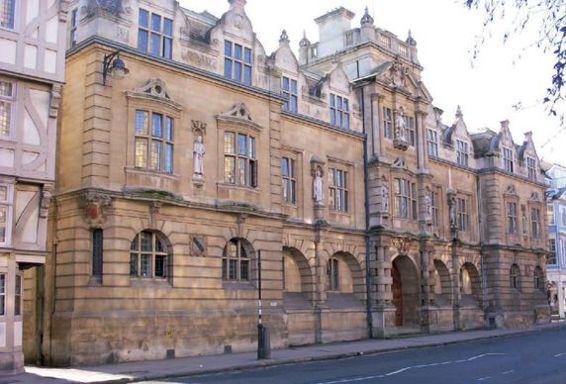
25. Oriel College, Oxford, founded by Edward and his almoner in 1326. (Wikimedia commons)
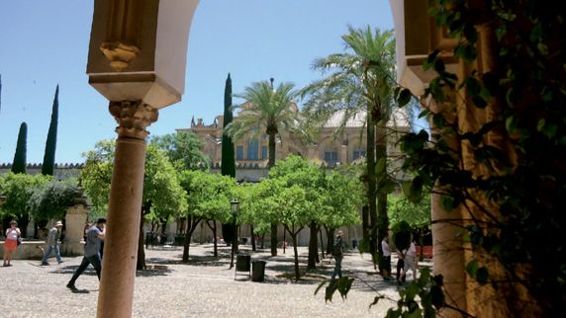
26. The Great Mosque of Cordoba, southern Spain, captured by Edward’s grandfather Fernando in 1236. (Photo by author)
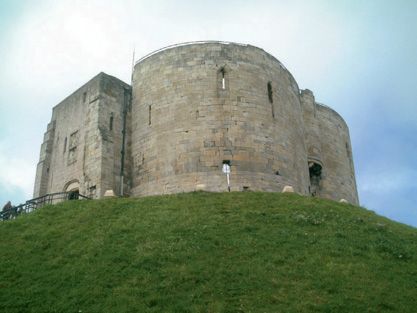
27. Clifford’s Tower, York. Three noblemen, including Roger Clifford, were executed here in March 1322 after rebelling against Edward. (Photo by author)
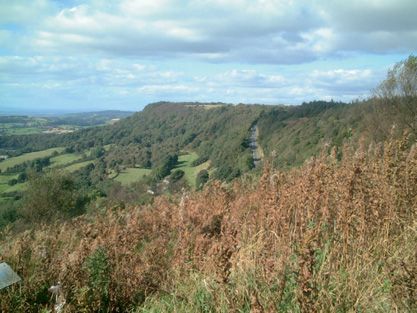
28. Sutton Bank, North Yorkshire. Edward’s forces were defeated at the battle of Byland here in October 1322. (Photo by author)
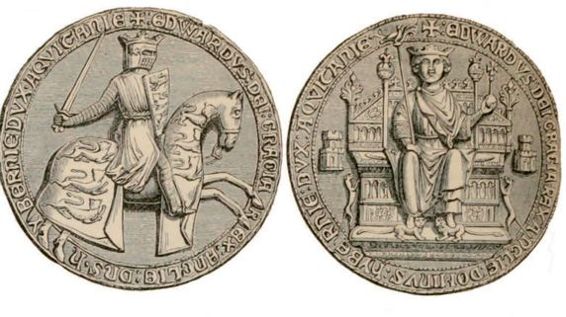
29. Edward’s great seal, with two castles of Castile for his mother’s homeland. (From The Pictorial History of England, 1846, Vol. 1)
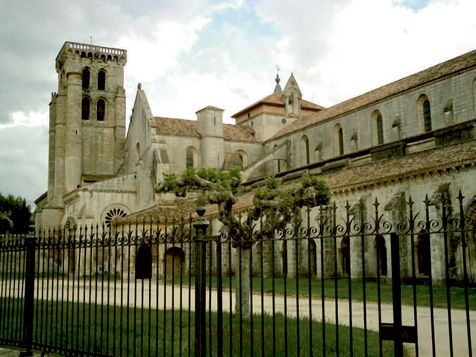
30. The Cistercian monastery of Las Huelgas, Burgos, northern Spain, where Edward’s parents married in 1254. (Courtesy of Lumiago under Creative Commons)
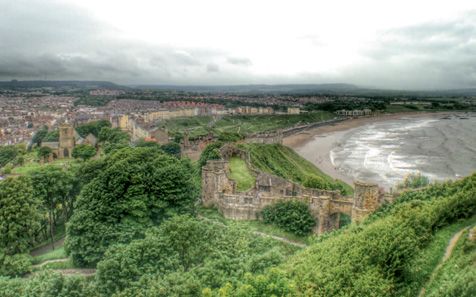
31. Scarborough Castle, North Yorkshire, where Piers Gaveston was besieged in May 1312. (Courtesy of Kate Johnson via Creative Commons)
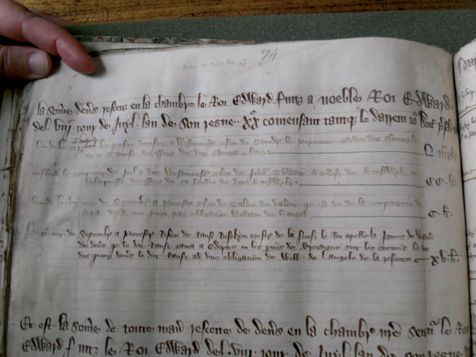
32. A page of Edward’s chamber account of 1325/26, calling him ‘King Edward son of the noble King Edward’. (Photo by author with permission of the Society of Antiquaries of London)
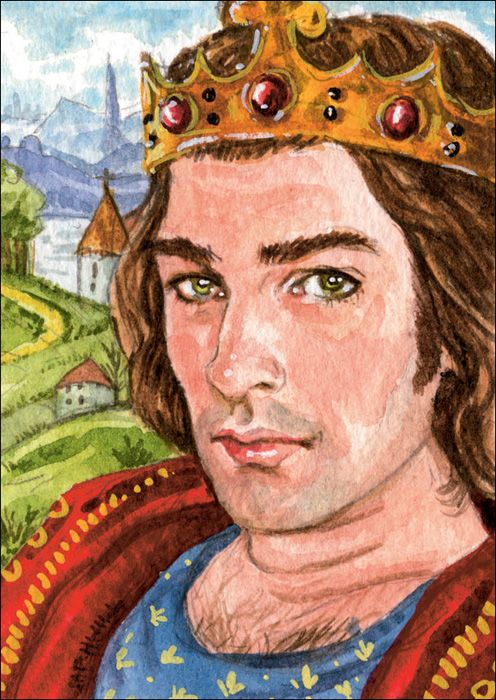
33. Edward, by artist Mark Satchwill. (Used with permission)