
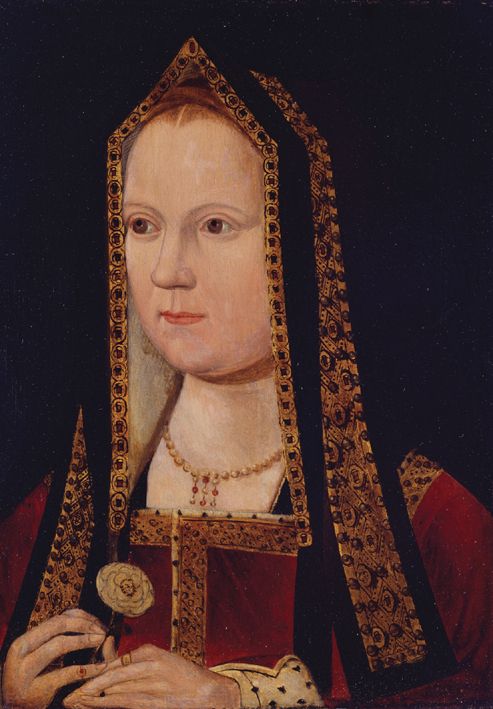
Elizabeth of York, “the most virtuous princess and gracious Queen.” (Illustration credit i1.1)
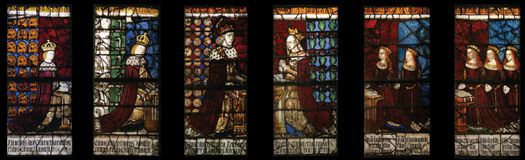
Edward IV and Elizabeth Wydeville with their children: the future Edward V kneels in front of his brother on the left, and Elizabeth of York heads her sisters, Mary, Cecily, Anne, and Katherine, on the right. “In those days you would have seen a royal court worthy of a most mighty kingdom, filled with riches, and, surpassing all else, those beautiful and most delightful children.” (Illustration credit i1.2)
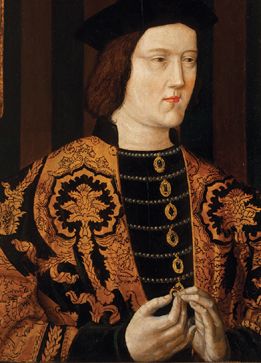
Edward IV, Elizabeth’s father. “The commons love and adore him as if he were their God.” (Illustration credit i1.3)
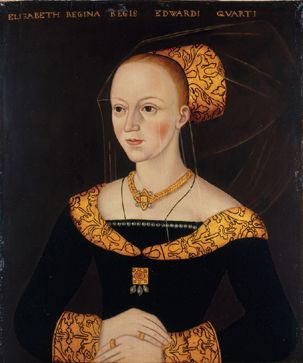
Elizabeth Wydeville, Elizabeth’s mother. “Now take heed what love may do.” (Illustration credit i1.4)
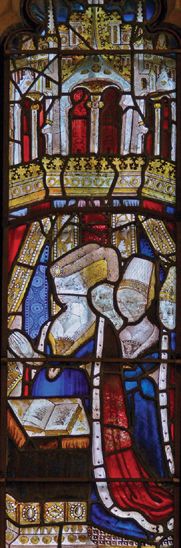
Elizabeth and her sisters, Mary, Cecily, and Anne. “She manifested toward her brothers and sisters an unbounded love.” (Illustration credit i1.5)
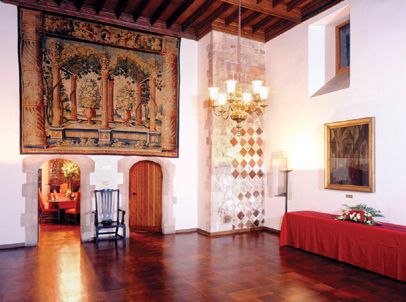
One of the restored rooms at Cheyneygates, the former house of the Abbot of Westminster, where Elizabeth lived in sanctuary with her mother and siblings for eighteen months in total, “in right great trouble, sorrow and heaviness.” (Illustration credit i1.6)
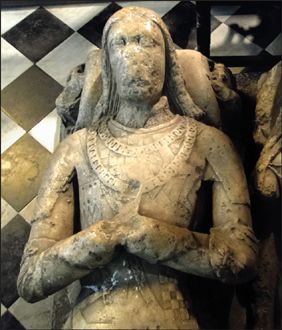
Thomas, Lord Stanley, later Earl of Derby—Elizabeth’s “Father Stanley”—who intrigued with her against Richard III. (Illustration credit i1.7)
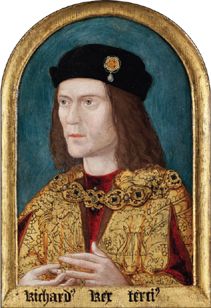
Richard III, the uncle who had Elizabeth declared a bastard. She called him “her only joy and maker in this world.” (Illustration credit i1.8)
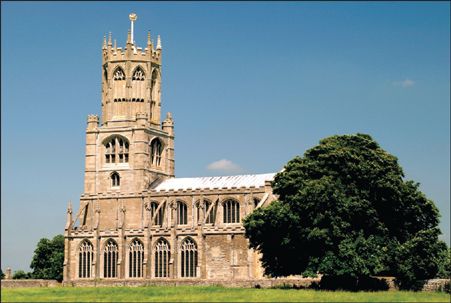
Fotheringhay Church, where Elizabeth witnessed the solemn reburial of her grandfather, Richard, Duke of York, in 1476. (Illustration credit i1.9)
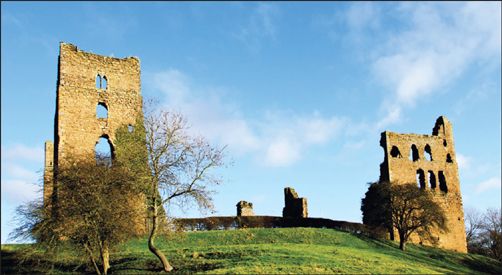
Sheriff Hutton Castle, Yorkshire, where Elizabeth was effectively held prisoner by Richard III in 1485. (Illustration credit i1.10)
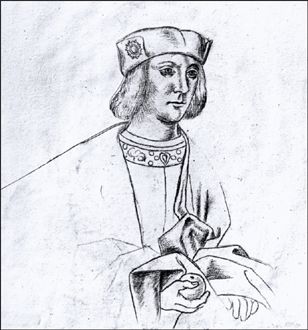
Elizabeth’s husband, Henry VII, as a young man. “He was governed by none,” yet there is evidence that he came to respect Elizabeth’s judgment and confided in her. (Illustration credit i1.11)
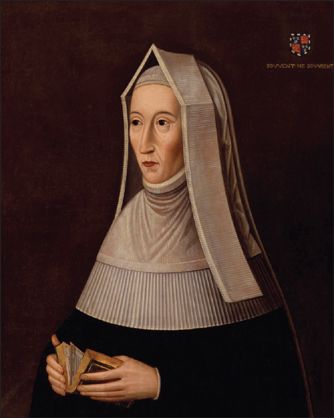
Margaret Beaufort, Countess of Richmond, Elizabeth’s mother-in-law. “Everyone that knew her loved her,” and the two women got on well together. (Illustration credit i1.12)
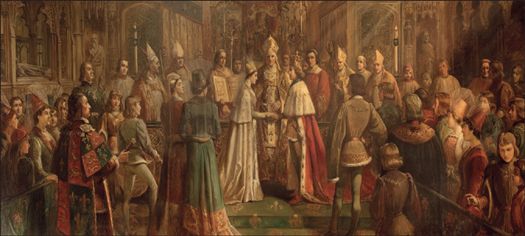
“The joining of the Houses of Lancaster and York”: imaginative painting of the wedding of Henry and Elizabeth by J. R. Brown, ca. 1901. “Two titles in one thou didst unify, when the red rose took the white in marriage.” (Illustration credit i1.13)
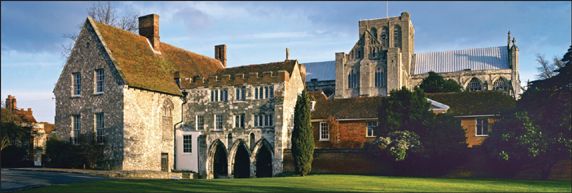
“The rose both red and white in one rose now doth grow.” The Deanery, Winchester Cathedral, the former Prior’s House, where Elizabeth’s first child, Arthur, was born in 1486. (Illustration credit i1.14)
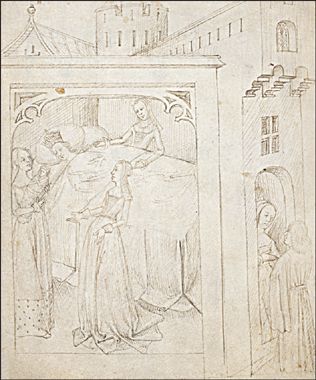
The birth of a prince, from the Beauchamp Pageant, ca. 1483–87. “Behold, the royal child Arthur arises, the second hope of our kingdom.” (Illustration credit i1.15)
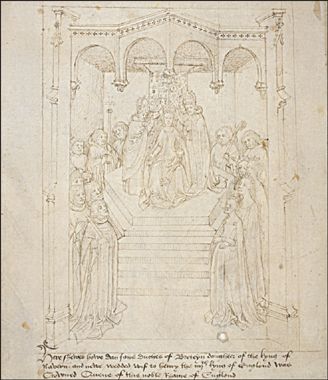
“O Commonwealth, the Queen with joyous heart takes up her glorious crown.” The coronation of a queen, from the Beauchamp Pageant, ca. 1483–87. Although this drawing depicts Joan of Navarre, wife of Henry IV, it was executed eighty years later, around the time of Elizabeth’s coronation. (Illustration credit i1.16)
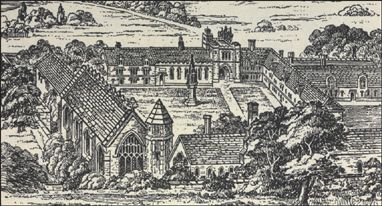
Bermondsey Abbey, south of London, where Elizabeth’s mother was sent “for divers considerations” in 1487. (Illustration credit i1.17)
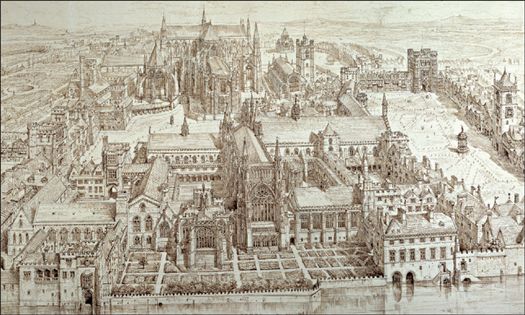
The Palace of Westminster, with Westminster Abbey in the background, as it would have looked in the reign of Elizabeth’s son, Henry VIII. (St. Stephen’s Chapel can be seen in the center, with Westminster Hall behind it to the right.) Elizabeth was born here. She spent much time at Westminster, which was the foremost of the royal palaces in her day. (Illustration credit i1.18)
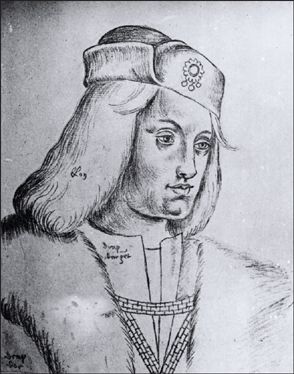
Perkin Warbeck, the “feigned lad,” who claimed to be Elizabeth’s brother, Richard, Duke of York. He could “move pity and induce belief, as was like a kind of fascination and enchantment to those that saw or heard him.” (Illustration credit i1.19)
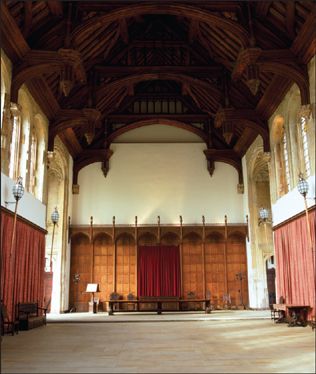
Edward IV’s great hall at Eltham Palace, where Henry and Elizabeth’s “right dearly well-beloved” younger children spent much time in their early years. (Illustration credit i1.20)
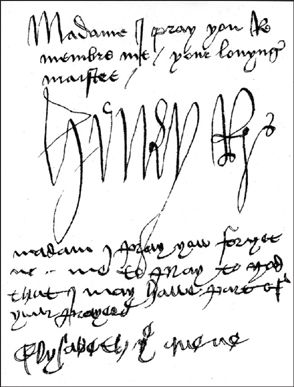
“Madam, I pray you forget not me to pray to God that I may have part of your prayers.” Inscriptions written by Elizabeth and Henry VII in a Latin missal of 1498, owned by one of her ladies. (Illustration credit i1.21)
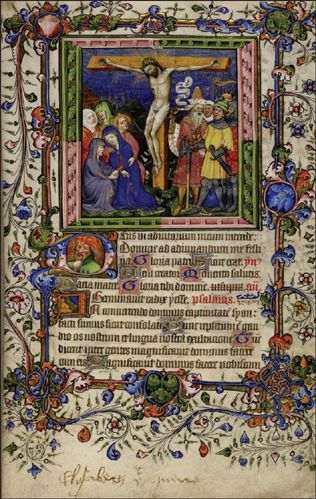
Elizabeth’s signature appears at the bottom of this page in The Hours of Elizabeth the Queen. (Illustration credit i1.22)
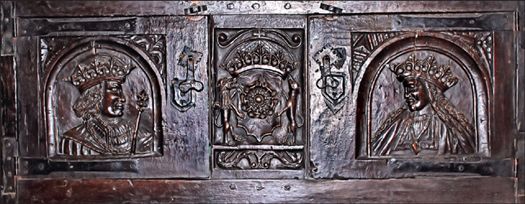
Carved reliefs of Henry VII and Elizabeth of York on the Sudbury Hutch of ca.1500. (Illustration credit i1.23)
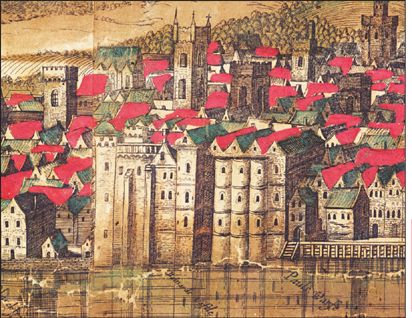
The two foremost residences of the House of York, which passed to Elizabeth in 1495. (Left) Baynard’s Castle, on the Thames in London, where her father, Edward IV, and her uncle, Richard III, were in turn offered the crown. (Illustration credit i1.24)
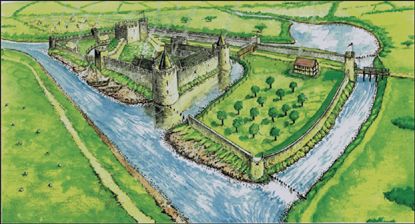
Fotheringhay Castle, a Yorkist stronghold since 1377 (modern reconstruction). (Illustration credit i1.25)
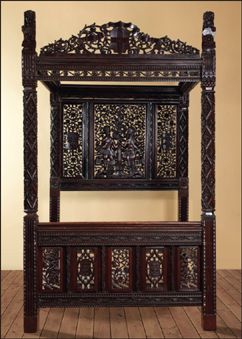
The Paradise Bed, perhaps commissioned by Derby for the visit of the King and Queen to Lathom or Knowsley in 1495. (Illustration credit i1.26)
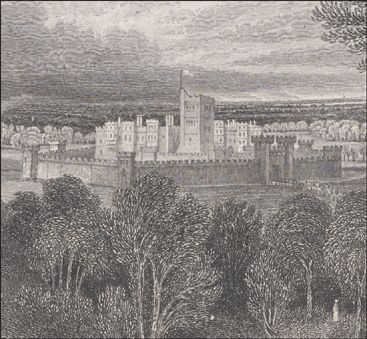
Lathom House, the seat of Thomas Stanley, Earl of Derby, and Margaret Beaufort, where Henry and Elizabeth stayed in 1495. “There is something so particular and romantic in the general situation of this house.” (Illustration credit i1.27)
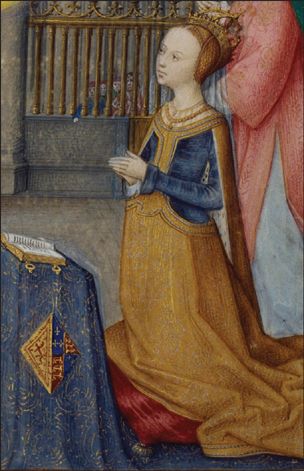
Margaret Tudor, Elizabeth’s eldest daughter, in 1503. (Illustration credit i1.28)
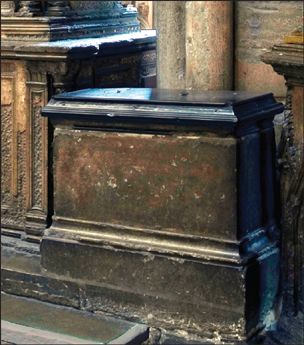
The tomb of Elizabeth’s second daughter and namesake in Westminster Abbey. “Atropos, most merciless messenger of death, snatched her away” at the age of three. (Illustration credit i1.29)
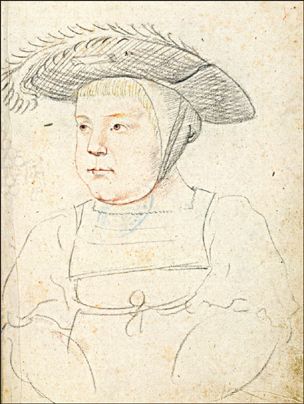
Elizabeth’s “fair sweet son,” the future Henry VIII, in infancy. (Illustration credit i1.30)
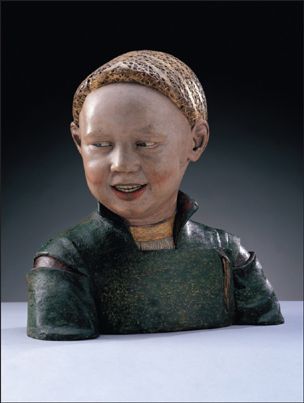
“A delightful small, new rose, worthy of its stock.” Terra-cotta bust of a laughing child, possibly Prince Henry, by Guido Mazzoni, ca. 1498. (Illustration credit i1.31)
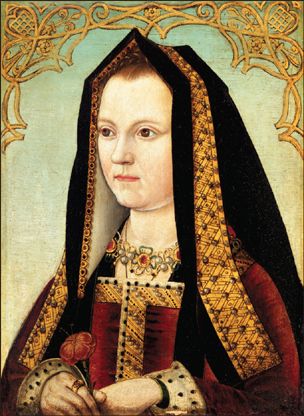
Elizabeth of York, a portrait possibly painted in 1502, the year that may have witnessed a rift between the King and Queen. (Illustration credit i1.32)
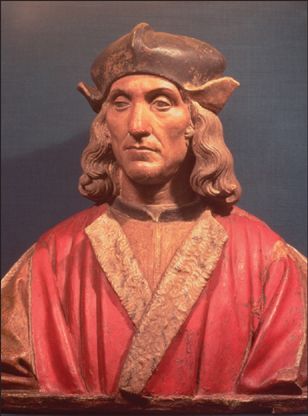
Henry VII in later life: “a dark prince and infinitely suspicious.” Terra-cotta bust by Pietro Torrigiano, ca. 1509–11. (Illustration credit i1.33)
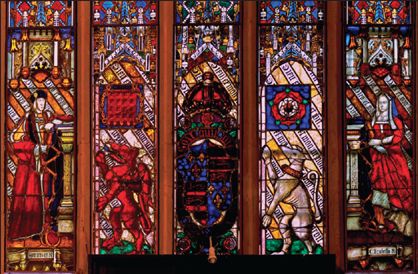
Stained-glass windows depicting Henry VII and Elizabeth of York, dating from ca. 1537–40 and based on the Whitehall mural. (Illustration credit i1.34)
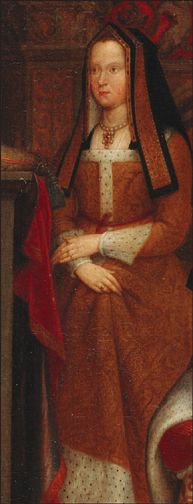
Elizabeth of York, detail from Remigius van Leemput’s copy of Hans Holbein’s lost Whitehall Palace mural of 1537. (Illustration credit i1.35)
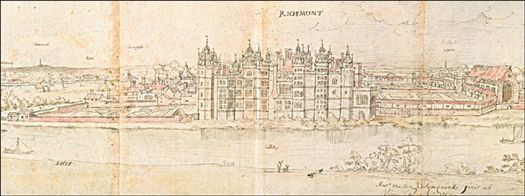
Richmond Palace, “this earthly and second paradise of England,” built by Henry VII to showcase the Tudor dynasty. Drawing by Anthony van Wyngaerde, 1555. (Illustration credit i1.36)
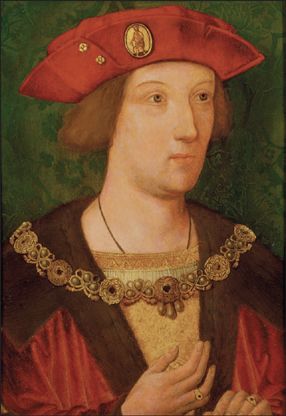
“The delight of the Britons” and “the glorious hope of the realm”: Arthur Tudor, Prince of Wales, artist unknown, ca. 1520. (Illustration credit i1.37)
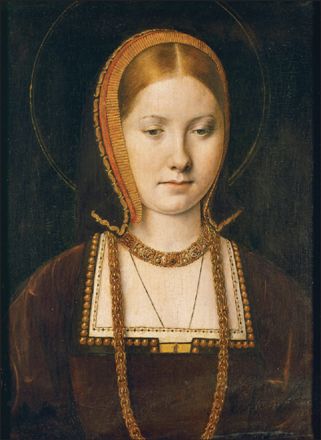
Katherine of Aragon, portrait by Miguel Sittow ca. 1505. Arthur “had never felt so much joy in his life as when he beheld the sweet face of his bride.” (Illustration credit i1.38)
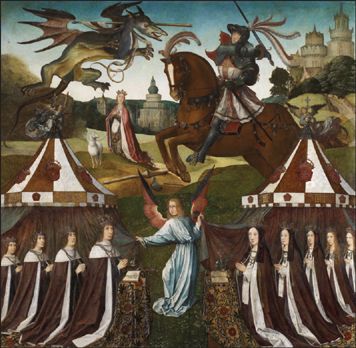
Henry VII and Elizabeth of York kneeling with all their “illustrious progeny” before St. George. Votive altarpiece of ca. 1503–9, Flemish School. (Illustration credit i1.39)
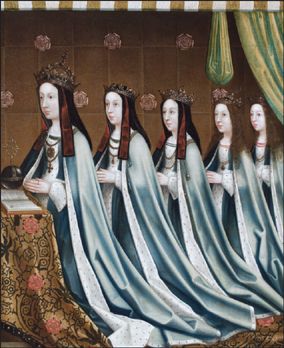
Elizabeth and her four daughters. Nineteenth-century copy of a lost panel painting related to the St. George altarpiece. (Illustration credit i1.40)
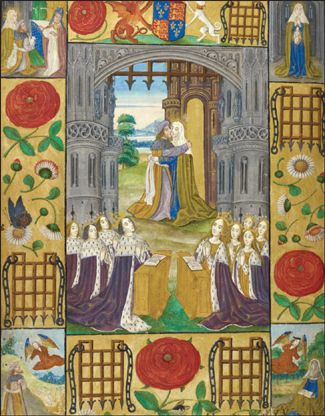
Henry and Elizabeth and their children in “The Ordinances of the Confraternity of the Immaculate Conception,” dating from March 1503. (Illustration credit i1.41)
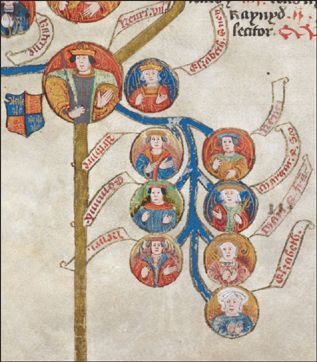
Henry and Elizabeth and their children from an early sixteenth-century genealogy of the kings of England. (Illustration credit i1.42)
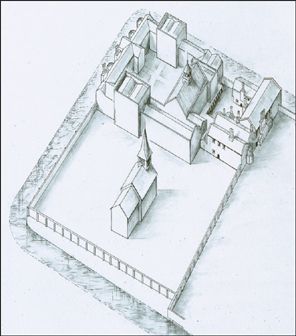
Reconstruction of Hampton Court as it was when Elizabeth visited in 1502 and 1503. (Illustration credit i1.43)
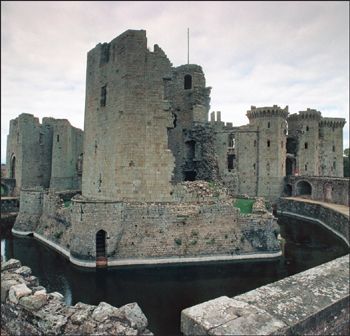
Raglan Castle, Wales, where Elizabeth stayed on her long progress of 1502. (Illustration credit i1.44)
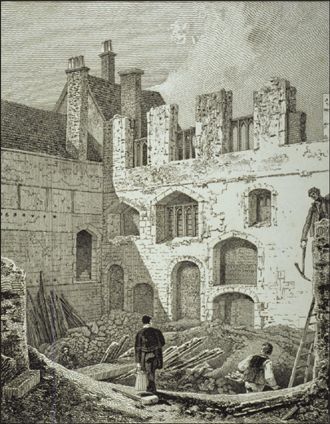
The Minoresses Convent at Aldgate, after the fire of 1797. Elizabeth was in touch with her kinswoman, the Abbess, when she visited the Tower in 1502, at the time Sir James Tyrell probably confessed to murdering her brothers, the Princes in the Tower. (Illustration credit i1.45)
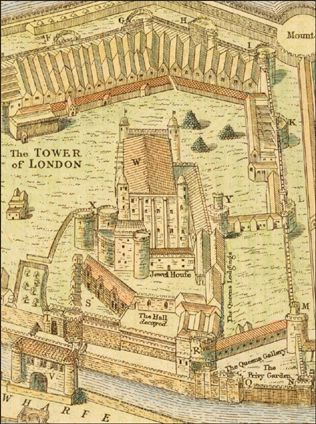
“Merciful God, this is a strange reckoning.” The Queen’s lodgings at the Tower of London, where Elizabeth died, are clearly marked to the right of the White Tower on this plan of 1597 (detail). (Illustration credit i1.46)
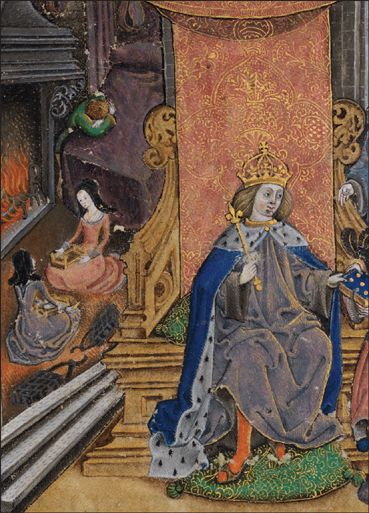
Elizabeth’s son, the future Henry VIII mourns her passing. “Never since the death of my dearest mother hath there come to me more hateful intelligence.” (Illustration credit i1.47)
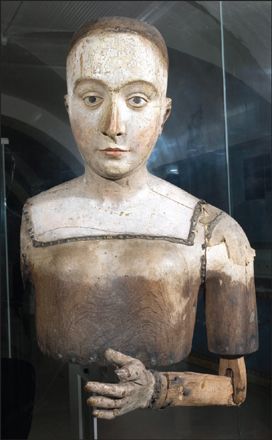
Remains of the wooden effigy of Elizabeth of York carried at her funeral: “a image or personage like a queen, clothed in the very robes of estate of the Queen.” (Illustration credit i1.48)
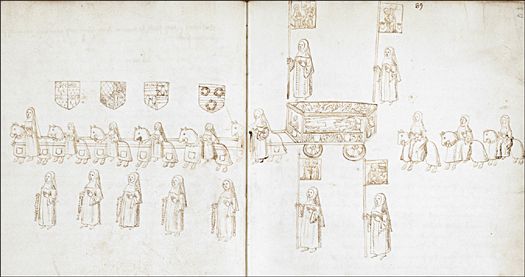
The funeral of Elizabeth of York. “From Mark Lane to Temple Bar alone were five thousand torches, besides lights burning before all the parish churches.” (Illustration credit i1.49)
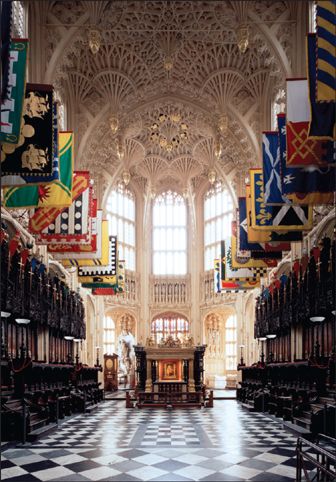
“This sumptuous sepulchre”: The Henry VII Chapel in Westminster Abbey, with the tomb of Henry and Elizabeth in the center. (Illustration credit i1.50)
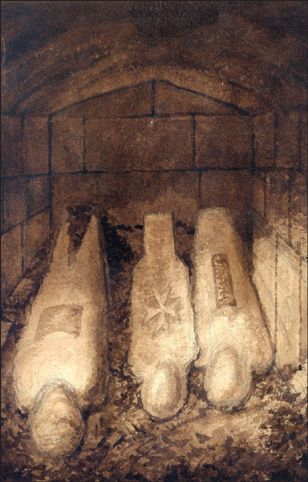
The coffins in the vault below the tomb, as seen in 1869. Elizabeth’s is in the center, Henry VII’s to the right, and James I’s to the left. (Illustration credit i1.51)
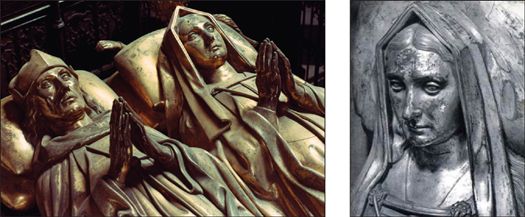
Tomb effigies of Henry VII and Elizabeth of York by Pietro Torrigiano, 1512–19. “Here is Henry VII, the glory of all the kings who lived in his time. Joined to him his sweet wife was very pretty, chaste and fruitful.” (Illustration credit i1.52) (Illustration credit i1.53)