
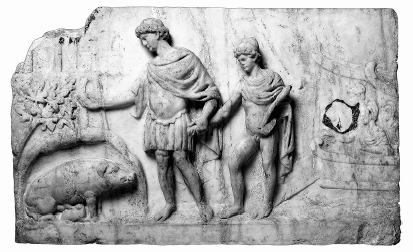
Aeneas and his son Julus arriving in Italy. (© The Trustees of the British Museum)
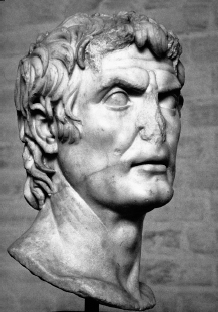
Gaius Marius, seven-time consul and uncle of Julius Caesar. (© Glyptothek, Munich, Germany [The Bridgeman Art Library])

The ruins of the Roman Forum today. (© Janey Lee)
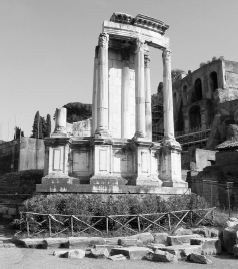
The Temple of Vesta in the Roman Forum, sanctuary of the Vestal Virgins, who served under Caesar when he was pontifex maximus. (© Janey Lee)
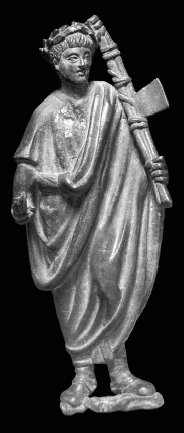
Bronze figurine of a lector, the guards for Caesar and all senior Roman magistrates. (© The Trustees of the British Museum)
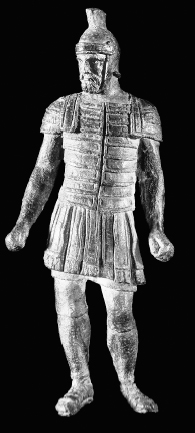
Bronze statuette of a typical legion infantryman of Caesar’s time. (© The Trustees of the British Museum)
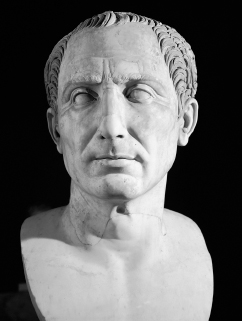
Julius Caesar. (© Museo e Gallerie Nazionali di Capodimonte, Naples, Italy [The Bridgeman Art Library])
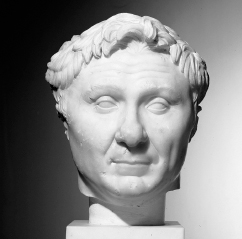
Pompey, Caesar’s political partner and son-in-law, who later became his greatest military foe. (© Ny Carlsberg Glyptothek, Copenhagen, Denmark [The Bridgeman Art Library])
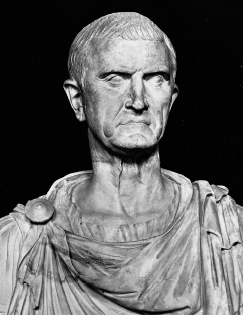
Crassus, one of Rome’s wealthiest men and the third member of the triumvirate with Pompey and Caesar. (© The Louvre, Paris, France [The Bridgeman Art Library])
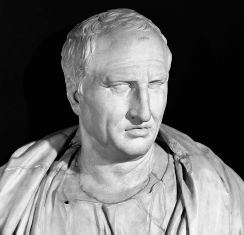
Cicero, Rome’s most gifted orator and a frequent critic of Caesar. (© Museo Capitolino, Rome, Italy [The Bridgeman Art Library])
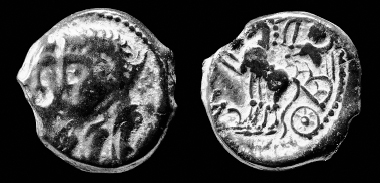
Coin of the Remi tribe from Belgic Gaul. (© The Trustees of the British Museum)
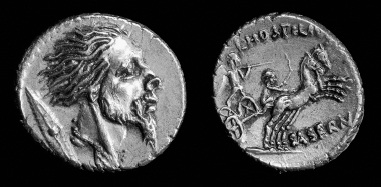
Roman silver denarius showing a Gaulish warrior (left) and Celtic chariot (right). (© The Trustees of the British Museum)
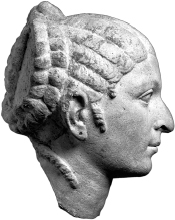
Head of a woman resembling Cleopatra, Egyptian queen and mistress of Caesar. (© The Trustees of the British Museum)
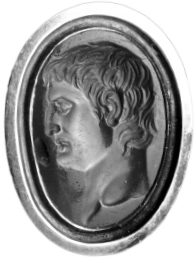
Ring etched with a portrait of Mark Antony, Caesar’s ruthless but loyal lieutenant. (© The Trustees of the British Museum)

The Death of Cato of Utica by Charles Le Brun (1619–90). (© Musée des Beaux Arts, Arras, France [The Bridgeman Art Library])
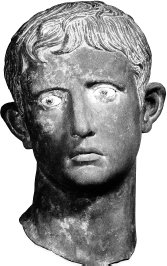
Octavius, Caesar’s great-nephew and heir, who ruled the Roman Empire as Augustus. (© The Trustees of the British Museum)
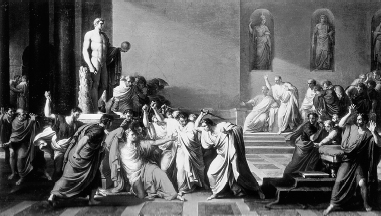
The Death of Julius Caesar by Vincenzo Camuccini (1773–1844). (© Museo e Gallerie Nazionali di Capodimonte, Naples, Italy [The Bridgeman Art Library])