
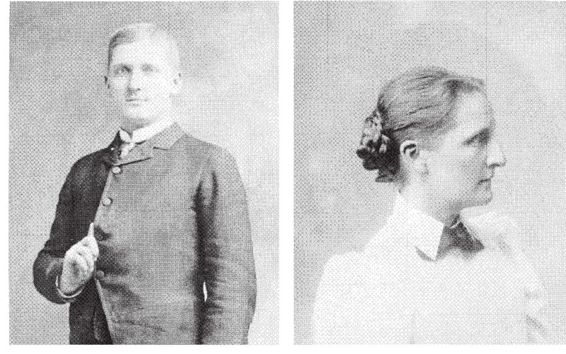
Max Perkins’s father, Edward C. Perkins, a lawyer in Plainfield, New Jersey, came from a long line of cultivated Bostonians. Max’s mother,
Elizabeth Evarts Perkins, descended from stern New England clergymen and statesman, whom Max described as “rigorous for duty.”
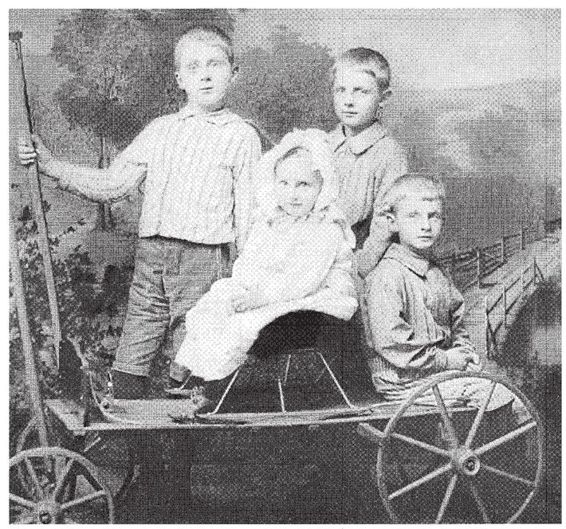
Max at age eight (upper right), surrounded by his brothers Edward and Charles (left and right) and his sister Molly.
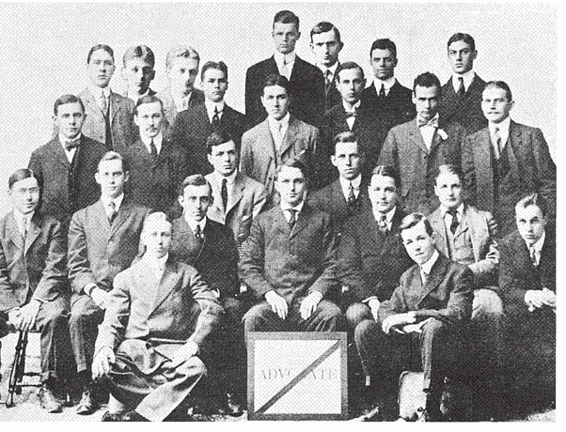
Max (seated at right, wearing light suit) was not the only member of the 1907 Harvard Advocate staff to distinguish himself in the world of arts and letters. Van Wyck Brooks (left, mustached), his best friend, became a major essayist and critic; another lifelong friend, Edward Sheldon (standing at center, light suit), wrote a Broadway hit while at Harvard. (By permission of the Houghton Library, Harvard University.)
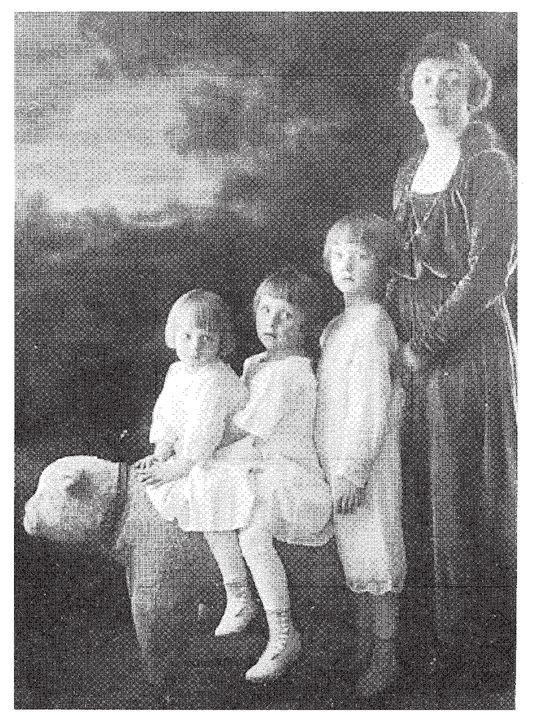
Louise with the Perkinses’ three oldest daughters—(from left) Peggy, Zippy, and Bertha. Max yearned for boys but fathered five girls.
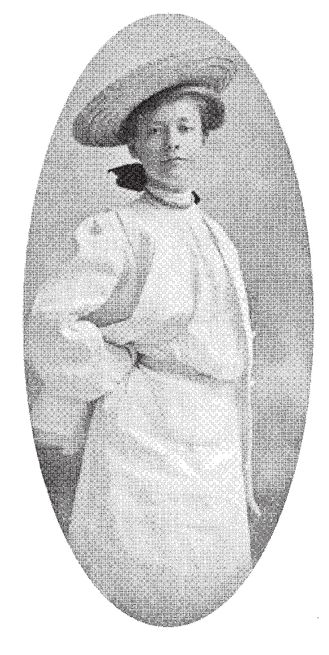
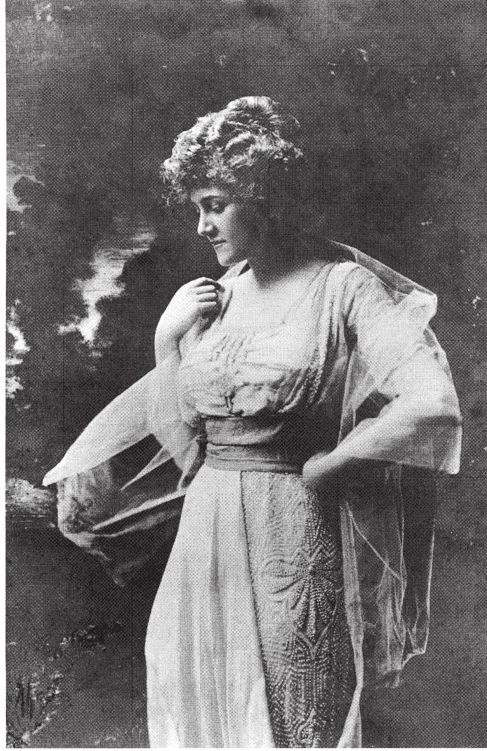
Louise Saunders at the age of eighteen, four years before she married Max. They had known each other since dancing class in Plainfield. To a friend she spoke of him as “my Greek god. ”
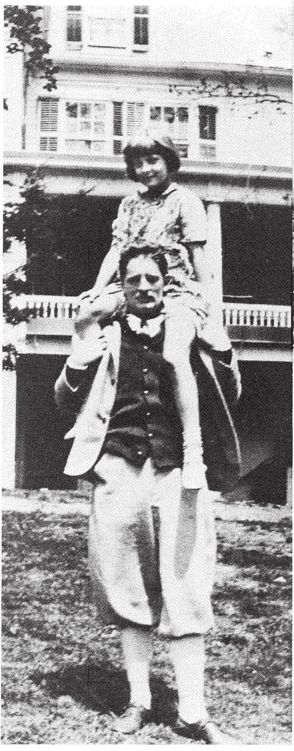
Max about to take a “real walk” from the Plainfield house with his fourth daughter, Jane. This was his customary daughtercarrying position—on the shoulders, one leg down.
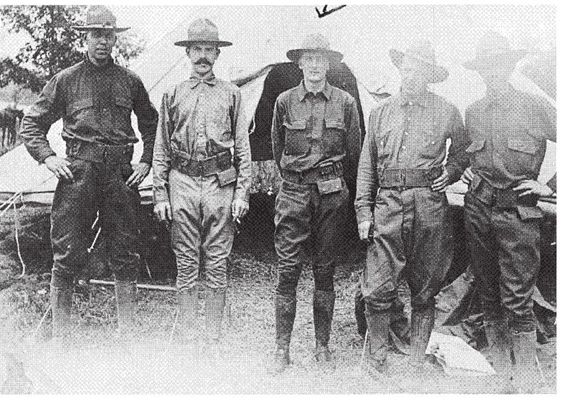
1916 : Max (center) on the
Mexican border with National
Guard Squadron A from Plainfield.
The squadron spent three
months trying to capture Pancho
Villa but never even glimpsed
him. Max reread the Iliad
that summer; the southwestern
plains reminded him of Troy.
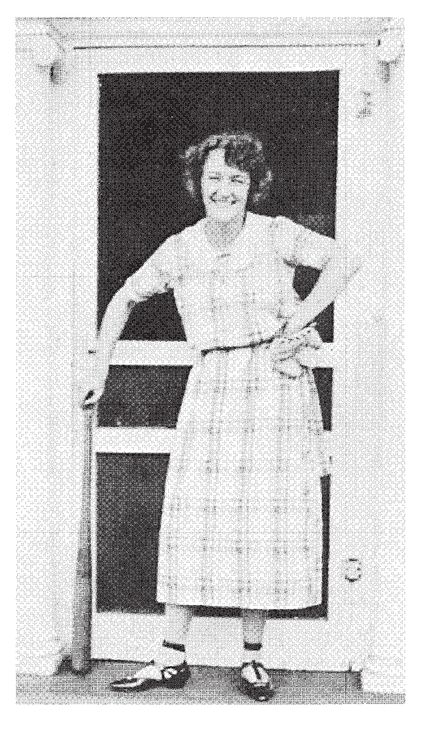
“Dea incessu patuit” (And
she revealed herself to be a
goddess), Max wrote of Elizabeth
Lemmon in a letter to her
just after they met. A belle of
Baltimore and the Virginia
hunt country, she represented
ideal womanhood to Max.
(She also managed the Upperville,
Virginia, baseball team.)
For twenty-five years they
maintained a platonic love affair.
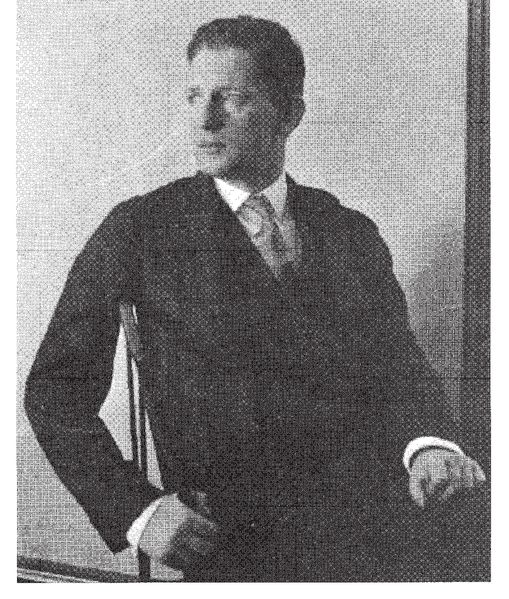
Max the young editor, about
1920, just after his discovery
of F. Scott Fitzgerald
and the beginning of his
illustrious career at Scribners.
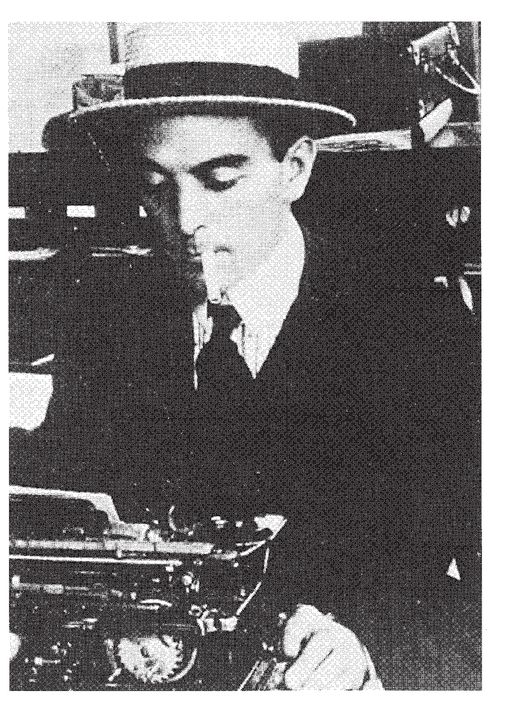
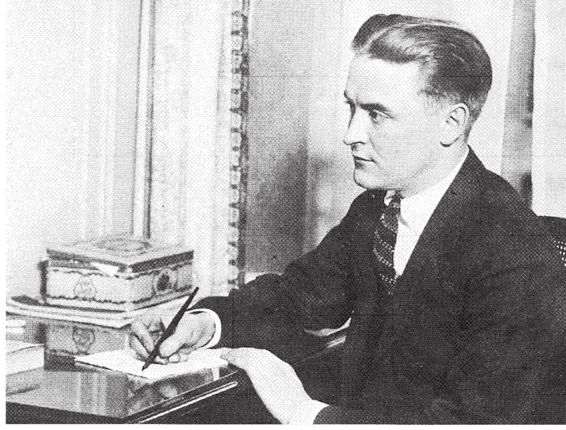
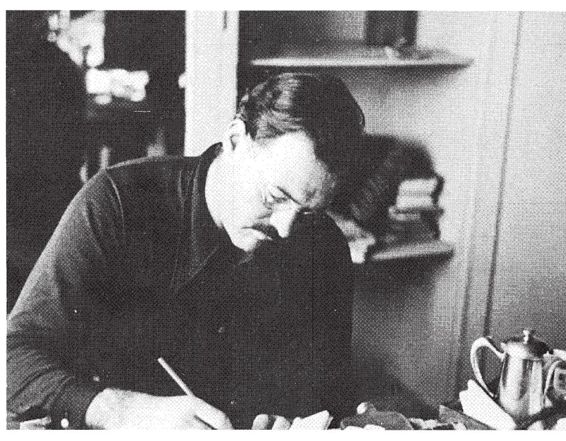
Authors at work :
Fitzgerald (opposite top),
the first of the legendary
Perkins authors, steered him to
two others, Ring Lardner (right),
and Ernest Hemingway
(opposite bottom, shown writing
in Spain during the civil
war). Max saw each of the three
through severe personal and
professional difficulties; his
warmth and steadfast support
meant as much to them as
his editorial guidance.
(Bettmann Archive;
Granger Collection; © Robert Capa,
John F. Kennedy Library)
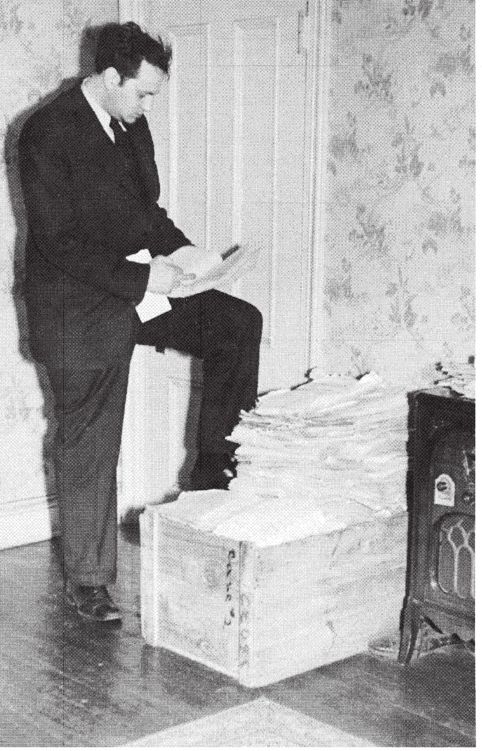
Thomas Wolfe with one of the three crates containing the manuscript of Of Time and the River. Wolfe’s novel was the challenge of Perkins’s lifetime. The massive editing job consumed two intense, often violent years, resulting first in a great success and then in a rift between author and editor. The book was dedicated to Perkins : “A great editor ... and unshaken friend.” (Robert Disraeli Films)
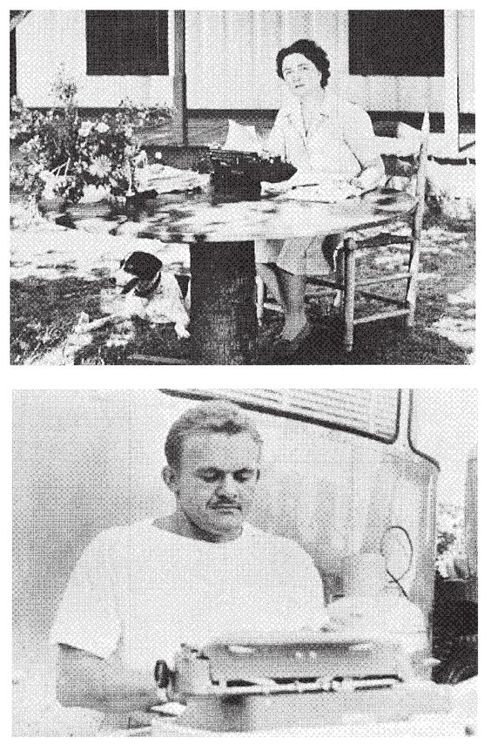
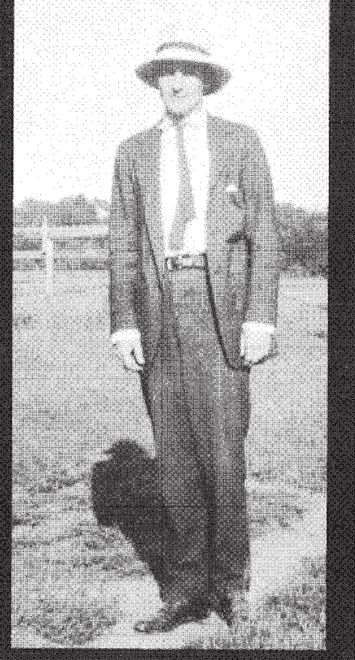
Two Perkins bestsellers : Marjorie Kinnan Rawlings (top), at her Cross Creek, Florida, home; her greatest success, the Pulitzer Prize-winning novel The Yearling, was a book Perkins conceived and kept after her for years to write. James Jones (bottom), inspired by the story of Wolfe and Perkins, brought Max his own autobiographical novel, which was declined; then Perkins urged him to write From Here to Eternity. It was the last book Perkins edited. (Both photographs courtesy of Charles Scribner’s Sons)
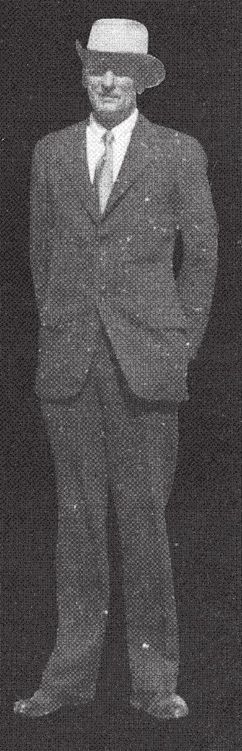
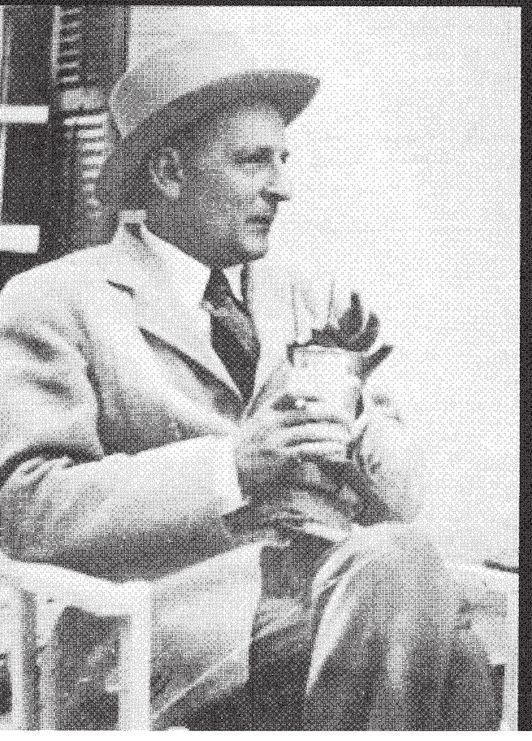
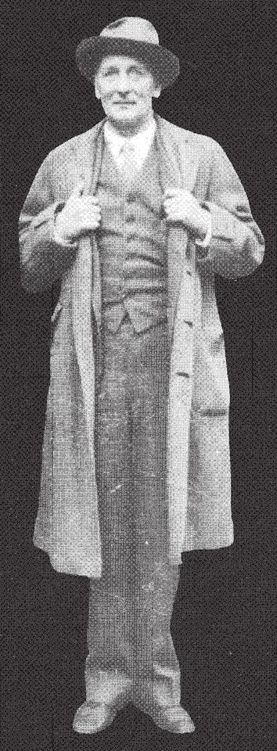
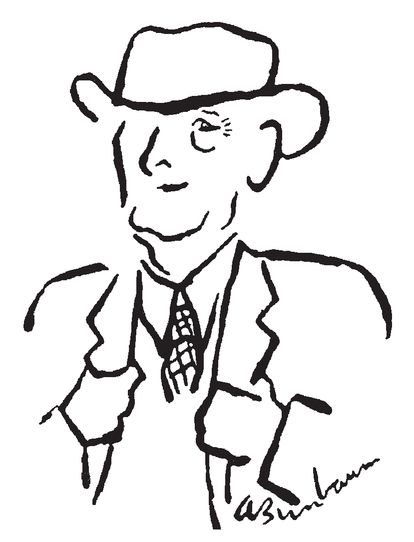
Max was famous for one eccentricity: wearing a hat indoors and out, nearly all the time. The caricature ran with Malcolm Cowley’s New Yorker profile of Perkins. (Illustration by A. Birnbaum © 1994 The New Yorker Magazine Inc. All rights reserved.)
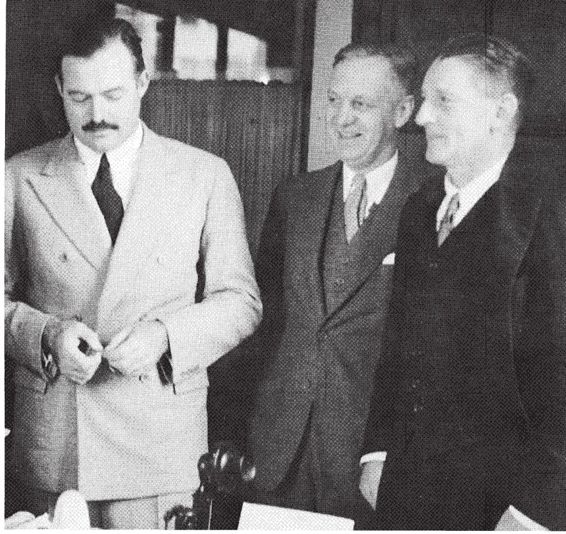
A meeting in Max’s office
between two very different Perkins
authors : S.S. Van Dine (left),
author of the enormously
successful Philo Vance mysteries,
was elegant and intellectual;
Hemingway scorned “literary”
writers and seldom wore a tie.
At right, Charles Scribner III and
Perkins. (Robert Disraeli Films)
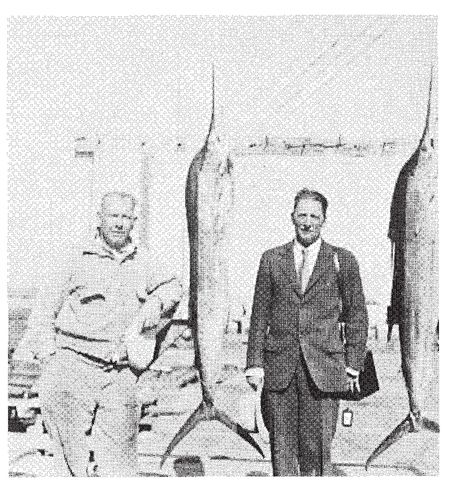
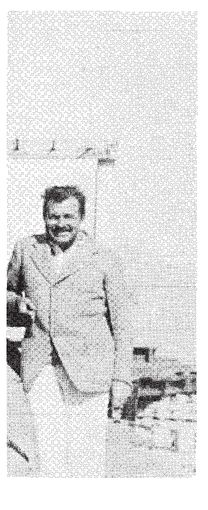
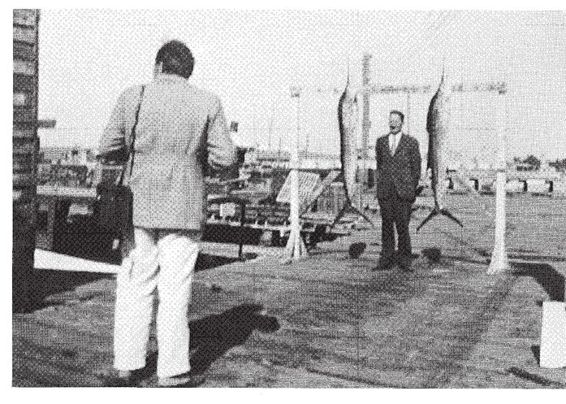
Key West, 1935 : Max, Ernest,
and trophies. Hemingway tried
annually to get the busy editor
away from his desk for adventurous
holidays. Not satisfied that
this, one of his few successful
attempts, was properly recorded,
Hemingway took a picture
himself (far right).
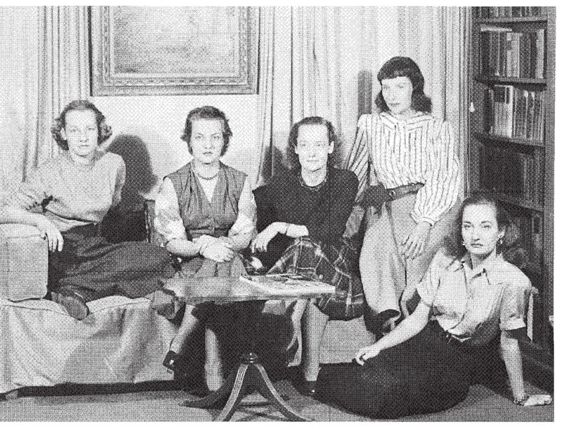
Max’s features play through the faces of his five beloved daughters : (from left) Peggy, Jane, Bertha, Zippy, and Nancy.

Max in the company of his wife (left) and Aline Bernstein, who had been Thomas Wolfe’s lover and early inspiration. Both women had resented the amount of time that Max spent with Wolfe. (Carl Mydans, Life magazine © Time Inc.)
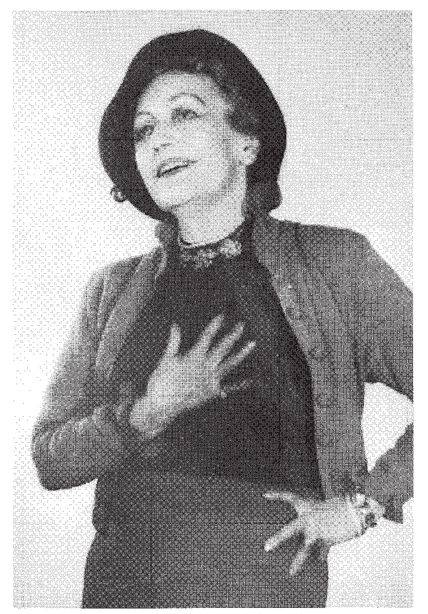
Louise late in life. Frustrated by a prenuptial vow she had made to Max to give up her acting aspirations, she converted to Roman Catholicism, which annoyed him even more than her passion for the theater.

One of the last photographs of Maxwell Perkins. (Al Ravenna)