
CHAPTER FORTY-SIX

Even before Lee’s official announcement of Jackson’s death, the news was surging through the camps of the Army of Northern Virginia. It did not seem possible that, just as the Confederacy was celebrating its greatest victory—indeed, the high-water mark of its existence—the great warrior was gone. The jolt was crueler because, until the moment of his death, the news coming from the sickroom at Guiney’s Station had been uniformly good: Jackson was recovering. He would live to fight again. “The announcement of the death of General Jackson followed frequent assurances that he was doing well,” a shaken Jefferson Davis wired Lee, “and though the loss was one which would have been deeply felt under any circumstances, the shock was increased by its suddenness.” Davis, the man who had once disliked and distrusted Jackson and had actively worked to undermine his authority at Romney, now proclaimed his passing “a great national calamity.”1
It was that, and more. In the camps “the sounds of merriment died away as if the Angel of Death himself had flapped his muffled wings over the troops,” wrote Raleigh Colston. “A silence profound, mournful, stifling and oppressive as a funeral pall succeeded to the voices of cheerfulness.”2 Jackson, whose most notable personal attribute was his silence, now inspired a wave of deep, despairing quiet throughout the army and the Southern nation.
At the Chandler house, Anna Jackson could see or feel little of this. She could only observe the soldiers who had collected in the yard, hundreds of them with their hats off, many weeping openly. On the afternoon of his death Jackson was laid out on a table in the Chandlers’ parlor. Because his uniform had been badly torn to treat his wounds, he had been dressed in an ordinary suit and dark military coat. His face was noticeably thinner than it had been in life, but it bore no trace of suffering. Anna found his appearance “more natural than I had dared hope.”3 She spent a sleepless night, with daughter Julia by her side, and later wrote of “the agony and anguish of those silent midnight hours, when the terrible reality of my loss and the desolation of widowhood forced itself upon me.”4 The next morning she came downstairs to find Jackson in an open pine coffin covered with lilies of the valley. As she gazed on his lifeless face, a distraught Sandie Pendleton came up and stood beside her and said, “God knows I would have died for him.”5
Meanwhile, the official machinery of death was grinding into gear. The previous day Lee had sent a formal note to Confederate secretary of war James Seddon: “It becomes my melancholy duty to announce to you the death of General Jackson. He expired at 3:15 p.m. today. His body will be conveyed to Richmond in the train tomorrow, under charge of Major Pendleton. . . . Please direct an escort of honor to meet it at the depot, and that suitable arrangement be made for its disposition.”6 That morning a locomotive with a single car departed Guiney’s Station for Richmond, forty-five miles distant. It contained Jackson’s body, his wife, Anna, and daughter, Julia, the nurse, Hetty, Anna’s friends Mrs. Chandler and Mrs. Hoge, and some of Jackson’s staff. To spare herself the anguish of having to face crowds, Anna disembarked outside the city, where the wife of Virginia governor John Letcher conveyed her privately to the governor’s mansion.
She was wise to have departed the train. By the time it entered the outskirts of Richmond, an immense crowd had gathered, the largest in the history of the city. The train slowed to a crawl, then proceeded ahead for two miles to the station, surrounded by thousands of bareheaded men and weeping women. Church bells tolled and minute guns split the air. Somewhere a band played a military dirge. All businesses in the city were closed. Black crape hung everywhere in the city. Even the mastheads of newspapers were draped in black.7
At the train depot Jackson’s coffin was wrapped in a flag, in keeping with military tradition. But this was no ordinary flag. The Confederate Congress had recently authorized a new national flag consisting of the familiar crossed bars of the Army of Northern Virginia’s battle flag superimposed on a pure white background. (The old “Stars and Bars”—the first Confederate national flag—was considered too easily mistaken for the Stars and Stripes in battle.) The first such flag had just been delivered, and was meant to fly from the roof of the capitol. But by Davis’s orders it now became the shroud over Jackson’s coffin. The coffin was transferred to a raven-plumed hearse drawn by two white horses, under military escort, to the governor’s mansion. Jackson was embalmed, placed in a sealed metal casket with a glass panel so that his face could be seen, and laid out in the governor’s reception room for viewing by friends, family, army officers, and official Richmond. There Anna saw her husband for the last time, and found this sealed-up version of him “disappointing and unsatisfactory.” Outside, the bells of the city’s churches tolled until sundown, while many citizens remained in the streets. “We have never before seen such an exhibition of heartfelt and general sorrow,” wrote theRichmond Dispatch.8One of Jackson’s chief mourners was Robert E. Lee, who could not be in Richmond because he believed Hooker might attack again. “It is a terrible loss,” he told his son Custis. “I am grateful to Almighty God for having given us such a man.” When he tried to tell W. N. Pendleton how he felt, he broke down in tears.
Among the many soldiers who came to pay their respects that evening was Richard B. Garnett, brigadier general of Longstreet’s 1st Corps, who arrived at about midnight. Jackson had brought Garnett up on charges of retreating without orders at the Battle of Kernstown, and because the court-martial had never concluded, the stain on Garnett’s reputation and career had remained. Jackson’s treatment of Garnett was perhaps his worst moment, the charges he brought his least forgivable act. Yet now the brigadier stood before Jackson’s casket with tears in his eyes. He turned to Pendleton and Douglas and said, “You know of the unfortunate breach between General Jackson and myself. I can never forget it, nor cease to regret it. But I do wish here to assure you that no one can lament his death more sincerely than I do. I believe that he did me a great injustice, but I believe also that he acted from the purest motives. He is dead. Who can fill his place?” Touched by Garnett’s words, Pendleton asked him to be one of the pallbearers the next day. Garnett eagerly accepted.9
At eleven the next morning, while field artillery detonated and a band played the haunting “dead march” from Handel’s oratorio Saul, Stonewall Jackson’s funeral procession began. Once again the streets were dense with people, many of whom had been waiting for hours. The procession was led by a large column of soldiers, with reversed arms, then a battery with six cannons, the 44th Virginia Cavalry, and the band.10 Then came the hearse with Jackson’s coffin, drawn by four white horses, and flanked by generals serving as pallbearers: Richard S. Ewell, George E. Pickett, Richard B. Garnett, George H. Steuart, John H. Winder, Montgomery D. Corse, James L. Kemper, and Rear Admiral French Forrest,11 and Jackson’s riderless horse (not Little Sorrel), with boots reversed in the stirrups and tended by his loyal servant Jim Lewis.12 Behind them followed the carriage bearing Anna, Julia, and Jefferson Davis, so disconsolate that he would apologize to a friend later that day for being so distracted: “You must forgive me,” he said. “I am still staggering from a dreadful blow. I cannot think.” Behind them were Jackson’s staff officers (McGuire, Pendleton, Smith, Douglas, Morrison, Hawks, and Bridgford), then a vast contingent of official Richmond, including the governor, cabinet officers, congressmen, and local dignitaries.13
The procession moved slowly in a large rectangle through the city streets, starting at the Governor’s Mansion and ending at the Confederate House of Representatives (the old Virginia Senate chamber) on Capitol Square. The coffin was placed on a bier in front of the Speaker’s chair. That day more than twenty thousand people filed past it. After the doors had finally closed, a Confederate veteran arrived, demanding to be admitted. With tears in his eyes, he pointed to his amputated stump of an arm and said loudly, “By this arm which I lost for my country, I demand the privilege of seeing my General once more!” Governor Letcher, who happened to be standing nearby and heard the ruckus, let the man pass.14
When it was over, and the doors had shut, and the minute guns and bells had stopped sounding, people there spoke of an even worse feeling, of despondency and loss. “Officers and soldiers gathered to do last honors to their dead comrade and chieftain seemed suddenly to realize that they were to see ‘Stonewall’ Jackson no more forever, and fully to measure the great misfortune that had come upon them,” wrote James Longstreet in his war memoir. “And as we turned away, we seemed to face a future bereft of much of its hopefulness.”15 A young woman who was visiting Richmond wrote simply, “I never saw human faces show such grief, almost despair.”16
Elsewhere in the South there were similar public outpourings of sorrow and loss. “Everyone feels as though he had sustained a personal bereavement,” wrote the Courier in Charleston, South Carolina, voicing a common feeling. “In the agony of this overwhelming sorrow we exclaim, ‘Would God I had died for thee.’ ” In Knoxville, Tennessee, the Register said that “for the first time since the war began this whole nation weeps as one man. . . . There lives not a leader whose memory shall be cherished more sacredly than that of Stonewall Jackson and not one whose loss we could have borne with less fortitude.” In Lexington, Jackson’s great friend Maggie Junkin Preston, who had kept in close touch with him during the war (though none of Jackson’s correspondence with her survives), wrote in her diary on May 12: “The grief in this community is intense; everybody is in tears. . . . How fearful the loss to the Confederacy! The people made an idol of him, and God has rebuked them. . . . Who thinks or speaks of victory? The word is scarcely ever heard. Alas! Alas! When is the end to be?”17
If Southerners were feeling a strange and unsettling emptiness that seemed to transcend the mere death of their beloved general, there was good reason. The country—North or South—had never in its short history experienced anything quite like the death of Stonewall Jackson. There had been a few big funeral processions: Benjamin Franklin drew twenty thousand in Philadelphia in 1790. About a hundred thousand came out in Washington after the death of sitting president Zachary Taylor in 1850. But neither death bore the urgency or meaning of Jackson; neither person was considered vital at the moment of his death to the survival of the country. By the time he died at eighty-four, Franklin was a sick, obese old man who had rarely been seen in public since he signed the Constitution in 1787. His great work in life was long finished. Zachary Taylor was an authentic war hero, but his passing had more effect on sectional politics than on anything vital to the fate of his country. Washington died at sixty-seven and was buried quietly and with no fanfare in 1799, as was Jefferson (eighty-three) in 1826. John Adams, who died at ninety the same year, drew four thousand to a church in Quincy, Massachusetts. William Henry Harrison, also a war hero, was the first sitting president to die in office and the first to get a state funeral. But it was a quiet, small-scale affair. None of these men died on the battlefield or during a war at the height of his fame with the very survival of his nation on the line. The closest parallel might have been George Washington’s death on the battlefield at Yorktown in 1781. Like Jackson’s death, it would have shattered the country’s emotions and encouraged its enemies. Washington, of course, died in his bed at home eighteen years later. Though history seems to have forgotten it—in part because the Confederacy exists no more and in part because Northerners never counted it as a “nation” anyway—the fact is that Jackson triggered the first great national outpouring of grief for a fallen leader in the country’s history.
In his 1865 biography of Jackson, the Reverend Robert Lewis Dabney, one of the South’s leading theologians and Jackson’s former chief of staff, reviewed the events in Richmond after his beloved general’s death and concluded: “No such homage was ever paid to an American.”18 He was speaking strictly of May 12, 1863, the day when the long procession wound through the streets of Richmond and Jackson lay in state while thousands of people streamed by his coffin. What he meant by “homage” was not just the pageantry and ceremony but the pure depth of feeling, the great and overwhelming sorrow that everyone he saw felt. Of course, the feeling was the same throughout the Confederacy, as the large crowds that greeted Jackson’s train en route to Lexington testified. Jackson’s death touched the heart of every household in the South.
It was also overshadowed in history by another, more momentous passing almost exactly two years later: that of President Abraham Lincoln. The similarities between the two are striking, starting with their symbolism. All that wild grief was not just for the two leaders. Their deaths embraced the deaths of all soldiers on battlefields far away; their bodies became the bodies of young men who would never come home; their funerals stood in for the hundreds of thousands of funerals of dead soldiers that would never take place.19 They were vessels into which the vast, pent-up heartache of the American nation, North and South, could be poured. The great effusions of anguish and sorrow were for the war itself, for the totality of its sadness and affliction. “We were not in any sense spectators,” wrote Maggie’s stepdaughter of the crowd at the Lexington funeral, but she might have been speaking for the entire South. “We were heart-broken mourners, a clan bereft of its chieftain, a country in peril.” Drew Gilpin Faust called Lincoln’s procession “the national funeral.” In Confederate terms, Jackson’s was, too.20
There were other striking similarities. Both men died at the height of their power and achievement, and also at the high-water marks of their respective countries in the Civil War. Both men were transported back home—another idea fraught with emotional symbolism in a geographically dislocating war—by trains that wound through the countryside while grieving Americans clustered around and threw flowers. The scale, of course, was vastly different. The South did not have the concentrated populations the North did. New York was not the same as Lynchburg. In New York alone seventy-five thousand people followed Lincoln’s cortege. But the ideas and feelings were the same. Both men were Christian heroes who believed that God was with them and against their enemies, and to their followers and supporters they seemed to be evidence that God, in fact, was on their side.
Though the manner of Lincoln’s death was widely condemned in the South by everyone from Richard Ewell to John Singleton Mosby’s troopers and the Raleigh Standard, much of the Southern reaction to his death had to do with fear of reprisals. Most Southerners believed, with good reason, that Lincoln would have treated them more fairly and more decently than Andrew Johnson and the radical Republicans.21 Most still disliked or hated the man. But in the North there was widespread admiration for Jackson, for both his Christian piety and his warrior prowess. Harper’s Weekly described him as “an honorable and conscientious man” who had hesitated to take sides until secession forced his hand. British author and America watcher Catherine Cooper Hopley wrote that Northerners “pride themselves that he was a fellow citizen of the republic, an American, independent of northern or southern birth.”22
There were signs everywhere of the immense respect people of the North had for Jackson’s bravery and skill as a soldier. “I rejoice at Stonewall Jackson’s death as a gain to our cause,” wrote Union brigadier general Gouverneur K. Warren, soon to be a hero of the Battle of Gettysburg, “and yet in my soldier’s heart I cannot but see him as the best soldier of all this war, and grieve at his untimely end.”23 Wrote Union veteran and historian Charles Francis Adams Jr., “I am sure as Americans this [Union] army takes a pride in ‘Stonewall’ second only to that of the Virginians and Confederates. To have fought against him is next to having fought under him.”
Northern feelings about Jackson were perhaps best summarized by John W. Forney, the prominent editor of the Washington Chronicle. “Stonewall Jackson was a great general, a brave soldier, a noble Christian, and a pure man. May God throw these great virtues against the sins of the secessionist, the advocate of a great national crime.”24 (Lincoln wrote Forney immediately to compliment him on the “excellent and manly” article in the Chronicle on “Stonewall” Jackson.25) Jackson’s beloved, estranged father-in-law George Junkin, who had embraced the Union cause and moved north, voiced some of the same feelings. “I was completely unmanned,” he wrote, of hearing the news of Jackson’s death.
I sought my state-room, to weep there. Is it wrong, is it treason, to mourn for a good and great, though clearly mistaken man? I cannot feel it to be so. I loved him dearly—but now—he is with dear, dear Ellie and the rest! Oh, God! Oh give us grace to acquiesce in these terrible mysteries of Thy providence.26
It is curious that, though many Northerners could not forgive him for fighting, as they perceived it, to protect the institution of slavery, the Northern newspaper the Independent, edited by archabolitionist clergyman Henry Ward Beecher, voiced no such qualms. It said simply that Jackson was “Quiet, modest, brave, noble, honorable, and pure. He fought neither for reputation now, nor for future personal advancement.”27
The most famous Northern view of Jackson came from the celebrated poet John Greenleaf Whittier, whose poem “Barbara Frietchie,” published in 1864, became a national sensation. It described an almost entirely mythological incident from September 1862, when Jackson’s troops were passing through Frederick, Maryland, on their way to the battles of Harpers Ferry and Antietam. As Whittier told it, after Jackson’s troops had taken down all the American flags, the elderly Frietchie had retrieved one and flown it from her attic window. Seeing it, Jackson ordered his men to shoot it down, but Frietchie caught it as it fell and held it forth, crying, “Shoot, if you must, this old gray head / But spare your country’s flag.” Jackson’s reaction followed:
A shade of sadness, a blush of shame,
Over the face of the leader came;
The nobler nature within him stirred
To life at that woman’s deed and word:
“Who touches a hair of yon gray head
Dies like a dog! March on!” he said.
All day long through Frederick street
Sounded the tread of marching feet:
All day long that free flag tost
Over the heads of the rebel host.
Ever its torn folds rose and fell
On the loyal winds that loved it well;
And through the hill-gaps sunset light
Shone over it with a warm good-night.
None of this ever happened. But to the Northern nation—the wartime nation—the incident was as good as documented fact. What it said to them was that Jackson was a gentleman and a Christian and a decent person in spite of his role in killing and maiming tens of thousands of their young men. But it also said that he was, fundamentally, an American. It was his Americanness that had “stirred” in him and redeemed him.
The effect of Jackson’s death on the fate of the Confederacy itself is harder to measure. There were many, such as historian John Esten Cooke, writing in 1865, who believed that “with his disappearance from the scene, the fortunes of the South, like her banner, began to droop.” Jed Hotchkiss said that “nearly all regarded [Jackson’s death] as the beginning of the end,” a feeling that was reinforced by the disastrous Confederate loss at Gettysburg only two months later. For some this went beyond the unsettling feeling that the Confederate star of destiny had dimmed. One soldier in the 13th Virginia Regiment wrote that “men who had fought without flinching up to this time became timid and fearful of success.”28 Such feelings were by no means universal, and there was optimism still left in the South, though in shorter supply. But the great emotional lifts of Second Manassas and Chancellorsville would never be repeated. Lee would never again divide his army in that spectacular way, there would be no more flashing flank marches. Robert E. Lee would never again be quite so brilliant. After the war he commented only once on what might have happened if Jackson had lived. He was talking about Gettysburg. “Jackson would have held the heights which Ewell took on the first day,” he told his brother. By that he meant that Jackson would have seized the high ground where the Union made its famous defensive stands: Cemetery Ridge, Big and Little Round Tops. There would have been no Pickett’s charge because Jackson would have held that ground before the battle started. It’s all hypothesis. We will never know.
• • •
At eight o’clock on the morning of May 13, 1863, a train on the Virginia Central Railroad carrying Jackson’s remains left Richmond for the journey back to his final resting place in Lexington. At Gordonsville the cars were shifted to the Orange and Alexandria line. At every stop along the way, large, silent crowds came out to meet the train. Many of the people wept quietly; others handed flowers through the windows of the train, and there were soon enormous heaps and mounds of flowers and wreaths around the casket. In the days since Jackson’s death, an interest bordering on obsession had developed to see the general’s baby daughter. She not only had to be seen by the mourners, but touched and handled as well. Her presence seemed to make them feel better. This phenomenon had begun in Richmond while Jackson lay in state in the capitol and Anna received visitors in a darkened room in the Governor’s Mansion. “So numerous were the requests to see her,” wrote Anna, “that Hetty, finding the child growing worried at so much notice and handling, sought a refuge beyond the reach of the crowd . . . bewailing that ‘people would give her baby no rest.’ ”29 Now, on the train, which stopped only for fuel and water and not to embark or disembark passengers, the clamoring was so loud that, in Anna’s words, little Julia “was handed in and out of the car windows to be kissed.”30
At Lynchburg, where the traveling party left the train and boarded a canal boat for Lexington, citizens once again thronged to see Jackson’s casket. The city mounted a full tribute. As in Richmond, minute guns fired and bells tolled, and thousands of people came forward and silently offered flowers. Fifteen hundred convalescent soldiers limped forth to join the procession that followed the casket to the James River. The boat headed upstream at a laborious pace, with two mules pulling it along from the bank, picked up the North Fork of the James, and finally arrived in Lexington at sunset on May 14, where the entire corps of cadets from the Virginia Military Institute was there, in full dress, to meet it.
Jackson’s body was taken by artillery caisson to the VMI barracks, where he was laid out in his old lecture room, near his old chair and the cases containing his scientific teaching equipment.31 Superintendent Francis H. Smith ordered the lecture room draped in mourning for six months, and half-hour guns to be fired throughout the next day. Far into that evening, men, women, and children from the town and country came to visit Jackson for the last time. That night cadets stood guard over his casket. The next day, May 15, his remains were taken in another long procession to the First Presbyterian Church, where he had been a deacon and had run the black Sunday school. There, before an overflow crowd of more than four thousand—the wartime population of the town was less than two thousand—Jackson’s old friend and mentor Dr. William S. White conducted the memorial service. He read from First Corinthians—“The last enemy that shall be destroyed is death”—and then gave a sermon based on letters he had received from Jackson during the war, in particular one after White’s son’s death. “The death of your noble son and my much esteemed friend, Hugh, must have been a severe blow to you,” Jackson had written, “yet we have the sweet assurance that, whilst we mourn his loss to the country, to the church, and to ourselves, all has been gain for him . . . that inconceivable glory to which we are looking forward is already his.”32 It was as though Jackson were telling his country, from beyond the grave, how to think about his own death. From the church the procession re-formed and, led by eight companies of VMI cadets, with Jackson’s tearful servant Jim Lewis leading the riderless horse, moved to the Lexington graveyard, where Jackson was buried next to his and Anna’s daughter Mary Graham and close to his first wife, Ellie, and their stillborn son. In life he had known the place well. He had gone there countless times after Ellie’s death, racked by grief and hopelessness and feeling that God “had left me to mourn in human desolation.” He had wanted desperately to join her. He believed she was in a better place, a place where they would both be granted what he had once called “an unending immortality of happiness.”33

(1) Jackson’s boyhood home: Orphaned at the age of seven, Jackson was sent to live with six bachelor uncles, a step-grandmother, and two aunts at prosperous Jackson’s Mill in mountainous western Virginia (now West Virginia). The main residence (left) was one of the finest houses in the region.

(2) Jackson’s sister, Laura Jackson Arnold: They were orphans and extremely close friends growing up. After the war started Laura became an ardent supporter of the Union cause and cut all ties to her brother. They never reconciled.
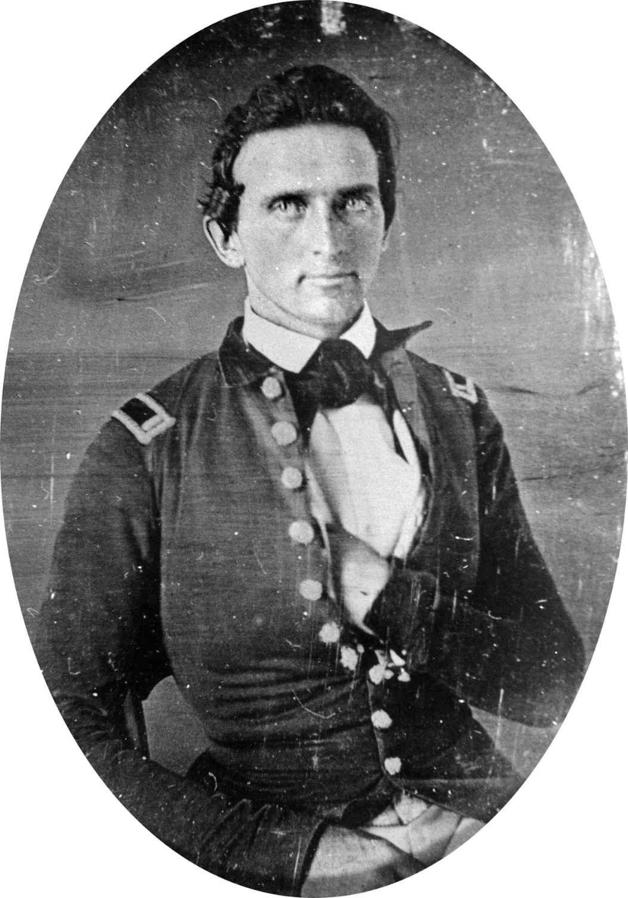
(3) Jackson in the Mexican-American War, 1847: Just out of West Point, the shy young man traveled south to fight in Mexico, where he showed almost reckless bravery in the battles that led to the fall of Mexico City. He was rapidly promoted.
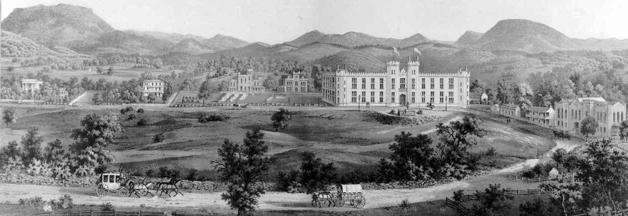
(4) The Virginia Military Institute as it looked on the eve of the Civil War, in mountain-ringed Lexington, Virginia. The castellated barracks on the right contained Jackson’s classroom and also his bachelor quarters. On April 21, 1861, Jackson and 176 young cadets marched from those barracks for Richmond to join the Confederate army. Many of them, including Jackson, would never see Lexington or VMI again.
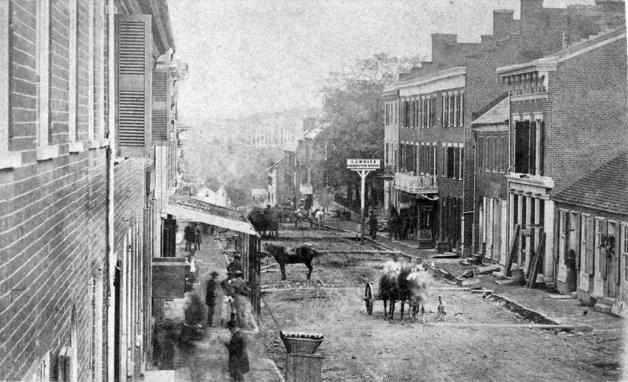
(5) Main Street in Lexington as it looked in the Civil War era. A block away, Jackson founded and ran a successful Sunday school for slaves. Here he made his life before the war as a college professor, investor, farmer, homeowner, husband, and church deacon.
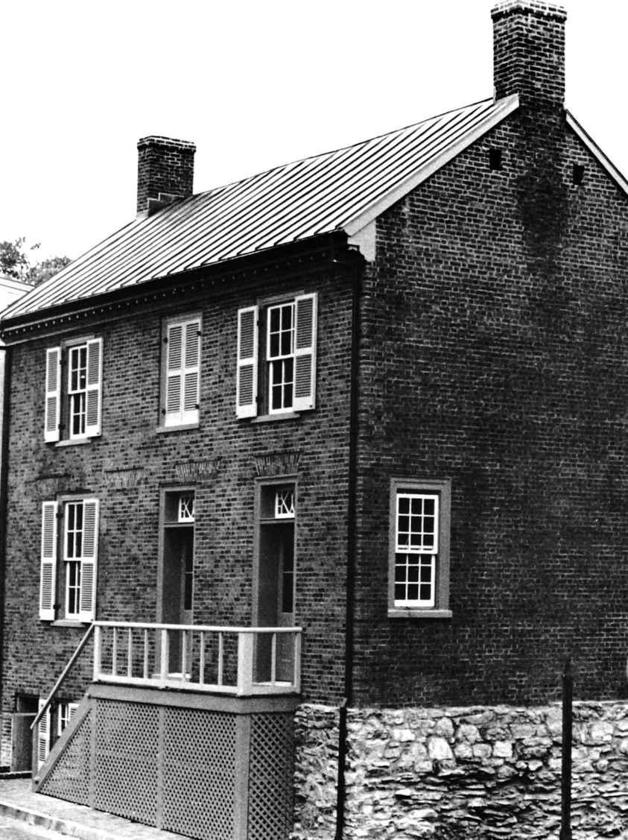
(6) Jackson’s home in Lexington: Behind its doors he was a complex, passionate, highly sensitive man who loved deeply and had a nineteenth-century romantic’s view of beauty and nature. He loved Shakespeare, European architecture, and gardening. He taught himself to be fluent in Spanish.
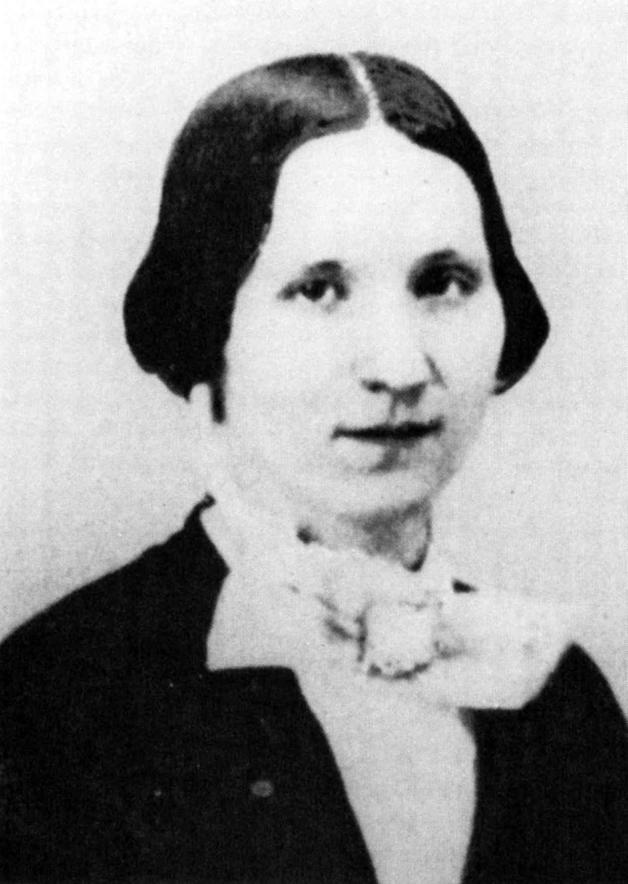
(7) Jackson’s first wife, Ellie: The vibrant and irreverent daughter of a college president was his first love. She died tragically while giving birth to their stillborn son. Jackson was so grief-stricken that friends began to worry that he was losing his mind.
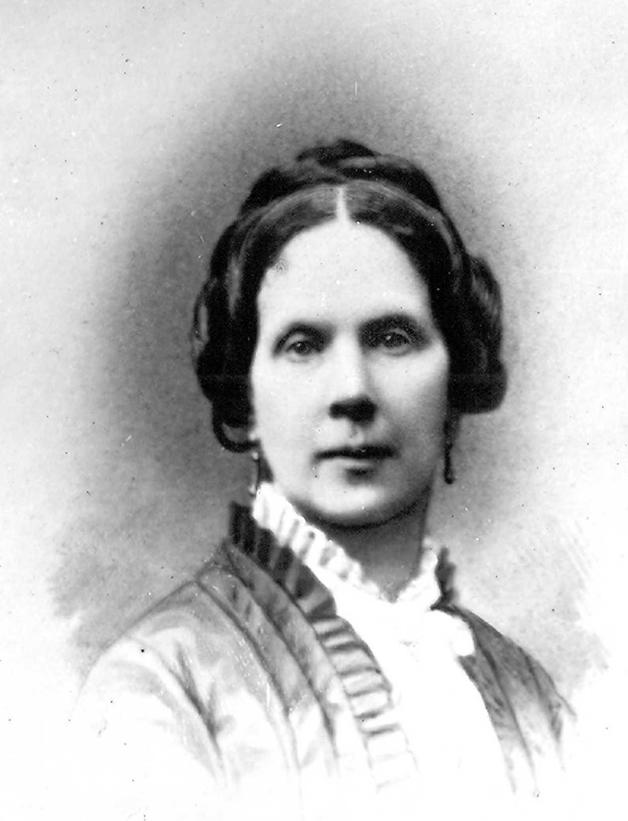
(8) The woman he loved but could not marry: Maggie Junkin was the brilliant, engaging sister of Jackson’s first wife, Ellie, destined to become a famous poet. Though they clearly loved each other, rules of the Presbyterian Church forbid a marriage.
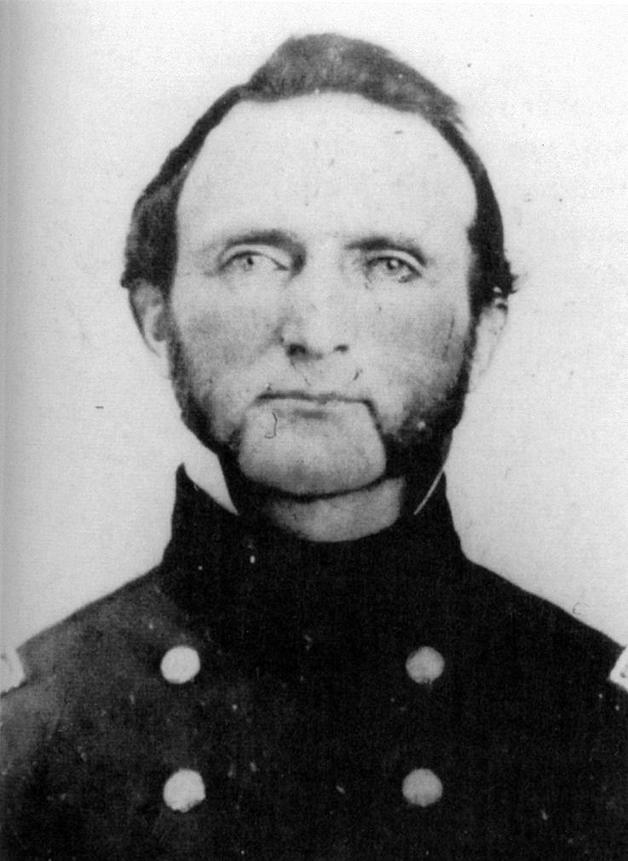
(9) Jackson as college professor in 1857: He was the most peculiar of teachers: a humorless, puritanical, gimlet-eyed stickler for detail. He taught the toughest course at the Virginia Military Institute.
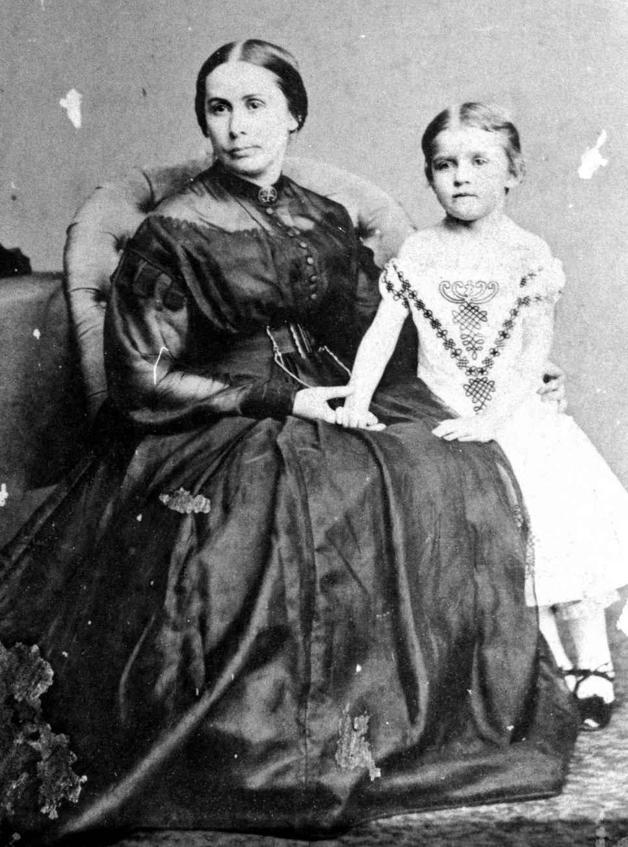
(10) Second wife, Anna, and daughter, Julia: Married in 1857, Thomas and Anna were blissfully happy in Lexington, where they bought a house and a farm and owned six slaves. This photo, taken three to four years after his death, shows his daughter, Julia, whom he knew only briefly.
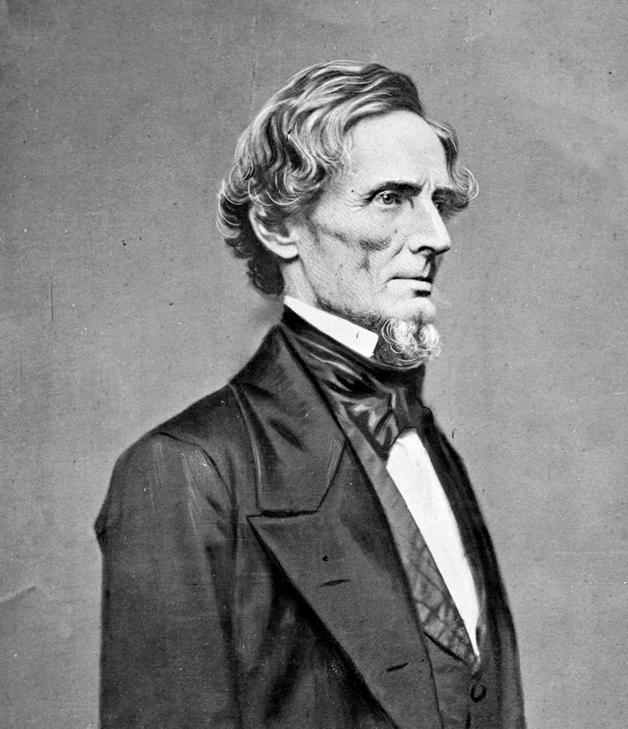
(11) Confederate president Jefferson Davis: He disliked and distrusted Jackson at the start of the war. His political meddling in Jackson’s command led to Jackson’s controversial resignation in 1862.

(12) Henry Kyd Douglas: The handsome young Douglas was a member of Jackson’s staff and one of the general’s favorites. His memoir is one of the most important records of Jackson’s wartime career.
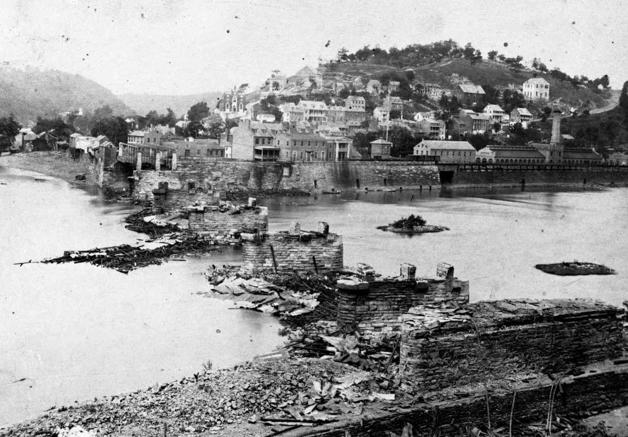
(13) Wartime Harpers Ferry: This is what the town and its approaches looked like when Jackson seized it in September 1862. His victory resulted in the largest surrender of Federal troops in the war, larger in numbers than the surrender of Generals Cornwallis or Burgoyne in the Revolutionary War.
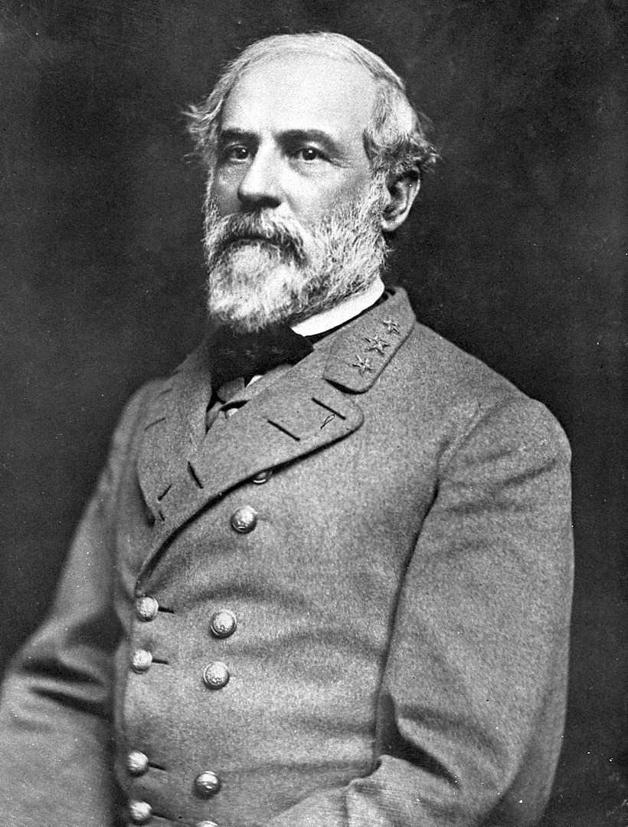
(14) Robert E. Lee: He and Jackson formed an extraordinary partnership that changed the course of the war. In their stunning victories at Second Manassas and Chancellorsville they demonstrated a high-command teamwork not previously witnessed on either side.
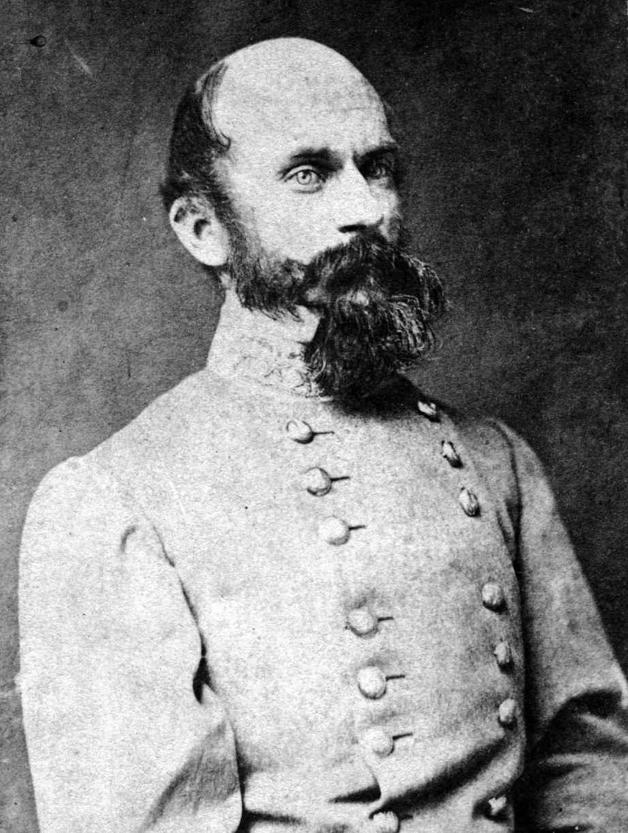
(15) Confederate general Richard S. Ewell: “Old Baldy” was one of Jackson’s toughest and most reliable generals. But it took him a while to get over his conviction that Jackson was “crazy as a March hare.”
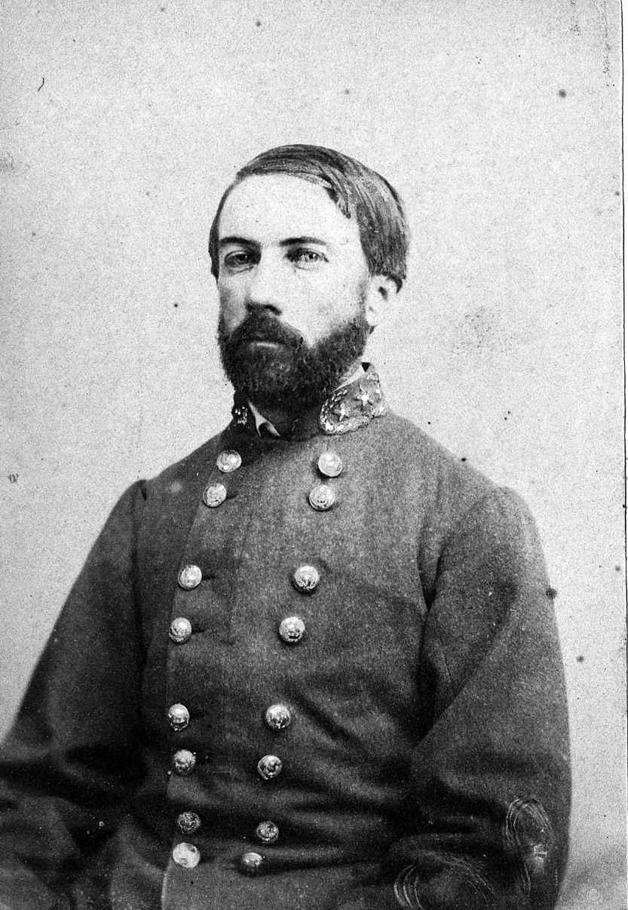
(16) Confederate general Daniel Harvey “D. H.” Hill: He was Jackson’s brother-in-law and one of the Confederacy’s leading generals. Of the Battle of Malvern Hill, where he fought alongside Jackson, he said, “It was not war, it was murder.”
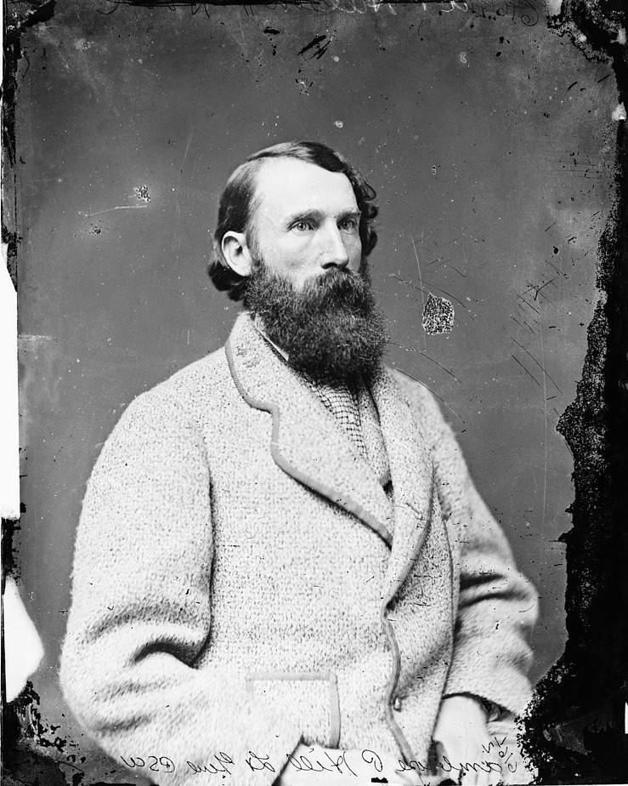
(17) Ambrose Powell “A. P.” Hill: Jackson’s great weakness was his inability to get along with his fellow generals, especially the hard-nosed “Little Powell” Hill. Jackson put him in arrest after Cedar Mountain, and the two feuded continuously after that.
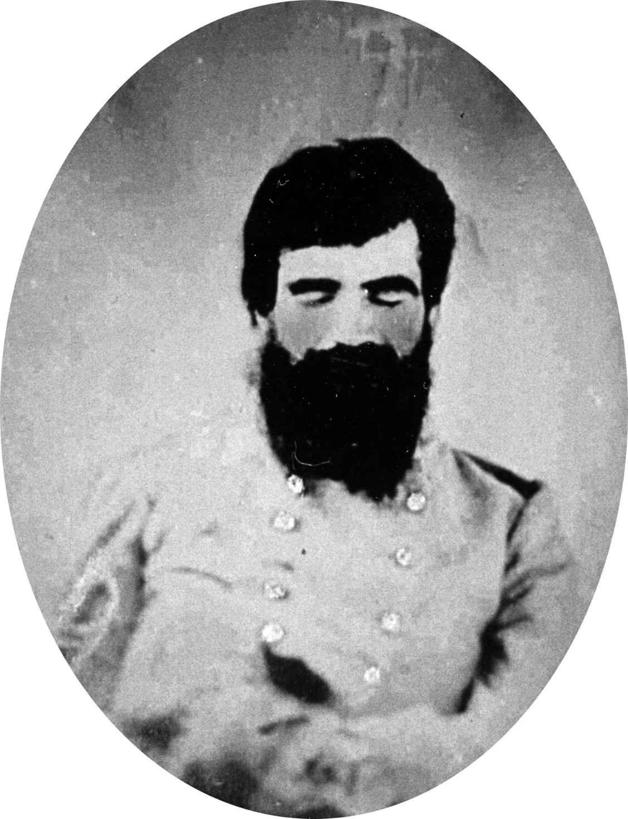
(18) The brilliant, erratic Turner Ashby embodied the immense cavalry advantages the South held early in the war. His dashing, reckless exploits as Jackson’s cavalry chief became the stuff of legend. This photograph was taken after his death.
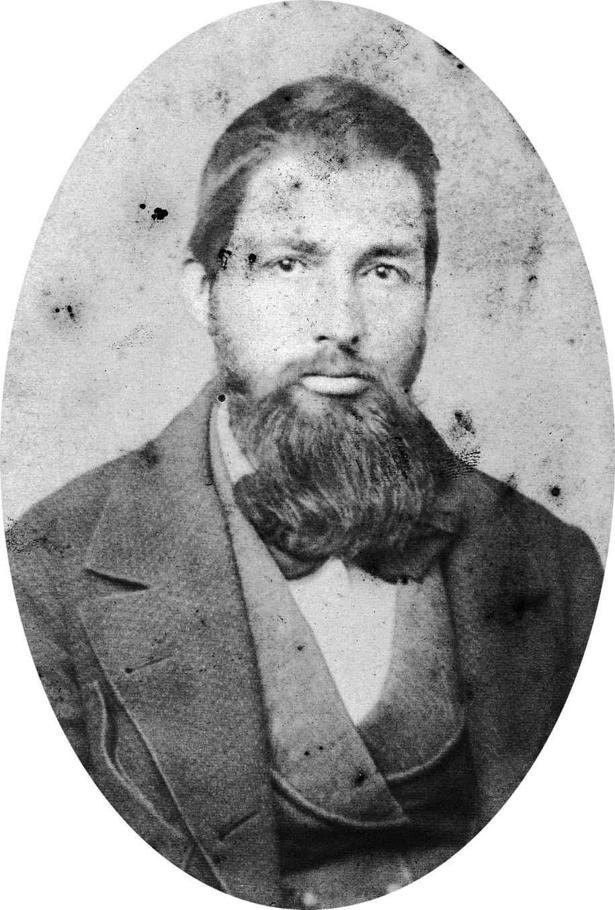
(19) Jedediah Hotchkiss: The maps he made were a critical part of Jackson’s astounding maneuvers in his Shenandoah Valley Campaign. In an era where maps were few and unreliable, Jackson had a sure grasp of terrain and how to use it.
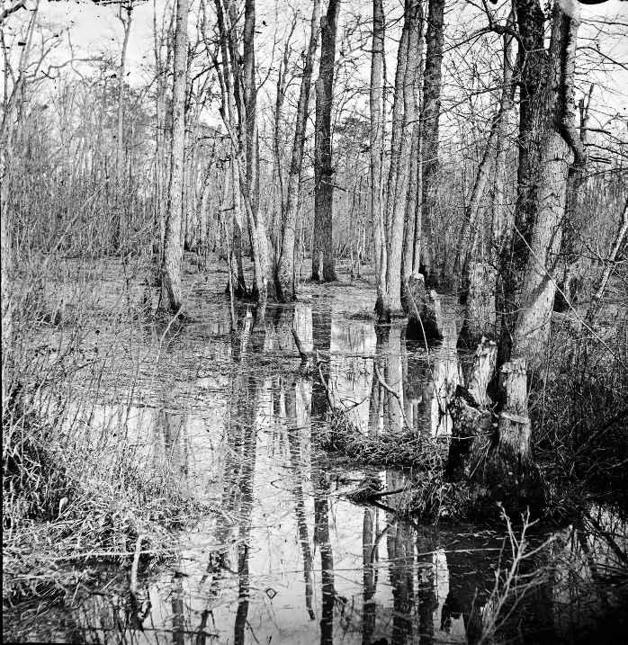
(20) White Oak Swamp: This Civil War photo of White Oak Swamp tells you everything you need to know about the condition of much of the terrain during the Seven Days battles. It was here that Jackson and his corps stalled and missed an opportunity to destroy the Union army.
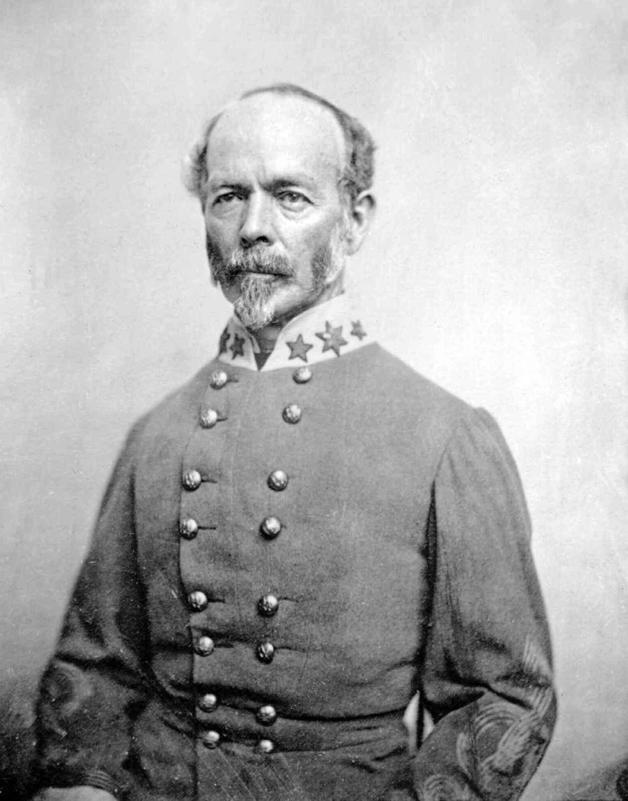
(21) Confederate general Joseph Johnston: One of the top rebel commanders early in the war, he was among the first to spot Jackson’s talent and to recommend his promotion.
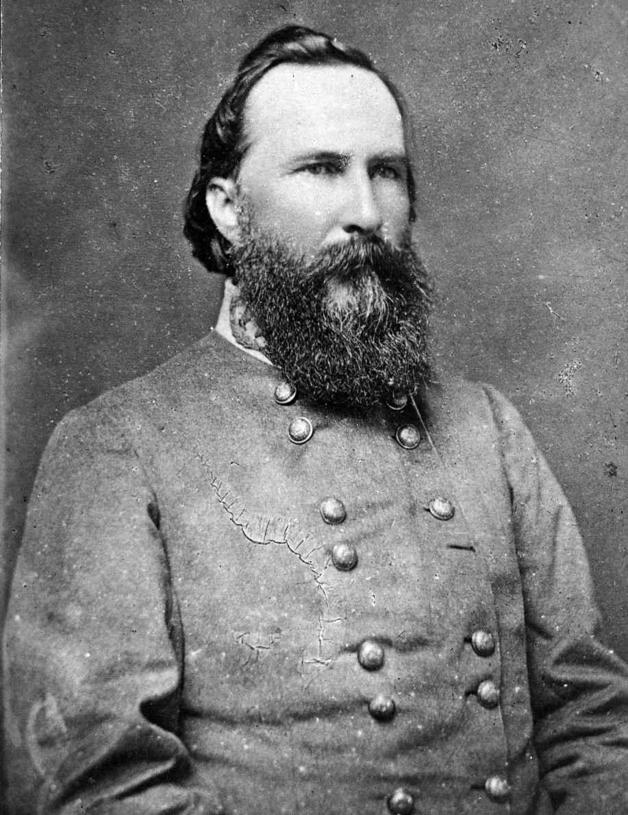
(22) James Longstreet: He and Jackson were Robert E. Lee’s top lieutenants. He was a solid fighter whom Lee called his “old warhorse.” While he inspired respect from the enemy, his rival Jackson inspired fear and awe.

(23) James Ewell Brown “Jeb” Stuart: The stiff, reserved Jackson and the ebullient, outgoing Stuart were completely different personalities but the best of friends. Stuart and his cavalry were Jackson’s eyes and ears on his most famous marches.
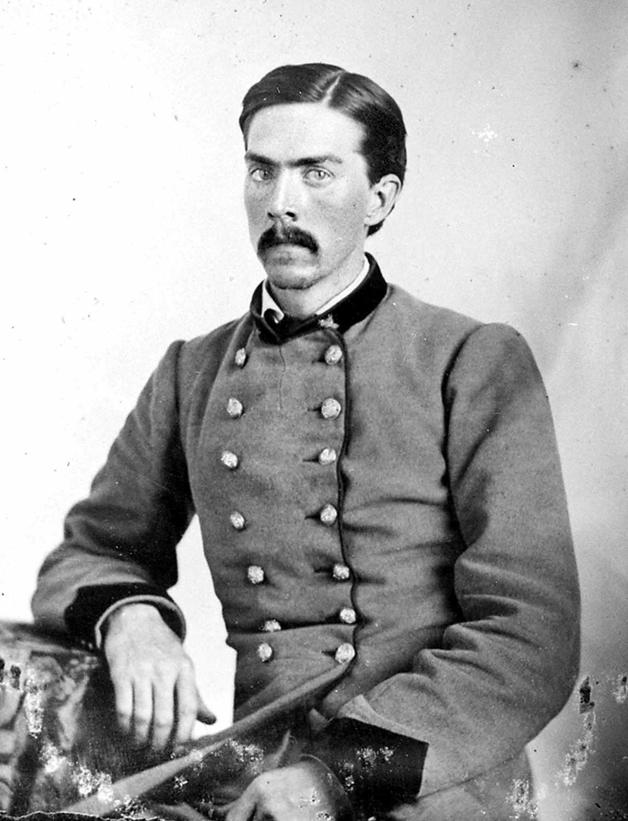
(24) Hunter Holmes McGuire: Considered by many to be one of the best surgeons in the war, he was Jackson’s medical officer and one of his most important staff members. After the war he became president of the American Medical Association.
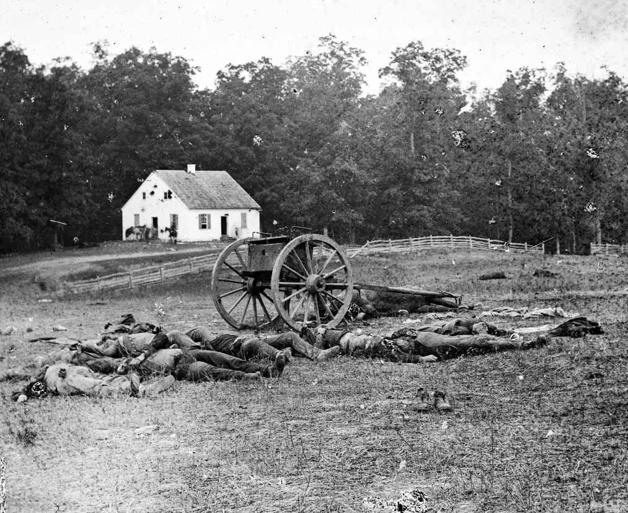
(25) Destruction at the Dunker church: Jackson’s fight on the Confederate left at the Battle of Antietam was the single bloodiest phase of the single bloodiest day in American history. He successfully repulsed repeated attacks by the Union army.

(26) Union general Nathaniel Banks: The former governor of Massachusetts and speaker of the House of Representatives was one of Jackson’s main opponents in his legendary Shenandoah Valley Campaign. Jackson’s victory over Banks at Winchester catapulted the rebel general to international fame.
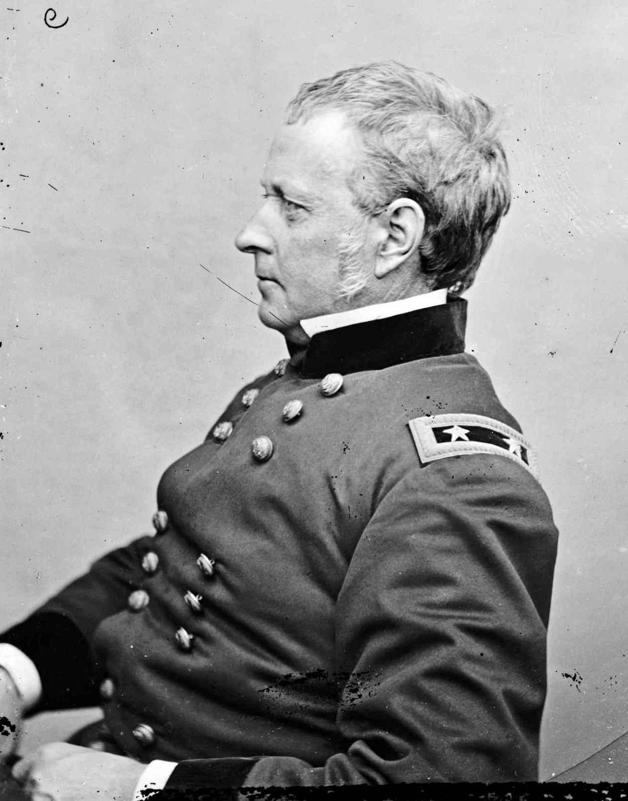
(27) Union general Joseph Hooker: “Fighting Joe,” or, as Lee contemptuously called him, “Mr. F. J. Hooker,” won a reputation as an aggressive fighter. But his caution led to his humiliation by Lee and Jackson at the Battle of Chancellorsville.
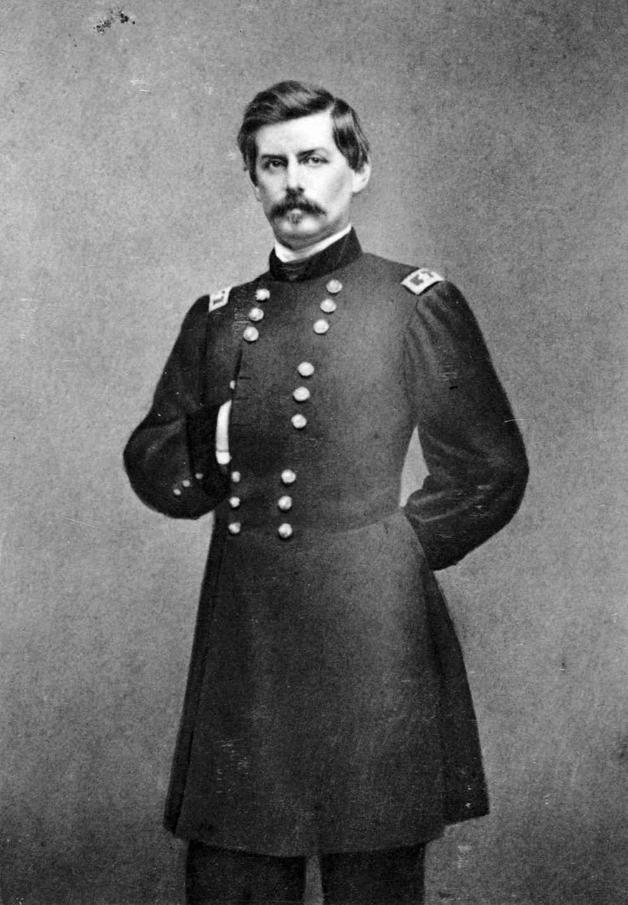
(28) Union general George McClellan: A gifted administrator and motivator, he was also vainglorious, mean-spirited, dissembling, haughty, backstabbing, and callously dismissive of peers. He called his boss Lincoln “the original gorilla.”
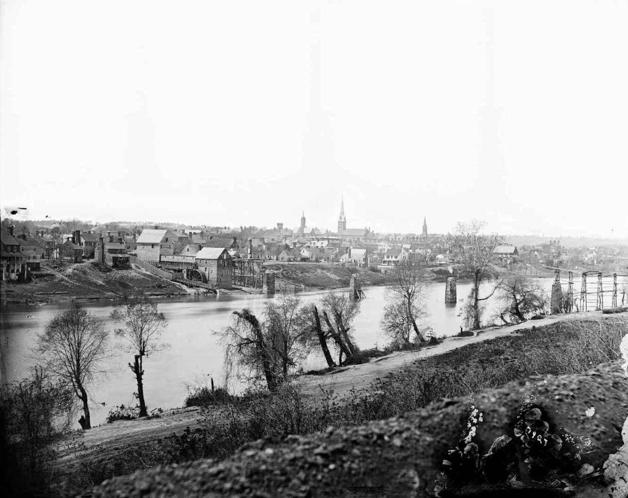
(29) Fredericksburg, Virginia, as it looked before the battle, a charming, prosperous river town of five thousand souls where George Washington spent his boyhood and James Monroe once practiced law. For reasons that would become painfully clear to the Union army, Lee decided to stand and fight on the high bluffs behind the town.
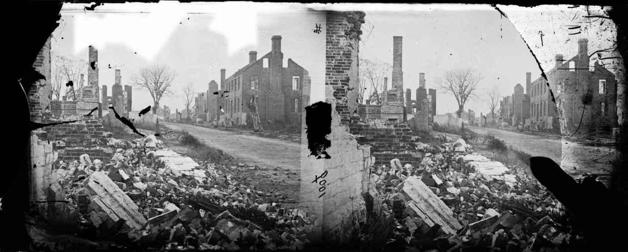
(30) The destruction caused by Federal artillery at the Battle of Fredericksburg, December 11, 1862. Witnesses on both sides were stunned by the barbarity of this attack on a civilian target. A disgusted Robert E. Lee observed, “These people delight to destroy the weak and those who can make no defense.”
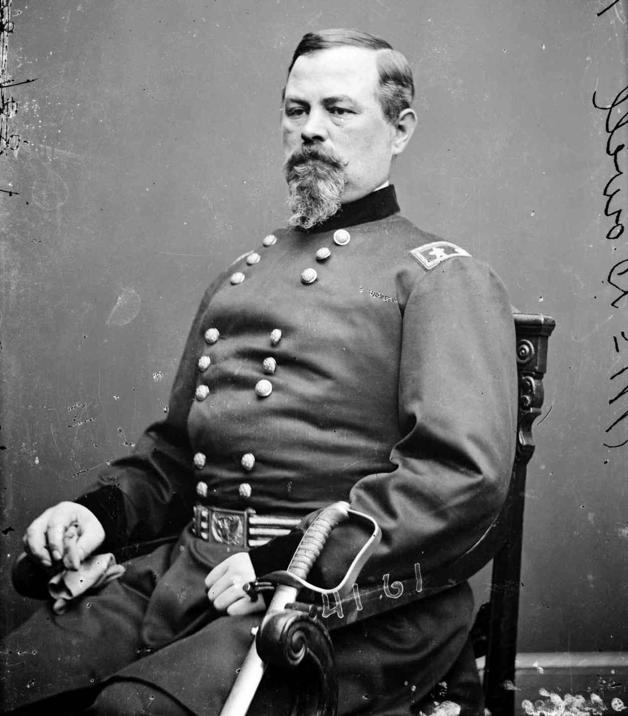
(31) Union general Irvin McDowell: He had victory in his hands at First Manassas, but his delays opened the way for Jackson’s brilliant defensive stand and subsequent counterattack.
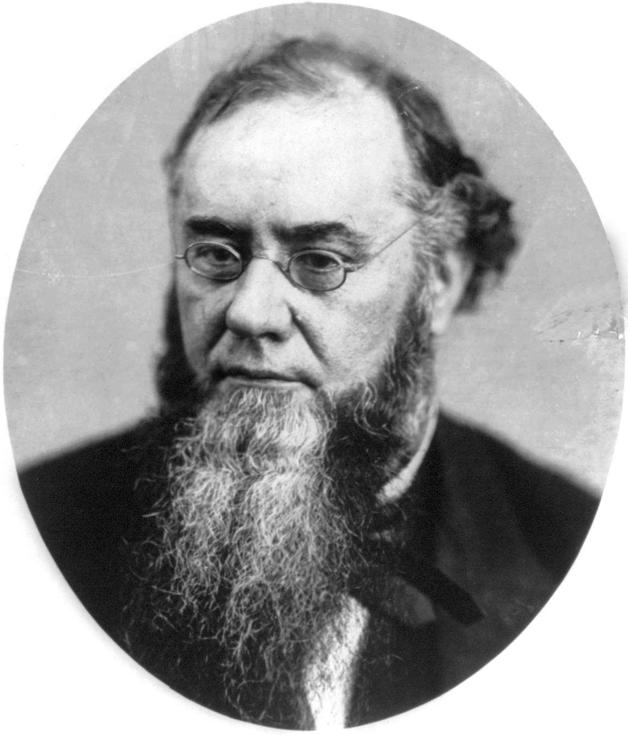
(32) Union secretary of war Edwin Stanton: Jackson’s military victories repeatedly thwarted Stanton’s war plans. After Jackson’s spectacular victory at Winchester, Stanton seemed to come completely unhinged, sending an SOS to northern governors to send troops to save Washington, DC, from Jackson’s army.
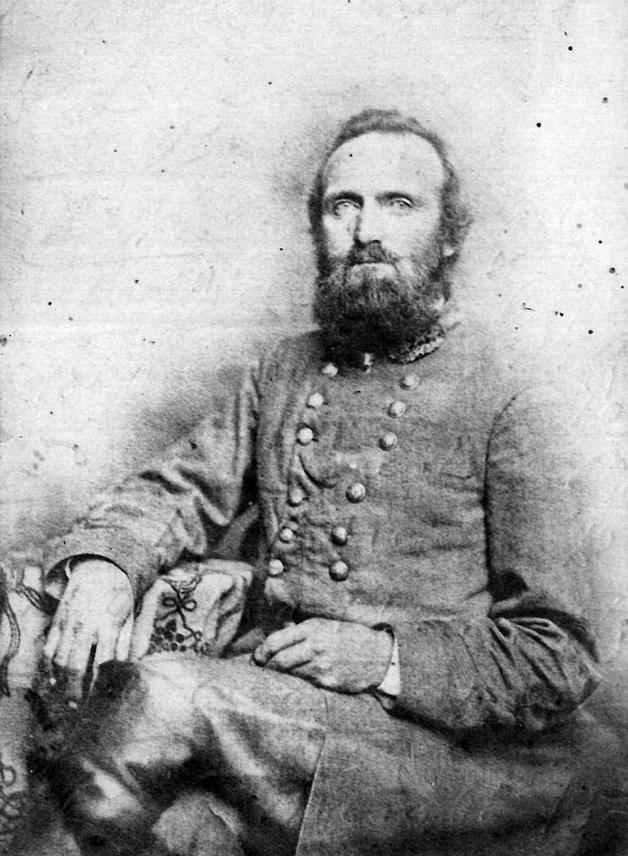
(33) The wartime general: In November 1862, following the Battle of Antietam, Jackson was photographed in Winchester. Note the wrinkled and weather-beaten condition of his uniform.
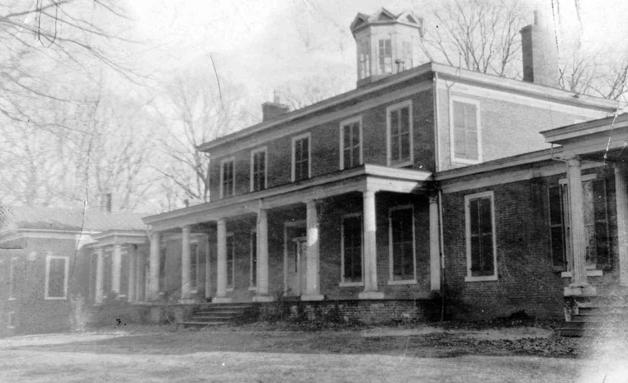
(34) Moss Neck Manor, one of Virginia’s great estates, on the grounds of which Jackson and his staff spent the winter of 1862–63. It was a time of religious revivals and snowball fights and band concerts and social visits and book reading and the sort of leisure soldiers rarely got. Here Jackson befriended a golden-haired five-year-old named Janie Corbin, who would die tragically of scarlet fever.
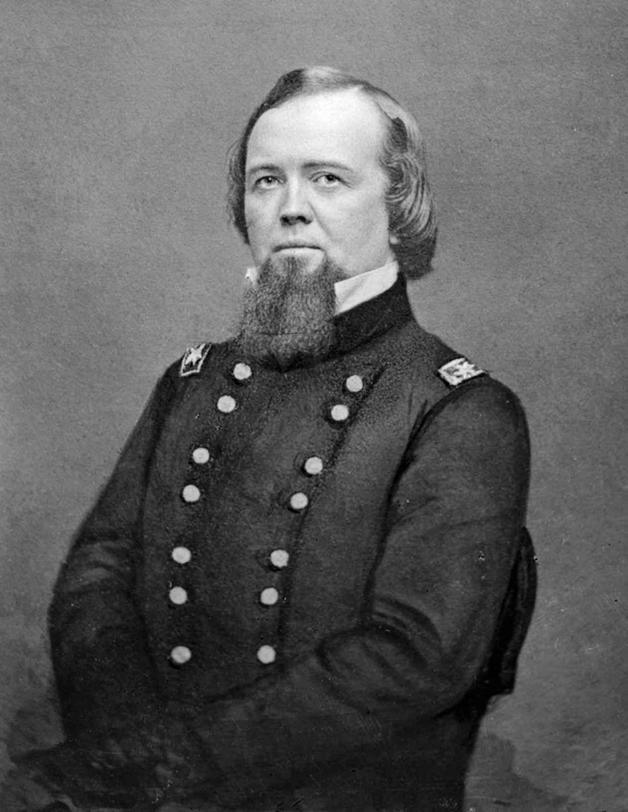
(35) Union general John Pope: As Lincoln’s carefully chosen spearhead of the new campaign to toughen the war, Pope was full of bluster and big talk. But Jackson’s spectacular flank march and the Battle of Second Manassas drove Pope’s army back into Washington, DC.
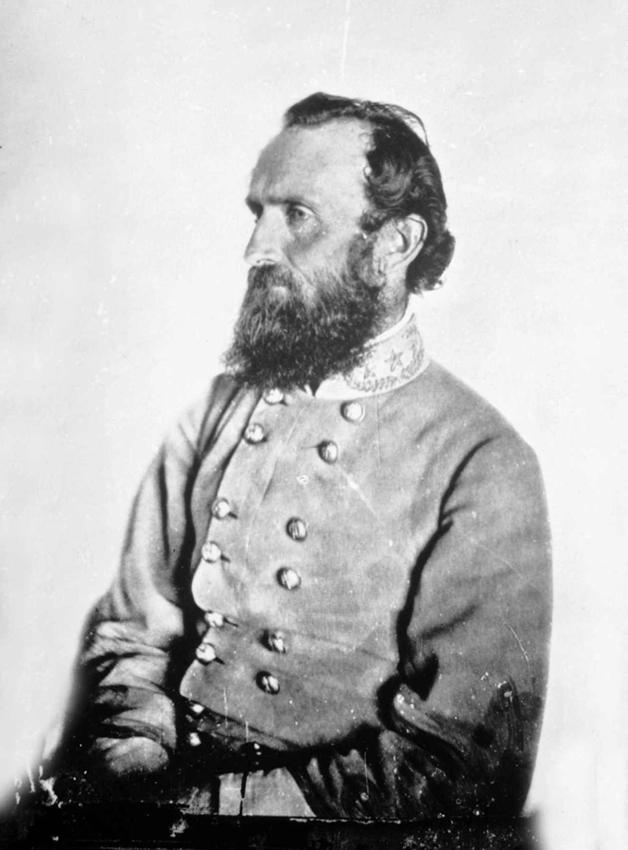
(36) The last photograph: Taken less than two weeks before his mortal wounding at Chancellorsville, it shows a man physically transformed from his years in Lexington. His wife thought he was “much more handsome.”
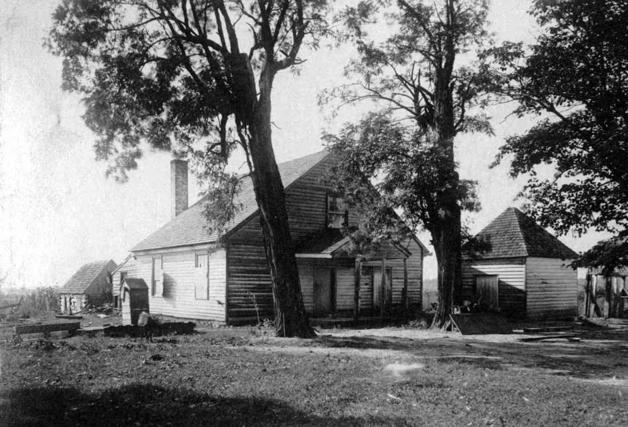
(37) The house at Guiney’s Station where Stonewall Jackson died. He was taken here after being accidentally shot by his own men. Though his arm was amputated, he seemed to be recovering but contracted pneumonia and died a few days later. His last words were “Let us cross over the river and rest under the shade of the trees.”

(38) Jackson’s death mask: It was made on May 11, 1863, after Jackson’s body had been taken by train to Richmond. His gaunt, emaciated face shows the effects of the pneumonia.