

Looking eastward towards the grounds of the World’s Columbian Exposition in Jackson Park. Elias Disney often walked through the Midway Plaisance on the way to work while living on Vernon Avenue. (Library of Congress)

Pastor Walter Parr personally officiated the ground-breaking of St. Paul’s Congregational Church on 19 May 1900. (The Chicago Tribune, Public Domain)

The ground-breaking of St. Paul’s Congregational Church was significant to both the congregation and the citizens of the neighbourhood. Elias and Flora Disney personally participated in the ground-breaking ceremonies on 19 May 1900. (The Chicago Tribune, Public Domain)
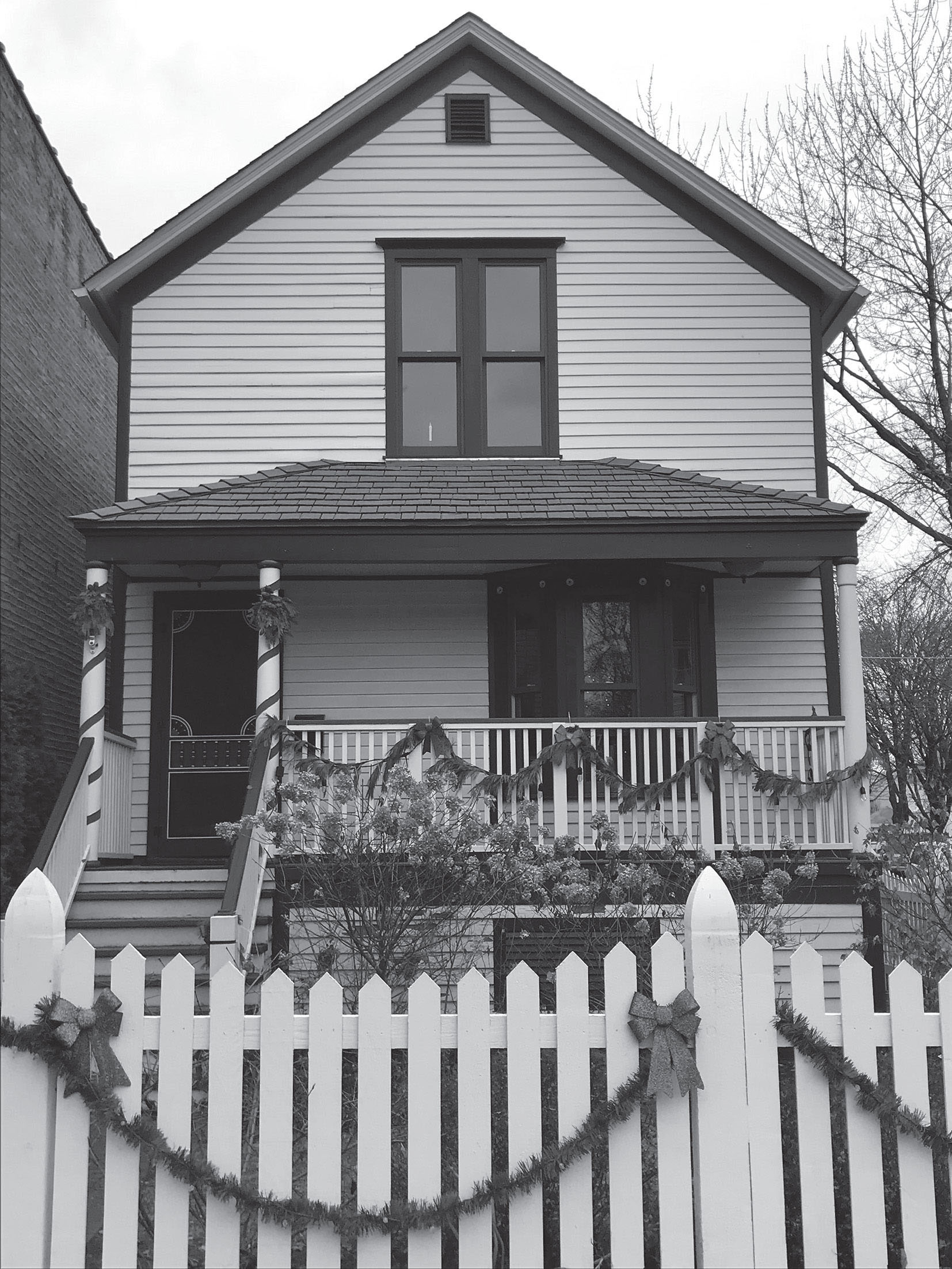
1249 Tripp Avenue in Chicago, built and designed by Elias and Flora Disney. The upstairs bedroom over the porch is the room where Roy, Walter, and Ruth were born. (Andrew Kiste)
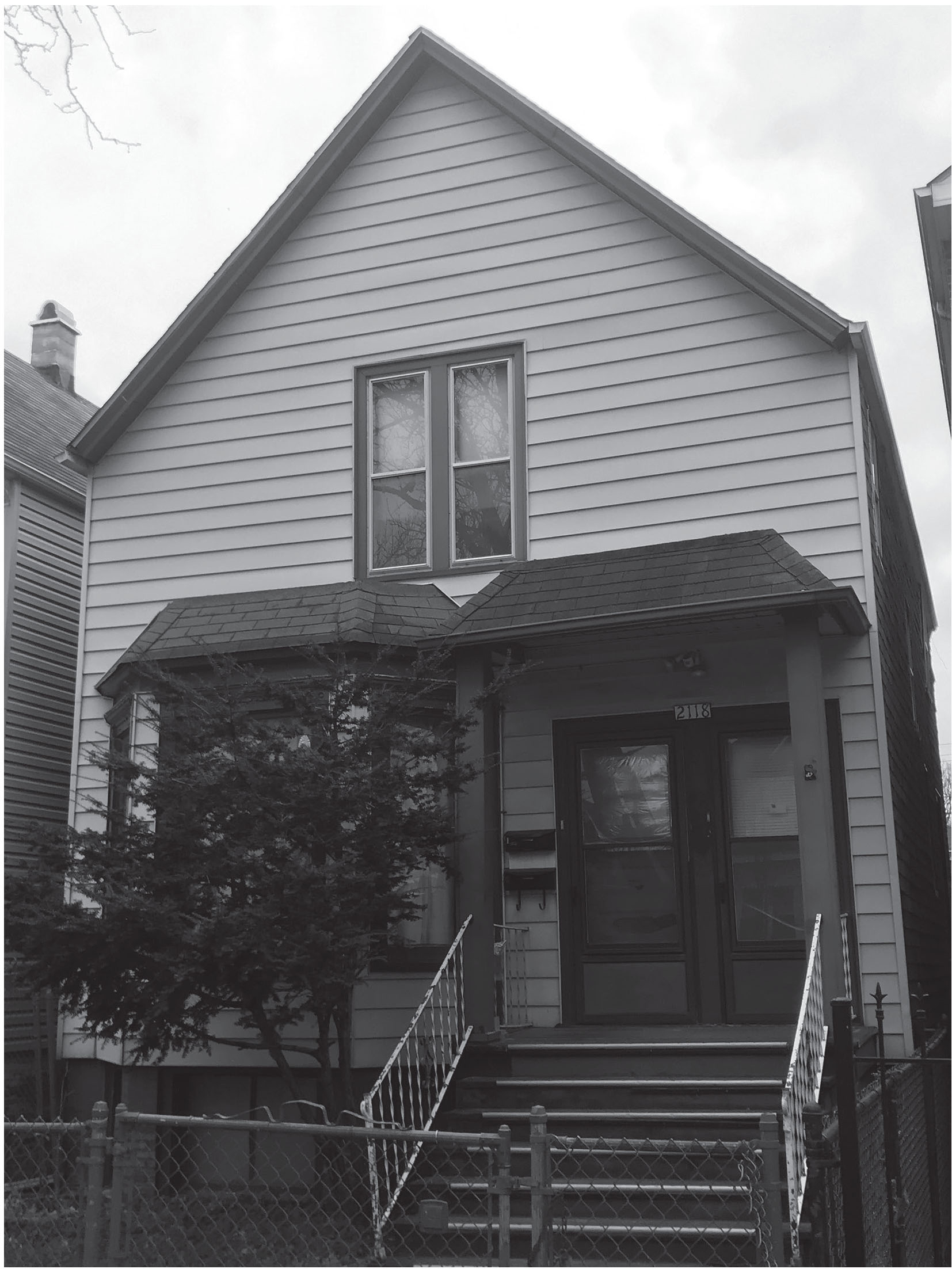
When Elias and Flora Disney realised they had a knack for building houses after constructing their own, they decided to purchase additional lots in the neighbourhood and construct homes to sell, such as this one located at 1209 Tripp Avenue. The house numbers have changed over time. (Andrew Kiste)
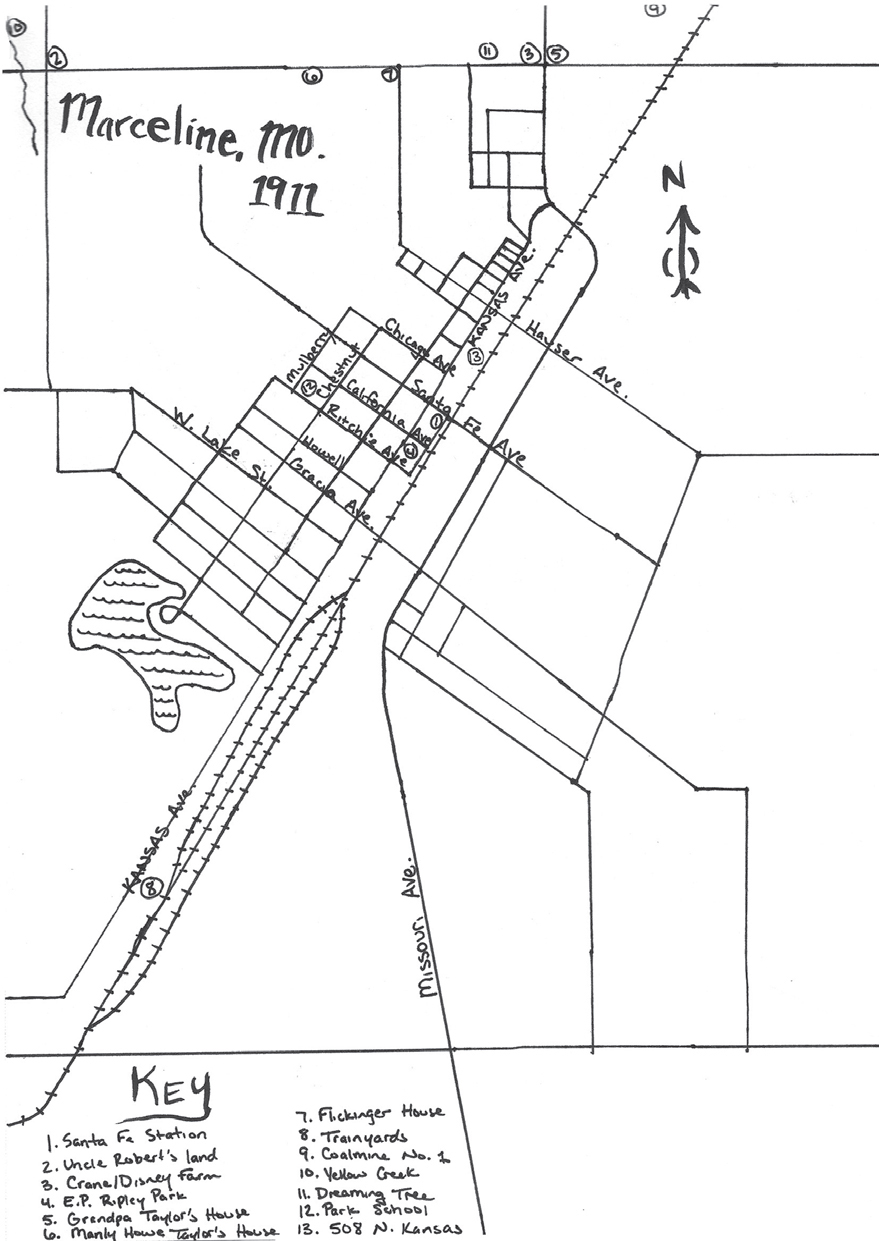
Marceline, Missouri was instrumental in the life of young Walter Disney: “More things of importance happened to me in Marceline than have happened since,” Walt once explained. (Map by Andrew Kiste)
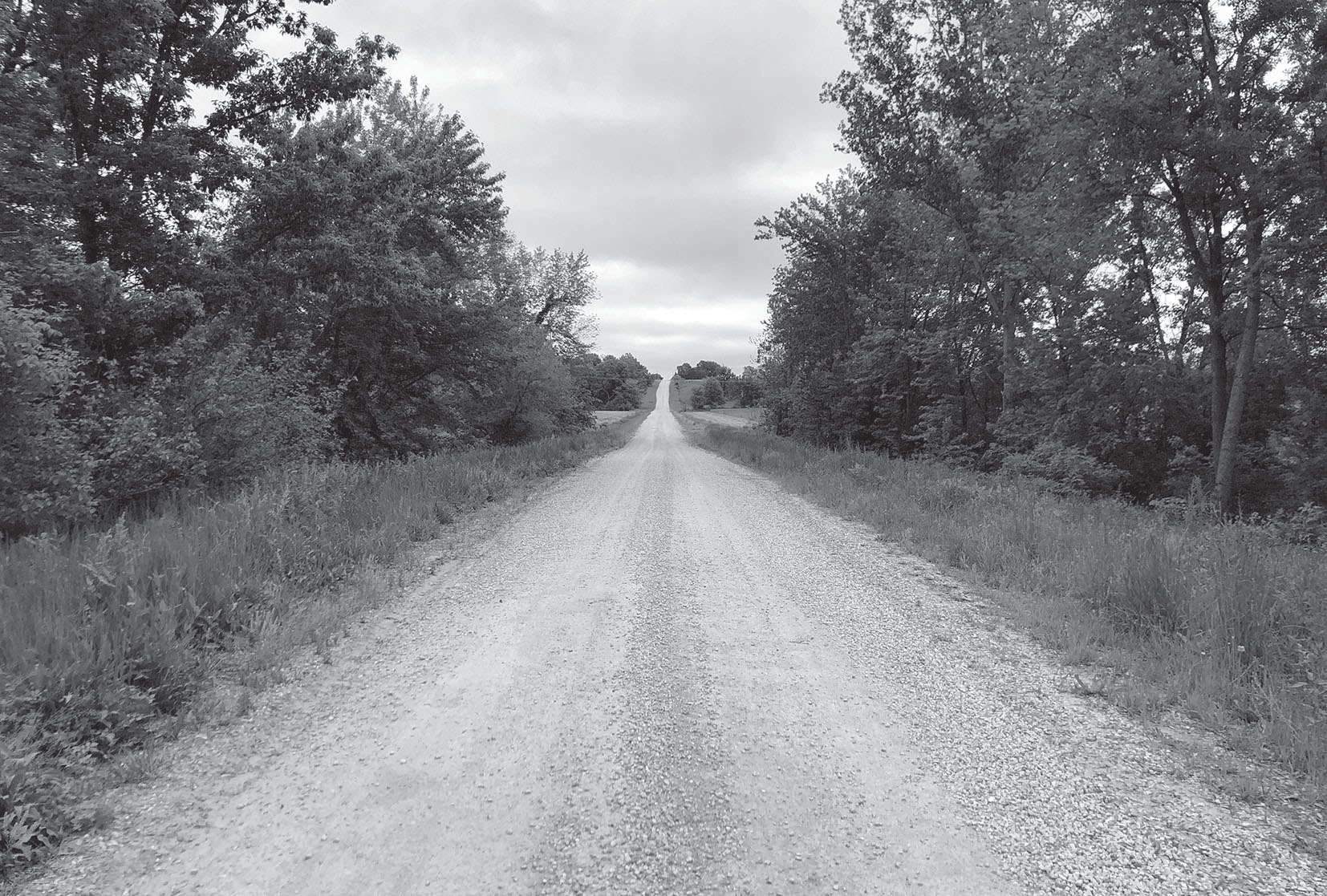
The rural, agricultural environment of Marceline taught Walter the importance of hard work, community and the simple life. (Andrew Kiste)

Walter’s penchant for performance, creativity and mischief blossomed at a number of locations throughout Marceline, not least of which at the barn that stood on the Disney property. While the barn no longer stands, this reproduction still draws visitors from far and wide to pay homage to the boy who would become Walt Disney. (Andrew Kiste)
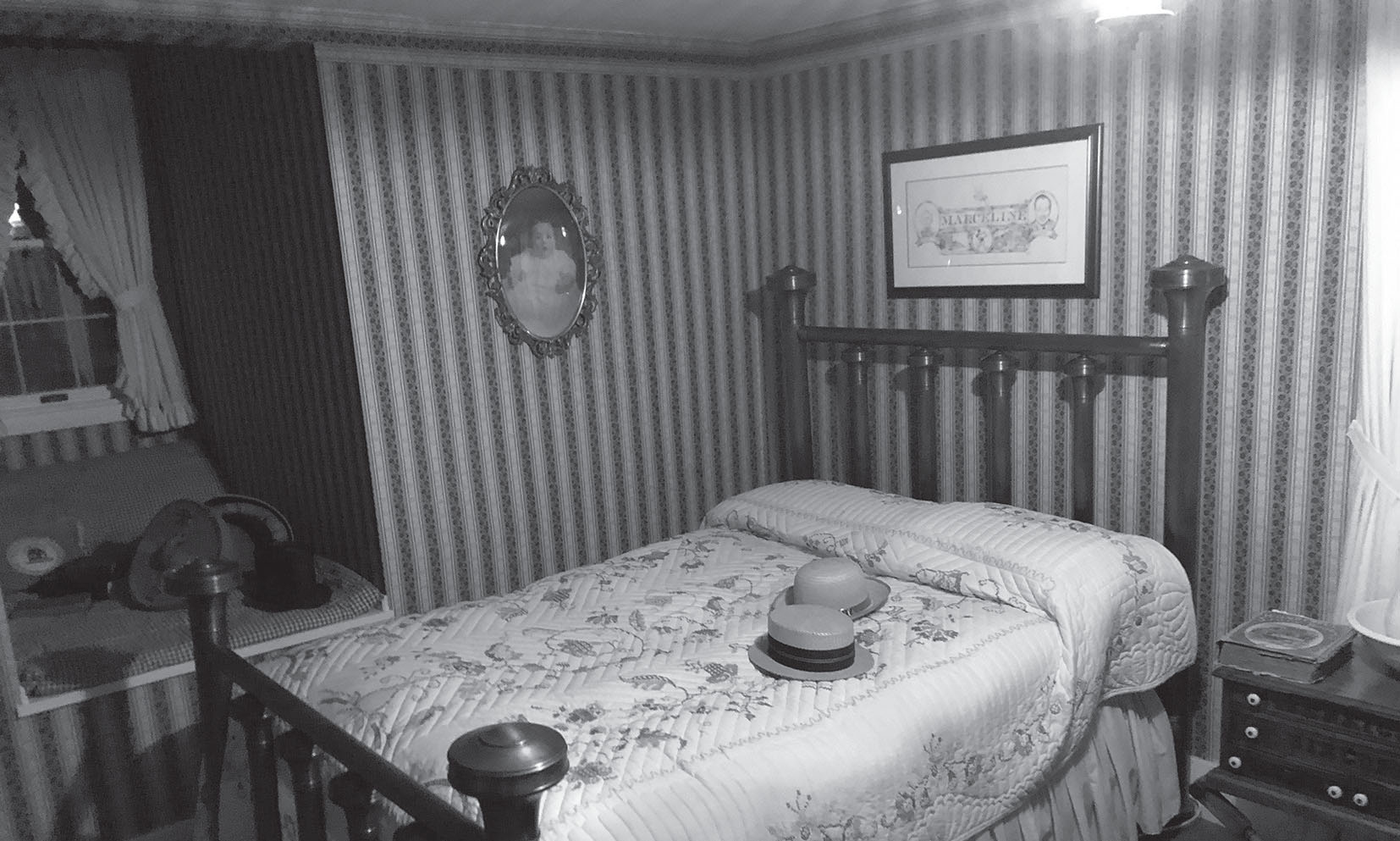
The close proximity in which Walter and his older brother Roy grew up, as exemplified by the small room and brass bed they shared on the Marceline farm, led them to become incredibly close as both family and business partners for the remainder of their lives. (Andrew Kiste)
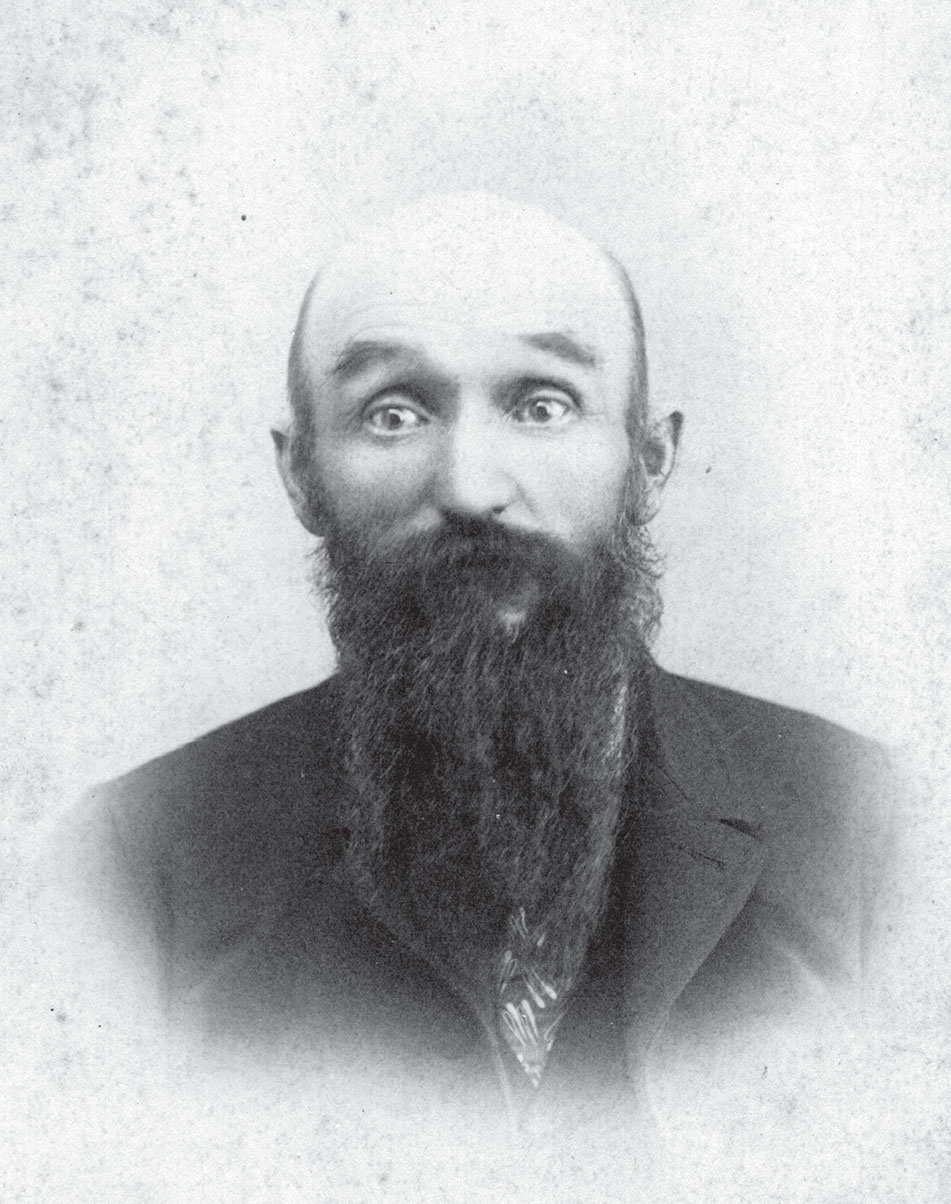
American Civil War veteran William Crane owned the Marceline farm that would eventually be owned by the Disneys after his death. (Courtesy of Chris Ankeney)

‘Grandpa’ Erastus Taylor lived across the street from the Disney farm and often entertained his young neighbours with tales of his exploits in the Civil War. While Walter later realised that the old man likely never experienced half of what he claimed, the rich detail and engaging storytelling would inspire Walter throughout his career. (Courtesy of Chris Ankeney)
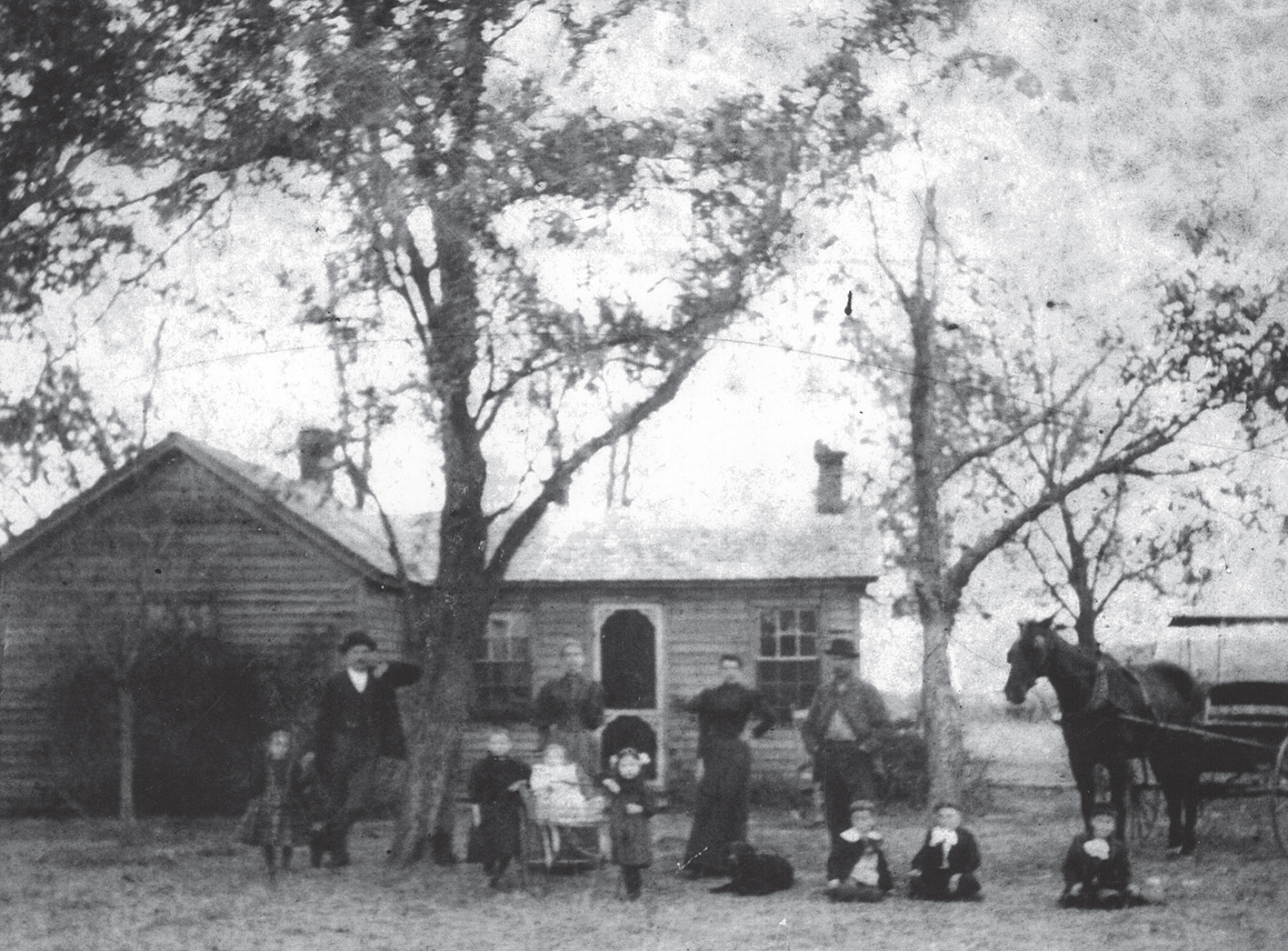
‘Grandpa’ Taylor’s house was one of the first built in Marceline and was located across the street from the Disney farm. Often serving as a gathering place for the Crane-Phillips-Taylor clan, Elias and his family were quickly welcomed at the Taylor homestead. Unfortunately, the house burned down in 1909 shortly after Taylor’s death, erasing all remnants of the old man from Walter’s life, except for memories. (Courtesy of Chris Ankeney)

Clem Flickinger, Walter Disney’s childhood friend from Marceline. (Courtesy of Chris Ankeney)
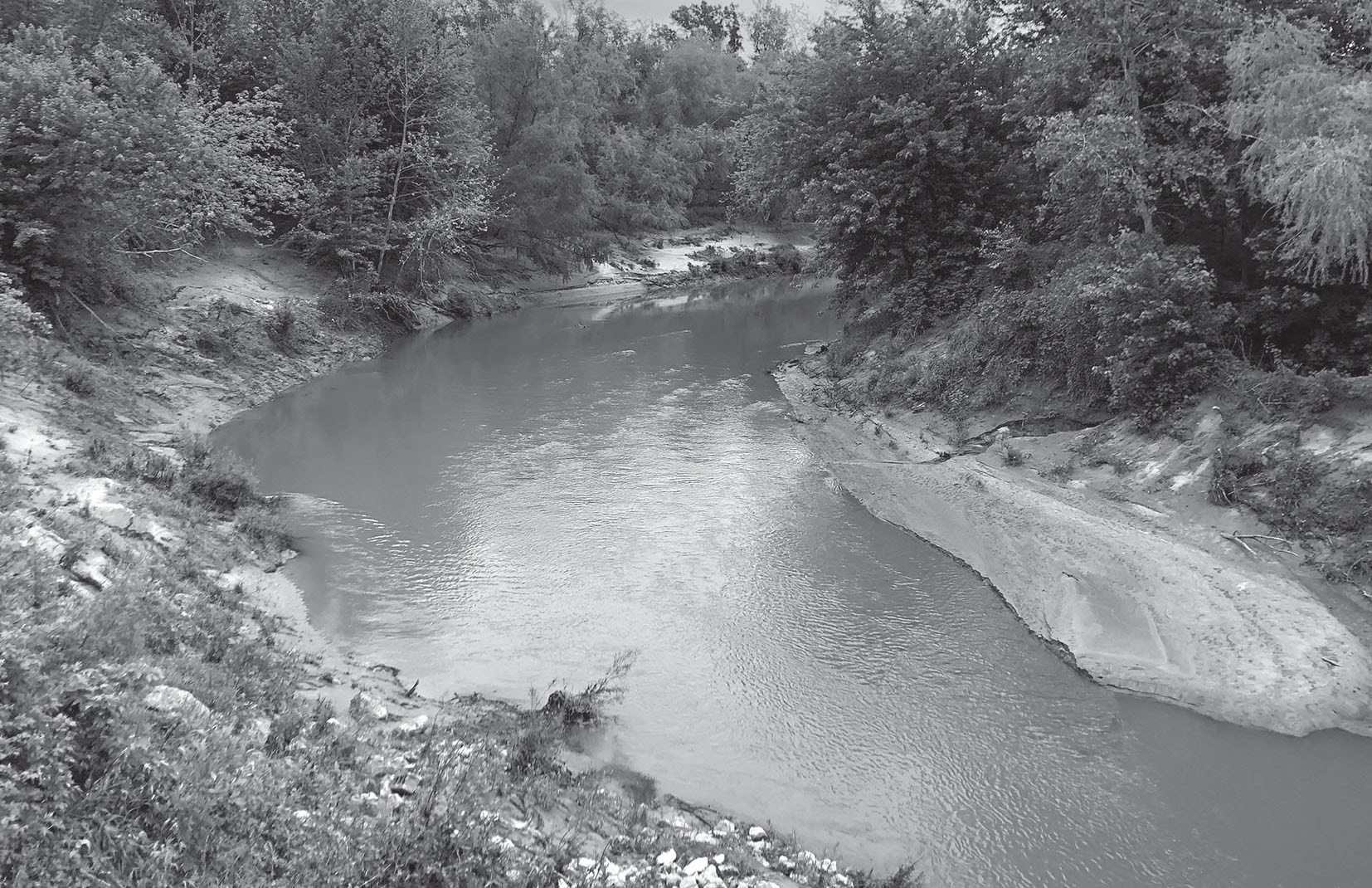
Young Walter and his friends spent many days swimming, fishing, and ice skating at nearby Yellow Creek, just outside Marceline. (Andrew Kiste)

When Flora decided it was finally time to enrol Walter at Park School, the boy spent more time doodling and daydreaming than he did learning. In fact, he spent a few lessons carving his initials into his desk. (Andrew Kiste)
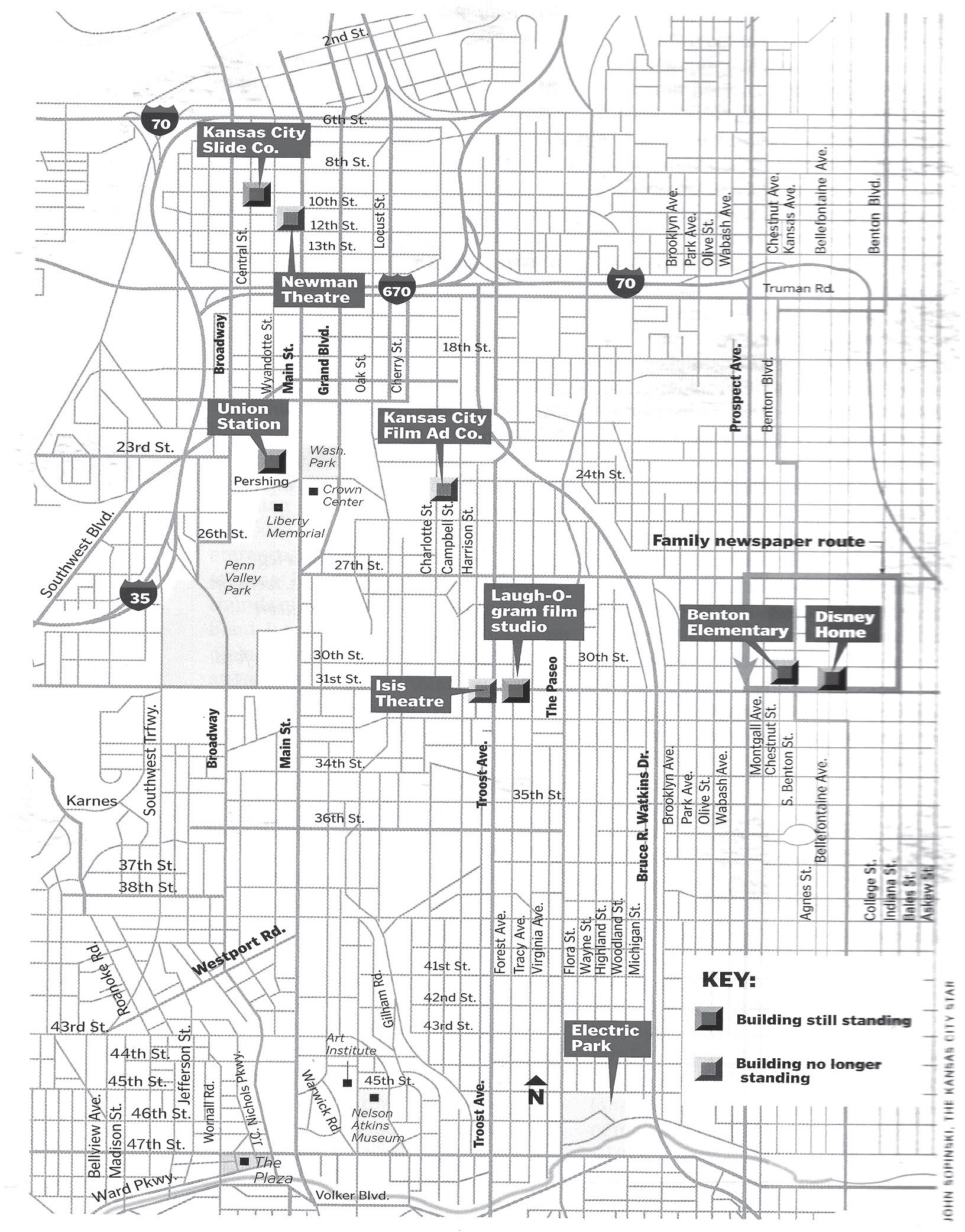
While Marceline helped to define Walter Disney’s character, Kansas City’s numerous pursuits and businesses, including schools, theatres, advertising agencies, and Walter’s affiliation with The Kansas City Star, all paved the way to foster his true passion: drawing. (Map from Walt Disney’s Missouri, Burnes et. al, reprinted by permission of The Kansas City Star)

The original Union Depot served as the main hub by which rail traffic entered Kansas City, as well as the location for the start of Walter Disney’s adventure in Kansas City. (Courtesy of Union Station Kansas City Inc./Kansas City Museum)
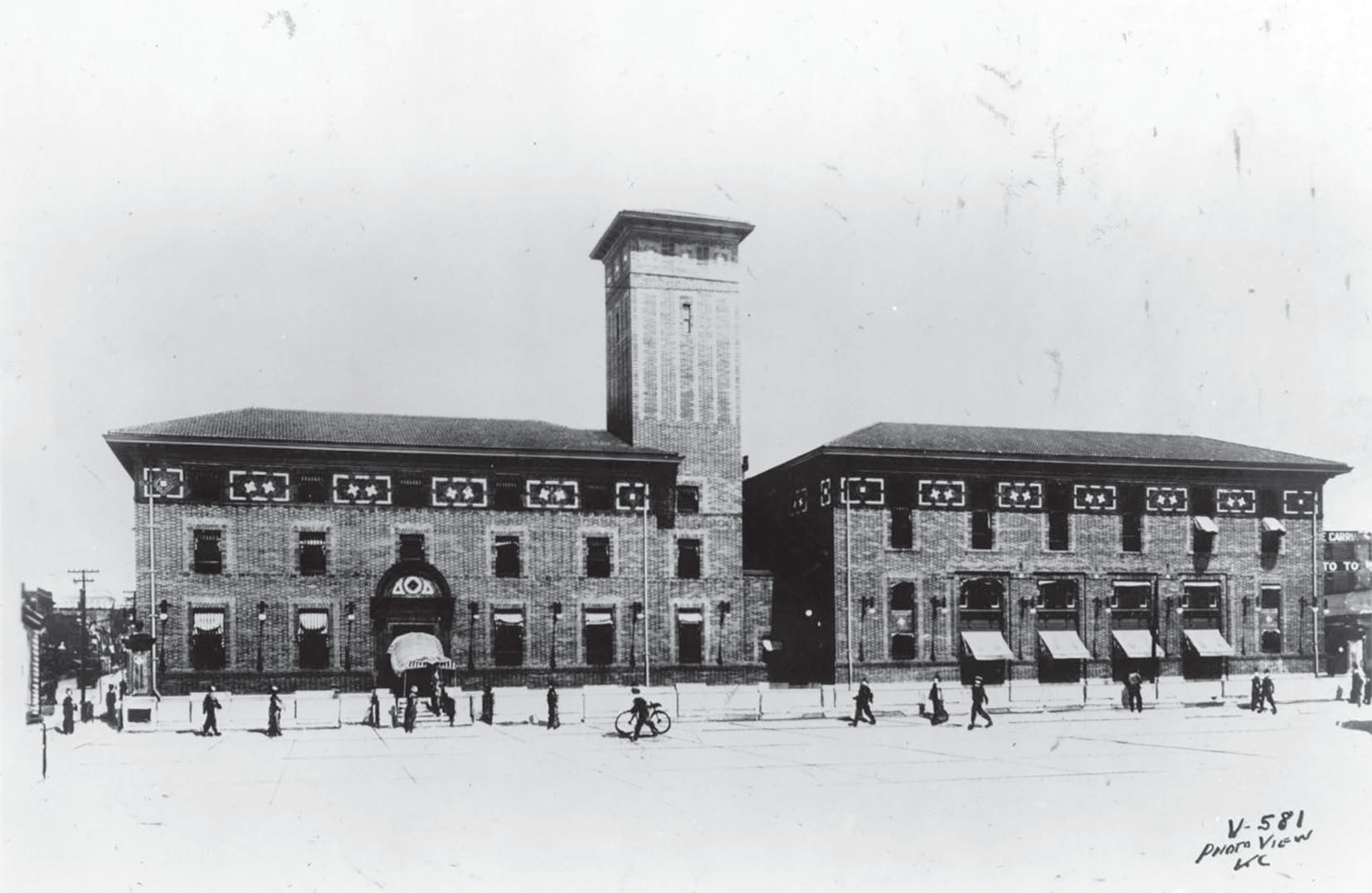
Shortly after arriving in Kansas City, Elias and Roy went to the headquarters of The Kansas City Star to apply for a paper route. Over the next few years, Roy and Walter would work the route, located between Prospect Avenue and Indiana Street and 27th and 31st Streets, east of downtown, for their father to help support the family during its time in Kansas City. (‘Kansas City Star Building’, Missouri Valley Special Collections, Kansas City Public Library, Kansas City, Missouri)

Walter and Ruth were soon enrolled in Benton Grammar School, where the young boy continued his trend of causing mischief. However, some of the staff members, including Principal Cottingham and Ms Daisy Beck, had a lifelong impact on the young man. (‘Benton School’, Mrs Sam (Mildred) Ray, 1922, Missouri Valley Special Collections, Kansas City Public Library, Kansas City, Missouri)
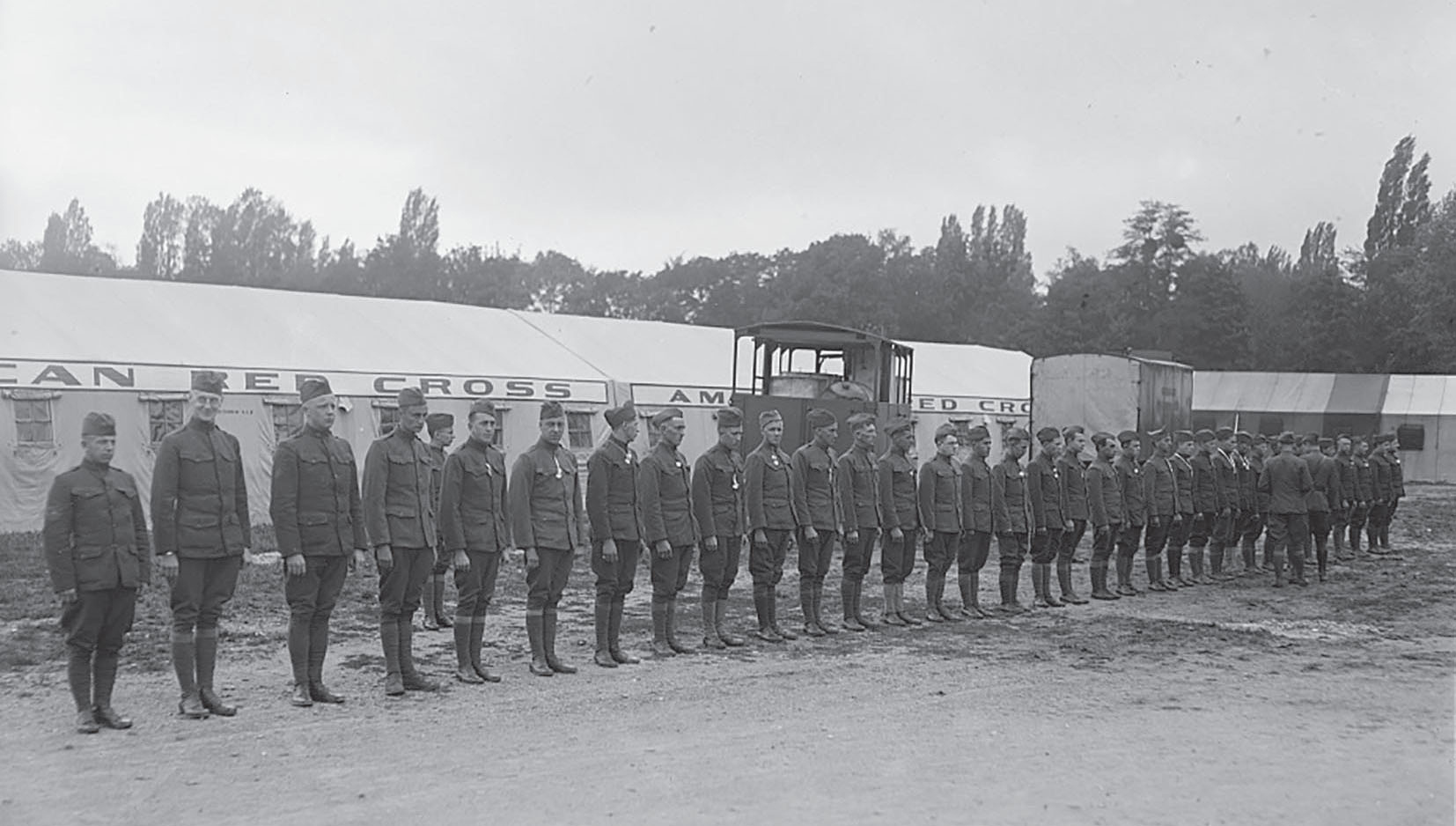
A number of ambulance drivers employed by the American Red Cross are inspected at Hospital No. 5 in Auteuil, France prior to rendering a day’s service. While Walter Disney never experienced combat situations, he often undertook military-style drills and training during his employment with the American Red Cross, both in the United States and Europe in the days following the First World War. (Hine, L.W., photographer (1918). Inspection of Staff at Hospital #5. American Red Cross Ambulance Drivers Drilling at American Military Hospital No. 5 at Auteuil, which is supported by the American Red Cross. Auteuil, France, 1918. https://www.loc.gov/item2017682332/)

American Red Cross canteens rendered a number of services to European and American soldiers, including providing hot meals and drinks, rest stations, and stationery for writing letters home. The American Red Cross canteen in Neufchâteau, France, pictured here, was famous for providing delicious hot chocolate and fresh doughnuts, made by the matron, Alice Howell, who can be seen in the window of the trailer. (In the backyard of the American Red Cross Canteen at Neufchâteau, showing tank men enjoying a cup of hot chocolate. Neufchâteau, France, September 1918. Photograph. https://www.loc.gov/item/2017682556/)
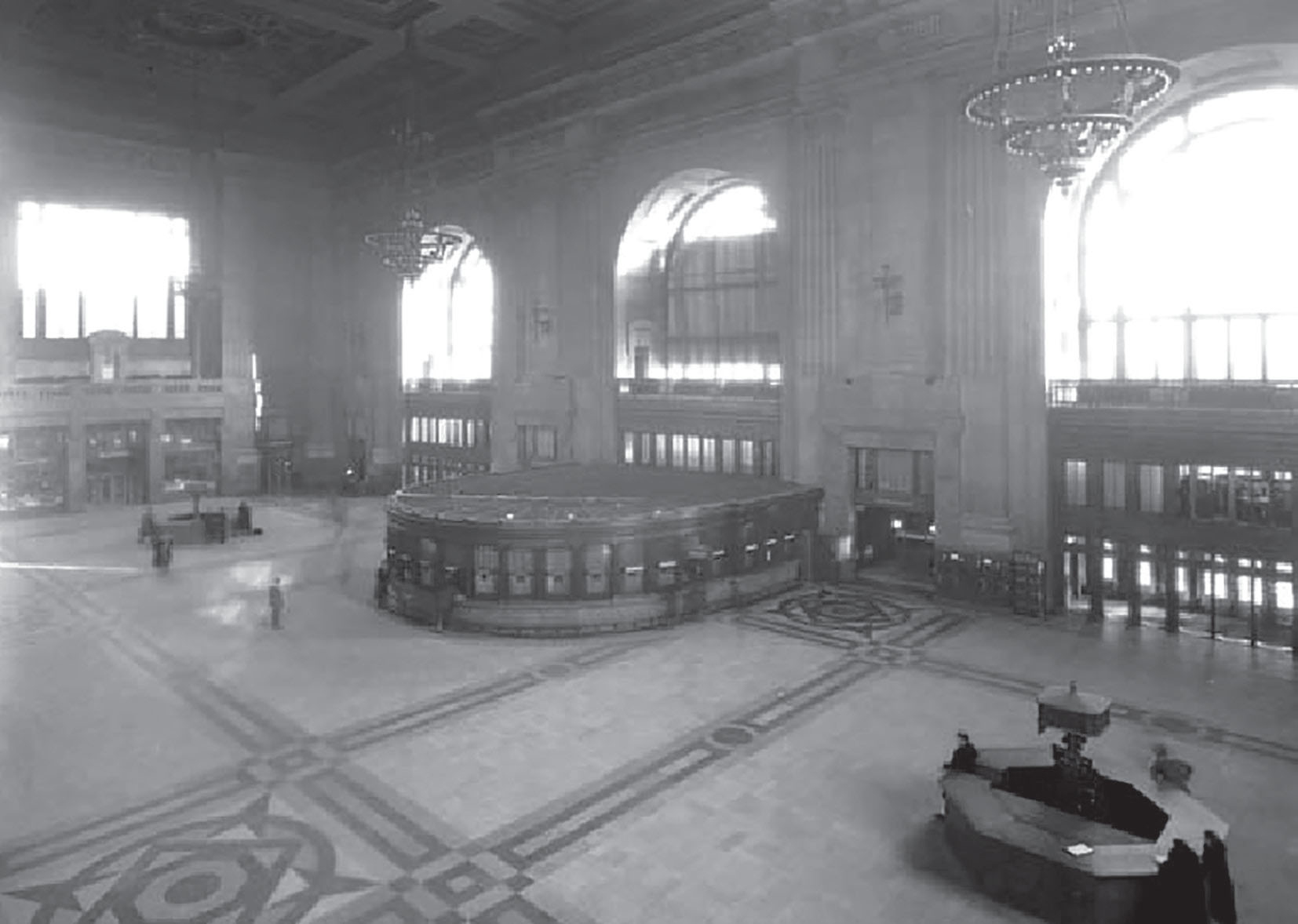
After the flooding of Union Depot, the new Union Station quickly became not only the hub for rail traffic into Kansas City, but also the third largest and busiest train depot in America. Walter spent many hours wandering through the Grand Hall, pictured here, as he bid farewell to his family, as well as visiting weekly to bathe in the station’s bathrooms. (Courtesy of Union Station Kansas City Inc./Kansas City Museum)

Prior to boarding the train that would carry them to their destinations, travellers would pass below the large suspended clock and seat themselves upon the wooden benches in Union Station’s North Waiting Room. (Courtesy of Union Station Kansas City Inc./Kansas City Museum)
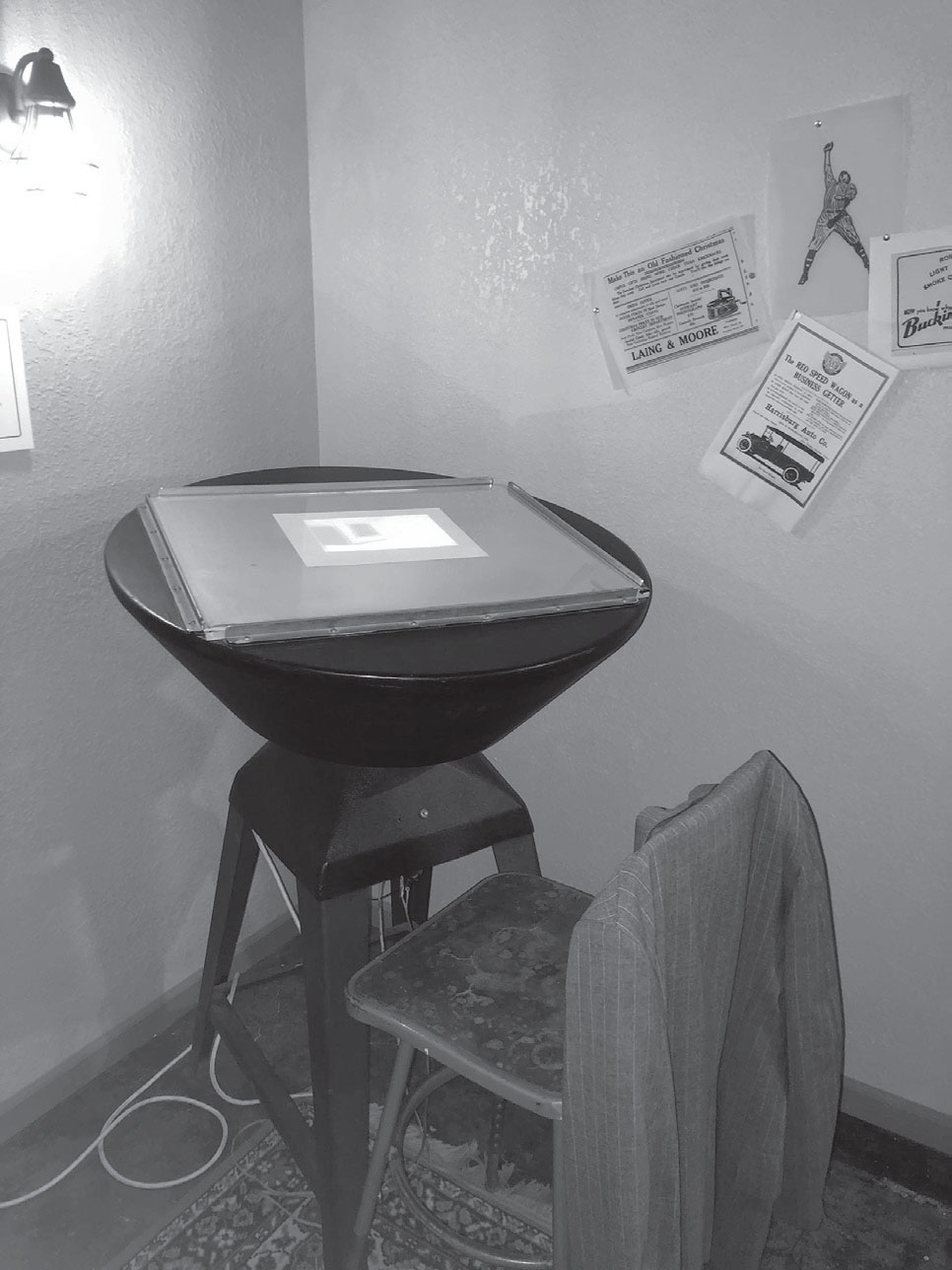
Upon returning to Kansas City after his time in Europe, Walter secured a job at Pesmen-Rubin where he produced advertisements for local businesses at this desk. It was here that he made a lasting friendship and partnership with fellow artist, Ubbe Iwwerks, and shortened his name to Walt. (Andrew Kiste)

When Walt’s boss at the Kansas City Film Ad Company wasn’t interested in producing animated advertisements, it was recommended that Walt partner with Frank Newman to sell his animated ads. Newman was interested in what Walt created and was soon creating weekly advertisements shown in Newman Theater, pictured here. (Creative Commons (Attribution) License)
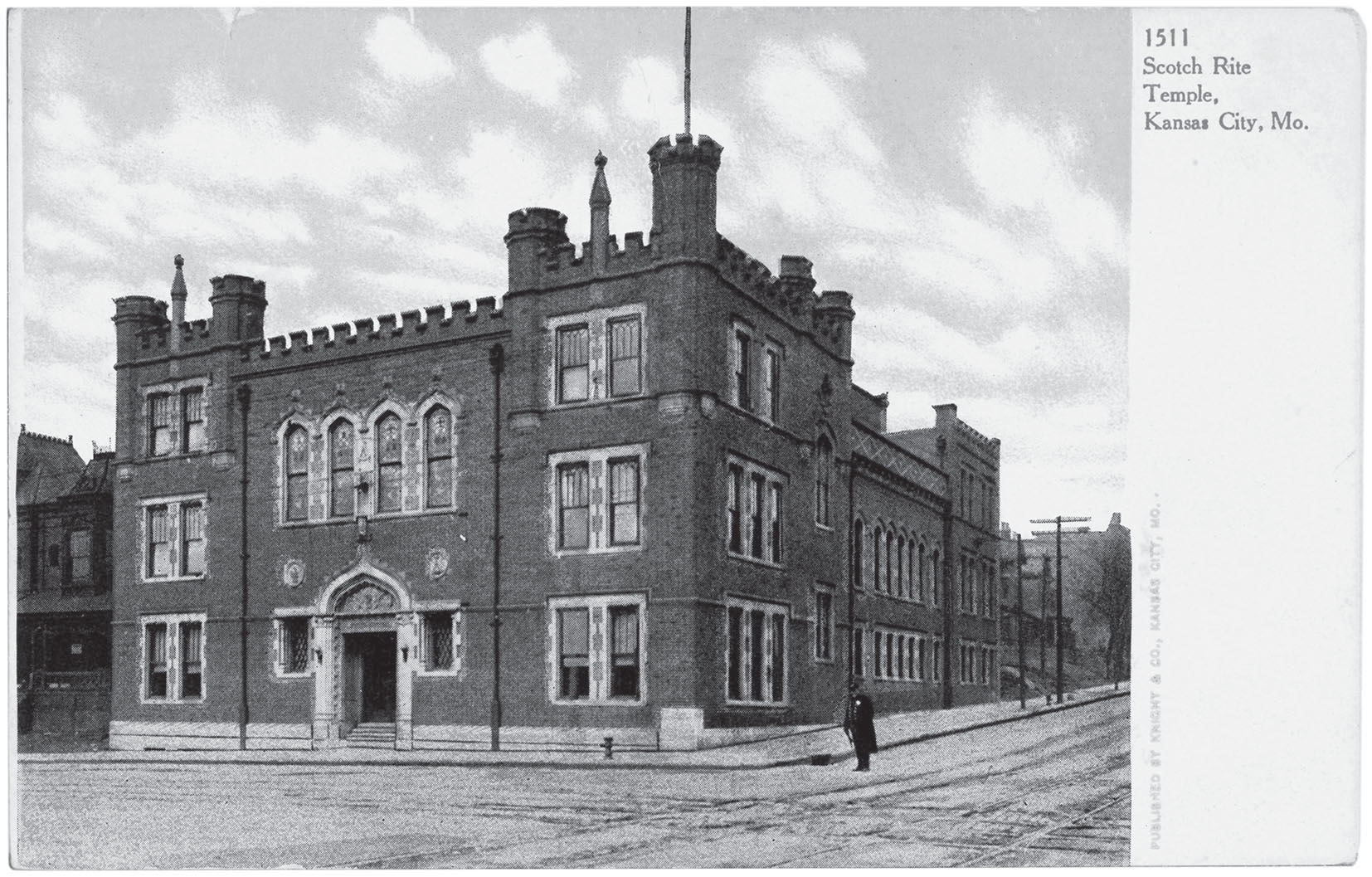
In 1919, Walt Disney joined the Order of the DeMolay as one of Frank ‘Dad’ Land’s boys. It was here, at Kansas City’s Scottish Rite Temple, that Walt learned how to have reverence for courtesy, comradeship, and patriotism, all under the tutelage of Land. (‘Scottish Rite Temple’, Mrs Sam (Mildred) Ray, 1922, Missouri Valley Special Collections, Kansas City Public Library, Kansas City, Missouri)

On 1 November 1921, a ground-breaking ceremony for the new Liberty Memorial took place in front of Union Station. The ceremony drew thousands from around the nation, including dignitaries such as the Allied generals and US president Calvin Coolidge. With not enough standing room, dozens of people perched atop the roof of Union Station to witness the festivities. Walt Disney, in an effort to make some money, attempted (and failed) to capture the event from the cockpit of an airplane soaring overhead. (Courtesy of Union Station Kansas City Inc./Kansas City Museum)
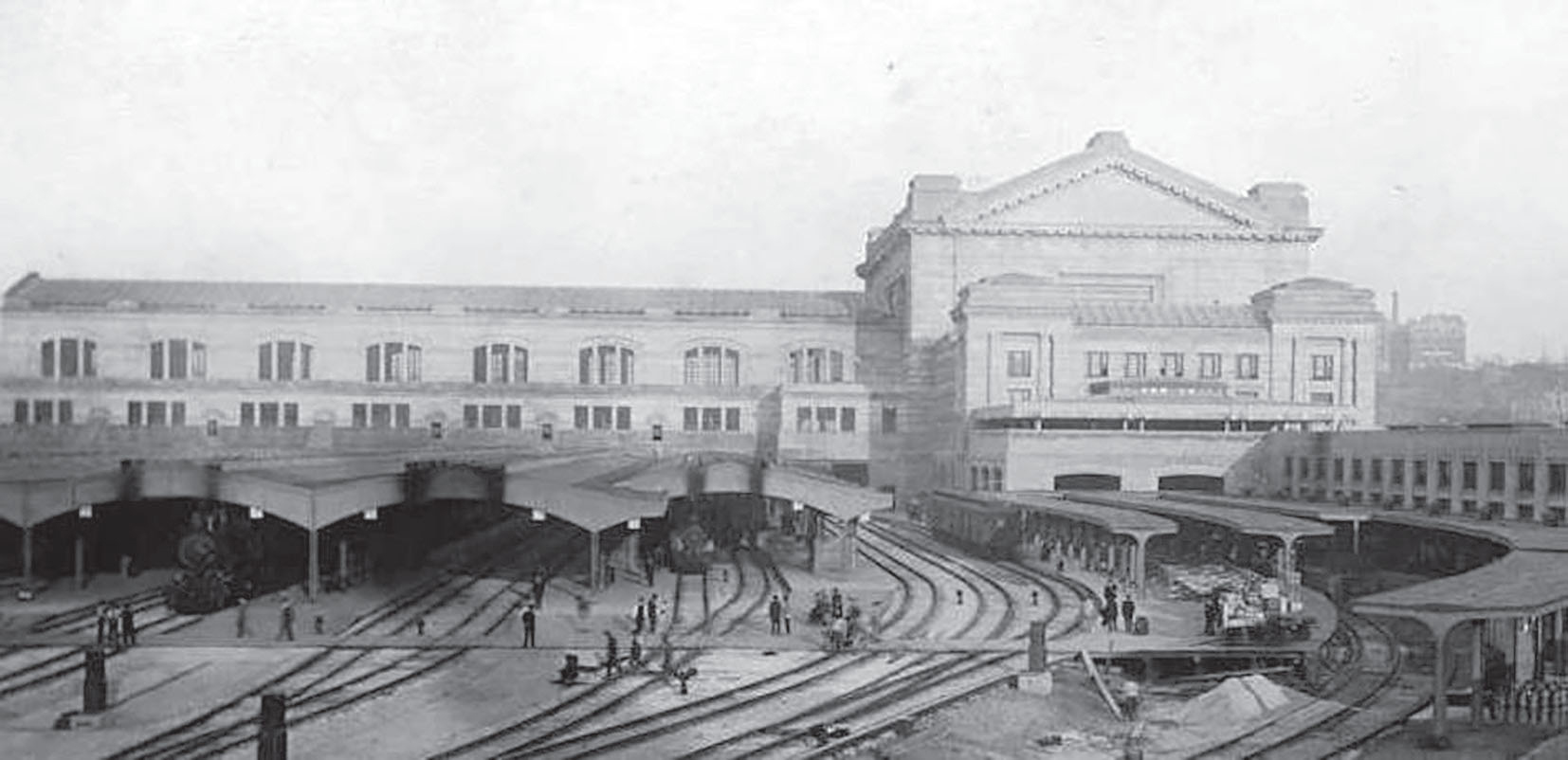
During his weekly trip for bathing, Walt often stood on the platforms, watching the trains pull in and out of Union Station, longing to once again be with Elias, Flora and Ruth. However, in 1923, these same platforms would bring a fresh start for him as he left Kansas City behind and travelled to Los Angeles with nothing but a borrowed suit, a cardboard suitcase, and $40. (Courtesy of Union Station Kansas City Inc./Kansas City Museum)
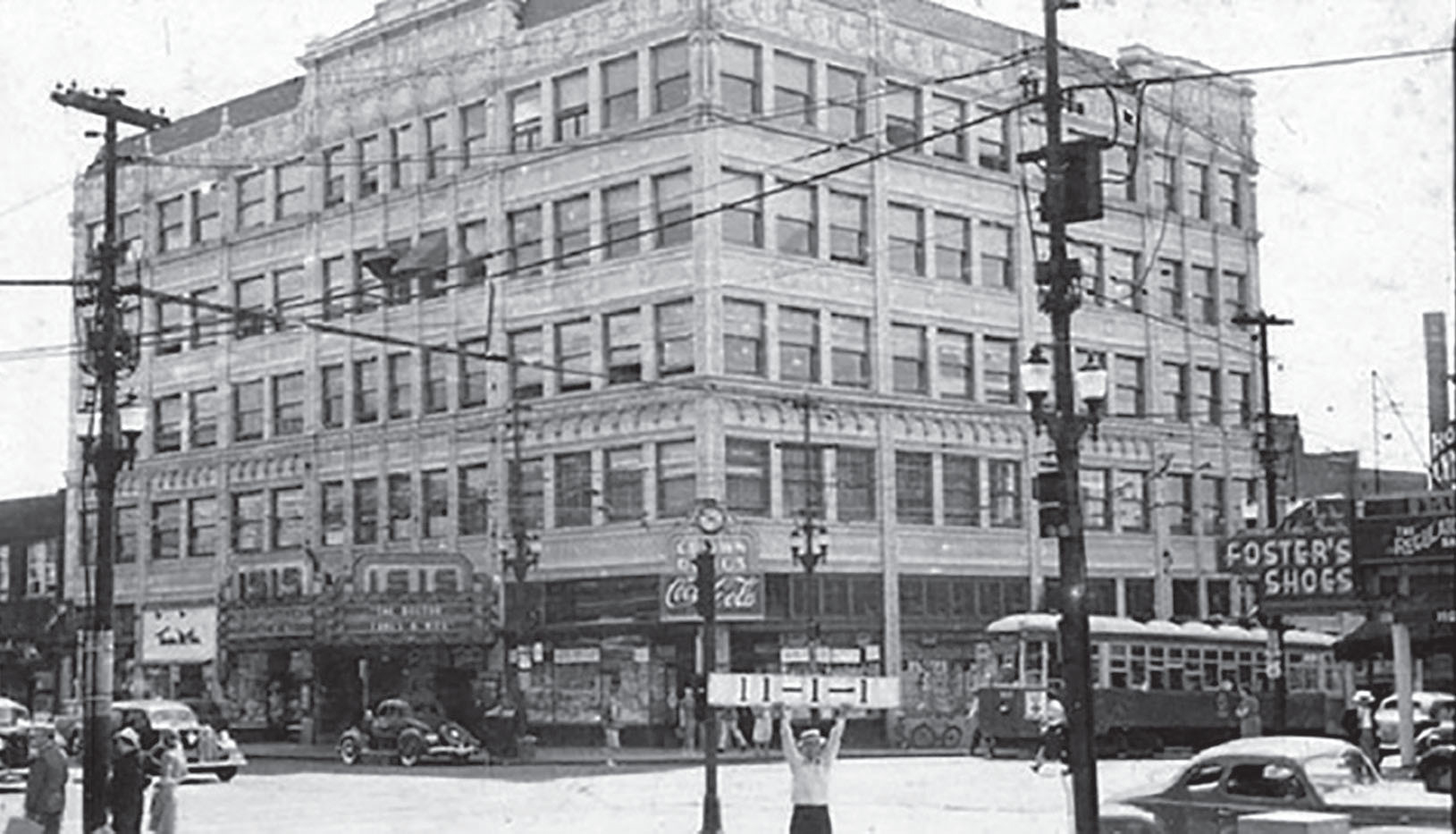
When Laugh-O-Gram defaulted on its payments to the owners of the McConahay Building, they were kicked out and moved production to the nearby Wirthman Building, where the Isis Theater was also located. It was here that Walt spent time watching animated films for inspiration for his own shorts, as well as where he met theatre organist Carl Stalling, with whom he would collaborate on future projects. (Creative Commons (Attribution) License)

Upon receiving word from Margaret J. Winkler that she was interested in distributing Walt’s Alice Comedies, the aspiring film-maker sneaked into the grounds of the Sawtelle VA Hospital located just outside Los Angeles. It was here that he woke Roy, who was recovering from tuberculosis, to tell him the news of Winkler’s message. (Library of Congress, Prints & Photographs Division, HABS)

After the demise of the Alice Comedies, Charles Mintz asked Walt to develop a new animated character to be distributed by Universal. Together, Walt and Ub Iwerks created Oswald the Lucky Rabbit. This advertisement features an early concept for Oswald that would later be changed to make him slimmer and younger-looking. (Alamy)