
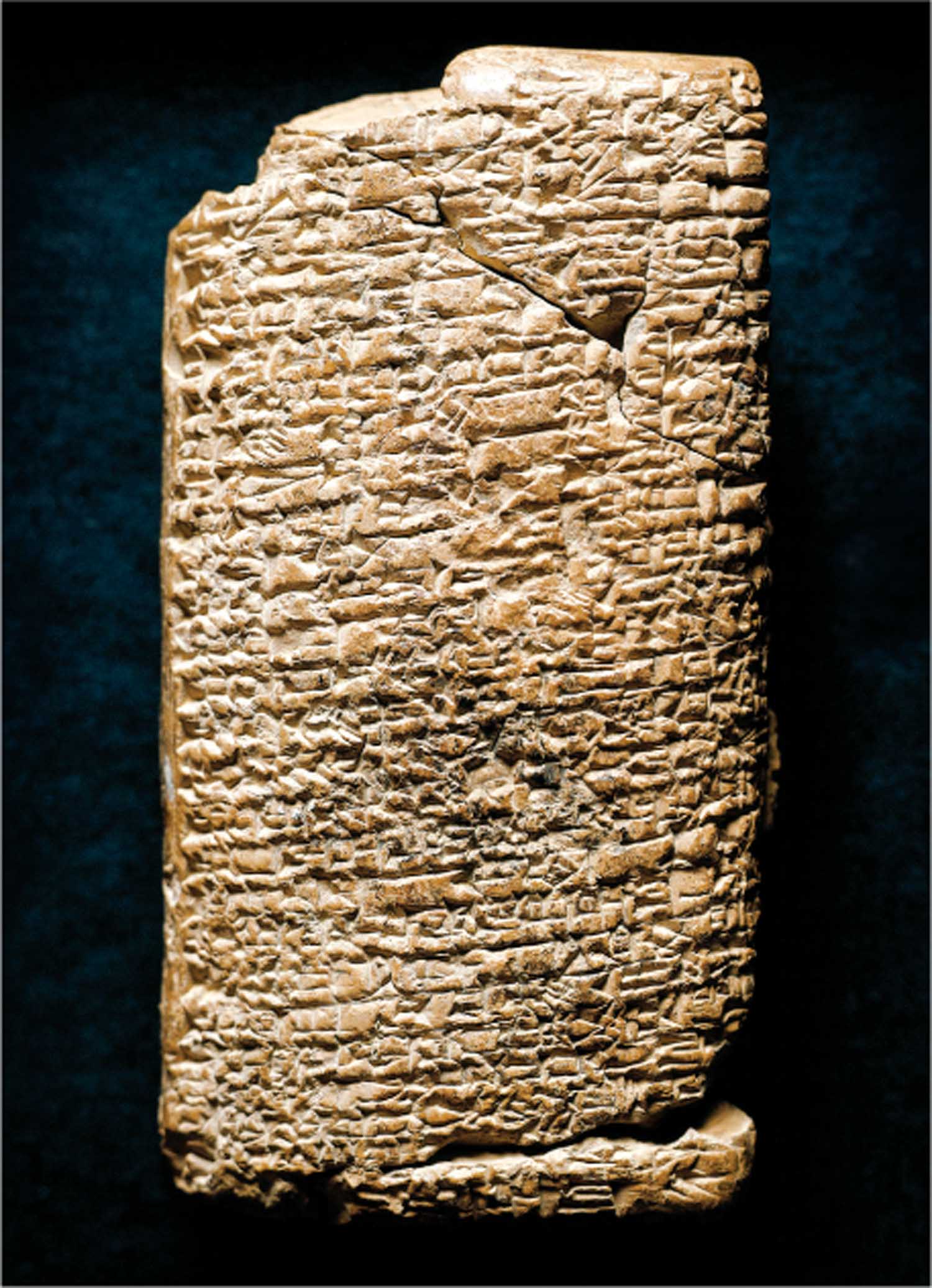
Typical cuneiform tablet from the third to second millennium B.C. Musée du Louvre, Paris. GETTY IMAGES
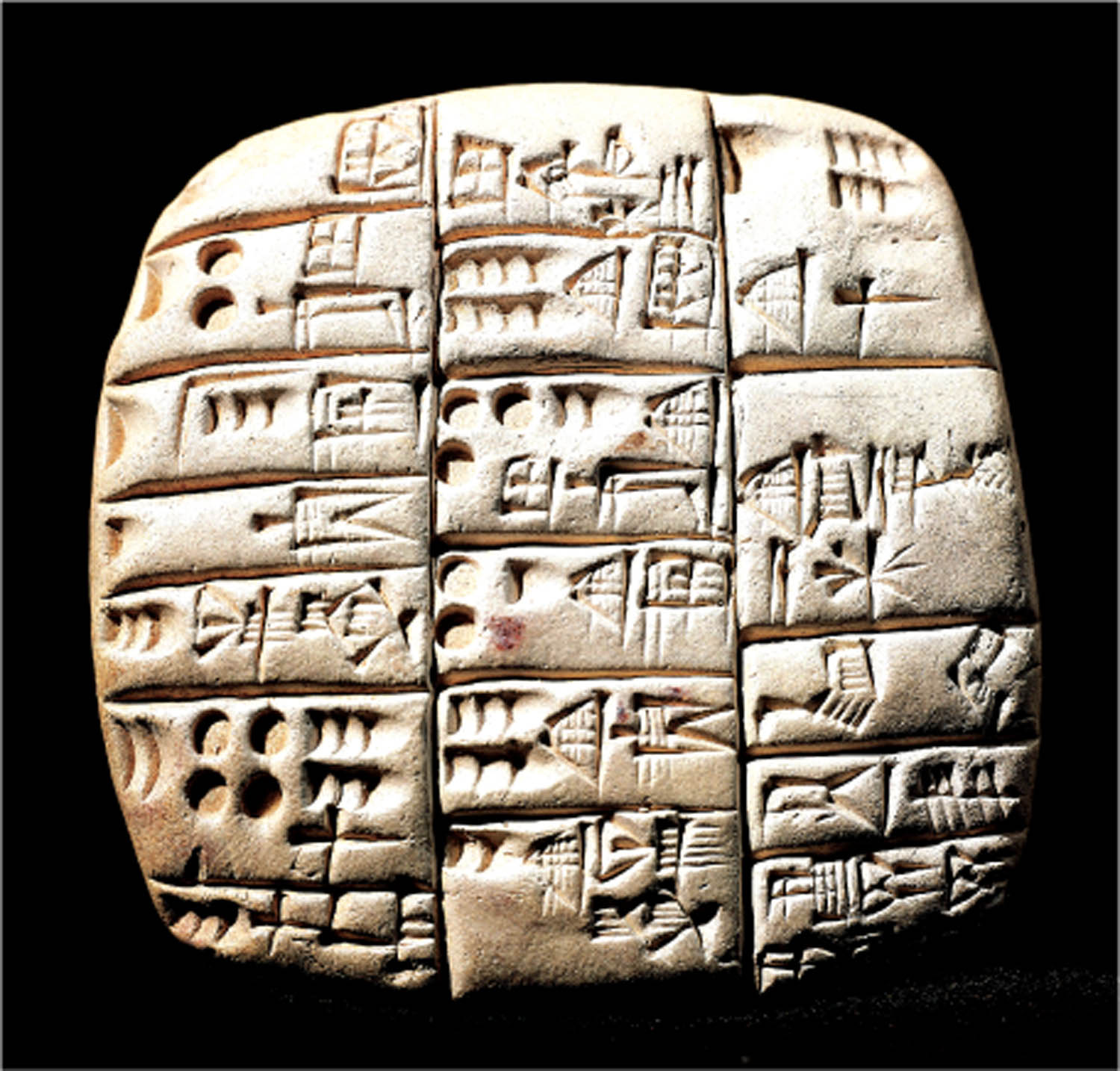
Administrative clay tablet from the third millennium B.C.: cuneiform script showing count of goats and rams from Tell Telloh (ancient Ngirsu), Iraq. GETTY IMAGES
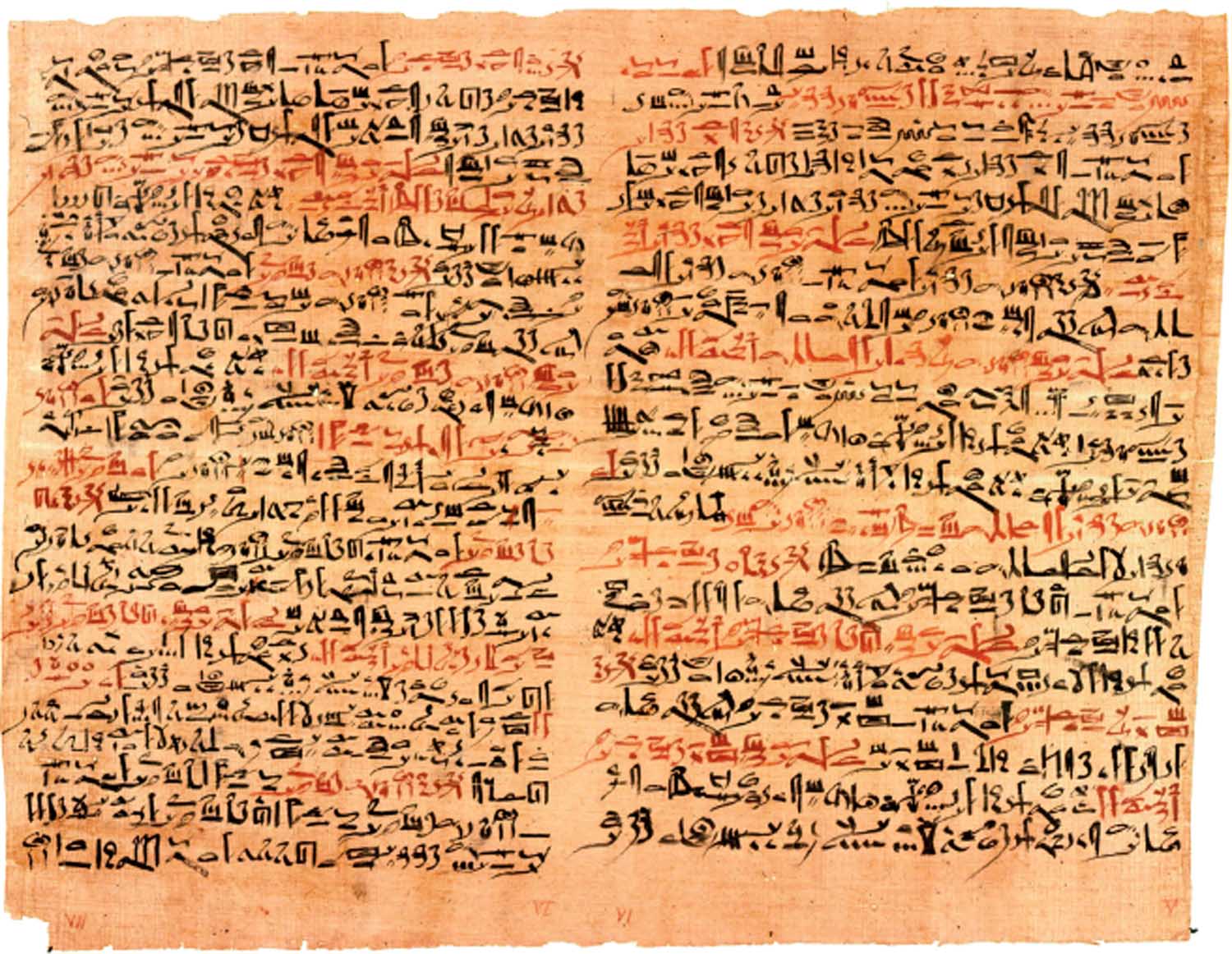
The Edwin Smith papyrus, the world’s oldest surviving surgical document. Written in hieratic script in ancient Egypt around 1600 B.C.

Jumilhac Papyrus, first century B.C.: treaty of mythological geography in cursive hieroglyphs. GETTY IMAGES
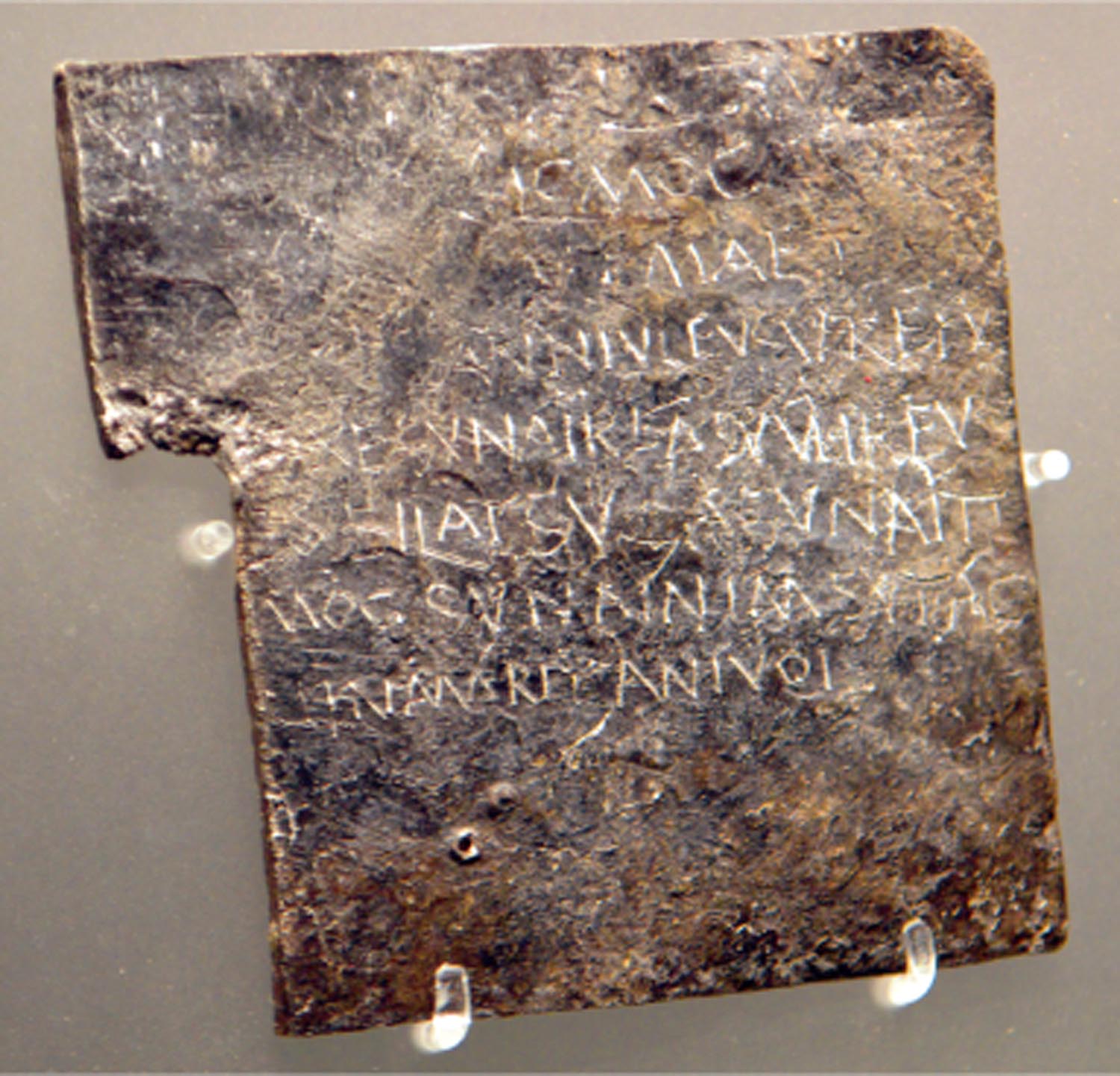
Roman curse tablet discovered in the English city of Bath. PHOTO BY GEMMA SOUTHGATE
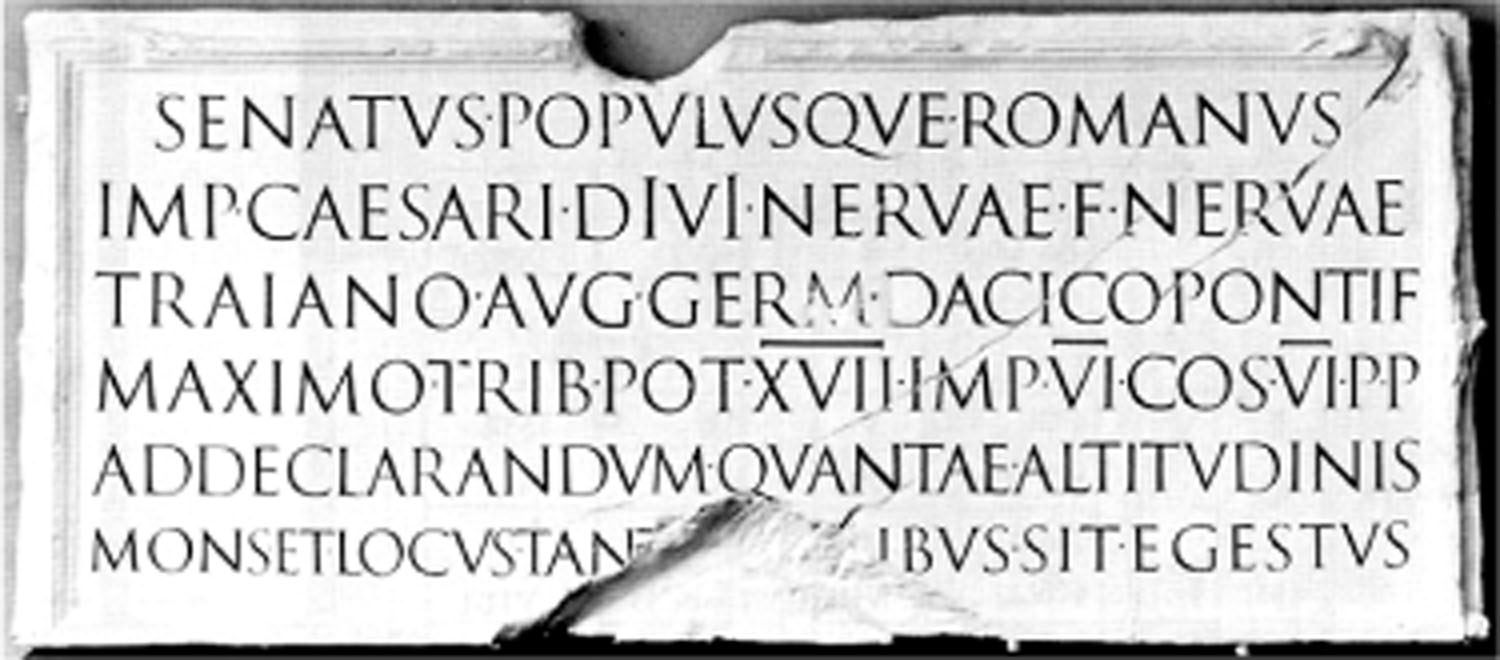
Trajan’s column is the most famous example of Roman capitalis.
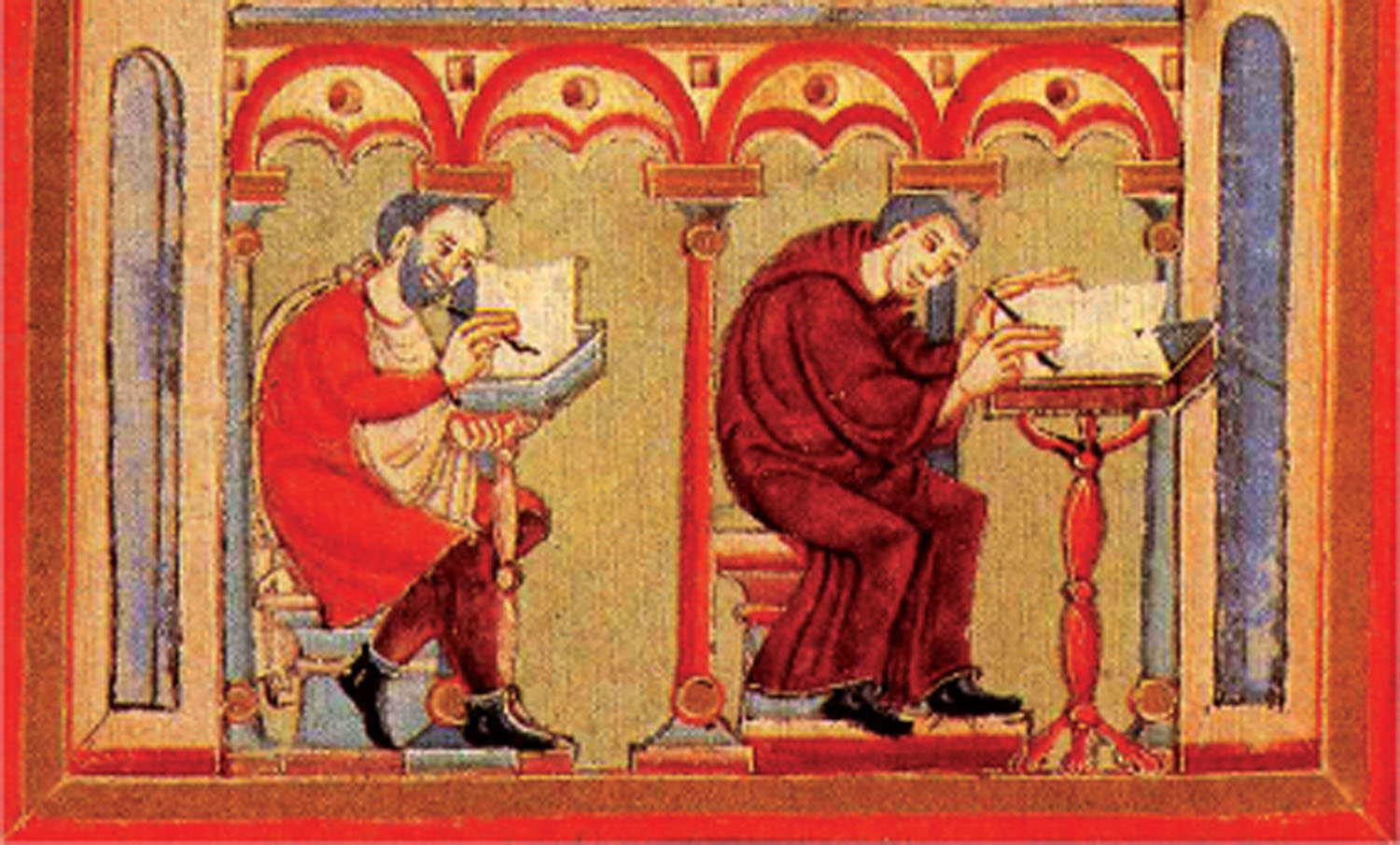
Book producers at work in a monastic scriptorium thought to be the Abbey of Echternach. © UNIVERSITÄTSBIBLIOTHEK BREMEN, MS 217, c. 1020
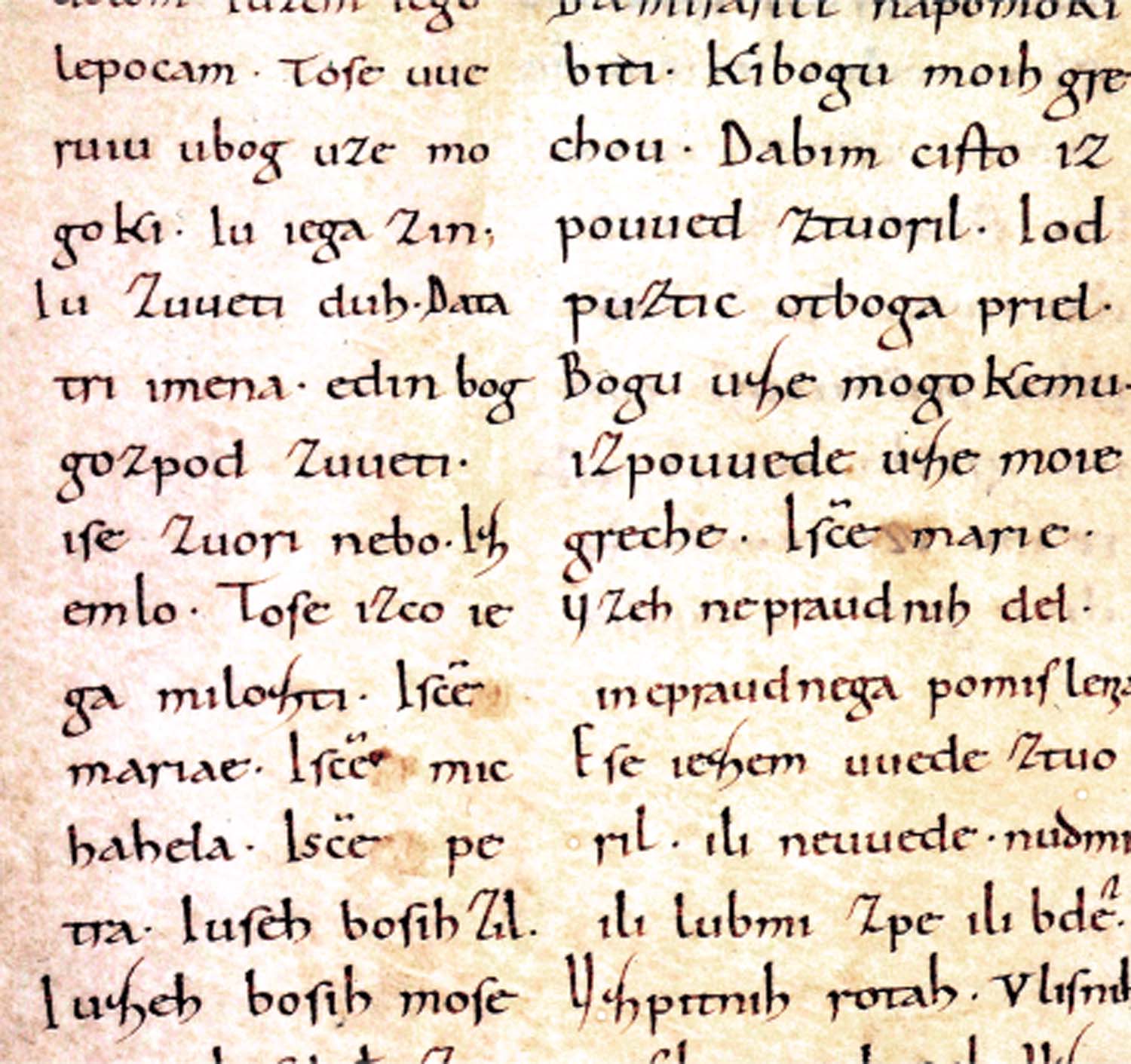
Carolingian minuscule script from the Freising manuscripts, the oldest documents in Slovene and the first Slavic texts to be written in Latin script.
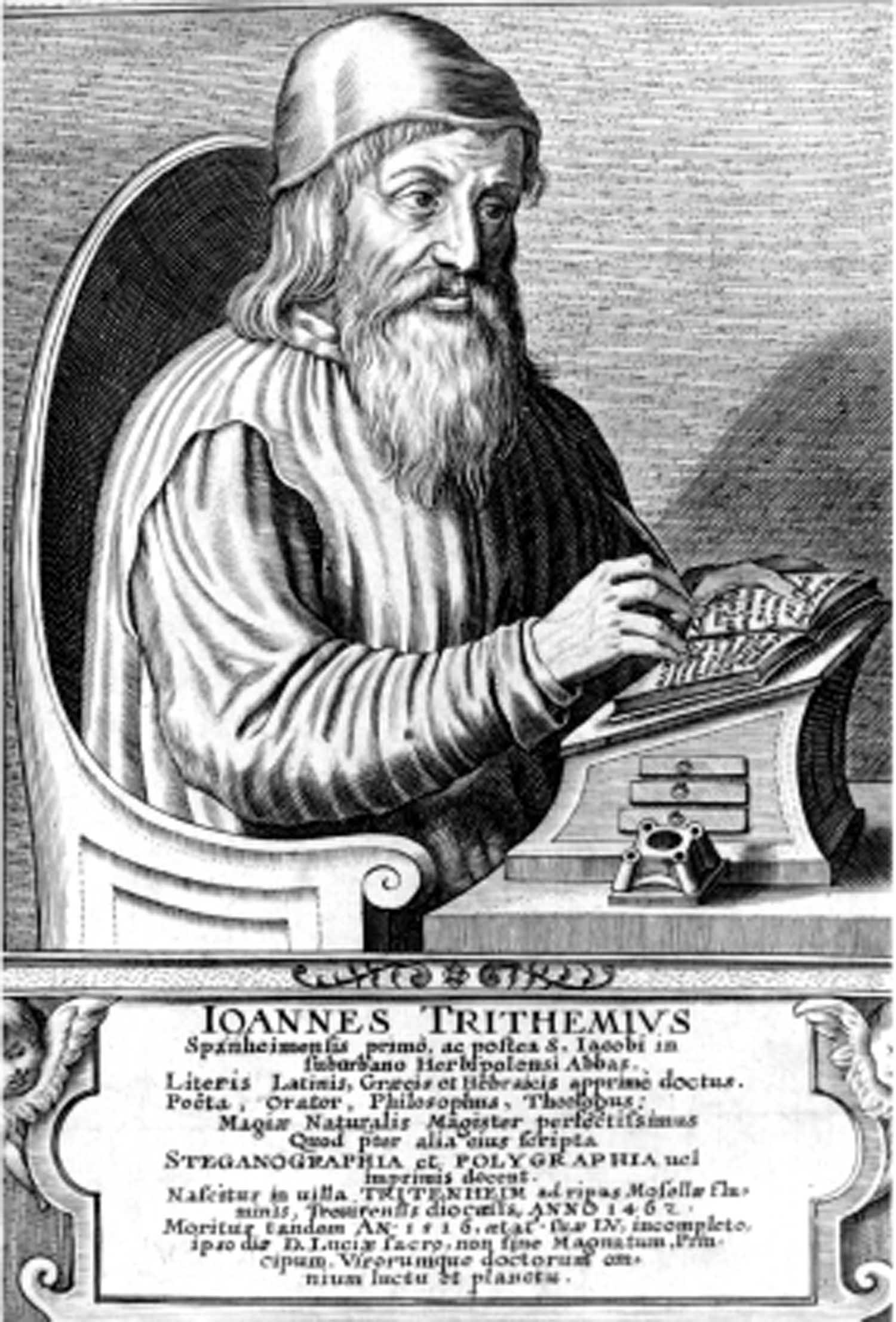
German polyhistor, theologian, and divine Johannes Trithemius (1462–1516), c. 1505. HULTON ARCHIVE/GETTY IMAGES
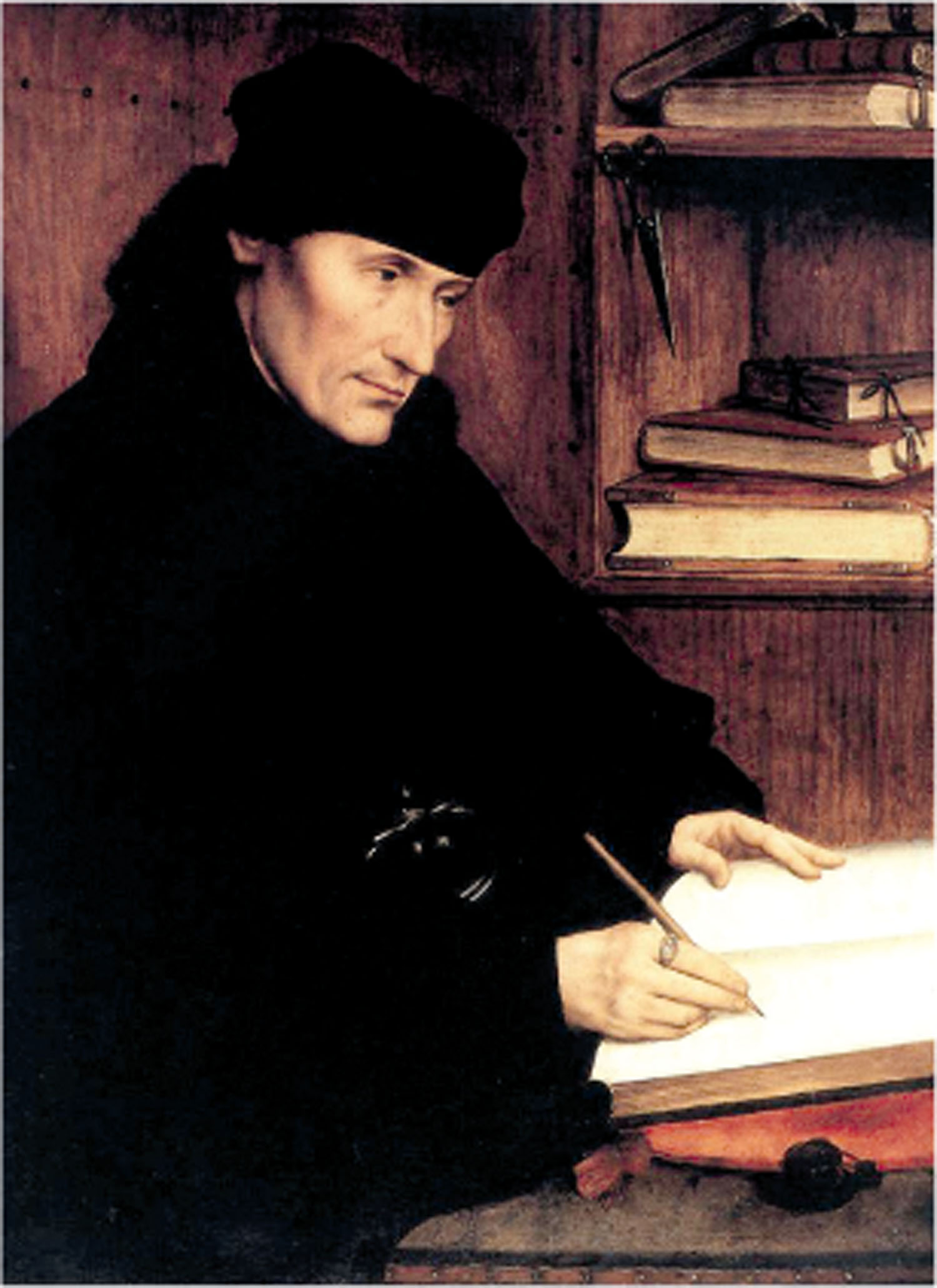
Portrait of Erasmus of Rotterdam by Quentin Massys, 1517. GALLERIA NAZIONALE D’ARTE ANTICA
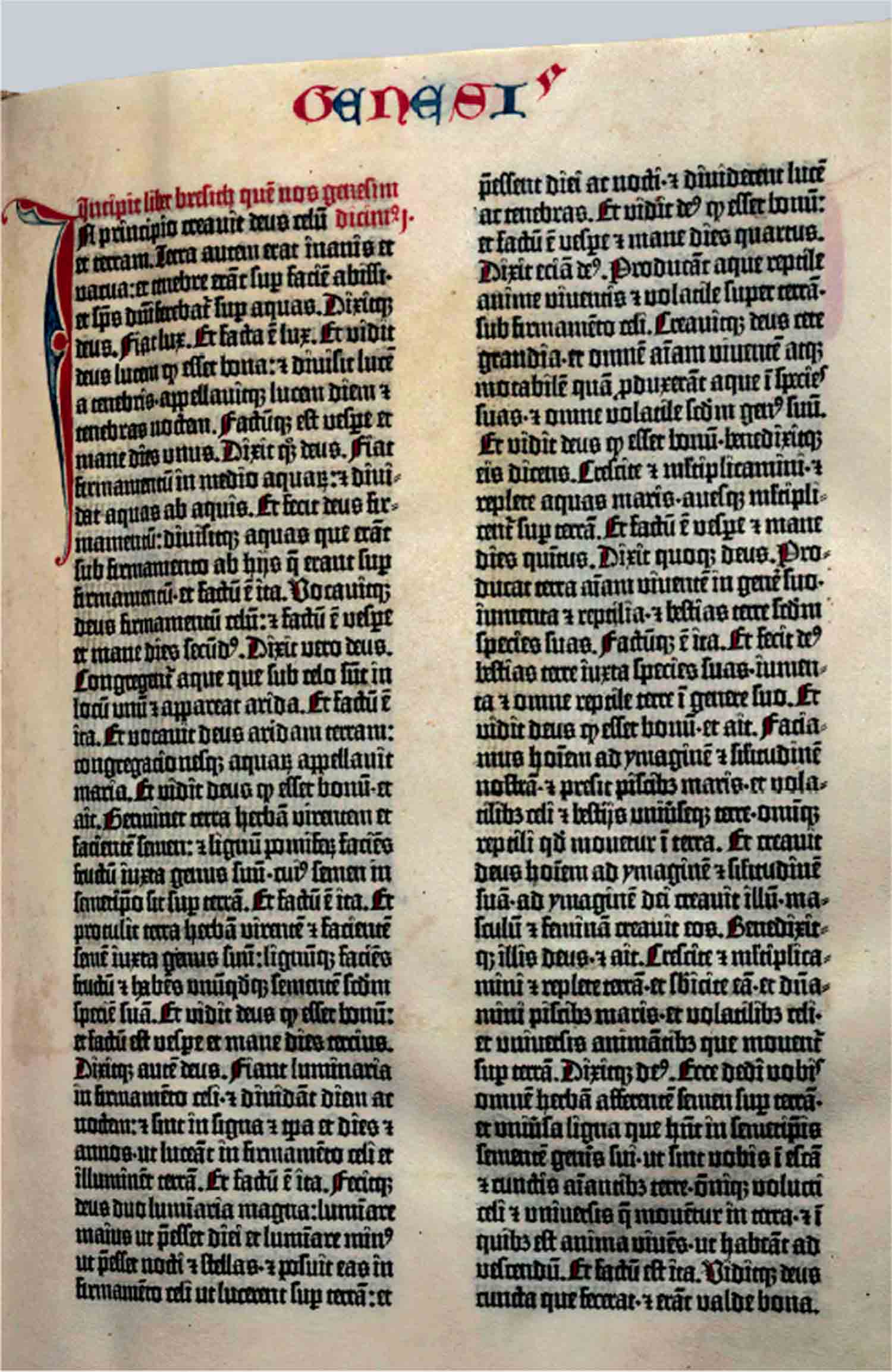
Page from the Gutenberg Bible. COURTESY OF THE LIBRARY OF CONGRESS
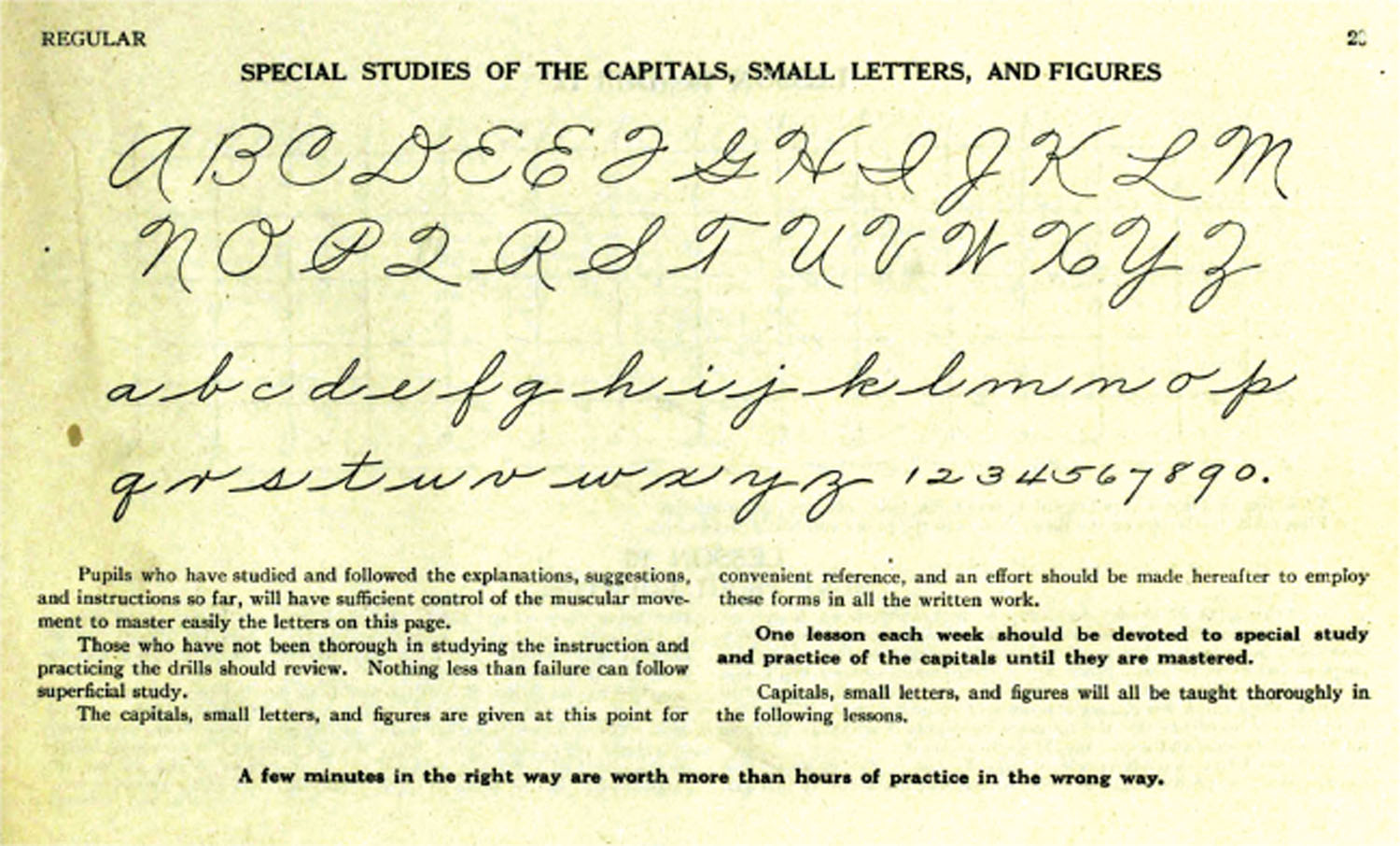
Page from The Palmer Method of Business Writing. Cedar Rapids: A. N. Palmer Co., 1915. INTERNET ARCHIVE
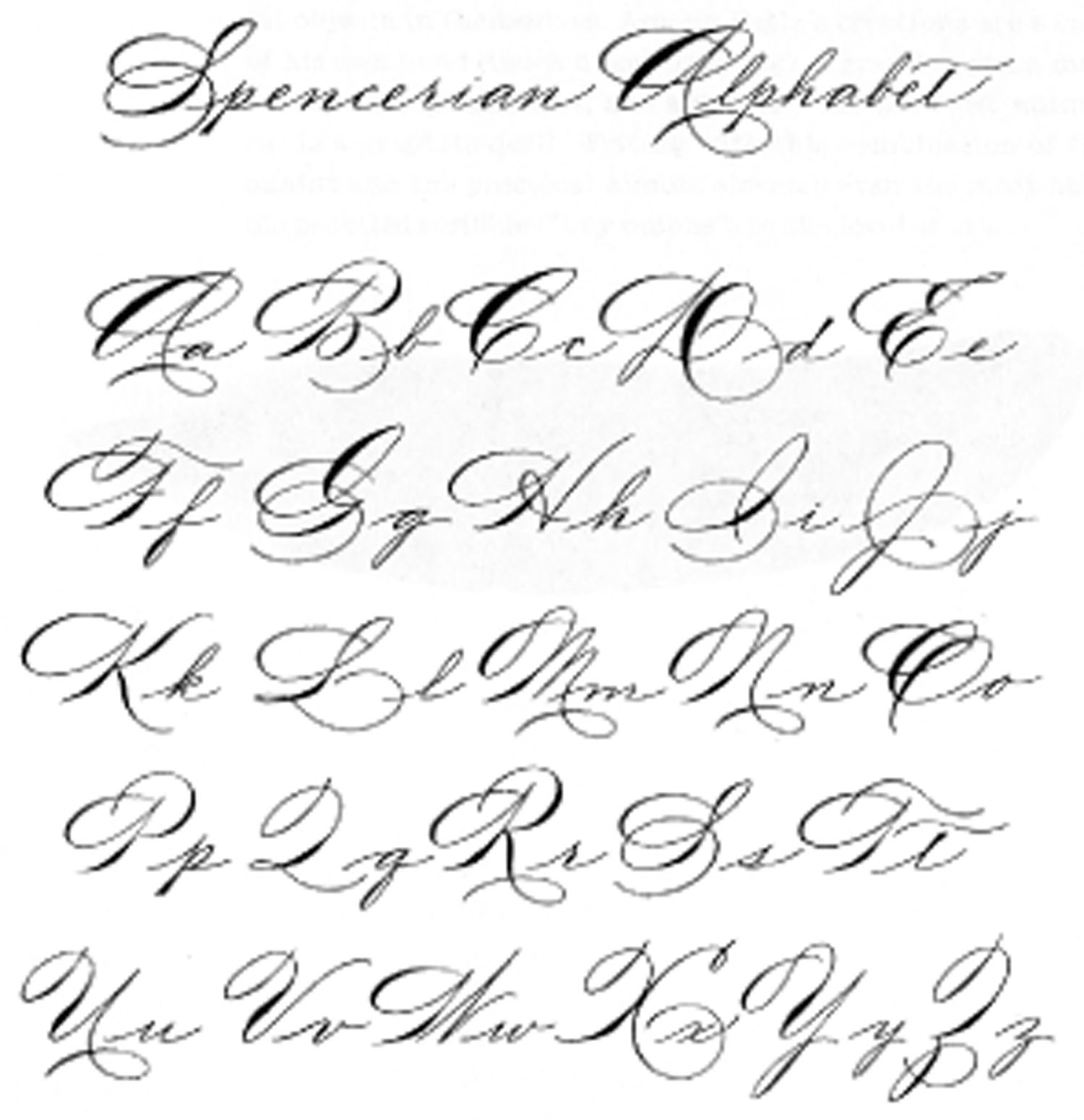
The Spencerian alphabet.
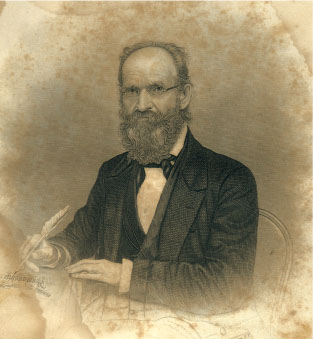
Portrait of Platt Rogers Spencer. The Spencerian Key to Practical Penmanship by H. C. Spencer, 1866. THE UNIVERSITY OF SOUTH CAROLINA RARE BOOKS & SPECIAL COLLECTIONS
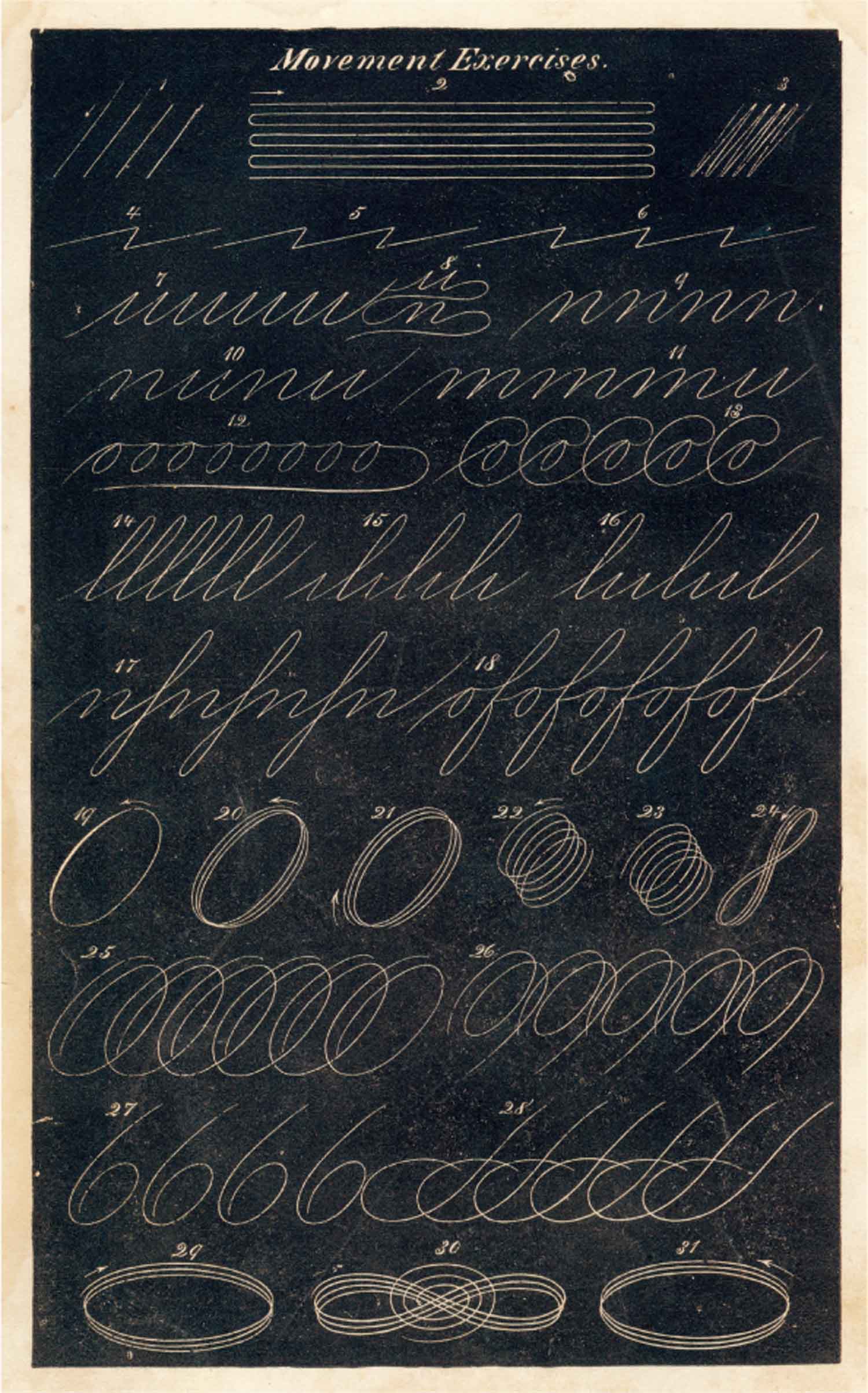
Spencer’s method broke down letters into common elements based on natural forms. After his death in 1864, his family continued to dominate American penmanship instruction, marketing books like The Spencerian Key to Practical Penmanship to schools across the country. THE UNIVERSITY OF SOUTH CAROLINA RARE BOOKS & SPECIAL COLLECTIONS
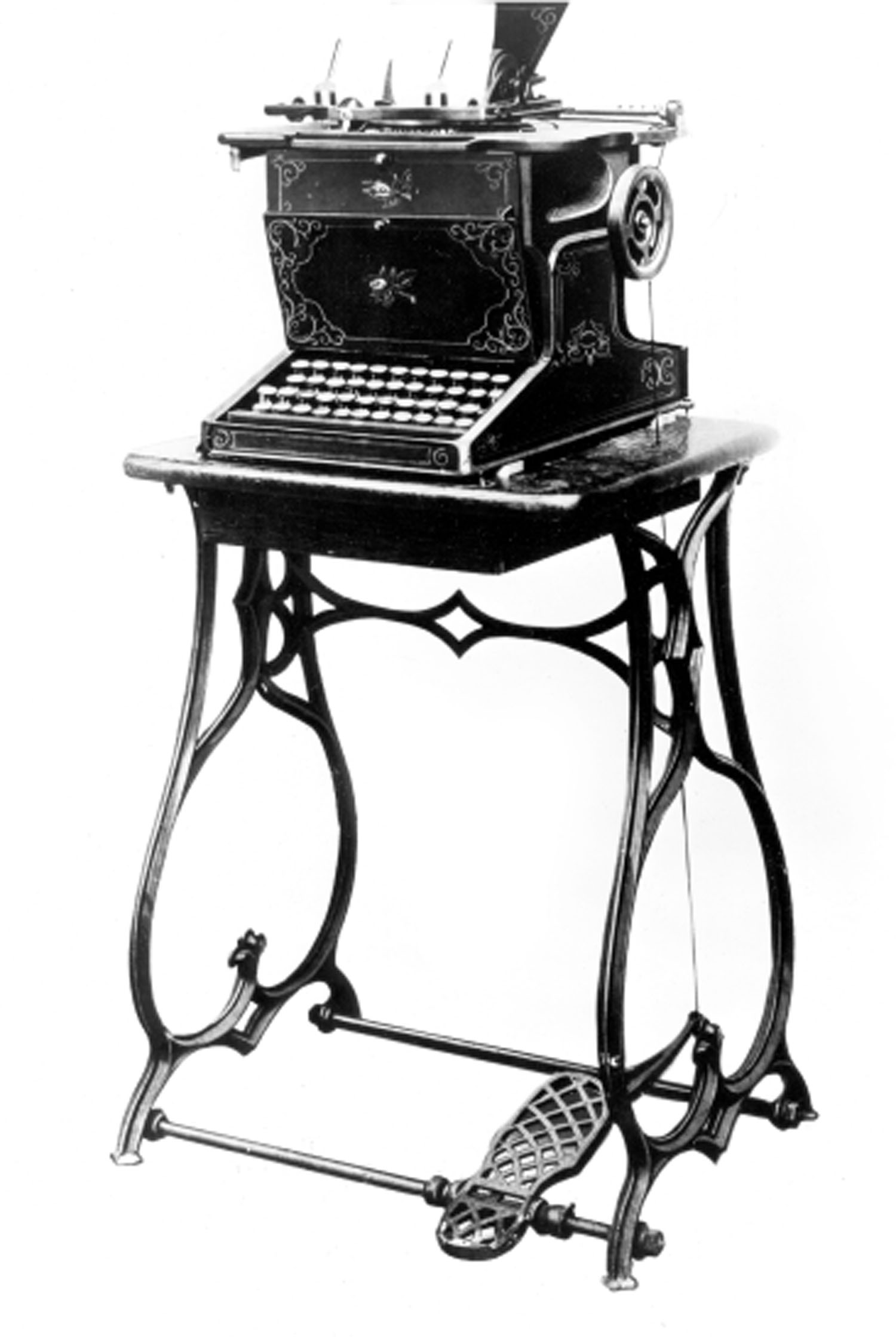
Early Sholes and Glidden typewriter. PHOTOQUEST/GETTY IMAGES
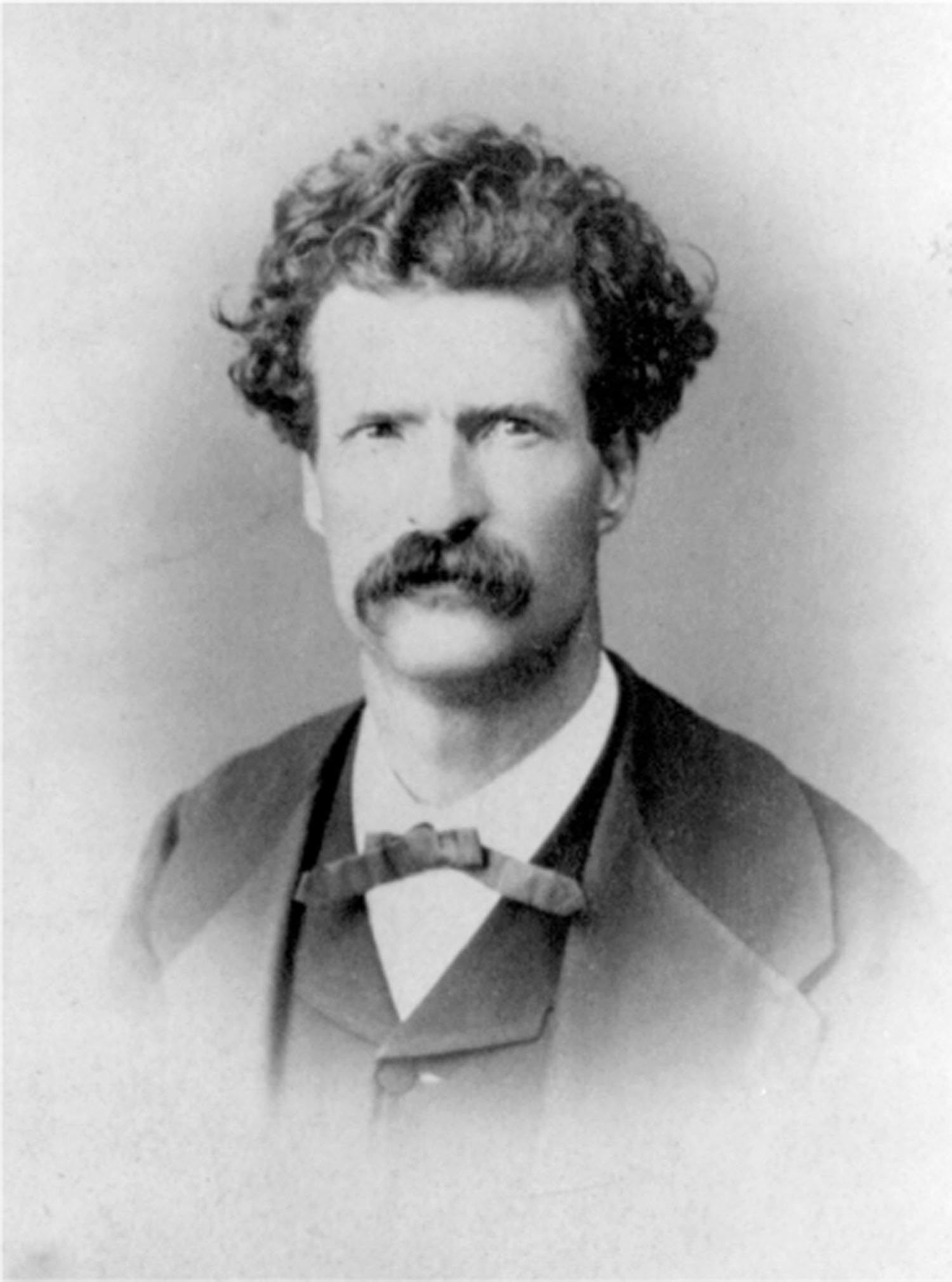
Portrait of Mark Twain by Abdullah Frères, 1867. COURTESY OF THE LIBRARY OF CONGRESS