
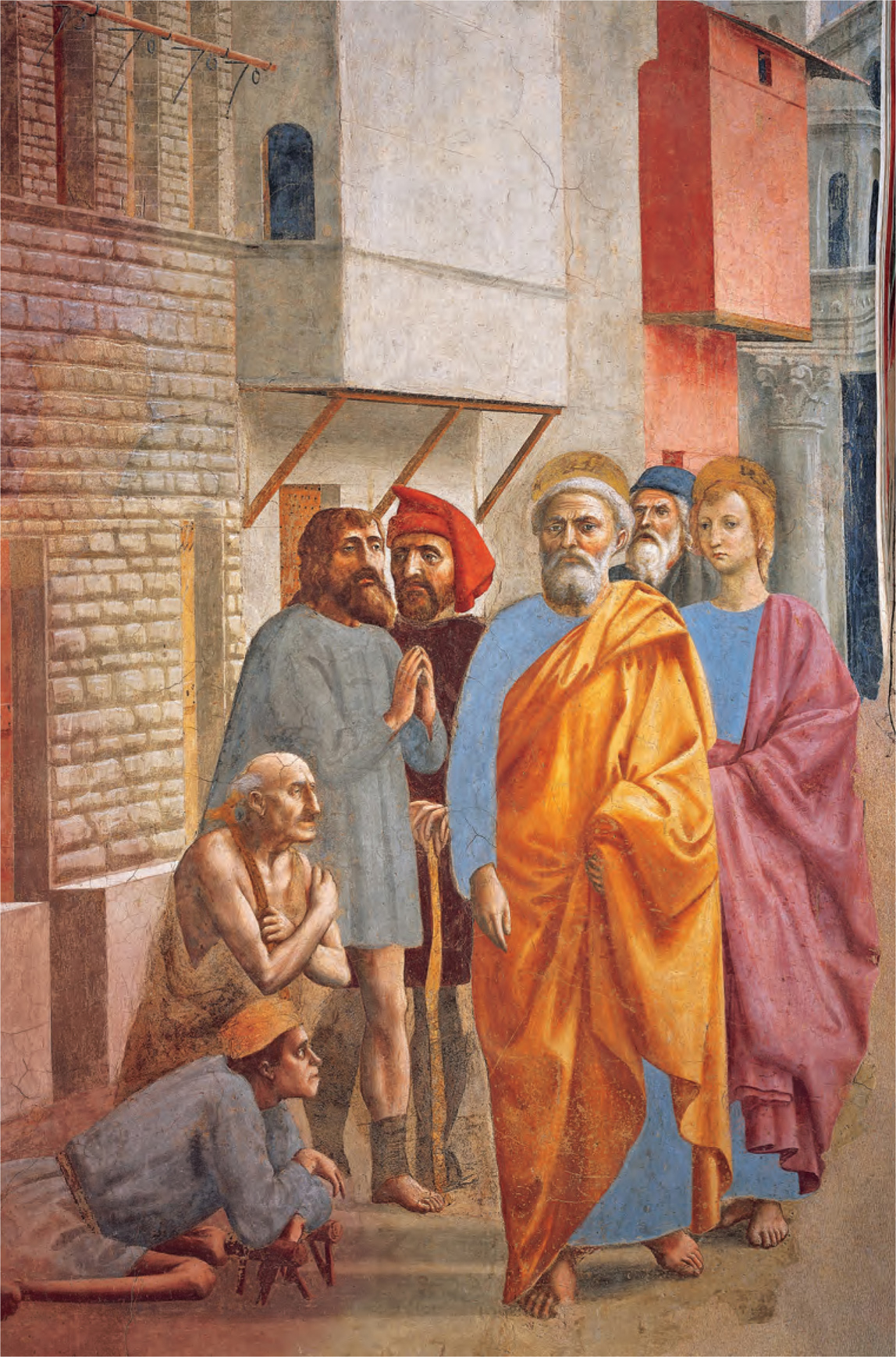
Fig. 1. Masaccio, Saint Peter Healing the Sick with His Shadow. A neat encapsulation of public life in Renaissance Florence that not only embodies the idealistic urban aspirations of a city grown wealthy on trade and commerce but also hints at a world in which disfigured beggars, filthy streets, open brothels, and ramshackle houses were very much the norm. (illustration credit 1)
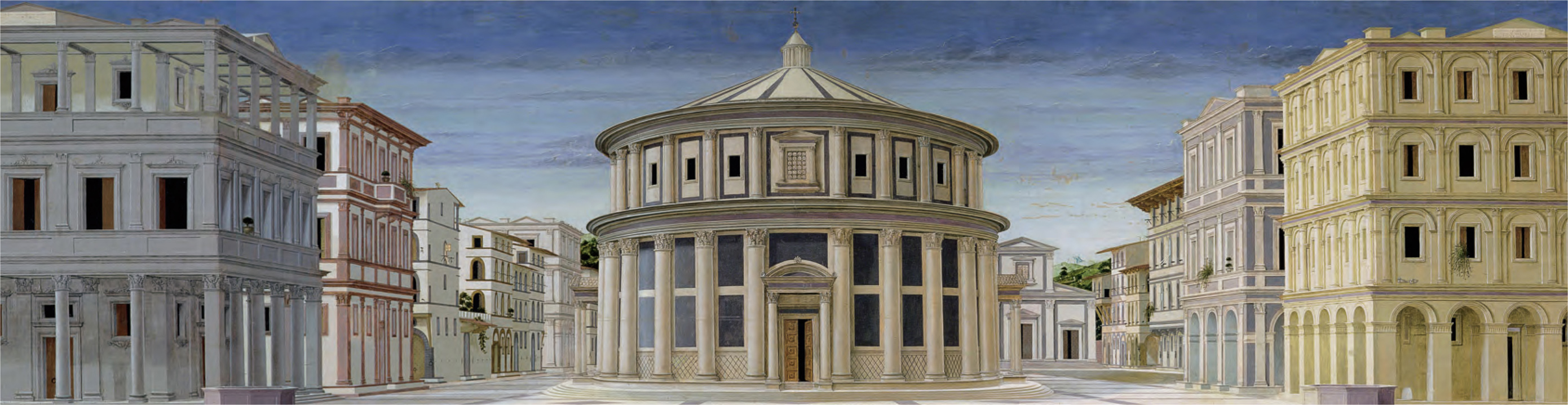
Fig. 2. Anonymous, The Ideal City. A utopian vision of city life that was inspired by Poggio Bracciolini’s rediscovery of Vitruvius’s De architectura in 1415 but that was lamentably far from urban realities. (illustration credit 2)
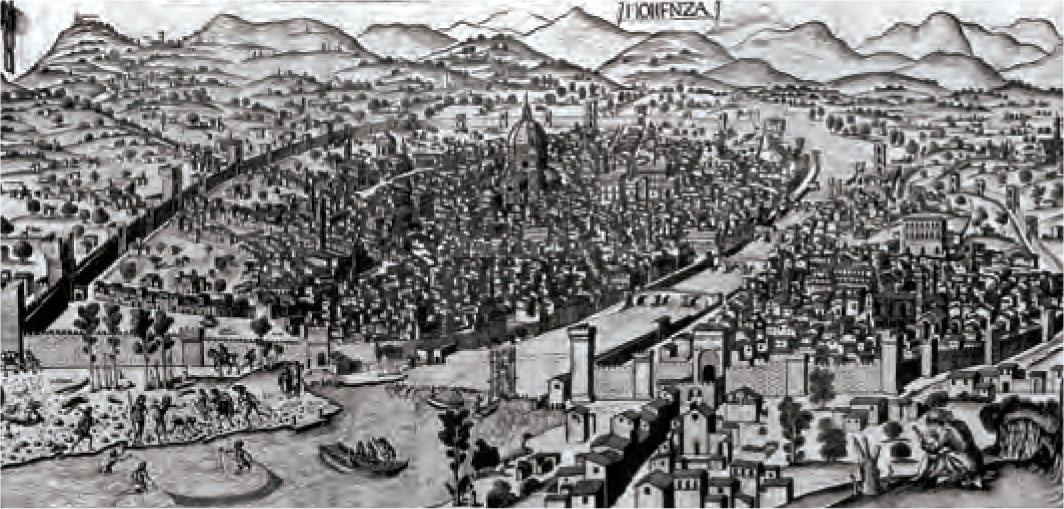
Fig. 3. Francesco Rosselli, The Map of the Chain. This panoramic view of Florence reveals that beneath the massive structure of the Duomo and the Palazzo Vecchio lay a teeming, disorganized muddle of houses, workshops, hostelries, and shops that were the stage on which the drama of everyday life was set. (illustration credit 3)
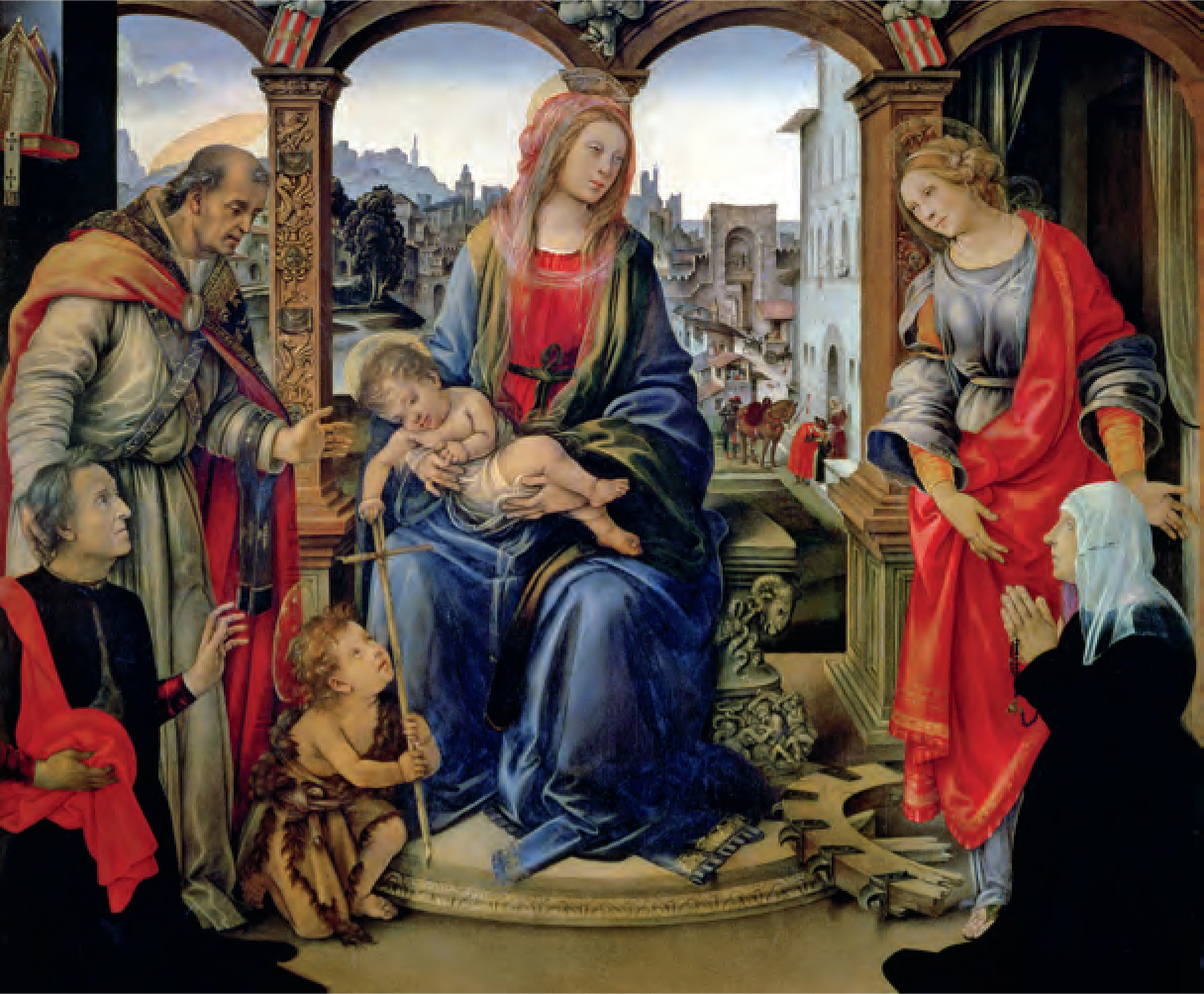
Fig. 4. Filippino Lippi, Madonna del Carmine (Pala de’ Nerli). Behind Mary is a typical Oltr’Arno scene. (illustration credit 4)
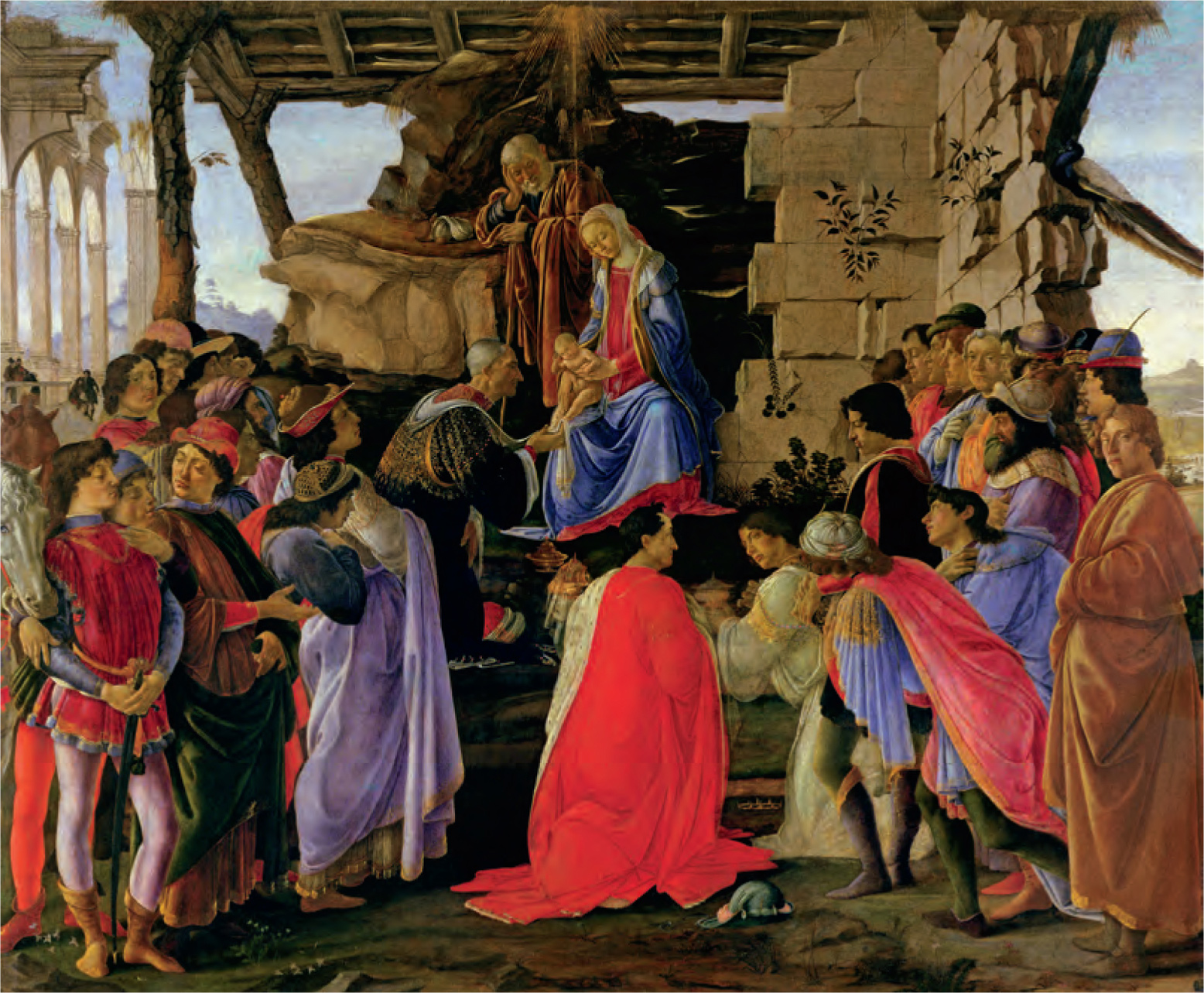
Fig. 5. Sandro Botticelli, Adoration of the Magi. To show his “intimacy” with Florence’s de facto rulers, the ambitious Gaspare di Zanobi del Lama had himself depicted alongside the Medici and their circle in this fanciful scene. (illustration credit 5)
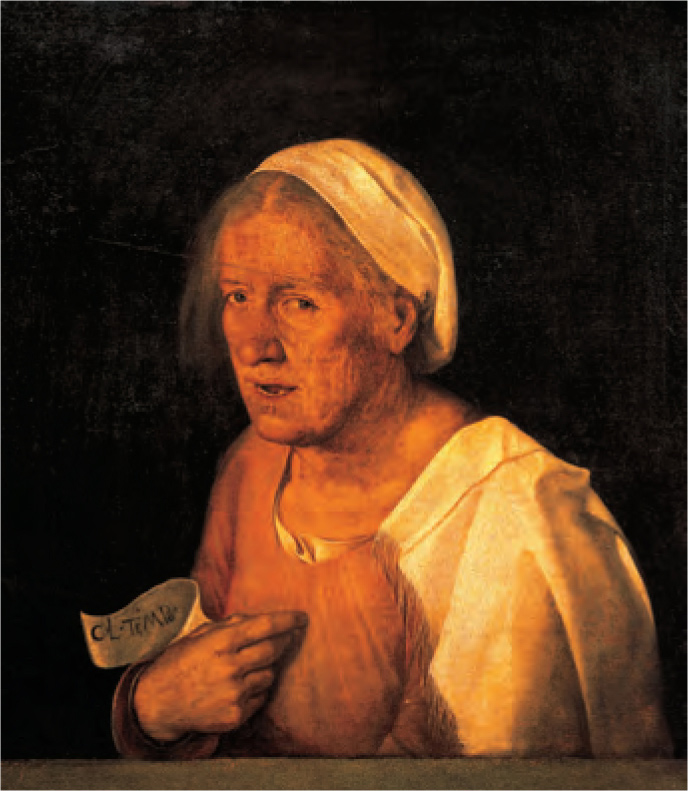
Fig. 6. Giorgione, The Old Woman. The scroll reading “col tempo” (with time) is a warning of what awaited many Renaissance women. (illustration credit 6)
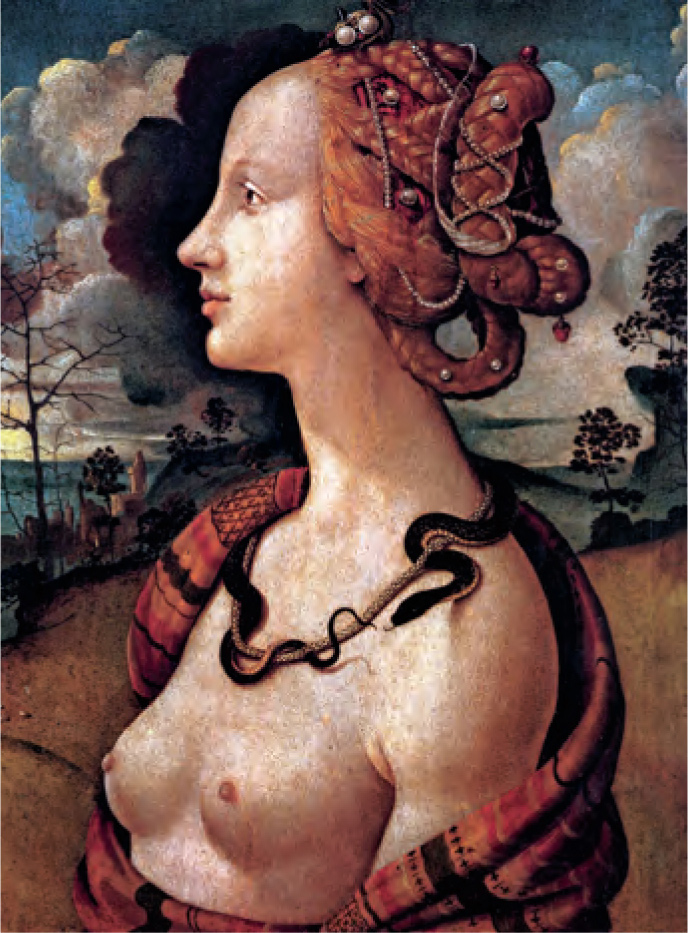
Fig. 7. Piero di Cosimo, Portrait of Simonetta Vespucci. Reputedly the most beautiful woman of the age, Simonetta Vespucci is depicted in the guise of a virtually naked and wildly titillating Cleopatra. (illustration credit 7)
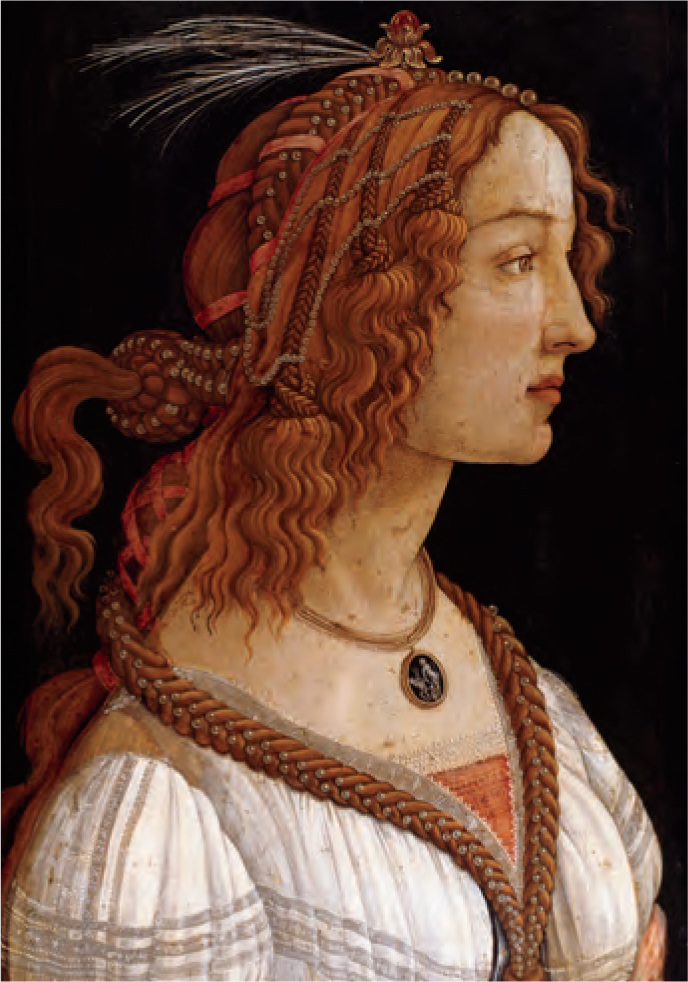
Fig. 8. Sandro Botticelli, Portrait of a Young Woman. The exotically dressed subject of this painting—possibly Simonetta Vespucci—testifies to the fact that women often acted as the pioneers of daring fashions and could be autonomous cultural agents in their own right. (illustration credit 8)
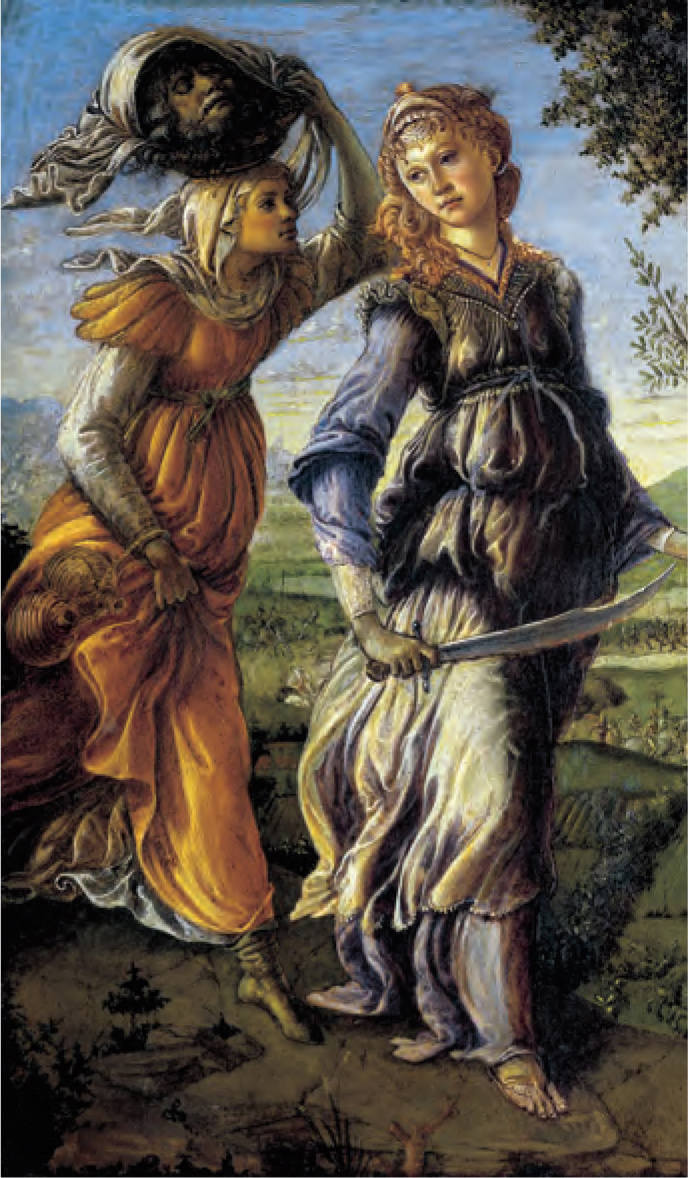
Fig. 9. Sandro Botticelli, Return of Judith. A biblical tale transformed into a statement of female independence. (illustration credit 9)
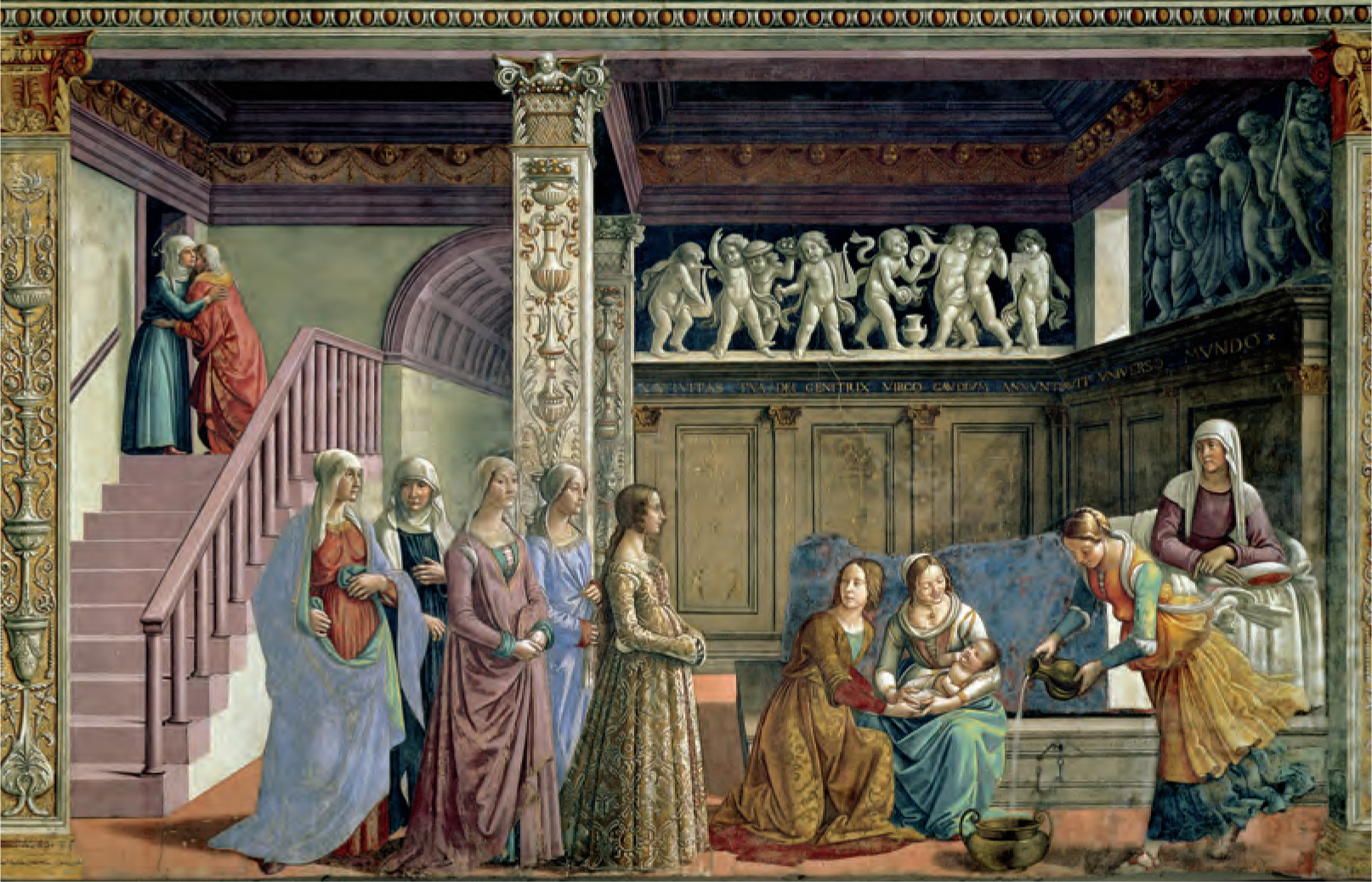
Fig. 10. Domenico Ghirlandaio, Birth of Mary. A Renaissance palazzo usually comprised about a dozen habitable rooms, each of which was on a monumental scale. (illustration credit 10)
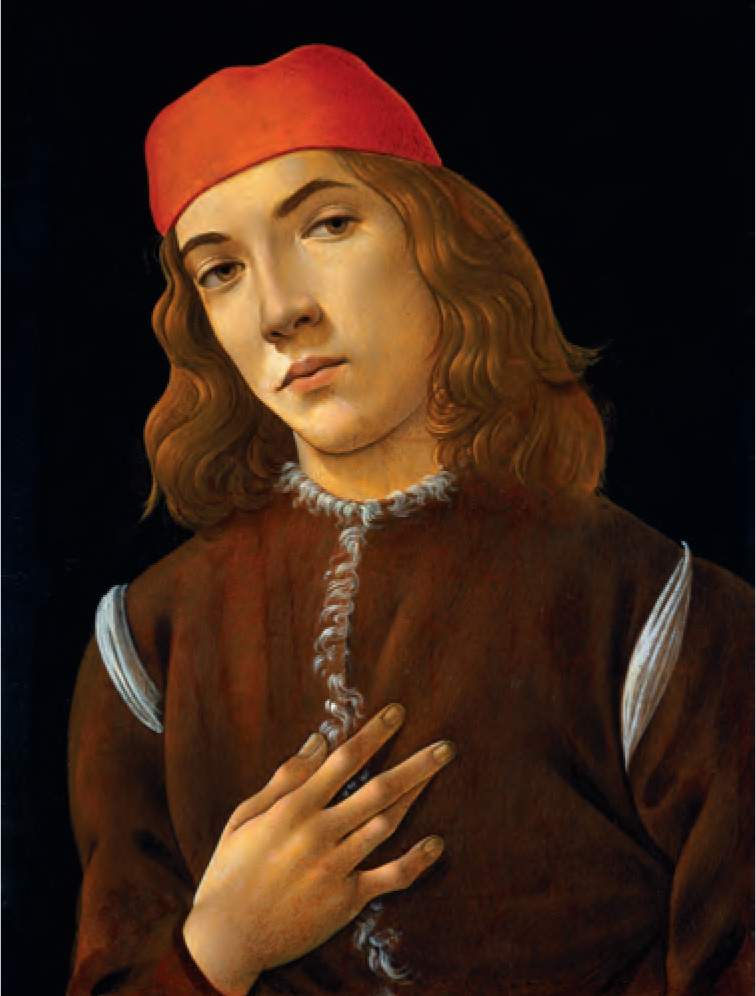
Fig. 11. Sandro Botticelli, Portrait of a Youth. The sitter’s unusual hand gesture suggests early-onset arthritis. (illustration credit 11)
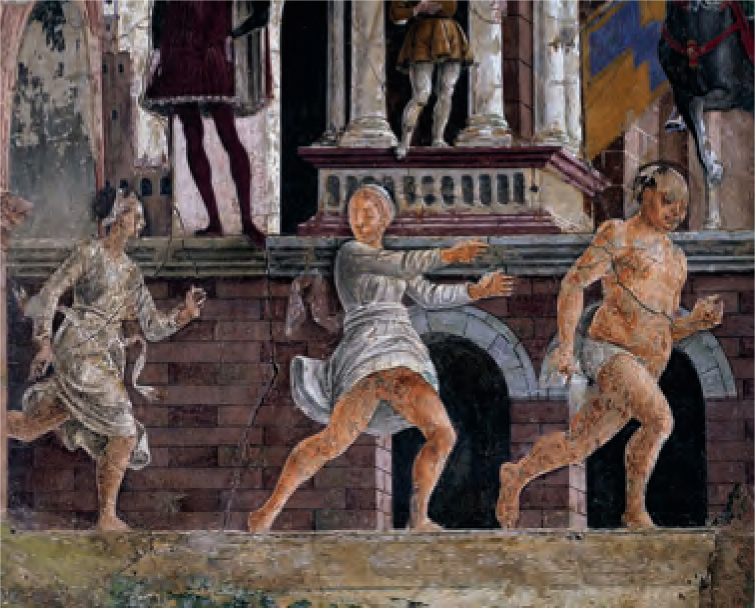
Fig. 12. Francesco del Cossa, April (detail). Prostitutes were not just sexual companions but also friends and muses. (illustration credit 12)
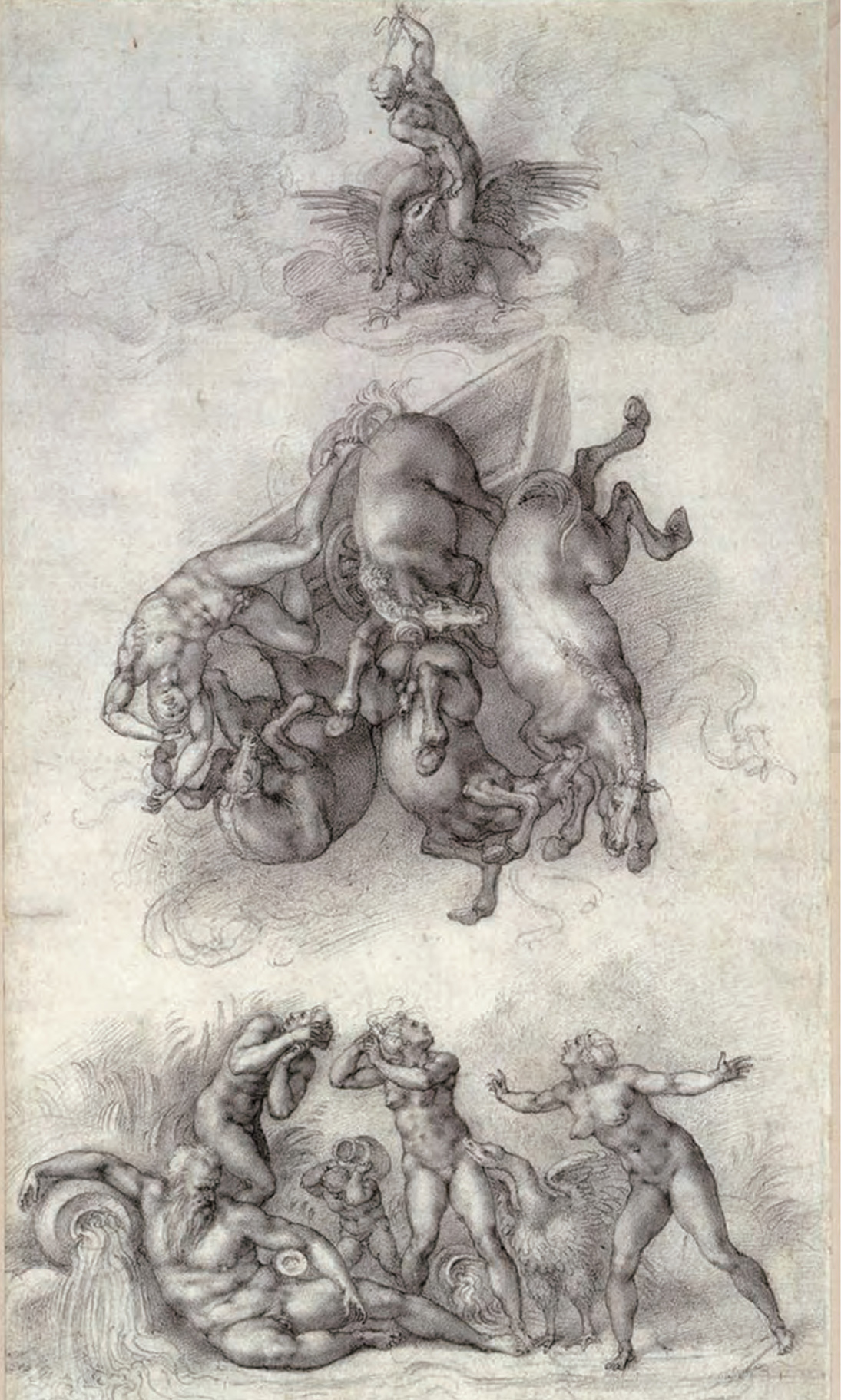
Fig. 13. Michelangelo, The Fall of Phaethon. A mythological metaphor for the artist’s tortured feelings for Tommaso de’ Cavalieri. (illustration credit 13)
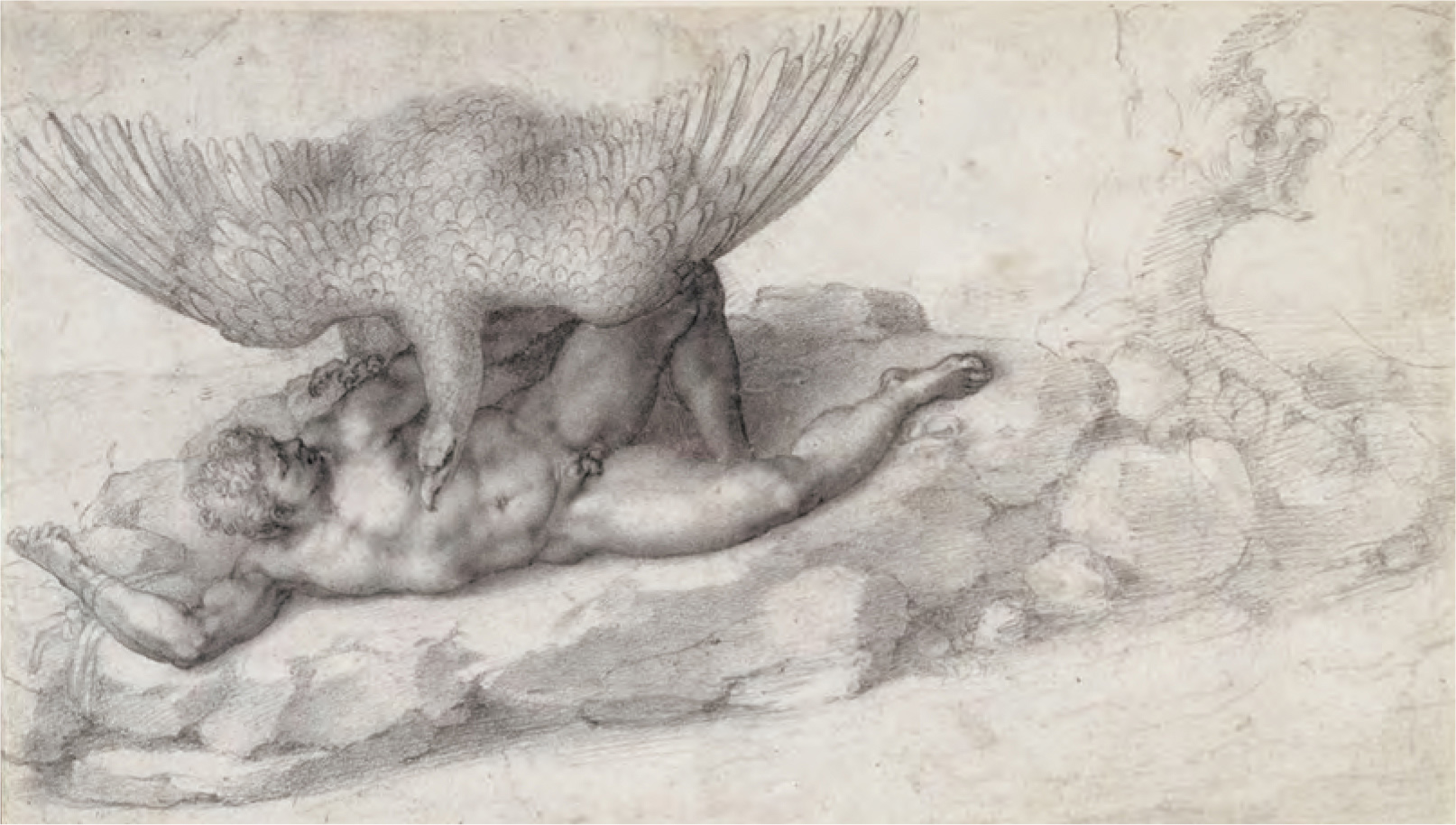
Fig. 14. Michelangelo, The Punishment of Tityus. In this dramatization of a mythological tale of divine retribution, Michelangelo not only showed that he harbored an irrational physical passion for Tommaso but also demonstrated his belief that he would be punished for all eternity for his lust. (illustration credit 14)
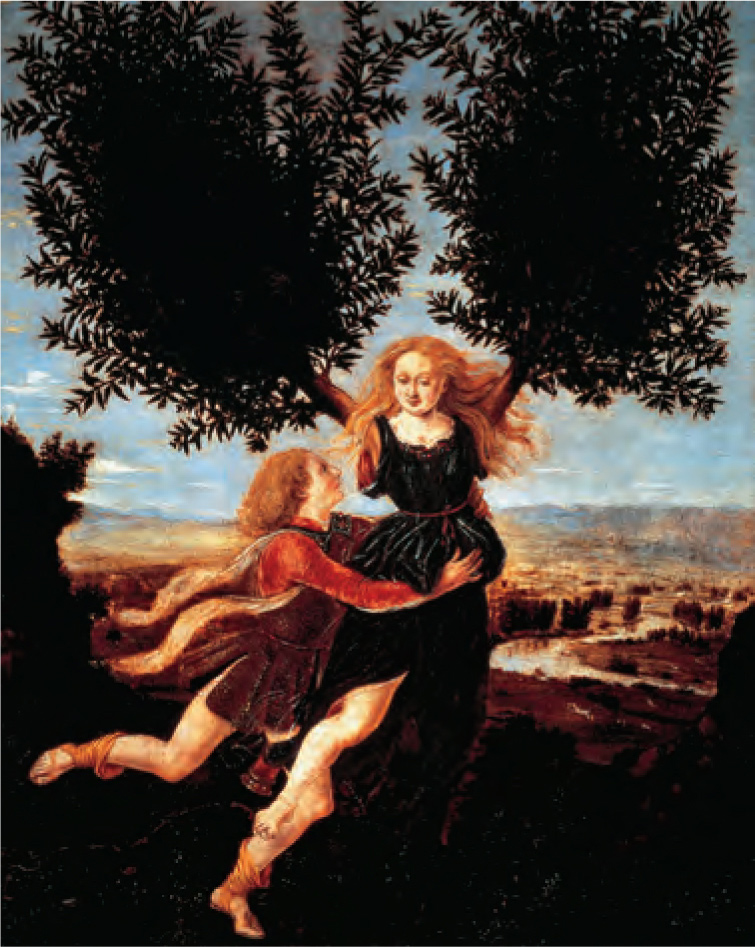
Fig. 15. Antonio del Pollaiuolo, Apollo and Daphne. Like Apollo, Petrarch could not prevent his beloved from fleeing from his passion. (illustration credit 15)
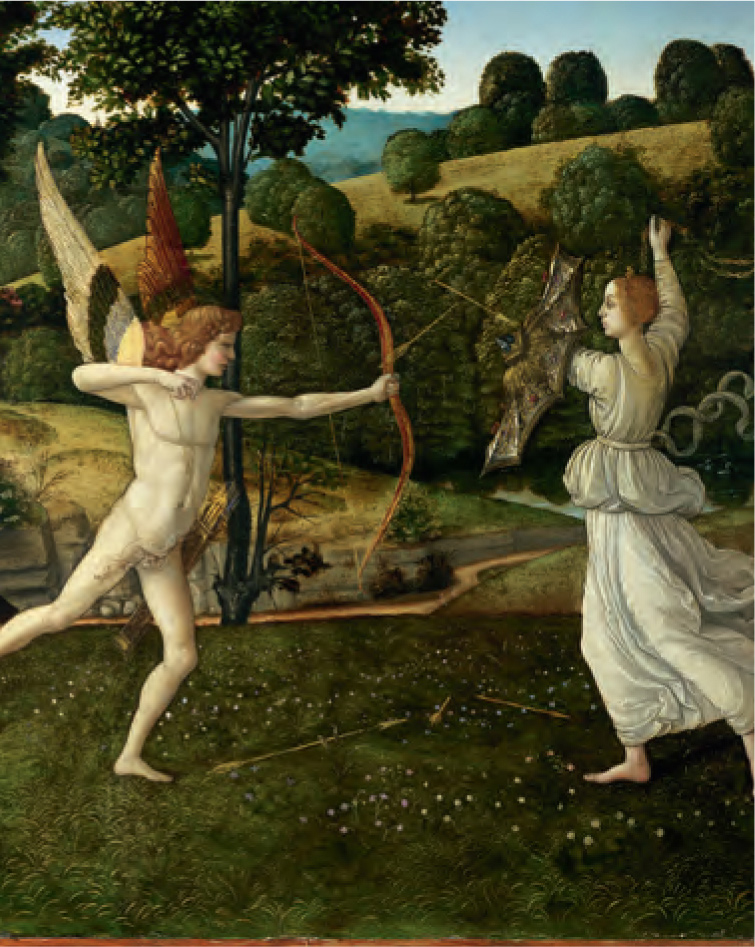
Fig. 16. Gherardo di Giovanni del Fora, The Combat of Love and Chastity. Petrarch’s solution: the arrows of desire should break against chastity’s shield. (illustration credit 16)
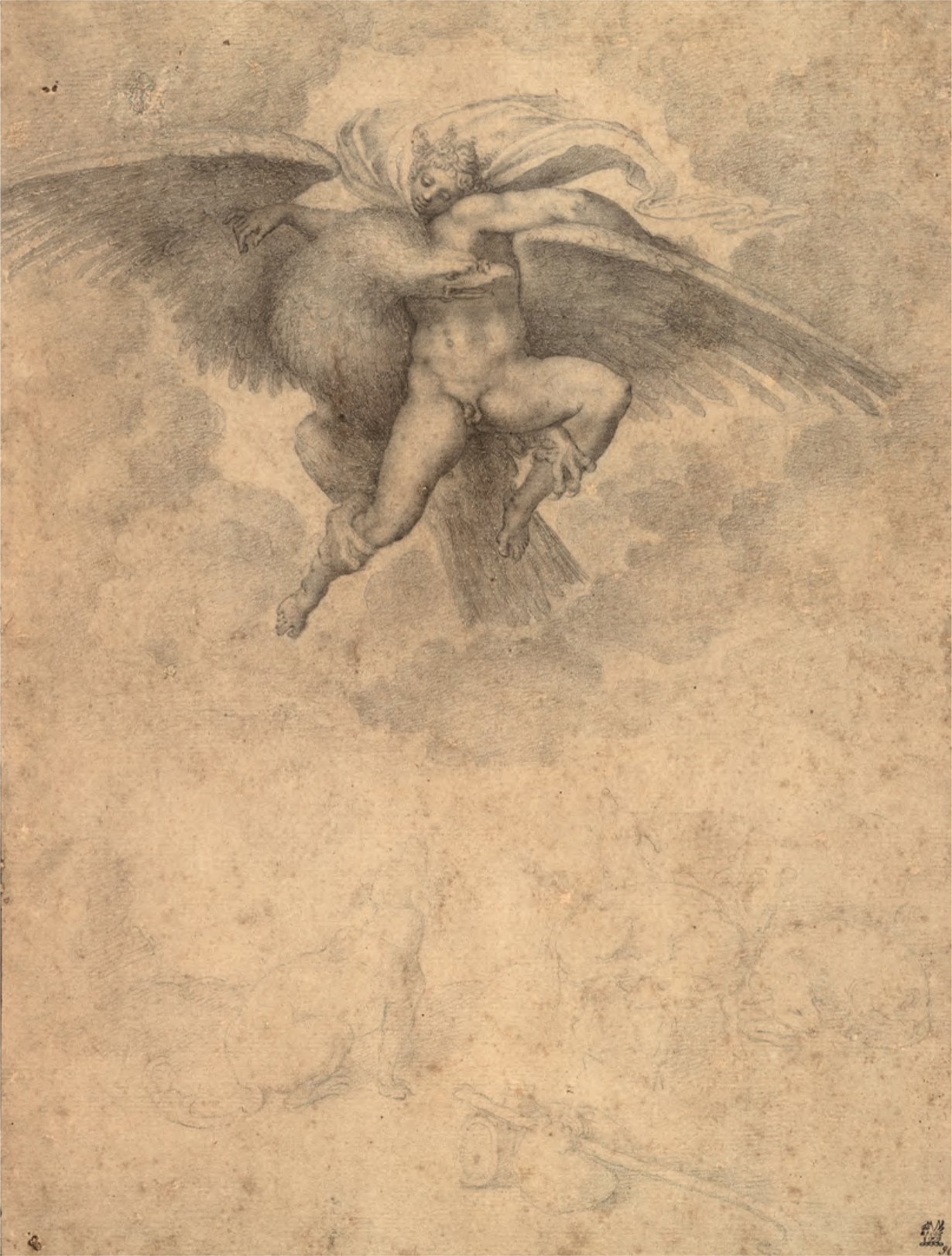
Fig. 17. Michelangelo, The Rape of Ganymede. Picturing himself as both Zeus and Ganymede, Michelangelo showed that he was carried away by an irresistible passion and longed to snatch Tommaso away for an eternity of pleasure. (illustration credit 17)
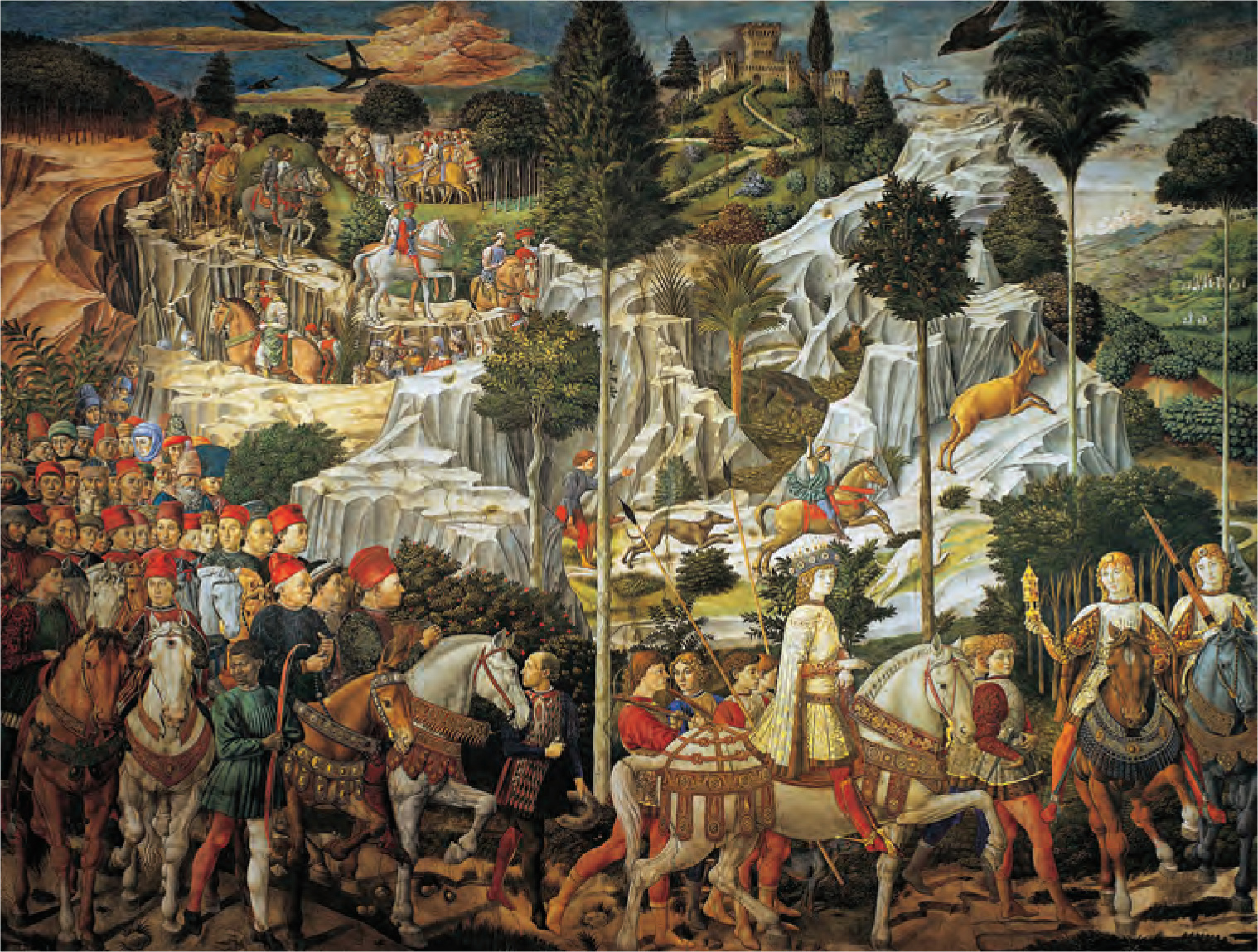
Fig. 18. Benozzo Gozzoli, Journey of the Magi to Bethlehem (east wall). In the role of Caspar, Lorenzo de’ Medici leads the procession, followed by his father, Piero, and his grandfather Cosimo. Behind them, Gozzoli painted a host of cultural and political figures designed to show off the family’s power. To the left of the painting are equestrian portraits of the condottiere Sigismondo Pandolfo Malatesta (left) and Galeazzo Maria Sforza, heir to the duchy of Milan (right). In the third row of the crowd, just above a portrait of Gozzoli himself, can be seen the glum-looking figure of Aeneas Silvius Piccolomini, later to become Pope Pius II. (illustration credit 18)
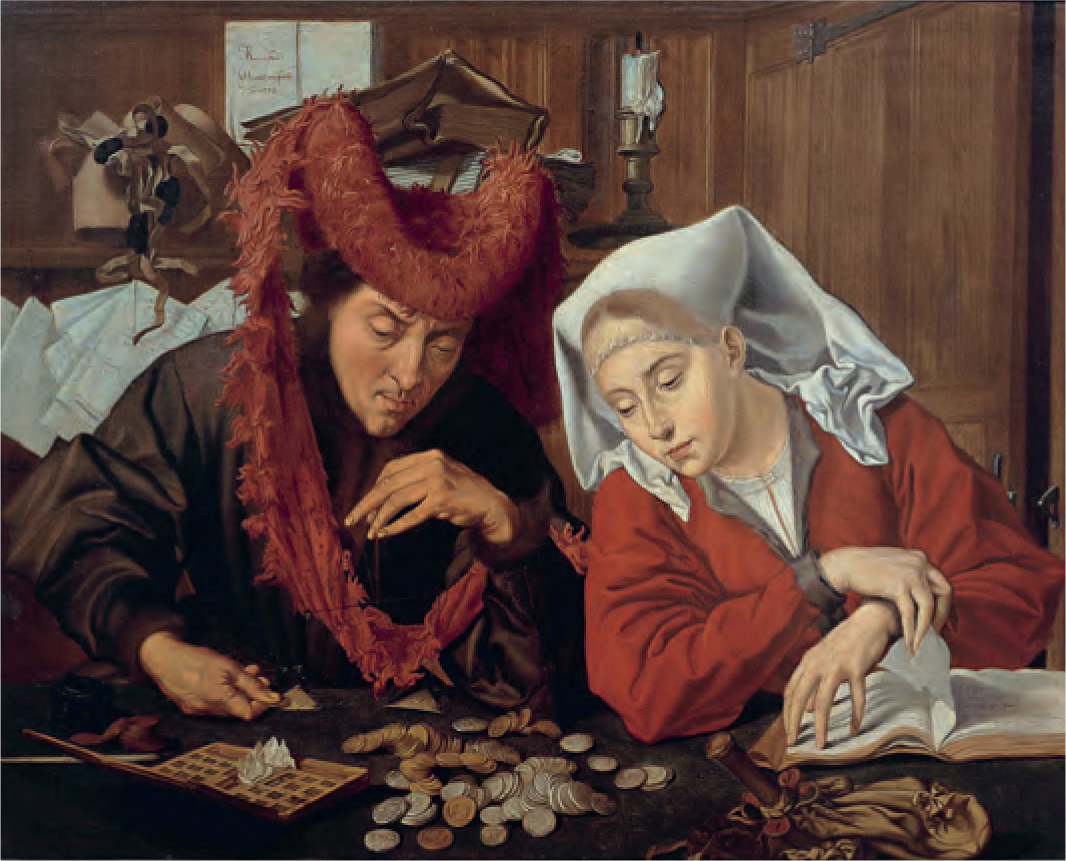
Fig. 19. Marinus van Reymerswaele, The Moneychanger and His Wife. The money-changing business set up by Ardigno de’ Medici and his siblings would have looked similar. (illustration credit 19)
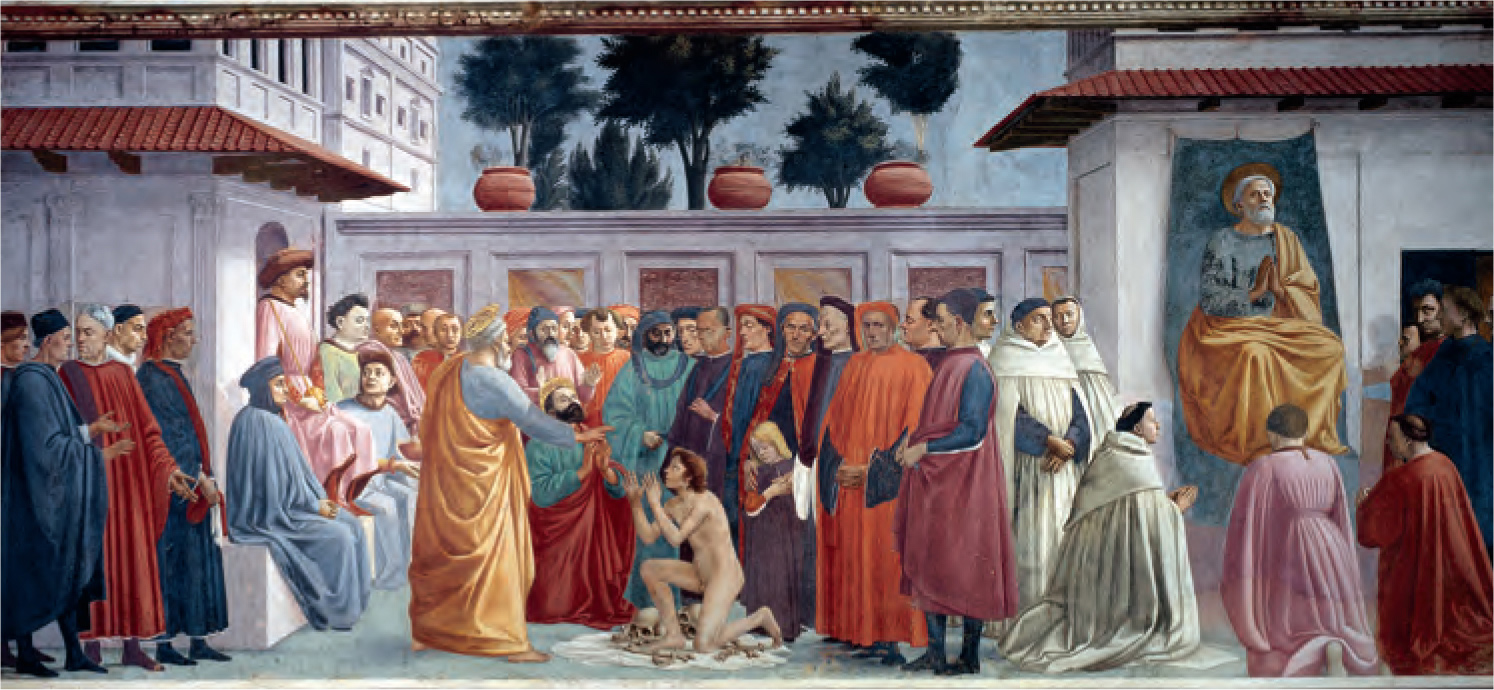
Fig. 20. Filippino Lippi, Raising of the Son of Theophilus and Saint Peter Enthroned. A veritable Who’s Who of early-fifteenth-century Florentine political life. (illustration credit 20)
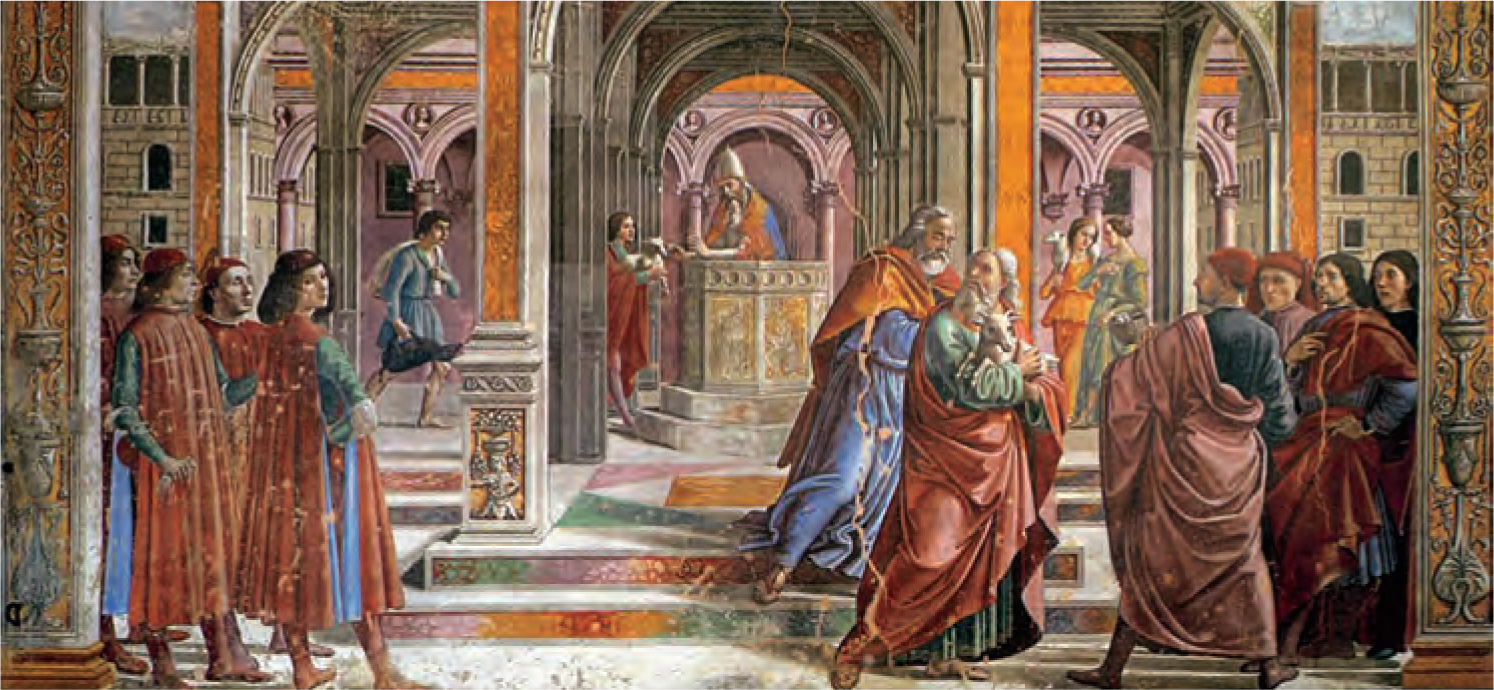
Fig. 21. Domenico Ghirlandaio, Expulsion of Joachim. On the left, Lorenzo Tornabuoni stands alongside Piero di Lorenzo de’ Medici and two other Medicean supporters. (illustration credit 21)
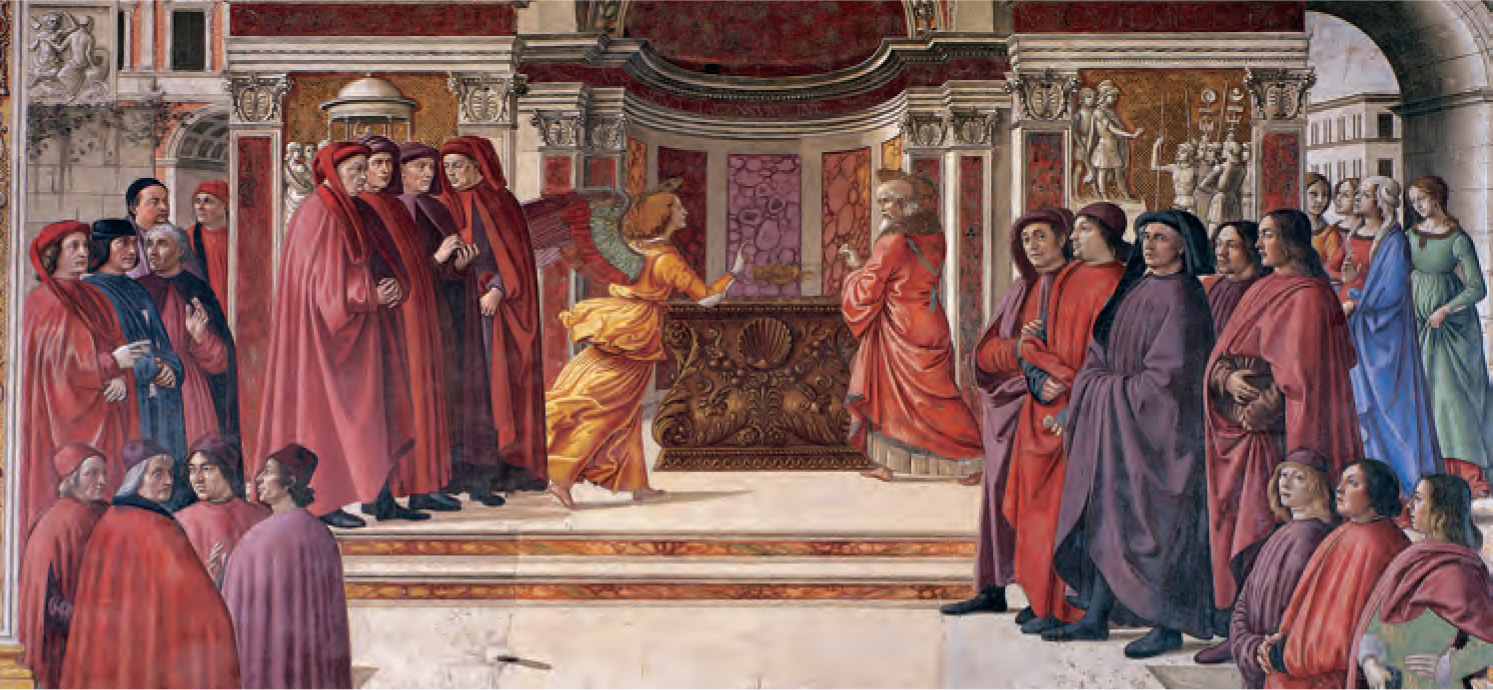
Fig. 22. Domenico Ghirlandaio, Apparition of the Angel to Zechariah. The male Tornabuoni are shown surrounded by powerful figures linked with the Medici regime. In the left foreground, portraits of Marsilio Ficino, Cristoforo Landino, Angelo Poliziano, and Demetrius Chalcondyles have also been included. (illustration credit 22)
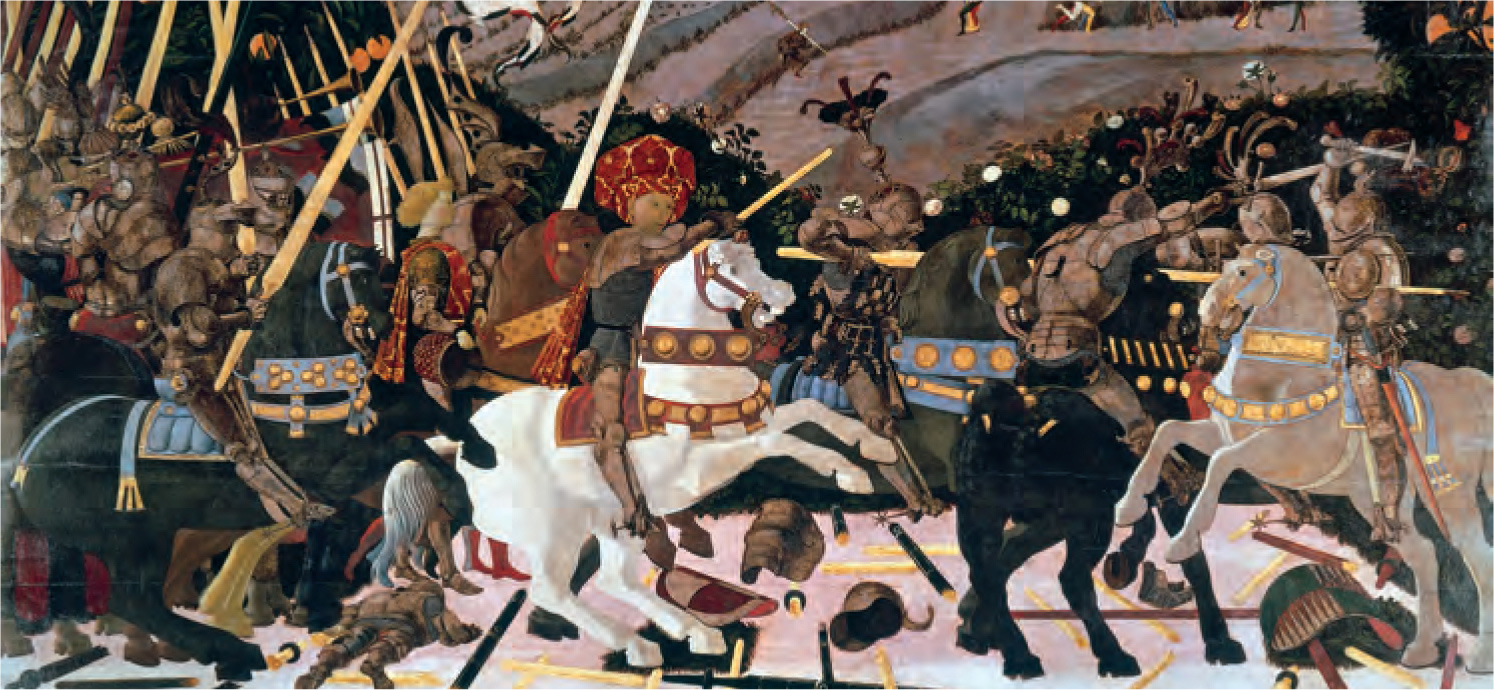
Fig. 23. Paolo Uccello, Niccolò Mauruzi da Tolentino at the Battle of San Romano. (illustration credit 23)
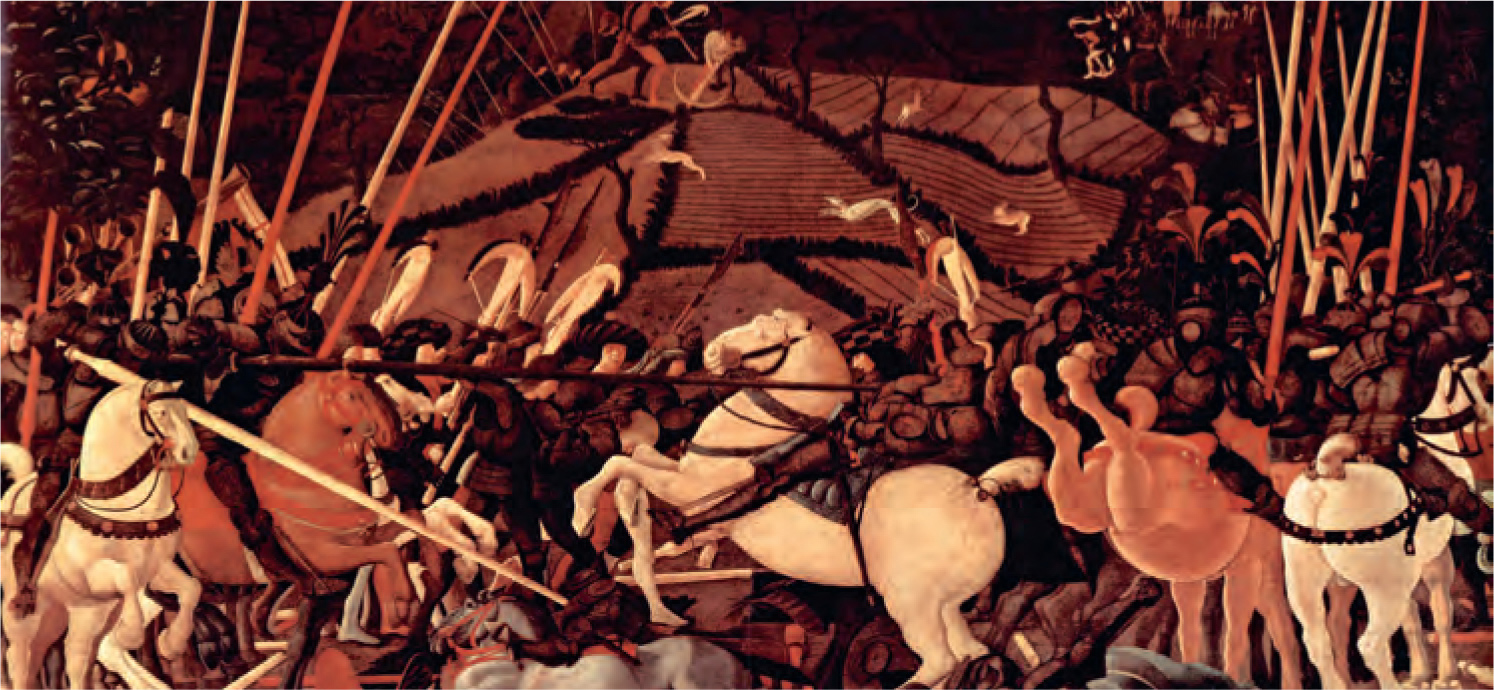
Fig. 24. Paolo Uccello, Niccolò Mauruzi da Tolentino Unseats Bernardino della Ciarda at the Battle of San Romano. (illustration credit 24)
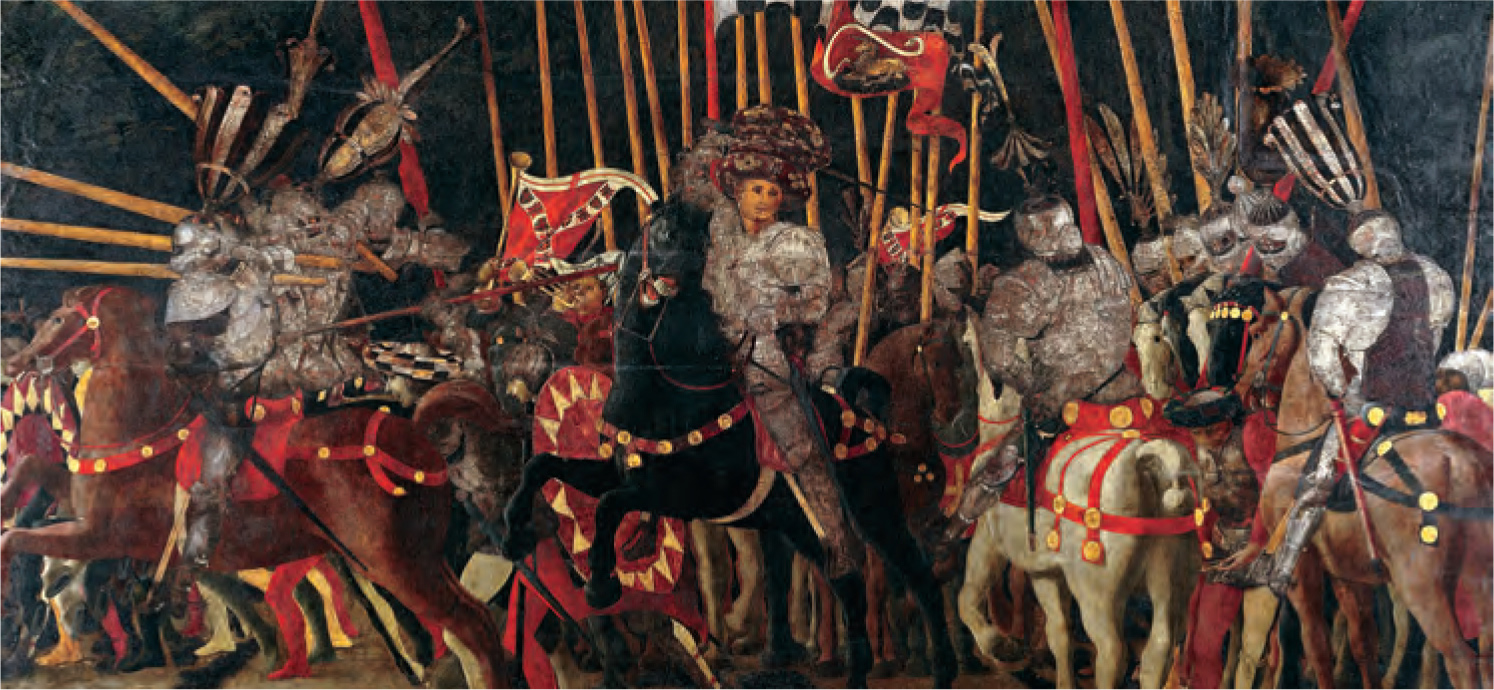
Fig. 25. Paolo Uccello, The Counterattack of Micheletto da Cotignola at the Battle of San Romano. This three-part depiction of Florence’s victory over Siena in 1432 is a powerful evocation of the violent chaos of Renaissance warfare. It is, however, also a neat illustration of the technological changes that transformed the way armies fought and that paved the way for the rise of mercenary generals. (illustration credit 25)
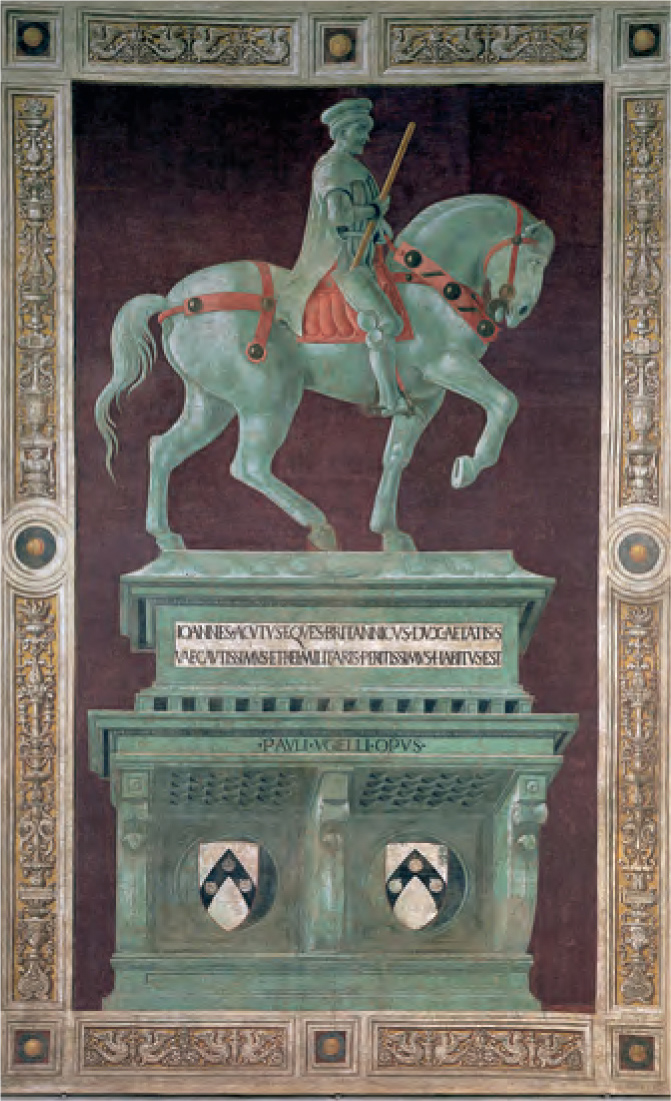
Fig. 26. Paolo Uccello, Funerary Monument to Sir John Hawkwood. Commissioned by the Florentine Signoria in 1436, this unique monument was a heartfelt expression of esteem for a much-loved mercenary general. But it also testifies to the terror that treacherous and savage condottieri could inspire. (illustration credit 26)
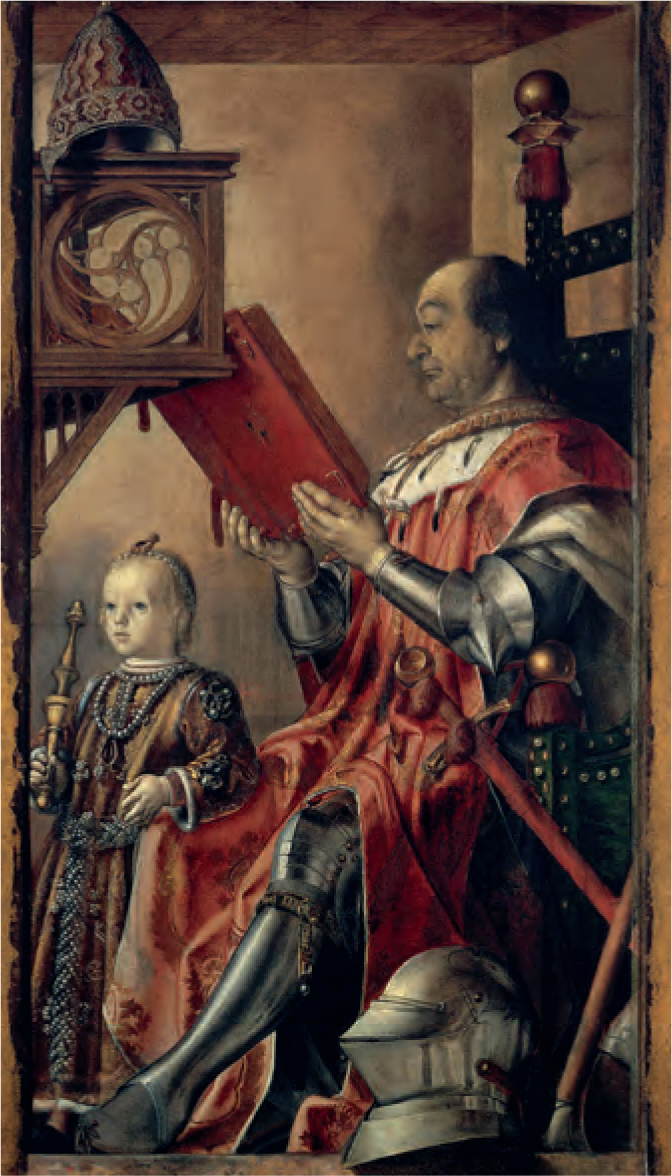
Fig. 27. Pedro Berruguete, Portrait of Duke Federico and His Son Guidobaldo. Originally commissioned for Federico da Montefeltro’s bedchamber in Urbino’s fairy-tale Palazzo Ducale, this portrait is an intimate depiction of the most successful condottiere of the fifteenth century and shows the extent to which the patronage of art and culture could be fostered to cover up the most heinous of crimes. (illustration credit 27)
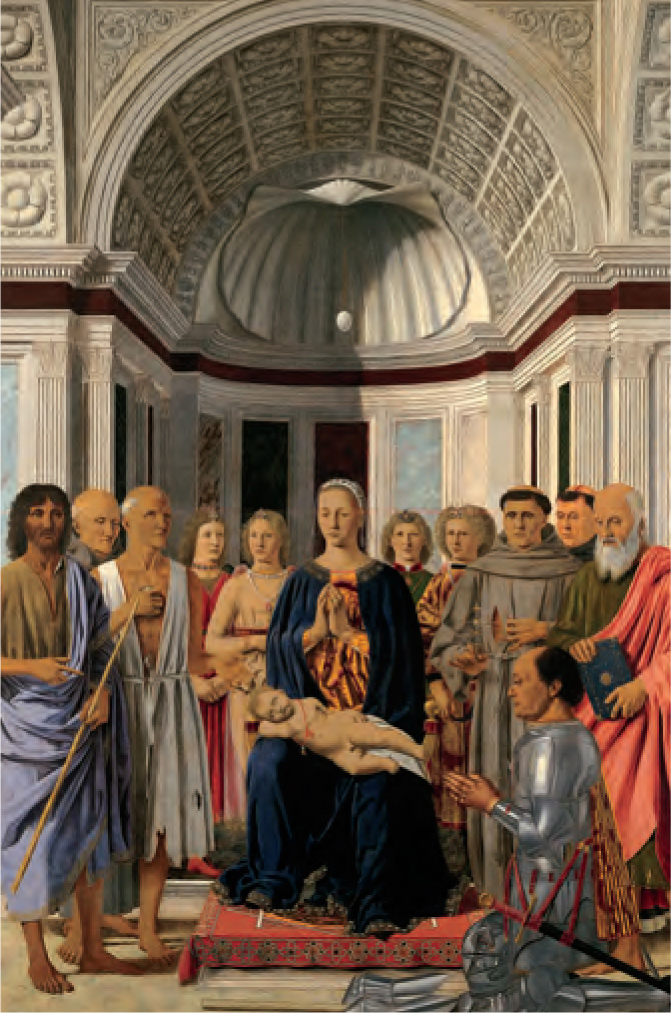
Fig. 28. Piero della Francesca, Montefeltro Altarpiece. Like contemporary merchant bankers, condottieri enthusiastically had themselves depicted as witnesses to or participants in scenes from religious history as a means of scrubbing away the bloody stains on their souls. (illustration credit 28)
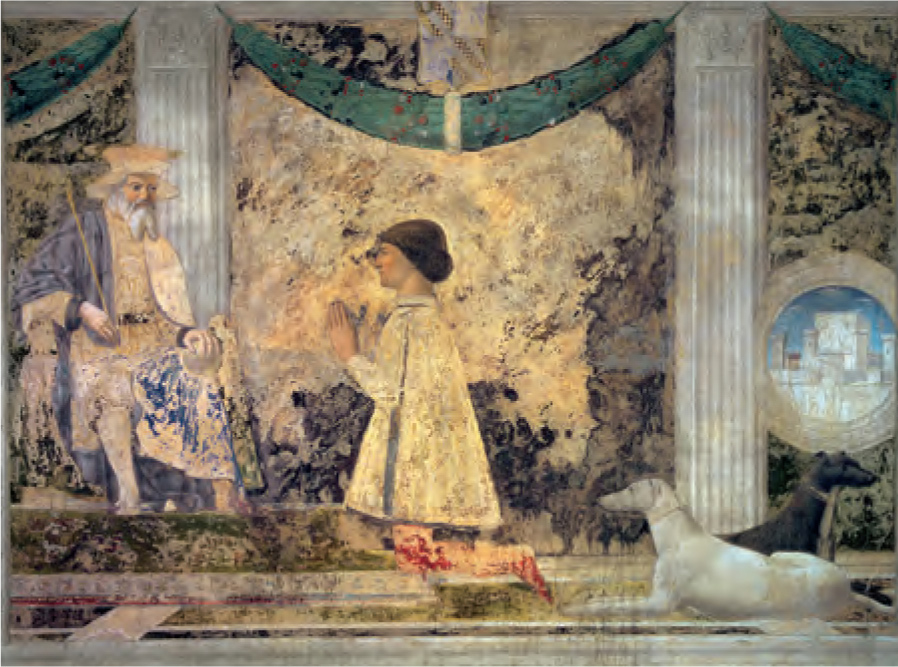
Fig. 29. Piero della Francesca, Sigismondo Pandolfo Malatesta Praying in Front of Saint Sigismund. Far from illustrating his piety, this fresco was a conscious celebration of Sigismondo Pandolfo Malatesta’s militaristic prowess and overweening ambition, as well as a pointed political dig at the pope’s expense. (illustration credit 29)
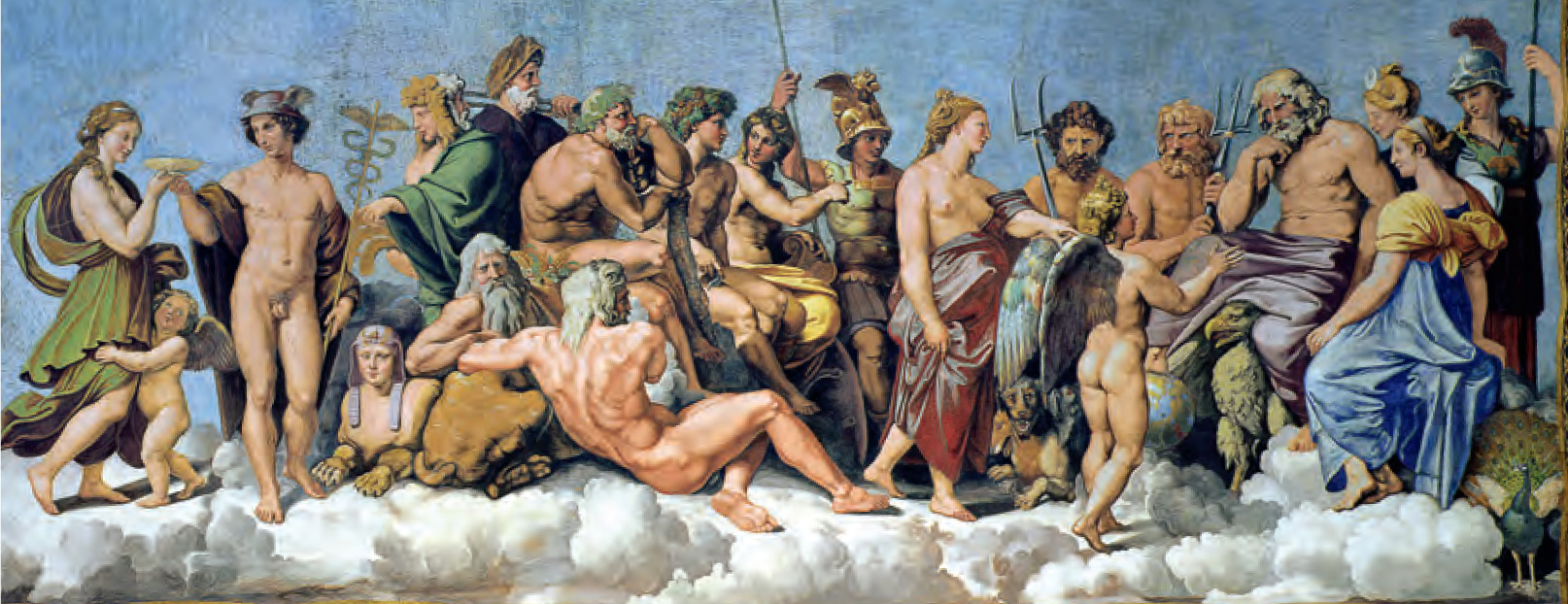
Fig. 30. Giulio Romano, Giovanni da Udine, and others (after Raphael), The Council of the Gods. Depicting a scene of drunken revelry taken from classical mythology, this shows that the greed, gluttony, and lust of the papal court often found their way into the decorative schemes of palaces belonging to Rome’s ecclesiastical elite. (illustration credit 30)
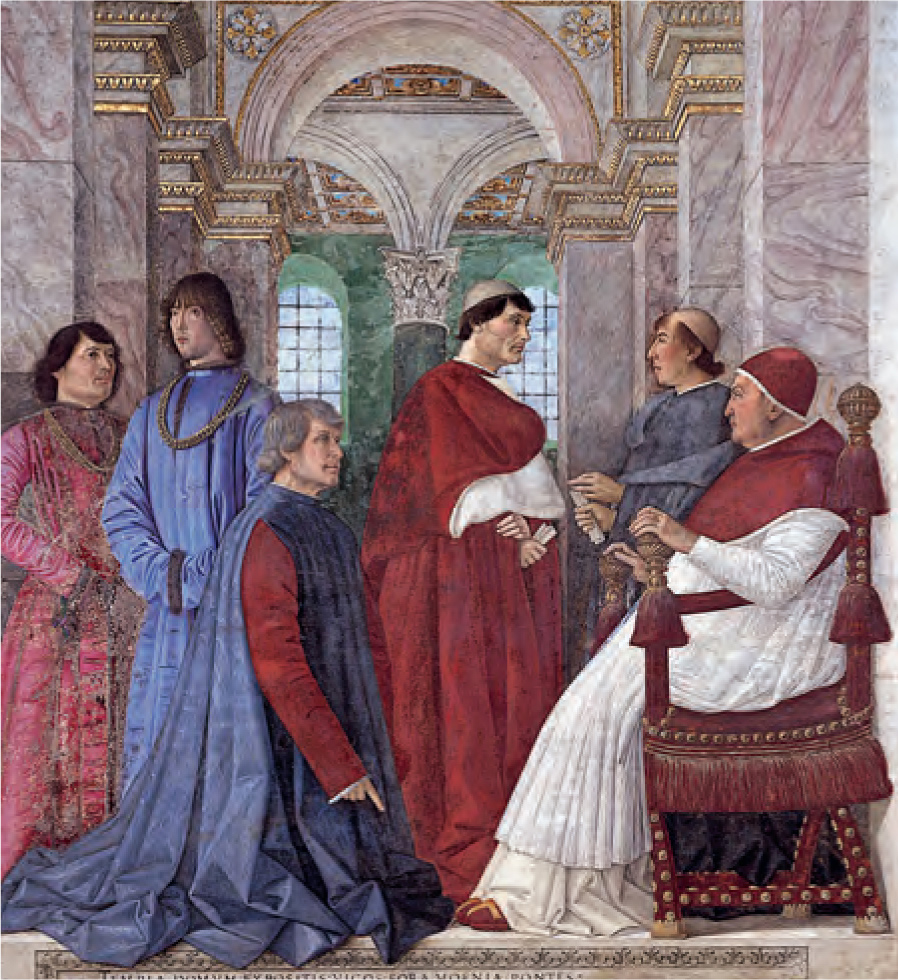
Fig. 31. Melozzo da Forlì, Sixtus IV Appoints Bartolomeo Platina Prefect of the Vatican Library. Surrounding the pontiff are four of his nephews, two of whom were already cardinals. (illustration credit 31)
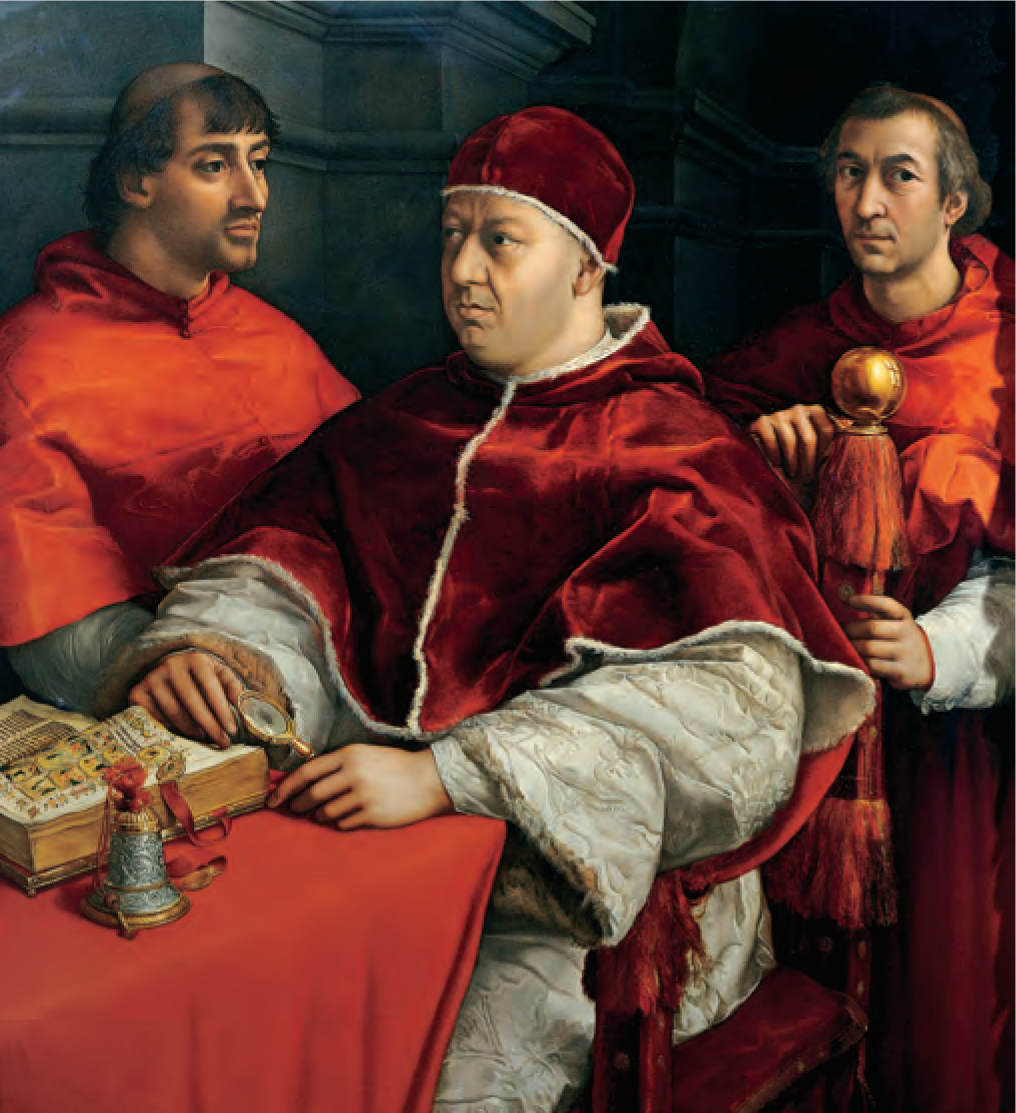
Fig. 32. Raphael, Portrait of Pope Leo X and His Cousins Cardinals Giulio de’ Medici and Luigi de’ Rossi. Portraiture was a favored means of displaying “dynastic” power within the Curia. (illustration credit 32)
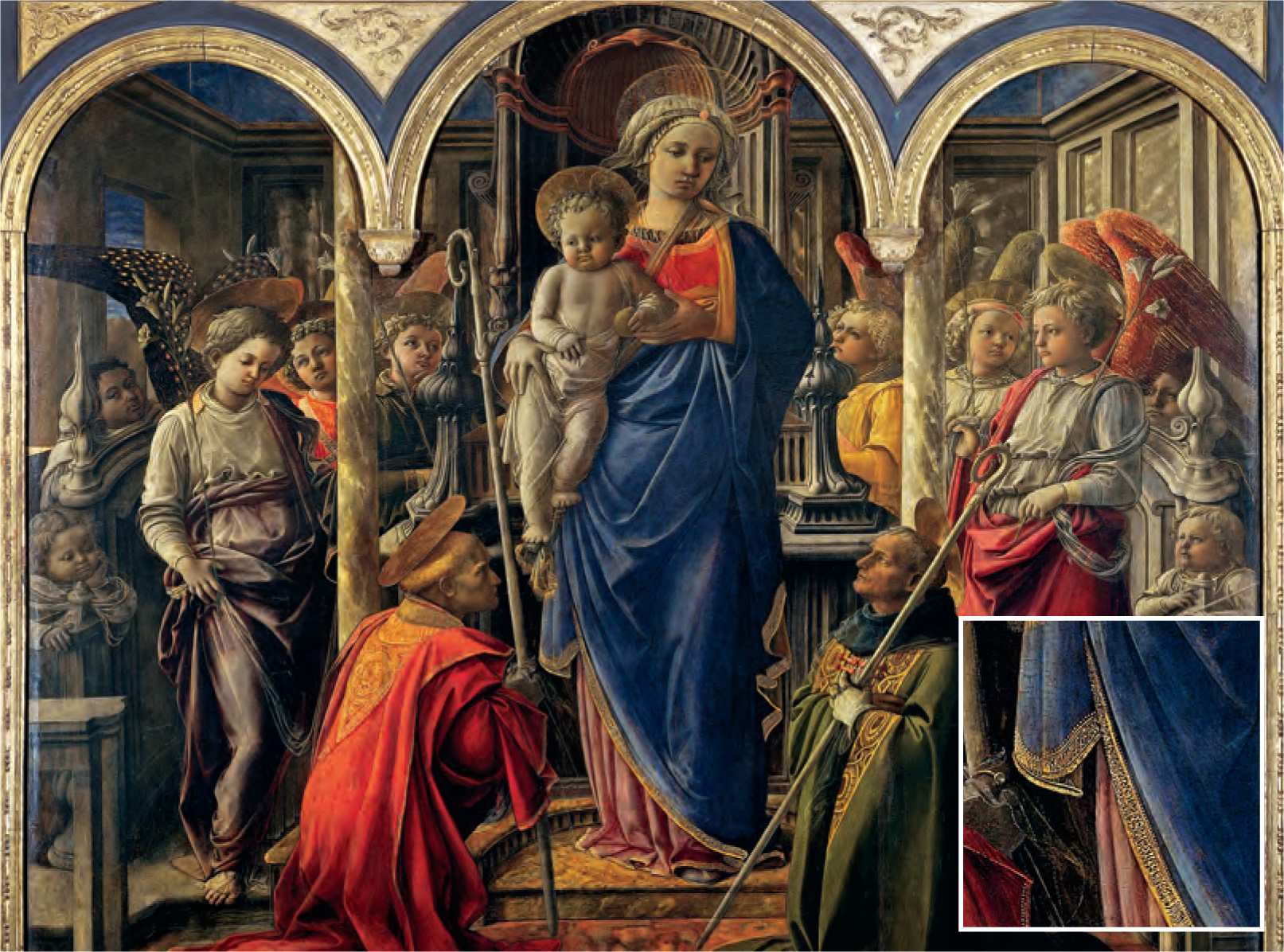
Fig. 33. Filippo Lippi, Barbadori Altarpiece. Painted circa 1438, this work might reflect the artist’s supposed experiences as a slave in the Hafsid kingdom of North Africa. The pseudo-Kufic script on the Virgin’s hem is simultaneously a sign of broadening horizons and a crude imitation of Arabic orthography. (illustration credit 33)

Fig. 34. Pinturicchio (Bernardino di Betto), Disputation of Saint Catherine. Pope Alexander VI’s illegitimate daughter Lucrezia appears in the guise of Saint Catherine in this fresco adorning the Borgia Apartments in the Apostolic Palace. (illustration credit 34)
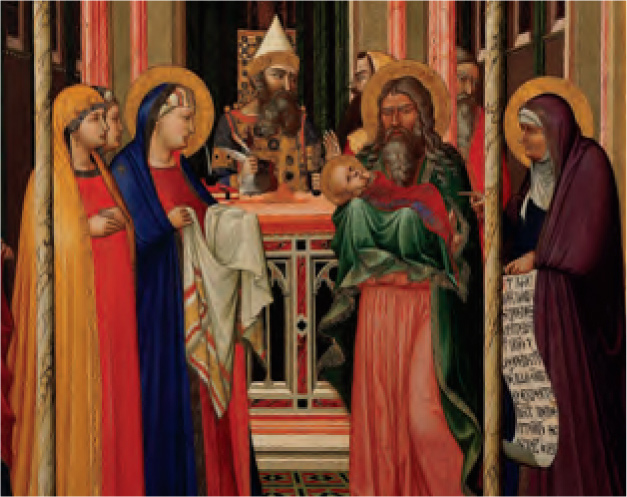
Fig. 35. Ambrogio Lorenzetti, Presentation at the Temple. Although Mary’s earrings reflect her Jewish identity, details such as this fueled anti-Semitism. (illustration credit 35)
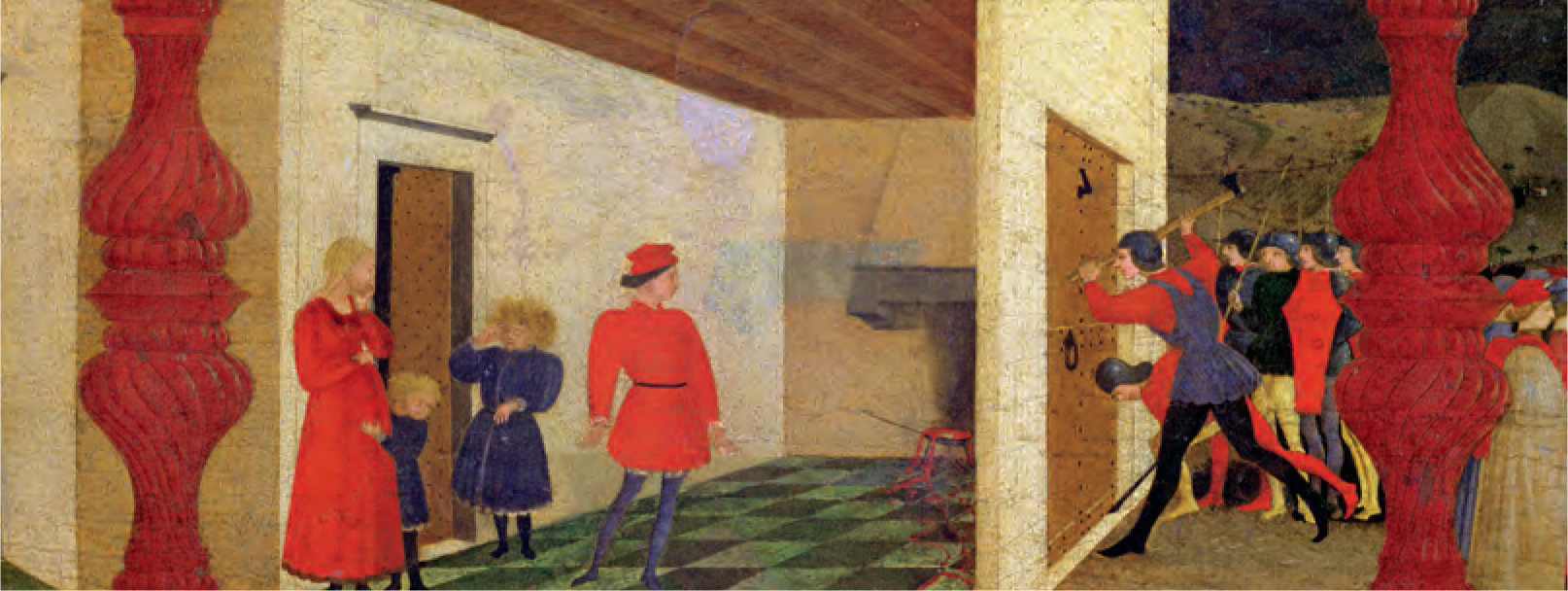
Fig. 36. Paolo Uccello, Miracle of the Profaned Host. Accusations of host desecration were frequently fabricated to bolster support for campaigns of anti-Semitic persecution. (illustration credit 36)
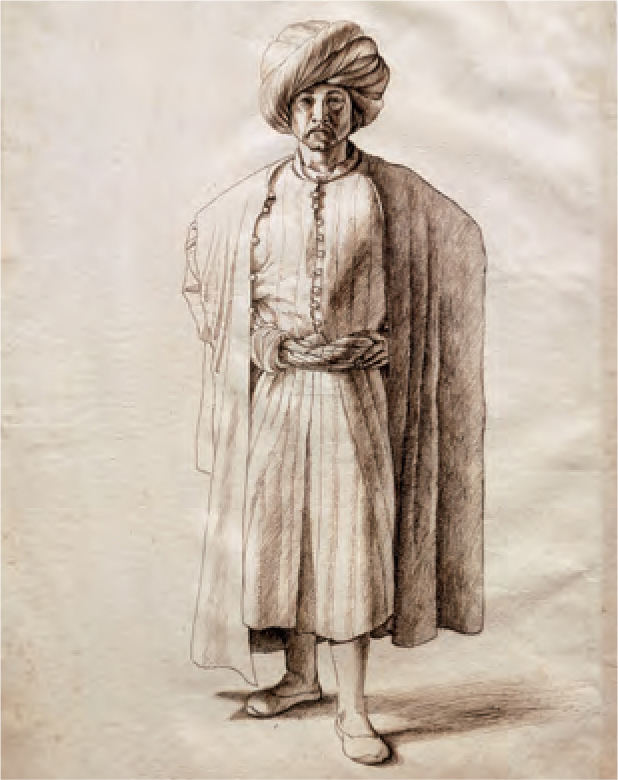
Fig. 37. Costanzo da Ferrara, Standing Ottoman. After the fall of Constantinople, artists and humanists flocked to the city to study the Muslim East. (illustration credit 37)
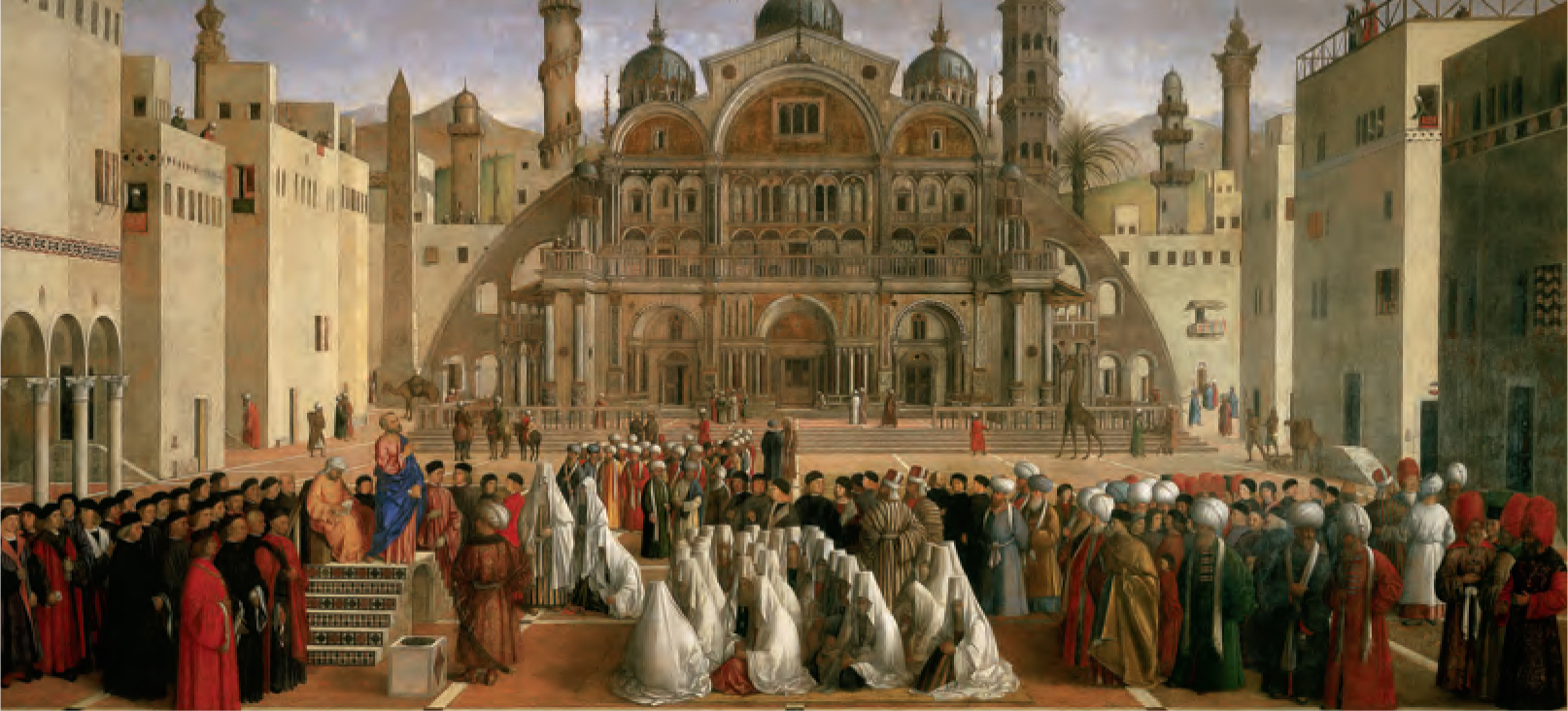
Fig. 38. Gentile and Giovanni Bellini, Saint Mark Preaching in Alexandria. Based on observations made at the Ottoman court, this work displays an acute knowledge of Muslim costume and mores yet locates the drama in a recognizably Venetian setting. (illustration credit 38)
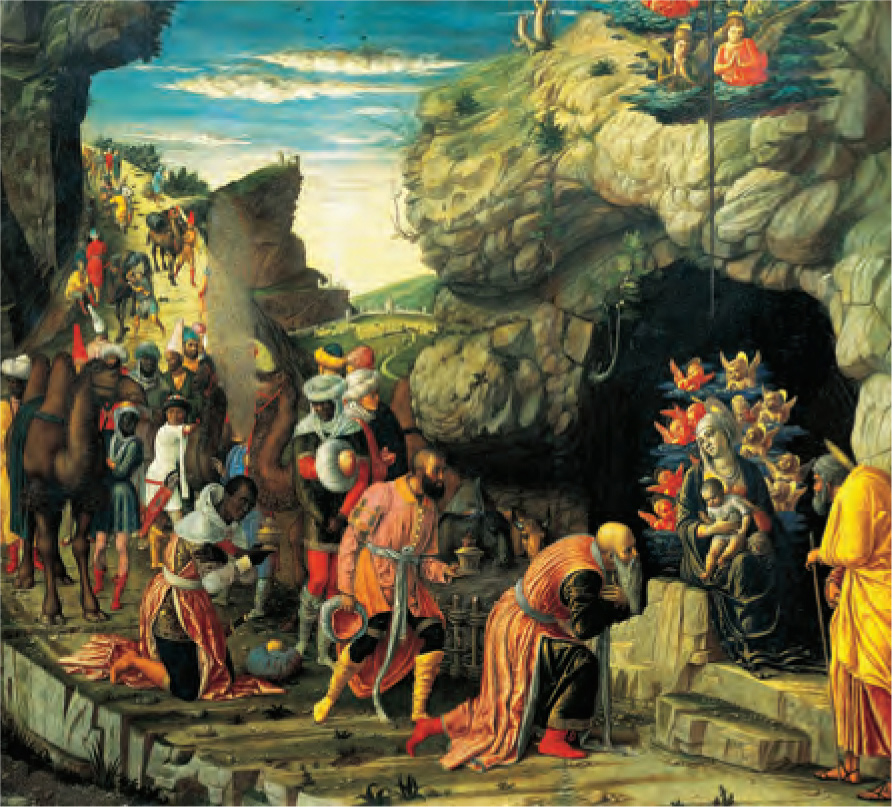
Fig. 39. Andrea Mantegna, Adoration of the Magi. The kneeling figure of Balthazar reflects the Renaissance willingness to accept black Africans as “children of God.” (illustration credit 39)