
While this rest area was going to cause me some logistical problems, it also had some features that I intended to use to our full advantage. It was a typical rest area layout, with an exit ramp off I-70 that funneled vehicle traffic to the right into a parking and picnic area; large trucks, buses, and campers stayed straight to a much larger parking area. Situated between the two parking areas was a building with restroom facilities and a small tourist information center. There were several vending machines as well. The building and parking lots had been carved out of the uneven, rocky terrain. Cell phones hadn’t yet become staples, so there was still a bank of five or six public pay telephones lining the sidewalk in front of the restroom facility.
A large embankment protected the rest area from cars flying off the interstate into the truck parking lot; it also blocked any view of the rest area from the interstate. Over the years, that embankment had grown over with mature trees and thick underbrush. The rest area itself was wooded, the building and parking lots surrounded by very large oaks. Sparse grass grew under the heavy tree canopy. Dispersed along the walkway from the truck lot were picnic tables. On the opposite side of the car parking lot was a small grassy area less than thirty yards wide with more picnic tables and a few grills. Behind that were more trees and thick underbrush on rocky terrain. The entire area was poorly lit, with tall streetlights that couldn’t cut through the foliage well; the lighting was spotted, diffused, and dim to dark in areas. All of this mattered. We had to be able to anticipate the killers’ moves while knowing what our logistical position would be at all times.
There was a nip in the late-October air. I hoped the chill would help keep the snipers in their car. The foliage was still full, for the most part, and the leaves on the trees had just begun to take on their fall colors.
My advantage was my familiarity with the area. The troopers responding with me were also going to be well aware of the topography. I had hunted that mountain and hiked all over it over the years. I wasn’t concerned with the snipers’ making an escape on foot through the woods. The terrain was dark and rocky—not a good place to be stumbling around trying to flee the police. That would also be to our advantage. If they tried to escape on foot, they would face maybe four miles in the dark over rocks and through briars and underbrush before they came to any roads. They weren’t from around here; even if they did make a run for it, they wouldn’t know where they were and would have to stick to roads. Those we would be able to cover, and eventually flood with police cars, K-9 patrol dogs, and bloodhounds that would easily track them down. Also, the cold air provided perfect conditions for our FLIR (forward-looking infrared) mounted on Trooper 3 back at the airport. And the fact that the highway couldn’t be seen from inside the rest area meant we could surround the killers without their being aware of it.
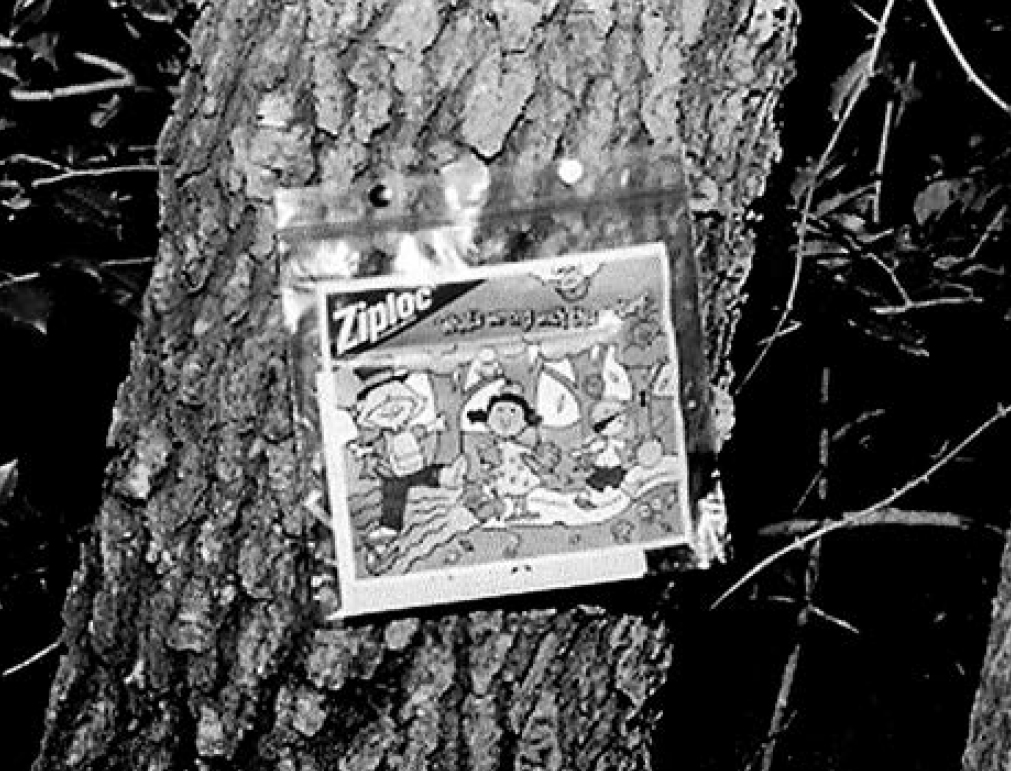
Crime scene photo of the second written communication from the snipers, found in the woods behind a Ponderosa Steak House in Ashland, Virginia, again located just off I-95, where on October 19 at 7:19 p.m. Jeffrey Hopper was shot in the parking lot as he and his wife exited the restaurant. The note was found in a plastic bag tacked to a tree from where the snipers took their shot.
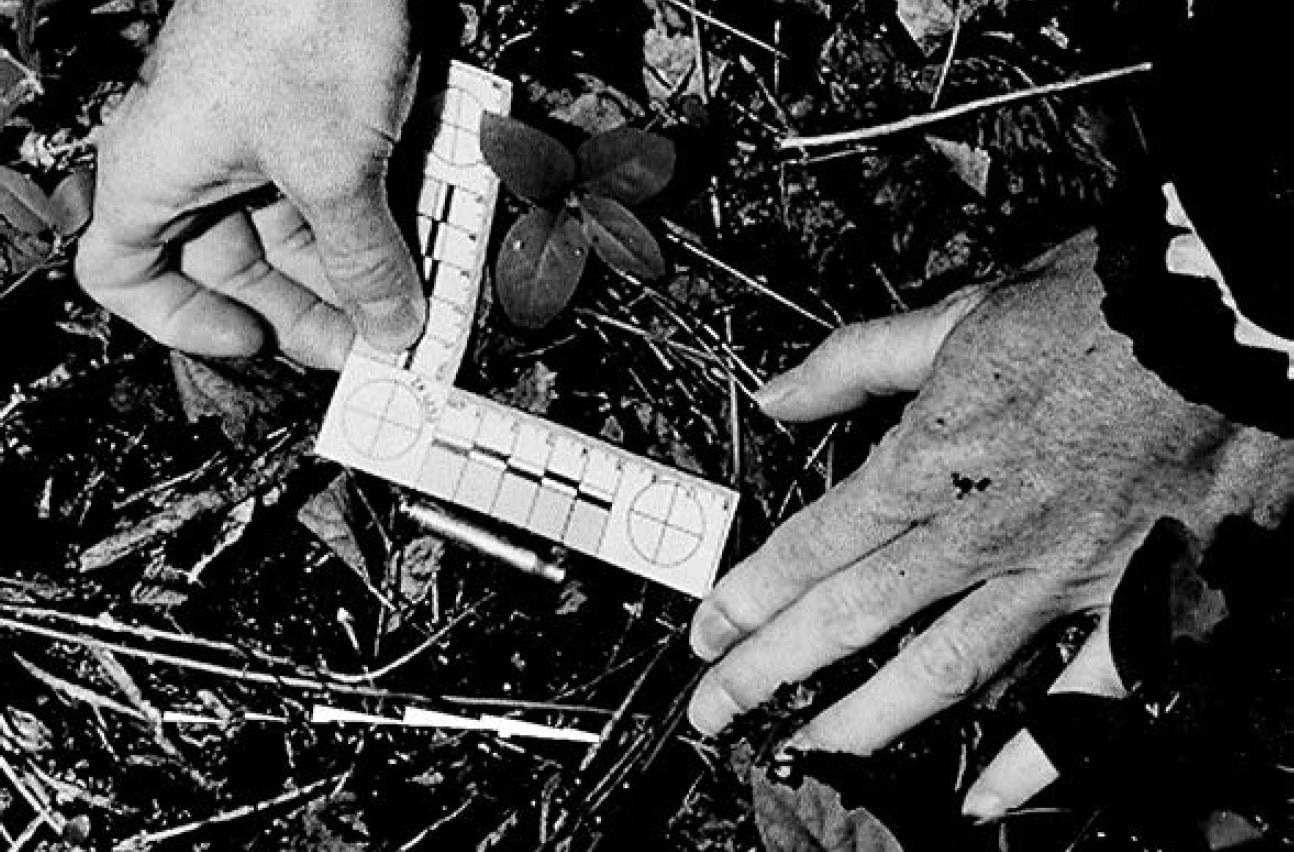
Crime scene photo of spent shell casing of the .223-caliber bullet used to shoot Hopper. The snipers were beginning to get sloppy and leave behind valuable evidence.
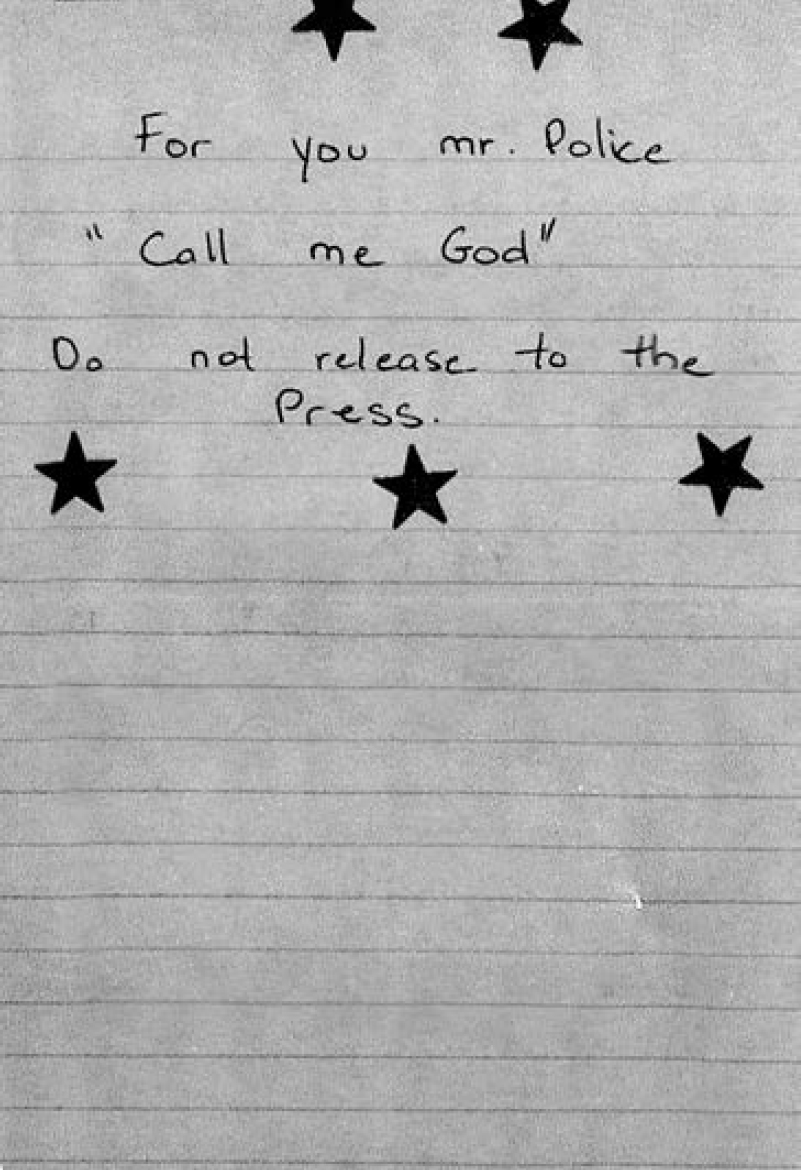
The cover page of the letter left for the police to find at the Ponderosa shooting of October 19.
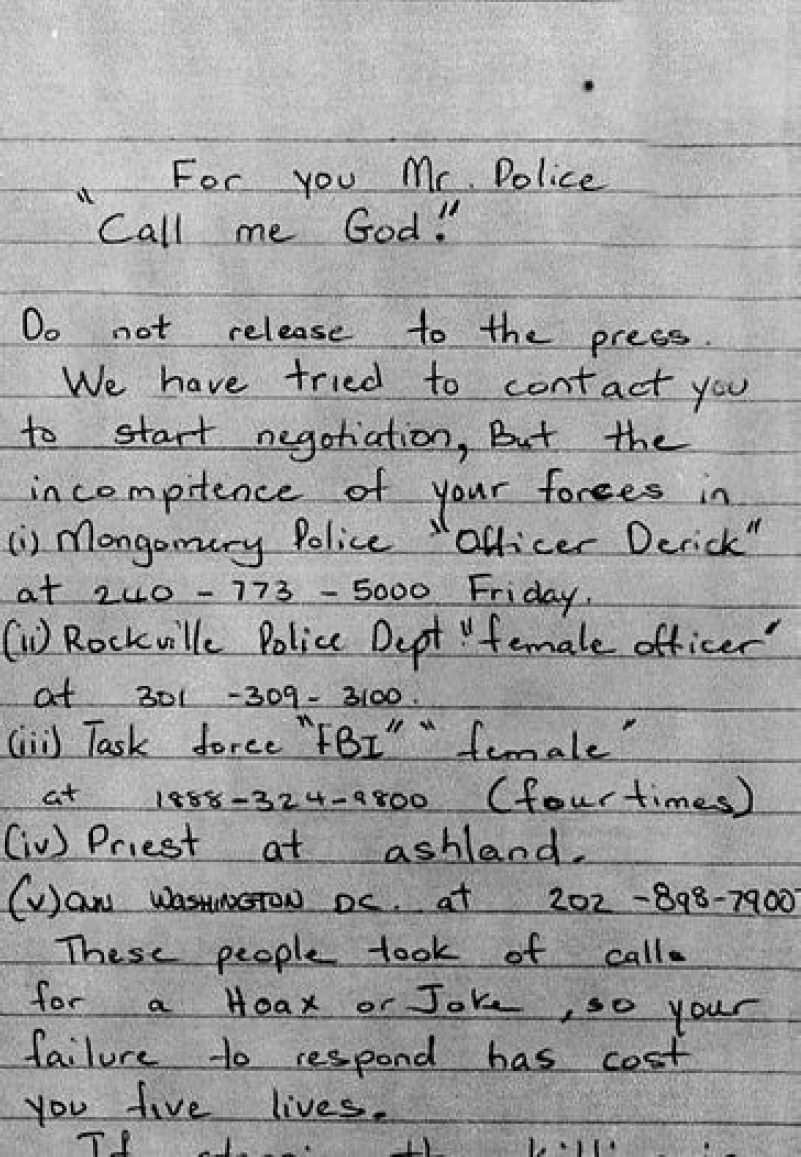
The first page of the letter to police, taunting them and boasting about the snipers’ superior skills.
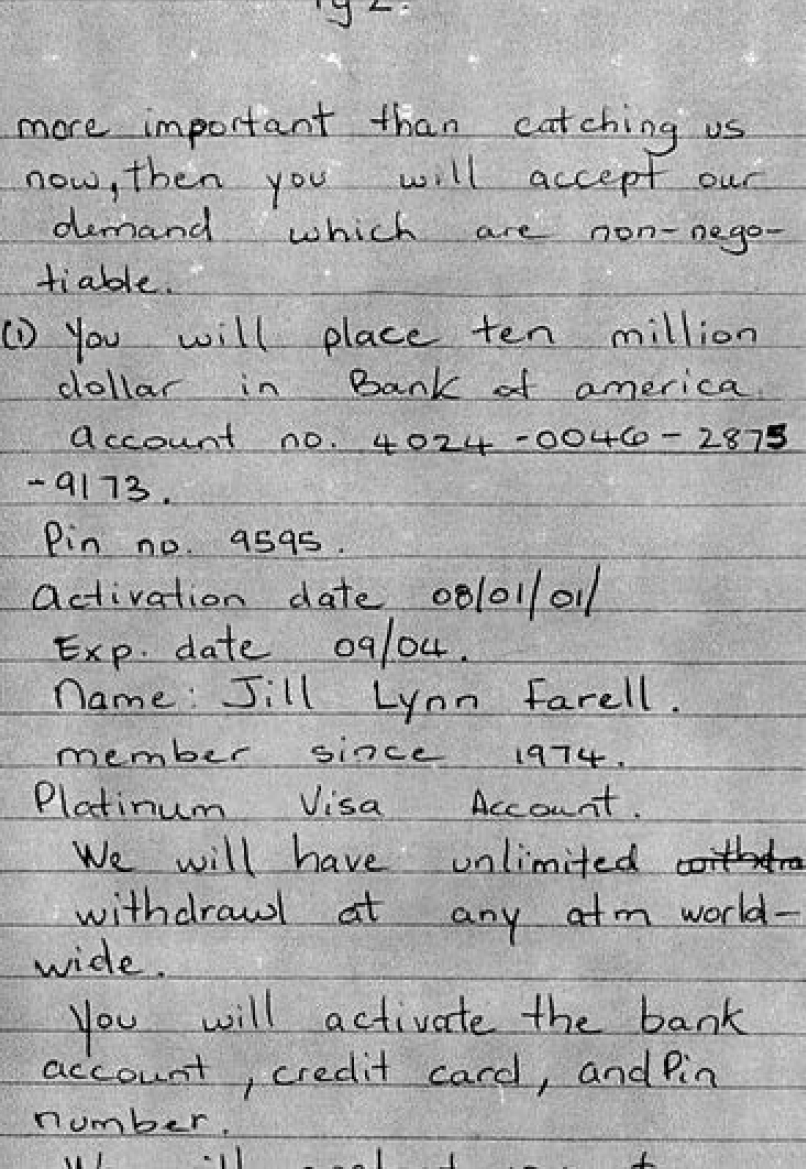
The second page of the sniper letter to the police, containing their demand for money and the means to get the money to them. This letter and the information contained in it would prove valuable in ultimately identifying the snipers.
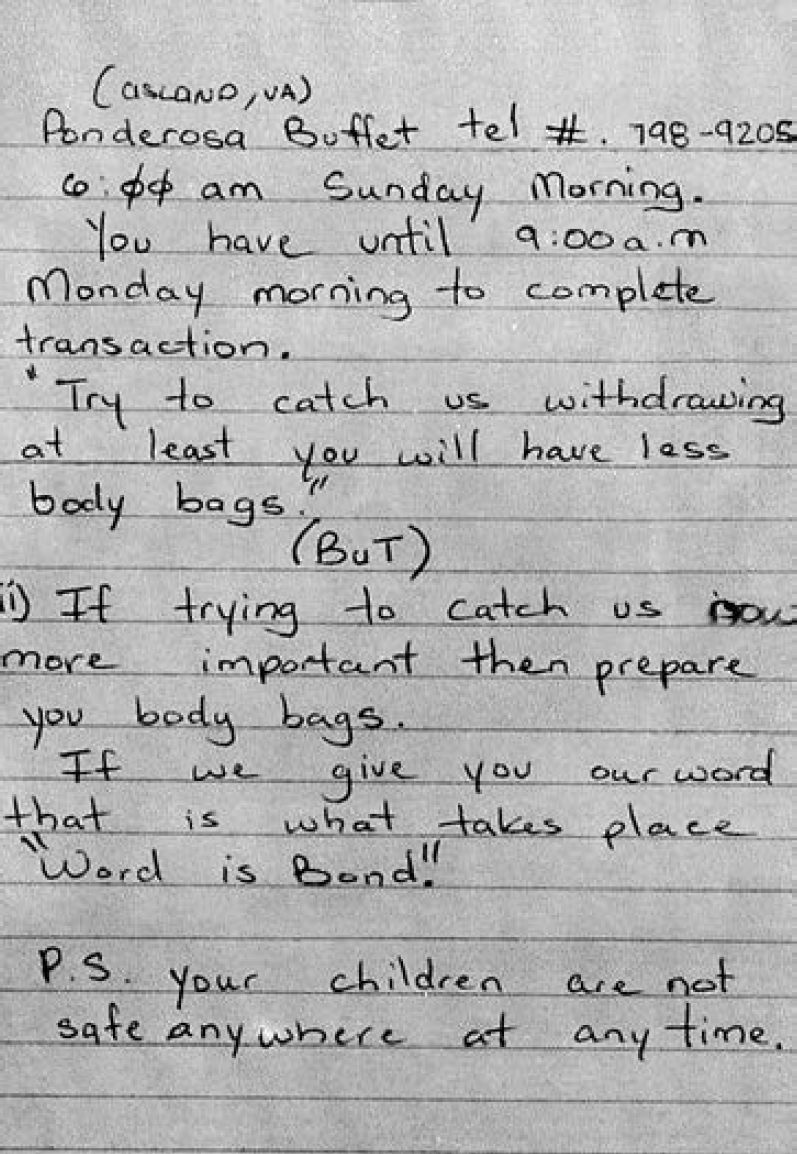
The third page of the sniper letter to the police left at the crime scene of the Ponderosa shooting. The third page was a clear warning to the police as to what would happen if the snipers’ demands were not met.
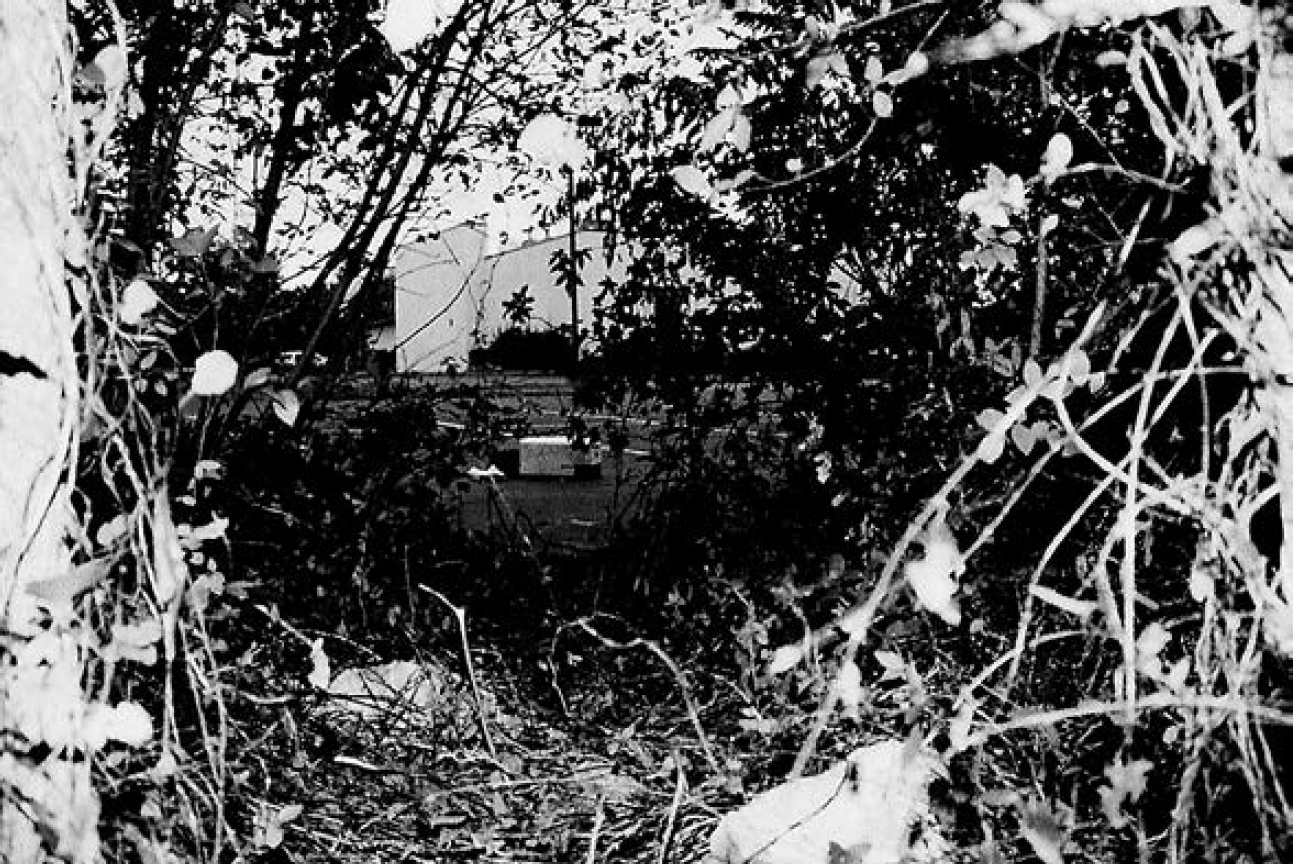
Crime scene photo from the snipers’ hiding place, toward the Ponderosa parking lot where Hopper was shot as he and his wife came out of the restaurant.
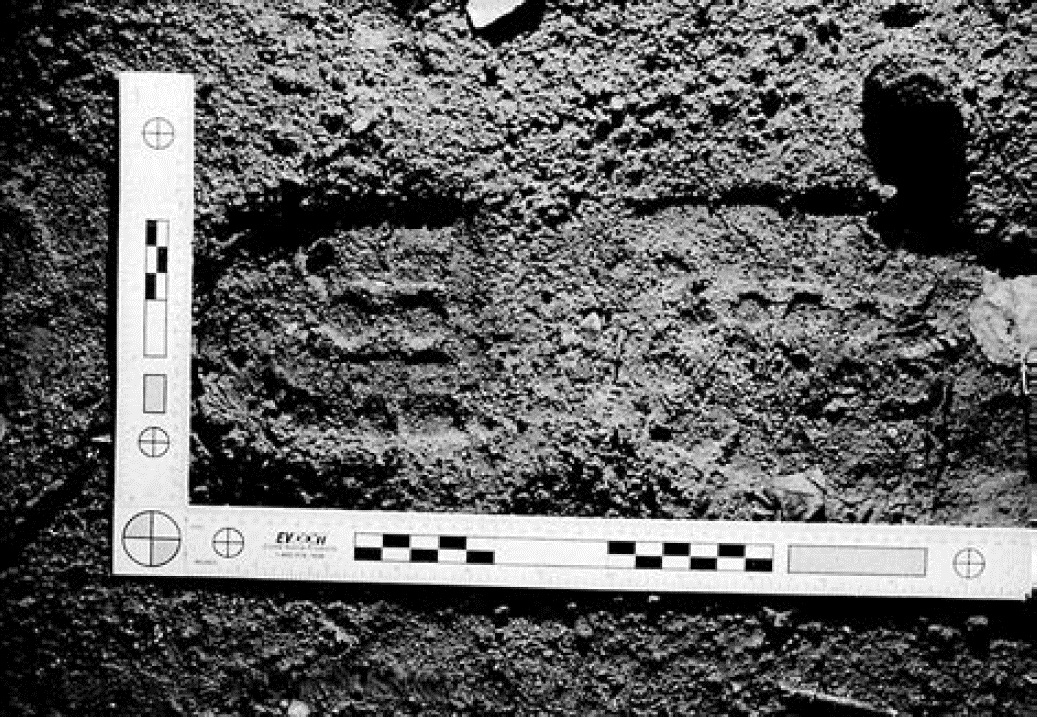
Crime scene photo of a boot print left behind by the snipers in the woods behind the Ponderosa Steak House in Ashland, Virginia, on October 19.
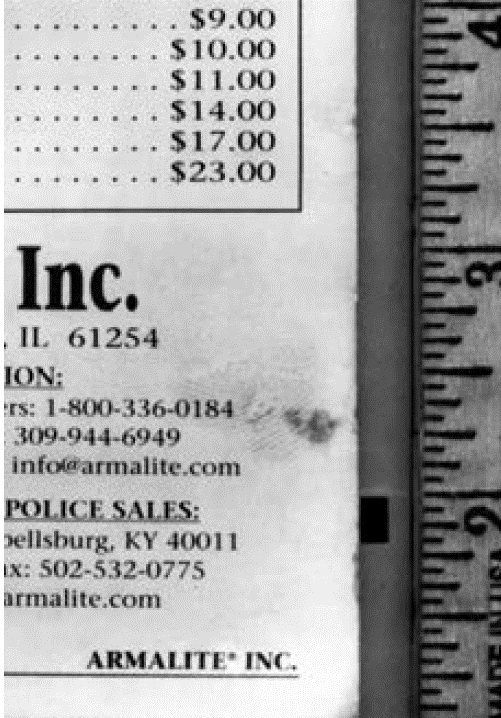
Photo of a fingerprint that was found on a magazine recovered from the scene of a murder at a convenience store in Alabama in September 2002. The small smudge was used to identify Lee Malvo and connect him to the Beltway sniper shootings.
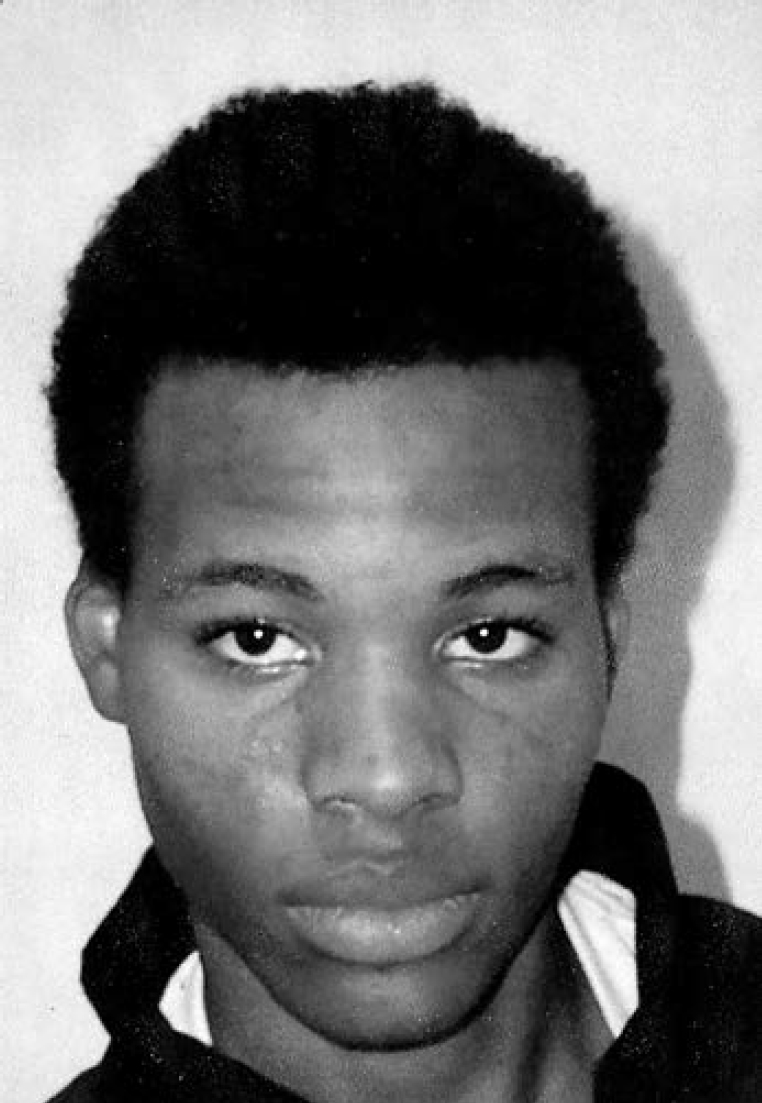
Mug shot of teenage killer Lee Boyd Malvo.
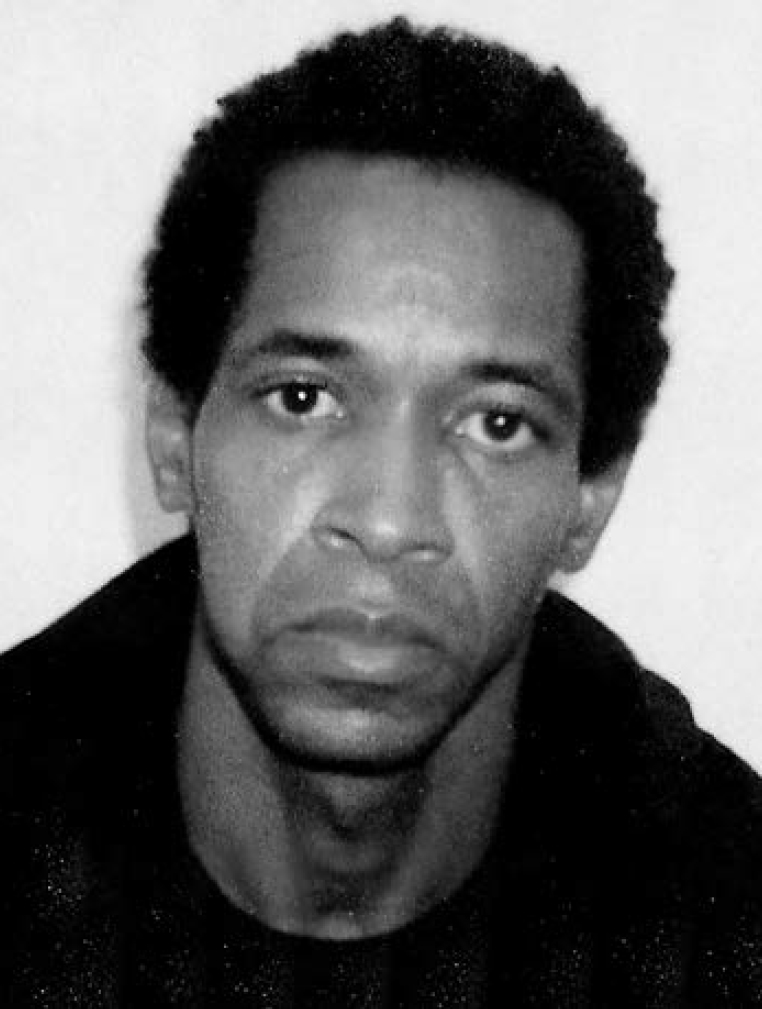
Mug shot of the mastermind and killer John Allen Muhammad.
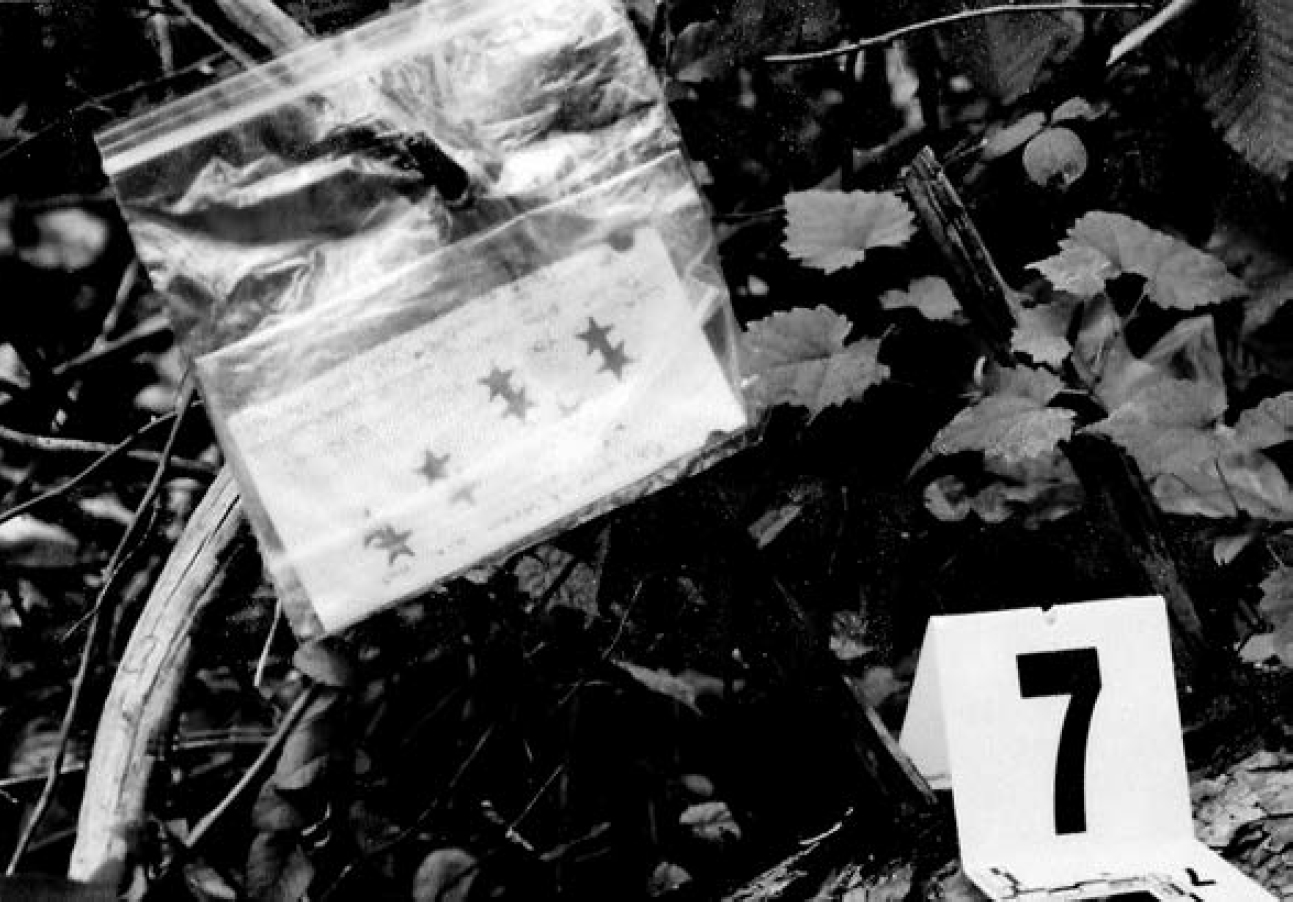
Crime scene photo from October 22, when at 5:56 a.m. Conrad Johnson was shot and killed by the snipers in Silver Spring, Maryland, as he prepared his Ride-On Bus for his daily route. Police found another note in a plastic bag in the woods near the bus.
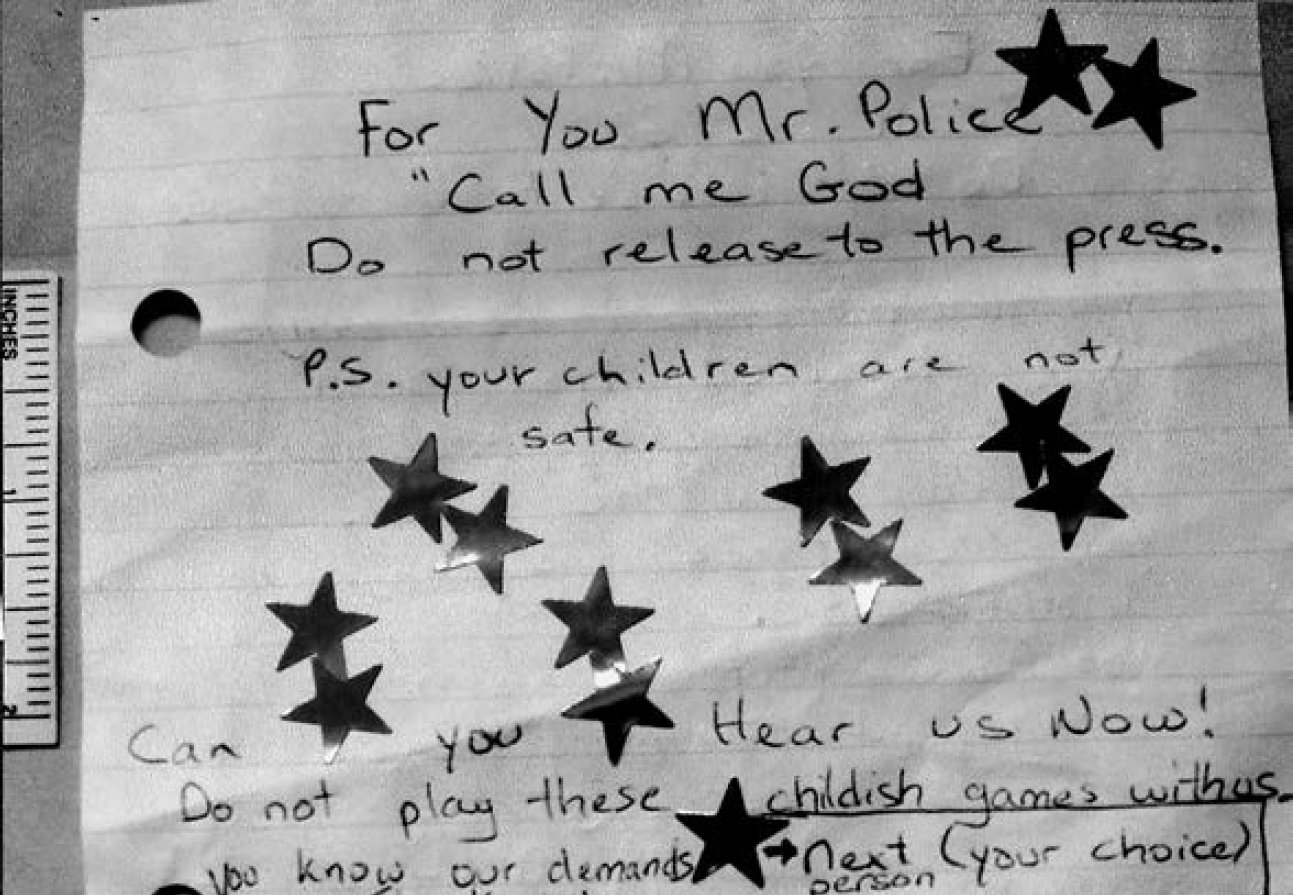
The first page of the letter found in the woods at the scene where Conrad Johnson was shot. The letter, covered with red stars, is directed at the police. “Can you hear us now!” The snipers were angry that their demands had not been met.
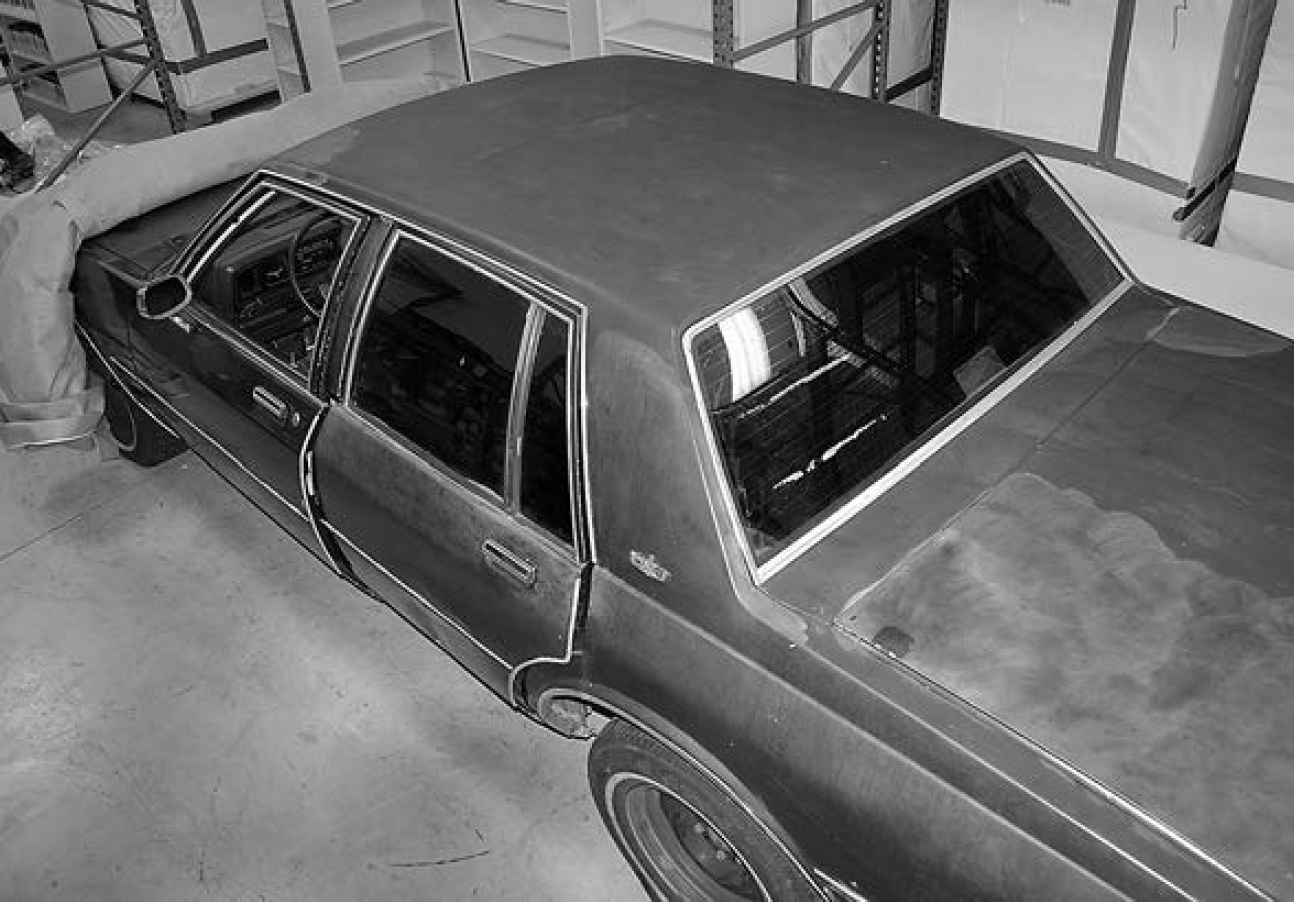
The blue Chevrolet Caprice that was used by the snipers as a mobile sniper’s nest. This is a photo as the car appears today at the National Law Enforcement Museum.
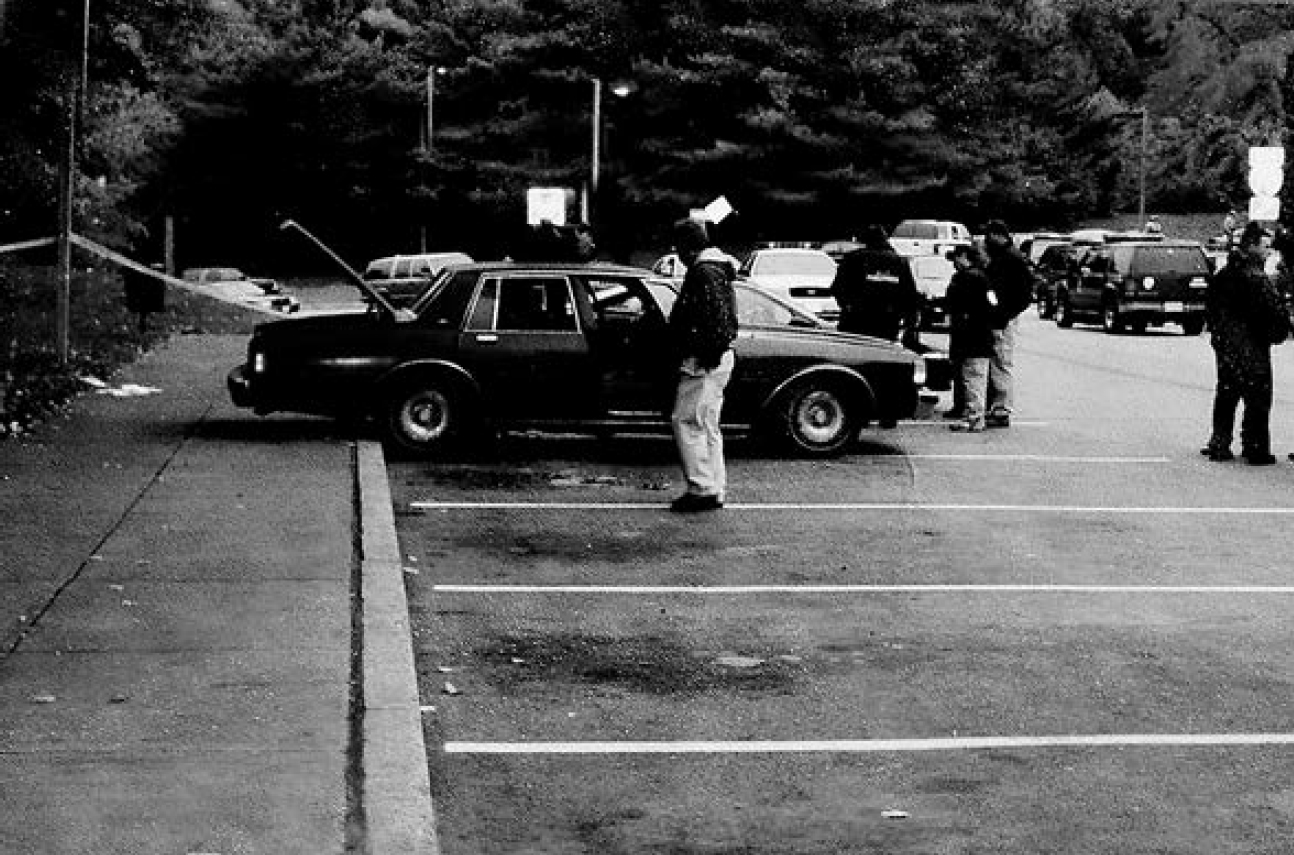
Crime scene photo of the blue Caprice where it was found parked at the Myersville rest area off Interstate 70 in Frederick County, Maryland, on October 23. The snipers had been captured, and a search-and-seizure warrant for the car was being prepared. The author is in the foreground.
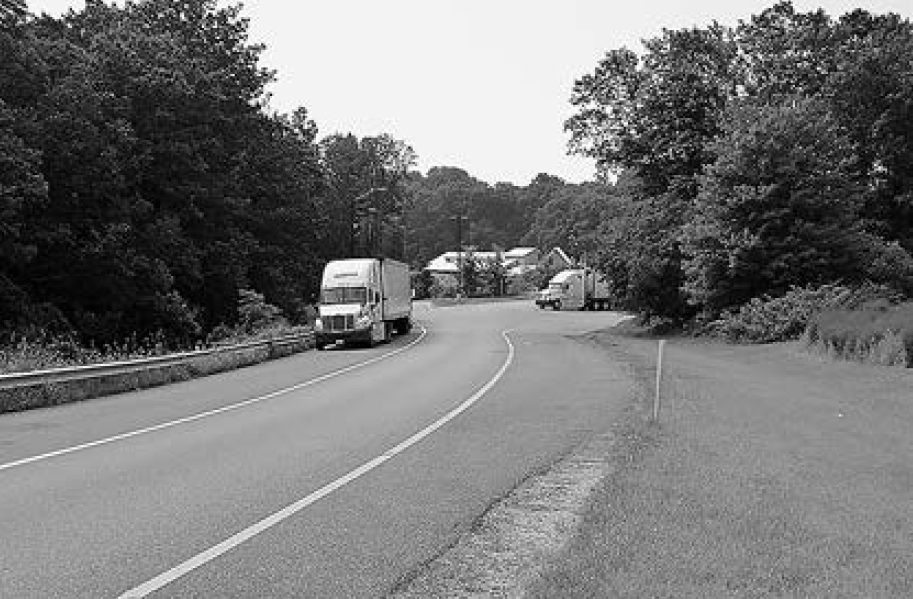
The exit ramp coming out of the westbound rest area on top of South Mountain on I-70, appearing much as it did the night the snipers were captured. The author’s police car, along with Trooper Dwayne Smith’s police car, would have been in the foreground, in front of the truck blocking the exit.
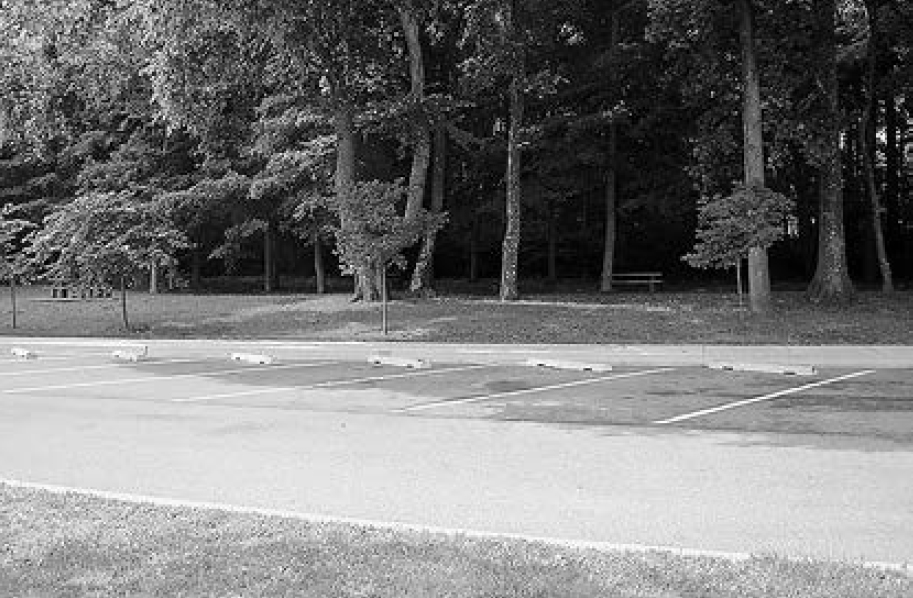
The third parking spot from the right is where the snipers had parked the night they were captured. The car was backed into the parking space. The night the snipers were captured, the tree canopy was much heavier. The tree line has been cut back since the sniper case.
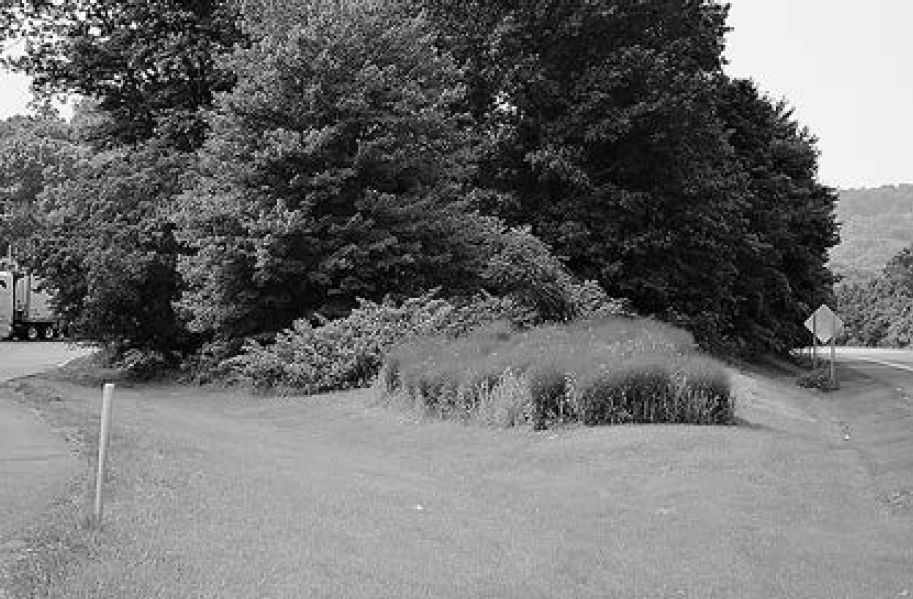
The heavily forested embankment that separated the rest area from the interstate. The snipers could not see out of the rest area from where they were, and the police could not see in.
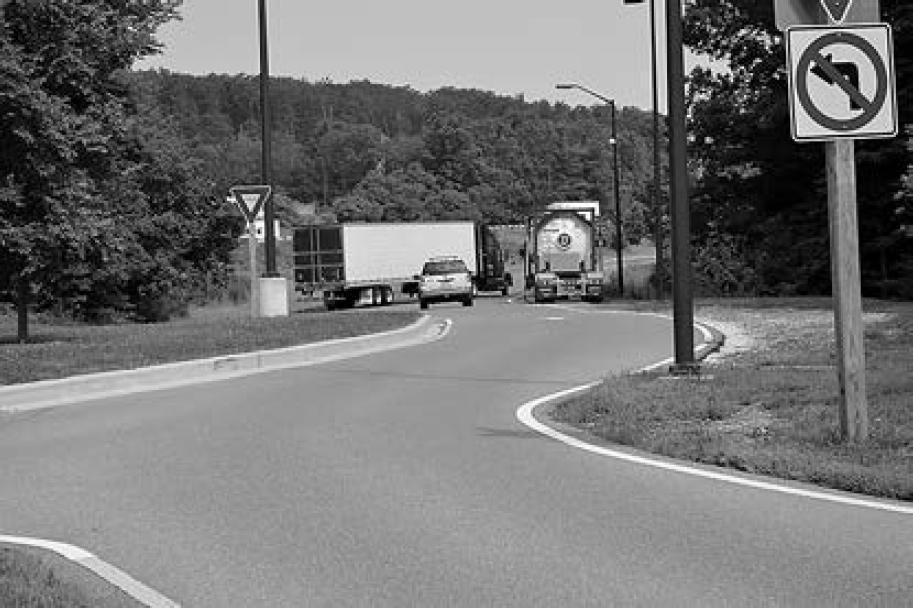
View from inside the rest area looking out toward the exit ramp where the author had set up his command. The author used exiting tractor trailers to assist in blocking the ramp, much as they appear in this photo.
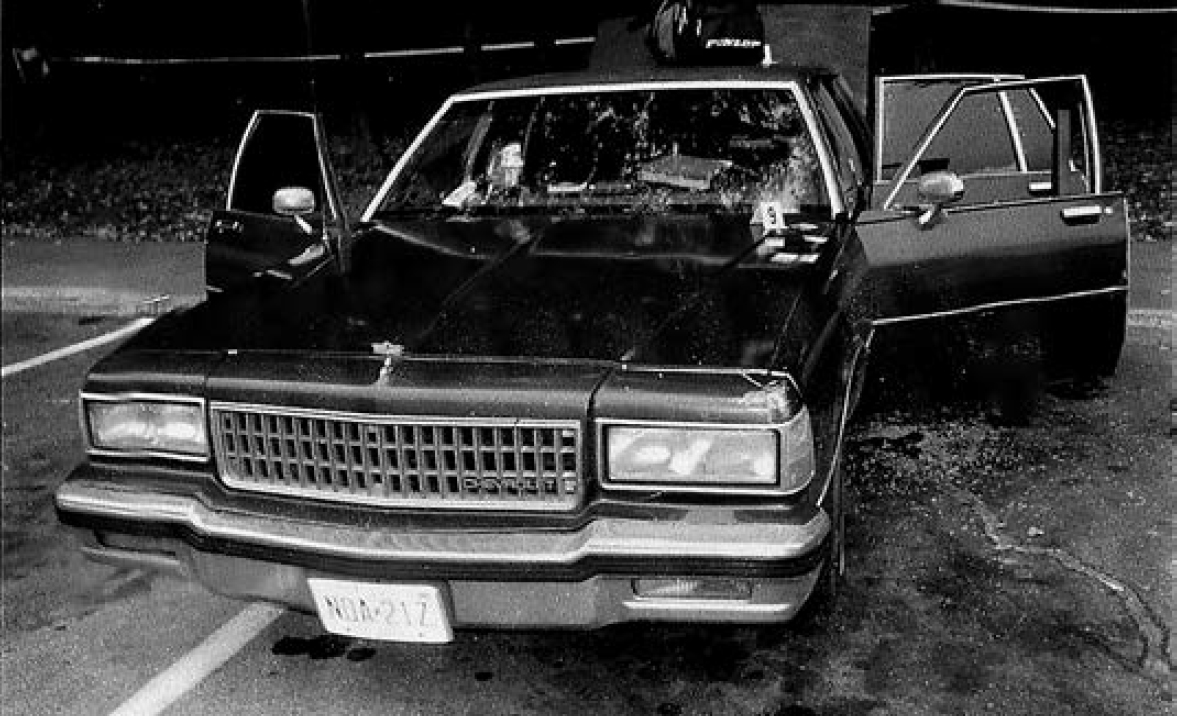
Crime scene photo of the blue Caprice within a few minutes of the suspects being forcibly removed from the car.
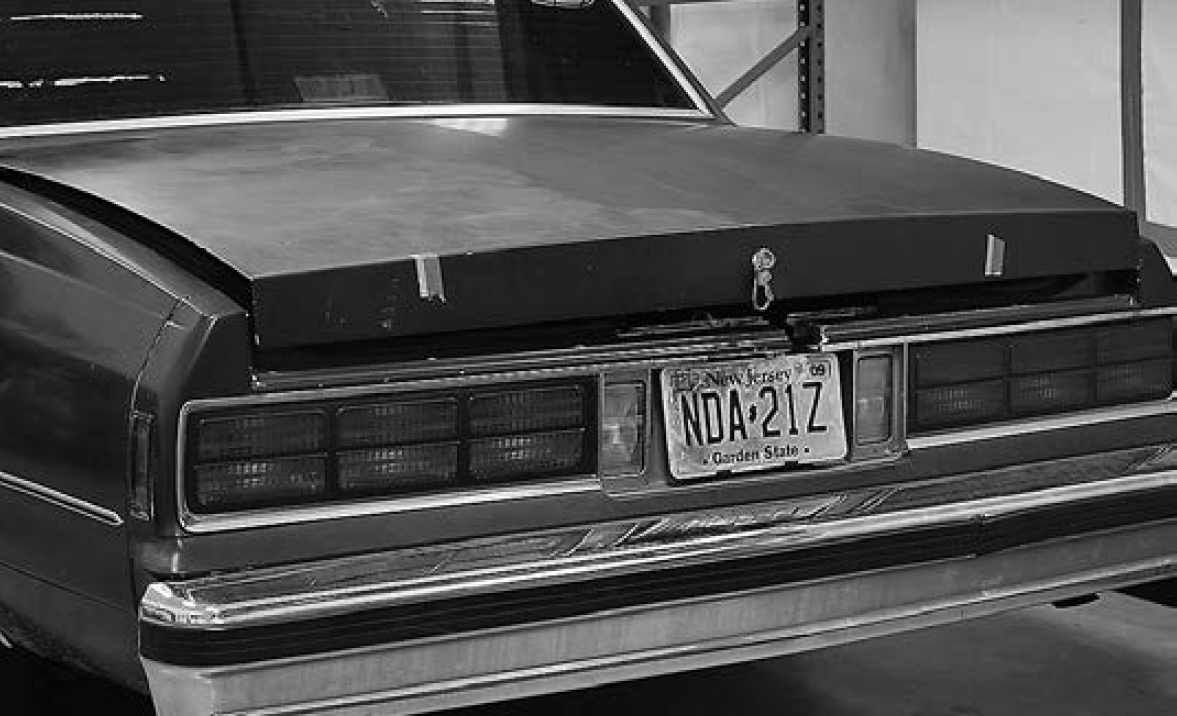
View of the rear of the sniper car as it would have appeared while it was being used. The trunk would have been slightly open for the rifle’s optical sights, while the barrel would have protruded from the notch cut into the trunk above the license plate. The shooter would have been prone and concealed inside the trunk, with the back seat pulled down to allow access. Note the crime-scene evidence tape still on the trunk lid. Exhibits courtesy National Law Enforcement Museum. Photo by the author.
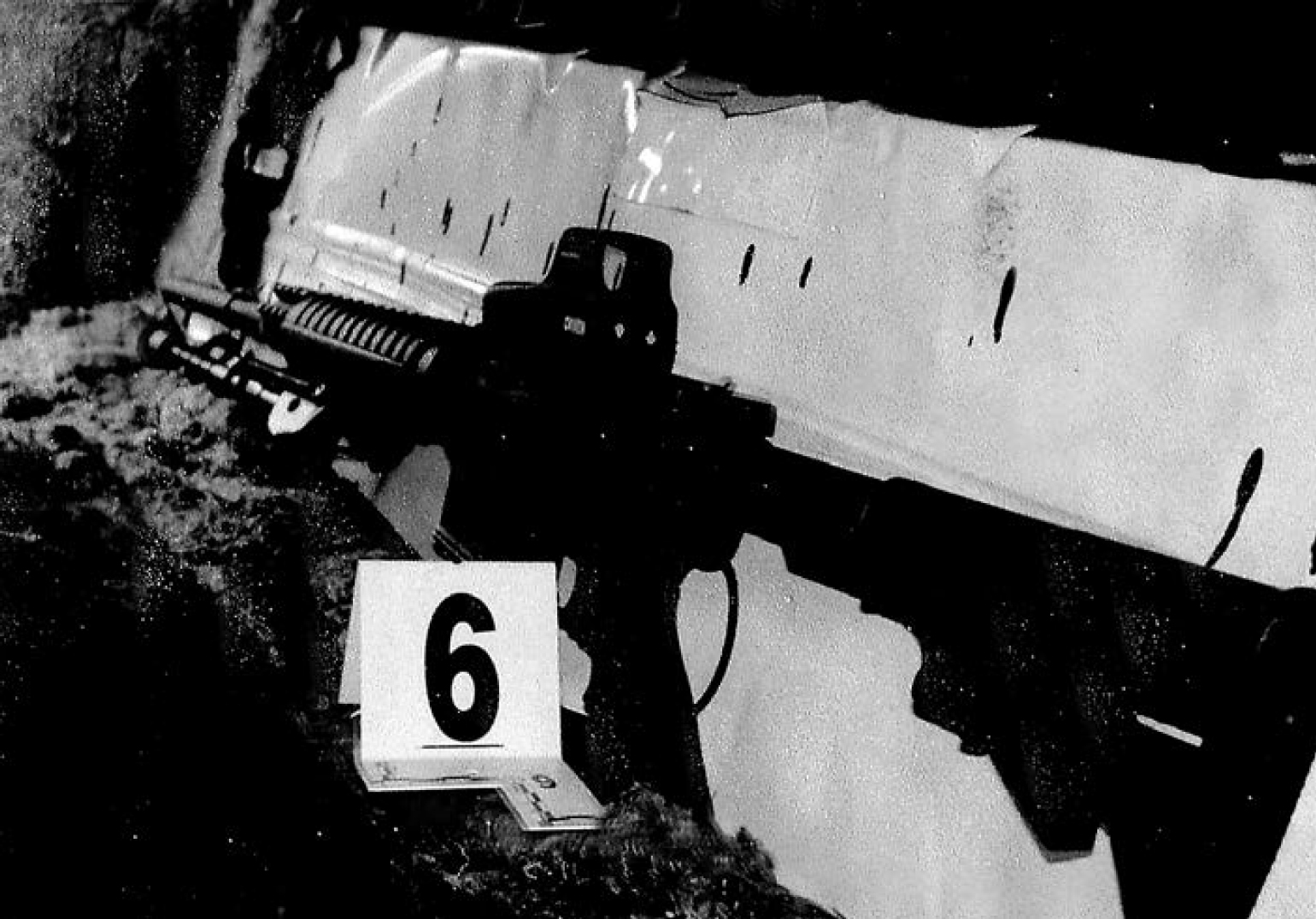
Crime scene photo of the .223-caliber Bushmaster rifle used by the snipers as it was found behind the back seat of the Caprice.
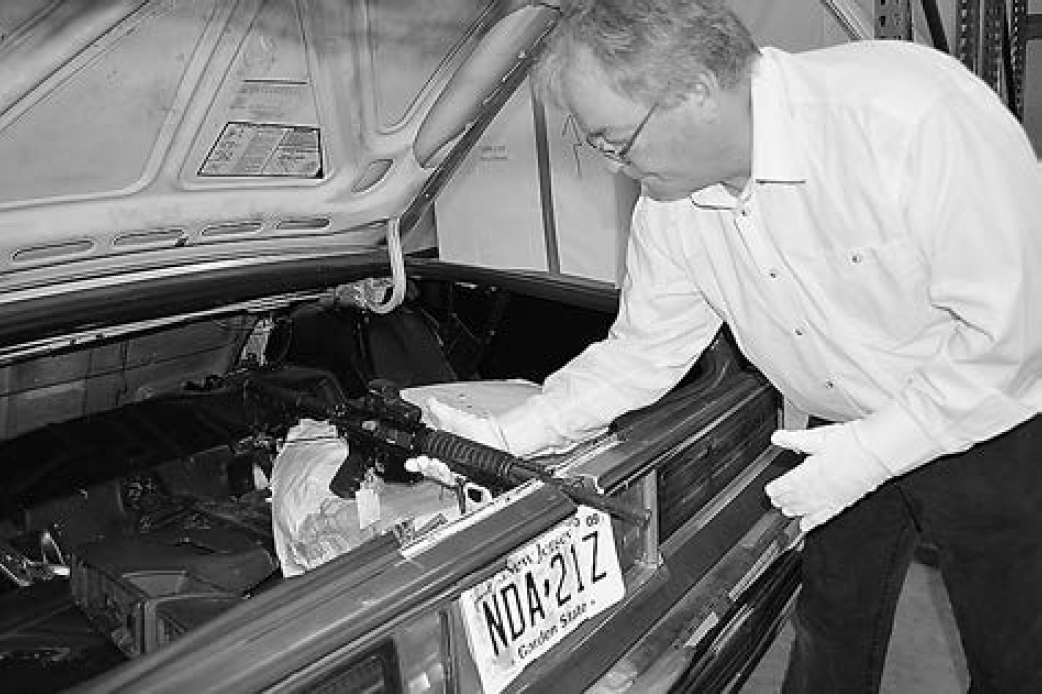
The author demonstrating how the rifle’s barrel was poked out through the notch while in use. Note how the inside of the trunk lid was painted a matching blue to help conceal the slightly opened trunk while the snipers lined up their target and fired the rifle. Exhibits courtesy National Law Enforcement Museum. Photo by Jean Reichenbaugh.
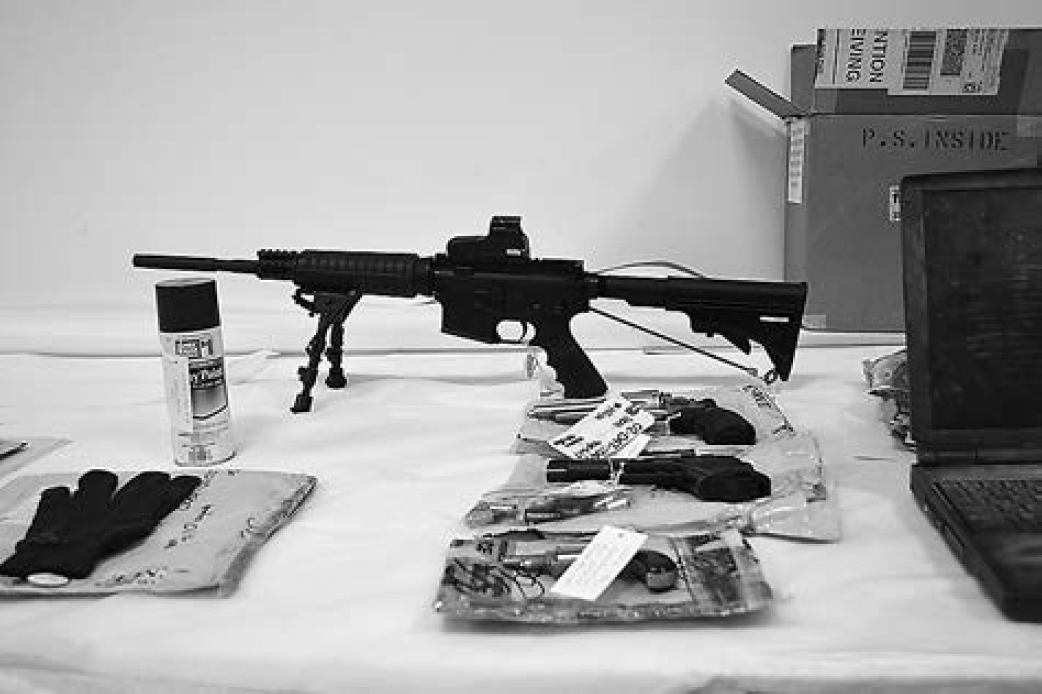
Display of the sniper rifle and other firearms and evidence recovered from the Caprice. All evidence is now in the possession of the museum. Exhibits courtesy National Law Enforcement Museum. Photo by the author.
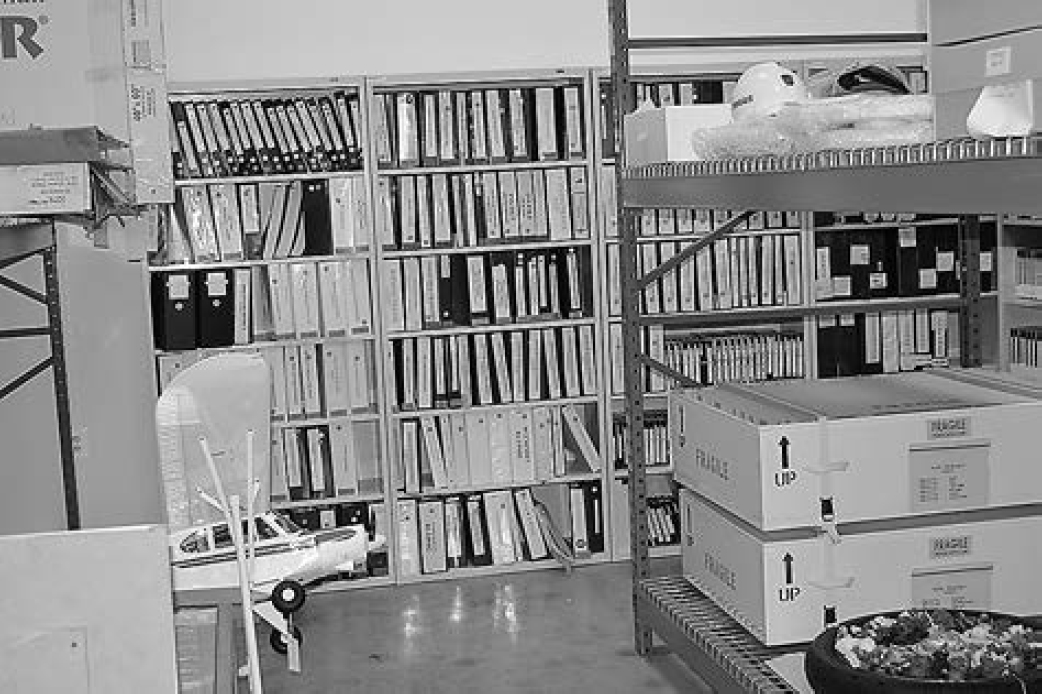
Wall of evidence, including crime scene photo documents and reports generated by the Beltway sniper investigation, collected and preserved by the National Law Enforcement Museum. Exhibits courtesy National Law Enforcement Museum. Photo by the author.
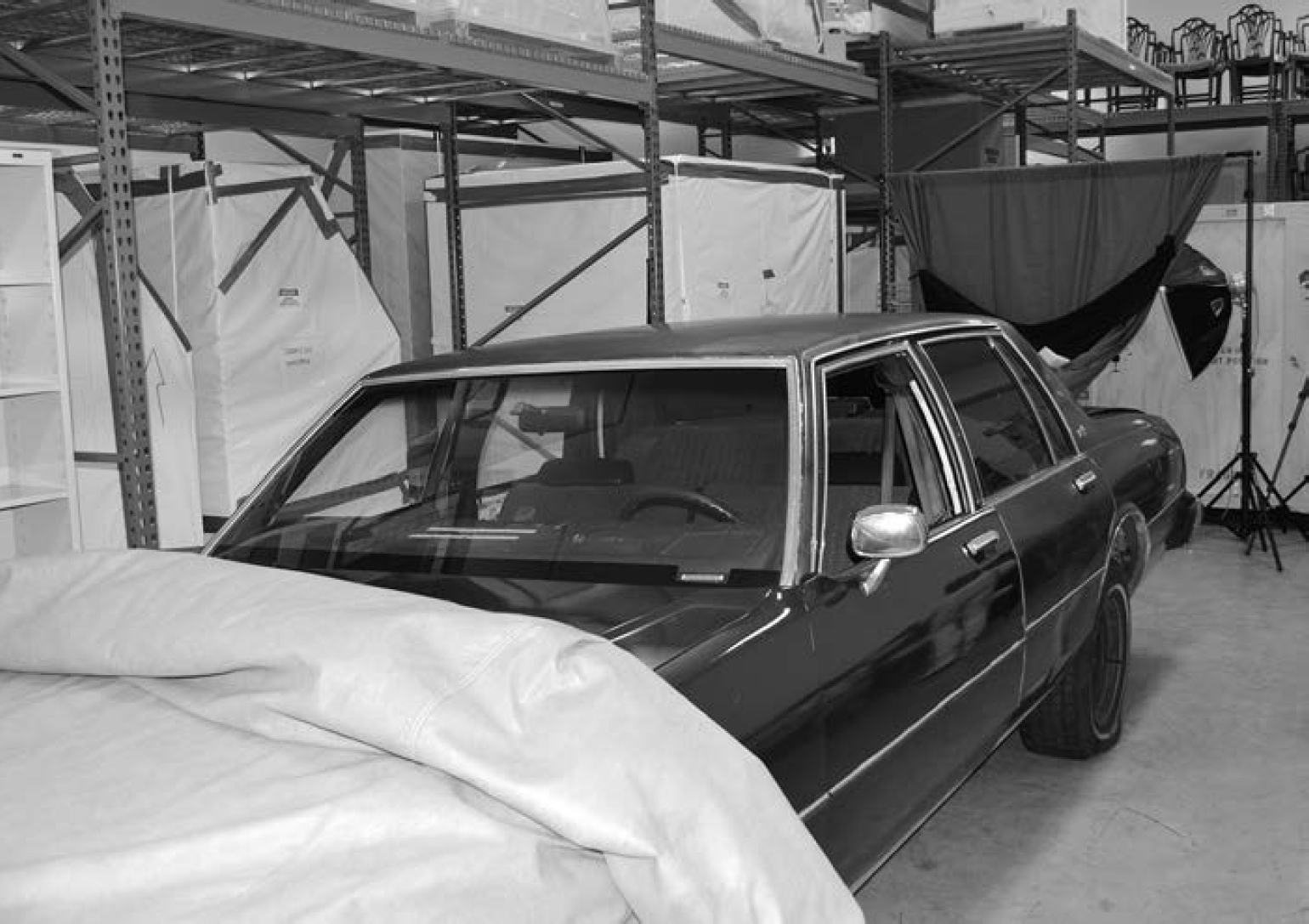
The blue Caprice used by the snipers, as it appears today at the National Law Enforcement Museum, is preserved in the same state in which the author last saw it in the rest area. For the author, being in the presence of this car is a surreal experience that immediately brings back the horror created by the two killers who used it. Exhibits courtesy National Law Enforcement Museum. Photo by the author.
But much of this was also to our disadvantage. If they couldn’t see us, we couldn’t see them; that would make it hard to know exactly what was happening in the rest area. Also, the poor lighting contributed to the problem. We had no night-vision equipment and no idea if they did. Since they had already shot at and hit a target using the rifle at night, I made the safe assumption that they could very well have night-vision equipment at their disposal. We also knew we were outgunned. They were in possession of at least one sniper rifle and had demonstrated time and again that they had the willingness and the ability to shoot, hit their target, and take a human life. If cornered, we could expect no less than a shootout.
We were armed with .40-caliber pistols. A few of us had shotguns that we could either load with buckshot or rifled slugs. Since I was a lieutenant in a nonuniformed investigative function, I didn’t have a shotgun assigned to me. The state police had a limited supply of Remington 870 shotguns, and they had been reserved for the road troopers.
In any case, a shotgun—even if loaded with rifled slugs—wouldn’t be a match for a sniper rifle. The snipers would be able to shoot at us and penetrate our ballistic vests before we could get anywhere near range to fight back. It was critical to improve our odds, so we would compensate for that disadvantage with the element of surprise.
There were other factors to consider, too. There likely would be other cars and tractor trailers in that rest area, but how many? I was concerned about creating a hostage barricade situation, in which the snipers took a motorist or sleeping driver hostage. If we had to engage the snipers immediately, we would do it in order to prevent that from happening. We also wanted to keep them from gaining access to a large vehicle, such as a tractor trailer. That could create real problems for us if this turned into a chase. The last thing we wanted was a high-speed gunfight on an interstate highway, which would dramatically increase the possibility of loss of life. Bottom line: If we were going to maintain control of this situation as it unfolded, we had to contain them in the rest area.
As I drove the thirty-five-plus miles, I noticed there still wasn’t much traffic. I passed a few cars and trucks as I went westbound and saw just a few trucks traveling east. That was a good sign. Fewer vehicles meant we could devote more police resources to the situation at hand, as opposed to needing to use them to keep the public back. Also, the radio silence was an advantage. The quieter we could be, the more time I would have to set a perimeter without the press converging on the scene. The longer we could delay the story getting out, the better our odds of preserving the scene. It was an unfortunate distraction that I had to think about the press as well as the bad guys, but it was a necessity. If the media wasn’t managed properly, this would very quickly turn into an uncontrollable media circus.
By the time I made it to Myersville, about three miles east of the rest area, the word was getting out. I received a phone call from Special Agent Bruce McCauley at the Secret Service. Agent McCauley was stationed at nearby Fort Detrick and was responsible for presidential protection at Camp David, also located on South Mountain, about twenty miles farther north. McCauley and I had worked together on some of the Secret Service’s counterfeit cases in and around the state. Plus, as part of the state police duties, I routinely assisted the Service when the sitting president was spending time at Camp David and wanted to step out in the county for dinner or recreation.
McCauley and I discussed my concern about press coverage, and about the airspace around the rest area. “The worst thing that could happen,” I said, “was a media helicopter hovering overhead and waking these guys up.”
“You thinking hostage situation?”
“That or a shootout—either one isn’t good. And the last thing I need to worry about right now is the media fucking this up for me.”
“Not a problem,” McCauley said. “I’ll have the Service declare the entire region a no-fly zone. I’ll call back when it’s done.”
He called back just as I reached the rest area entrance ramp—the no-fly zone was in place. One thing no licensed pilot would do was to cross the Secret Service with a secured airspace violation. That brought jail time and permanent grounding.
At the entrance ramp I saw two marked MSP rollers parked across the roadway to prevent anybody from entering. A third, marked K-9 car was pulling up just as I arrived. I came to a stop behind them and checked in with the barrack duty officer.
“Any updates from our witness?”
“I still have him on the phone,” Sergeant Hundertmark said. “Nothing’s changed. He and another person are parked in the truck lot.” It was the rest area caretaker who had spotted the blue Caprice; he had apparently made contact with another person in the truck lot, a Mr. Donovan, who was parked in a small work van. Donovan had a cell phone, which they had used to contact the state police barrack. They were now both inside the work van. “They have a good view of the suspect vehicle,” the sergeant said. “They feel they’re safe for now. They are confirming the tag number and the description of the vehicle.”
We took a quick look around. Because of the layout of the rest area and the heavy woods around it, there wasn’t much we could see from where we were. The real problem was that we couldn’t see the target vehicle. On the other hand, if they were in the car, then they couldn’t see us, either. If they were smart enough to have a lookout in the woods watching the end of the ramp, then we were sitting ducks. But since nobody had tried to kill us yet, we were hoping for the best, but prepared for the worst. There were two other cars parked in the lot, one of which belonged to the caretaker who was now inside Mr. Donovan’s van in the truck lot. The rest area also contained at least a dozen parked tractor trailers along with their sleeping drivers.
“They’ve seen no one in or around the Caprice,” the sergeant said. “The area’s been quiet. No movement by anyone.”
“Okay,” I said. “Keep the caller on the line. I’ll speak with him as soon as I have the perimeter secured.”