
ESTABLISHING SUCCESSFUL SURVEILLANCE BEGINS WITH THE setup. There is no reason why surveillance has to risk exposure from the very beginning of an operation. Indeed, operatives can set up around a target far enough away to not risk being seen, yet still close enough to provide blanket coverage.
In Figure 1, the star indicates the location of the target. The location could be anything—an office building, a home, or an embassy, for example.
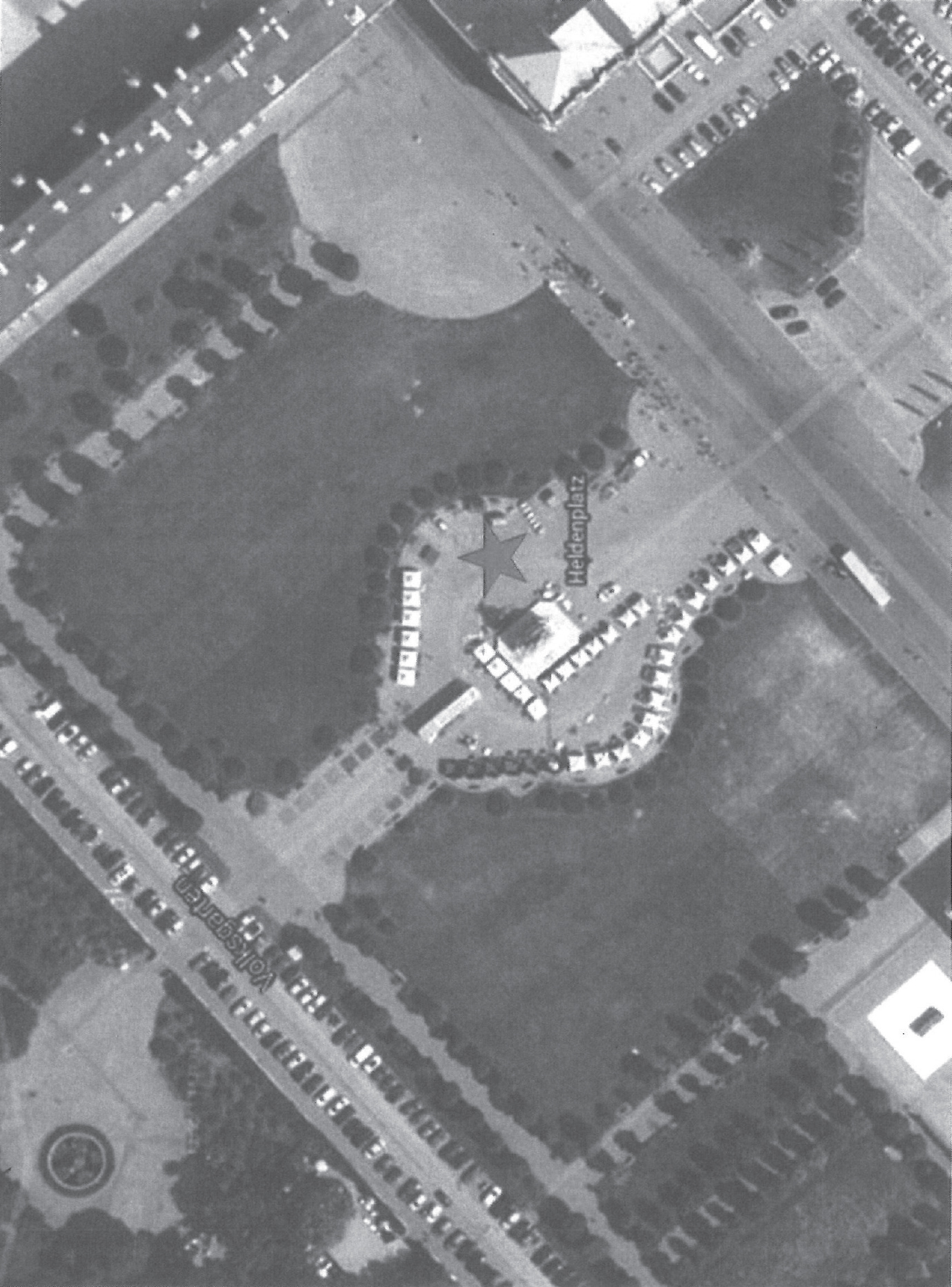
Figure 1.
Note that in Figure 2, the surveillants are widely dispersed. One has eyes on the target, but the other two are far enough away so as not to be seen—but are positioned in such a way so as to be on the subject not matter what direction he chooses to travel.
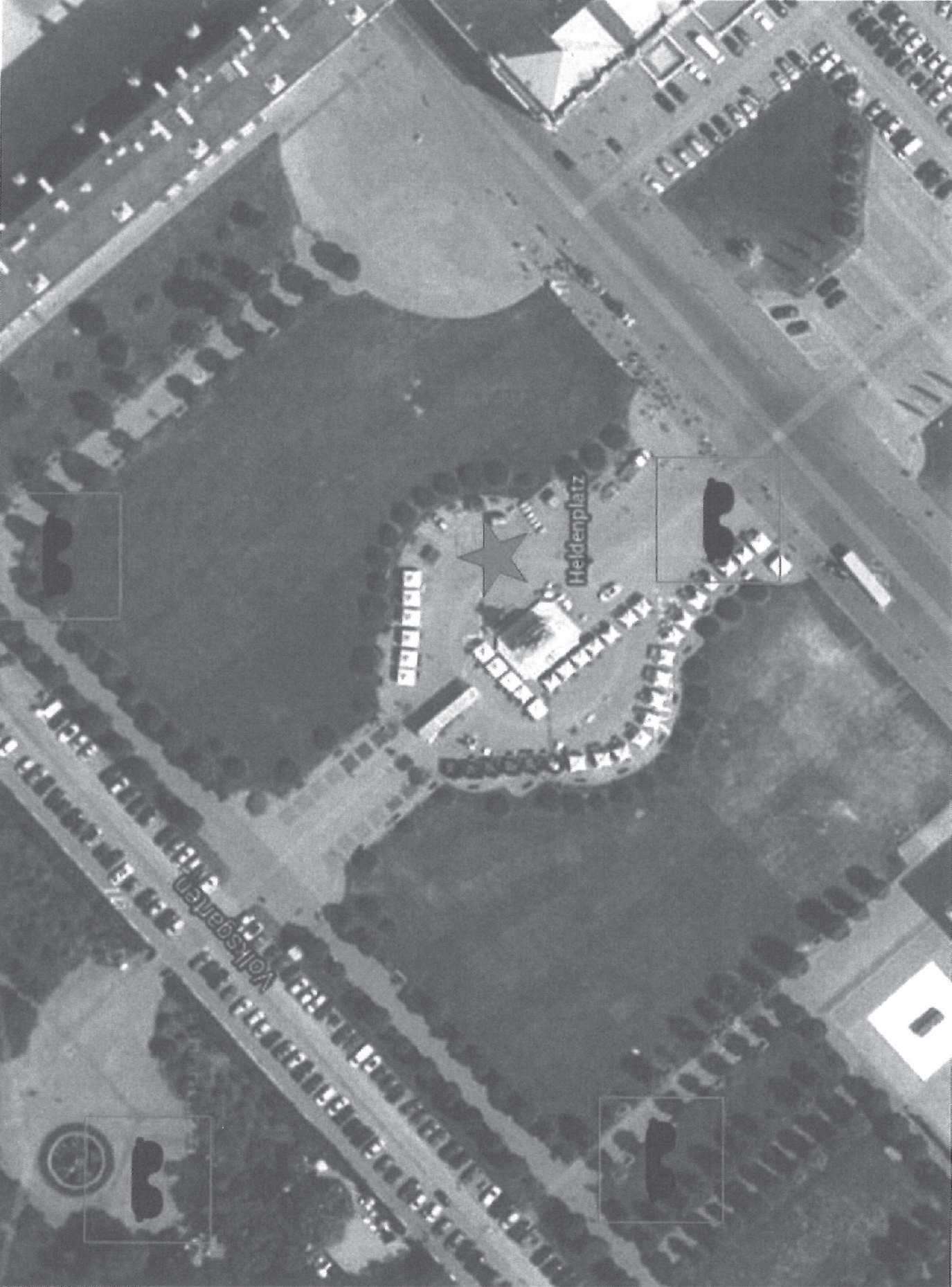
Figure 2.
Figure 3 is clearly a public park. The constant movement of traffic and people in and out of the area will provide cover for the surveillants at the outset. But also note that the surrounding area is residential. Setup is easy as the target enjoys a coffee at the outdoor café, but once he moves into the neighborhood, it will be more difficult to track his movements without being seen.
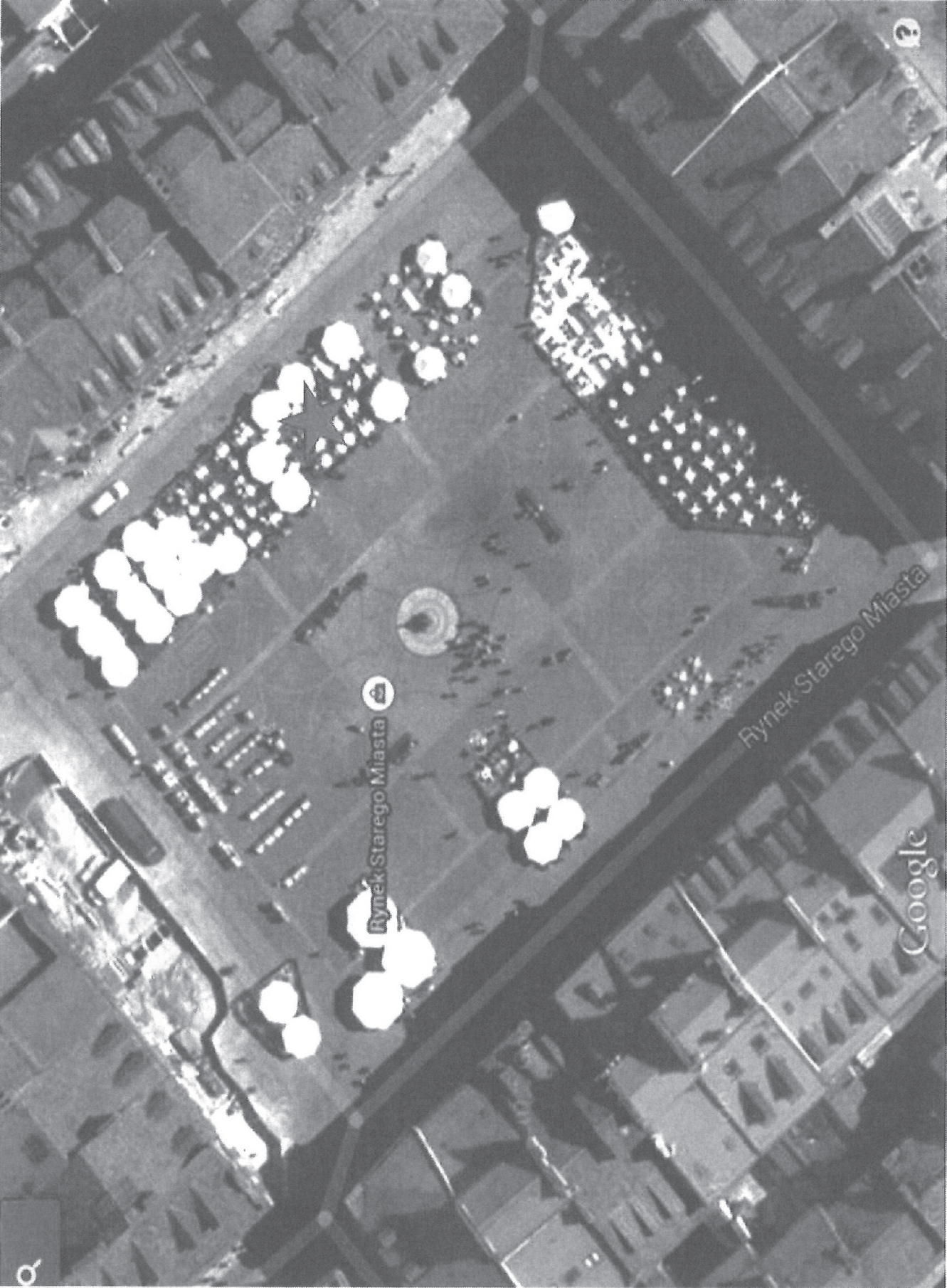
Figure 3.
It is for that reason that the surveillants are positioned at the four corners of the park. Only one at a time must run the risk of exposure, and the four can then pass the subject off to one another as he moves through the neighborhood. In a situation like this, proper communication between the four surveillants is a must. Static surveillance in the area also would be helpful in Figure 4 that the surveillants could allow the subject to think he is not being followed while they regroup out of sight. In fact, the static surveillant would be watching the target from a building.
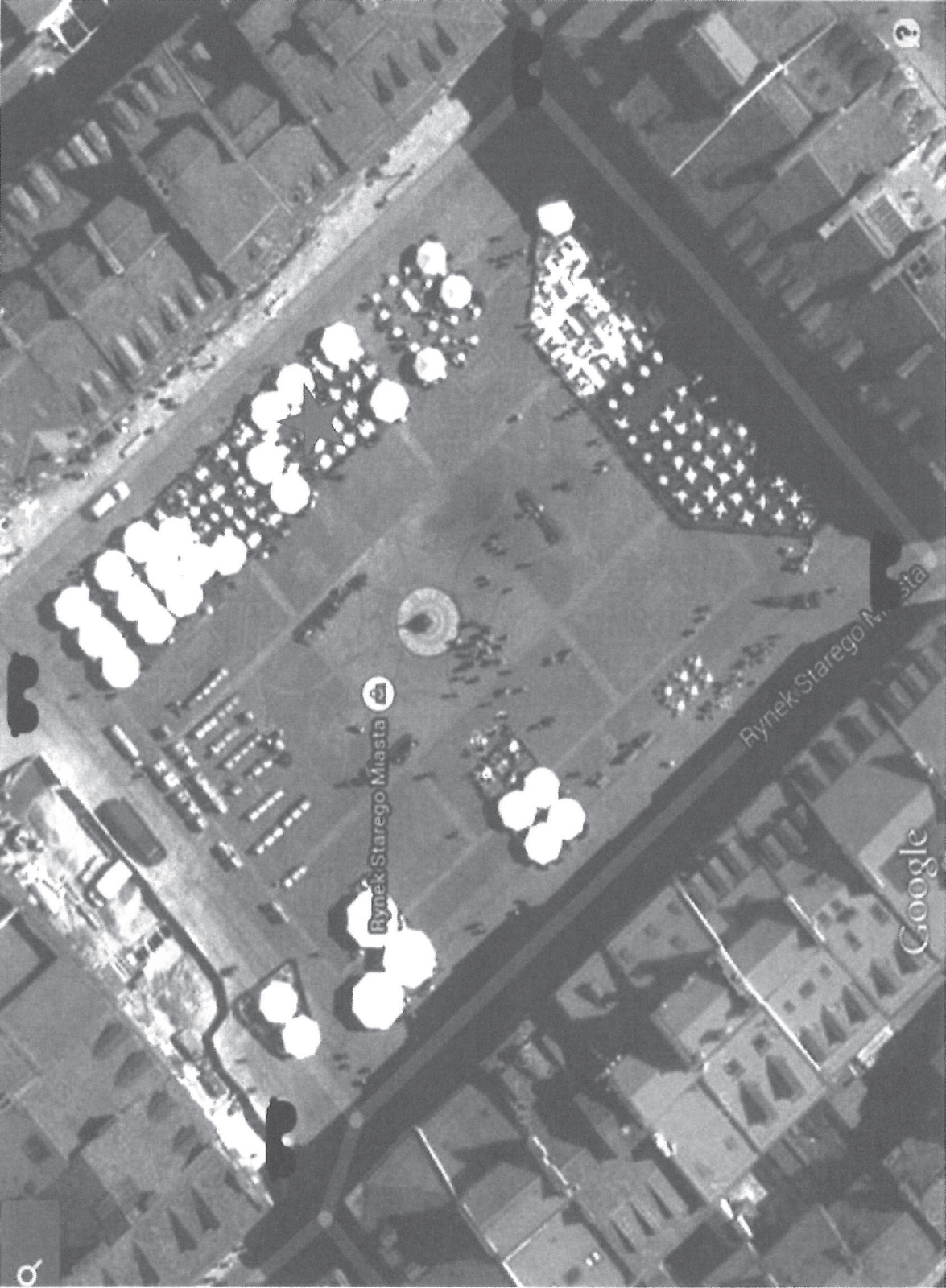
Figure 4.
The area in Figure 5 poses a much more serious challenge to surveillants. The area is spread out, likely located in a desert, and industrial in nature. What reason would a surveillant have for just hanging around in such an area? Cover for action would be critical. Perhaps surveillants would be dressed in work uniforms. Perhaps they would be driving dusty pick-up trucks rather than Mercedes sedans. Everything about them would have to fit in with the area and with people in the area.
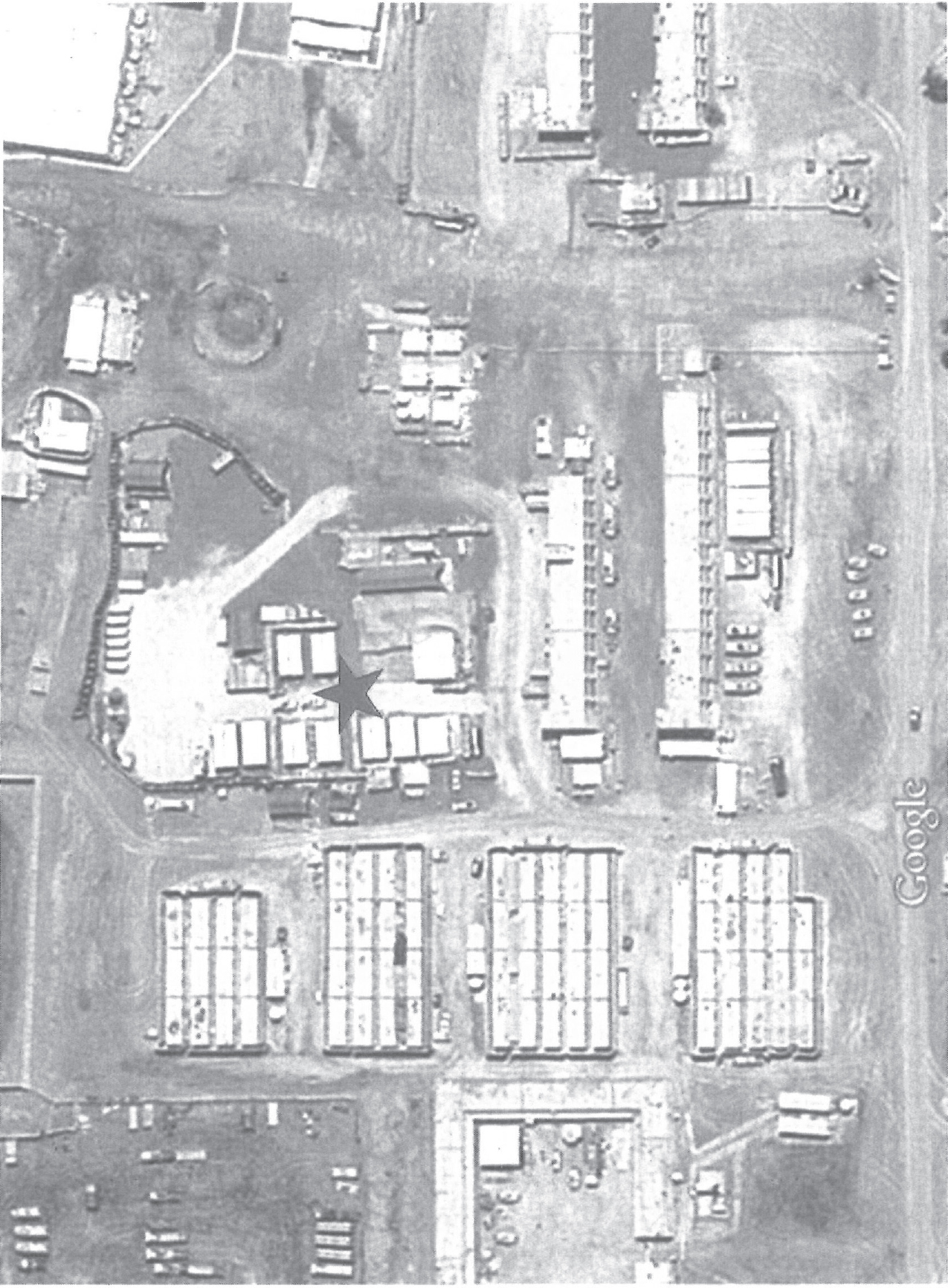
Figure 5.
One idea for setup might be to have surveillants far enough apart from each other that no one person would notice them working together. And besides the surveillants’ locations in Figure 6, another car should be farther down the highway, ready to intercept the target once he starts driving. The remaining four surveillants could catch up later and could then begin to pass the subject off to one another.
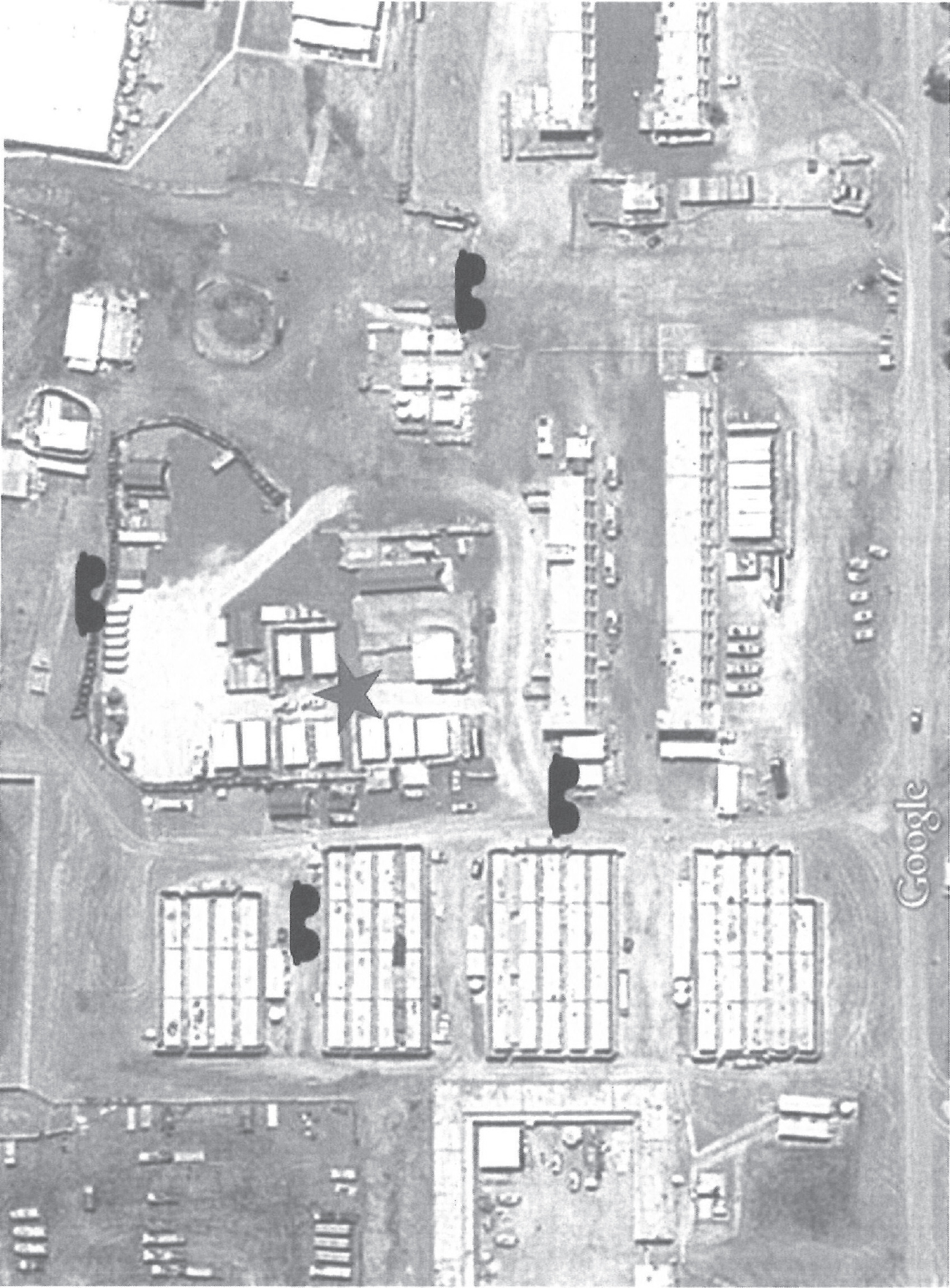
Figure 6.