
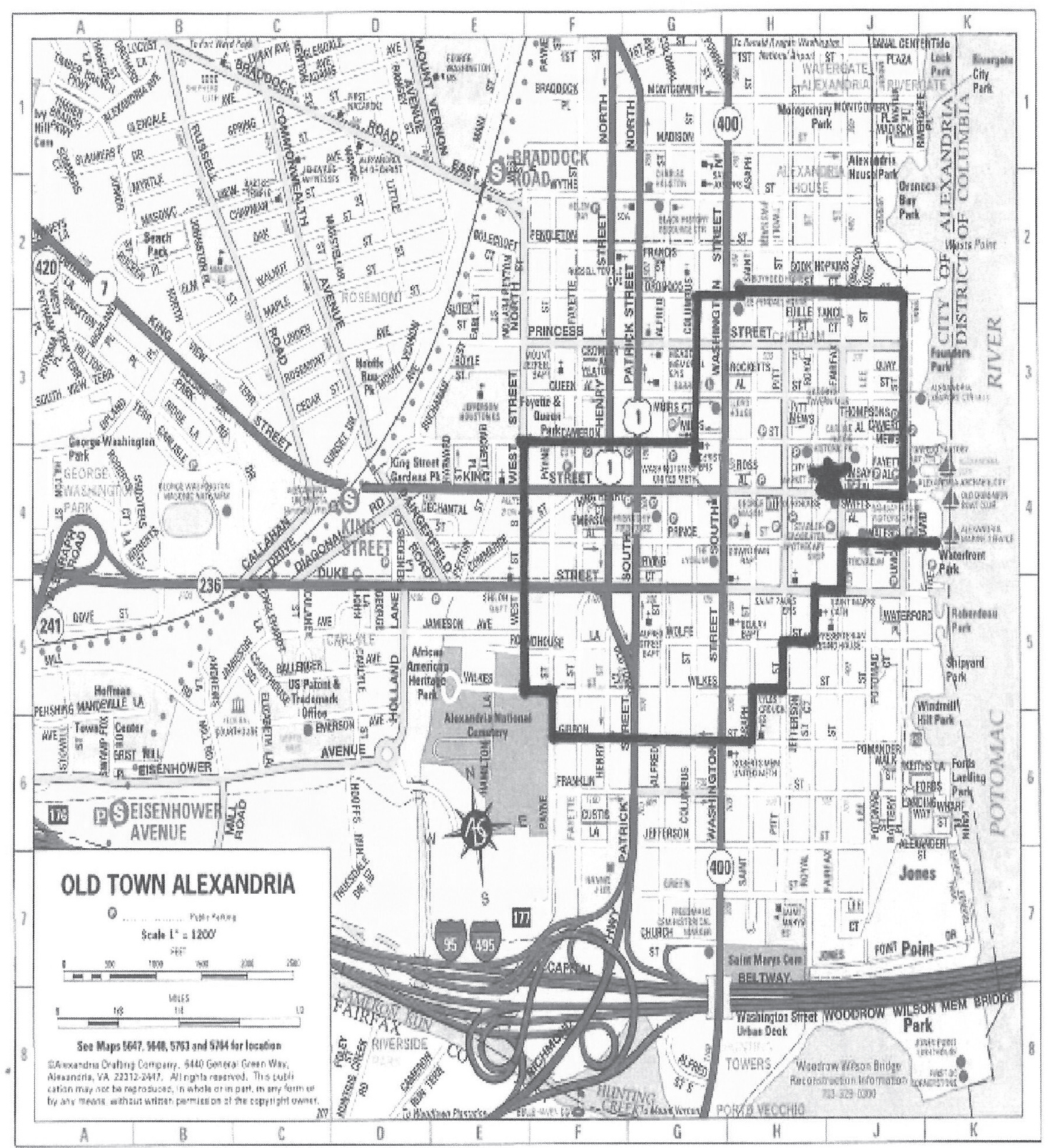
SOMETIMES A SURVEILLANCE DETECTION ROUTE MUST be done by foot, not because it’s necessarily easier that way, but because it is virtually impossible for you to be followed by car. Cut-throughs, one-way streets, and pedestrian paths become your best friends. And cemeteries are your friend: lots of people visit cemeteries, and surveillants who remain in their cars stick out like sore thumbs. Here is an example of a good foot SDR.
Using the Alexandria, VA courthouse as a kick-off point (Figure 19), travel east (left) on King Street toward the Potomac River (Figure 20). Walk three blocks and enter The Torpedo Factory, an artists’ colony and headquarters of the Alexandria Archeological Society (Figure 21). Browse the artworks for sale on three levels and walk through the Alexandria Archeological Museum. Depart the building from the back exit along the river (Figure 22) and continue north (left) along the building.
Make a left at the end of the building and then turn north (right) onto Union Street (Figure 23). Continue on Union Street five blocks (Figure 24) and turn west (left) onto Oronoco Street. Continue four and a half blocks until you come to Robert E. Lee’s boyhood home (Figure 25). Enter the house and take the free tour. Note that the house across the street, which has a historical marker, was Lee’s father’s house. Continue west across Washington Street and note Lee’s uncle’s house on the other side of the street, which also has a historical marker, then continue for another block on Oronoco Street (Figure 26), turning south (left) on Columbus Street (Figure 27.)
Continue south for three blocks until you come to Christ Church, George Washington’s church (Figure 28). Go inside the church to see Washington’s pew, linger in the book shop, exit the church, and go west (straight) on Cameron Street (Figure 29). Go six blocks and turn south (left) on West Street. Go five blocks until you come to a residential area that is closed to vehicular traffic. Continue straight through the townhouse development until you come to the Wilkes Street Cemetery Complex, a collection of nine small cemeteries, including the Douglass Freedmen’s Cemetery. Spend a few minutes wandering among the historic Civil War-era graves (Figure 30).
Exit the cemetery complex on Wilkes Street and continue east (straight) toward Patrick Street (Figure 31). Cross Patrick Street, and continue straight on the pedestrian-only path. Begin your aggressive phase by stairstepping here. Turn north (left) on St. Asaph Street for one block, east (right) for one block on Wilkes Street, north (left) on Pitt Street for one block, east (right) on Wolfe Street for one block, north (left) on Royal Street for one block, east (right) on Duke Street for one block, north (left) on Fairfax Street for one block, and east (right) on Wales Street (Figures 32 and 33.)
Continue straight on Wales Street for two blocks to your operation act at the Old Dominion Boat Club (Figure 34), then continue to the waterfront to end your surveillance detection route.
Alexandria Virginia surveillance detection route
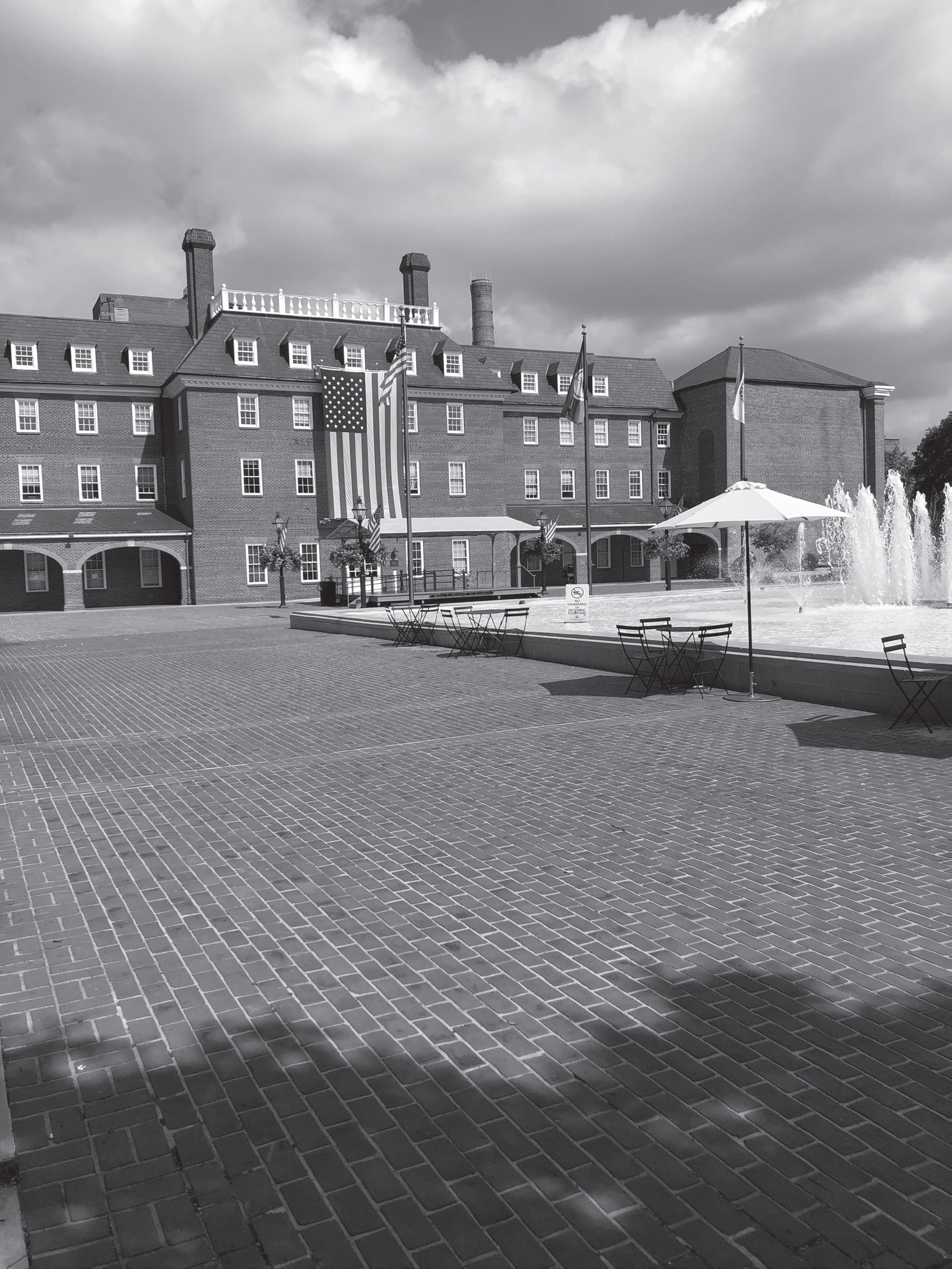
Figure 19.
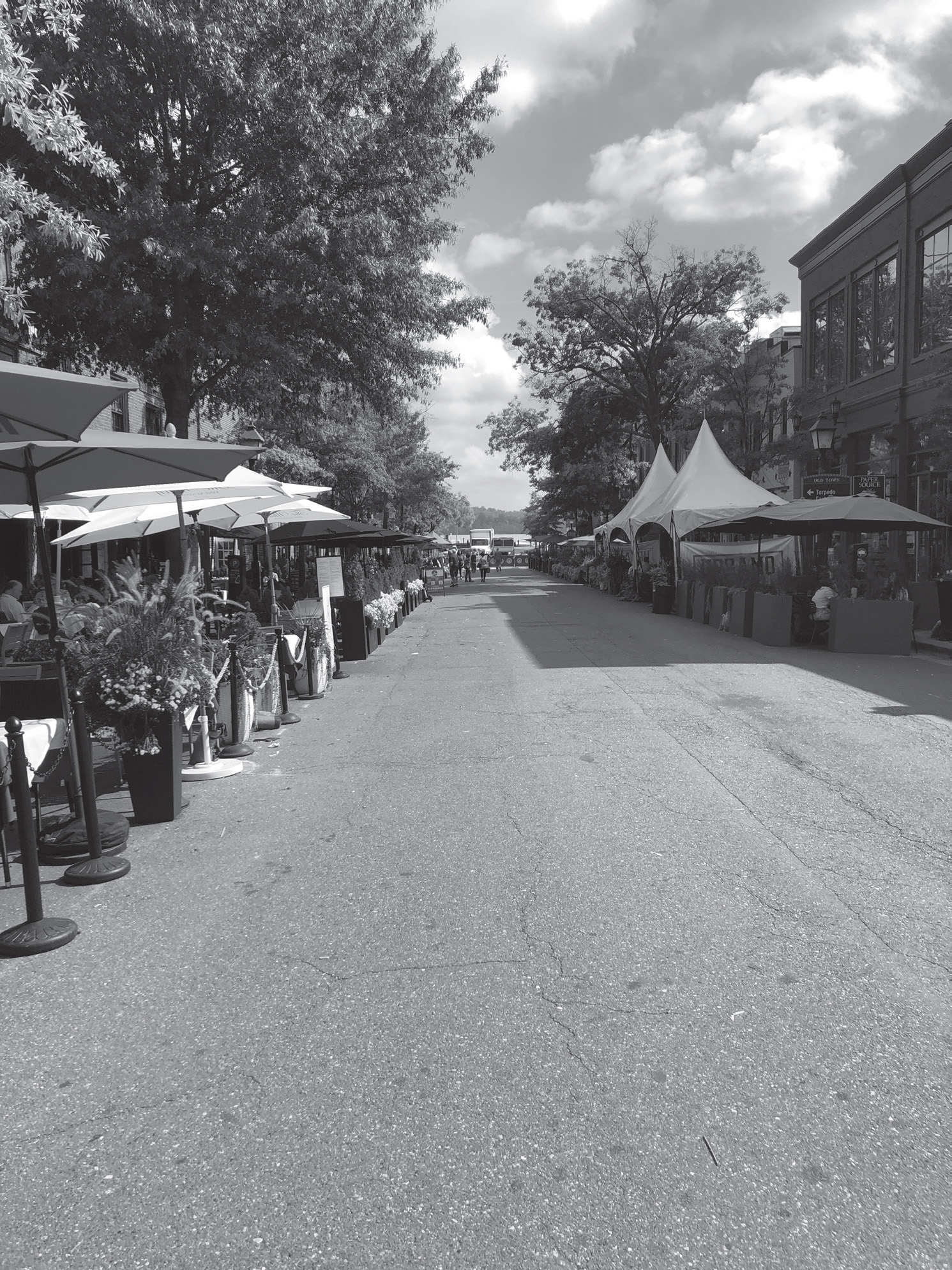
Figure 20.
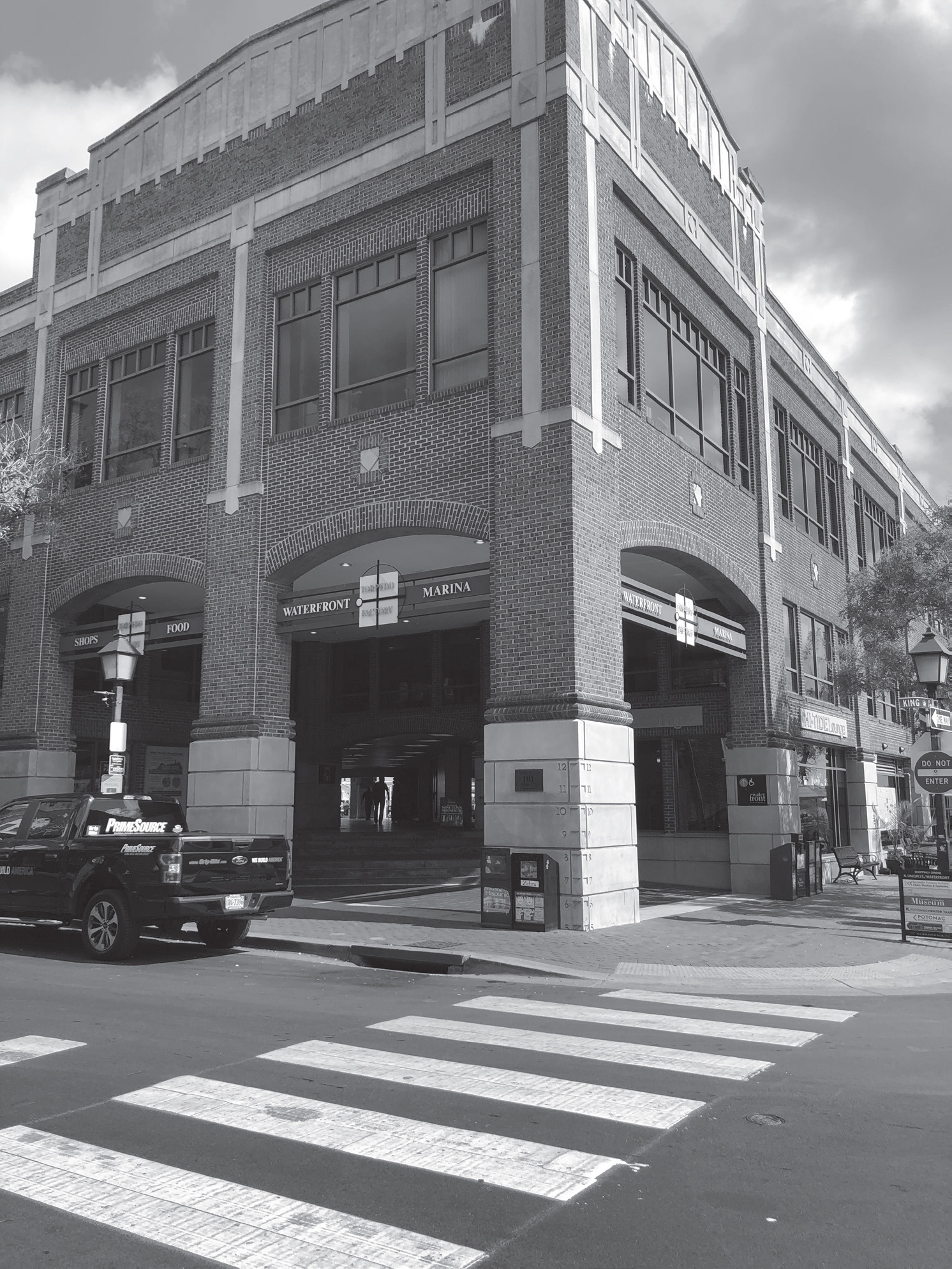
Figure 21.
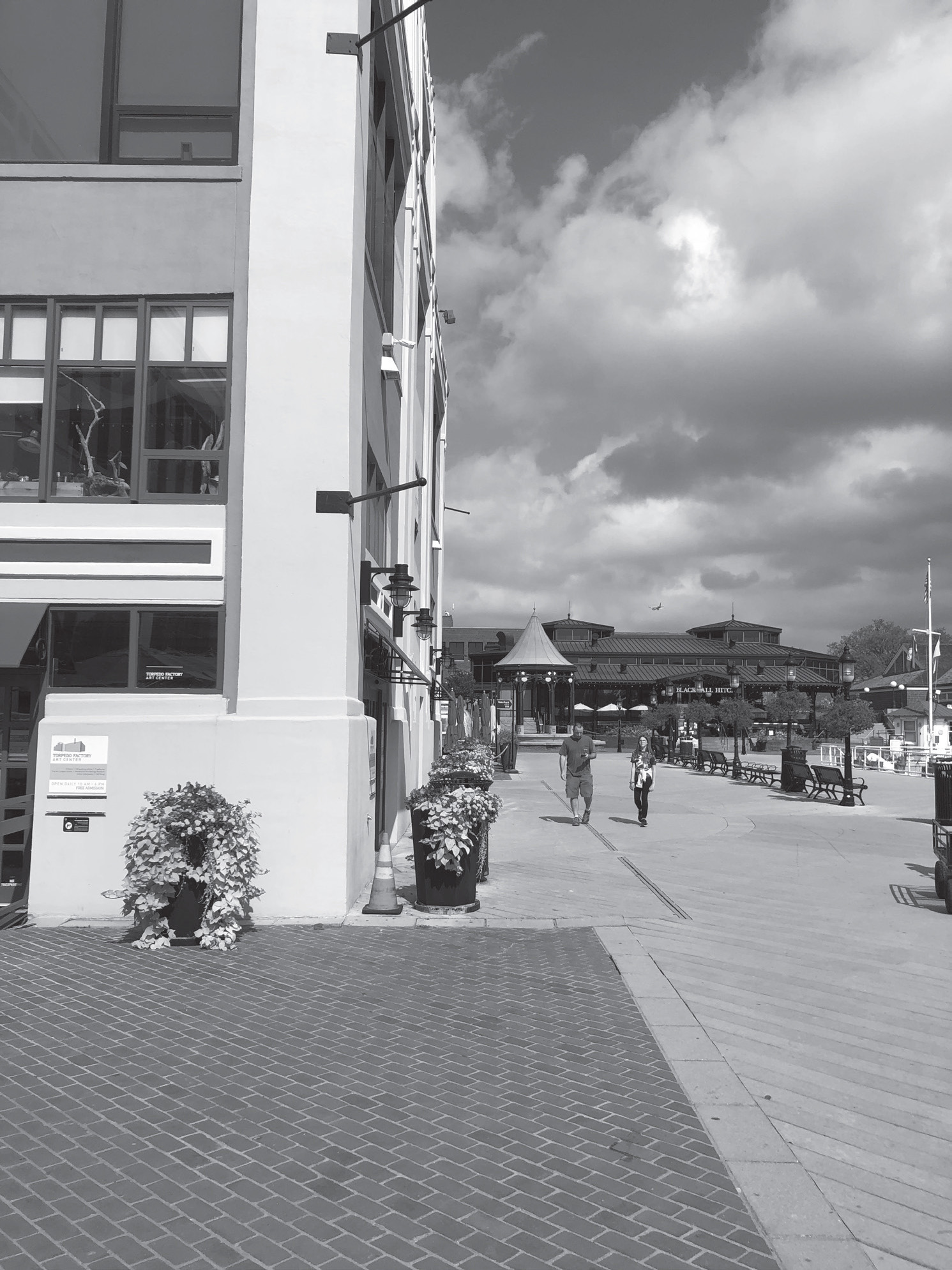
Figure 22.
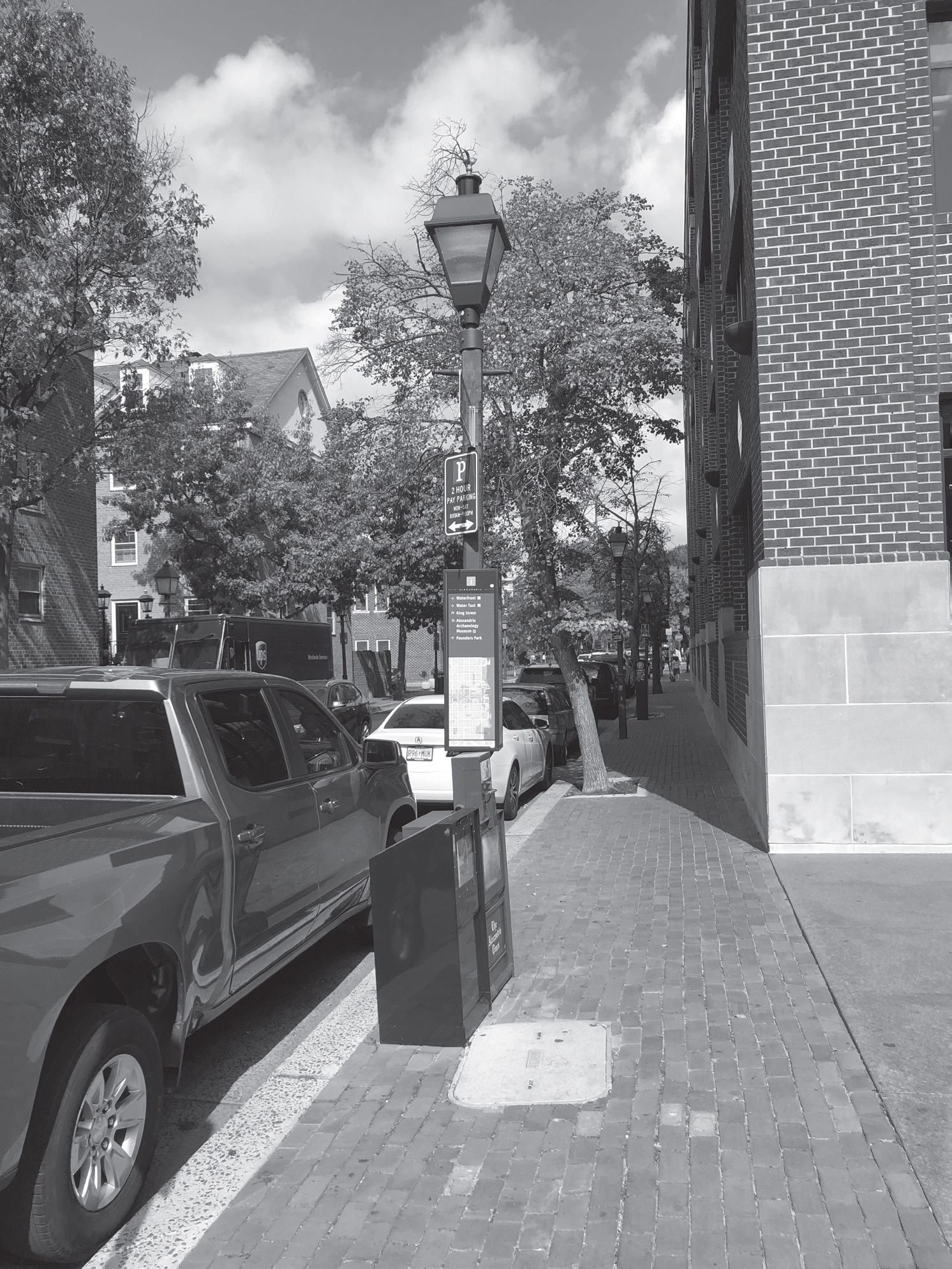
Figure 23.
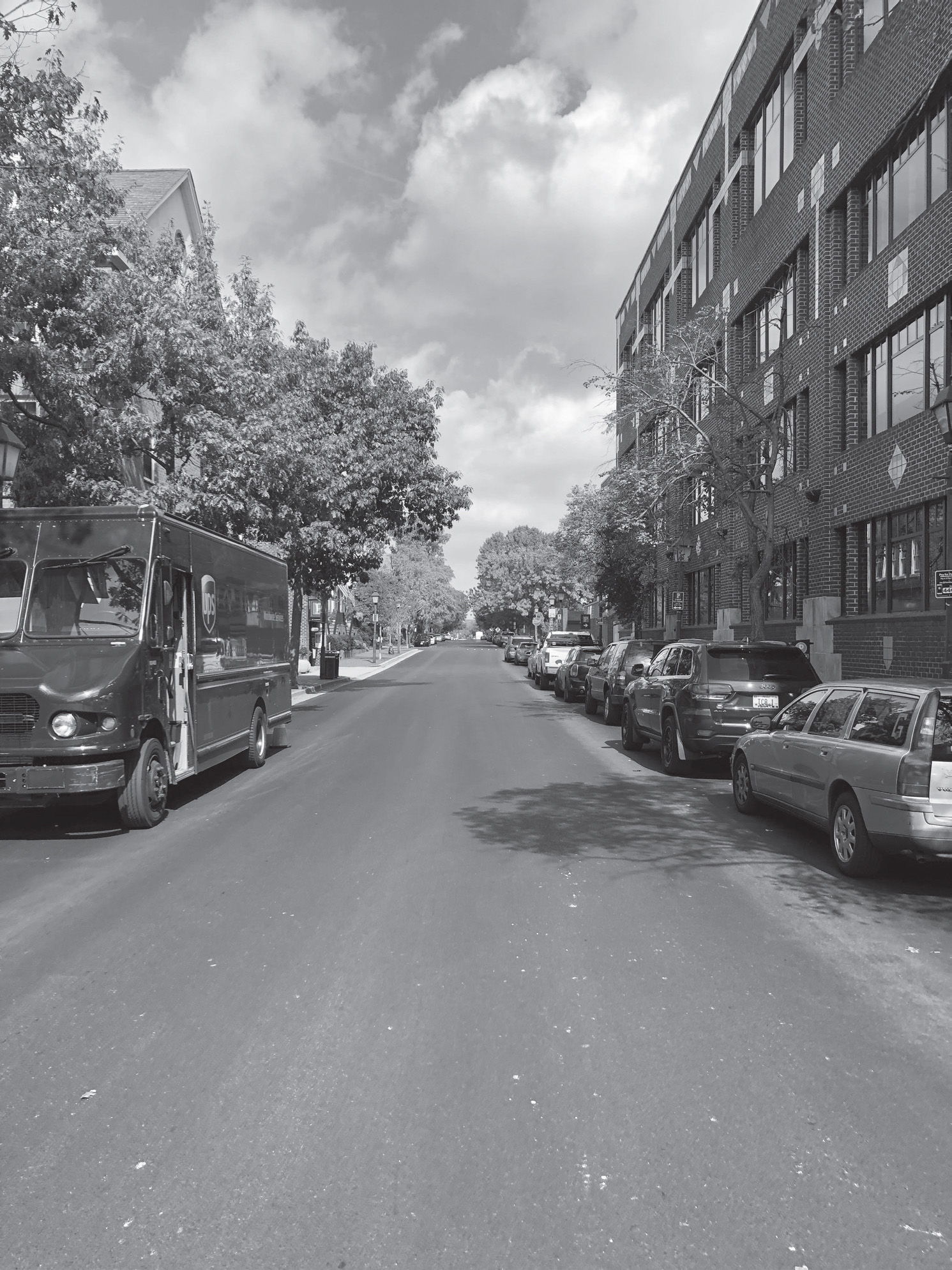
Figure 24.
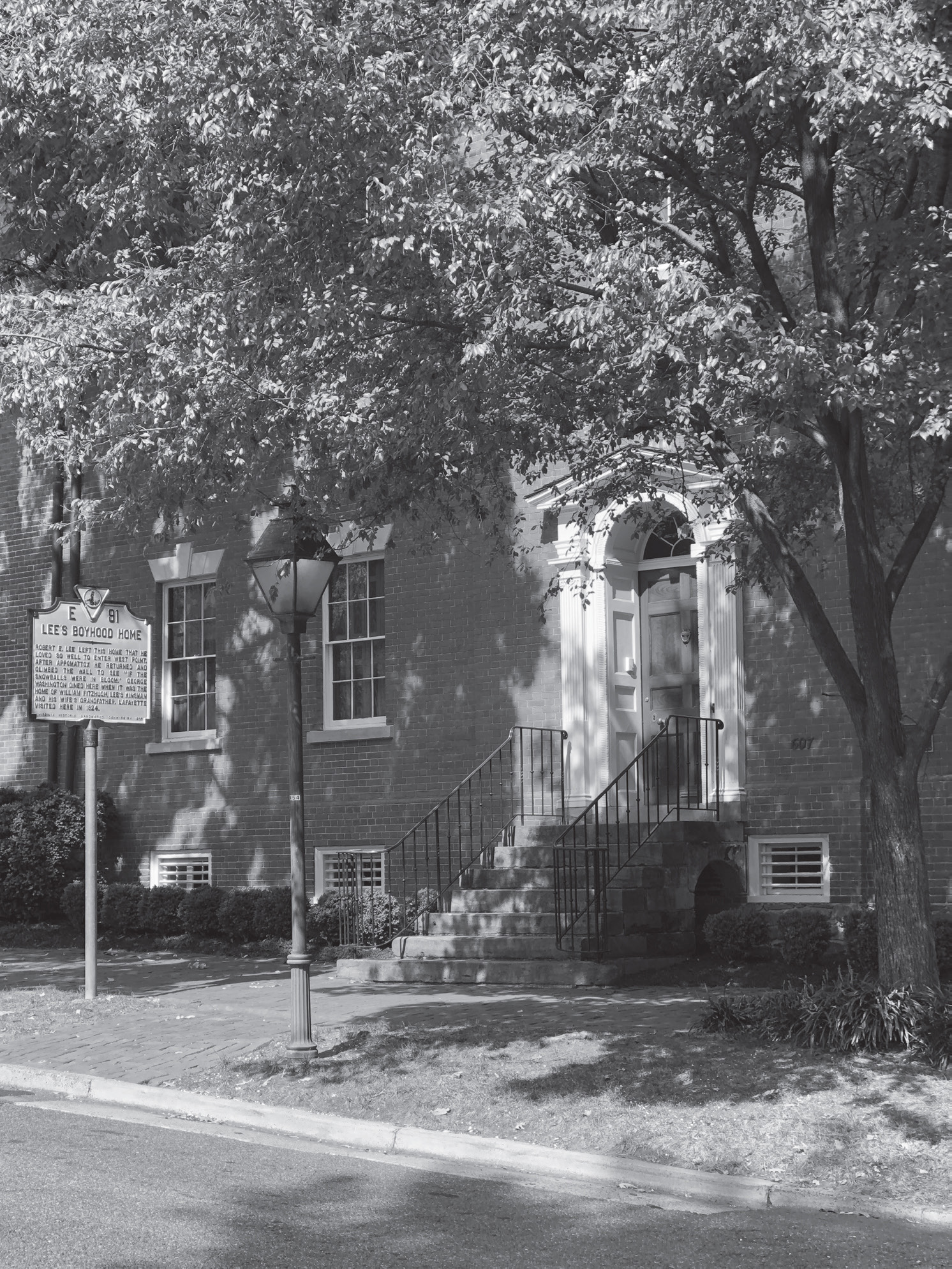
Figure 25.
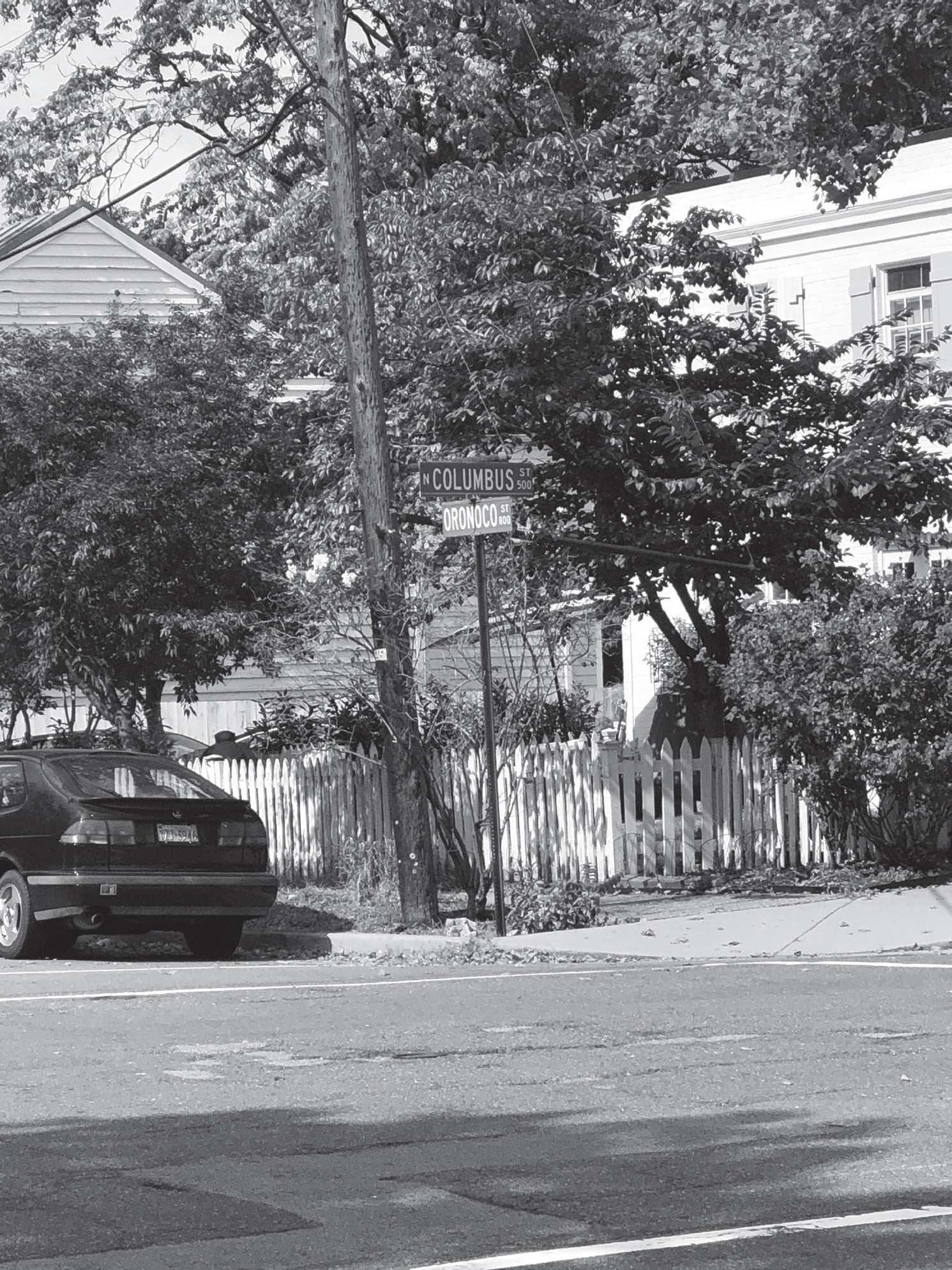
Figure 26.
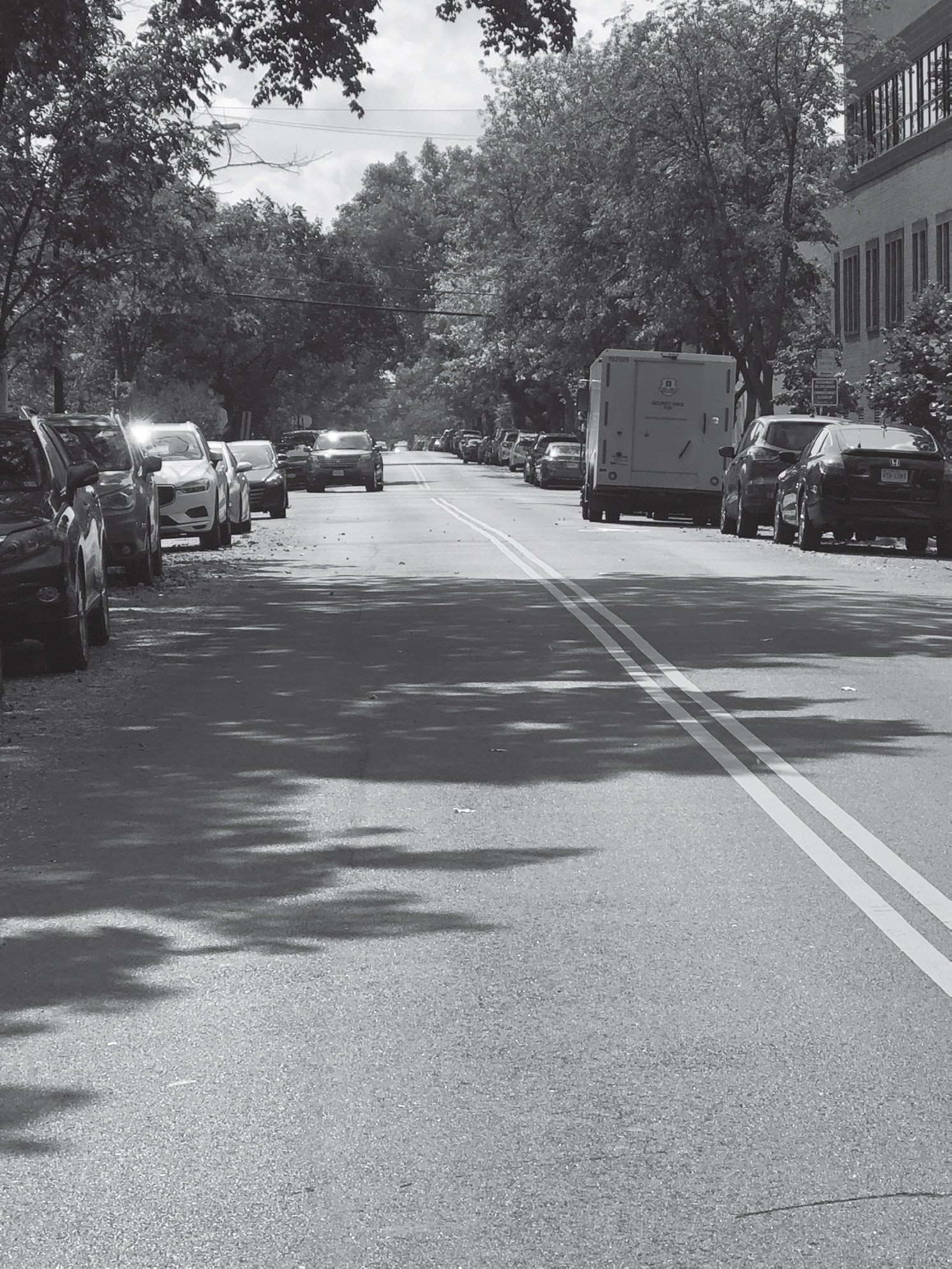
Figure 27.
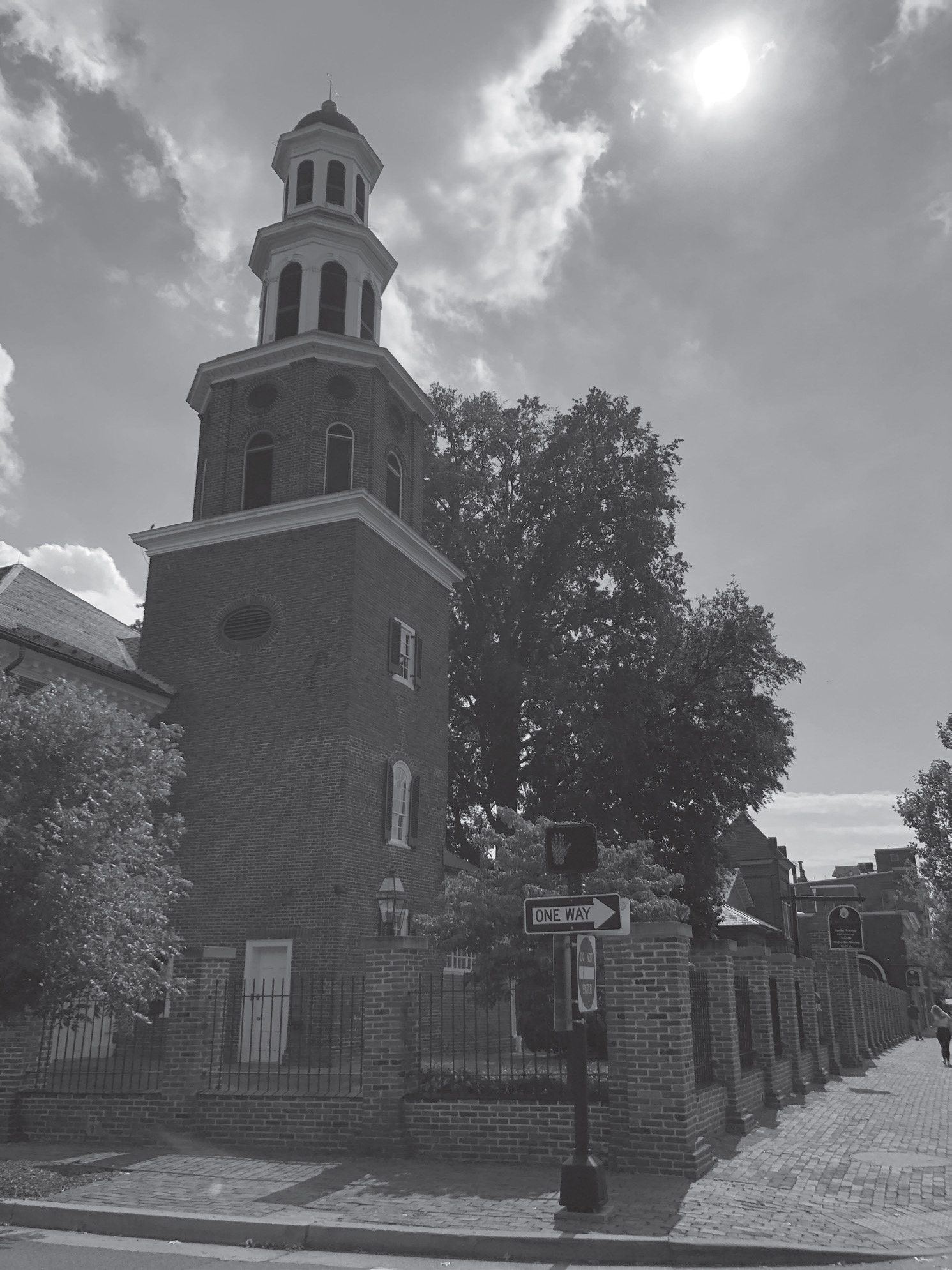
Figure 28.
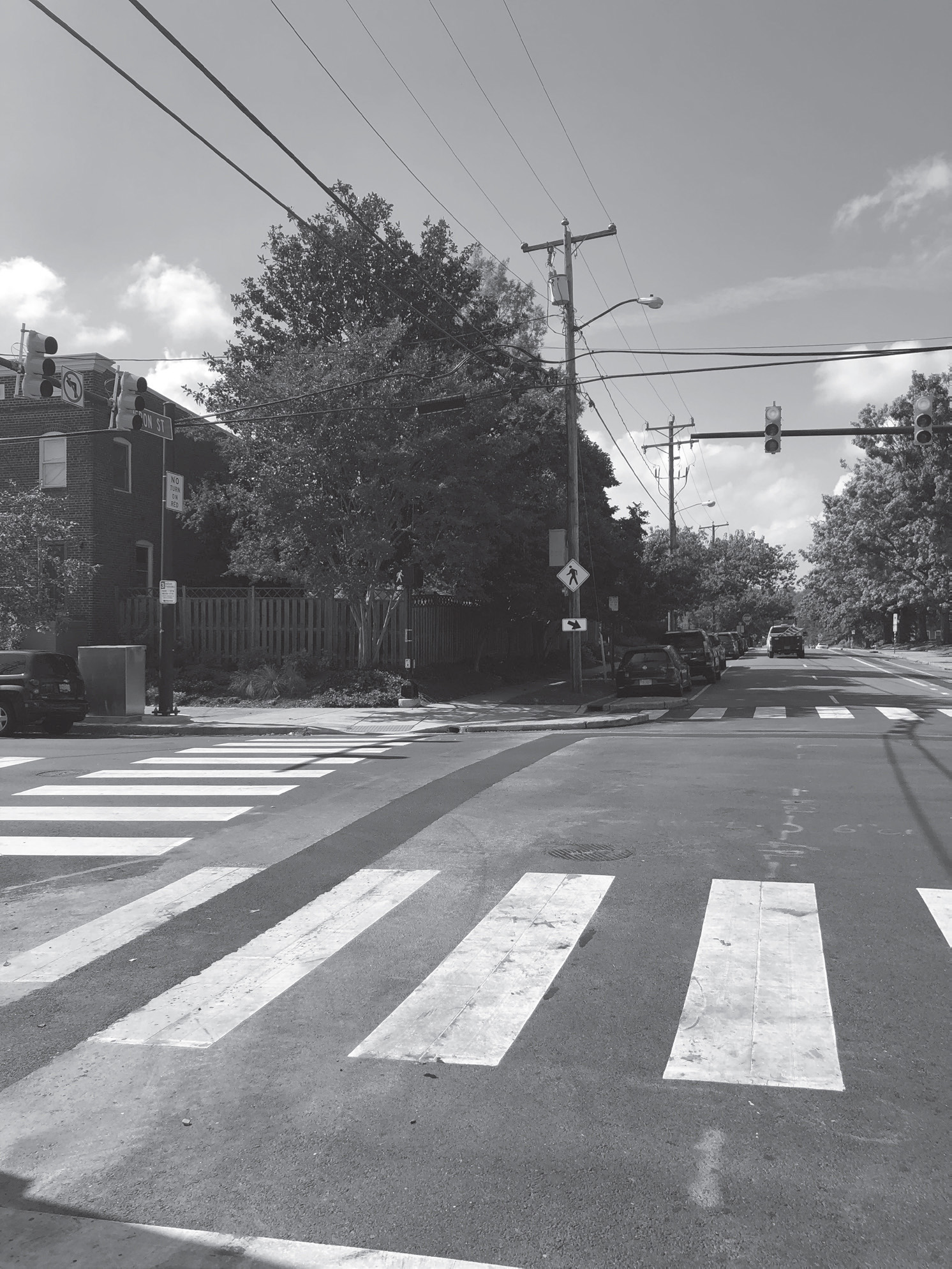
Figure 29.
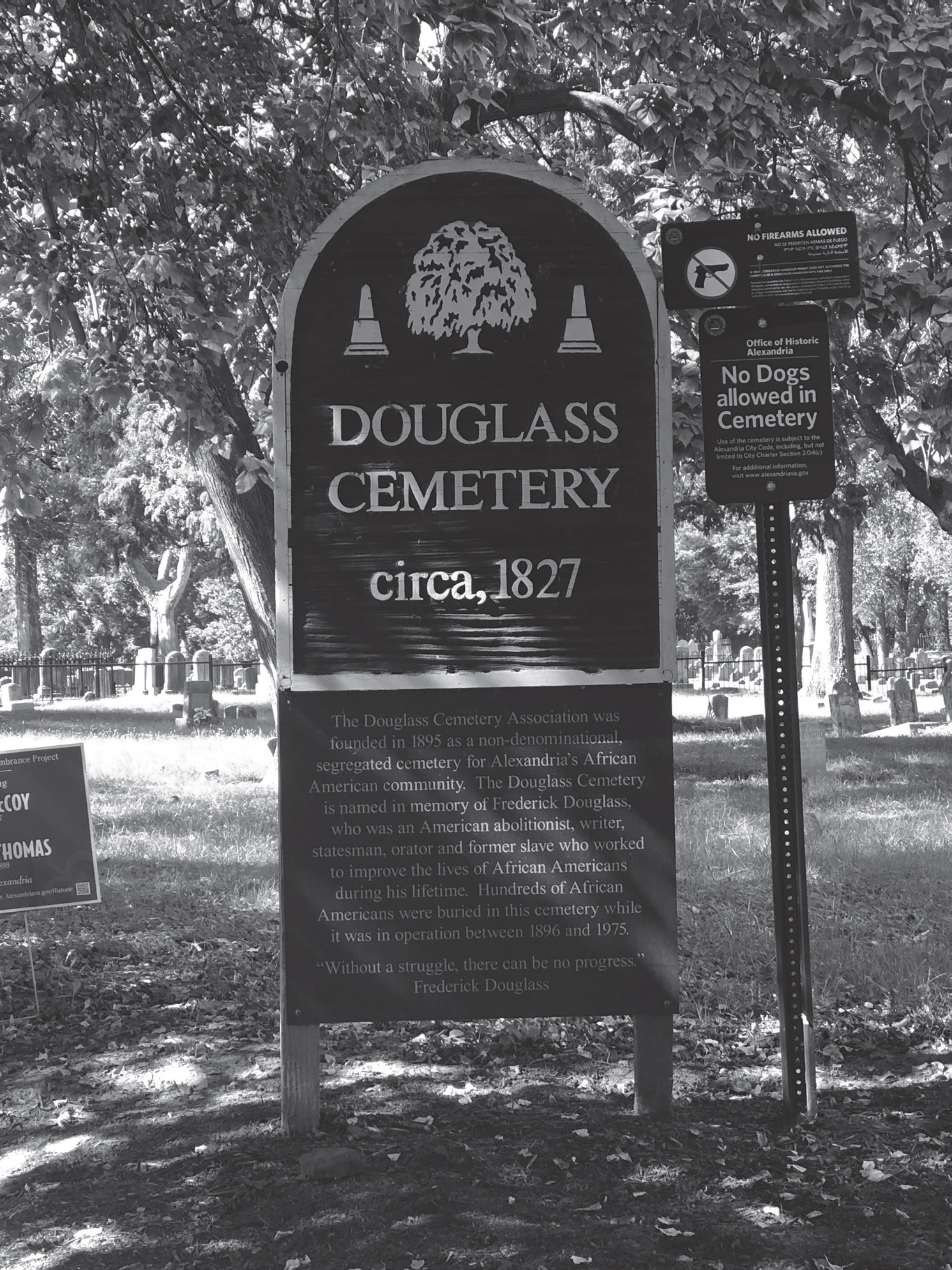
Figure 30.
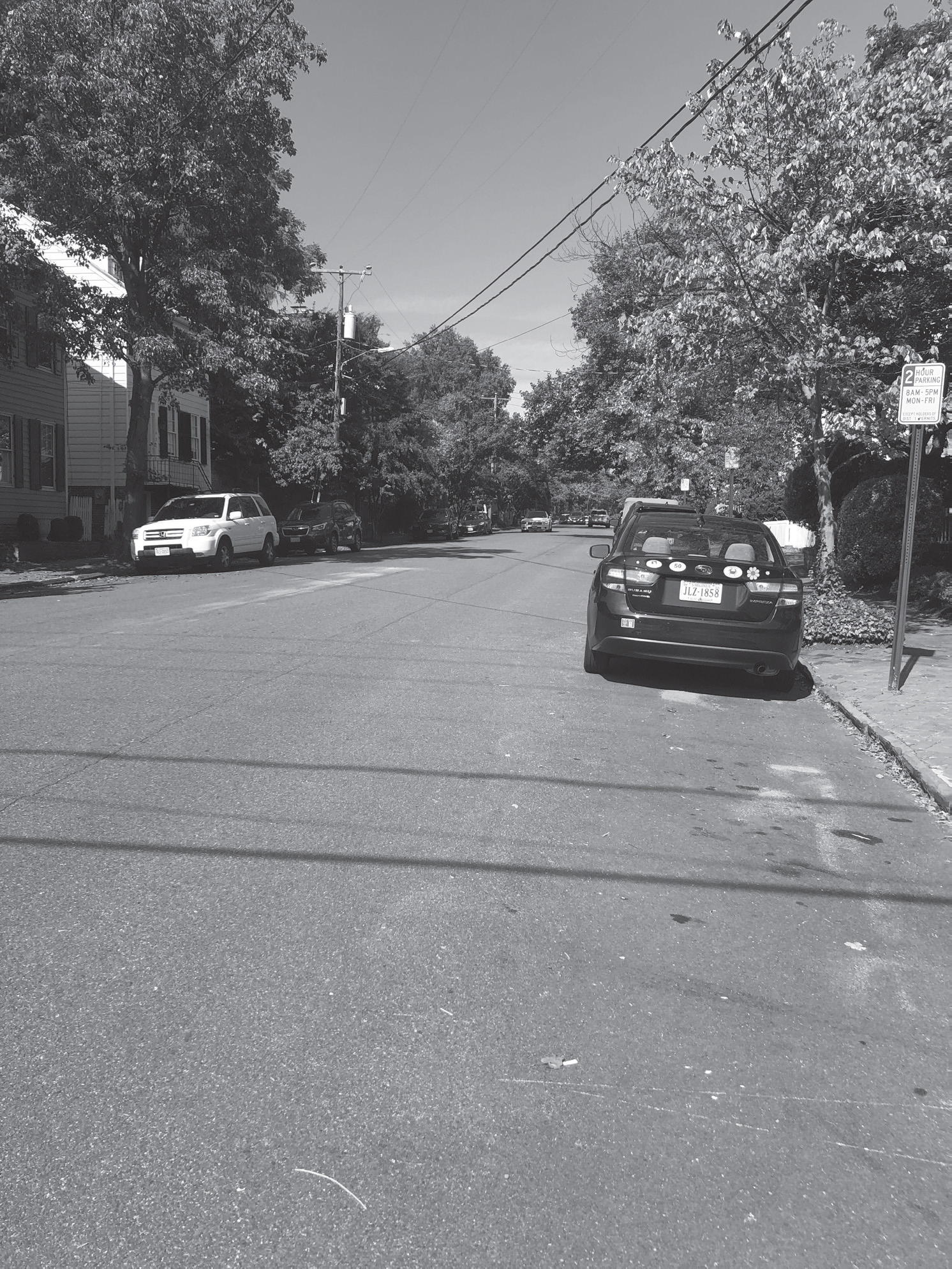
Figure 31.
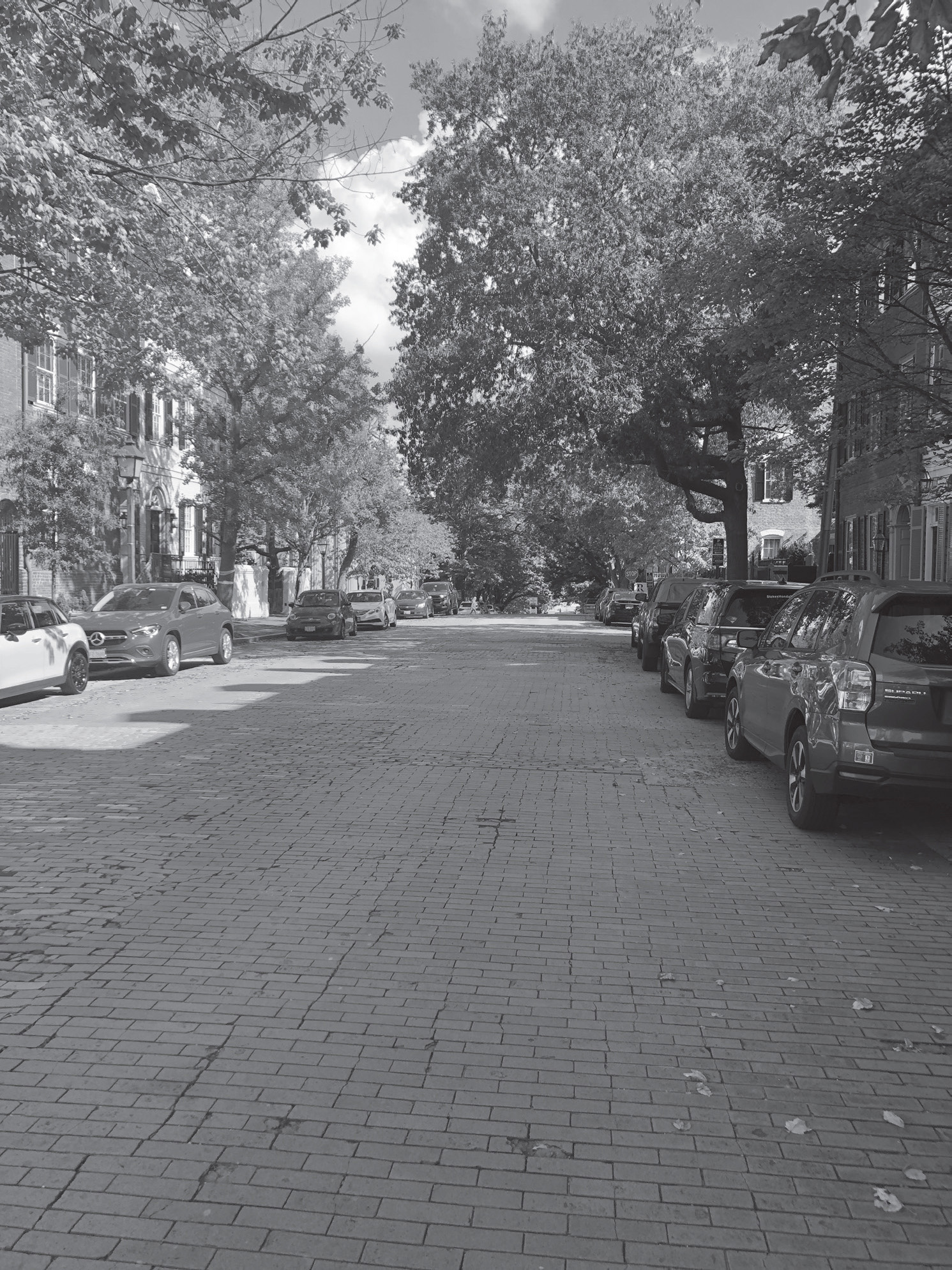
Figure 32.
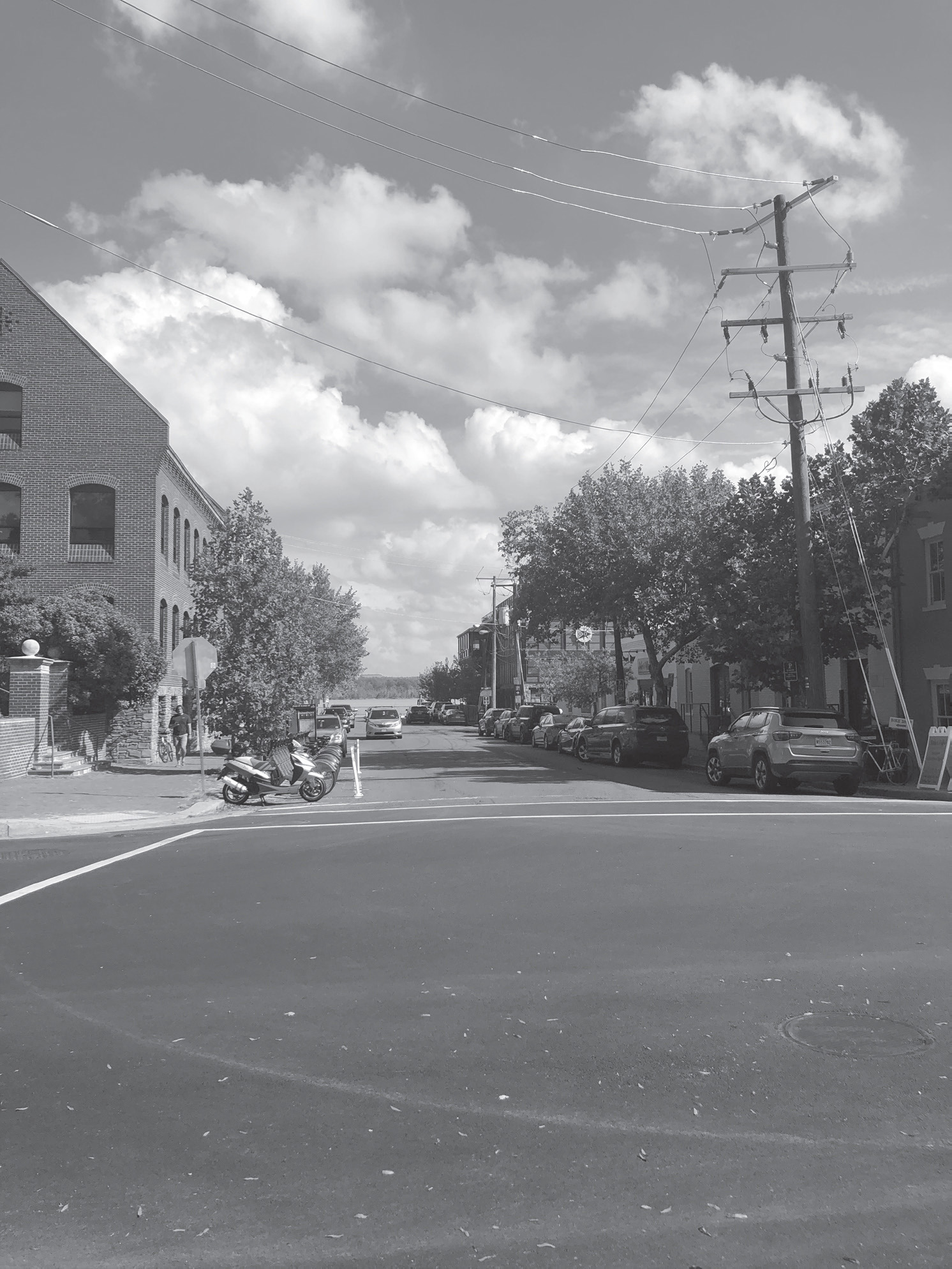
Figure 33.
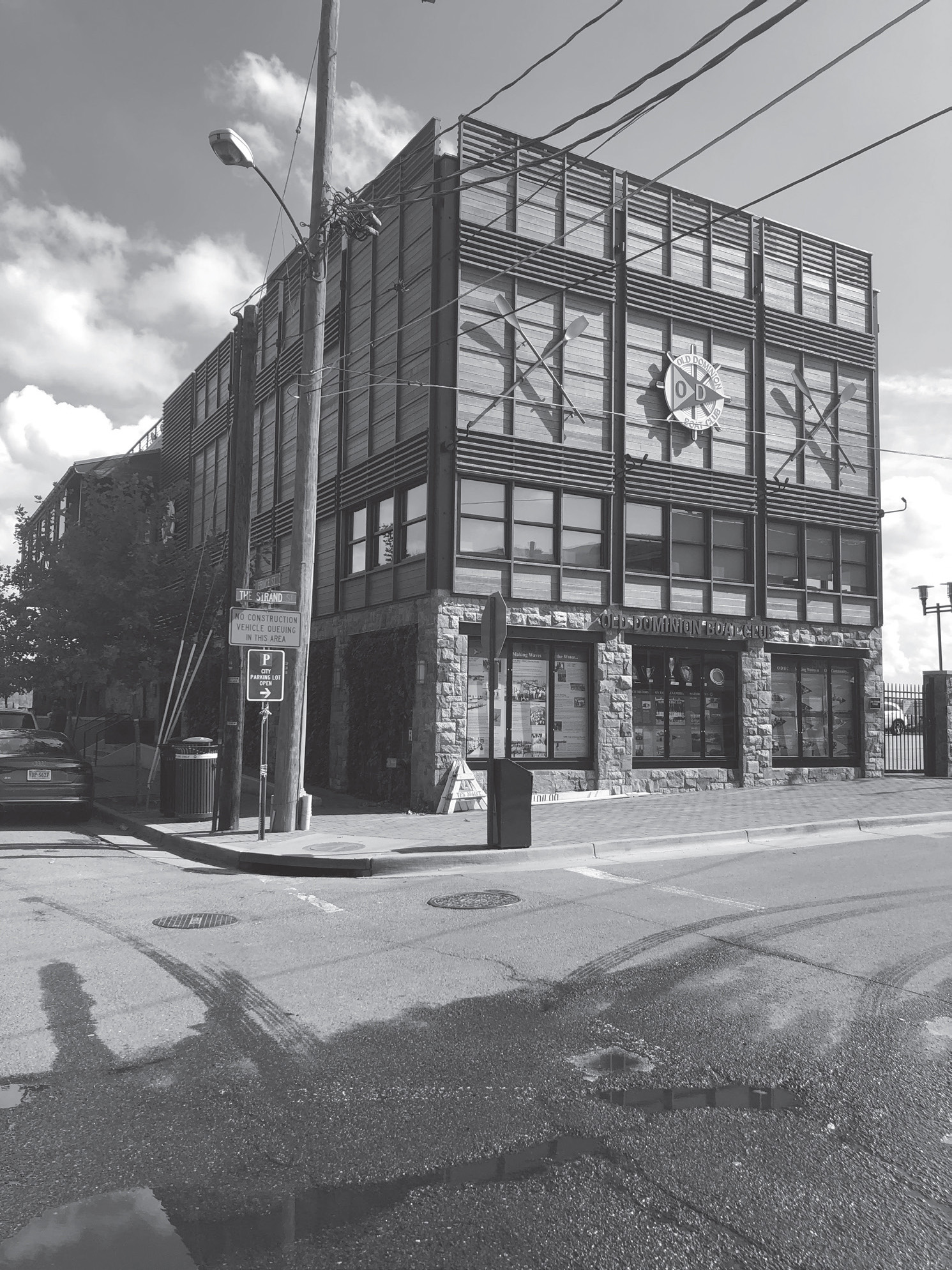
Figure 34.
About the Author
JOHN KIRIAKOU IS A FORMER CIA counterterrorism officer, former senior investigator for the Senate Foreign Relations Committee, and former counterterrorism consultant for ABC News. He was responsible for the capture in Pakistan in 2002 of Abu Zubaydah, then believed to be the third-ranking official in al-Qaeda. In 2007, Kiriakou blew the whistle on the CIA’s torture program, telling ABC News that the CIA tortured prisoners, that torture was official US government policy, and that the policy had been approved by then-President George W. Bush. In 2012, Kiriakou was honored with the Joe A. Callaway Award for Civic Courage, an award given to individuals who “advance truth and justice despite the personal risk it creates,” and by the inclusion of his portrait in artist Robert Shetterly’s series, Americans Who Tell the Truth, which features notable truth-tellers throughout American history. Kiriakou won the PEN Center USA’s prestigious First Amendment Award in 2015, the first Blueprint International Whistleblowing Prize for Bravery and Integrity in the Public Interest in 2016, and the Sam Adams Award for Integrity in Intelligence, also in 2016. A second portrait, by the noted Chinese artist Ai Weiwei, is in the permanent collection of the Smithsonian Institution.
Kiriakou is the author of multiple books on intelligence and the CIA. He lives with his family in Northern Virginia.