13
Well could he hunt the dim wild deer
And ride a-hawking by river,
With grey goshawk on hand;
Therewith he was a good archer,
At wrestling was there none his peer
Where any ram did stand.
Geoffrey Chaucer, ‘The Tale of Sir Thopas’, The Canterbury Tales, 1387.
The Crusaders won through at the Battle of Dorylaeum in June 1098 largely thanks to the genius of Bohemond, who realised that the Crusaders’ weak position – they were pinned down in a narrow pass of marshland and surrounded by Turkish troopers who continually rode by shooting arrows into the confused mass of infantry and knights – could be turned into a strength if the Crusaders used their infantry and tents to frustrate the Turks with a shield wall and a mass of guy-ropes whilst their cavalry under Godfrey of Bouillon, Raymond of Saint Gilles and the Bishop of Le Puy attacked the Turcomen of Kilij Arslan from the rear.
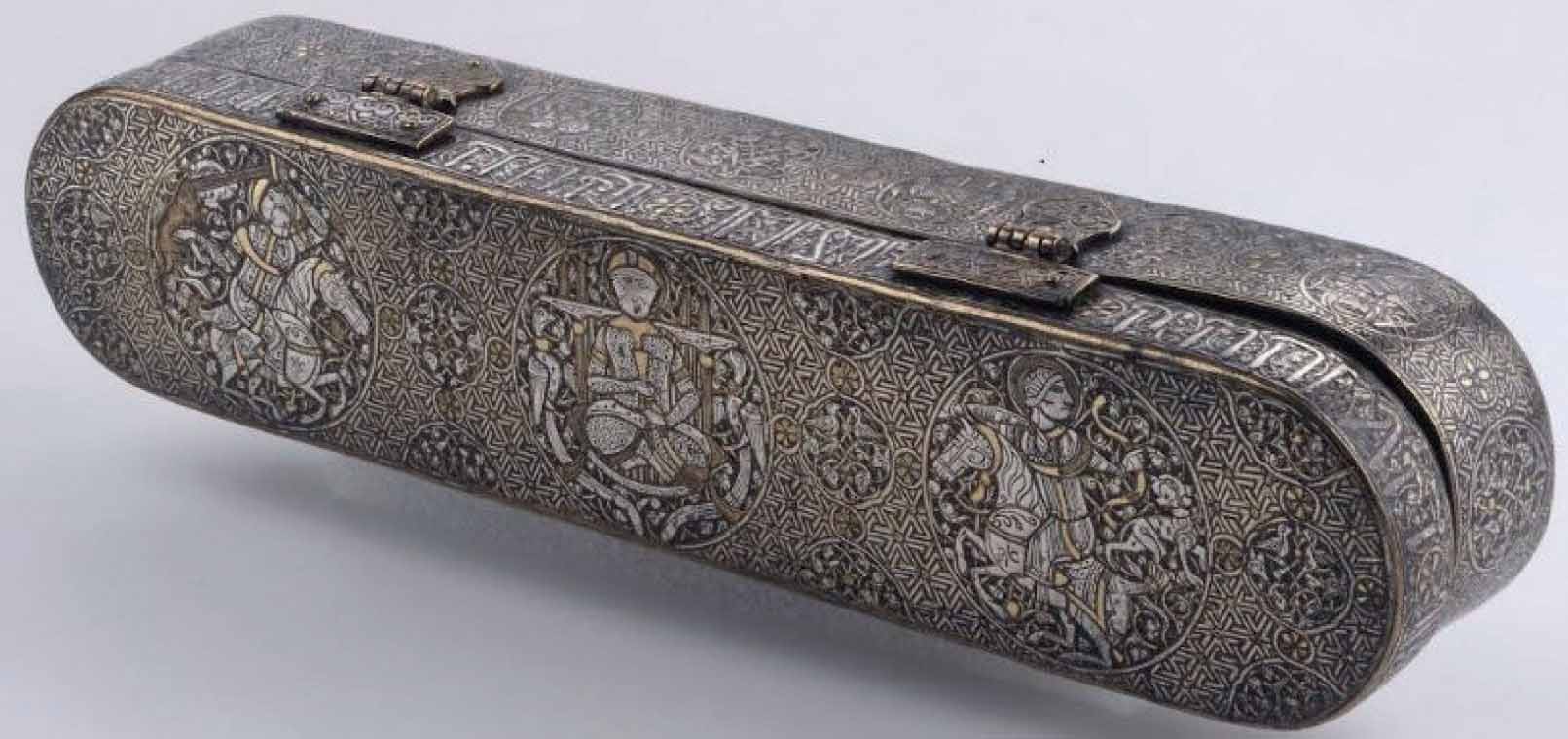
After the battle and as the Crusade headed towards Antioch Godfrey, later to be the first ruler of Crusader Jerusalem, was nearly killed by a bear whilst hunting near Antioch. The bear had pinned him as Godfrey had driven his sword clean through the flesh of its chest and it delivered a near-mortal blow to his leg. Muslim Turkish treatises and artworks of the period make it clear how a knight and a faris shared the same passions; hunting, hawking and riding.
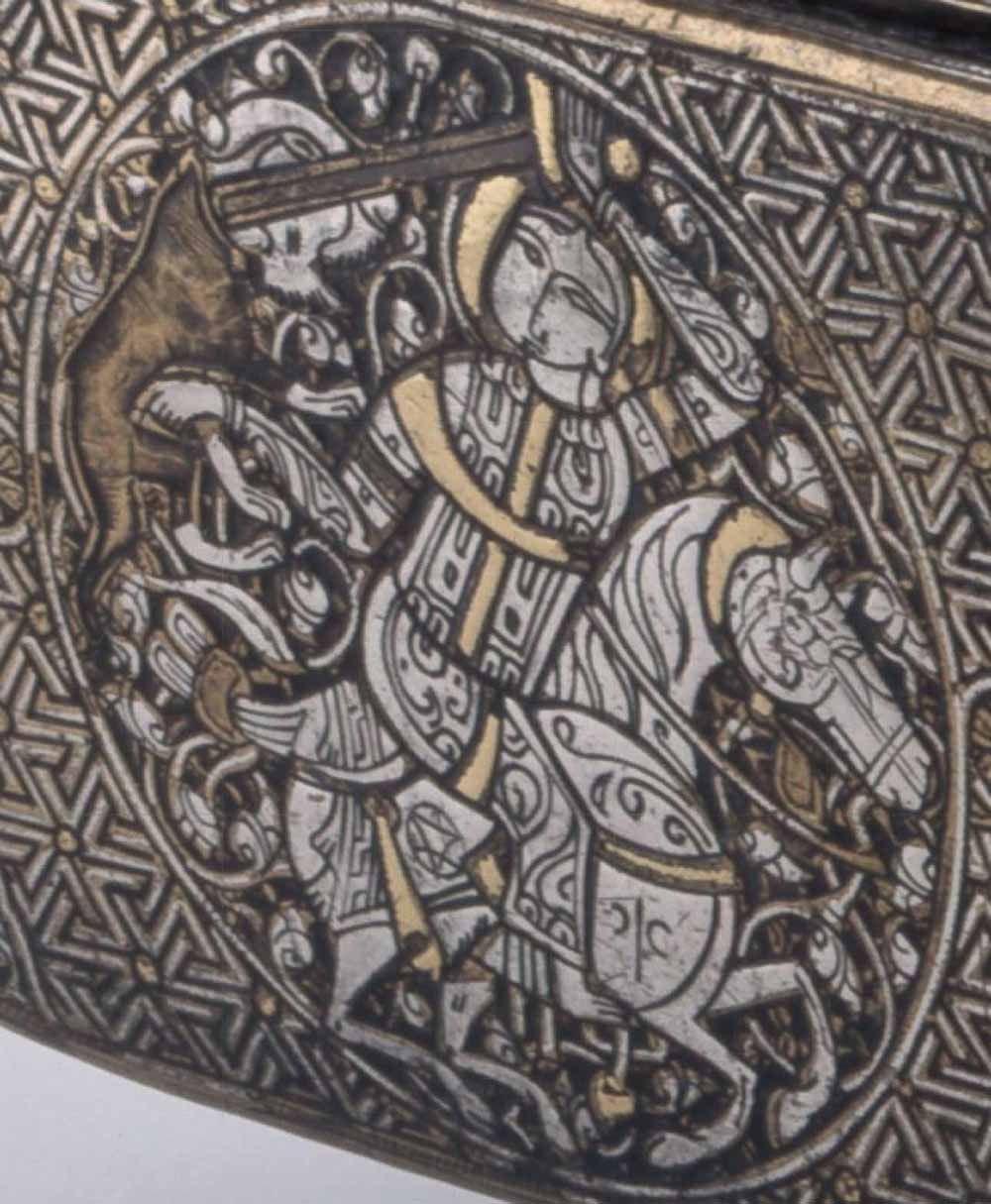
The ‘defenders’ of the Holy Land and their protagonists the Crusader princes and knights have to be understood in context. As we have seen, knights in Europe were commonly seen as thuggish, predatory and violent by churchmen and peasantry in Europe. Equally, the Turks were commonly seen as oppressive, violent and loutish by the Muslim Arab population of the cities they controlled. The Syrian Arabs’ disparaging view of the Turks is illustrated by the poet al-Basri’s lines of the tenth century:
I am told: You spend too much time at home, and then I answer:
It is no longer fun to walk in the streets, for whom do I meet when looking around? Monkeys on horseback.
The ‘transformation’ of knights into Milites Sancti Petri, sanctified and committed to the cause of liberating the Holy Land just before the First Crusade, had been evolving for some time before the expeditio to Jerusalem. The later union of the ‘men of the pen’, Islam’s religious intelligentsia, and the ‘men of the sword’ lay a little further in the future but would crystallize into the jihad and the ideal of the Muslim shahid or martyr and the ghazi such as Zangi, Nur al-Din, Saladin and Baybars that would drive the Crusader Kingdom into the sea.