
31
When they entered the court of the mosque, a man leapt out of the crowd, without exciting the attention of anyone, and approaching the emir Mawdud as though to call down a blessing on him and beg alms of him, seized the belt of his riding cloak and smote him twice with his poniard below the navel. One of the blows penetrated his flank and the other his thigh. As the Assassin struck his second blow swords fell upon him on every side and he was struck with every kind of weapon. His head was cut off that it might be known who it was but he could not be recognised, so a fire was kindled for him and he was thrown upon it.
Ibn Al-Qalanasi, a contemporary chronicler of the Crusades period and citizen of Damascus.
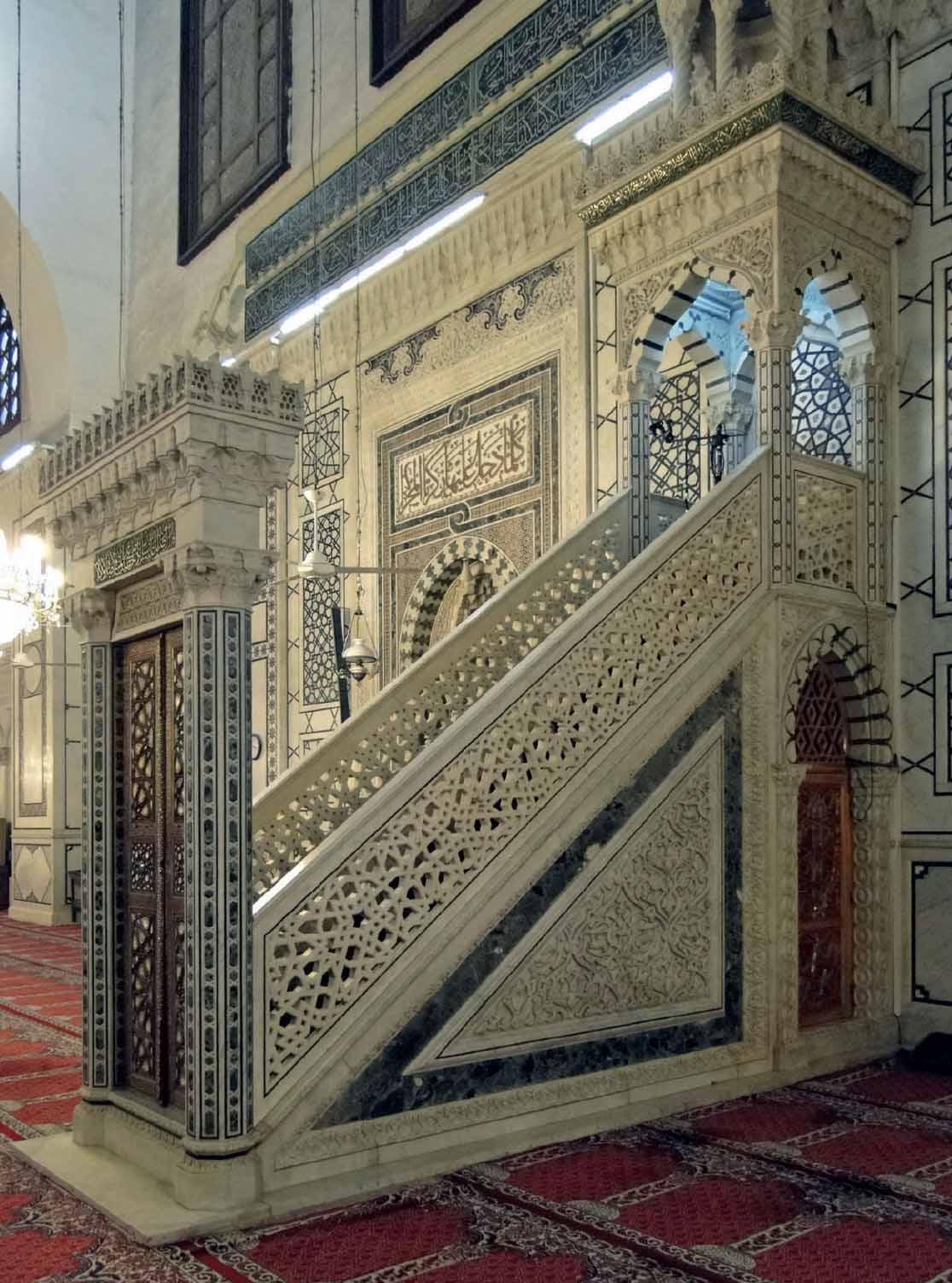
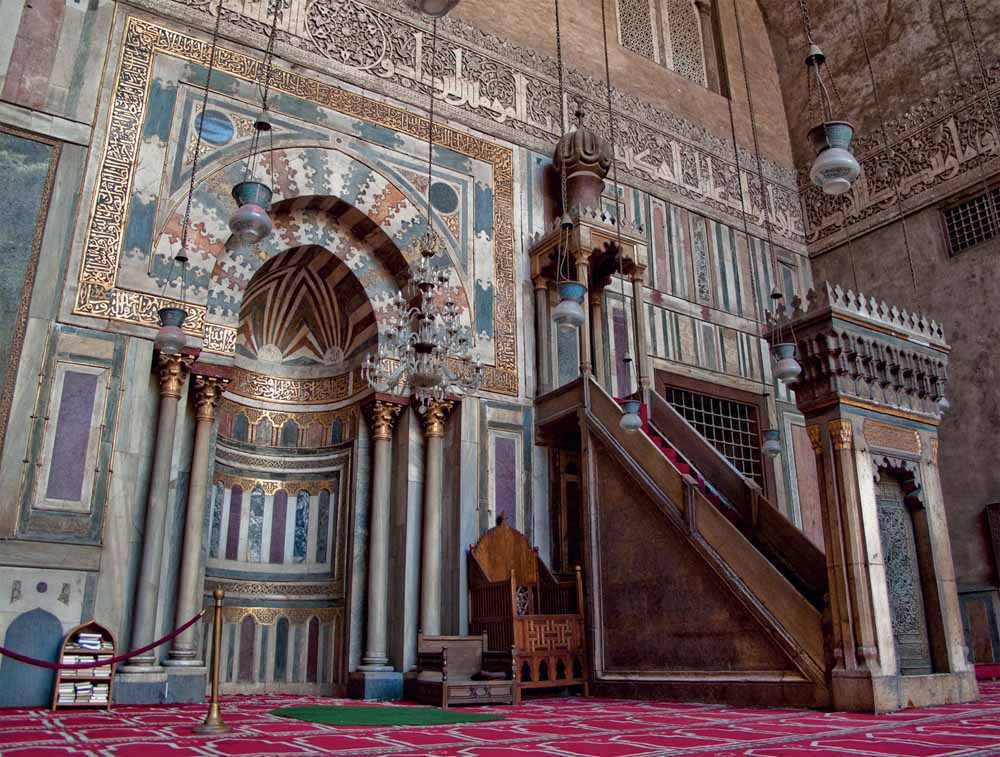
The minbar, or pulpit, directly indicated the sultan’s legitimacy as the defender of the faith, and the khutba or Friday sermon that commonly acted as a hagiography of the sultan was given from it. In Baghdad in 1111 there were disturbances of the Friday prayers by Syrian refugees in Baghdad that included dragging the imam from the minbar in the main mosque and then smashing it to pieces. This was a powerful form of political protest and may have acted as a catalyst for the first expedition to the Levant sponsored by Sultan Muhammad in 1111. Muhammad was also able to act as the wars over possession of Baghdad finally burnt themselves out with the death of Sultan Berkyaruq and the absence of any further challengers to his reign.
This said, another powerful motivation for the sultan to commit forces to Palestine and Syria was to bring Damascus and Aleppo back into the Saljuq Empire’s embrace. Both cities were reluctant, however, to rejoin the family firm, and Prince Ridwan closed the gates of Aleppo to Mawdud, the new governor of Mosul and Muhammad’s general. The sultan’s army then devastated the countryside surrounding Aleppo to a far greater extent than the Crusaders had ever done. Nothing else was achieved and Joscelin of Tel-Bashir was even able to bribe off some of the senior emirs to speed along the falling apart of the whole venture.
Mawdud returned in 1113 with orders to bring all the emirs of Syria together to launch an assault on the Franj, but the order deliberately excluded Aleppo from this union of Muslims. Mawdud established himself in Damascus, which was under the rule of Tughtigin, who was acting as atabeg, or guardian to a Saljuq prince in his minority.
Mawdud fell to the daggers of the Ismaili Assassins as he was leaving the great mosque of Damascus, and the sultan’s ambitions once again disintegrated. The murder was almost certainly sponsored by Ridwan of Aleppo, but Tughtigin’s complicity cannot be ruled out. He lacked a caliphal diploma to rule Damascus and would have feared the possibility of Mawdud removing him under the sultan’s authority.
Up to this point the expedition had been reasonably successful. Near Tiberias it had met and defeated King Baldwin and Roger of Antioch, through a series of charges across the bridge of al-Sinnabrah. After the battle the forces of Damascus did not march on with Mawdud to attempt the capture of any towns, and instead headed to the environs of Jerusalem and Jaffa to plunder. The lord of Damascus helped Mawdud rein in the Franks, but he would do no more, for fear of Baghdad’s man gaining a foothold in Syria. This would be the pattern of the early Muslim riposte to the Crusaders – every success was hobbled by a lack of unity and vested interests that denied the victors any chance to land a really significant blow.