
38
Who hath taken this counsel against Tyre, that was formerly crowned, whose merchants were princes, and her traders the nobles of the earth?
Isaiah 23:8
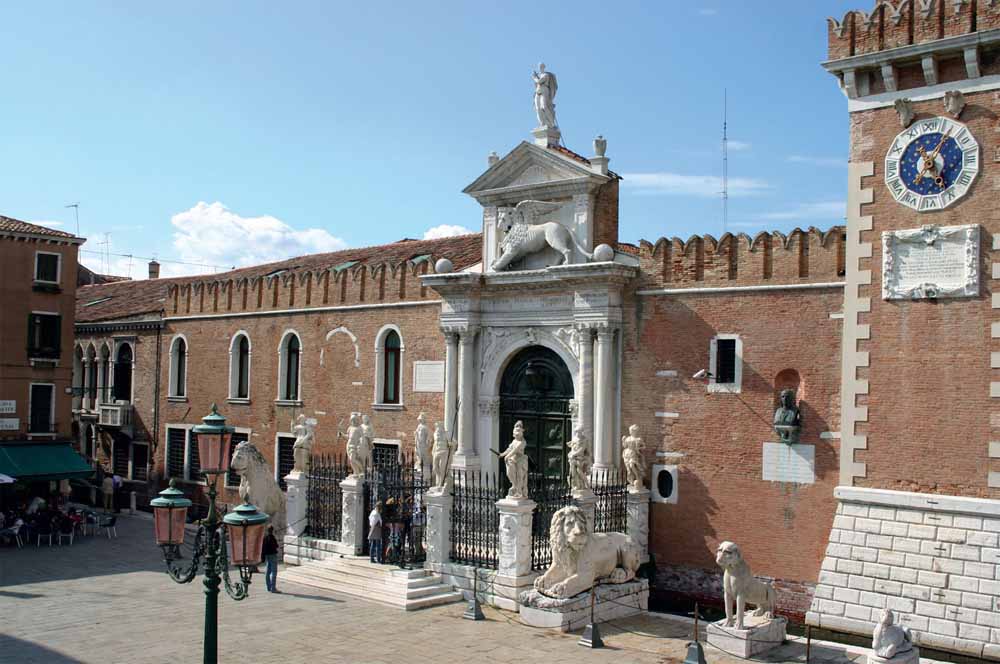
The disaster at Ager Sanguinis forced Baldwin to call upon the Venetians for help. In return they were offered trade privileges throughout the kingdom, but before the promised reinforcements could arrive Baldwin had been captured by Balak. Despite this, the Venetians sailed to Tyre where their fleet of 100 warships began a blockade to match a landward siege of the city by the Franks in February 1124.
The city surrendered on terms on 7 July 1124 and the Venetian fleet was the key to its fall. Tyre was virtually an island and could only be approached on a narrow causeway; it was also surrounded by three strong concentric walls. Troops from Damascus defended the causeway but there was little they could do to stop the bombardment of the city from the Venetian ships. The garrison fought bravely and used hooks to turn over Crusader battering rams, but with the failure of the Fatimid fleet to break the Venetian blockade, and the death of Balak, resistance was seen as futile and the Damascene troops were allowed to depart for their own city as part of the surrender agreement.
The Venetians took a third of the city as their share. By 1131, Pisa had also established its own little colony. The martial capability of the Italian maritime republics in the twelfth century is very clear, but what also see in this period is their material influence on the process that was already taking place in Europe of the romanticizing of Crusading and of the ‘East’. The troubadours and returning knights from the First Crusade were elemental to the creation of ‘chivalry’ and the propagation of myths of comely oriental virgins and houris, and assassins lurking in the shadows and using magic to achieve their kills, but it was the products of the East that now began to enter Europe via the Syrian Crusader ports in large amounts that really cemented the reputation of the mystical lands of the Levant and beyond. Compared to the merchandise available in the West, the imported products of Islam were fine beyond all measure and this is reflected in the number of Persian words that made their way into European languages along with these goods of desire – jasmine, crimson, taffeta, musk, candy, saffron and the ultimate extravagance, pyjamas. The shipyards of Venice, Pisa and Genoa produced the galleys that made the taking of the coast possible, and the same yards produced merchantmen at an astonishing rate in order to bring luxuries, staples, and myths to the West.
