57
Do you threaten a duck with the river? Prepare means for disaster and don a garment against catastrophe; for I will defeat you from within your own ranks and take vengeance against you at your own place, and you will be as one who encompasses his own destruction …
The Syrian Grand Master, Sinan, mocking Saladin’s threats against the Assassin fidai, a cult dedicated to a love of sacrificial death.
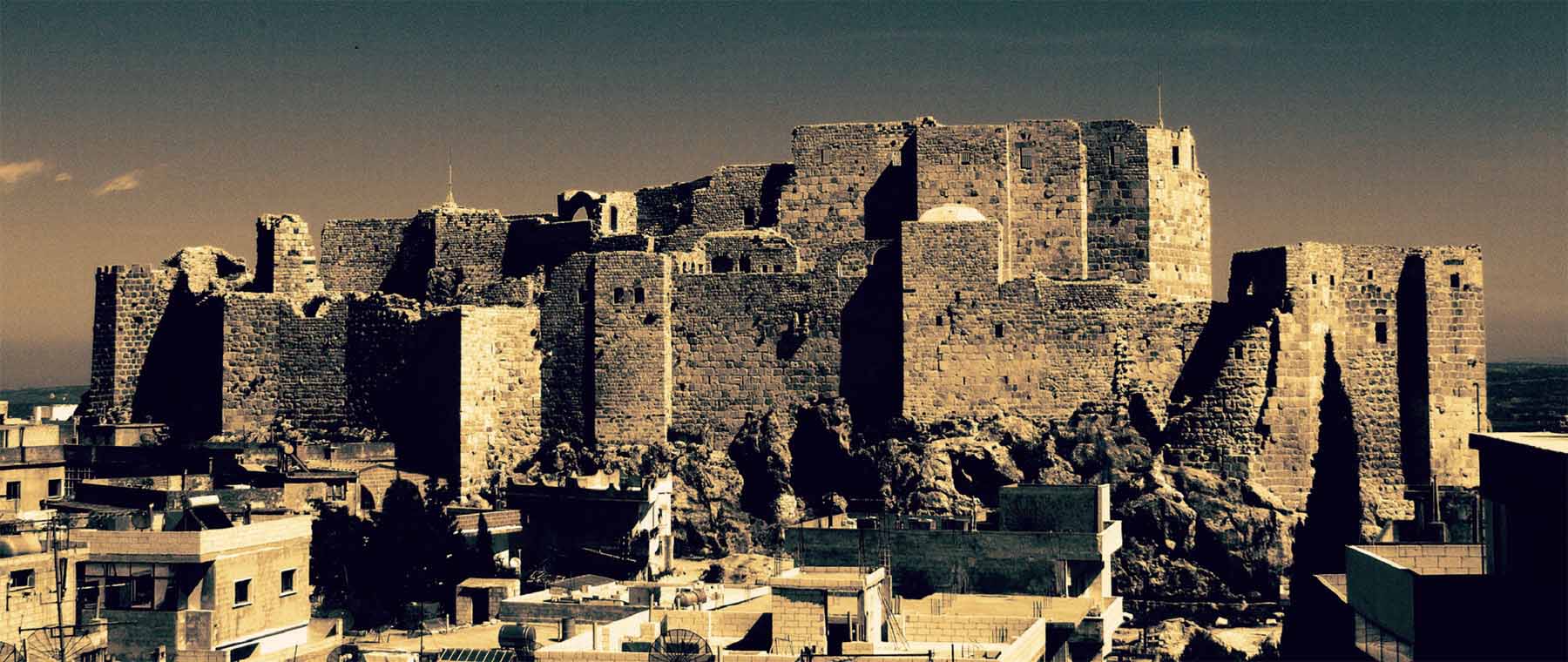
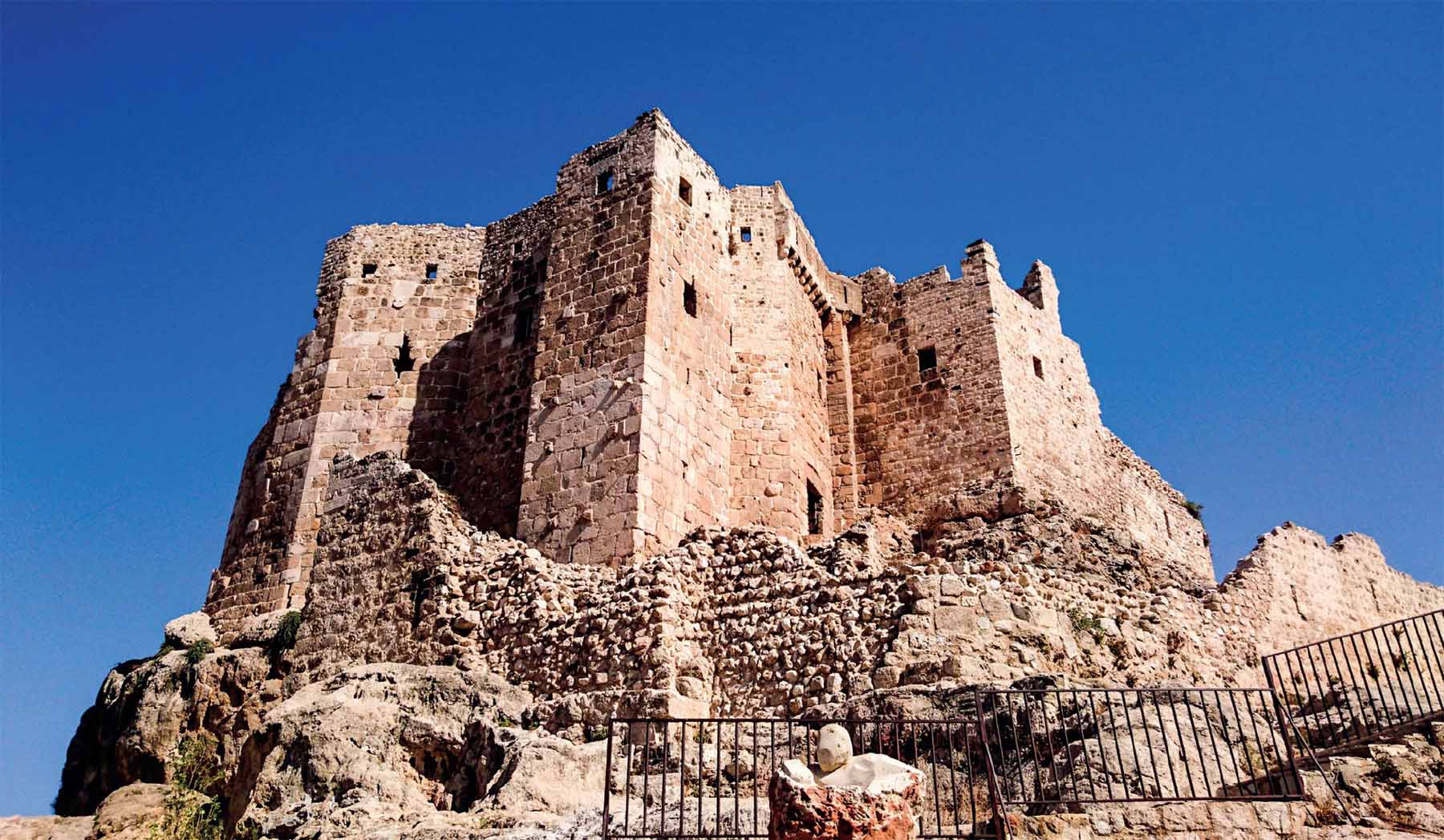
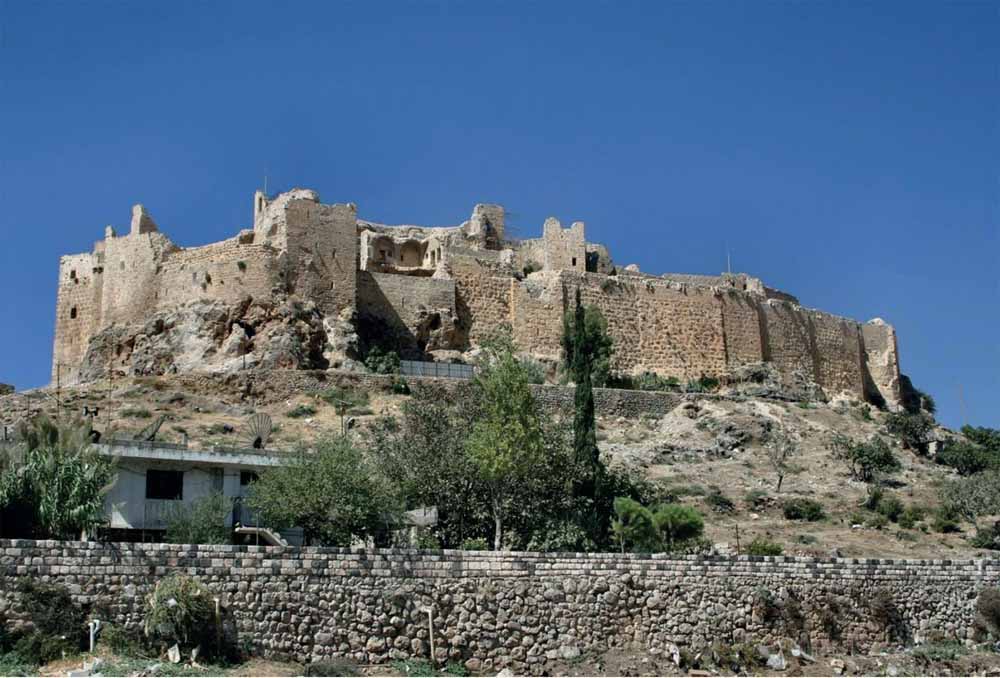
Saladin besieged the forbidding Ismaili Assassin castle of Masyaf in August 1176. He was riding through a forest with his bodyguard towards the fortress when an Assassin dropped from a tree to try once more to murder him. Fortunately for Saladin, the Assassin’s timing was off and he landed on the rump of the sultan’s horse, fell backwards to the ground, and was trampled and hacked to death by the bodyguard riding close behind. Saladin then had a tall wooden tower built, in which he would sleep at night, and was never seen without mail during the day.
Saladin then rapidly came to terms with the Assassins after threats were made against every member of the Ayyubid ruling family, and after it was made very clear to the sultan just how many of his own Mamluks were members of the creed. An agreement was struck which ensured the safety of the Assassins’ enclaves from the sultan’s army and allowed Saladin to continue with the prosecution of his campaign against Aleppo and indeed gave him the opportunity to employ Assassins for his own political ends. He almost certainly used them against the house of Zangi soon after, but his secret relationship with Sinan would bring its greatest benefit to him at the end of his reign.
Saladin indulged in some uncharacteristic adventurism by raiding in Gaza and pursuing the apparently retreating army of Baldwin IV to Ascalon. The sultan then made a plundering raid around Jaffa and Ramla. Baldwin IV, with a dogged dedication to duty and to defence that characterised his wise approach to war, followed at a distance. Then, near Ramla, at Mont Gisard, he struck at Saladin’s askari, which he knew would be the rallying point for the army once they realised that they were under attack. The Mamluks were thrown into complete confusion by the Crusaders’ charge and the panic spread. Huge casualties were taken by every part of the Muslim army, which was impeded from forming up to mount a response by baggage animals and cattle they had looted from the Franks. This plunder was all lost and Baldwin IV pursued Saladin until nightfall. The retreat to Egypt hardly went any better; it was undertaken in heavy rain and under constant attack by Bedouins. It was the heaviest loss in battle that Saladin would ever endure and he learnt much from the debacle.
The disaster of Mont Gisard also kept Saladin from taking the field in 1178 and he spent the year building up his navy and restoring his army’s strength. He started a trend that would continue through the later Ayyubids, of an increasing reliance on Mamluk Turks who, almost exclusively, hailed from the Caucasus. These men would eventually take the sultanate of Egypt from the Ayyubids, defeat the Mongols and crush the Crusader Kingdom.