
6
He was such a man in mind and body that wrath and love seemed to be bearing arms in him and waging war with each other. His mind was many-sided, versatile, and provident. His conversations were carefully worded, and his answers guarded. Being such a man, he was inferior to the emperor alone in fortune, in eloquence, and in the other natural gifts.
The Byzantine Princess Anna Comnena describing the Norman Crusader Bohemond upon his arrival in Constantinople. From The Alexiad, Book 12.
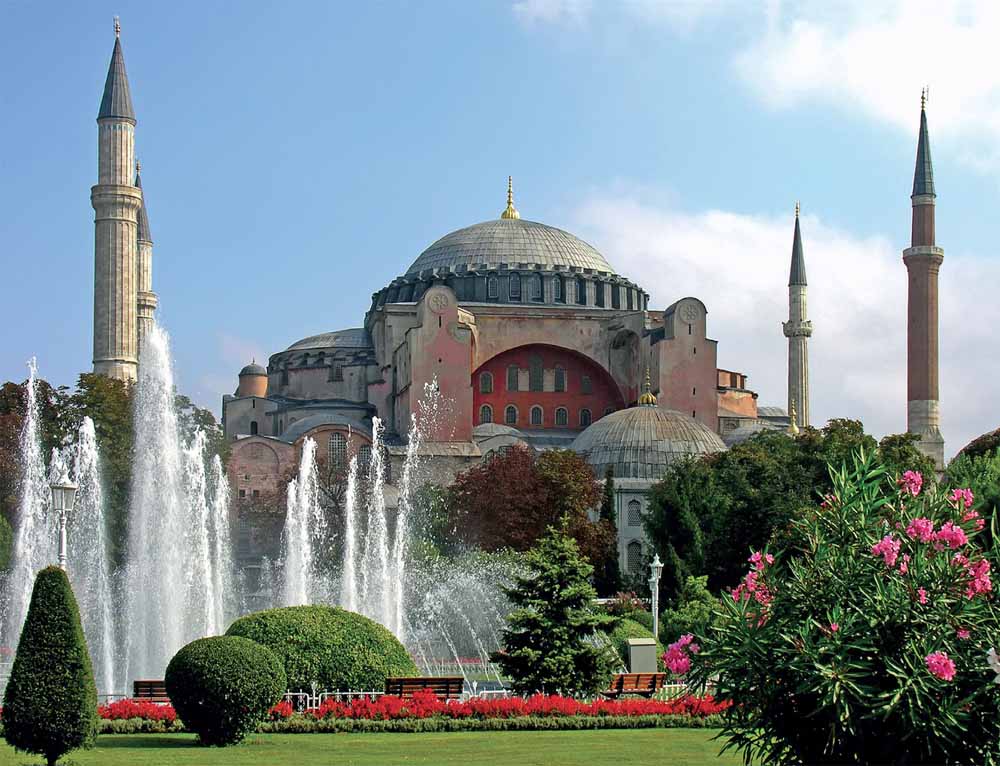
The Hagia Sophia witnessed, in 1054, the excommunication of Humbert of Silva Candida, the papal envoy of Pope Leo IX, by the Patriarch Michael I Cerularius, thus beginning formally the start of the Great Schism between the Eastern and Western Churches. In many western Christian eyes the duplicitous Greeks had been insulting western Christendom for far longer. The captivity, exile to Crimea and death of the seventh-century Pope Martin I at the orders of Emperor Constans II was still remembered.
What was fresher in the memory of the Greeks were the hammer blows that the Normans of Italy, Robert Guiscard and his son Bohemond, had been inflicting upon the Byzantine Empire from 1081 onwards. Alexius had eventually defeated the Normans’ assaults at the cost of much treasure and blood and the general unpopularity of the Byzantines with the higher Norman magnates had required a papal political ‘gloss’ to be applied to any suggestion of aid to the Greek Empire. Urban’s message of the suffering of all Christians under the Muslims, al-Hakim’s destruction of the Church of the Holy Sepulchre, and the need to save Antioch and Jerusalem from the infidels may have been shaped to fulfil this.
The ‘alliance’ between the Crusaders and the Emperor Alexius would be strained from the outset. There is little doubt that most of the Crusaders were dazzled by the grandeur, majesty and riches of Constantinople. All of the major leaders took oaths of loyalty to the emperor; some more enthusiastically than others. And this was not surprising, certainly Byzantium had suffered many reverses since the irruption of Islam in the seventh century but it remained rich, powerful on the sea and, perhaps, the only power capable of sustaining the Crusade on its long journey into harsh and dangerous lands.
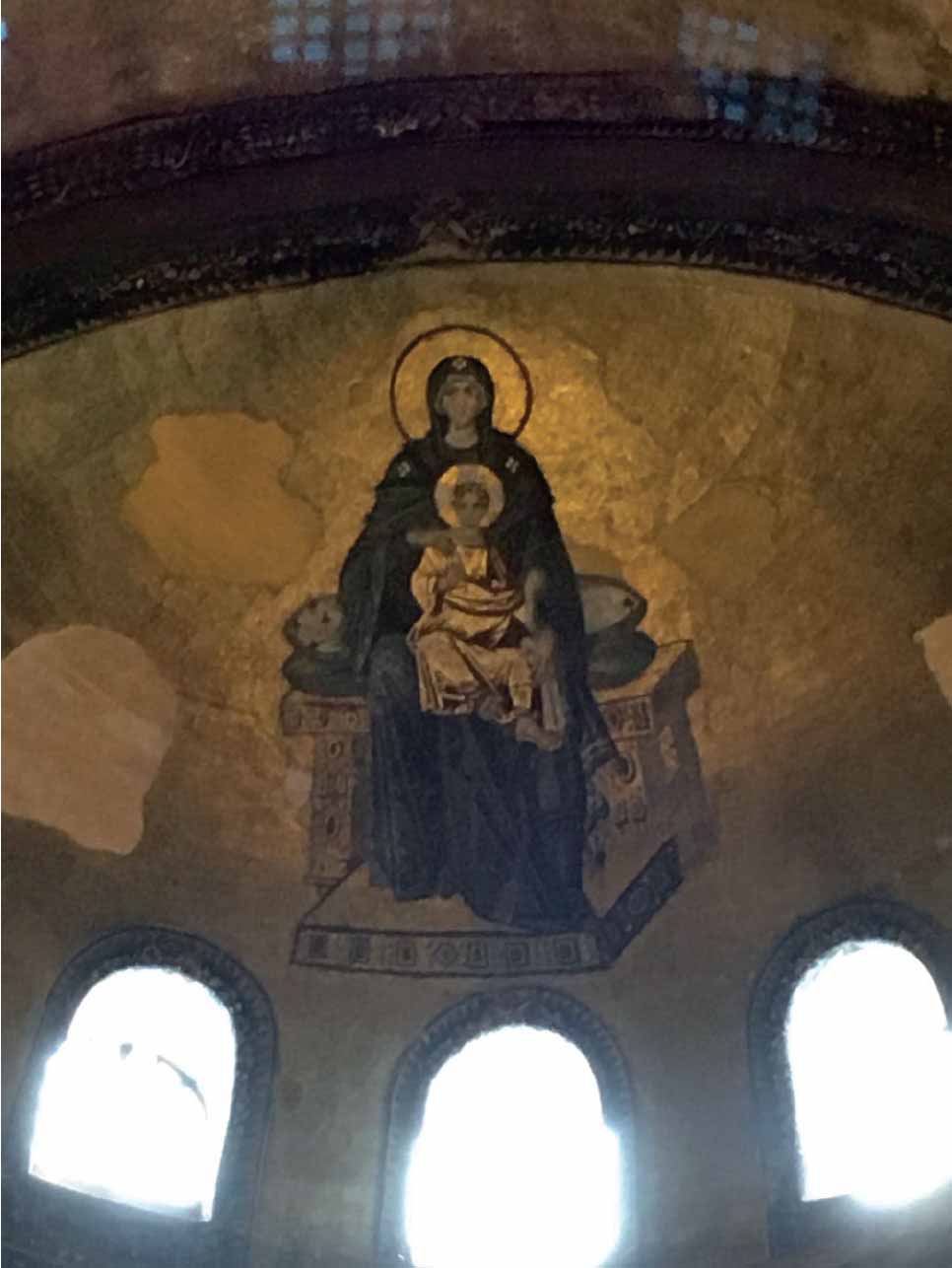
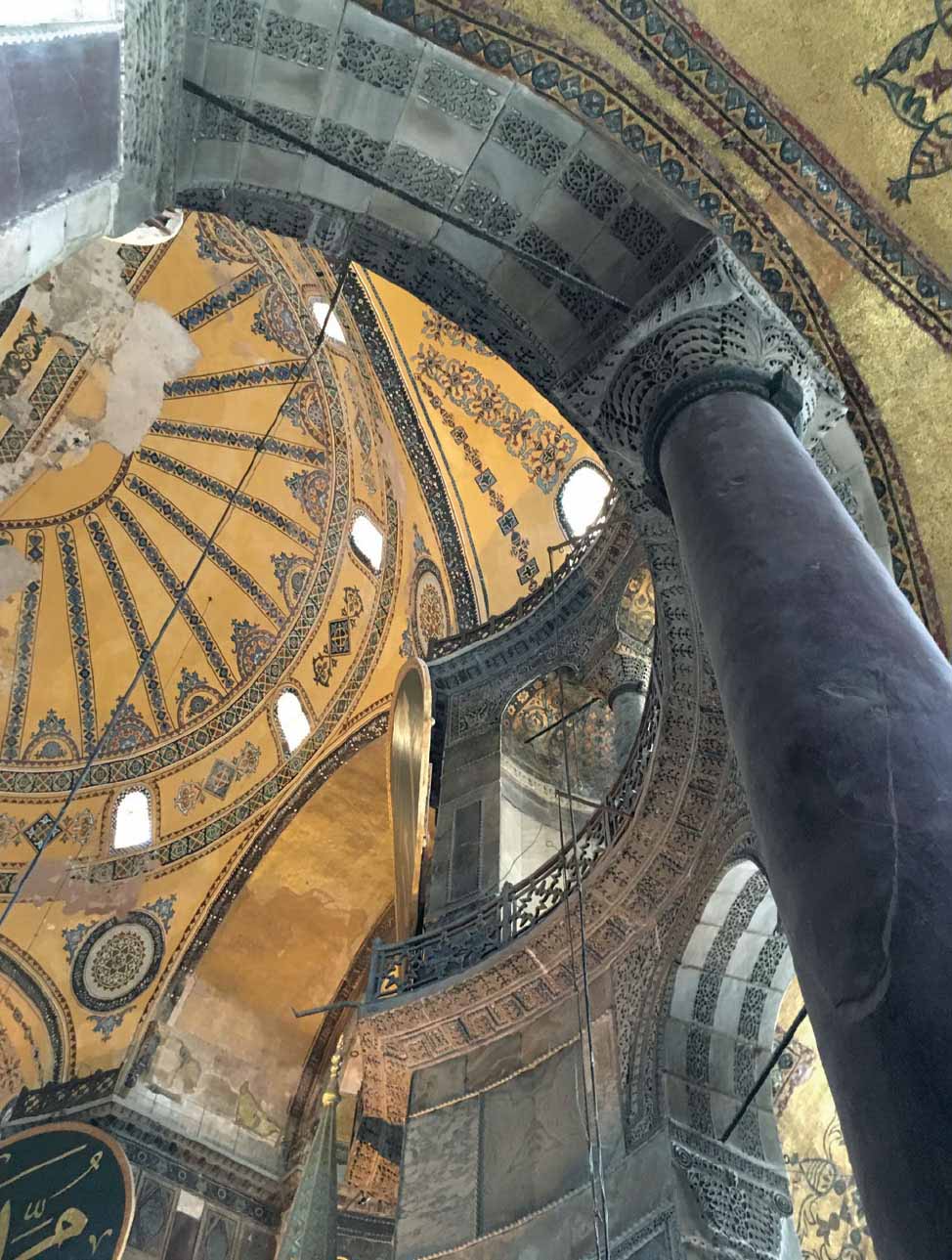
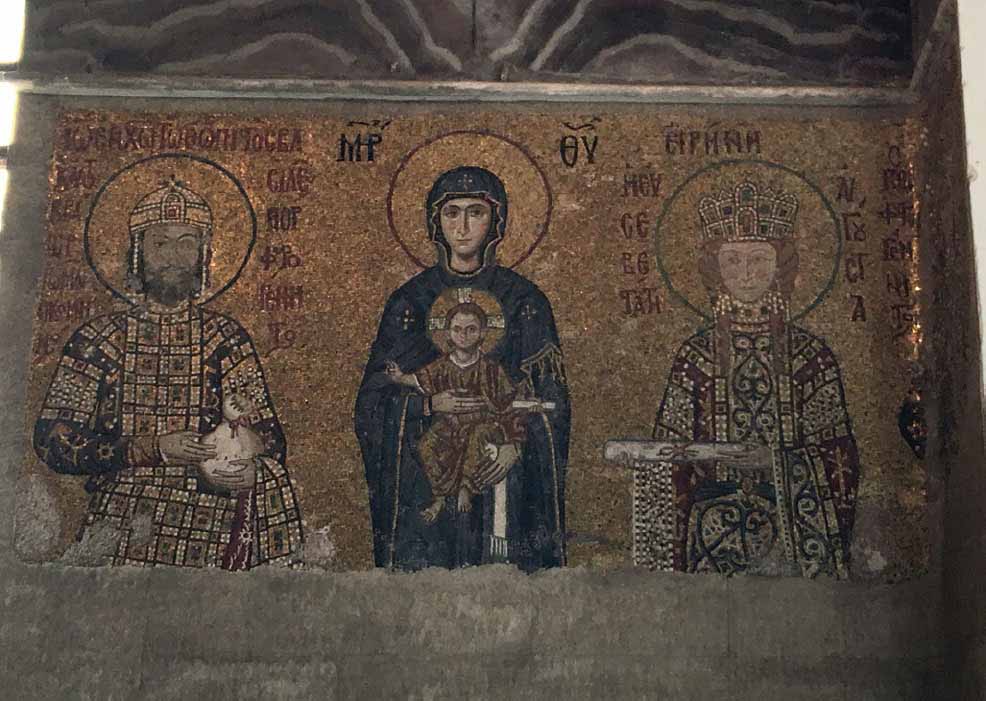
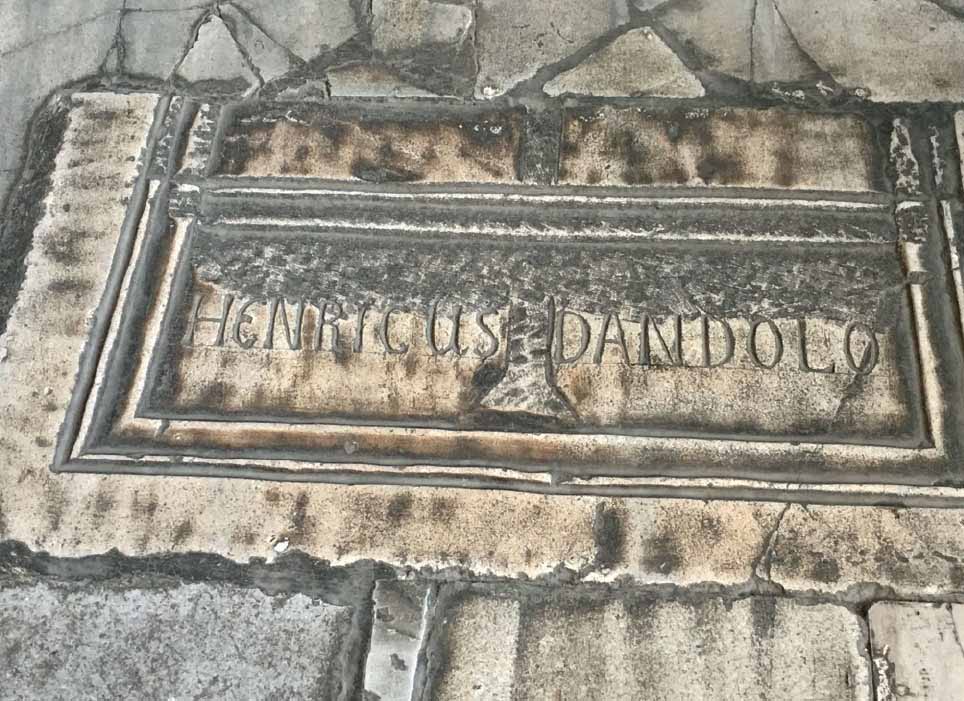
That the relationship between the Crusaders and the states that they carved out in the East would be complex and not uncommonly antagonistic to Byzantine policy and interests was also obvious from the outset. The long-evolved diplomatic liaisons between Constantinople and every Muslim centre of power and trade ensured that. What the Byzantines had failed to appreciate was perhaps that their very wealth and dependence on the Crusade weapon would ultimately rebound on their empire and city. The church of Hagia Sophia also contains the grave of Dandolo, the Doge of Venice, of whom much more later.