
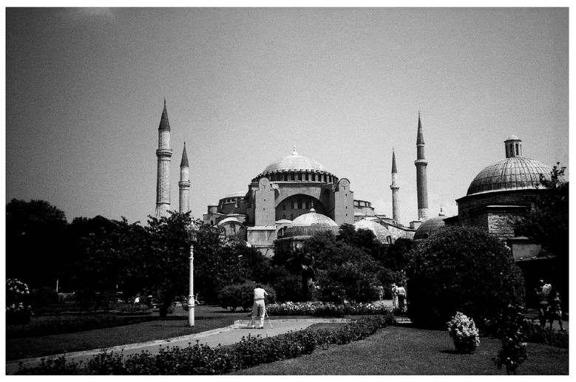
1. Hagia Sophia, built by the emperor Justinian as the Great Church of Constantinople in 532-7. The minarets are from the Ottoman period.
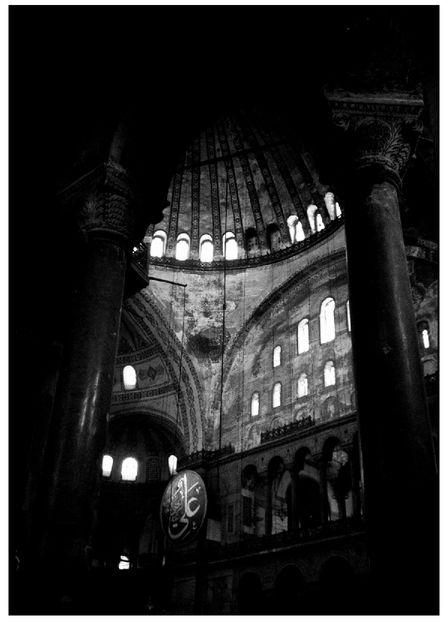
2. The interior space of Hagia Sophia. This was the first major church to have a dome on this scale, and was followed by many churches and mosques thereafter. The capitals were specially cut for the church.
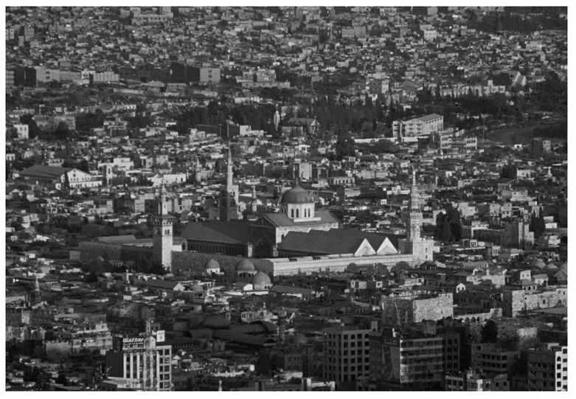
3. The Great Mosque at Damascus, built in 705-16. This aerial photograph shows the scale of its great courtyard, inside the walls of a former temple of Jupiter.
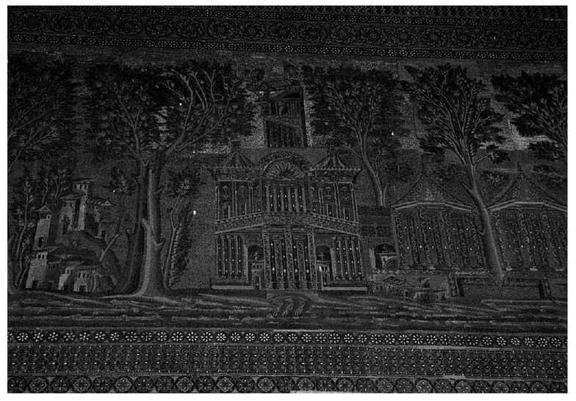
4. A section of the courtyard mosaics of the Damascus mosque, showing the typical unpeopled buildings of this mosaic cycle, characteristic of Islamic public art from the start.
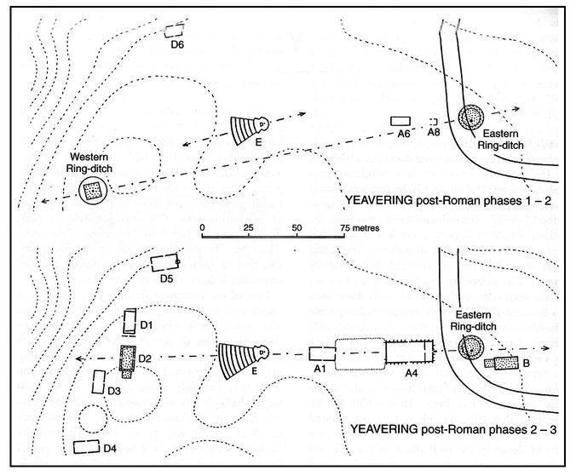
5. Plans of the two main periods of the Northumbrian royal palace of Yeavering in the Cheviots. The first period (c. 600) already has a version of a Roman theatre, in wood, as an assembly place; a few years later, the second period sees it linked to a set of royal reception halls, which were doubtless lavish.
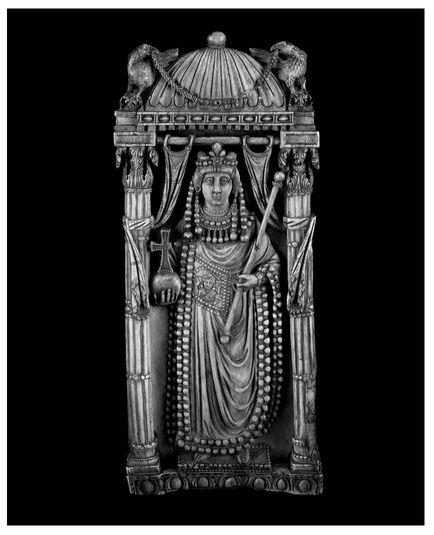
6. The empress Ariadne (d. 515), who chose her emperor-husbands, is here depicted with the orb and sceptre of rulership; late Roman tradition did not see female political power as abnormal.
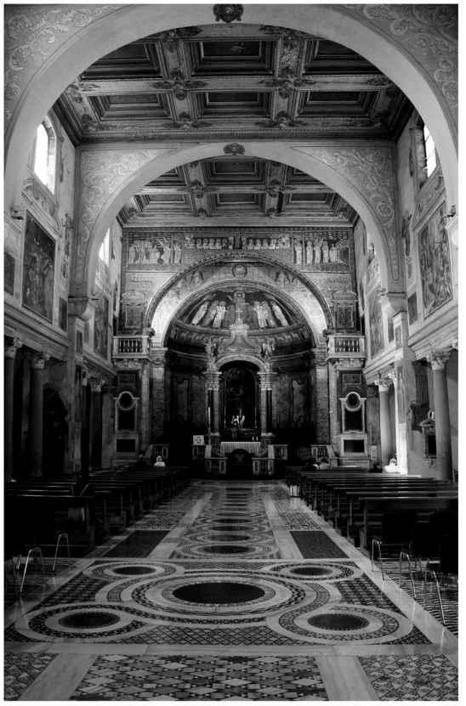
7. The nave of S. Prassede, one of the major prestige churches of the ninth-century papacy, built in 817-24 by Pope Paschal I.
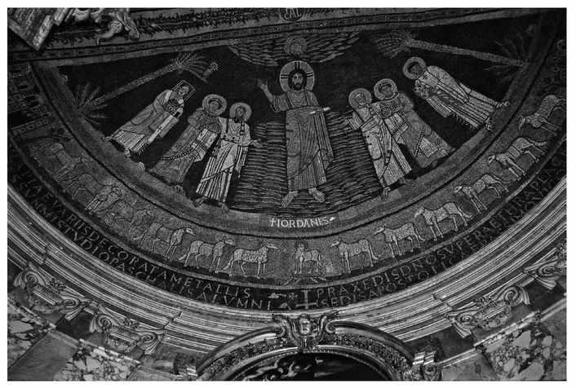
8. The mosaic apse of S. Prassede, with Christ in the River Jordan surrounded by saints, a traditional image for Roman church apses. Paschal is on the far left, with a square halo to indicate that he is alive.
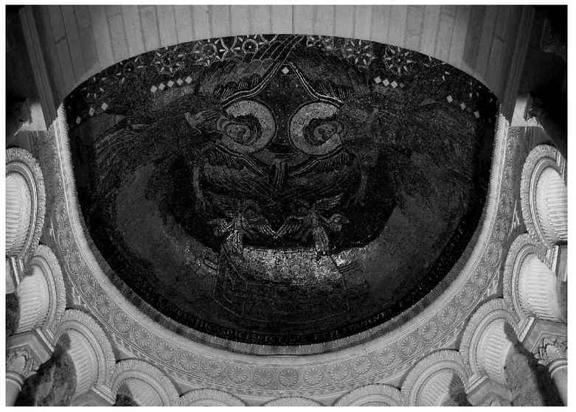
9. The mosaic apse of St-Germigny-des-Prés near Orléans in France, built by Bishop Theodulf of Orléans around 805. It depicts the Ark of the Covenant held up by angels, and shows an iconoclast rejection of human representation.
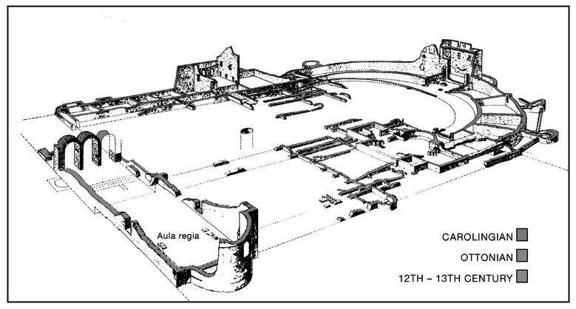
10. A drawing of the still-standing remains of Charlemagne’s palace of Ingelheim, near Mainz in Germany. The ‘aula’ on the left is a ceremonial hall. The palace had a chapel, but it has not been found; the chapel in blue is tenth-century.
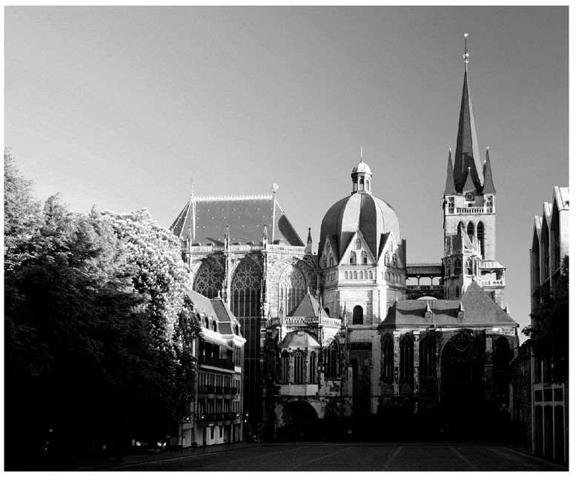
11. Charlemagne’s monumental palace chapel at Aachen, built in the years around 800. The domed central section is the original building.
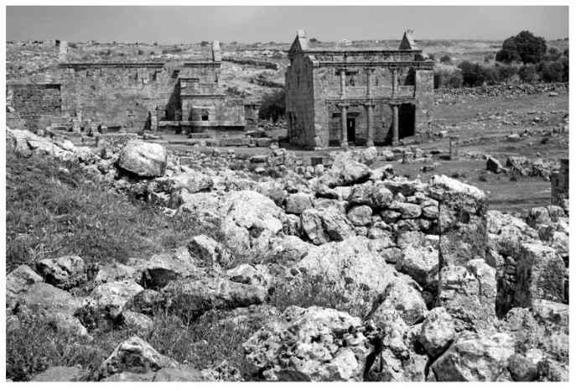
12. Serjilla, a fifth- and sixth-century village in Syria, one of the best-preserved villages surviving from the Roman world. This is the bath-house (left) and the ‘andron’ or community meeting-centre.
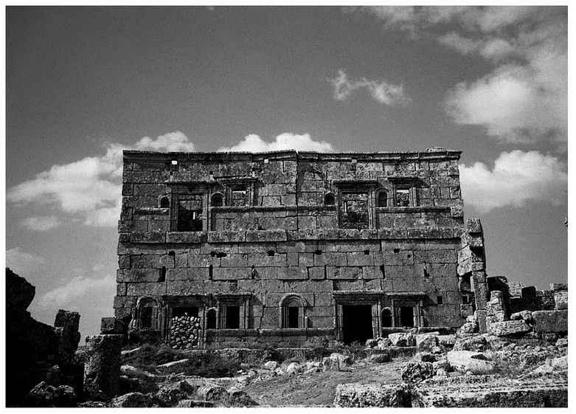
13. Serjilla’s best-preserved private house, probably of a peasant family made rich by the olive-oil boom of the later Roman empire in the East.
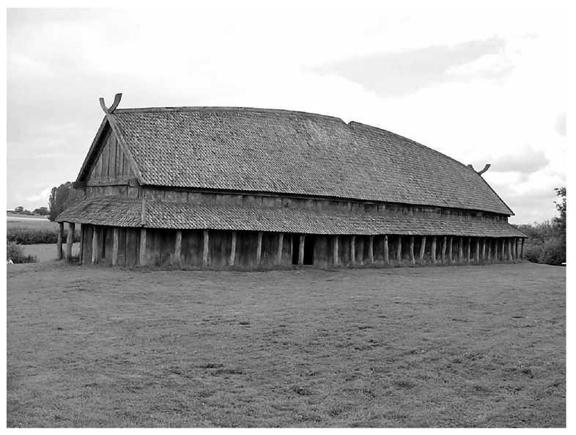
14. A reconstruction of a tenth-century Danish long-house; this one, excavated at Trelleborg, was part of a royal army camp, and is unusually large, but is characteristic of how Scandinavian dwelling houses could look.
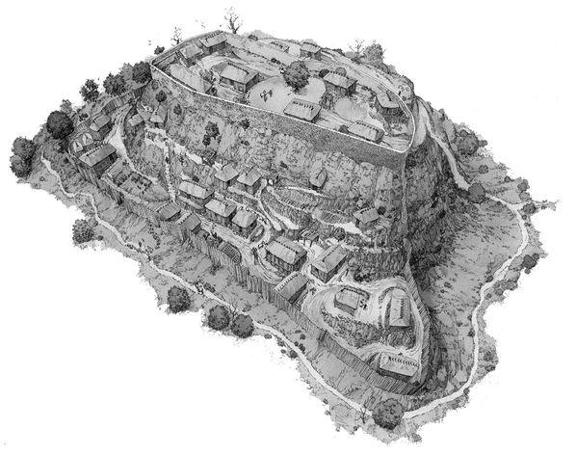
15. Montarrenti, near Siena in Italy, in the ninth century. This imaginative reconstruction follows the findings of the excavation there. The walled upper section is probably an estate-centre.
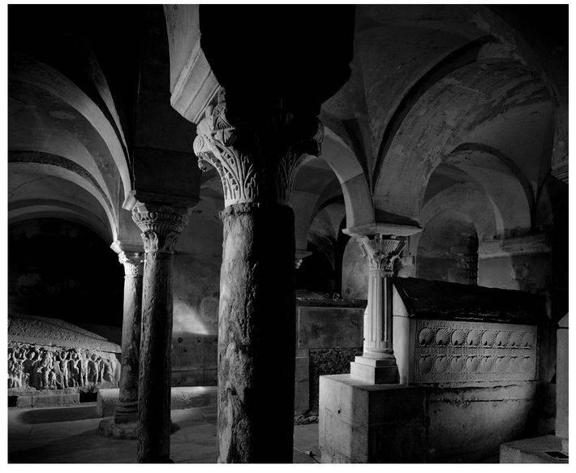
16. The crypt at Jouarre near Paris; the sarcophagi are for a Frankish aristocratic family of the seventh century. The crypt was rebuilt later, but the capitals are seventh-century too.
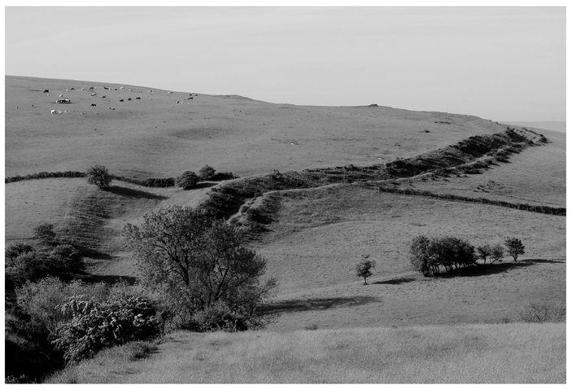
17. Offa’s dyke, a late eighth-century defensive earthwork separating central England from Wales, built under the orders of King Offa of Mercia.
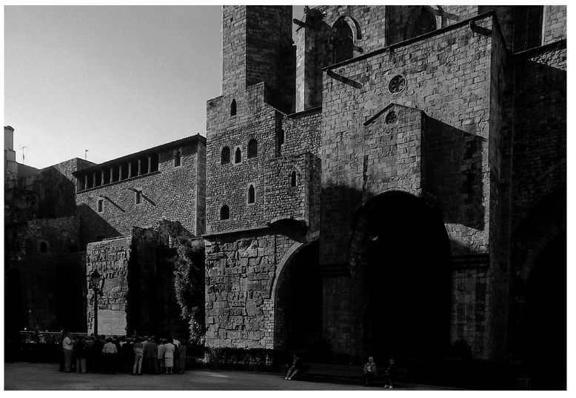
18. The city walls of Barcelona; the large stones in the centre are a Roman section of the walls, surviving in the later medieval walling.
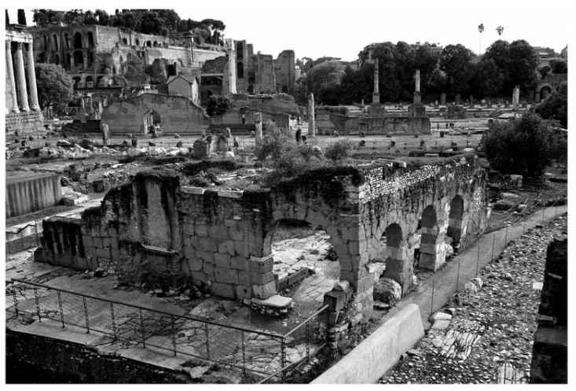
19. The ninth-century house recently excavated in the Forum of Nerva in the forum area of Rome (the classical forum is behind). Note the colonnaded courtyard at the right, and a window-sill, indicating a second storey, above the colonnade arch to the left.
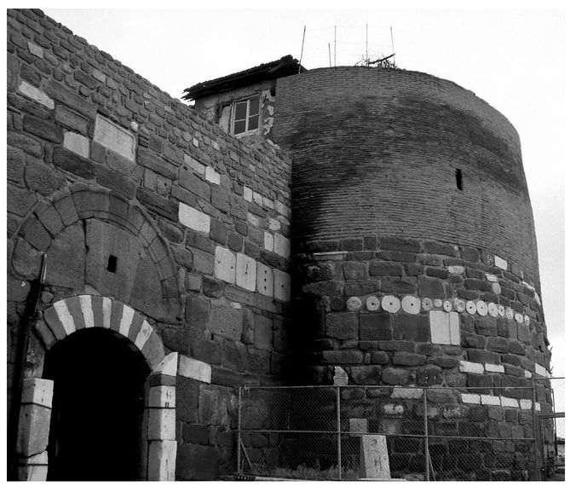
20. The seventh-century walls of the citadel of Ankara, Turkey. The line of circles to the right of the gate are reused classical columns, for decorative effect.
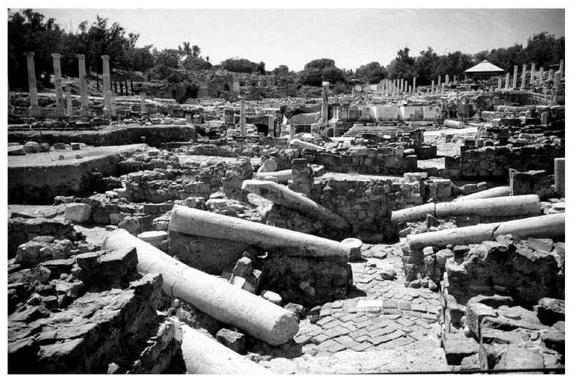
21. A street in the city of Scythopolis (Bet Shean, Israel), showing the columns of the colonnade which collapsed on the street in the earthquake of 749.
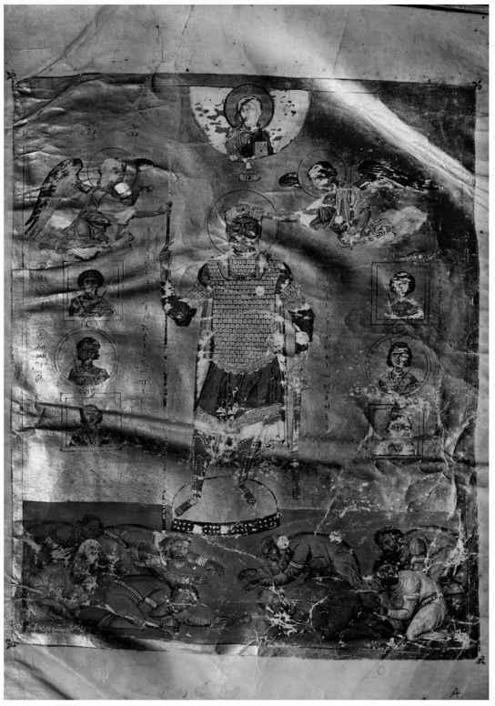
22. The Byzantine emperor Basil II (d. 1025) in a contemporary manuscript. Basil, under God and crowned by archangels, dominates his subjects, prostrate before him.
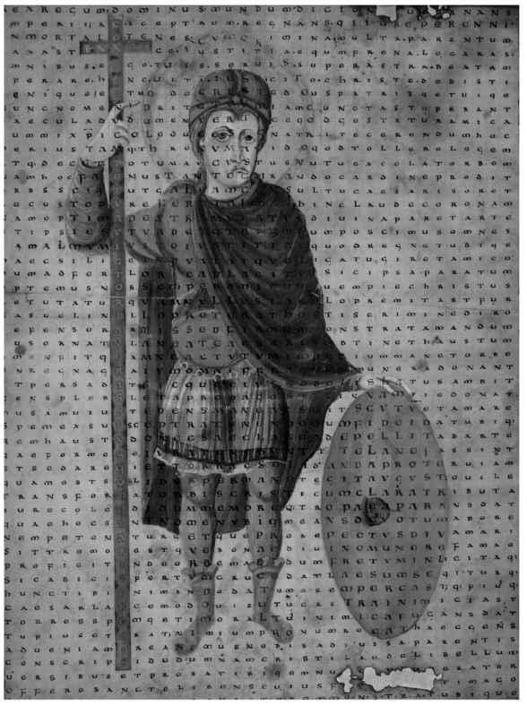
23. The Frankish emperor Louis the Pious (d. 840) in a contemporary manuscript. He wears a Roman military costume, and a dedicatory poem by Hraban Maur is written across the image. Several contemporary copies survive.
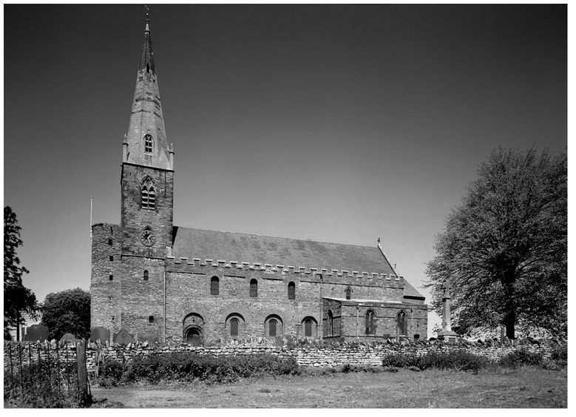
24. Brixworth church (Northamptonshire), the largest surviving Anglo-Saxon church, dated to the early ninth century. The spire is later.
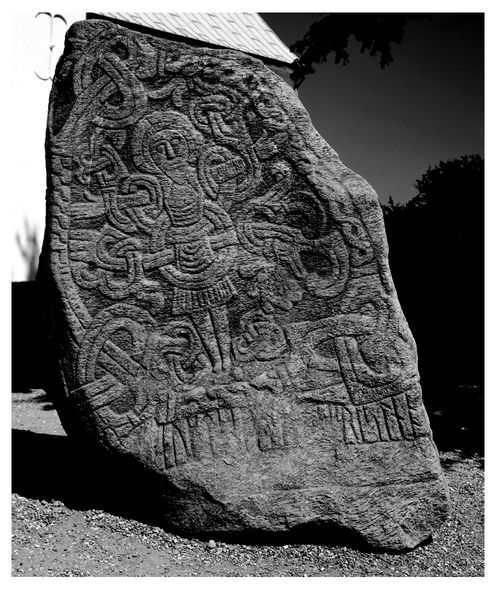
25. The Jelling runestone, set up by King Harald Bluetooth of Denmark for his father Gorm in the mid-tenth century. Harald was Christian, but the imagery of the stone is not.
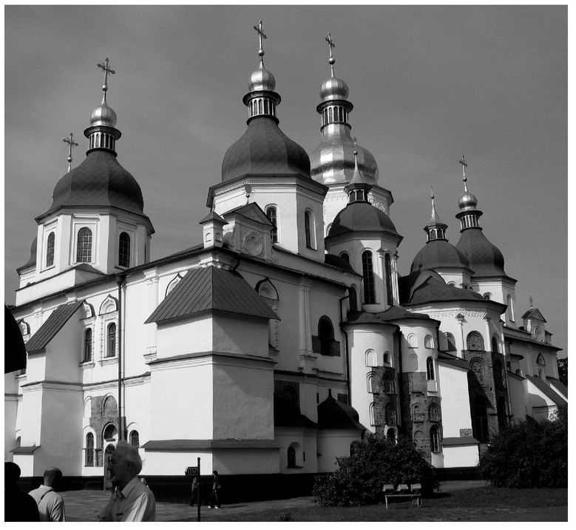
26. St. Sophia in Kiev, built by Byzantine craftsmen for the newly Christian princes of Kiev in the early eleventh century. It is the best-preserved Byzantine church surviving for the period, although situated in Ukraine.
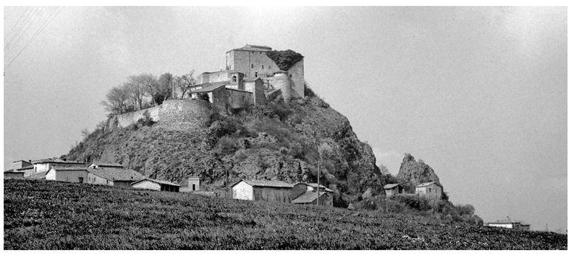
27. The castle of Canossa in the Emilian Appennines, Italy. It was a major centre of the Canossa family, one of Italy’s leading aristocratic families around and after 1000.
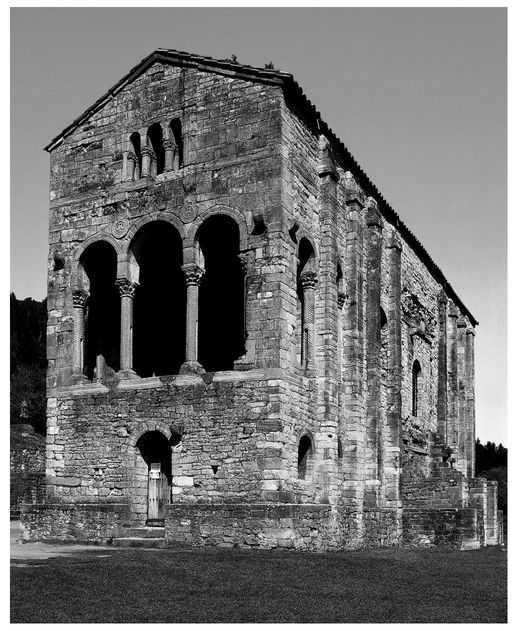
28. The palace of Ramiro I of Asturias (d. 850), at Oviedo in northern Spain. Soon a church, it seems to have been built as a secular hall, probably separate from the palace proper.
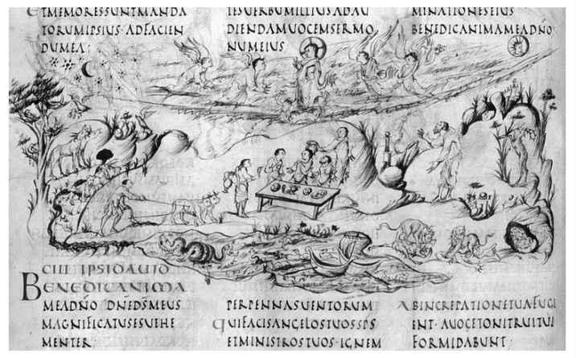
29. A peasant ploughing and a man (doubtless a lord) being served food at a table, in the early ninth-century Utrecht Psalter. The picture illustrates Psalm 103, which celebrates the world in its right order.