
For Jo
Who wot nowe that ys here
Where he schall be anoder yere?
—Anon. (1445)
For God’s sake, let us sit upon the ground
And tell sad stories of the death of kings;
How some have been deposed; some slain in war,
Some haunted by the ghosts they have deposed;
Some poison’d by their wives: some sleeping kill’d;
All murder’d: for within the hollow crown
That rounds the mortal temples of a king
Keeps Death his court . . .
—William Shakespeare, Richard II (c.1595)
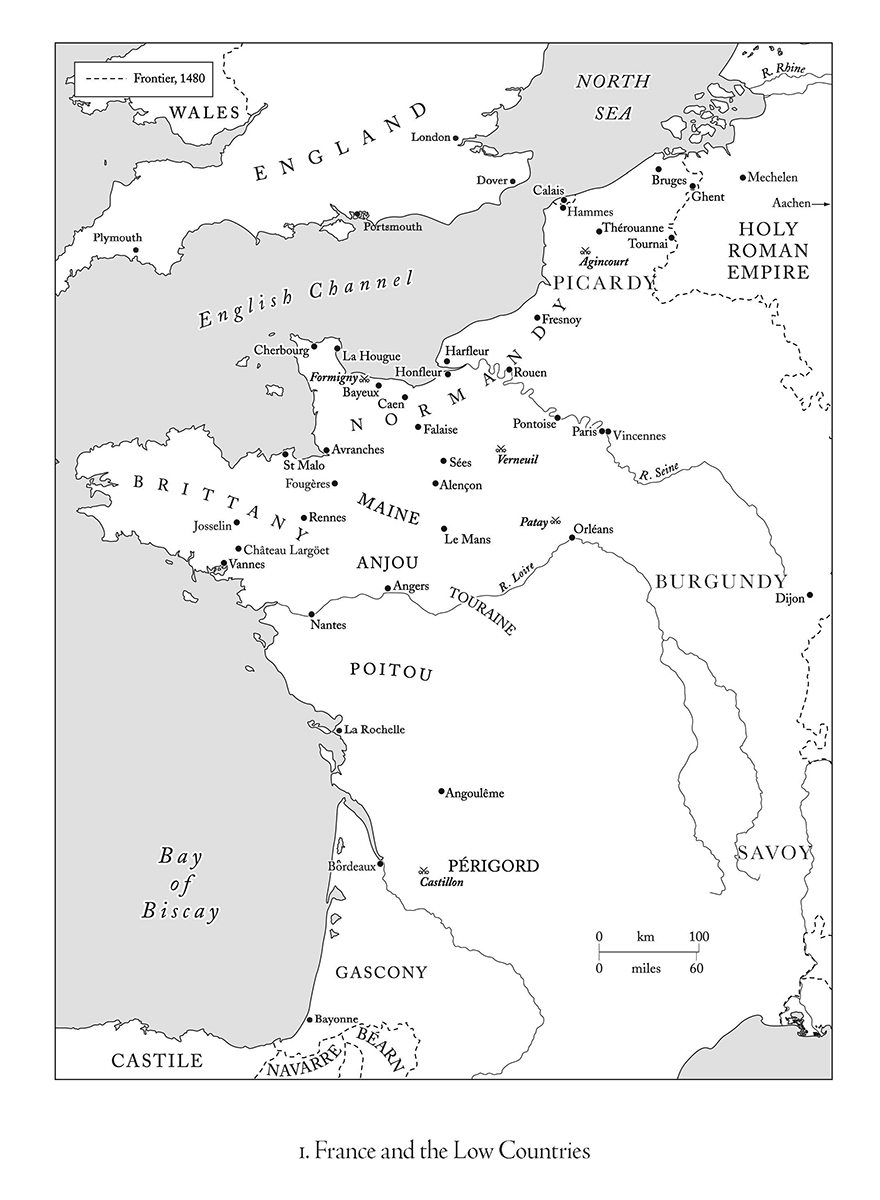
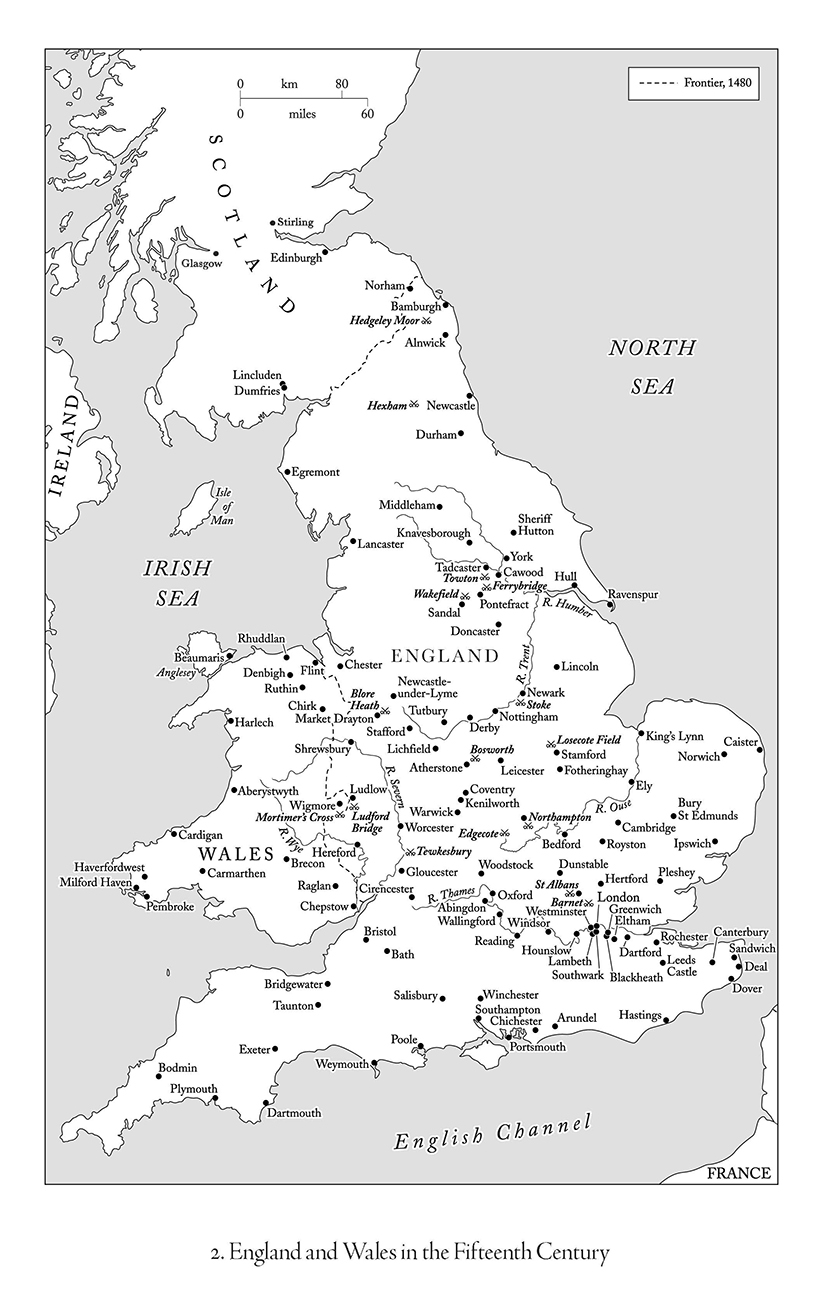
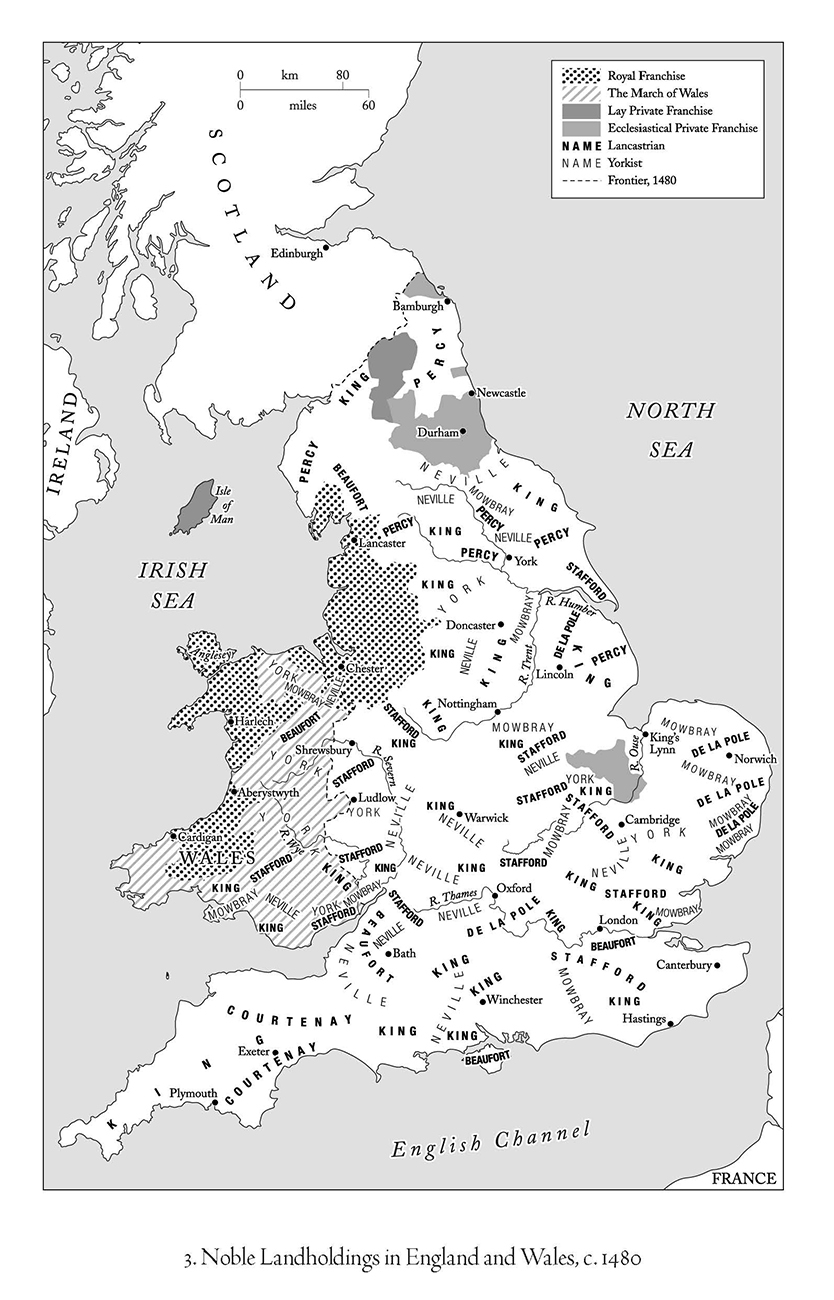
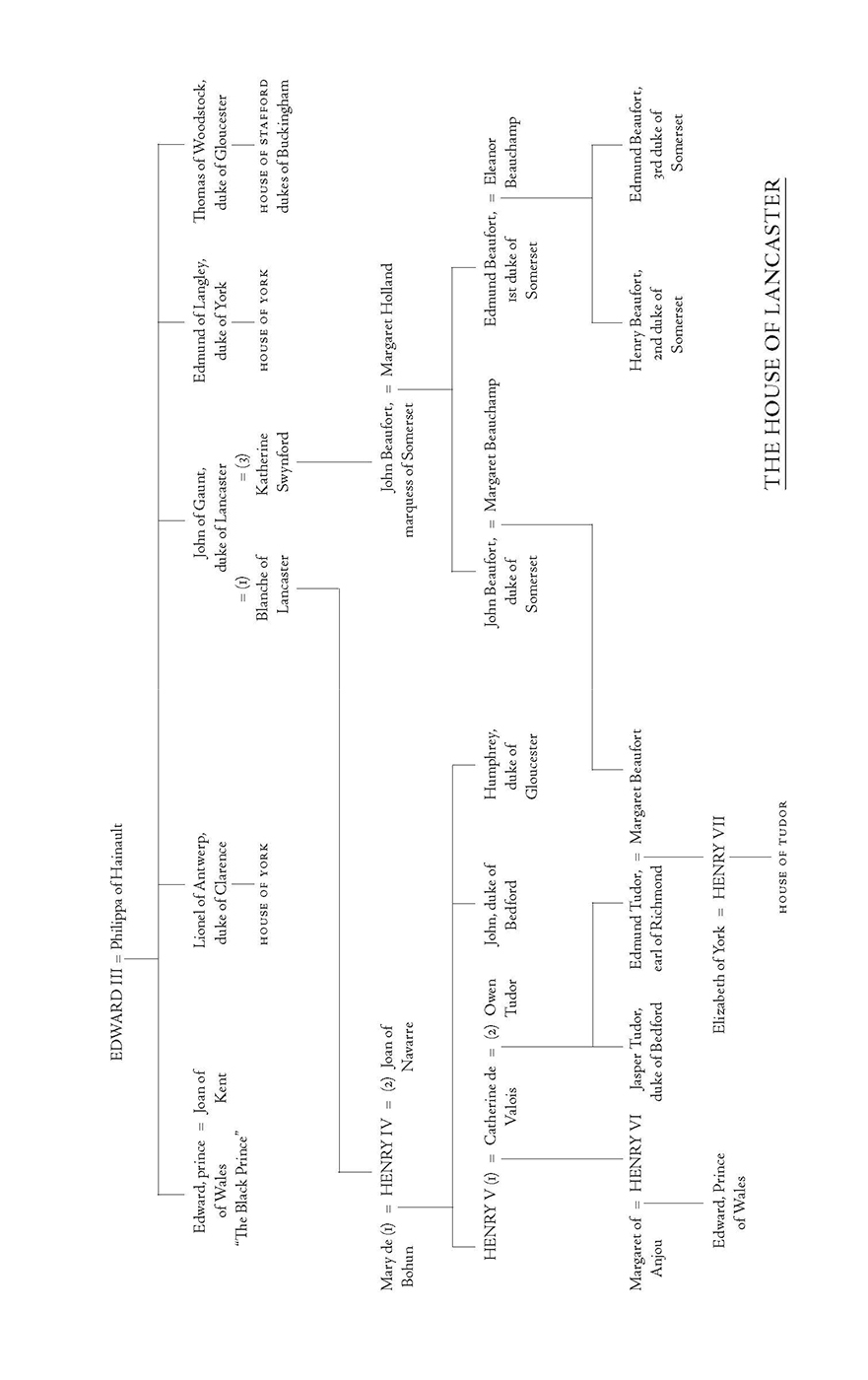
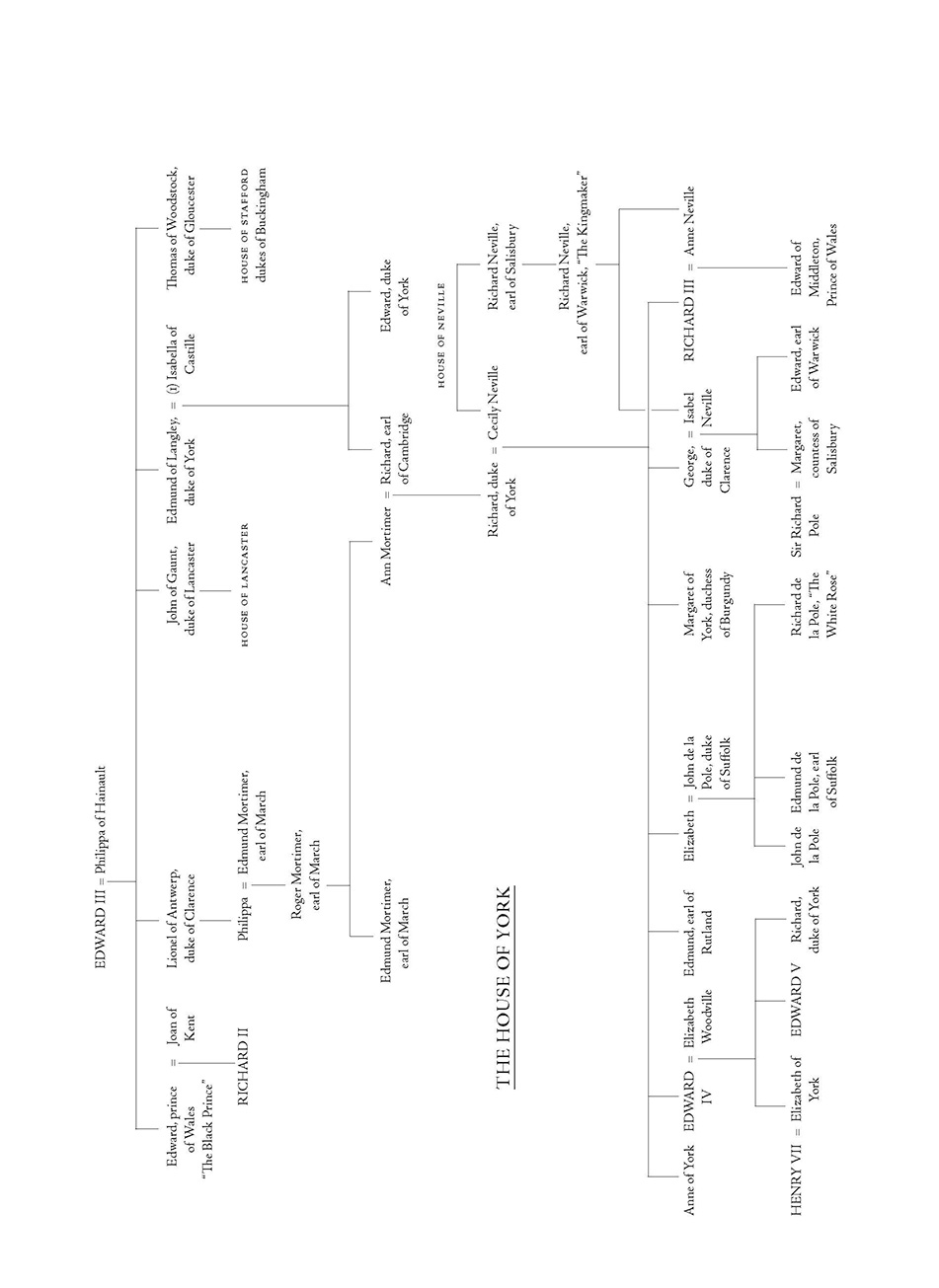
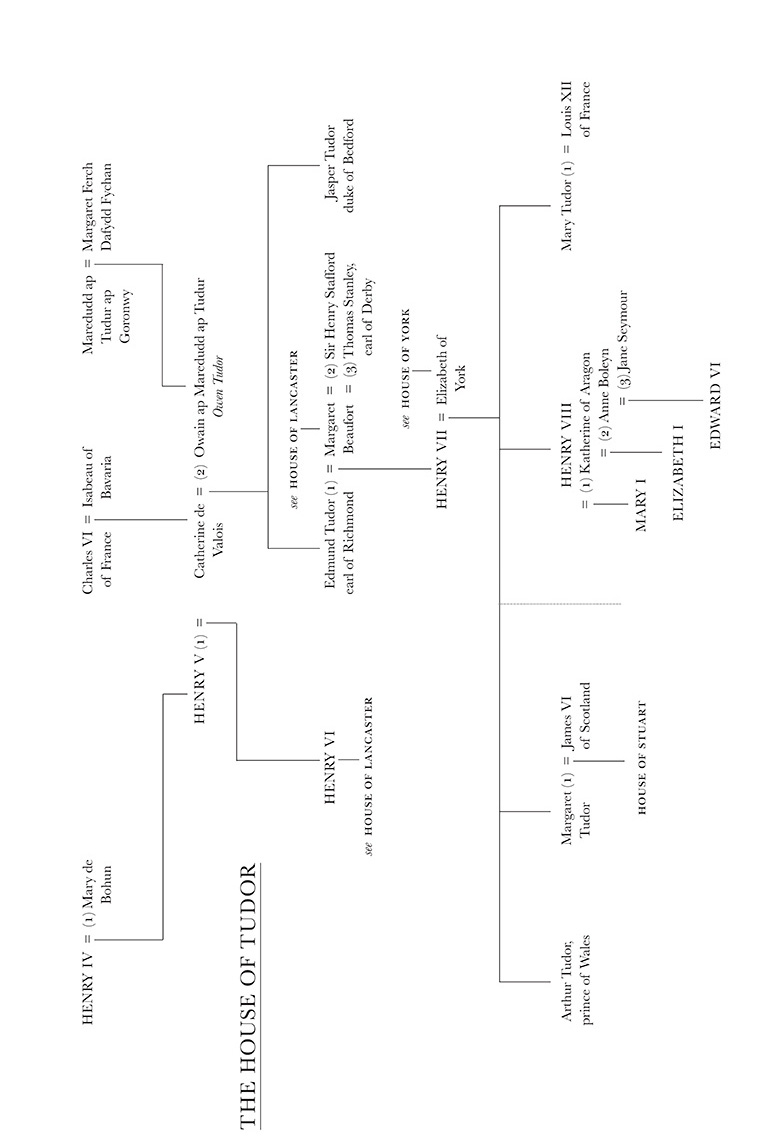
THE NAMES OF PRINCIPAL CHARACTERS in this book have generally been modernized for the sake of familiarity and consistency. Thus Nevill becomes Neville, Wydeville becomes Woodville, Tudur becomes Tudor, and so on. Latin, French and archaic English sources have all been translated or rendered into modern English except in a very few cases where original spellings have been maintained to illustrate a historical point.
Where particularly pertinent, sums of money have been translated into modern currencies with the assistance of the conversion tool at www.nationalarchives.gov.uk/currency, which gives modern values for ancient, and also has a “purchasing power” function. Readers should be aware, however, that the conversion of monetary values across the centuries is a perilously inexact science, and that the figures given are for rough guidance only. As a very rough guide, £100 in 1450 would be worth £55,000 (or $90,000) today. The same sum would represent ten years’ annual salary for an ordinary English laborer in the mid-fifteenth century.
Where a distance between two places is given, it has usually been calculated using Google Maps Walking Directions, and thus tends to be calculated according to the fastest route via modern roads.