
1. General
a. DEVELOPMENT.
German self-propelled artillery has now developed to a point where there is scarcely any artillery piece up to and including 150-mm caliber which has not appeared on at least one self-propelled chassis. Some of these have been experimental, but others have been standardized and have appeared in large numbers.
b. PRODUCTION METHODS.
Self-propelled artillery has been produced in three different ways. First, there are the gun-chassis combinations which have been designed and engineered carefully to fill a particular role. These were produced in quantity by major armament factories in Germany and exist in large numbers. The 75-mm and 105-mm assault guns are examples of this type. Second, there are the standard guns fitted on standard tank chassis. Conversion has been carried out in accordance with well-engineered designs at considerable expense of time and skill. Among these are the 10.5 cm le. F. H. 18/2 on the Gw. II (Wespe) and the 15 cm s. F. II. 18/1 on the Gw. III/IV (Hummel). Third, there is a large class of self-propelled guns produced by field conversion, carried out in unit or base workshops, and requiring little skill, time, or material. An example of this is the 15 cm s. I. G. 33 mounted on the chassis of the Pz. Kpfw. I.
c. TACTICAL USES.
German self-propelled artillery may be divided into four types from a tactical point of view, but the line of demarcation often is not clear, as many self-propelled artillery pieces have dual missions. These types are: close-support artillery, including assault guns; field and medium artillery; tank destroyers; and antiaircraft artillery.
(1) Close-support and assault guns.
The development of close-support and assault guns was begun about 1940. Assault guns are designed for the close support of infantry, and normally consist of a gun of limited traverse on an armored self-propelled chassis carrying heavy frontal armor. They are inclined to be slower and less maneuverable than tanks but are suited particularly well for attacks on enemy infantry heavy weapons and main points of resistance.
(2) Field and medium self-propelled artillery.
Field and medium self-propelled artillery was introduced first about the middle of 1942. Both types of howitzers (10.5 cm. le F. H. 18 and 15 cm s. F. H. 18) in the division artillery now may be found on self-propelled chassis.
(3) Self-propelled antitank guns.
The first self-propelled antitank gun was the 4.7 cm Pak. (t) mounted on the then (1941) obsolescent chassis of the Pz. Kpfw. I b. Antitank guns now form the numerically largest class of self-propelled artillery weapons.
(4) Self-propelled antiaircraft artillery.
Self-propelled antiaircraft artillery actually was developed before any attempt was made to apply this principle to other types of weapons, but so far no serious effort has been made to mount anti-aircraft guns larger than 37-mm on motor-driven carriages.
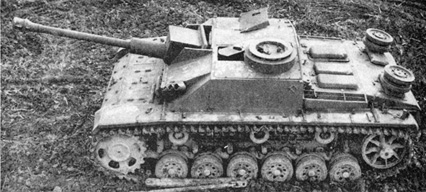
Figure 79—7.5 cm Stu. K.40.
d. GUN AND CHASSIS MODIFICATIONS.
Guns with the exception of assault guns, are mounted normally on their self-propelled carriages without any major alteration. Assault guns usually are fitted with electric firing devices and modified recoil systems. The chassis, however, particularly in cases where they are those of existing tanks, have undergone considerable modification. Not only have the superstructures been altered, but in some cases the engine has been moved from the rear to a central position to enable the gun crew to stand on the floor of the hull to serve the gun.
2. Close Support and Assault Guns
a. 75-MM ASSAULT GUN ON Pz. Kpfw. III CHASSIS (Stu. G. III für 7.5 cm Stu. K. 40 (L/48)).
(1) General.
The 7.5 cm Stu. K. 40 (L/48) is the latest assault gun to be mounted on the chassis of the Pz. Kpfw. III. The 7.5 cm Kw. K. (L/24) and the 7.5 cm Stu. K. 40 (L/43), which previously were mounted on this chassis, now have been superseded and are tending to go out of service. The 7.5 cm Kw .K. (L/24) also has been mounted on an armored half-tracked vehicle and on the modified eight-wheeled armored car. The 7.5 cm Stu. K. 40 (L/48) has an antitank role, as well as its antipersonnel role as a close-support weapon. It fires both high explosive and armor-piercing ammunition.
(2) Specifications.
General
• Nomenclature: Stu. G. III für 7.5 cm Stu. K. 40 (L/48).
• Type of carriage: Stu. G. III, Sd. Kfz. 142/1.
• Length over-all including gun: 22 feet 5 1/2 inches.
• Length over-all excluding gun: 17 feet 9 1/4 inches.
• Width over-all: 9 feet 8 inches.
• Height over-all: 7 feet.
• Weight: 26.35 short tons.
• Crew: 4 men.
Gun
• Type: 7.5 cm Stu. K. 40 (L/48).
• Muzzle velocity: APCBC 2,300 feet per second.
• Elevation: -6° to +17°.
• Traverse: 10° each way.
• Muzzle brake: Yes.
• Buffer: Hydraulic.
• Recuperator: Hydropneumatic.
• Ammunition: APCBC, HE, HC, AP 40, Smoke
• Rounds carried: 22 APCBC, 27 HE, 5 Smoke
• Muzzle velocity (feet per second): 2,300 APCBC, 1,800 HE, 1,475 HC, 3,248 AP 40, 1,771 Smoke
• Projectile weight (pounds): 15 APCBC, 12.7 HE, 11 HC, 9 AP 40, 13.7 Smoke
Carriage
Suspension:
• Number of bogies; 6.
• Type of bogies; Small rubber tired.
• Number of return rollers: 3.
• Track, length: 9 feet 2 1/2 inches.
• Track, width: 8 feet 2 1/2 inches.
• Width of link: 1 foot 3 3/4 inches.
Hull armor:
• Front: 81 mm at 52°.
• Sides: 31 mm vertical.
• Rear: 51 mm at 23°.
• Belly: 20 mm.
Fighting compartment armor:
• Front: 53 to 71 mm at 15°.
• Sides: 30 mm vertical.
Power
• Engine type: Maybach HL 120 TRM.
• Cylinders: V-12 at 60°.
• Fuel: Gasoline.
• Location: Rear.
• Horsepower: 295 at 3,000 rpm.
• Transmission: Synchromesh,6 forward, 1 reverse.
• Drive: Front sprocket.
Performance
• Trench crossing: 8 feet 6 inches.
• Fording: 2 feet 9 inches.
• Step: 2 feet.
• Gradient: 30°.
• Maximum speed: 20 miles per hour.
Armament
• Type: One M.G. 34.
• Location: Carried.
Remarks
Penetration of homogeneous armor at 30°, APCBC projectile:
• 500 yards: 84 mm.
• 1,000 yards: 72 mm.
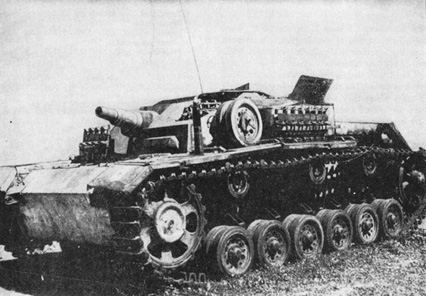
Figure 80.—7.5 cm Assault Gun (Stu. G. 7.5 cm K.).
b. 75-MM ASSAULT-ANTITANK GUN ON Czech 38 (t) TANK CHASSIS 7.5 cm le. Stu. G. 38 (t).
(1) General.
The gun mounted on this carriage, the 7.5 cm Pak 39 (L/48), has the same ballistic characteristics and is very similar to the 7.5 cm Stu. K. 40 (L/48). Despite the difference in nomenclature the guns are employed in exactly the same way in both antitank and assault roles.
The 7.5 cm Pak 39 (L/48) is mounted low in a thick, sloping front plate. Previous guns mounted on this chassis, the 7.5 cm Pak 40 and the 7.62 cm Pak 36 (r), were fitted in a high superstructure which gave poor protection to the crew. In this case, however, the armor layout has been completely redesigned, and the vehicle has taken on the aspect of an assault gun. (See Paragraph 6 of this section for other vehicles on which the 7.5 cm Pak 40 and 7.62 cm Pak 36 (r) has been mounted.)
(2) Specifications.
General
• Nomenclature: 7.5 cm le. Stu. G. 38 (t).
• Type of carriage: Pz. Jäg. 38 (t).
• Length over-all including gun: 20 feet 7 inches.
• Length over-all excluding gun: 15 feet 11 inches.
• Width over-all: 8 feet 7 1/2inches.
• Height: 6 feet 10 1/2 inches.
• Weight: 17.65 tons.
• Crew: 4 men.
Gun
• Type: 7.5 cm Pak 39 (L/48).
• Muzzle velocity: APCBC 2,300 feet per second.
• Elevation: -8° to +20°.
• Traverse: 10° each way.
• Muzzle brake: No.
• Buffer: Hydraulics.
• Recuperator: Hydropneumatic.
• Ammunition - types fired: APCBC, HE, HC, AP 40, Smoke
• Rounds carried: 41 APCBC
• Muzzle velocity feet per second): 2,300 APCBC, 1,800 HE, 1,475 HC, 3.248 AP 40, 1,771 Smoke
• Projectile weight, (pounds): 15 APCBC, 12.7 HE, 11 HC, 9 AP 40 13.7 Smoke
Carriage
Suspension:
• Number of bogies: 4.
• Type of bogies: Christie.
• Number of return rollers: 1
• Track, length: 12 feet 10 3/4 inches.
• Track, width: 6 feet 10 1/2 inches.
• Width of link: 1 foot 1 3/4 inches.
Hull armor:
• Front: 60 mm at 60°.
• Sides: 20 mm at 15°.
• Rear: 20 mm at 15°.
• Belly: 10 mm horizontal.
• Fighting compartment armor:
• Front: 60 mm at 60°.
• Sides: 20 mm at 40°.
Power
• Engine type: Czech EP4.
• Cylinders: Six, in-line.
• Fuel: Gasoline.
• Location: Rear.
• Horsepower: 150.
• Transmission: Pre-selective 5 forward, 1 reverse.
• Drive: Front sprocket.
Performance
• Fording: 2 feet 11 1/2 inches.
• Radius of action: 124 miles.
• Maximum speed: 23 miles per hour.
Armament
• Type: One M.G. 34.
• Location: Superstructure roof.
• Ammunition carried: 600 rounds.
Remarks
Penetration of homogeneous armor at 30°, APCBC projectile:
• 500 yards: 84 mm.
• 1,000 yards: 72 mm.
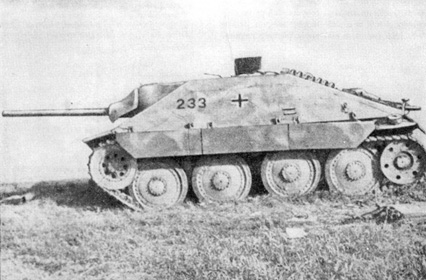
Figure 81.—7.5 cm Pak 39 (L/48) on Pz. Jä 38.
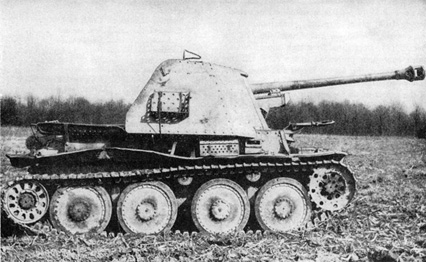
Figure 82.—7.5 cm Pak 40 on Pz. Kpfw. 38 (t) Chassis.
c. 75-MM ASSAULT-ANTITANK GUN ON Pz. Kpfw. IV CHASSIS (Pz. Jäg. IV für 7.5 cm Pak 39 (L/48)).
(1) General.
In this case the 7.5 cm Pak 39 (L/48), has been mounted on a modified Pz. Kpfw. IV chassis. It again is an assault gun in form, with a dual mission: antitank and anti-personnel.
(2) Specifications.
General
• Nomenclature: Panzer Jäger IV für 7.5 cm Pak 39 (L/48).
• Type of carriage: Panzer Jäger IV.
• Length over-all excluding gun: 18 feet 2 inches.
• Width over-all: 10 feet 4 inches.
• Height over-all: 6 feet 5 inches.
• Weight: 27 short tons.
• Crew: 4 men.
Gun
• Type: 7.5 cm Pak 39 (L/48).
• Muzzle velocity: APCBC 2,300 feet per second.
• Elevation: -8° to +22°.
• Traverse: 12° left, 10° right.
• Buffer: No.
• Buffer: Hydraulic.
• Recuperator: Hydropneumatic.
• Ammunition - types fired: APCBC, HE, HC, AP 40, Smoke
• Rounds carried: 79 APCBC
• Muzzle velocity (feet per second): 2,300 APCBC, 1,800 HE, 1,475 HC, 3,248 AP 40 1,771 Smoke
• Projectile weight, (pounds): 15 APCBC, 12.7 HE, 11 HC, 9 AP 40 13.7 SMoke
Carriage
Suspension:
• Number of bogies: 8.
• Number of return rollers: Small rubber tired.
• Number of return: 4.
• Track, length: 11 feet 6 inches.
• Track, width: 7 feet 11 inches.
• Width of link: 1 foot 3 inches.
Hull armor:
• Front: 60 mm at 45°.
• Sides: 30 mm vertical.
• Rear: 22 mm at 12°.
• Top: 20 mm.
• Belly: 12 mm.
Fighting compartment armor:
• Front: 60 mm at 50°.
• Sides: 30 mm at 30°.
Power
• Engine type: Maybach HL 120 TRM.
• Cylinders: V-12 at 60°.
• Fuel: Gasoline.
• Location: Rear.
• Horsepower: 295 at 3,000 rpm.
• Transmission: Manual synchromesh, sliding dog type,: 6 forward, 1 reverse.
• Drive: Front sprocket.
Performance
• Trench crossing: 9 feet.
• Fording: 3 feet.
• Radius of action: 160 miles.
• Step: 2 feet 6 inches.
• Gradient: 30°.
• Maximum speed: 24 miles per hour.
Armament
• Type: Two M.G. 42 with mounts.
• Location: Front superstructure.
Remarks
Penetration of homogeneous armor at 30°, APCBC projectile:
• 500 yards: 84 mm.
• 1,000 yards: 72 mm.
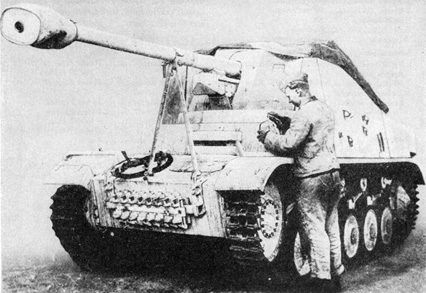
Figure 83.—7.5 cm Pak 40 on Pz. Kpfw. II Chassis.
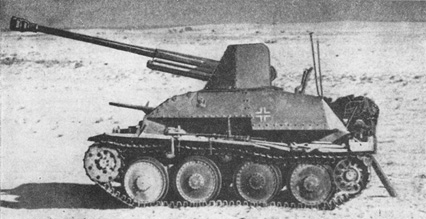
Figure 84.—7.62 cm Pak 36(r) on 38(t) Chassis.
d. 75-MM ASSAULT GUN ON Pz. Kpfw. IV CHASSIS (Pz. Jäg. IV für 7.5 cm Stu. K. 42 (L/70).
(1) General.
This extremely long-barreled gun, in an assault gun mounting on the chassis of the Pz. Kpfw. IV, is a development from the 7.5 cm Stu. K 40 (L/48), which has been mounted on the same chassis but is only 48 calibers long instead of 70. The long-barreled gun has the dual role of antitank and assault gun.
(2) Specifications.
General
• Nomenclature: Panzer Jäger IV für 7.5 cm Stu. K. 42 (L/70).
• Type of carriage: Panzer Jäger IV, Sd. Kfz. 162.
• Length over-all including gun: 28 feet 2 1/2 inches.
• Length over-all excluding gun: 19 feet 9 1/2 inches.
• Width over-all: 10 feet 4 3/4 inches.
• Height over-all: 6 feet 5 inches.
• Weight: 27 short tons (approximately).
• Crew: 5 men.
Gun
• Type: 7.5 cm Stu. K. 42 (L/70).
• Muzzle velocity: APCBC 3,068 feet per second.
• Elevation: -5° to +15°.
• Traverse: 10° each way.
• Muzzle brake: Not encountered.
• Buffer: Hydraulic.
• Recuperator: Hydropneumatic.
• Ammunition - types fired: APCBC, HE, AP 40
• Muzzle velocity (feet per second): 3,068 APCBC, 2,300 HE, 3,674 AP 40
• Projectile weight (pounds): 15 APCBC, 12.7 HE, 10.7 AP 40
• Rounds carried: Total of 55 rounds.
Carriage
Suspension:
• Number of bogies: 8.
• Type of bogies: Small rubber tired.
• Number of return: 4
• Track, length: 11 feet 6 inches.
• Track, width: 7 feet 11 inches.
• Width of link: 1 foot 3 inches.
Hull armor:
• Front: 80 mm at 45°.
• Sides: 30 mm vertical.
• Rear: 20 mm, 10 ° under cut.
• Belly: 10 to 20 mm.
Fighting compartment armor:
• Front: 80 mm at 50°.
• Sides: 40 mm at 30°.
• Top: 20-mm.
Power
• Engine type: Maybach HL 120 TRM.
• Cylinders: V-12 at 60°.
• Fuel: Gasoline.
• Location: Rear.
• Horsepower: 295 at 3,000 rpm.
• Transmission: Manual, synchromesh, sliding-dog type - 6 forward, 1 reverse
• Drive: Front sprocket.
Performance
• Trench crossing: 9 feet.
• Fording: 3 feet.
• Radius of action: 160 miles (estimated).
• Step: 2 feet 6 inches.
• Gradient: 30°.
• Maximum speed: 20 miles per hour.
Armament
• Type: Machine gun on ball mounting.
• Location: Superstructure front.
Remarks
Penetration of homogeneous armor at 30°, APCBC projectile:
• 500 yards: 141 mm.
• 1,000 yards: 121 mm.
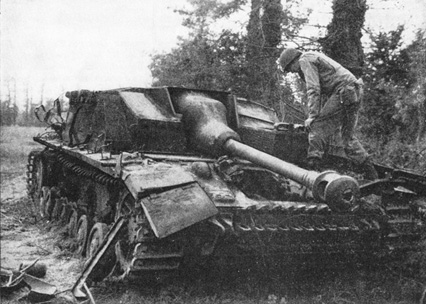
Figure 85.—7.5 cm Stu. K.40 (L/48) on Pz. Jäg. IV.
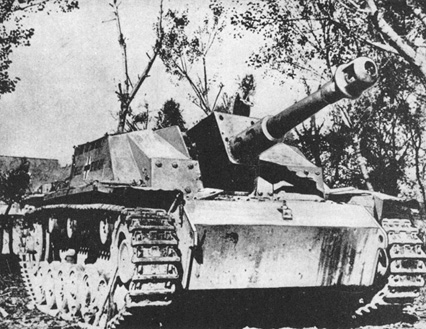
Figure 86.—10.5 cm Stu. H. 42.
e. 105-MM ASSAULT HOWITZER ON Pz. Kpfw. III CHASSIS (Stu. G. III für 10.5 cm Stu. H. 42).
(1) General.
This close-support weapon has, the usual characteristics of the assault guns mentioned in previous paragraphs, but is confined to a purely antipersonnel role and does not fire armor-piercing ammunition. Like most German howitzers, however, it is supplied with hollow-charge ammunition to give it some anti-armor performance.
(2) Specifications.
General
• Nomenclature: Stu. G. III für 10.5 cm Stu. H. 42.
• Type of carriage: Stu. G. III, Sd. Kfz. 142/2.
• Length over-all including gun: 20 feet 2 inches.
• Length over-all excluding gun: 17 feet 9 inches.
• Width over-all: 9 feet 8 inches.
• Height over-all: 6 feet S inches.
• Weight: 25.8 short tons.
• Crew: 4 men.
Gun
• Type: 10.5 cm Stu. H. 42.
• Muzzle velocity: HE 1,540 feet per second.
• Maximum range: 8,530 yards.
• Elevation: -6° to 20°.
• Traverse: 10° each way.
• Muzzle brake: Yes.
• Buffer: Hydraulic
• Recuperator: Hydropneumatic.
• Ammunition - types fired: HE, HC, Smoke
• Muzzle velocity (feet per second): 1,540 HE
• Projectile weight (pounds): 32.6 HE, 25.9 HC, 32.4 Smoke
• Rounds carried: Total of 36 rounds.
Carriage
• Torsion Bar Suspension
• Number of bogie: 6
• Type of bogie wheels: Small rubber tired
• Number of return rollers: 3
• Track, length: 9 feet 2 1/2 inches.
• Track, width: 8 feet 2 1/2 inches.
• Width of link: 1 foot 3 3/4 inches.
Hull armor:
• Front: 50 mm at 52°.
• Sides: 30 mm vertical.
• Rear: 50 mm.
• Belly: 30 mm.
Fighting compartment armor
• Front: 80 mm at 10°.
• Sides: 30 mm vertical.
Power
Engine:
• Type: Maybach HL 120.
• Cylinders: V-12.
• Fuel: Gasoline.
• Location: Rear.
• Horsepower: 295 at 3,000 rpm.
• Transmission: Synchromesh: 6 forward, 1 reverse.
• Drive: Front sprocket.
Performance
• Trench crossing: 8 feet 6 inches.
• Fording: 2 feet 9 inches.
• Radius of action: 105 miles.
• Step: 2 feet.
• Gradient: 27°.
• Maximum speed: 25 miles per hour.
3. Field and Medium Self-Propelled Artillery
a. WASP (Wespe), 10.5 cm le. F. H. (18/2) ON THE MODIFIED Pz. Kpfw. II CHASSIS.
(1) General.
The Wasp is the most common self-propelled version of the standard German light field howitzer, 10.5 cm le. F. H. 18. With a maximum elevation of 42 degrees, it has only slightly less maximum range than the field-mounted version. Other modified versions of the 10.5 cm le. F. H. 18 may be found mounted on the French "Lorraine" chassis, the Hotchkiss 39 tank chassis, and the Pz. Kpfw. IV B chassis.
(2) Specifications.
General
• Nomenclature: Wespe
• Type of carriage: Gw. II (Wespe), Sd. Kfz. 124.
• Length over-all excluding gun: 15 feet 9 inches.
• Width over-all: 7 feet 3 1/2 inches.
• Height over-all: 7 feet 10 1/2 inches
• Weight: 12.33 tons.
• Crew: 5 men
Gun
• Type: 10.5 cm le. F. H. 18/2.
• Muzzle velocity: HE 1,772 feet per second.
• Maximum range: 13,500 yards.
• Elevation: -5° to +42°.
• Traverse: 10° each way.
• Muzzle brake: Yes.
• Buffer: Hydraulic.
• Recuperator: Hydropneumatic.
• Ammunition - types fired: HE, HC, Smoke
• Rounds carried: 22 HE, 8 HC
• Muzzle velocity (feet per second): 1,772 HE (supercharge)
• Projectile weight (pounds): 32.6 HE, 25.9 HC, 32.4 Smoke
Carriage
Suspension:
• Number of bogie: 5
• Type of bogie wheels.: large
• Number of return rollers: 3
• Track, length: 7 feet 10 1/2 inches.
• Track, width: 6 feet 2 inches.
• Width of link: 11 3/4 inches.
Hull armor:
• Front: 30 mm.
• Sides: 20 mm.
Fighting compartment armor:
• Front: 10 mm.
• Sides: 10 mm.
Power
• Engine type: Maybach HL 62 TR.
• Cylinders: 6
• Fuel: Gasoline.
• Horsepower: 140.
• Transmission: Synchromesh: 6 forward, one reverse.
• Drive: Front sprocket.
Performance
• Trench crossing: 6 feet.
• Fording: 3 feet.
• Radius of action: 127 miles.
• Step: 1 foot.
• Gradient: 30°.
• Maximum speed: 25 miles per hour.
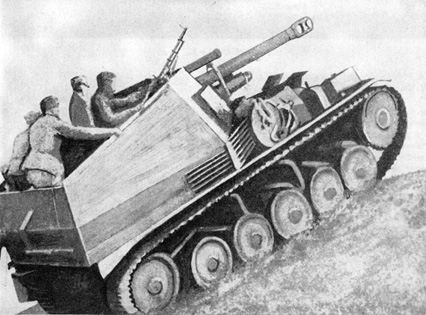
Figure 87.—Wespe (10.5 cm le. F.H. 18/2 on Pz. Kpfw. II).
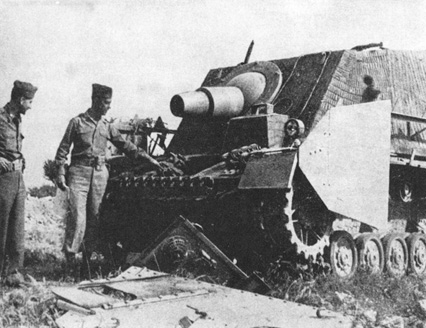
Figure 89—15 cm Stu. H. 43 on Pz. Kpfw. IV Chassis (Brummbar).
b. GRIZZLY BEAR (Brummbär) or Stu. Pz. 43 (15 cm Stu. H. 43 (L/12) on Pz. Kpfw. IV CHASSIS).
(1) General.
This is essentially a close-support weapon and mounts a very short-barreled howitzer in a high, armored superstructure. The 150-mm infantry gun (s. I. G. 33) performs a similar role on its various self-propelled mountings: the chassis of Pz. Kpfw. IB, Pz. Kpfw. II, and the Czech 38 (t). The Grizzly Bear gives much better protection to the crew than any of these.
(2) Specifications.
General
• Nomenclature: Brummbär or Stu. Pz. 43.
• Type of carriage: Stu. G. IV, Sd. Kfz. 166.
• Length over-all including gun: 19 feet 4 inches.
• Length over-all excluding gun: 19 feet 4 inches.
• Width over-all: 9 feet 8 inches.
• Height over-all: 8 feet 2 inches.
• Weight: 30.4 tons.
• Crew: 5 men.
Gun
• Type: 15 cm Stu. H. 43 (L/12).
• Muzzle velocity: HE 790 feet per second.
• Maximum range: HE 5,000 yards (approximately)
• Elevation: -8.5° to +30°.
• Traverse: 8° each way.
• Muzzle brake: No.
• Ammunition types fired: HE, HC, Smoke
• Muzzle velocity (feet per second): 790 HE, 902 HC, 780 Smoke
• Projectile weight (pounds): 83.6 HE, 55 HC, 85.7 Smoke
• Rounds carried: Total of 38 rounds.
Carriage
Suspension:
• Number of bogie: 8.
• Type of bogie wheels: Small rubber tired.
• Number of return rollers: 4
• Track, length: 11 feet 6 inches.
• Track, width: 8 feet 1 inch.
Hull armor:
• Front: 45 plus 50 mm armor at 15°.
• Sides: 30 mm vertical.
• Rear: 20 mm.
Fighting compartment armor:
• Front: 101 mm at 38°.
• Sides: 50 mm at 18°.
• Roof: 22 mm at 82°.
Power
• Engine type: Maybach HL 120 TRM.
• Cylinders: V-12.
• Fuel: Gasoline.
• Horsepower: 295 at 3,000 rpm.
• Transmission: Synchromesh: 6 forward, 1 reverse.
• Drive: Front sprocket.
Performance
• Trench crossing: 9 feet.
• Fording: 3 feet.
• Radius of action: 130 miles.
• Step: 2 feet 6 inches.
• Gradient: 30°.
• Maximum speed: 25 miles per hour.
Armament
• Type: One M.G. 34, ball mount
• Location: Left of main armament.
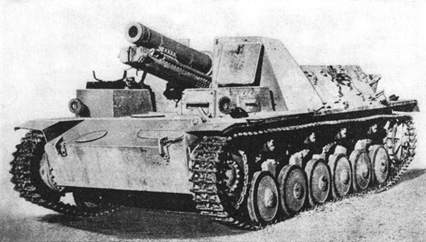
Figure 90.—15 cm Heavy Infantry Howitzer (s.I.G. 33) on Pz. Kpfw. II Chassis.
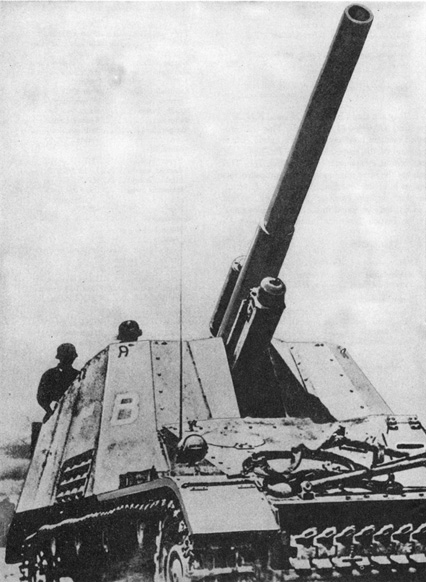
Figure 91.—15 cm. s.F.H. 18 on hybrid Pz. Kpfw. III/IV Chassis (Hummel).
c. BUMBLE BEE (Hummel) 15 cm s. F.H. 18/1 ON Gw. III/IV.
(1) General.
This self-propelled medium howitzer employs a hybrid chassis made up of the suspension of the Pz. Kpfw. IV and various components of Pz. Kpfw. III. This gun has the same mission in its self-propelled version as in its field version. The 15 cm S. F. H. 13, an older medium howitzer (obsolete on its field mount), may be found in the same role, mounted on the French "Lorraine" chassis.
(2) Specifications.
General
• Nomenclature: Hummel
• Type of carriage: Gw. III/IV, Sd. Kfz. 165.
• Length over-all including gun: 21 feet 3 7/8 inches.
• Length over-all excluding gun: 20 feet 4 1/8 inches
• Width over-all: 9 feet 8 1/8 inches
• Height over-all: 9 feet 7 3/4 inches
• Weight: 25.2 tons.
• Crew: 6 men.
Gun
• Type: 15 cm s.F.H J.8/1.
• Weight: 2.07 tons (barrel and breech).
• Muzzle velocity: HE 1,705 feet per second.
• Maximum range: HE charge eight 14,570 yards.
• Elevation: 0° to 39°.
• Traverse: 16° each way.
• Muzzle brake: No.
• Buffer: Hydraulic (under tube).
• Recuperator: Hydropneumatic (over tube).
• Ammunition types fired: HE, HC, Smoke
• Rounds carried: 12 HE, 6 HC
• Muzzle velocity: 1,705 HE
• Projectile weight.: 95.9 HE, 86 Smoke
Carriage
Suspension:
• Number of bogie wheels: 8
• Type of bogie wheels: Small rubber tired.
• Number of return: 4.
• Track, length: 11 feet 6 inches.
• Track, width: 7 feet 10 7/8 inches.
• Width of link: 1 foot 3 inches.
Hull armor:
• Front: 30 mm at 22°.
• Sides: 20 mm vertical.
• Rear: 20 mm at 9°.
• Top: 17 mm horizontal.
• Belly: 17 mm horizontal.
Fighting compartment armor:
• Front: 10 mm at 37°.
• Sides: 10 mm at 16°.
• Top: 10 mm at 12°.
Power
• Engine type: Maybach HL 120 TRM.
• Cylinder: V-12.
• Fuel: Gasoline.
• Location: Center.
• Horsepower: 295 at 3,000 rpm.
• Transmission: Synchromesh: 6 forward, 1 reverse.
• Drive: Front sprocket.
Performance
• Trench crossing: 9 feet.
• Fording: 2 feet 7 1/2 inches.
• Radius of action: 160 miles.
• Step: 2 feet 6 inches.
• Gradient: 30°.
• Maximum speed: 25 miles per hour.
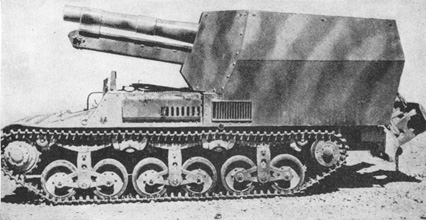
Figure 92.—15 cm Howitzer (s.F.H. 13) on French Lorraine Chassis.
4. Tank Destroyers
a. RHINOCEROS (Nashorn), FORMERLY HORNET (Hornisse), 8.8 cm Pak 43/1 ON the Gw. III/IV.
(1) General.
This is one of the versions of the 8.8 cm Pak 43, the latest 88-mm antitank gun, mounted on the hybrid chassis of the Pz. Kpfw. III and IV. The vehicle's silhouette is very high and the armor protection given to the crew by the thin-skinned superstructure is very poor. The gun, however, is able to engage tanks at very long ranges.
(2) Specifications.
General
• Nomenclature: Nashorn
• Type of carriage: Gw. III/IV, Sd. Kfz. 164.
• Length over-all including gun: 27 feet 8 1/4 inches.
• Length over-all excluding gun: 20 feet 4 1/8 inches.
• Width over-all: 9 feet 8 1/8 inches
• Height over-all: 9 feet 7 3/4 inches
• Weight: 27 tons
• Crew: 5 men
Gun
• Type: 8.8 cm Pak 43/1 (L/71).
• Muzzle velocity: APCBC 3,280 feet per second.
• Elevation: -5° to +20°.
• Traverse: 15° each way
• Muzzle brake: Yes.
• Buffer: Hydraulic
• Recuperator: Hydropneumatic
• Ammunition types fired: APCBC, HE, HC, AP 40
• Muzzle velocity (feet per second): 3,280 APCBC, 2,400 HE, 1,968 HC, 3,705 AP 40
• Projectile weight (pounds): 22.4 APCBC, 20.7 HE, 16.8 HC, 16 AP 40
• Rounds carried: Total of 48 rounds.
Carriage
Suspension:
• Number of bogies: 8
• Type of bogies: Small rubber tired.
• Number of return rollers: 4.
• Track, length: 11 feet 6 inches.
• Track, width: 7 feet 11 inches.
• Width of link: 1 foot 3 inches.
Hull armor:
• Front: 30 mm at 12°.
• Sides: 20 mm vertical.
• Rear: 22 mm.
• Top: 17 mm.
• Belly: 17 mm.
Fighting compartment armor:
• Front: 10 mm at 30°.
• Sides: 10 mm at 16°.
Power
• Engine type: HL 120 TRM.
• Cylinders: V-12.
• Fuel: Gasoline.
• Location: Center.
• Horsepower: 295 at 3,000 rpm.
• Transmission: Maybach synchromesh: 6 forward, 1 reverse.
• Drive: Front sprocket.
Performance
• Trench crossing: 9 feet.
• Fording: 2 feet 7 1/2 inches.
• Radius of action: 160 miles.
• Step: 2 feet 6 inches.
• Gradient: 30°.
• Maximum speed: 25 miles per hour.
Remarks
Penetration of homogeneous armor at 30°, APCBC projectile:
• 500 yards: 184 mm.
• 1,000 yards: 169 mm
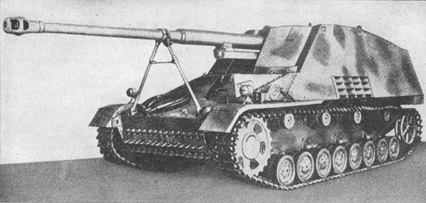
Figure 93.—8.8 cm Pak 43/1 on Pz Jäg. III/IV (Rhinoceros).
b. ELEPHANT (Elefant), FORMERLY Ferdinand, 8.8 cm Stu. K. 43 or Pak 43/2 ON THE Panzer Jäger Tiger P.
(1) General.
This is another version of the latest model, long 88-mm antitank gun. The gun is mounted on the Tiger P chassis, a discarded early version of the Tiger, incorporating twin gasoline generating units with direct electric drive. Although protected by heavy armor, this vehicle has been relatively unsuccessful because it is ponderous and difficult to maneuver.
(2) Specifications.
General
• Nomenclature: Elefant.
• Type of carriage: Pz. Jäg. Tiger P, Sd. Kfz. 184.
• Length over-all including gun: 26 feet 10 inches.
• Length over-all excluding gun: 23 feet 4 inches.
• Width over-all: 11 feet 3 inches.
• Height over-all: 9 feet 10 inches.
• Weight: 73 short tons.
• Crew: 6 men.
Gun
• Type: 8.8 cm Stu. K. 43 (LJ71) or Pak 43/2.
• Muzzle velocity: APCBC 3,280 feet per second.
• Elevation: -6° to +25°
• Traverse: 12° each way.
• Muzzle brake: Fitted.
• Buffer: Hydraulic
• Recuperator: Hydropneumatic
• Ammunition types carried: APCBC, HE, HC, AP 40
• Rounds carried: 20 APCBC, 70 HE
• Muzzle velocity: 3,280 APCBC, 2,460 HE, 1,968 HC, 3,705 AP 40
• Projectile weight: 22.4 APCBC, 20.7 HE, 16.8 HC, 16 AP 40
Carriage
Suspension:
• Number of bogie: 6 in pairs
• Type of bogie wheels: Large.
• Number of return rollers: None
Hull armor:
• Front: 200 mm at 32°.
• Sides: 80 mm vertical
• Rear: 80 mm vertical
• Top: 30 mm vertical
• Belly: 20 nm horizontal
Fighting compartment armor:
• Front: 170 mm at 30°.
• Sides: 90 mm at 30°.
Power
• Engine type: Two Maybach HL 120TRMs.
• Location: Center
• Horsepower: 590.
• Transmission: Electric drive.
• Drive: Rear sprocket.
Performance
• Fording : 2 feet 4 inches
• Radius of action: 62 miles.
• Gradient: 30°.
• Maximum speed: 12.5 miles per hour.
Remarks
Penetration of homogeneous armor at 30°,
• 500 yards: 184 mm.
• 1000 yards 169 mm.
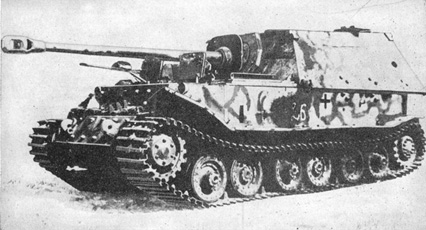
Figure 94.—8.8 cm Stu. K.43/1 on Tiger P Chassis (Elephant).
c. Jagdpanther, 8.8 cm Pak 43/3 OR 43/4 (L/71) ON THE PANTHER CHASSIS.
(1) General.
This tank destroyer is intended for engaging armored targets at long ranges from stationary positions. A single, heavy, sloping plate protects the front of both hull and superstructure. The gun is mounted centrally in this plate, giving the vehicle the appearance of an assault gun, with the gun rather high.
(2) Specifications.
General
• Nomenclature: Jagdpanther
• Type of carriage: Pz. Jäg. Panther, Sd. Kfz. 173.
• Length over-all including gun: 32 feet 4 inches.
• Length over-all excluding gun: 22 feet 9 inches.
• Width over-all: 10 feet 9 inches.
• Height over-all: 8 feet 3 inches.
• Weight: 51.25 short tons.
• Crew: 5 men.
Gun
• Type: 8.8 cm Pak 43/3 or 43/4 (L/71).
• Muzzle velocity: APCBC 3,280 feet per second.
• Elevation: -8° to +14°.
• Traverse: 13° each way.
• Muzzle brake: Yes.
• Buffer: Hydraulic.
• Recuperator: Hydropneumatic.
• Ammunition types fired: APCBC, HE, HC, AP 40
• Rounds carried: 28 APCBC, 29 HE
• Muzzle velocity (feet per second): 3,280 APCBC, 2,460 HE, 1,968 HC, 3,705 AP 40
• Projectile weight (pounds): 22.4 APCBC, 20.7 HE, 16.8 HC, 16 AP 40
Carriage
Suspension:
• Number of bogies: 8.
• Type of bogies: Double.
• Number of return rollers: 1.
• Track, length: 13 feet 5 1/2inches.
• Track, width: 8 feet 7 1/2 inches.
• Width of link : 2 feet 2 inches.
Hull armor:
• Front : 80 mm at 55°.
• Sides : 30 mm vertical.
• Rear: 40 mm at 30°.
Fighting compartment armor:
• Front: 80 mm at 55°.
• Sides: 45 mm at 30°.
Power
• Engine type: Maybach HL 230 P30.
• Cylinders V-12.
• Fuel: Gasoline.
• Location: Rear.
• Horsepower: 690 at 3,000 rpm.
• Transmission: Synchromesh 7 forward, 1 reverse.
• Drive: Front sprocket
Performance
• Trench crossing: 8 feet.
• Fording: 5 feet 1 inch.
• Radius of action: 87 miles.
• Step: 3 feet.
• Gradient: 30°.
Armament
• Type: One M.G. 34, ball mount.
• Location: Glacis plate.
Remarks
Penetration of homogeneous armor at 30°, APCBC projectile:
• 500 yards: 184 mm.
• 1,000 yards: 169 mm
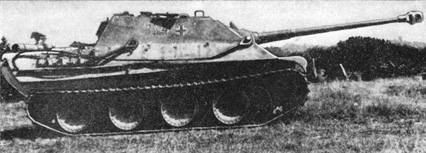
Figure 95.—8.8 cm Pak 43/3 on Panther Chassis (Jagdpanther).
d. Jagdtiger, 12.8 cm Pak 44 (L/55) ON THE Pz. Jäg. Tiger Model B.
(1) General.
The 12.8 cm Pak 44 (L/55) is the largest caliber antitank gun the Germans have produced so far. It is only found in a self-propelled version, mounted on the Pz. Jä Tiger Model B, which is an adaptation of the King Tiger chassis. The superstructure in which the gun is mounted, is very heavily armored. The Jagdtiger supersedes the 12.8 cm K. 40 mounted on a hybrid chassis, which was employed in Russia and will probably not be encountered in the future.
(2) Specifications.
General
• Nomenclature: Jagdtiger.
• Type of carriage: Pz. Jäg. Tiger Model B, Sd. Kfz. 186.
• Length over-all including gun: 32 feet 2 inches.
• Length over-all excluding gun: 23 feet 10 inches.
• Width over-all: 11 feet 9 1/2 inches.
• Height over-all: 9 feet 3 inches.
• Weight: 77.2 short tons.
• Crew: 6 men.
Gun
• Type: 12.8 cm Pak 44 (L/55).
• Muzzle velocity: APCBC 3,020 feet per second.
• Muzzle brake: Yes.
• Ammunition types fired: APC, APCBC, HE
• Muzzle velocity (feet per second): 2,890 APC, 3,020 APCBC, 2,886 HE
• Projectile weight (pounds): 58.1 APC, 62.5 APCBC, 57 HE
• Rounds carried: Total of 40 rounds.
Carriage
Torsion Bar Suspension:
• Number of bogie: 9
• Type of bogie wheels.: Twin.
• Number of return rollers: None.
• Track, length: 13 feet 4 inches.
• Track, width: 9 feet, 2 inches.
• Width of link: 2 feet 8 1/2 inches.
Hull armor:
• Front: 150 mm at 50°.
• Sides: 80 mm vertical.
• Rear: 80 mm at 30°.
Fighting compartment armor:
• Front: 250 mm at 15°.
• Sides: 80 mm at 25°.
• Rear: 80 mm at 10°.
Power
• Engine type: Maybach HL 230 P30.
• Cylinders: V-12.
• Fuel: Gasoline.
• Location: Rear.
• Horsepower: 595 at 2,600 rpm.
• Transmission: Preselector, hydraulic operation;: 8 forward, 4 reverse.
• Drive: Front sprocket.
Performance
• Fording: 5 feet 9 inches.
• Radius of action: 106 miles.
• Gradient: 35°.
• Maximum speed: 26 miles per hour.
Armament
• Mounted: One M.G.34.
• Carried: One M.G.42.
Remarks
Penetration of homogeneous armor at 30°:
• 500 yards, APC - 172 mm: APCBC - 212 mm.
• 1,000 yards: APC - 148 mm: APCBC - 200 mm.
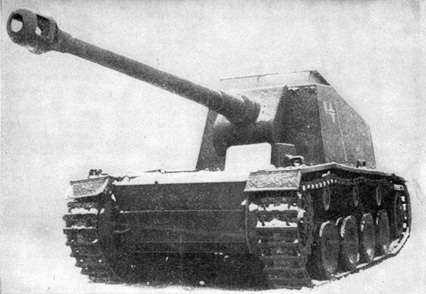
Figure 96—12.8 cm K.40 on Hybrid Chassis (Pz. Kpfw. III, IV, VI).
5. Self-Propelled Antiaircraft Guns
a. GENERAL.
The growth of Allied air power and the decline of the Luftwaffe have forced the Germans to devise self-propelled antiaircraft guns to defend transport columns from low-level air attack.
b. Flakpanzer.
Light antiaircraft guns of 20-mm or 37-mm caliber mounted on half-tracked vehicles have been in existence for some time, but the appearance of the so-called Flakpanzer or antiaircraft tanks is a new development. These consist essentially of a tank with turret removed and replaced by a light antiaircraft gun protected by an armored shield. The following types of Flakpanzer have been identified so far:
(1) The 2 cm Flak 38 mounted on the chassis of the Czech 38 (t) tank.
(2) The 3.7 cm Flak 43 mounted on the Pz. Kpfw. IV chassis.
(3) The 2 cm Flakvierling 38 (four-barreled antiaircraft automatic cannon) mounted on the Pz. Kpfw. IV chassis with a thin eight-sided shield.
c. HALF-TRACK CARRIAGES.
The 15-mm or 20-mm M.G. 151, a standard aircraft machine gun, has been recently mounted on the 3-ton, lightly armored, half-tracked vehicle, Sd. Kfz. 251/21, in a triple mounting with maximum elevation of 49°. The maximum cyclic rate of fire for the three guns is 2,100 rounds per minute. (Details of antiaircraft weapons are given in Section IV.)
6. List of Self-Propelled Artillery
a. CLOSE SUPPORT AND ASSAULT SELF-PROPELLED ARTILLERY.
Gun: 7.5 cm Kw.K. (L/24) —Carriage: Pz. Kpfw. III chassis (Sd. Kfz. 142)
Gun: 7.5 cm Kw.K. (L/24) —Carriage: -Half-track (Sd. Kfz. 251/90)
Gun: 7.5 cm Kw.K. (L/24) —Carriage: 8-wheeled armoured car (Sd. Kfz. 233)
Gun: 7.5 cm Kw.K. (L/24) —Carriage: -Half-track (Sd. Kfz. 10)
Gun: 7.5 cm Stu.K. 40 (L/43) —Carriage: - Pz. Kpfw. III chassis (Sd. Kfz. 142)
Gun: 7.5 cm Stu.K. 40 (L/48) —Carriage: -Pz. Kpfw. III chassis (Sd. Kfz. 142)
Gun: 7.5 cm Stu.K. 40 (L/48) —Carriage: Pz. Kpfw. IV chassis
Gun: 7.5 cm Stu.K. 42 (L/70) —Carriage: -Pz. Kpfw. IV chassis (Sd. Kfz. 162)
b. FIELD AND MEDIUM SELF-PROPELLED ARTILLERY.
Gun: 10.5 cm Stu.H. 42 (L/28) —Carriage: -Pz. Kpfw III chassis (Sd. Kfz. 142)
Gun: 15 cm s.I.G. 33 (L/12) —Carriage: -Pz. Kpfw. I B chassis (Sd. Kfz. 101)
Gun: 15 cm s.I.G. 33 (L/12) —Carriage: -Pz. Kpfw. II chassis (Sd. Kfz. 121)
Gun: 15 cm s.I.G. 33/1 (L/12) —Carriage: -Gw. 38 (Sd. Kfz. 138/1)
Gun: 15 cm Stu. H. 43 (L/12) —Carriage: -Pz. Kpfw. IV chassis (Sd. Kfz. 166)
Gun: 10.5 cm le. F. H. 18/2 —Carriage: -Gw. II (Sd. Kfz. 124)
Gun: 10.5 cm le. F. H. 18/4 —Carriage: -Lorraine (French) chassis
Gun: 10.5 cm le. F. H. 18 —Carriage: -Pz. Kpfw. H. 39 chassis
Gun: 10.5 cm le. F. H. 18/1 —Carriage: -Pz. Kpfw. IV B chassis
Gun: 15 cm s. F. H. 13: —Carriage: -Lorraine (French) chassis
Gun: 15 cm s. F. H. 18/1 —Carriage:-Gw. III/IV (Sd. Kfz. 165)
c. TANK DESTROYERS.
Gun: 2.8 cm Pak 41* —Carriage: -Half-track (Sd. Kfz. 250)
Gun: 3.7 cm Pak* —Carriage: -Half-track (Sd. Kfz. 251)
Gun: 3.7 cm Pak* —Carriage: -Renault "Chenillette" (French) armored carrier
Gun: 4.7 cm Pak (t) * —Carriage: -Pz. Kpfw. I chassis
Gun: 4.7 cm Pak (t) * —Carriage: -Pz. Jäg. I
Gun: 4.7 cm Pak (t) * —Carriage: -Renault R.3S (French) tank chassis
Gun: 5 cm Kw.K. 39/1** —Carriage: -8-wheeled armored car (Sd. Kfz. 234)
Gun: 7.5 cm Pak 40 —Carriage: -Pz. Kpfw. 38 (t) chassis
Gun: 7.5 cm Pak 40/3 —Carriage: -Pz. Jäg 38 (Sd. Kfz. 138)
Gun: 7.5 cm Pak 39 L/48 —Carriage: -Pz. Jäg 38 (t)
Gun: 7.5 cm Pak 40 —Carriage: -Pz. Kpfw. II chassis
Gun: 7.5 cm Pak 40 —Carriage: -Pz. Jäg. II (Sd. Kfz. 131)
Gun: 7.5 cm Pak 40 —Carriage: -Pz. Jäg. II (Ausf. D/E) (Sd. Kfz. 132)
Gun: 7.5 cm Kw.K* —Carriage: -Half-track (Sd. Kfz. 251/9)
Gun: 7.5 cm Pak 40/1 —Carriage: -Pz. Jdg. Lr. S. (Sd. Kfz. 135)
Gun: 7.5 cm Pak 40 —Carriage:-Truck
Gun: 7.5 cm Pak 40 —Carriage: Schneider Kegresse Armored Car chassis (modified)
Gun: 7.5 cm Pak 40 —Carriage: Hotchkiss H. 39 tank chassis
Gun: 7.5 cm Pak 39 (L/48) —Carriage:-Panzerjäger IV (Sd. Kfz. 162)
Gun: 7.62 cm Pak 36 (r) * —Carriage: -Half-track (Sd. Kfz. 6)
Gun: 7.62 cm Pak 36 (r) —Carriage: -Pz. Kpfw. 38 (t) chassis
Gun: 7.62 cm Pak 36 (r) —Carriage: -Pz. Jäg. 38 (Sd. Kfz. 139)
Gun: 7.62 cm Pak 36 (r) —Carriage: -Pz. Kpfw. II chassis
Gun: 7.62 cm Pak 36 (r) —Carriage: -Pz. Jdg. II (Sd. Kfz. 131)
Gun: 7.62 cm Pak 36 (r) —Carriage:-Pz. Jdg. II Ausf. D/E (Sd. Kfz. 132)
Gun: 7.62 cm F.K. (r) —Carriage: -Pz. Jäg. II Ausf. D/E (Sd. Kfz. 132)
Gun: 8.8 cm Pak 43/1 (L/71) —Carriage: -Pz. Jäg. III/IV (Sd. Kfz. 164)
Gun: 8.8 cm Pak 43/3 or Pak 43/4 —Carriage: -Pz. Kpfw. Panther chassis (Sd. Kfz. 173)
Gun: 8.8 cm Stu. K. 43/1 (L/71) or Pak 43/2 (L/71) —Carriage: -Tiger (P) chassis (Sd. Kfz. 182)
Gun: 12.8 cm K.40 —Carriage: -Hybrid chassis
Gun: 12.8 cm Pak 44 (L/55) —Carriage: -Tiger II chassis
d. SELF-PROPELLED ANTIAIRCRAFT GUNS.
2 cm Flak 30 or 38* —Carriage: -Half-track (Sd. Kfz. 10)
2 cm Flak 38* —Carriage: -Half-track (Sd. Kfz. 70)
2 cm Flakvierling 38* —Carriage: -Half-track (Sd. Kfz. 7)
3.7 cm Flak 18 or 36* —Carriage: -Half-track (Sd. Kfz. 6)
5 cm Flak 41* M.G. 151/15 or M.G. 151/20 Flakdrilling —Carriage: -Half-track (Sd. Kfz. 251 21) (3-ton half-track)
2 cm Flak 38 —Carriage: -Pz. Kpfw. 38 (t) chassis
3.7 cm Flak 43 —Carriage: -Pz. Kpfw. IV chassis
2 cm Flakvierling 38 —Carriage: -Pz. Kpfw. IV chassis
* Obsolete
** See "Armored Cars" for description
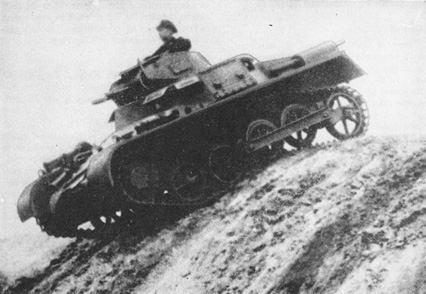
Figure 97.—Pz. Kpfw. I, Model A.
(2) Specifications.
Specification Number: Sd. Kfz* 101.
(Commander's Model: Sd. Kfz. 265.)
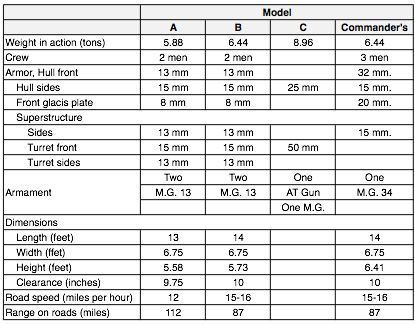
* Sd. Kfz. is the German abbreviation for Sonderkraftfahrzeug, meaning special motor vehicle.