
1. Hand Grenades
a. HIGH EXPLOSIVE STICK GRENADE (Stielhandgranate 24).
(1) General description.
This grenade consists of a hollow wooden handle and a thin sheet metal head containing the bursting charge. A double length of cord connects a porcelain bead at the lower end of the handle to a friction igniter and detonator assembly screwed on the head of the grenade. The wooden handle is closed at its lower end by a metal screw cap. A fragmentation sleeve is sometimes used with this grenade to improve the antipersonnel effect. This is a metal collar split longitudinally so it can be clipped around the head of the grenade. The surface of the sleeve may be either smooth or divided by serrations to assist fragmentation.
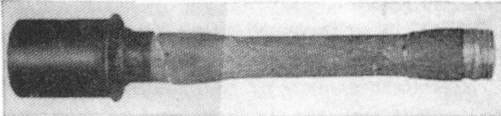
Figure 116.—Stielhandgranate 24, HE Stick Grenade.
(2) Characteristics.
• Weight of grenade: 1.36 pounds.
• Weight of bursting charge: 0.365 pound.
• Type of bursting charge: TNT.
• Length over-all: 14 inches.
• Detonator: Standard German No. 8.
• Igniter delay: 4 to 5 seconds.
• Igniter: B.Z.24
(3) Operation.
To arm the grenade, unscrew the metal cap at the lower end of the handle and pull the porcelain bead. This initiates the friction igniter and the grenade will function at the end of the 4- to 5-second delay.
b. HIGH EXPLOSIVE STICK GRENADE (Stielhandgranate 43).
(1) General description.
This is a modified form of the Stielhandgranate 24. It has the same thin sheet metal head, but has a solid handle. A blue-capped pull igniter and detonator assembly screw into the top of the grenade head. Like the Model 24, this grenade is used with a smooth or serrated fragmentation sleeve.
(2) Characteristics.
• Total weight: 1 pound 6 ounces.
• Weight of bursting charge: 7 ounces.
• Igniter: B.Z.f.Eihgr.
• Detonator: No. 8.
• Fuze delay: 4 1/2 seconds.
(3) Operation.
To arm the grenade unscrew and pull the blue metal cap on the top of the explosive head. This initiates the 4 1/2-second delay.
c. WOODEN IMPROVISED HAND GRENADE (Behelfshandgranate-Holz).
(1) General description.
This is an offensive-type grenade constructed entirely of wood. It consists of a cylindrical wooden head screwed on a hollow wooden handle. The head is bored to a depth of 47/8 inches, and specimens of this grenade have been found to contain half a Bohrpatrone (standard 100-gram (3.527 ounces) demolition cartridge). The extra space is filled by a wooden plug. A fuze and detonator assembly is located in the forward end of the handle with the detonator inserted into the center of the Bohrpatrone. A pull igniter is attached by cord to a button in the recess under the metal cap at the lower end of the handle. These grenades are packed in wooden boxes holding 14 grenades. They are prepared with charges and delay igniters. The detonators, with a short length of fuze, are carried in a separate container inside the box.
(2) Characteristics.
• Length over-all: 15 inches.
• Length of head: 5 1/4 inches.
• Diameter of head: 2 1/4 inches.
• Diameter of handle: 1 1/4 inches.
• Total weight: 12 ounces.
• Weight of bursting: 50 grams (1.763 ounces).
• Detonator: No. 8.
(3) Operation.
To arm the grenade, unscrew the head and break the paper seal on the Bohrpatrone. Screw the detonator and fuze assembly into the igniter and slip the detonator into the head of the Bohrpatrone. Replace the head and the grenade is ready for use. To use the grenade remove the metal cap on the lower end of the handle, pull the button attached to the friction igniter and throw. This grenade is designed to produce blast effect and may be used by troops advancing in the open.
d. CONCRETE IMPROVISED HAND GRENADE (Behelfshandgranate-Beton).
(1) General description.
This grenade is an offensive type grenade similar to the wooden improvised hand grenade, except the grenade head is made of concrete instead of wood and a full 100-gram Bohrpatrone is used as an explosive charge.
(2) Characteristics.
• Igniter: B.Z.4.5Sek.
• Detonator: No. 8.
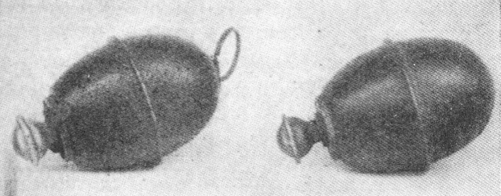
Figure 117.—Eihandgranale 39 HE Egg Grenade (left, older; right, later version).
e. HIGH EXPLOSIVE HAND GRENADE (Eihandgranate 39).
(1) General description.
This is an egg-shaped hand grenade constructed of thin sheet metal with high explosive bursting charge. This grenade and the Stielhandgranate 24 are the standard German hand grenades and are used most. The explosive charge is initiated by a detonator and a friction igniter. The wire loop of the friction igniter is connected by a short cord to a blue metal cap screwed on the top of the grenade body. A model of this grenade containing chloracetophenone also exists. It may be recognized by a yellow ring painted around the grenade and four pear-shaped projections on the lower half of the body. It contains a 112-gram (3.95 ounces) TNT bursting charge and a small aluminum capsule containing 5 grams (0.176 ounce) of chloracetophenone.
(2) Characteristics.
• Weight of grenade: 8 ounces.
• Weight of bursting: 4 ounces.
• Detonator: No. 8.
• Igniter: B.Z.f.Eihgr.
• Fuze delay: 4 to5 seconds.
(3) Operation.
Unscrew the blue metal cap and pull the igniter. The grenade will explode after a delay of 4 to 5 seconds.
f. SMOKE STICK GRENADE (Nebelhandgranate 39).
(1) General description.
This grenade can be distinguished from the high explosive stick grenade (Stielhandgranate) by three grooves in the handle, which serve as recognition features in the dark, and by a white band painted around the center of the handle and an interrupted white band around the head, with the lettering "Nb. Hgr. 39", also in white. The head is made of thin metal and contains a filling of zinc-hexachlorethane. Instead of the detonator used in the high explosive grenade, an ignition tube is used. This is very similar in appearance to the No. 8 detonator, but may be distinguished by the closed end which is painted green. The smoke generated in the head escapes through holes around the handle socket. A pull igniter is located inside the handle.
(2) Characteristics.
Igniter: B.Z.39.
Ignition tube: N.4.
Fuze delay: 7 seconds
g. SMOKE STICK GRENADE (Nebelhandgranate 39B.)
This grenade is a later model of the Nebelhandgranate 39 and differs only in the composition of the smoke mixture. In the Model 39B more hexachlorethane and less zinc are used.
h. SMOKE HAND GRENADE (Nebelhandgranate 41).
(1) General description.
This grenade has a body which is very similar to that of the Nebelhandgranate 39 but has, instead of a stick handle, a pull igniter inserted into a plastic adapter in the top of the body. There are only two smoke emission holes. The grenade may be recognized by the letters "Nb. Hgr. 41" and a broken line stencilled in white on the body.
(2) Characteristics.
• Igniter: B.Z.39.
• Ignition tube: N.4.
• Duration of smoke emission: 100 to 120 seconds.
• Filling: Berger mixture.
• Fuze delay: 3 seconds.
(3) Operation.
The grenade is initiated by unscrewing the igniter cap and pulling the igniter. This initiates the ignition tube and the grenade begins to emit smoke after about 3 seconds.
i. SMOKE EGG GRENADE (Nebeleihandgranate 42).
(1) General description.
The elongated egg-shaped body of this grenade is made of thin metal. At the lower extremity a small metal loop is welded or riveted to the body and at the top there is a threaded socket for the igniter assembly. Three holes allow the smoke to escape. A standard German pull igniter is screwed into the top. The igniter has a brass body and a steel ring attached to the top. The grenade is marked "Nb. Eihgr. 42" in white and has three short white bands stencilled around the body. A label near the base warns that the fumes can be dangerous in an enclosed space.
(2) Characteristics.
Length over-all: 5.3 inches
Diameter over-all: 1.96 inches.
Body length: 4.1 inches
Body diameter: 1.7 inches
Igniter: Zd. Schn. Anz. 29.
(3) Operation.
Pull the ring on the igniter before throwing the grenade.
j. GLASS SMOKE GRENADE (Blendkörper 1H).
(1) General description.
This grenade consists of a sealed glass bulb in a hexagonal carton of corrugated cardboard. The glass is shaped like a somewhat elongated electric light bulb and is about the same size, but of thicker glass. The bulb contains 260 grams (9.17 ounces) of titanium tetrachloride. This grenade is intended for use against the crews of pillboxes and vehicles.
(2) Operation.
The grenade is carried in the cardboard container and when required for use it can be withdrawn by a tape attached to the lid of the box; the lid is cemented to the neck of the bulb. Remove the lid and throw the grenade against the target. When the bulb bursts, the mixture will give off a dense smoke.
k. GLASS SMOKE GRENADE (Blendkörper 2H).
(1) General description.
The glass bulb of this grenade contains 250 grams (8.8175 ounces) of a yellowish liquid. The bulb is sealed at the neck with a sulphur plug which also holds in position a glass tube, orientated along the axis of the bulb. This tube contains 25 grams (0.882 ounce) of a calcium chloride solution. The smoke liquid consists of titanium tetrachloride with silicon tetrachloride added to lower its freezing point. The calcium chloride is used to lower the freezing point of the water which is included to increase the effectiveness of the smoke under conditions of low humidity.
(2) Operation.
Throw the grenade at the target in the same way as the Model 1H. A notice on the side of the container, which holds four grenades, states that they are suitable for use at temperatures down to -40° centigrade.
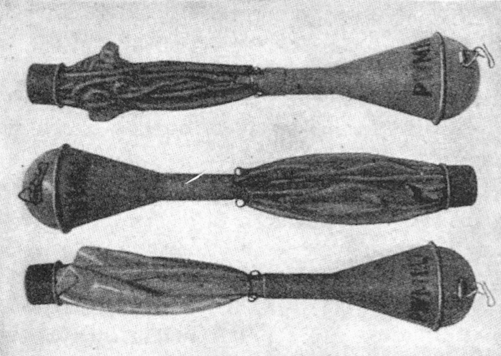
Figure 118.—Panzerwurfmine 1 (L), hollow-charge antitank hand grenade.
l. HOLLOW-CHARGE ANTITANK HAND GRENADE (Panzerwurfmine 1 (L).
(1) General description.
This is a recent type antitank grenade. It is of hollow-charge design and is thrown by hand at tanks from a distance of 20 to 30 yards. The grenade body is in the form of a metal cone with a hemispherical, thin, sheet-metal head. The cone contains an explosive charge, with a concave metal retaining plate at the forward end. An air space is formed between this plate and the sheet metal head of the grenade. The narrow end of the cone is located by setting screws around the circumference of a hollow wooden tailpiece containing picric rings and serving as a throwing handle. Around the outside of the tailpiece are four, cloth, triangular shaped fins. Along the outer end of each fin is a steel spring which retains the fins in the open position when the grenade is thrown. When the grenade is being carried, and up to the moment of throwing, these fins are wrapped around the tailpiece and retained in position by a cap. Located in the tail of the grenade is a striker mechanism fitted with a safety pin which has a cloth tab attached. The safety pin is retained in position by a metal clip attached to one of the fins.
(2) Operation.
The grenade is held for throwing by the tailpiece, and immediately before throwing the metal cap is removed from the end of the tailpiece. When the grenade is thrown the fins fly outward and the clip attached to one of them comes away from the striker mechanism and releases the safety pin. Upon impact the striker mechanism functions and initiates the bomb.
m. HOLLOW-CHARGE STICKY GRENADE.
The tapering steel body of this grenade contains the hollow-charge. A flat sticky pad at the nose is covered by a press-on lid with a small handle. A tapering fuze adapter terminating in a socket, threaded internally to receive an igniter, is attached to the base of the grenade. The igniter socket is closed during transit by a black plastic plug. Specimens of the igniter and detonator have not been received, but it is believed that a No. 8 detonator is used in combination with a standard 4 1/2-second egg grenade igniter. It is not clear whether it is necessary to place the grenade on the tank or whether it may be thrown from short ranges.
2. Rifle Grenades
a. HIGH EXPLOSIVE RIFLE GRENADE (Gewehr Sprenggranate).
(1) General description.
This is a high explosive grenade which may be either fired from the standard rifle discharger cup (Schiessbecher) or thrown as a hand grenade. The projectile has a steel body containing a bursting charge, a base incorporating a flash pellet and delay train, and a point detonating fuze. The base is rifled to conform with the rifling of the discharger cup and fitted with a screwed-in base plug in which there is a flash hole communicating to a 6 1/2-second delay flash pellet.
(2) Characteristics.
Length over-all: 5.5 inches.
Diameter: 1.17 inches.
Weight of grenade: 9 ounces.
Weight of bursting charge: 1.1 ounces.
Type of bursting charge: Penthrite-Wax.
Detonator: Similar to No. 8 but slightly larger and perforated.
Maximum range: 265 yards.
(3) Operation.
(a) As rifle grenade. When the grenade is fired from the launcher it will be initiated normally by the point detonating fuze, which consists of a striker, primer, and detonator assembly of conventional design. Should the point detonating fuze fail to operate, a flash pellet in the base will ignite a friction composition in the lower end of the projectile body. This will in turn ignite a 4 1/2-second delay pellet which then initiates the detonator in the bursting charge.
(b) As hand grenade. A short cord located internally between the top of the base and the lower end of the body connects a friction wire below the 4 1/2-second delay pellet to a washer resting freely in the base. When the grenade is to be thrown by hand, the base is unscrewed and the washer pulled. This operates the friction igniter and sets off the delay train. The grenade is thrown and functions at the end of 4 1/2 seconds.
(4) Modifications.
Modifications to this grenade have appeared. The pull igniter is sometimes omitted, permitting the grenade to be fired from the launcher but it cannot be thrown. The self-destroying device is sometimes omitted. An "all-ways" fuze is sometimes fitted instead of the standard point detonating fuze, setting off the charge no matter which way the grenade strikes.
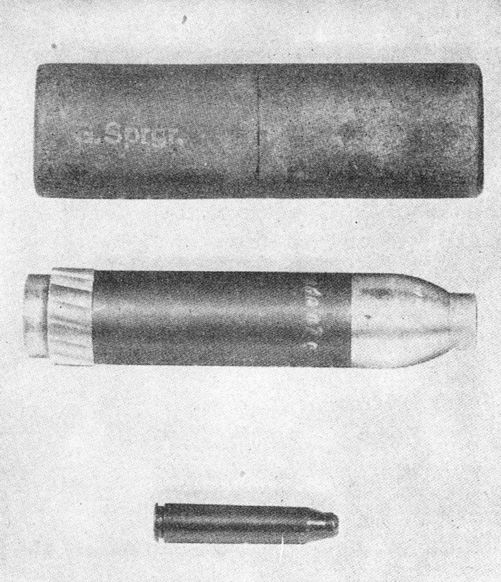
Figure 119.—Gewehr Sprenggranate, HE Rifle Grenade.
b. HIGH EXPLOSIVE RIFLE GRENADE WITH INCREASED RANGE (Gewehr Sprenggranate mit Gesteigerter Reichweite).
This is a later model of the standard rifle grenade. The self-destroying device has been eliminated and it is fired by a new propelling cartridge. It is claimed that the maximum range has been increased to 711 yards. The grenades may be identified by the box label (Gewehr Sprenggranate mit Gesteigerter Reichweite), by the unperforated base plate and fixed rifle base, or by the propelling cartridge with its bright yellow bullet.
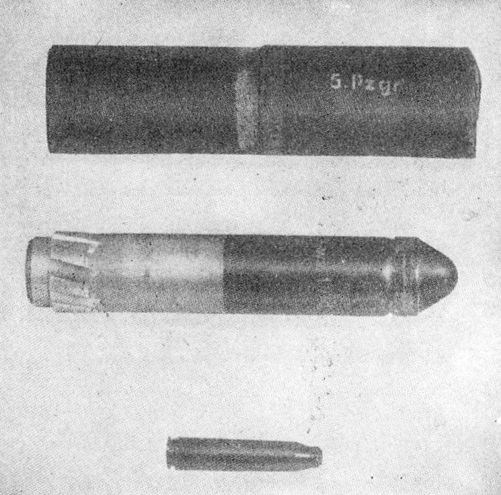
Figure 120.—Gewehr Panzergranate, Antitank Rifle Grenade.
c. ANTITANK RIFLE GRENADE (Gewehr Panzergranate 30).
(1) General description.
This is a rifle grenade incorporating the hollow-charge principle. It is fired from the 30-mm rifled discharger cup (Schiessbecher) which can be attached to most types of German rifles. The body of the grenade is in two parts. The forward section is made of steel and contains the bursting charge with the hollow charge cone, closed by a light metal cap. The rear portion is made of light aluminum alloy and contains the fuze and exploder system. A pre-rifled rotating band is located near the base of the grenade. The propellent is contained in a 7.92-mm blank cartridge, crimped at the mouth.
(2) Characteristics.
• Total weight: 8.8 ounces
• Length over-all: 64 inches.
• Weight of bursting charge: 1.75 ounces.
• Maximum accurate range: 100 yards.
d. Large Antitank Rifle Grenade (Gross Gewehr Panzergranate 40).
(1) General description.
This is similar to the Gewehr Panzergranate 30 except that the front portion is enlarged to accommodate a greater bursting charge. The propellent is contained in a standard 7.92-mm cartridge with a wooden bullet.
(2) Characteristics.
• Weight: 13 1/2 ounces (approximately)
• Length over-all: 7 inches (approximately).
• Weight of bursting charge: 4 1/2 ounces.
• Maximum accurate range: 100 yards.
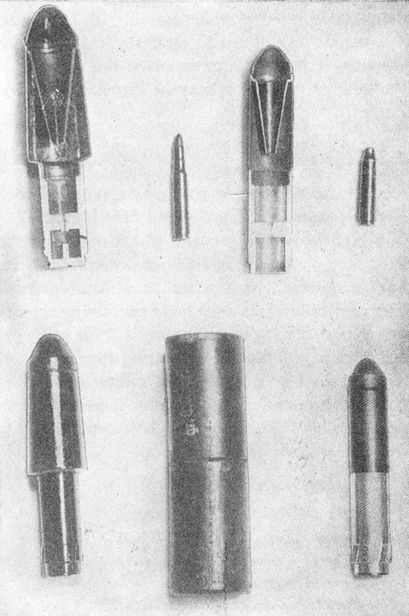
Figure 121.—Gross Gewehr Panzergranate, Large Antitank Rifle Grenade.
e. 46-MM HOLLOW-CHARGE RIFLE GRENADE (S.S. Gewehr Panzergranate 46).
(1) General description.
This rifle grenade has a streamlined body with a maximum diameter of 46 mm. The body is treated against corrosion and is closed by a conical unpainted impact cap. The stem is of steel and fits into the standard 30-mm discharger cup. It has a pre-rifled rotating band. The base plug is conical in shape. The propelling cartridge consists of a lacquered steel 7.92-mm cartridge case crimped at the neck and sealed with wax. The cap is yellow.
(2) Characteristics.
• Weight: 15 1/2 ounces (approximately).
• Length over-all: 7 7 inches.
• Length of stem: 4 inches.
• Maximum diameter of head: 1.8 inches.
• Diameter of stem: 1.2 inches.
• Type of bursting: RDX-TNT.
• Weight of bursting: 4.8 ounces.
(3) Performance.
Static test indicates that the penetration at long ranges is approximately 90 mm of homogeneous armor. At short range (approximately 18 feet) the penetration was 70 mm. A1/4-inch mild steel plate, spaced 11 inches in front of the armor, completely nullified the effect on the armor.
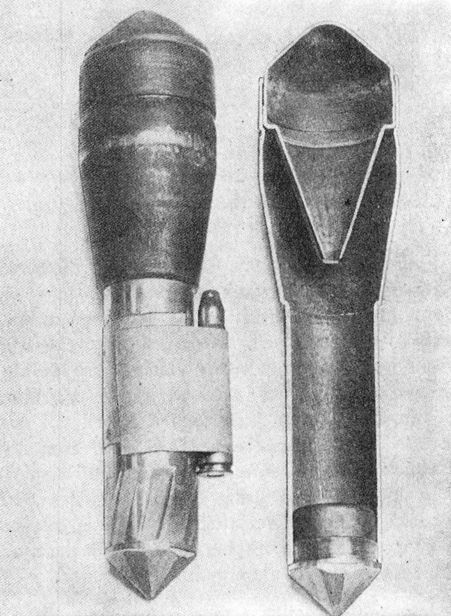
Figure 122.—SS Gewehr Panzergranate 46, 46-mm. Hollow-Charge Rifle Grenade.
f. 61-MM HOLLOW-CHARGE RIFLE GRENADE (S.S. Gewehr Panzergranate 61).
(1) General description.
This is a hollow-charge rifle grenade similar to the SS Gewehr Panzergranate 46 but having a streamlined body of larger dimensions.
(2) Characteristics.
• Weight: 19 ounces (approximately).
• Length over-all: 9.4 inches.
• Length of stem: 4 inches.
• Maximum diameter of head: 2.4 inches.
• Diameter of stem: 1.2 inches.
• Type of bursting: RDX-TNT.
• Weight of bursting: 8.5 ounces.
(3) Performance.
Static tests indicate that the maximum penetration of homogeneous armor at the extreme range of 220 yards will be approximately 126 mm. At a range of approximately 18 feet the penetration falls to 100 mm. A 1/4-inch mild steel plate, spaced 11 inches in front of the main armor, completely defeats the grenade.
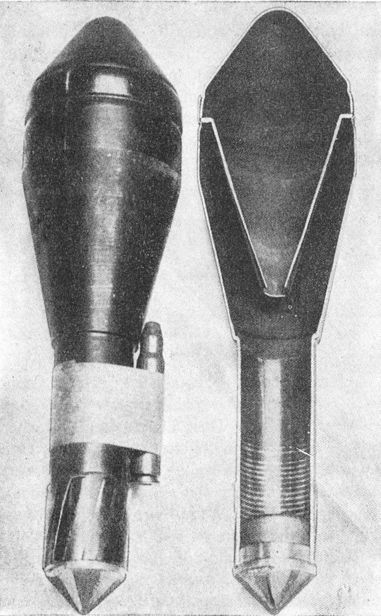
Figure 123.—Gewehr Panzergranate 61, 61-mm. Hollow-Charge Rifle Grenade.
g. HOLLOW-CHARGE RIFLE GRENADE.
This late type hollow-charge rifle grenade is similar in appearance to the Gewehr Panzergranate 61. It differs, however, in having an impact cap that is approximately hemispherical and unpainted. The grenade is 9.61 inches long and its greatest diameter is 2.4 inches. The base is rifled for firing from the standard grenade launcher.
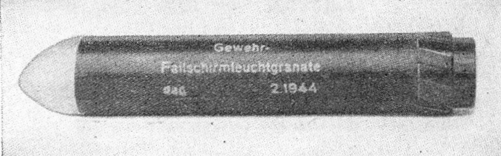
Figure 124.—Gewehr Fellschirmleuchtgranate, Parachute Star Rifle Grenade.
h. ILLUMINATING PARACHUTE RIFLE GRENADE (Gewehrfallschirmleuchtgranate).
(1) General description.
This illuminating parachute grenade has a cylindrical steel body. At the front is a conical cap with round tip, and at the rear a base rifled to engage the rifling in the standard grenade launcher. Within the body is a delay pellet, an ejection charge, and a container holding the parachute, rigging, and star flare. This container incorporates a second delay pellet, and a second ejection charge for the parachute and flare. The grenade is fired by a cartridge case containing 1.5 grams (0.05 ounce) of propelling charge. The cartridge is closed by a wooden bullet.
(2) Characteristics.
• Diameter: 1.18 inches.
• Length: 6.88 inches.
• Weight: 9.9 ounces.
(3) Operation.
When the grenade is fired, the flash from the propellent gases ignites the delay pellet in the base of the grenade. After 6 1/2 seconds an ejection charge explodes and ejects the container holding the parachute and star. Simultaneously a second delay pellet in the container is initiated. Two seconds later, the parachute ejection charge is set off and the parachute and star are ejected.
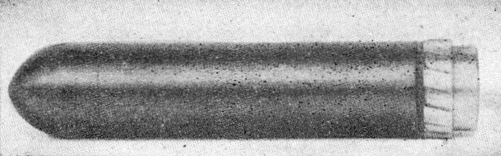
Figure 125.—Gewehr Propagandagranate, Propaganda Rifle Grenade.
i. PROPAGANDA RIFLE GRENADE (Gewehr Propagandagranate).
(1) General description.
This grenade, which weighs 8 ounces when filled, is fired from the standard launcher. The grenade body is a cylindrical steel tube, closed by a loose-fitting ballistic cap. The propaganda leaflets are enclosed in two semi-cylindrical steel covers within the body and rest on a cup-shaped platform. The tail element, with the usual pre-rifled base, contains the ejecting charge and a delay train. The propellent is contained in the usual type of blank cartridge, distinguished by a red band.
(2) Operation.
The delay train is ignited by the flash from the propellent and detonates the ejecting charge. The platform, leaflets, leaflet covers, and ballistic cap are ejected during flight. The maximum range is approximately 500 yards.
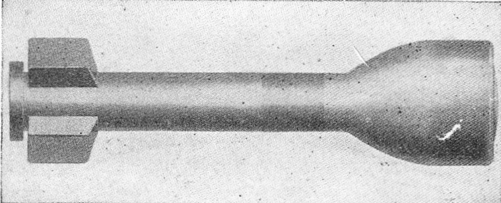
Figure 126.—Gewehr Granatpatrone, Rifle Spigot Grenade.
j. HIGH EXPLOSIVE ANTITANK HOLLOW-CHARGE RIFLE GRENADE (Gewehr Granatpatrone 30).
(1) General description.
This grenade consists of a streamlined bell-shaped body, closed in front by a slightly convex closing disc of aluminum, a graze fuze screwed into a projection on the base of the body, and a finned tail unit screwed to the fuze base. It is fired from the standard rifle (Gewehr 98) fitted with a spigot type launcher and using blank cartridges with wooden bullets. The bursting charge is cast cyclonite wax with hemispherical cavity in the head. This cavity has an aluminum liner.
(2) Characteristics.
• Length over-all: 9.3 inches (approximately).
• Maximum diameter: 2 4 inches.
• Length of body: 3.15 inches.
(3) Operation.
When the grenade is fired, the propellent gases shatter the wooden bullet and shear a safety pin by forcing forward a cutting member. In the armed position, the striker is withheld from the detonator by a creep spring and initiates the grenade when it hits or grazes a target.
3. Grenades for Smooth Bore Signal Pistol (Leuchtpistole)
a. HIGH EXPLOSIVE PROJECTILE FOR SIGNAL PISTOL (Wurfkörper 361, Leuchtpistole).
This projectile consists of the normal egg hand grenade with a stem screwed on in place of the powder train time fuze. The stem contains a powder train fuze (with a delay of approximately 4 1/2 seconds) with a No. 8 detonator at the upper end. In the lower end the projectile carries the cartridge (propellent charge with percussion cap) which expels the grenade and sets off the time fuze. The projectile is secured to the stem by a split pin and ring which must be withdrawn before the projectile is loaded into the signal pistol. The projectile is then armed. A removable liner must be inserted in the tube of the signal pistol before firing this grenade. The liner is inserted from the breech end and held in place by a projecting stud engaging with the upper surface of the breech. (See Section II for a description of signal pistols.)
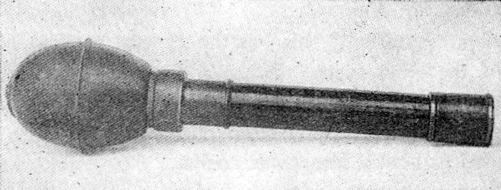
Figure 127. —Wurfkörper 361, Leuchtpistole, modified egg grenade for signal pistol.
b. HIGH EXPLOSIVE PROJECTILE FOR SIGNAL PISTOL (Wurfgranatpatrone 326, Leuchtpistole).
(1) General description.
This projectile, which is painted yellow, has the appearance of a small mortar shell. It is attached to a signal cartridge case by crimping. The head is hollow and contains a fixed needle which is separated from a pellet containing the detonator assembly and a 7-gram (0.247 ounce) TNT bursting charge by a creep spring.
(2) Operation.
A pin inserted through the tail of the bomb pushes two metal balls into a groove and thus prevents the pellet from moving forward against the needle. On firing the projectile is automatically armed, since the pin is left behind. On impact the pellet is thrown forward onto the needle.
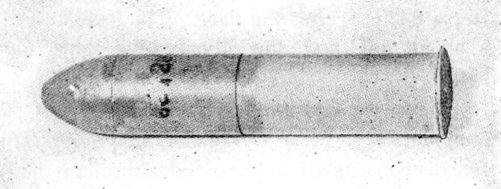
Figure 128. —Wurfgranatpatrone 326, Leuchtpistole, HE projectile for signal pistol.
c. HOLLOW CHARGE GRENADE FOR SIGNAL PISTOL (Panzerwurfkörper 42, Leuchtpistole).
(1) General description.
This grenade is fired up to a maximum range of 75 yards from the Leuchtpistole, using the reinforcing sleeve, stock, and combined front and rear sight. The grenade has a pear-shaped head containing the hollow charge and is fitted with an impact cap. The grenade tapers to form a tail tube with pre-rifling for screwing into the reinforcing sleeve. A thinner tube, containing the propellent, percussion cap, and a shearing and propelling bolt, is inserted into the end of the tail tube.
(2) Characteristics.
• Weight of grenade: 1 pound 5 ounces.
• Diameter of head: 2.4 inches.
• Diameter of tail tube: 0.875 inch.
• Length of grenade: 8.56 inches.
(3) Operation.
The complete grenade is loaded into the pistol from the muzzle end. The propellent tube fits freely into the bore until the pre-rifled band meets the muzzle of the reinforcing sleeve, when the grenade must be screwed into the rifling. On firing, the propellent gases drive the propelling and shearing bolt forward. This bolt breaks a shear pin in the front end of the propelling tube and discharges the grenade. The graze fuze in the tail tube is armed by setback as the grenade leaves the pistol.
d. SMOKE EGG GRENADE (Nebeleihandgranate 42/II).
This grenade reportedly can be fired from the Leuchtpistole. No details are available, however. It seems probable that the Nebeleigranate 42 has been modified for firing from the signal pistol, using the reinforcing sleeve, in the same way as the Eihandgranate 39 was modified to produce the Wurfkörper 361 L.P.
e. TIME FUZED HIGH EXPLOSIVE ROUND FOR SIGNAL PISTOL (Sprenggranatpatrone, Leuchtpistole Mit Z.Z.).
This is a new type of signal pistol ammunition designed for shooting from tanks or equivalent cover. The round consists of a heavy cased high explosive projectile with a 1-second time fuze in the base and a varnished steel cartridge case. Packing cases for these grenades bear the following inscription:
"Achtung! nur aus Panzer oder gleichwertiger Decken verfeuern. Brennzeit I Sek." ("Danger! Only to be fired from tanks or equivalent cover. Time of burning 1 second.")
4. Grenades for Modified Rifled Grenade and Signal Pistol
a. HIGH EXPLOSIVE GRENADE (Sprengpatrone für Kampfpistole).
This round consists of a die-cast aluminum cartridge case into which the projectile is fitted. A percussion cap and propellent are in the base of the cartridge case. Ten holes in a plate above the propellent charge lead the gases to the base of the projectile. The projectile has a rifled aluminum body containing two bursting charges of penthrite wax and a point detonating fuze which is armed as the projectile leaves the muzzle of the pistol. The projectile may be recognized by the letters "Spr. Z." stencilled on the base.
b. SMOKE GRENADE (Nebelpatrone für Kampfpistole).
(1) General description.
Externally this projectile is similar to the high explosive projectile. Internally it contains a smoke generator. It is fitted with a point detonating fuze similar to that used in the high explosive projectile, except that there is a charge of gunpowder in place of the detonator below the flash cap.
(2) Operation.
The projectile functions on impact. The internal charge of gunpowder is ignited by the flash cap and blows off the nose. At the same time the smoke generator is ignited. The smoke generator is projected a considerable distance from the point of impact.
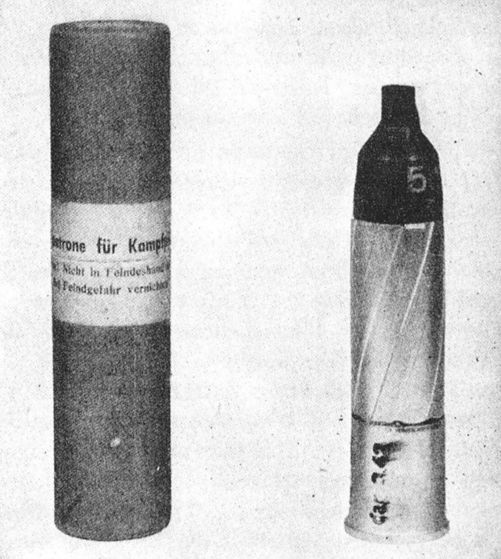
Figure 129.—Sprengpatrone Fur Kampf pistole, HE Grenade for Kampf pistole.
c. ORANGE SMOKE GRENADE (Deutpatrone für Kampf pistole).
(1) General description.
Externally this projectile is similar to the Nebelpatrone, except that it has no nose fuze. The head is parabolic. The grenade is filled with an orange smoke composition. In a central cavity are four strands of quick-match connected to a gunpowder pellet in the center of the projectile base. The smoke jets at the base are covered with a thick pad of compressed paper which is burst by the smoke pressure. "Deut. Z." is stencilled on the base.
(2) Operation.
When the projectile leaves the cartridge case, the gunpowder pellet is ignited and, after a delay, the quick-match ignites and in turn ignites the smoke mixture.
d. PARACHUTE FLARES (Fallschirmleuchtpatrone für Kampf pistole).
(1) General description.
Externally this has the general appearance of the other types. It has a black bakelite head with a white spot in the center. The base of the projectile has a screwed-in plug which is perforated to hold a gunpowder pellet. Above this is a flare with parachute attached. "F. Leucht. Z." is stencilled on the base.
(2) Operation.
On firing the flash from the propellent ignites the gunpowder pellet which, after a delay, ignites the flare. The bakelite head is blown off and the illuminating type flare ejected.
e. MESSAGE GRENADE (Nachrichtpatrone für Kampf pistole).
(1) General description.
This grenade consists of a pre-rifled aluminum body, with a plastic head, and an aluminum cartridge case. The black plastic head, which screws onto the body, contains a message form and pencil. The body contains a smoke generator, a colored silk streamer, and an ejecting charge. The body is closed by a screwed-in base plate with a gunpowder delay pellet. Stencilled on the base are the letters "Nachr. Z".
(2) Operation.
When the projectile is fired, the flash from the propellent ignites the delay in the grenade base plate. This in turn ignites the ejecting charge and expels the message container, smoke generator, and streamer.