
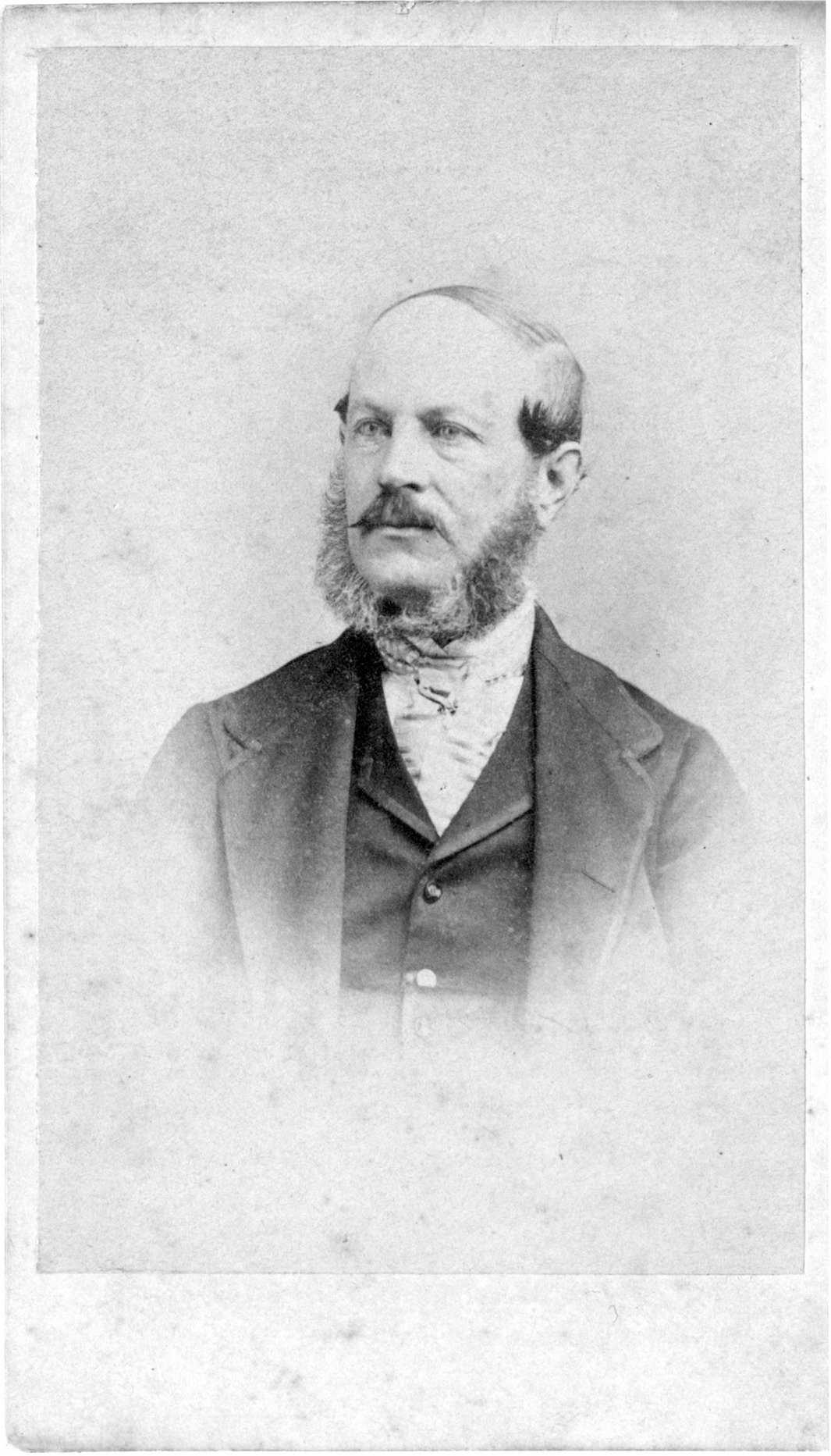
Robert Bunch, Her Majesty’s consul in Charleston, South Carolina, around 1860. The original was published as a carte de visite by Quinby & Co., which had a branch on King Street. From the collection of the South Carolina Historical Society
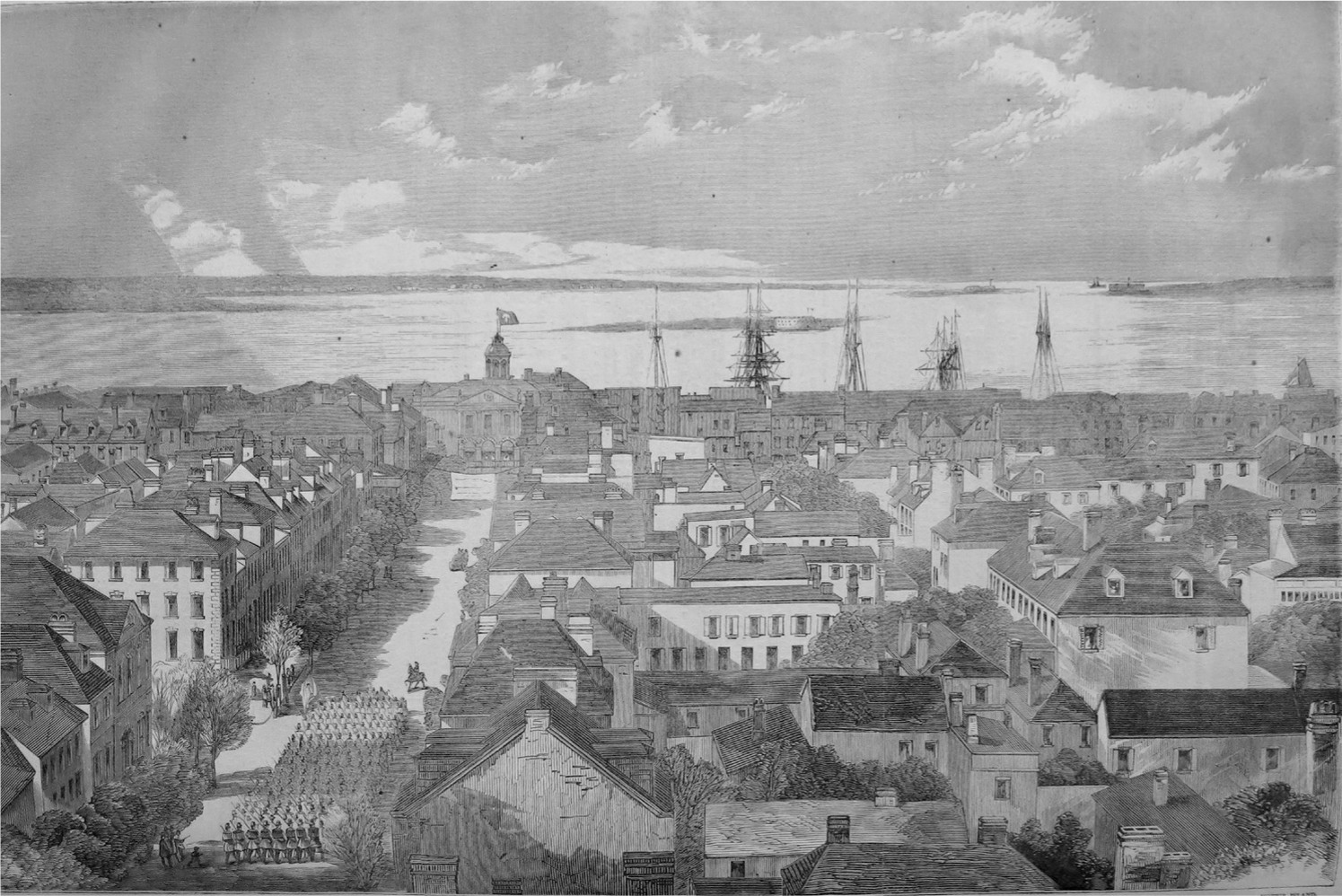
Charleston, South Carolina, in January 1861. Militia are marching down Broad Street. The Palmetto flag flies about the Exchange. Fort Moultrie and Fort Sumter lie at the mouth of the harbor. This and other images from Harper’s Weekly courtesy American Library in Paris
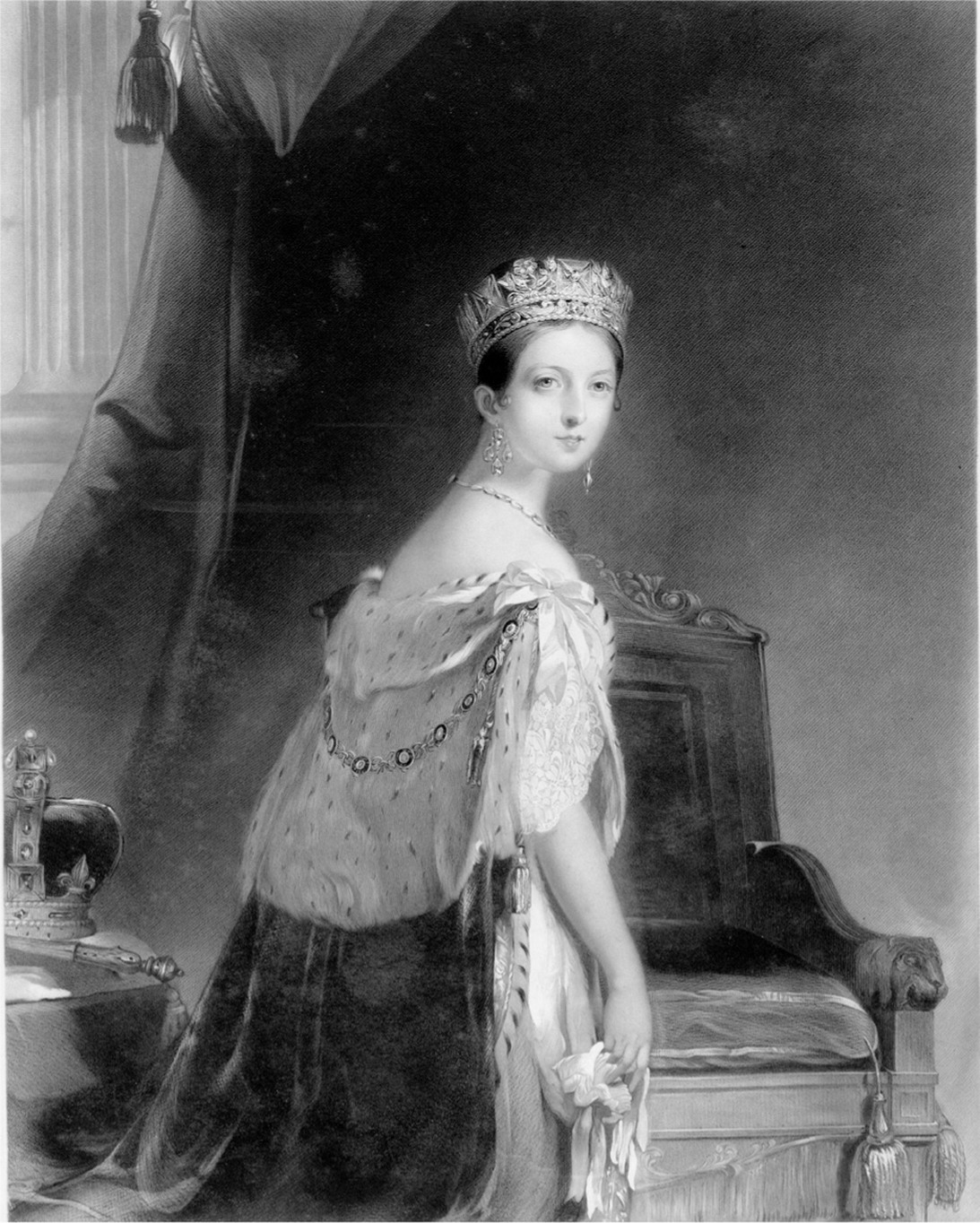
Engraved detail of a portrait that Thomas Sully painted of Queen Victoria in 1838 when she was eighteen years old and had recently ascended the throne. He gave an original full-length version of this painting to Charleston’s St. Andrew’s Hall where, over the years, the monarch gazed down on cotillions and, finally, the birth of the Confederacy. © National Portrait Gallery, London
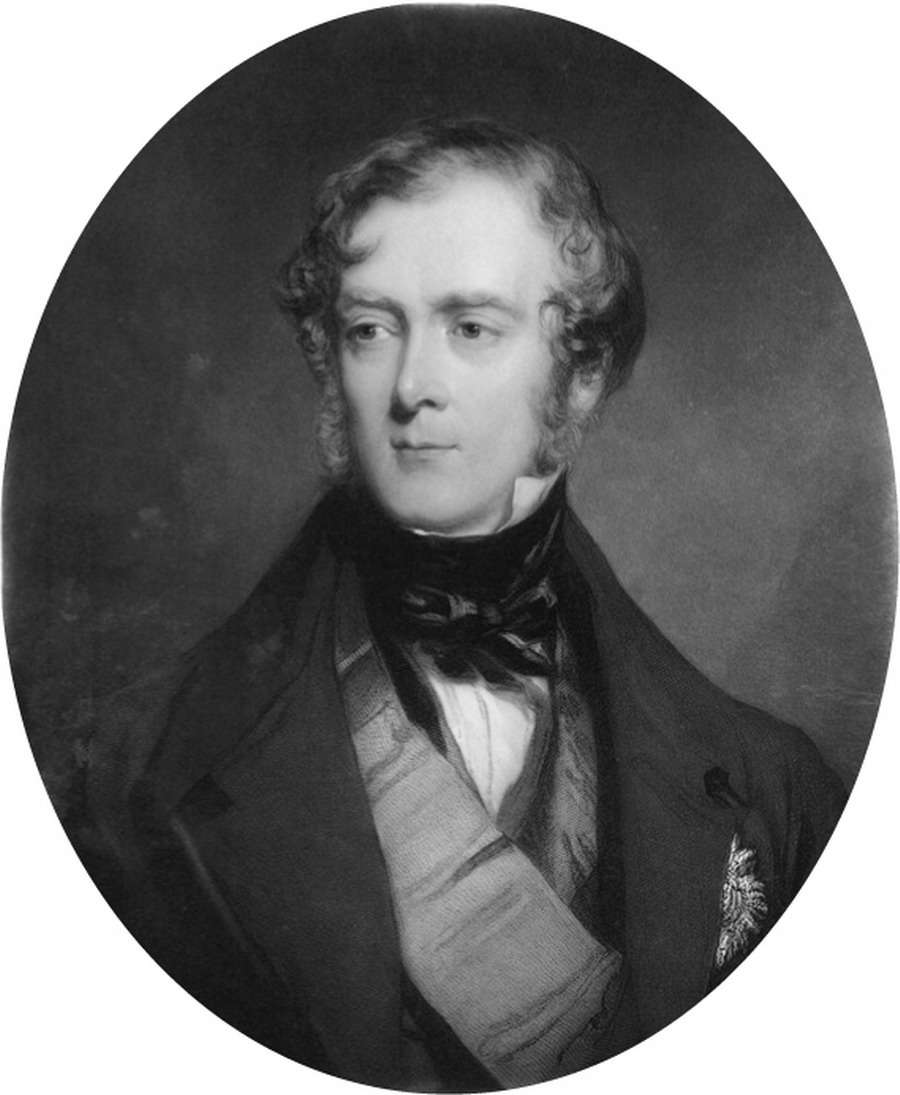
George William Frederick Villiers, 4th Earl of Clarendon, who was Foreign Secretary during Robert Bunch’s early years in Charleston and one of his key supporters. This portrait was published somewhat earlier, in 1847. © National Portrait Gallery, London
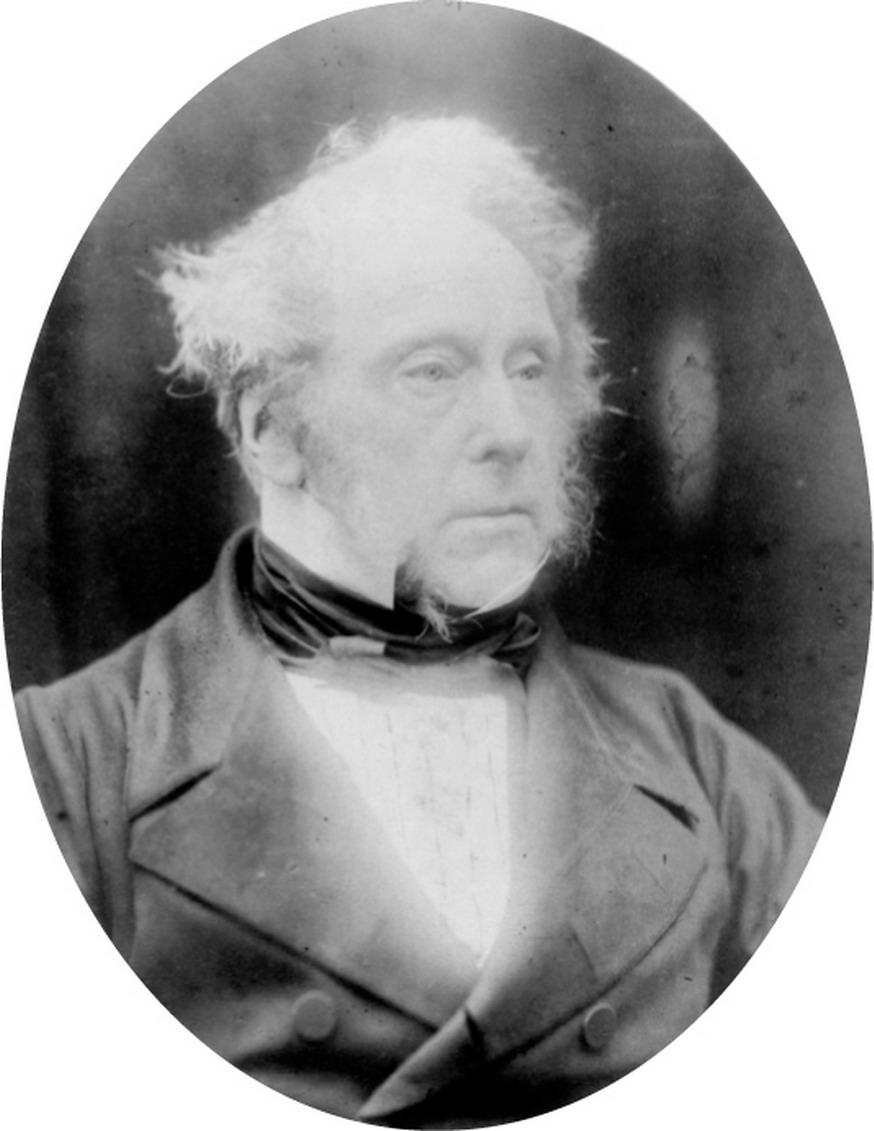
Henry John Temple, 3rd Viscount Palmerston, as he appeared in 1857, during his first term as Prime Minister. He made the fight against the African slave trade one of his great causes. © National Portrait Gallery, London
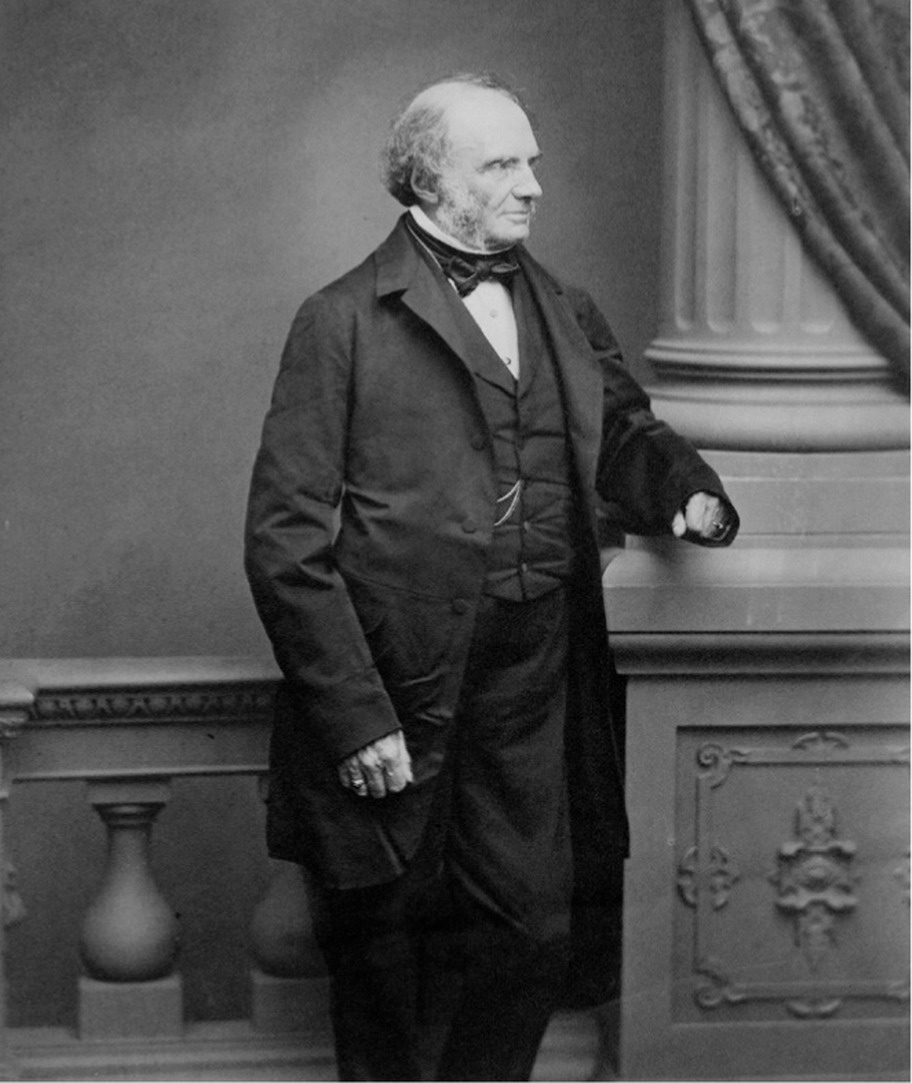
Foreign Secretary John Russell, 1st Earl Russell, in 1861 as the American Civil War began. © National Portrait Gallery, London
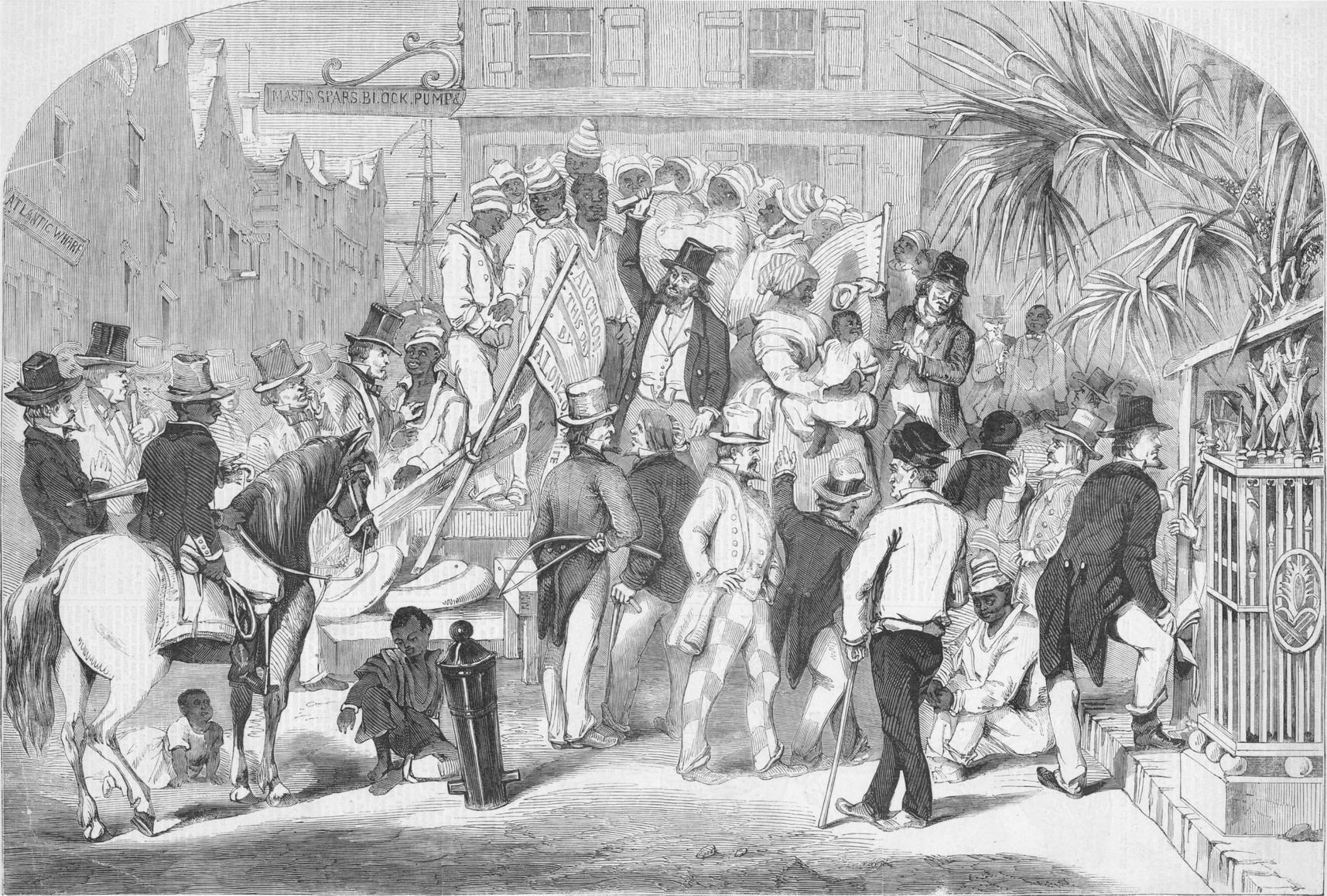
William Makepeace Thackeray’s traveling companion, Eyre Crowe, sketched a slave sale near the Exchange in Charleston in 1853 and published this engraving in 1854. A British soldier, George Ranken, was there as well, and wrote about the sale afterward: “The scene, of course, was most painful, humiliating, and degrading. I became quite affected myself, and was obliged to hurry away, for fear of showing what I felt.” From the collection of the New York Public Library
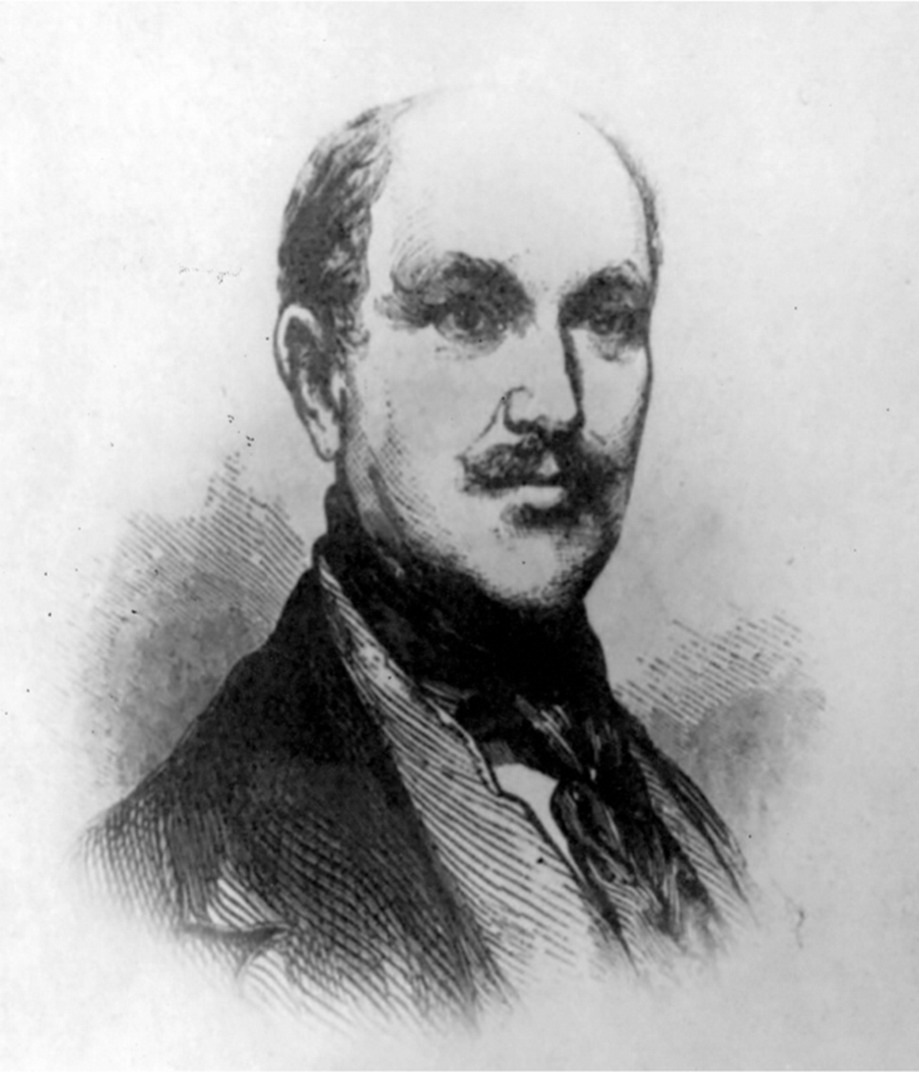
Consul Bunch admired British adventurer Hugh Forbes, who fought alongside Garibaldi in Italy, penned a manual on guerrilla warfare, and tried to train John Brown’s insurrectionists. Forbes’s betrayal of Brown tainted his reputation, but his report to the British Anti-Slavery Society matched Bunch’s dispatches point by point. Library of Congress
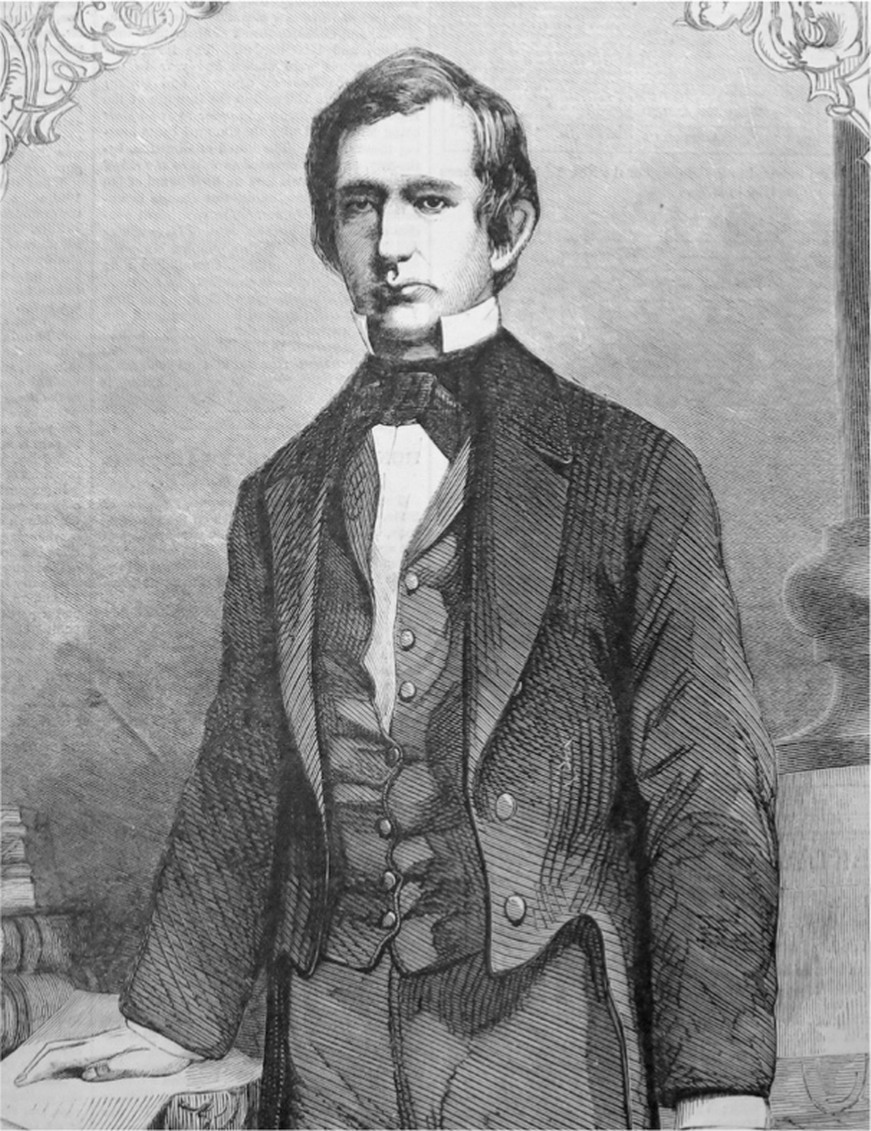
William Seward soon after he became Lincoln’s Secretary of State in April 1861, the month in which the Civil War began. Seward would become Bunch’s nemesis, unaware that he and Bunch shared the same loathing for the slavocracy. Harper’s Weekly
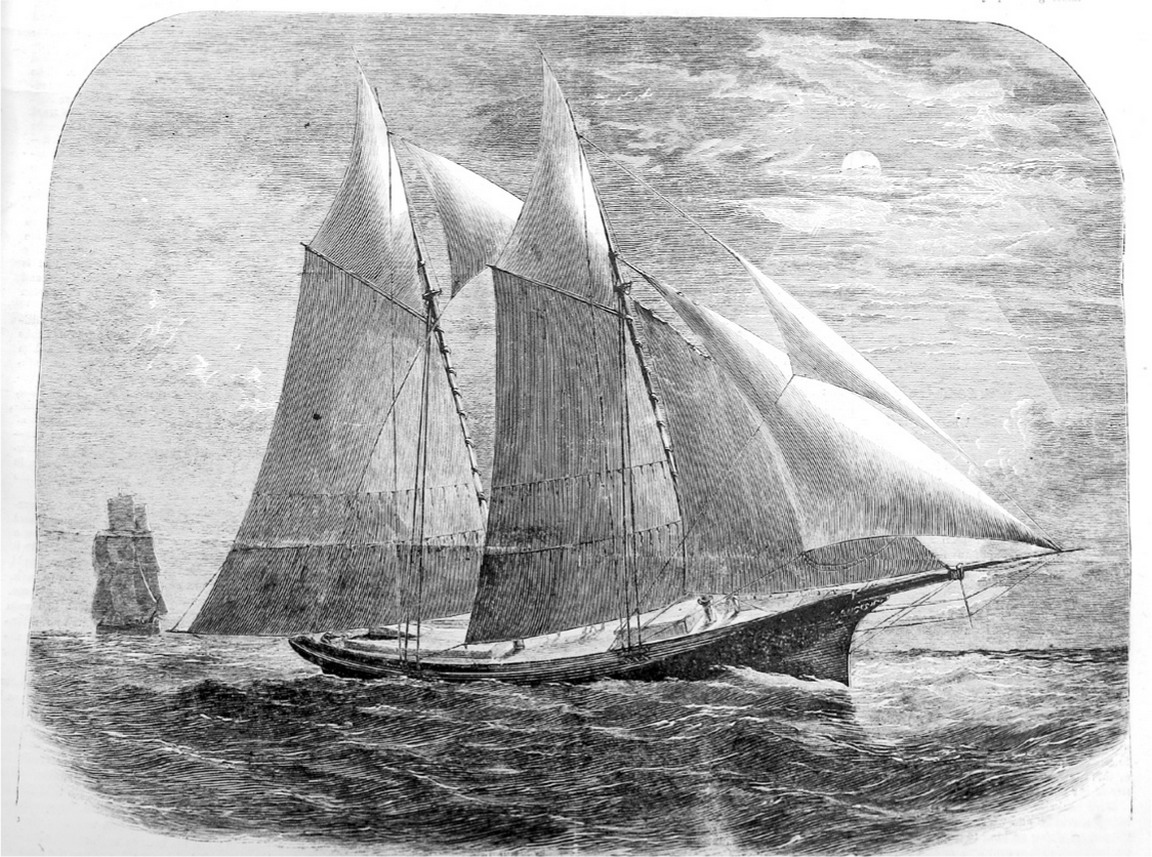
The yacht Wanderer, built along the lines of the great racing and pleasure vessels of the time, was used to bring some four hundred African captives to Georgia in 1858, breaking—and eventually defying—federal law. More than one hundred other captives on the ship had died during the voyage. Harper’s Weekly
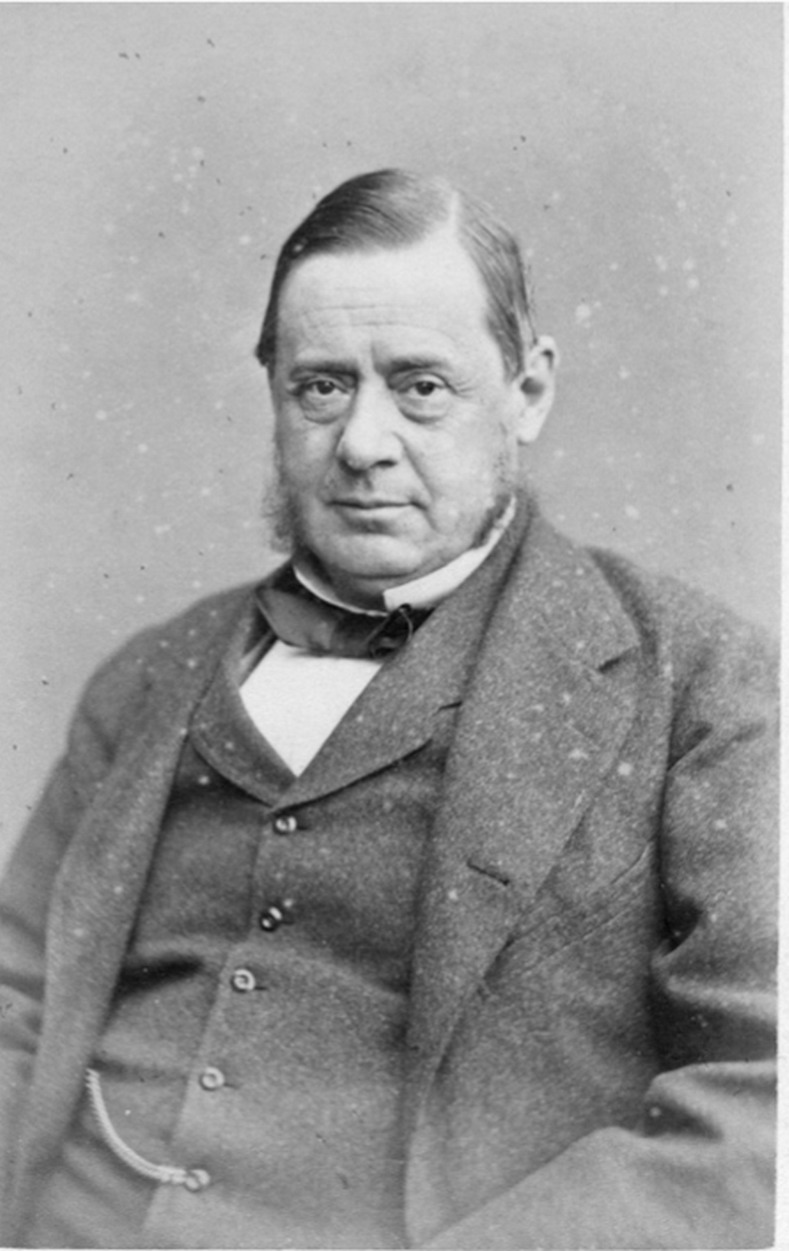
Richard Bickerton Pemell Lyons, Lord Lyons, who served as Her Majesty’s minister to Washington from 1859 to 1865, before and during the Civil War. Lyons defended his consul when Seward’s spies accused Bunch of Confederate sympathies. This photograph was taken in the 1870s during Lyons’s long tenure as the British ambassador to France. © National Portrait Gallery, London
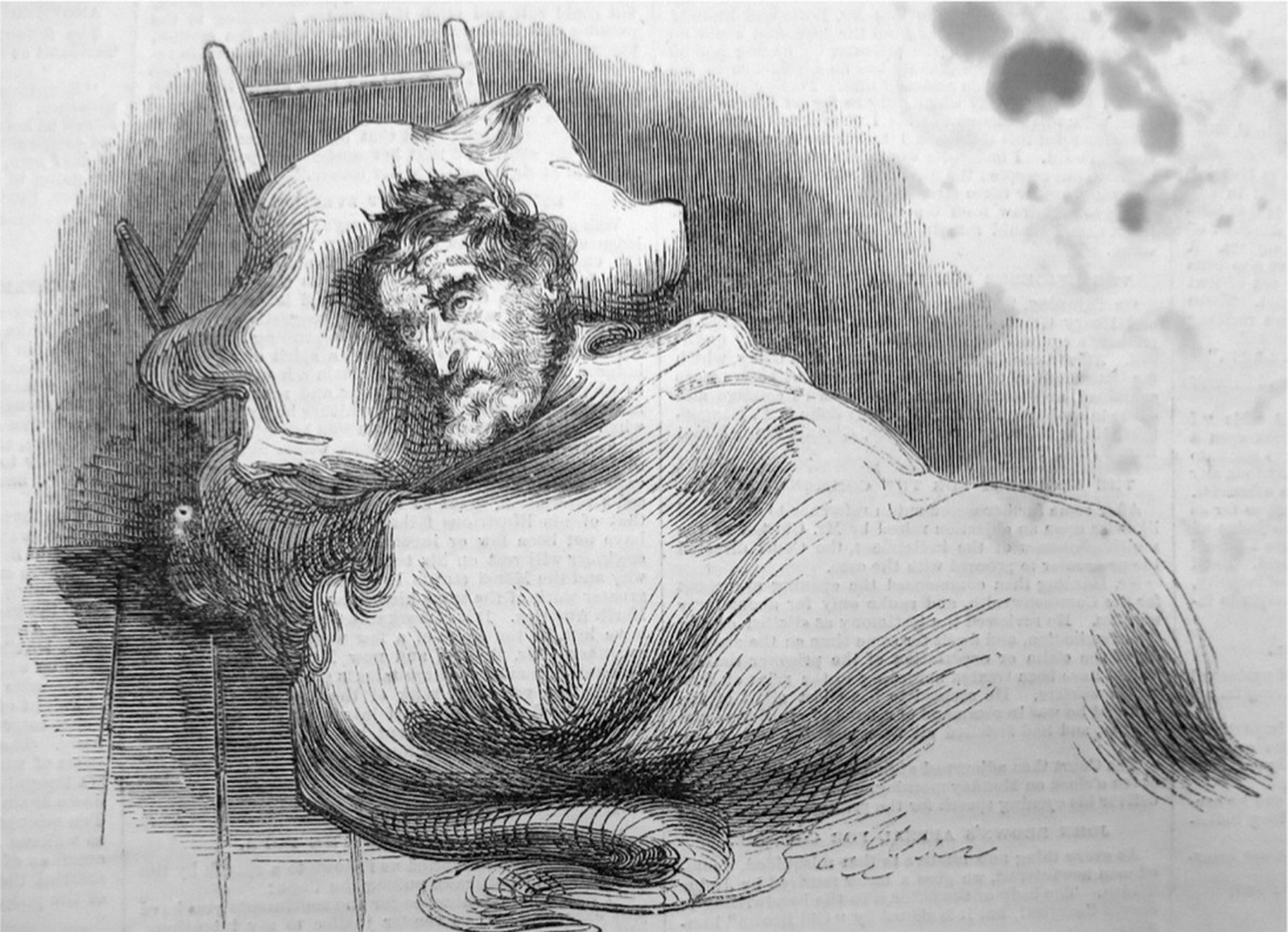
The abolitionist John Brown, wounded and a prisoner, after his attack on the federal arsenal at Harpers Ferry, Virginia, in October 1859. Harper’s Weekly
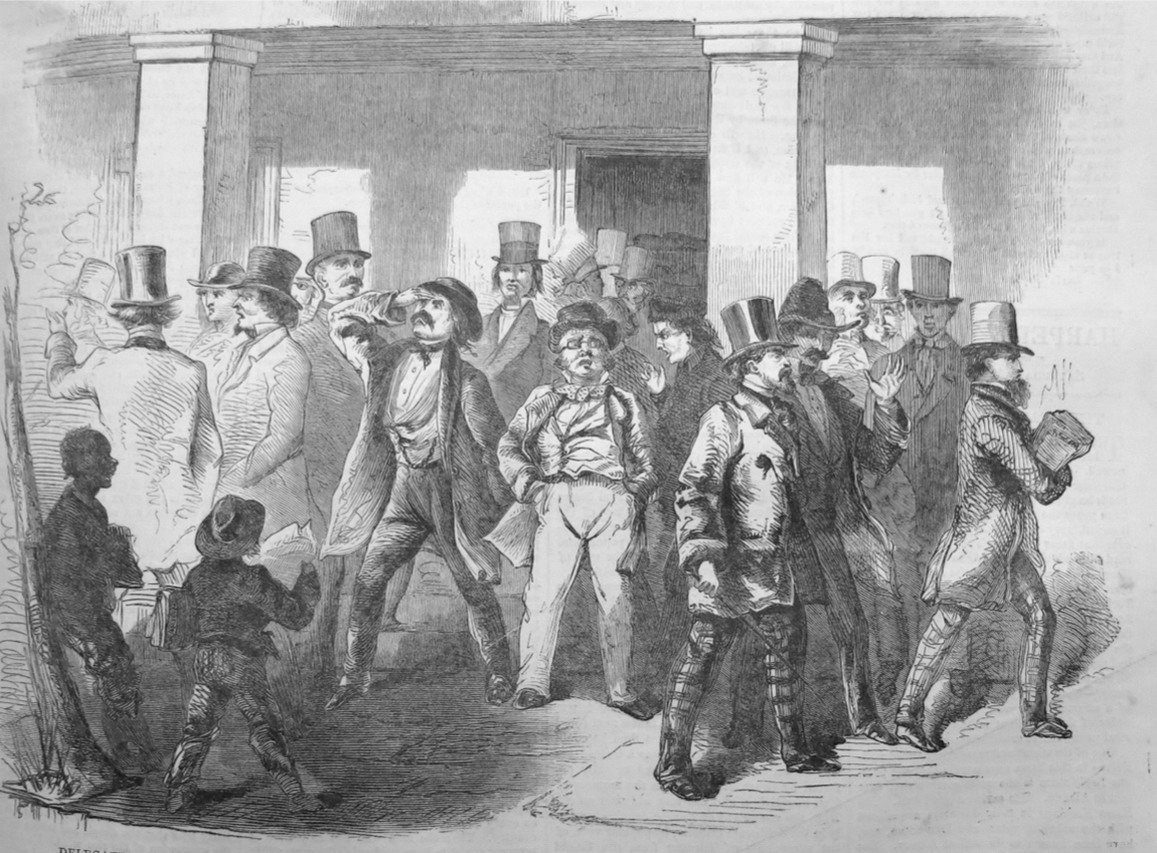
Delegates to the Democratic Convention leaving the Charleston Hotel on the morning of April 23, 1860, to attend the opening ceremonies. The breakup of the Democratic Party that followed a few days later, which Bunch had predicted more than one year before, effectively handed the election to “the Black Republicans” and made the secession of South Carolina and several other slaveholding states inevitable. Bunch called it “a frightful fiasco.” Harper’s Weekly
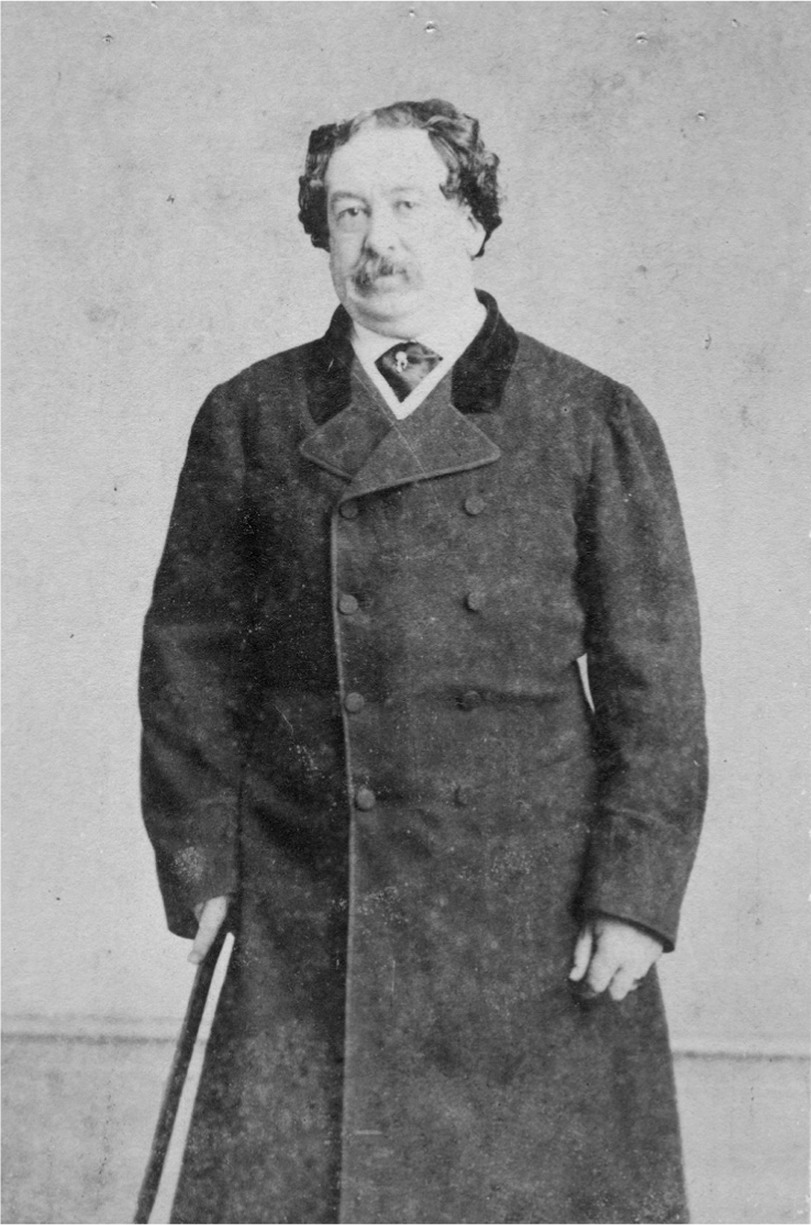
William Howard Russell, correspondent for the London Times. He had covered the Crimean War and the Indian uprising, and his global reputation preceded him. His honest coverage of the North and the South during the first year of the war earned him the hatred of both sides. After a long dinner party hosted by Bunch, Russell was fed up with what he saw as Southern arrogance. “You won’t mind it when you get as accustomed to this sort of thing as I am,” Bunch told him. © National Portrait Gallery, London
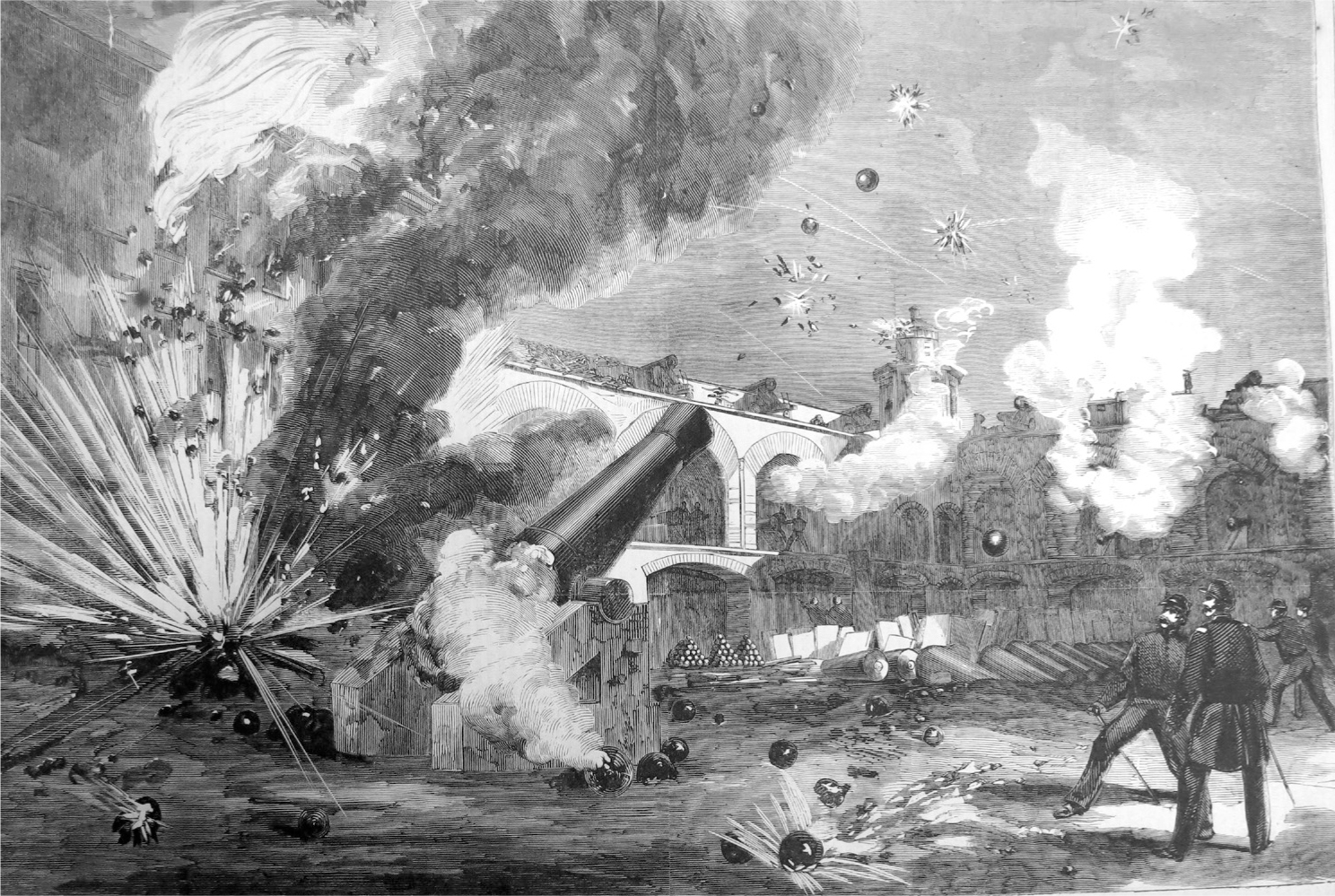
The interior of Fort Sumter during the bombardment that began the war in April 1861. When the Union forces surrendered on April 13, Bunch wrote, “So far as I can learn, not one soul has been hurt on either side, which after 33 hours bombarding is a little curious. But we live in curious times.” Harper’s Weekly