


A “Panther” from the 19. Panzer-Division outside Warsaw in August 1944.

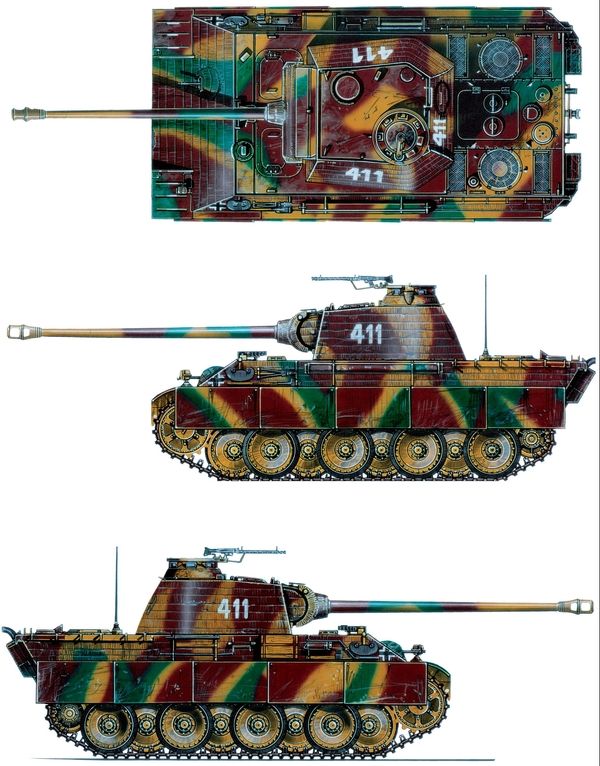
A “Panther” Ausf A from the 3.SS-Panzer-Division “Totenkopf” outside Warsaw, July 1944.
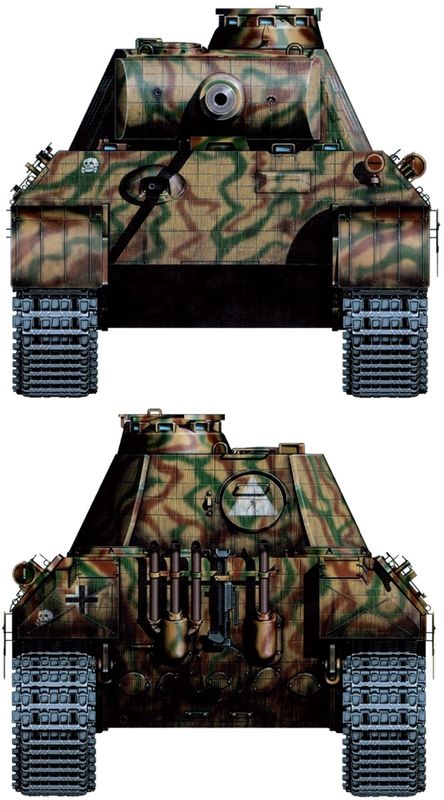

A Pzkpfw “Panther” ausf Ad Kfz 171 number “632” from the 6/SS Panzer-Regiment 5 “Wiking”.
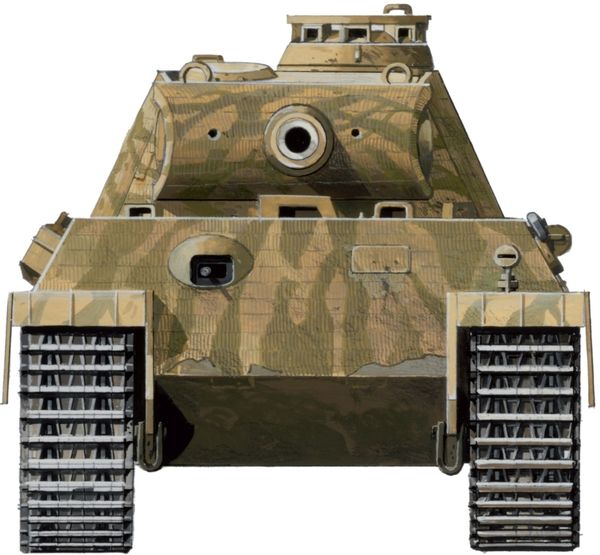

A lend-lease tank manufactured in England, the Valentine Mk IX, with a 5.7 cm gun which was used by the 8th Guards Tank Corps during August and September 1944 outside Praga. The British had the intention of utilising the tank as an infantry support vehicle, although it was too lightly armed for this role while the Red Army used it as a reconnaissance vehicle for which they regarded it as being adequate for.


A T-34 -76 from the 2nd Battalion of the 1st Free Polish Army, September 1944. This Army had originally operated alongside the 1st Ukrainian Front but prior to the storming of Praga was attached to the 1st Belorussian Front.
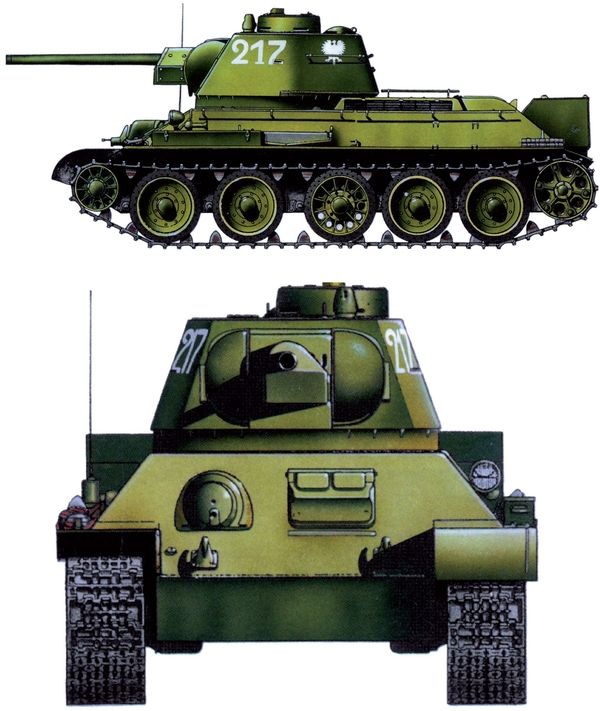

A T-34-85 from the 1st Battalion of the 1st Free Polish Tank Brigade which was attached to the 1st Free Polish Army in September of 1944. That army had originally operated alongside the 1st Ukrainian Front but was despatched, prior to the storming of Praga, to the 1st Belorussian front.


A SU-152 “Zveroboi” “the cat killer”. It was called so because its large shells were more than enough to counter the German threat in the shape of the “Tiger” and “Panther”. Armed with a howitzer, calibre 15.2 cm, it launched high explosive shells which knocked out the heaviest German tanks. This vehicle is from an unknown SU regiment which was attached to the infantry armies during the battle for Praga, 1944.
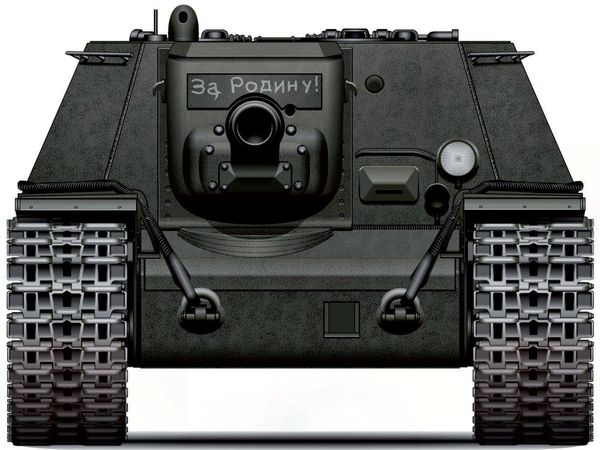

A SU 122 from the 3rd Tank Corps east of Praga, August 1944.


A JS II “Josef Stalin” from the 62nd Independent Heavy tank Regiment, August 1944 outside of Praga.


PzKpfw V Sd Kfz 171 “Panther“ Ausf. A from 4./SS-Panzer-Regiment 3 “Totenkopf“.

The StuG 40 Sd Kfz 142/1 ausf G from the Sturmgeschütz-Brigade 904 east of Warsaw, July/August 1944. StuG-Brigade 904 operated together with the 4. Panzer-Division, during most of the summer of 1944. Note the log on the side of the vehicle which was not placed there as extra protection as can be seen on the Finnish StuG vehicles but as bridging equipment to be carried in the event that marshy terrain or other poor under-surface.

A PzKpfw IV Sd Kfz 161/2 Ausf. J from the Panzer-Regiment 35, Poland August 1944.
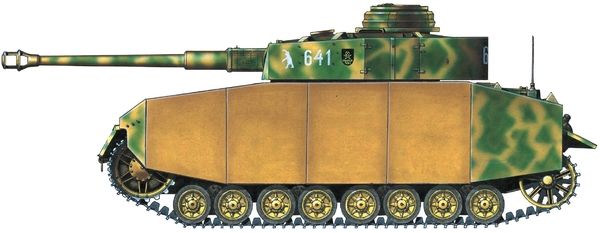
A PzKpfw VI Sd Kfz 181 Ausf. E ”Tiger” I from 9./SS-Panzer _Regiment 3 ”Totenkopf” Poland, August 1944.

A PzKpfw V Sd Kfz 171 Ausf.G“Panther“ from Panzer-Regiment 27, Poland, August 1944.

A PzKpfw V Sd Kfz 171“ Panther“ Ausf G from 6./SS-Panzer-Regiment 5” Wiking” Poland, August 1944.

A PzKpfw Panther Sd Kfz 171 Ausf A from the 19. Panzer Division east of Warsaw ,in September 1944.
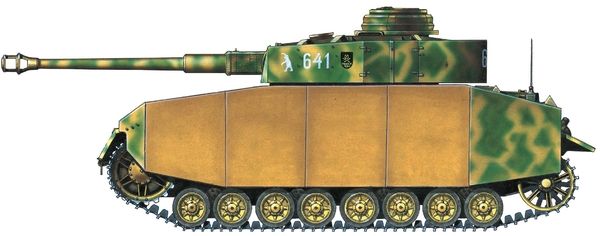
A PzKpfw IV Sd 161/1 Ausf. H from SS-Panzer-Regiment 3”Totenkopf”, Poland, July 1944.
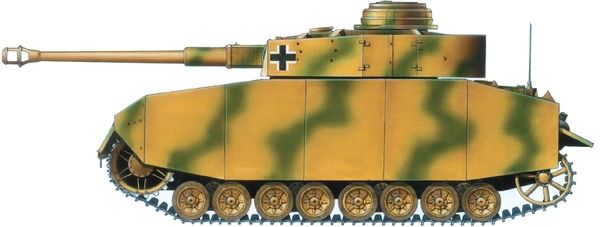
A PzKpfw IV”Tiger “ausf E from the first platoon 9./SS-Panzer-Regiment 3 which was a panzer regiment in the 3. SS-Panzer-Division. The two SS-divisions “Totenkopf” and “Wiking” had a company of Tigers in their respective panzer regiments.

A T-34-76 model 1943 from the 107th Tank Brigade/16th Tank Corps/ 2nd Tank Army/1st Belorussian Front during July 1944.
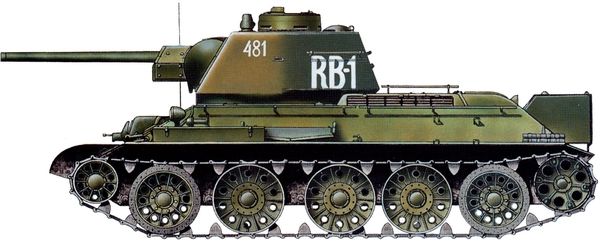
A T-34-76 model 1942 from 164th Tank Brigade/16th Tank Corps/ 2nd Tank Army/1st Belorussian Front during July 1944.

A Valentine Mk IX from the Independent Tank Regiment 510 attached to the 1st Belorussian Front during July/August 1944 in eastern Poland.

A Valentine Mk IX from the 41st Independent Flamethrower Battalion in eastern Poland, July 1944.
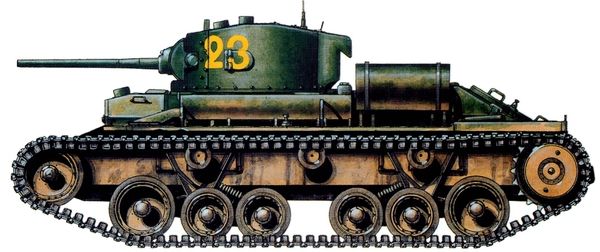
schwere Heeres Panzer Abteilung 507 was one of the Tiger battalions in the German Army equipped with PzKpfw VI ausf E and ausf E and fought in the summer of 1944, in eastern Poland as well as around Warsaw as an independent unit fighting in the role of a kind of “fire brigade.” Wherever the fighting raged most fiercely, a Tiger battalion would be found in the area around Warsaw, between July and October 1944. Deployed there, were schwere Heeres Panzer Abteilung 507 Tigers from 3. SS-Panzer-Division “Totenkopf” as well as Tigers from the 5.SS-Panzer-Division “Wiking”. The Tiger in the picture, PzKpfw IV ausf E, came from the battalion’s 1st Company and have a distinctive autumn camouflage. Note that the 507 had a unique and distinctive method for painting on their tactical codification.
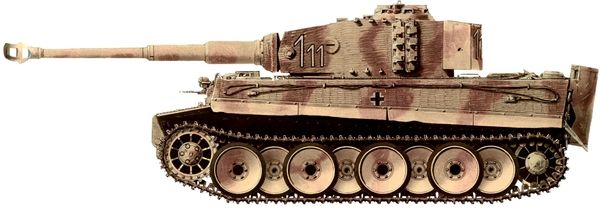
This Tiger also hails from schwere Heeres Panzer Abteilung 507 has a typical summer pattern painted on. Note that the tactical ID number on the side is painted onto the extra tracks which are mounted on the turret so as to provide added protection.
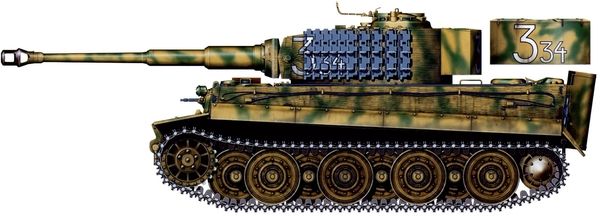
A tank commander’s “Panther” Sd Kfz 267 from the HQ Platoon 1./SS-Panzer-Regiment 5/5.SS-Panzer-Division “Wiking” outside of Warsaw in September 1944. The “103” notation on the turret means the third vehicle of the 1st battalion’s HQ-Platoon.

A T-34/85 from the 2nd Tank Army, 1st Belorussian Front, Poland, August 1944.
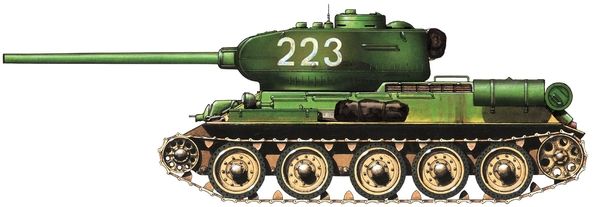
A T-70 from the 1:a Tank brigade in Praga, September 1944.

An SU-85 from one of the SU regiments of the Belorussian Front’s support units, July 1944. The text on the hull means “The Soviet diligence”.

An SU-85 from the 13th Tank Regiment, Praga, October 1944.

An infantry support tank Mk III “Valentine” Mk IX from the 5th Independent Motorcycle Regiment, Poland, August 1944.

An M10 from the 1239th Anti-tank Regiment/16th Tank Corps/2nd Tank Army /1st Belorussian Front in September outside Praga.

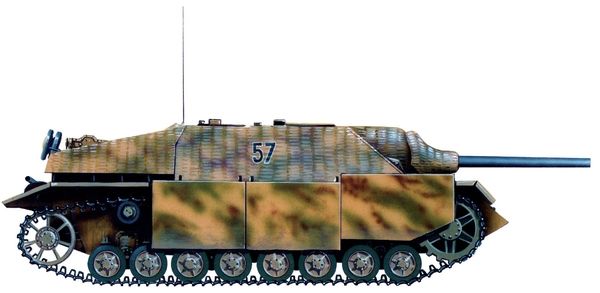
A Jagdpanzer IV L/48 from the 4.Panzer-division during fighting east of Praga, July/August 1944. Note the repainted gun barrel as well as the anti-magnetic “Zimmerit” hanging on the hull of the vehicle. The purpose of them was to ensure that mines would not attach to the sides.
A 7.5 cm Pak 40/3 auf Pzkpfw 38(t) Ausf. H“Marder“ Sd Kfz 138 from SS-Panzerjäger-Abteilung 5“Wiking“, Poland, August 1944.

A M4A2 (76) “Sherman” from the 8th Guards Tank Corps, Poland, September 1944.

An M4A2 “Sherman” from the 7th Guards Cavalry Corps Lublin, July 1944.

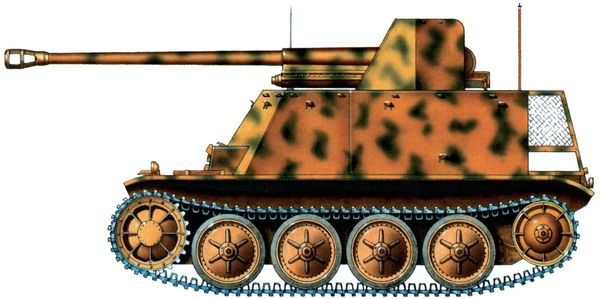
A 7.62 cm Pak 36® auf Fgst PzKpfw II Sd Kfz 132 “Marder II” from SS-Panzerjäger-Abteilung 5/5.SS-Panzer-Division “Wiking“ outside Warsaw, September 1944.

A 15 cm sIG 33 (Sf) auf PzKpfw 38 (t) ”Bison” Ausf. H Sd Kfz 138/1 from the Fallschirm-Panzergrenadier-Regiment1. Fallschirm-Panzer-Division, Hermann Göring. Poland August 1944

A SU-76M from the 4th Armoured Artillery Battalion, 4th Infantry Division, Poland, July 1944.
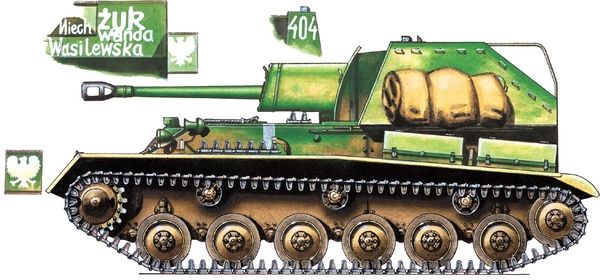
A SU-76M from the 1219th Tank Regiment, Poland, July 1944.
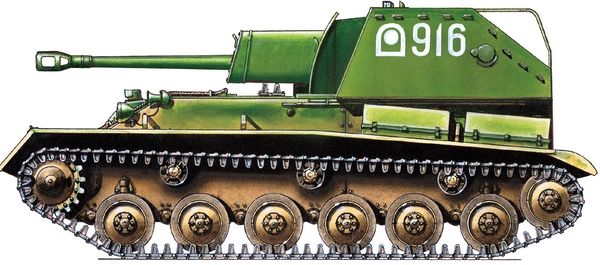
The Sd Kfz 138 ausf H “Grille” from the 9./Panzergrenadier-Regiment 12/ 4. Panzer-Division. A popular assault support gun, equipped with a short barrelled 15 cm infantry gun (SiG 33). This type of vehicle saw service throughout the war. Eastern Poland, July 1944.

Sd Kfz 138 ausf M “Grille” hailing from the 9./Panzergrenadier-Regiment 33/4. Panzer-Division. The other version of the Sd kfz 138 “Grille”. The difference was the disposition of the “combat space.”. Note that every panzergrenadier regiment should within its 9th company possess six vehicles of this model. July 1944 east of Warsaw.

A 7.62 cm Pak 36® auf Fgst Pzkpfw II Ausf. D and E Sd Kfz 132 from 5. SS-Aufklärungs-Abteilung “Wiking”, 5. SS-Panzer-Division “Wiking” during fighting east of Warsaw, in September 1944.
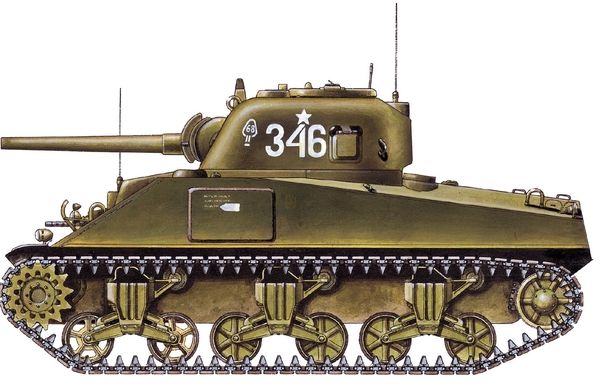
An M4A2 “Sherman” from the 7th Guards Cavalry Corps, 2nd Tank Army, Poland, August 1944.
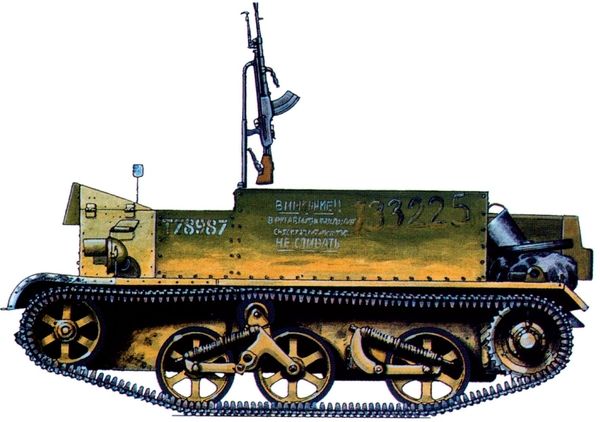
A Bren gun carrier from the 5:e Independent Motorcycle Regiment/2:a Tank Army /1st Belorussian front during July/August 1944 in the fighting for Praga.
A PzKpfw “Panther” Sd Kfz 171 Ausf A from the 19.Panzer Division near Warsaw, September 1944.

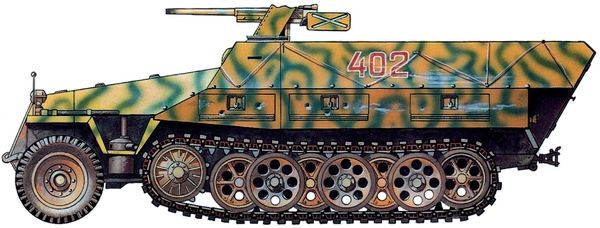
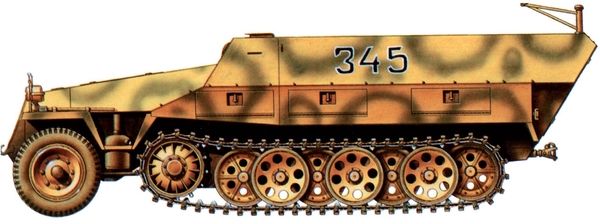
Another Sd Kfz 251/1 ausf D from the 3./1./SS-Panzergrenadier-Regiment 9 “Germania”/5. SS-Panzer-Division “Wiking” outside of Warsaw, August 1944.

Yet another Sd Kfz 251/1 ausf D from the 5. SS-Panzer-Division “Wiking”. On the other hand, it is more difficult to identify which unit in the division it belongs to as the ID-number on the hull has four numbers. Normally there would only be three. Judging by the ID-markings on the front plate it belongs to the 12.Company of some regiment. In all likelihood it was from one of the two panzer-grenadier regiments or the panzer regiment, or finally, the artillery regiment. It was only these three which had twelve or more companies.

Sd Kfz 251/10 from the 4: Company of the SS-Panzergrenadier- Regiment 9 “Germania” which was the only panzer-grenadier regiment in the 5. SS-Panzer-Division “Wiking” in the summer of 1944, eastern Poland. Sd Kfz 251/10 was a close-support vehicle equipped with a dated 3.7 cm PAK 36 as late in the war as 1944; it could hardly do any damage to tanks without a huge amount of luck. On the other hand, it was effective against more lightly armoured vehicles, reinforced positions and other similar kinds of objectives. The vehicle was used both by company and platoon commanders.
A Sd Kfz 233 (8×8) from 2./ Aufklärungs-Abteilung 5/5.SS Panzer-Division “Wiking” during July 1944, east of Warsaw.

Sd Kfz 251/1 Ausf. C Stuka zu Fuss from SS-Panzergrenadier-Regiment 5 “Thule”, 3. SS-Panzer-Division“Totenkopf“ Poland, August 1944.

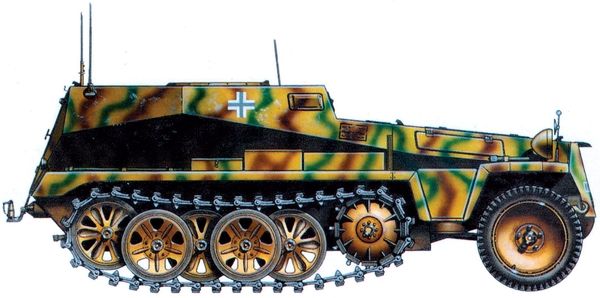
Sd Kfz 250/1 from Aufklärungs-Abteilung from the 4. Panzer-Division, Poland, August 1944.

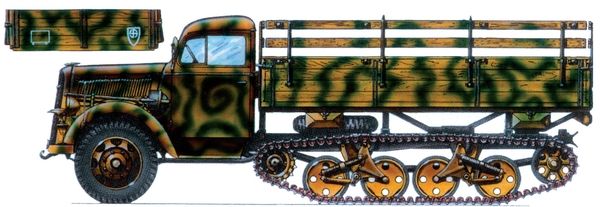
An Opel 3000SSW Kfz 2 “Maultier” the half-track lorry from the replenishment section of 5.SS-Panzer-Division “Wiking” in July 1944 outside Warsaw.
A Sd Kfz 251/1 ausf D from the 3./I./SS-Panzer-Regiment 9 “Germania” /5. SS-Panzer-Division “Wiking” outside of Warsaw, August 1944.
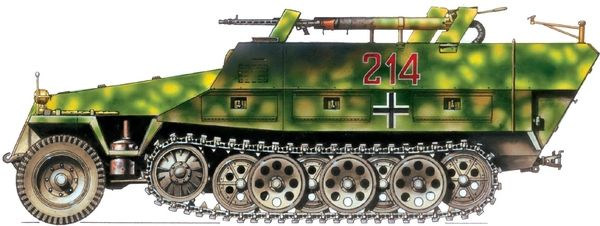
A Sd Kfz 251/16 Ausf.D from 1./SS-Panzergrenadier-Regiment 10 “Westland” Poland, August 1944.
An Sd Kfz 233 with a 7.5 cm L/24 from Aufklärungs-Abteilung from the 19.Panzer-Division, northeast of Warsaw between the months of August and September 1944.

An Sd Kfz 253 from the firing direction unit of the Artillerie-Regiment 103 from the 4. Panzer-Division, July 1944. The 253 was a firing direction and reconnaissance vehicle which was built as part of the 250-series.
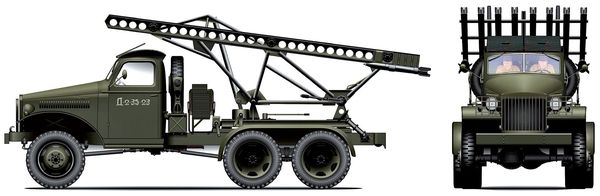
A Soviet rocket artillery system mounted on an American lend-lease lorry from the manufacturer IHC. The rocket launcher “Katyusha” spanned the models 13-16 which in practice means 16 rockets of calibre 13 cm the most common of models within the Soviet Army. This lorry belongs to the 8th Guards Tank Corps and is on the move toward the front the rockets are mounted on the lower ramps which was the standard routine when on the move.
A Bussing-NAG model 500A(4×4) from 4.Panzer-Division, the summer of 1944 outside Warsaw.
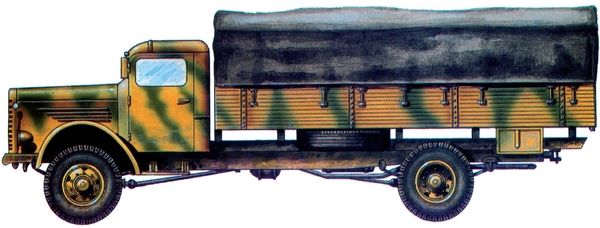
A Borgward B 3000S (4×2) from 5.SS-Panzer-Division “Wiking” in October of 1944 outside Warsaw.
