

Scandal drove Charles Lindbergh’s paternal grandfather—Ola Månsson—to America, where he and his second wife, Louisa, raised their family. They changed their surname to Lindbergh and called their firstborn (standing) Charles August. He became known as C.A.

Charles H. Land—Lindbergh’s maternal grandfather—known as the “Father of Porcelain Dentistry”—taught young Charles that “Science is the key to all mystery.”

C. A. Lindbergh in 1901—when he was known as “the brightest lawyer in Minnesota” and the handsomest man in Little Falls.

Evangeline Lodge Land left Detroit to teach science in Little Falls, where she fell in love with C.A.
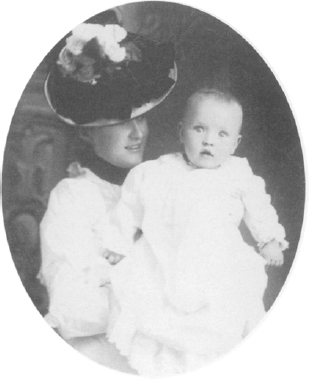
Evangeline Lodge Land Lindbergh and her newborn son, Charles Augustus Lindbergh, in 1902.
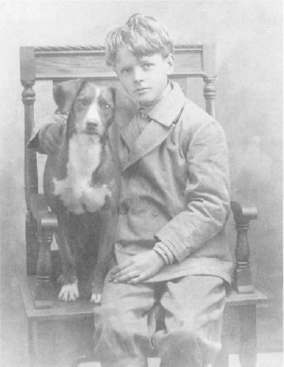
Charles had a lonely childhood, with few friends other than his pets. Posed here, in 1913, with Dingo.
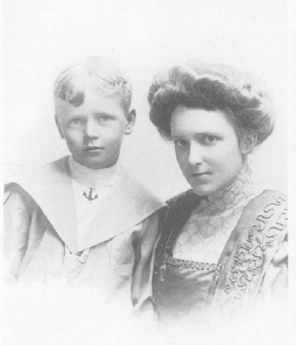
The Lindbergh marriage was unhappy, practically from the start. Charles spent most of his time with his doting mother.
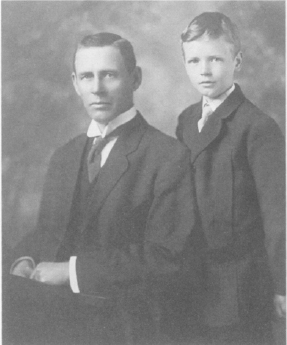
C.A. found new passion in politics. Although he and his wife kept separate residences in Washington during his five terms as a Congressman, Evangeline always encouraged Charles to spend time with his father.
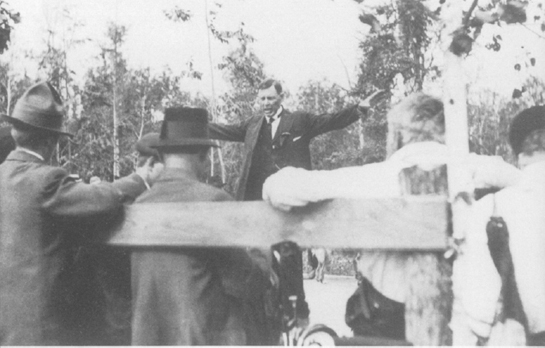
C.A. campaigning in northern Minnesota.
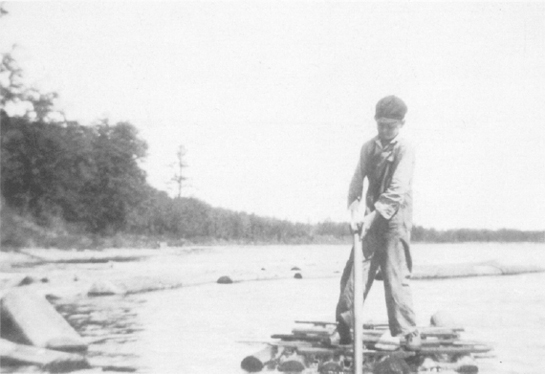
Some of Charles’s happiest childhood moments were spent on the Upper Mississippi.

In 1920, Charles Lindbergh entered the University of Wisconsin. His mother moved to Madison to be with him.
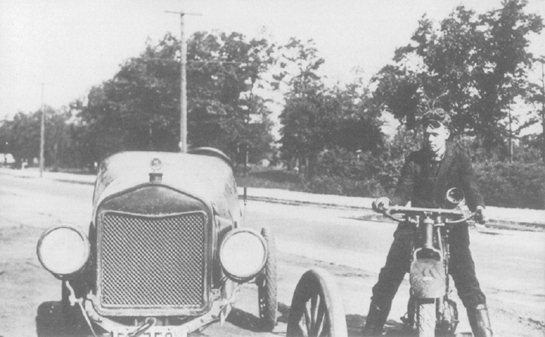
After flunking out of college his sophomore year, Lindbergh rode his Excelsior motorcycle to Nebraska, where he learned to fly.
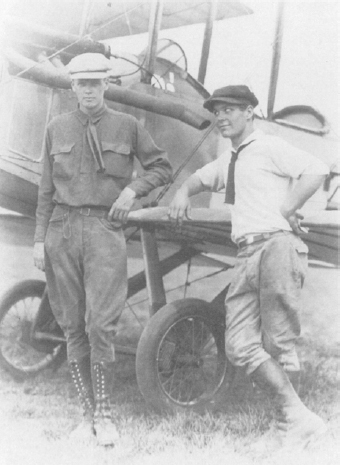
Barnstorming in the 1920s with his friend Harlan “Bud” Gurney.
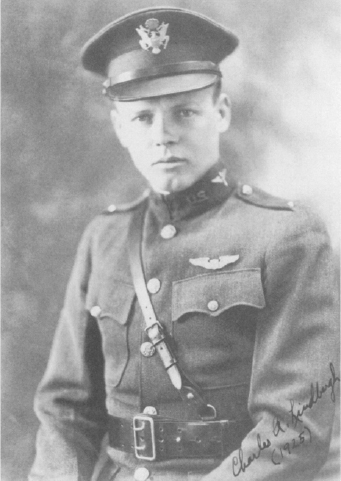
Second Lieutenant Charles A. Lindbergh.
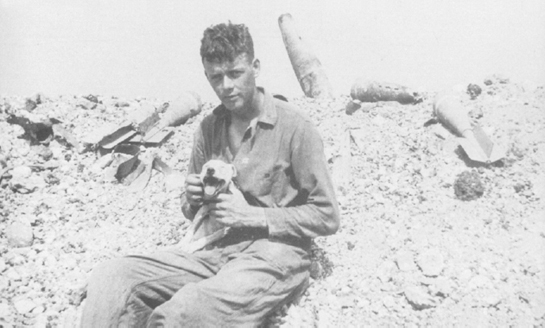
In 1924, Lindbergh joined the Army Air Corps and was stationed at Brooks Field, Texas.
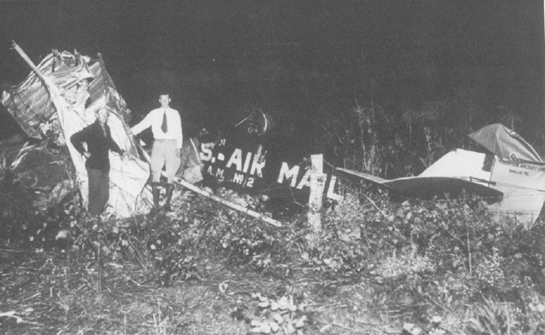
November 1926. By the time airmail-pilot Lindbergh’s plane had gone down for the second time on the St. Louis–Chicago run, he had already been dreaming of the Orteig Prize—$25,000 for the first pilot to fly nonstop between New York and Paris.
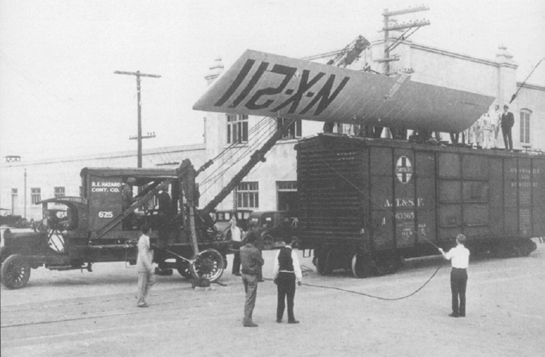
The following spring, his plane was built—for $10,580, which he had raised from several businessmen in St. Louis.
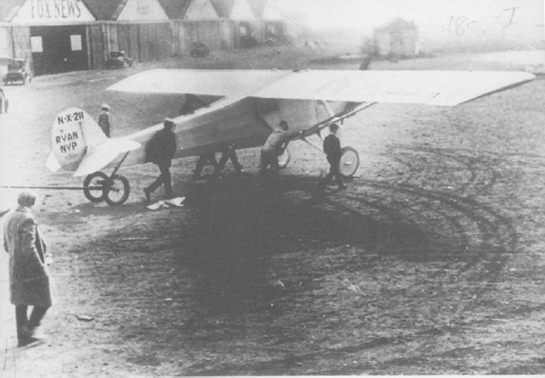
May 1927. Lindbergh takes the Spirit of St. Louis on a test flight from a Long Island runway. The press was already making the most of the story.
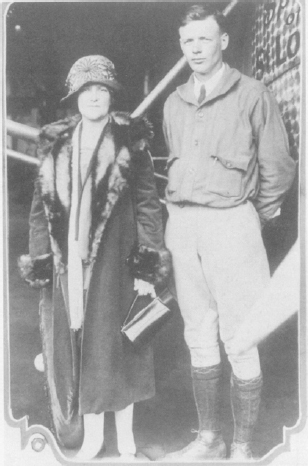
Evangeline L. L. Lindbergh visits her son just before his death-defying flight. “For the first time in my life,” she told him, “I realize that Columbus also had a mother.”
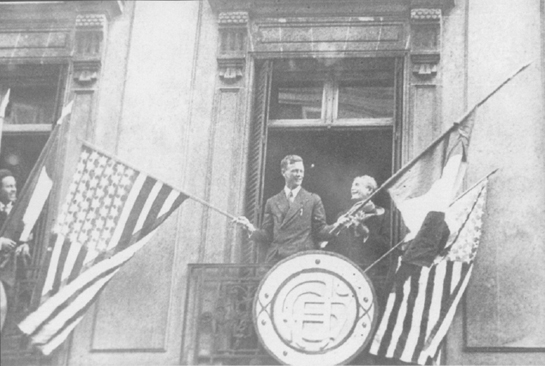
May 22, 1927. Paris. The “day after.” With Ambassador Myron T. Herrick.
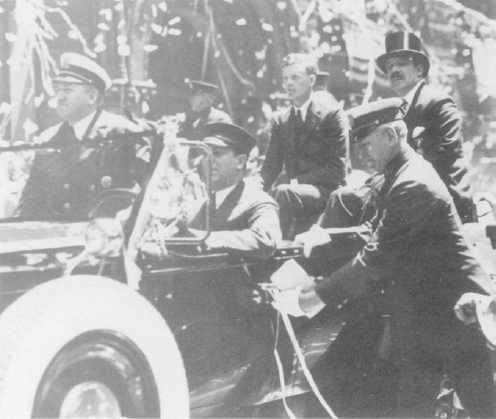
June 13, 1927. Lower Broadway. The hero returns.
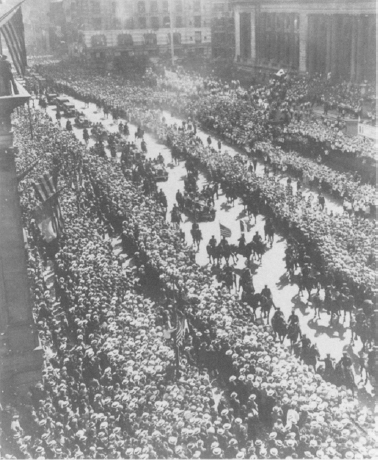
Triumph. New York City.
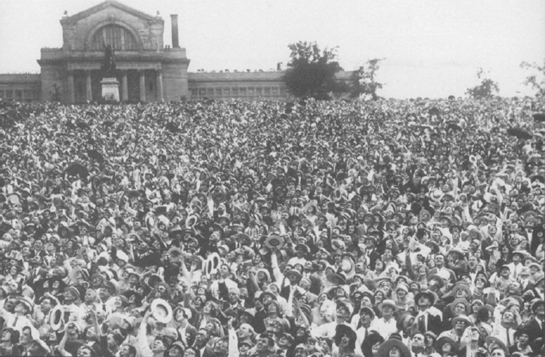
The spirit of St. Louis. Local boy comes home.

Dwight W. Morrow in 1926, just before he ended his career as a partner at J. P. Morgan to become Ambassador to Mexico. Seated with (clockwise) wife, Elizabeth, and children, Elisabeth, Anne, Constance, and Dwight Jr.
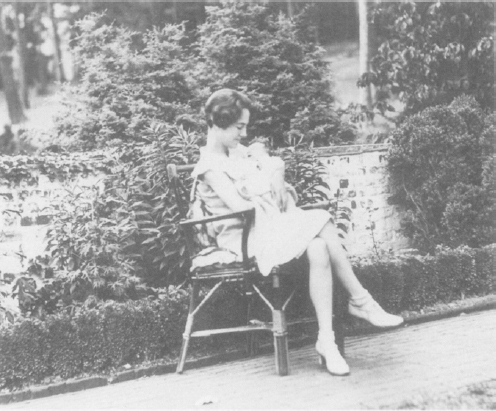
In 1930, Anne gave birth to their first child, Charles A. Lindbergh, Jr.

After only a few secret dates, the “Prince of the Air” married the Ambassador’s daughter in 1929. Even Anne’s old friends congratulated her.

Charles and Anne Morrow Lindbergh became international celebrities—the “First Couple of the Skies.”
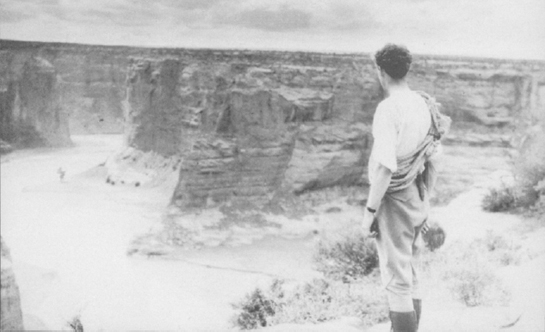
Exploring cliff dwellings in New Mexico in 1929, during one of their whirlwind expeditions.

Anne (photographed in Nanking) became Charles’s copilot, navigator, and radio operator.
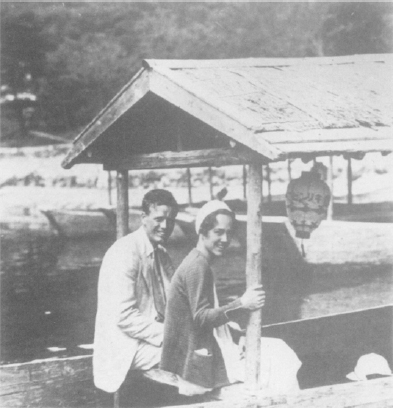
Japan, 1931—just before learning of the sudden death of Anne’s father, then a United States Senator from New Jersey.

Anne in the early 1930s was anxious to develop her own identity.
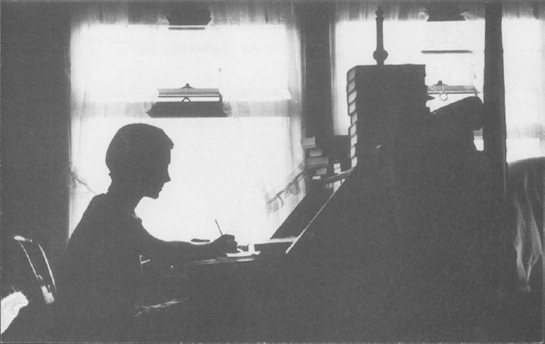
Her first book, North to the Orient, became the first of many bestsellers.
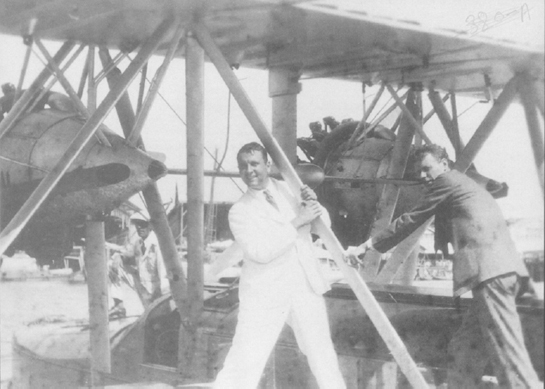
A pioneer in commercial aviation, Charles Lindbergh surveys South American routes in 1929 with Juan Trippe, founder of Pan American.
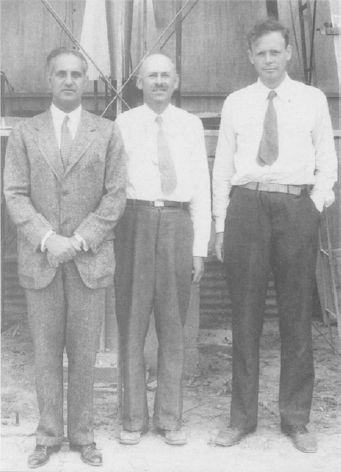
The beginnings of America’s rocket program—physicist Robert H. Goddard, flanked by his two strongest supporters, Harry Guggenheim and Charles Lindbergh.
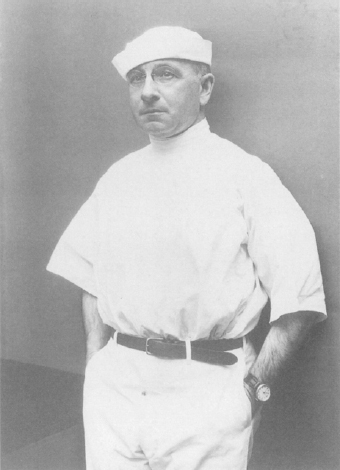
Dr. Alexis Carrel, Nobel laureate. Lindbergh’s mentor and hero.
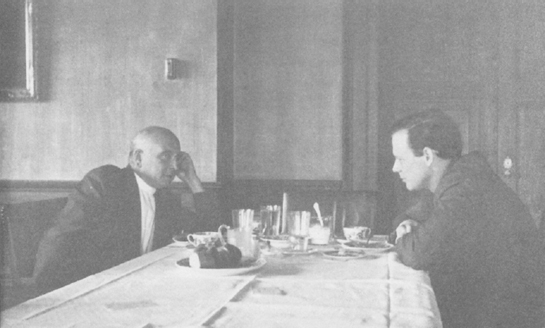
Dr. Carrel and Lindbergh lunching at the Rockefeller Institute, where they developed a perfusion pump, soon known worldwide as an artificial heart.
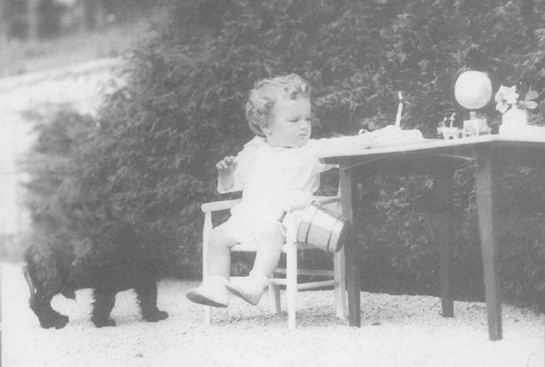
“The Lindbergh Baby” on his first birthday, June 22, 1931.
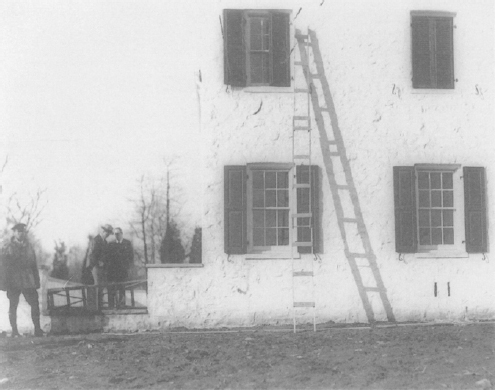
March 1932. Outside the baby’s room of the Lindbergh house near Hopewell, New Jersey. For two and a half years, the authorities had no idea as to who climbed the ladder. (New Jersey State Police Museum)
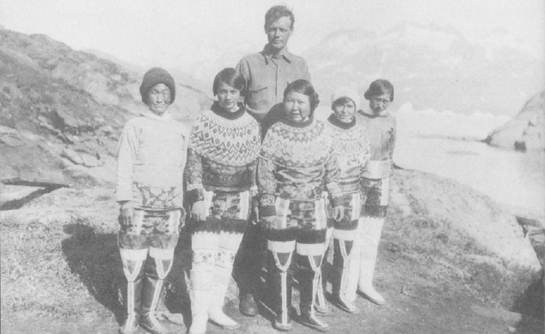
The Lindberghs escaped the hysteria that followed their son’s fatal kidnapping by traveling to remote regions. Greenland, summer 1933.
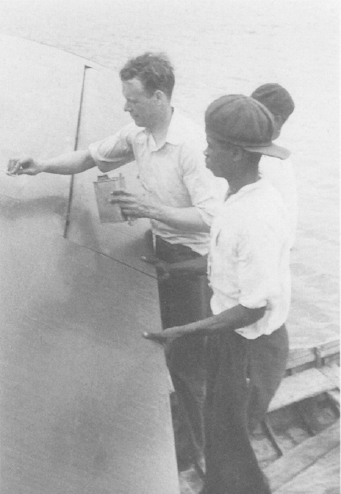
Cape Verde Islands, repairing sun damage.
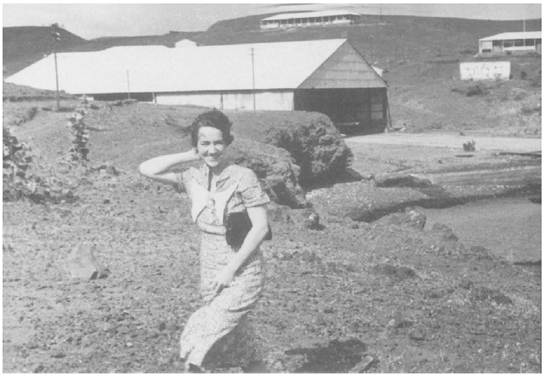
Anne at Porto Praia.
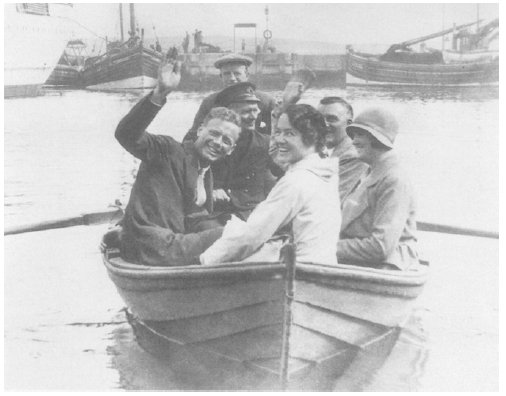
Leaving the Shetland Islands.

Bruno Richard Hauptrnann. Arrested for committing “The Crime of the Century.” (New Jersey State Police Museum)
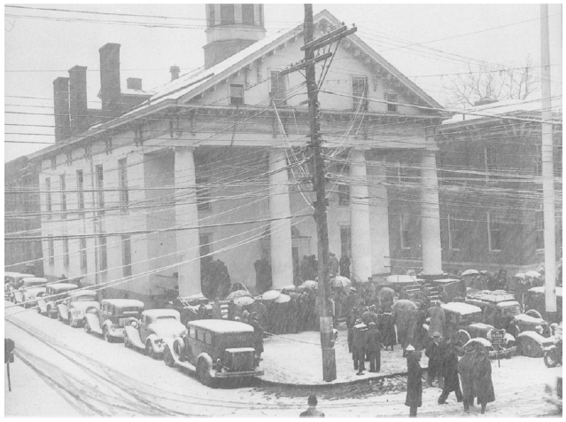
In January 1935, the entire world was plugged into the courthouse in Flemington, New Jersey. (UPI/Corbis-Bettmann)
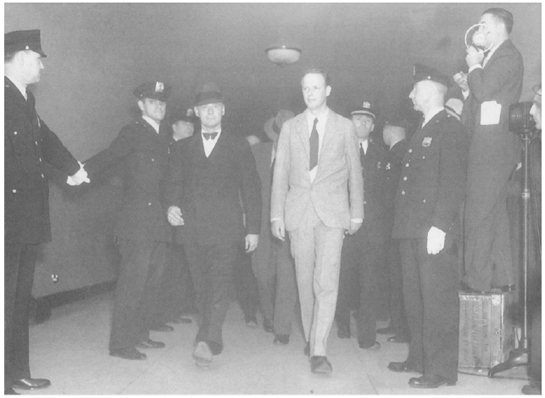
Lindbergh with the chief of the New Jersey State Police, H. Norman Schwarzkopf, whose son would distinguish himself a half-century later in the Persian Gulf War. (UPI/Corbis- Bettmann)
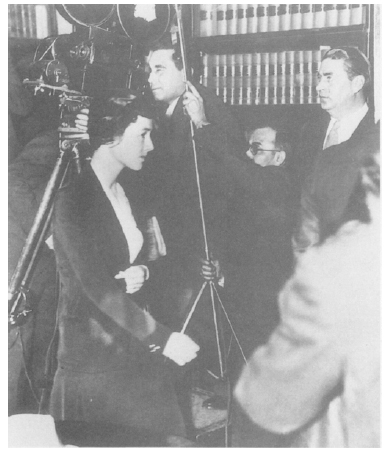
The “Baby’s Mother” comes to testify.

For the prosecution: New Jersey Attorney General David T. Wilentz and “Jafsie,” John F. Condon, the go-between who paid the Lindbergh ransom money in a Bronx cemetery. (UPI/Corbis-Bettmann)
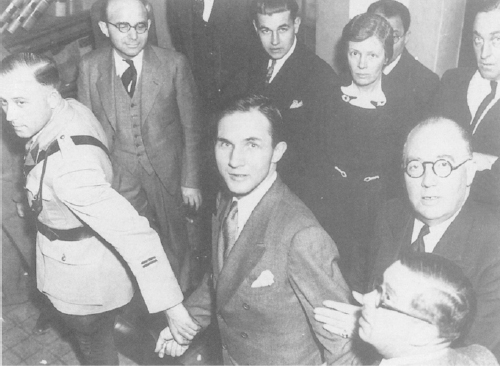
Hauptmann and his attorney, Edward “Death House” Reilly. (New Jersey State Police Museum)
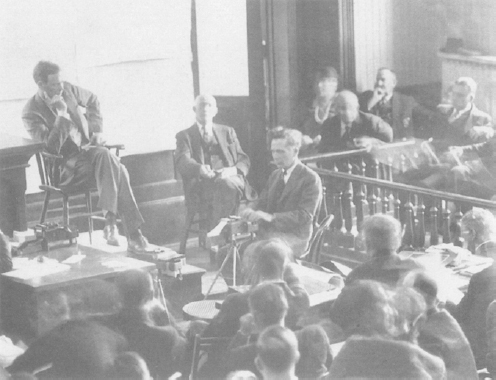
Lindbergh on the stand. Once he testified, his attorney said afterward, the trial was over. (UPI/Corbis-Bettmann)
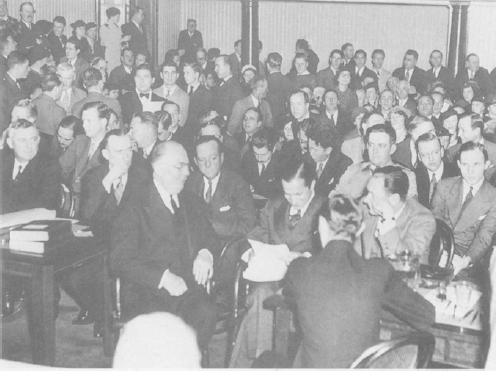
“The Trial of the Century.” While both teams of attorneys shared a light moment, Hauptmann (far right) warily looked on and Lindbergh (six seats to his right) studiously looked away. (UPI/Corbis-Bettmann)
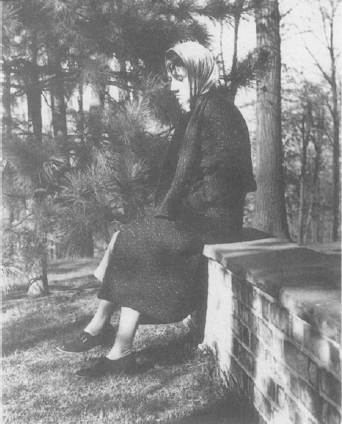
Anne, coping with tragedy.
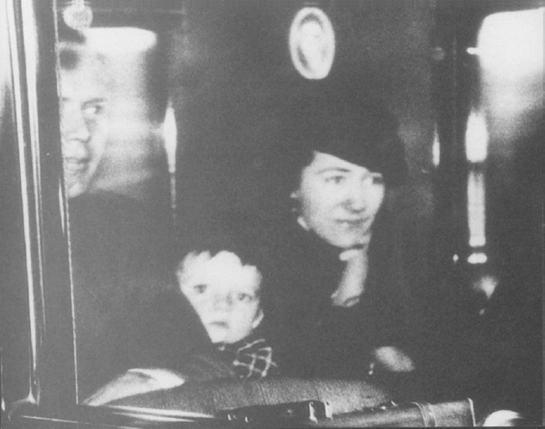
Charles, Anne, and their second son, Jon, could never appear in public without being photographed. Threats were already being made on Jon’s life.
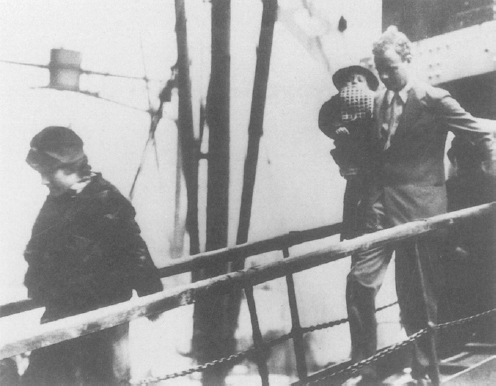
Flight. The Lindberghs became exiles—arriving in Liverpool, December 31, 1935.
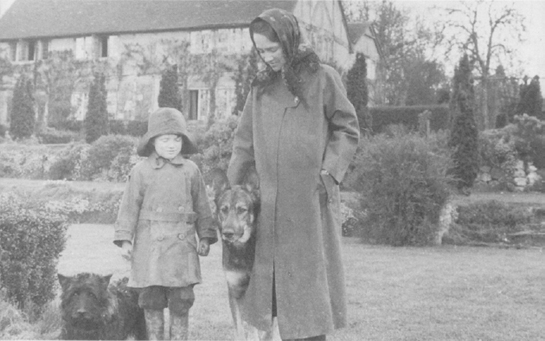
The Lindberghs found security at Long Barn in England. Jon and Anne with their dogs Skean and Thor.
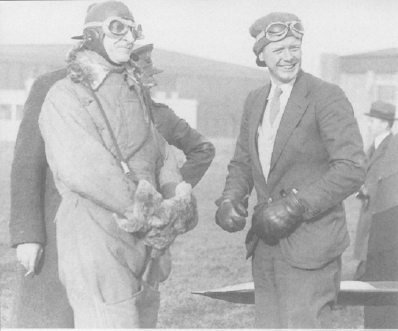
The Lindberghs take to the skies again. In Ireland, he took Irish Prime Minister Eamon De Valera for his first flight.
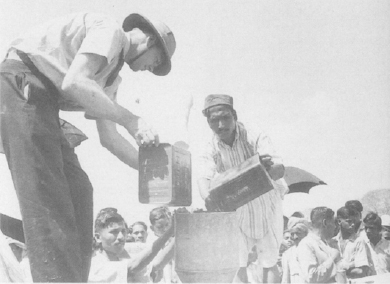
Refueling at Raipur, 1937.
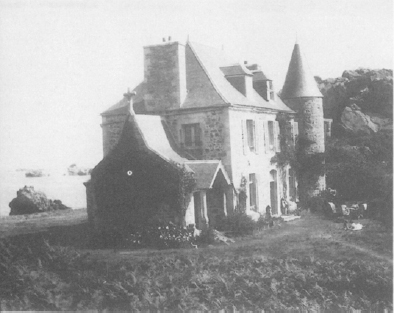
Illiec. The private island the Lindberghs bought off the Brittany coast, 1938.
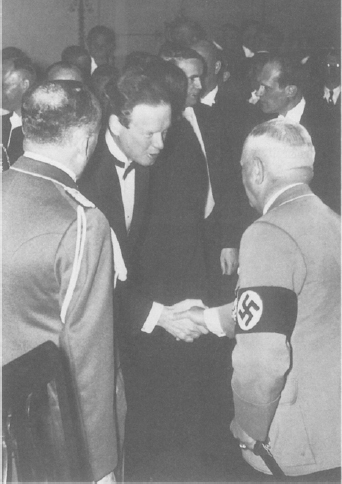
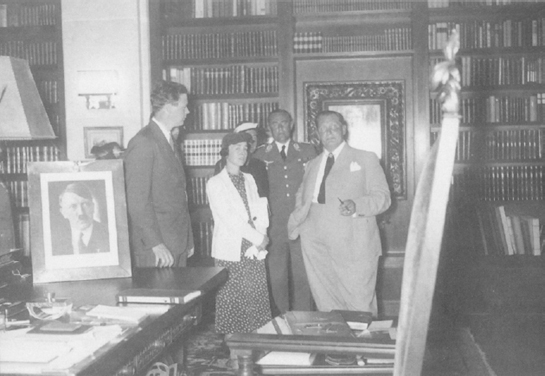
Lindbergh visited Germany six times between 1936 and 1938, a fascination that plagued him for the rest of his life. Below, he and Anne meet Hermann Goering. (Goering photo Bayerische Staatsbibliothek München)
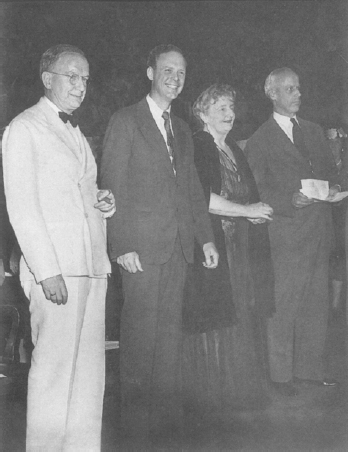
After three years abroad, Lindbergh returned to speak against U.S. intervention in World War II. He became the leading spokesman for America First—a big political tent that also included such diverse personalities as Burton K. Wheeler, Democratic Senator from Montana, Mrs. Kathleen Norris, popular novelist, and American socialist leader Norman Thomas. New York City, 1941. (Brown Brothers)
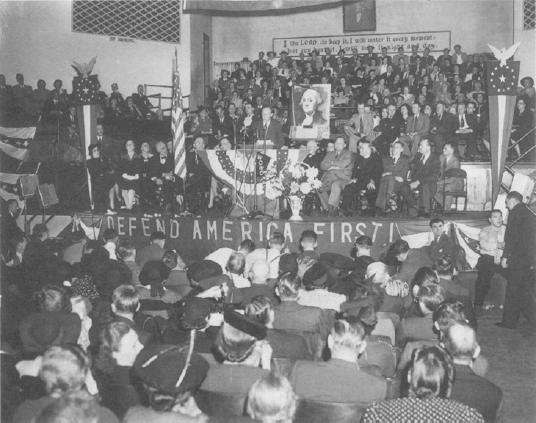
Lindbergh at the podium. Fort Wayne, Indiana, 1941. (AP/Wide World Photos)
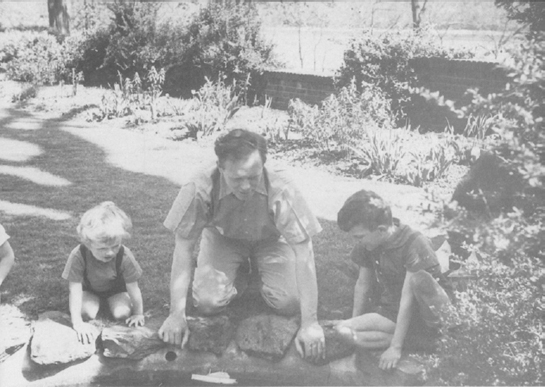
Charles with sons Land and Jon. Lloyd Neck, Long Island, 1940.
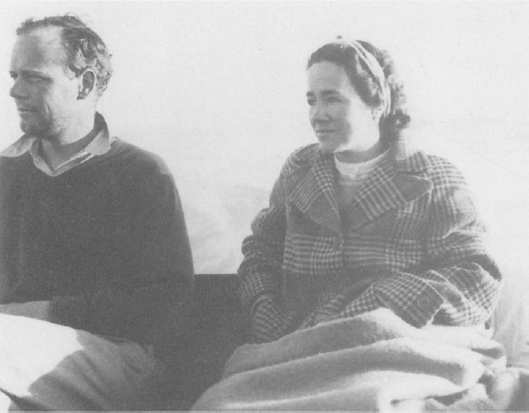
On holiday. Florida, 1941.
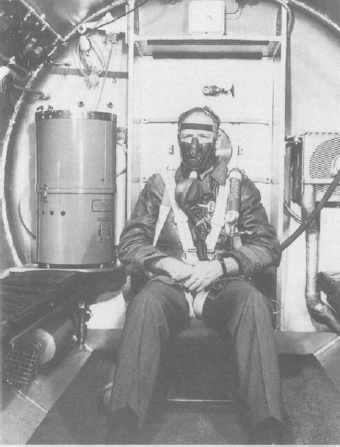
Because of Lindbergh’s prewar speeches, FDR would not allow him into the armed forces; but after Pearl Harbor, Lindbergh found other ways to serve. He became a human guinea pig, testing the effects of altitude at the Mayo Clinic, September 1942.
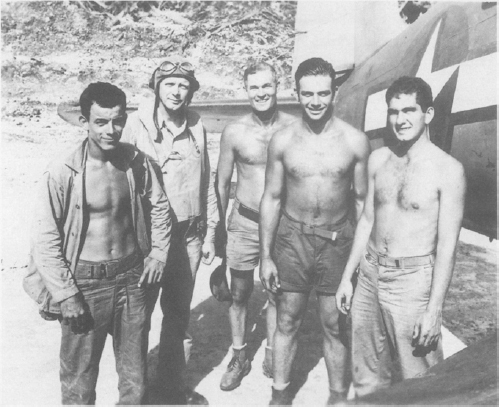
He also served as a “technical representative” in the South Pacific—where he unofficially flew on fifty bombing missions. Emirau Island, May 1944.
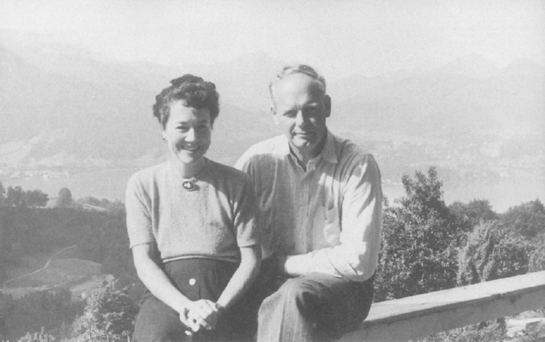
Anne and Charles in Bavaria. Their marriage was not the storybook romance the world imagined.
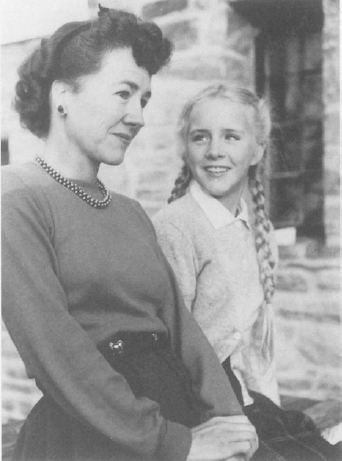
The two Anne Lindberghs. Westport.
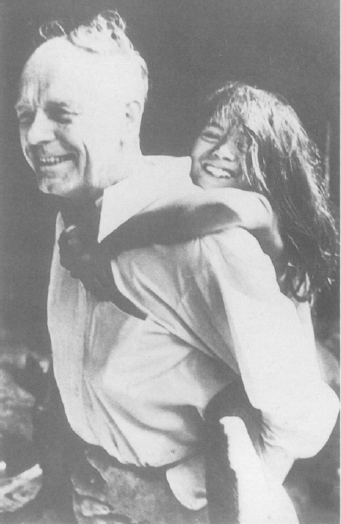
Never able to stay long in a single place, Lindbergh continued to tour the world, fighting for environmental issues. Luzon, 1969.
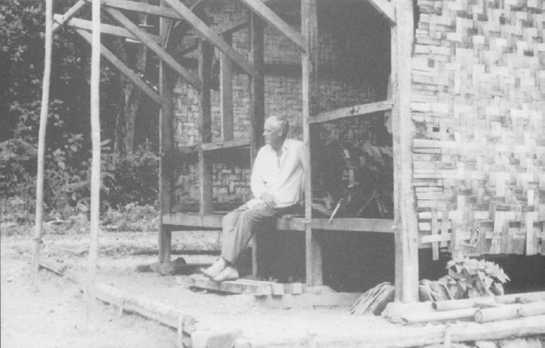
Indonesia, 1967.
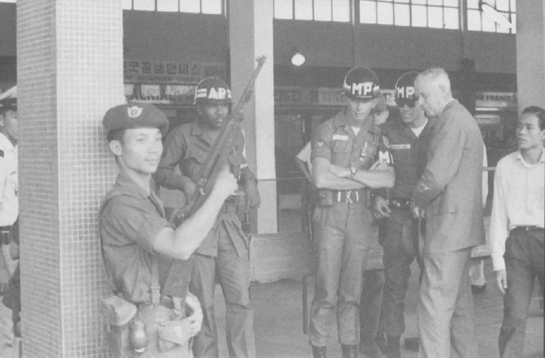
Saigon, 1967.
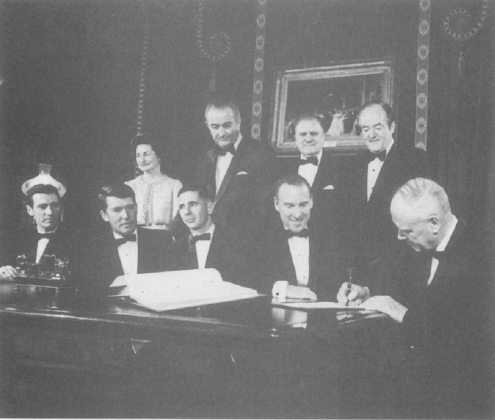
President Lyndon B. Johnson and Vice President Hubert H. Humphrey look on as Lindbergh signs autographs for the Apollo astronauts at the White House, 1968.
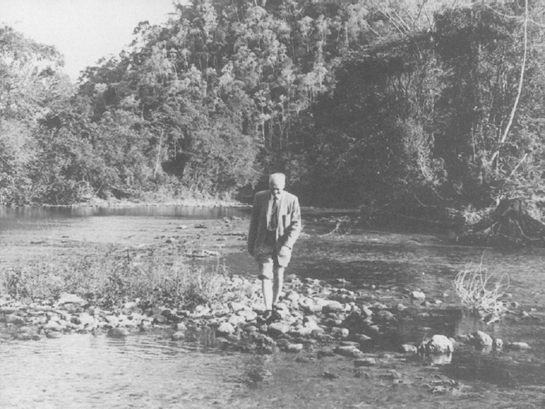
Brazil, 1969.
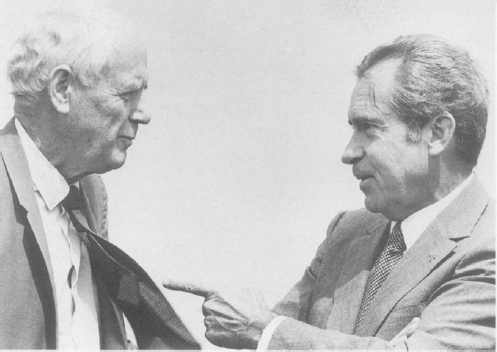
Lindbergh and President Richard M. Nixon, with whom he was willing to pose for pictures to help the cause of conservation, 1972.
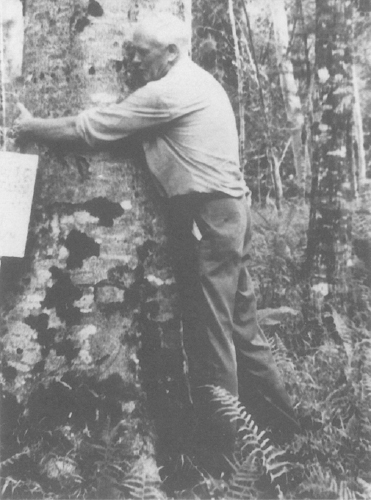
Tree-hugger.
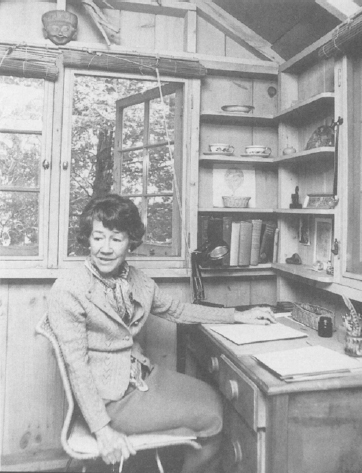
October 1969. Anne Morrow Lindbergh in her “Little House,” where she wrote her perennial bestseller Gift from the Sea and several volumes of bestselling diaries.
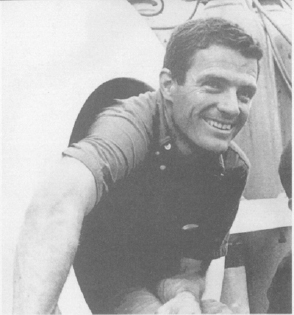
Jon Lindbergh’s career has been mostly around or under water. (New Jersey State Police Museum)

Land Lindbergh became a rancher; his sister Ansy (Anne S. Lindbergh) wrote children’s books.

Scott Lindbergh, outside the family chalet in Switzerland, pursued the study of animal behavior.

Lindbergh giving away in marriage his youngest child, Reeve, also a writer, 1968.

Grandfather Charles with Reeve’s daughter Elizabeth.
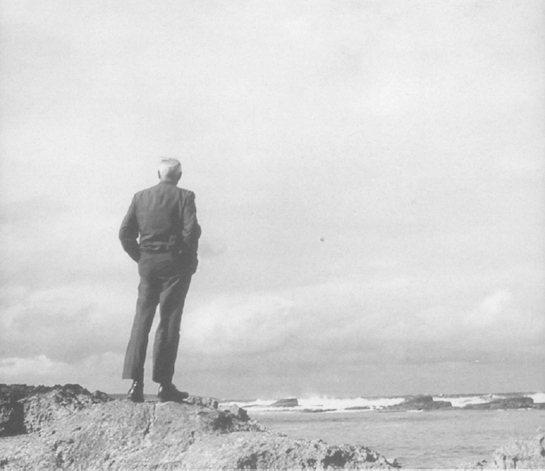
Tonga, 1972. (copyright Tom Nebbia)