
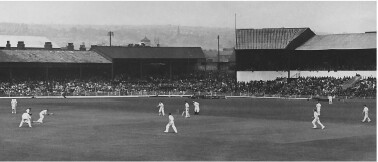
The only Test match at Sheffield, the only Test ground in England to become extinct: England v Australia in 1902. Bramall Lane runs behind the stand on the left side of the photograph.
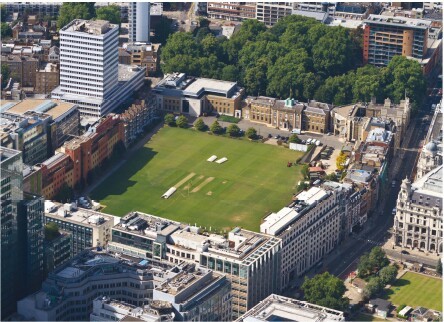
Cricket’s first major ground: the Artillery Ground, looking towards Armoury House, behind the covers at the far end. George Smith’s Pyed Horse was at the opposite, nearer, end.
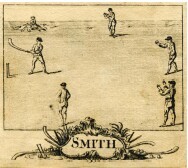
The earliest surviving entrance ticket for a cricket match, Kent v England in 1744, issued by George Smith.
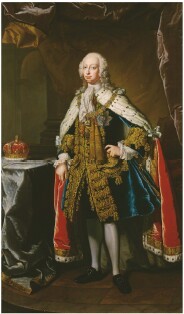
One of the first county captains, HRH Frederick, Prince of Wales, who led Surrey in the 1730s, possibly in their T20 clothing.
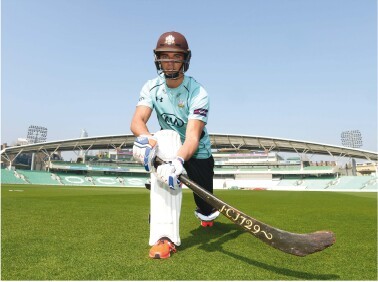
A reverse sweep is played at the Oval by Surrey’s James Burke with the earliest surviving cricket bat, made by William Pett of Sevenoaks and belonging to John Chitty.
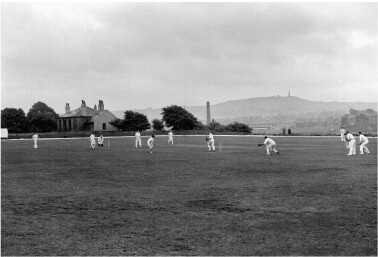
Cricket’s first nursery, and academy, and hot spot: Lascelles Hall in the West Riding in the 1950s.
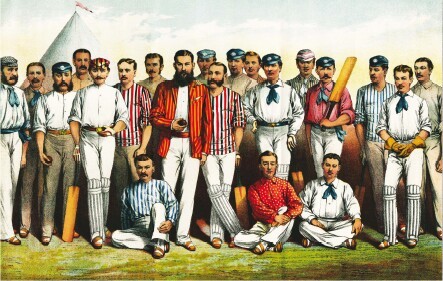
The best English cricketers of 1880, the decade when the professional sport took off. w.G. Grace, nominally an amateur, naturally dominates. Ephraim Lockwood stands third from right, while another player from Lascelles Hall, Willie Bates, sits nearest to him.
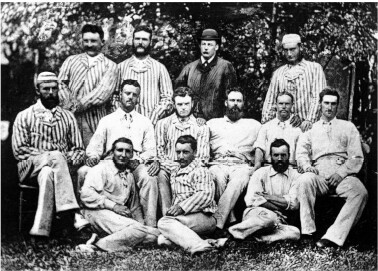
The first non-indigenous Australian team to tour England, in 1878.
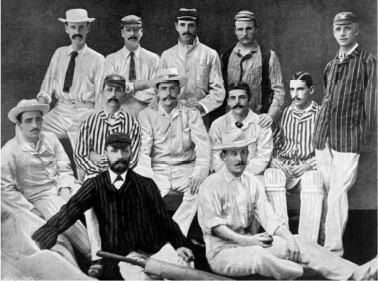
Ivo Bligh, second from the left in the middle row, wearing the white hat, with the team that won the first Ashes series, in 1882-83.
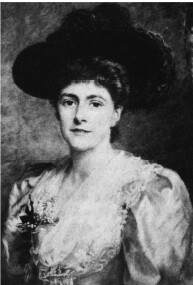
Florence Morphy
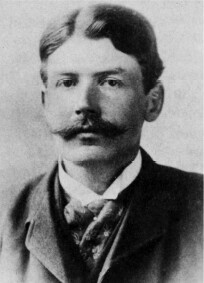
the Hon. Ivo Bligh
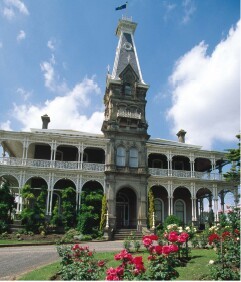
Rupertswood where they courted
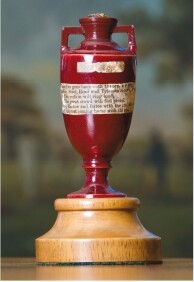
their metaphorical offspring, the Ashes urn.
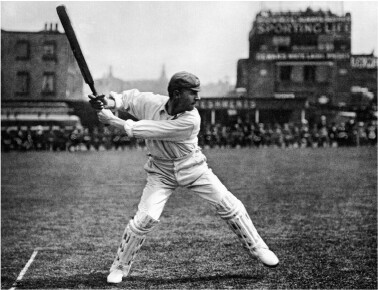
‘God no doubt could create a better batsman than Victor Trumper if He wished, but so far He hasn’t’ - Sir Neville Cardus.
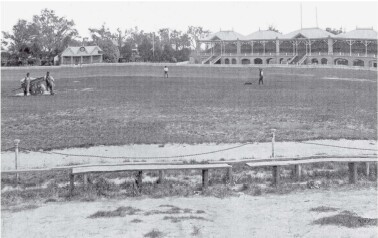
The Melbourne Cricket Ground, looking towards the Grand Stand, in 1877, the year of the first Test match.
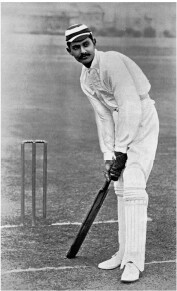
Could anyone now score a Test century before lunch, as Ranjitsinhji did on his Test debut against Australia in 1896, with a bat so thin?
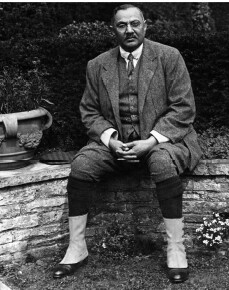
Ranjitsinhji, as Jam Sahib of Nawanagar, with a glass eye (right) after his shooting accident.
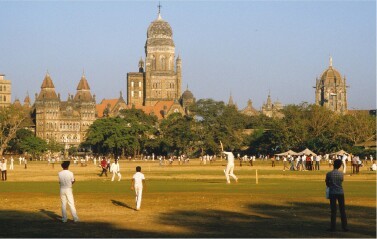
One of the least crowded areas of Azad Maidan in Mumbai. The station originally known as Victoria Terminus is in the background.
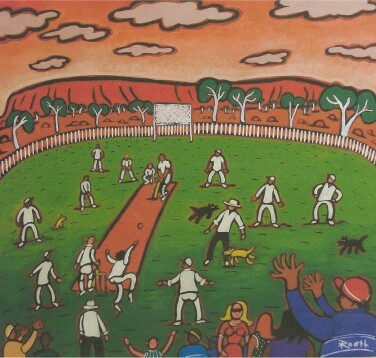
Indigenous cricket in all its vitality at Albrecht Oval in Alice Springs: Cricket in Alice, January 2013, by Rooth Robertson.
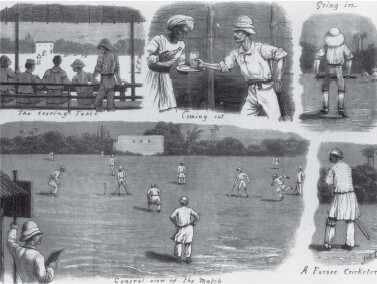
More than a flavour of Kipling’s ‘Gunga Din’ about these sketches of a match between the British military and the Parsis in 1878. But the most remarkable point is that ruler and subject were playing with and against each other on a level field.
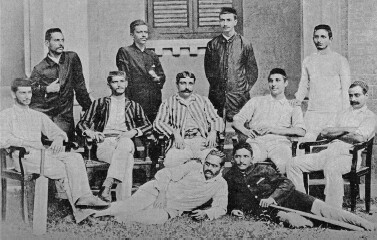
J.M. Framji Patel, who captained the Parsis against George Vernon’s XI, sits in the centre of the middle row. Also in a striped blazer, to his right, sits the man of that match, M.E. Pavri.
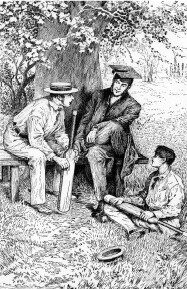
Tom Brown, captain of Rugby’s cricket team, talks to the young master instead of watching his side’s run-chase against MCC. Arthur looks on, instead of visualising his innings.
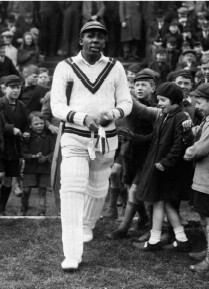
Learie Constantine walks out to bat.
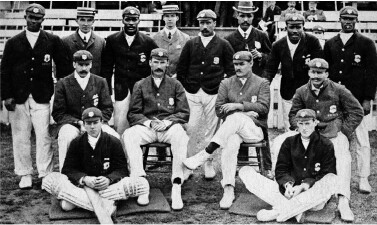
No Uncle Tom: Tommy Burton, third from right in the back row of the West Indian team to tour England in 1906.
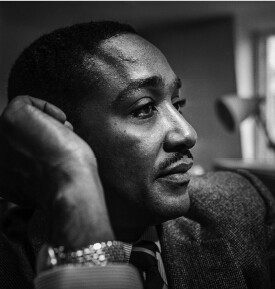
Dreamy eyes - and the vision of a dreamer: Sir Frank Worrell.
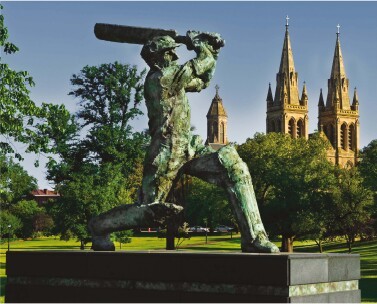
Ironically, the sculptor Robert Hannaford has captured Sir Donald Bradman playing a front-foot off-drive in Adelaide, a shot he did not favour.
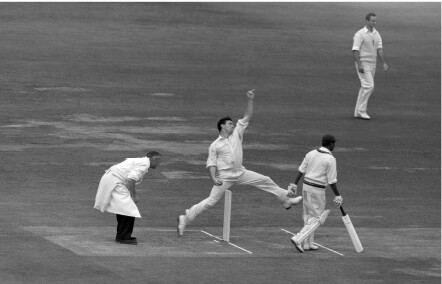
Fred Trueman, full-on, and side-on.
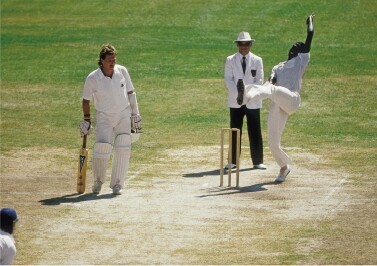
His bouncer was known as ‘the throat -cutter’: Patrick Patterson in the first Test against England at Sabina Park in 1985-86, as Ian Botham backs up, a bit.
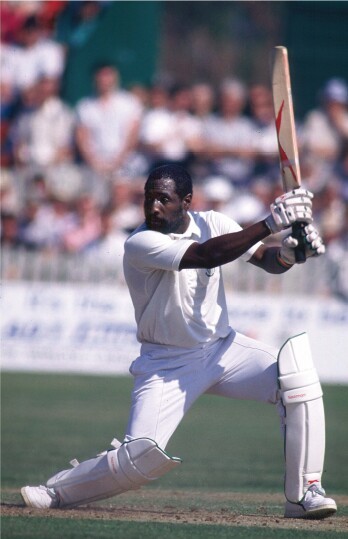
Sir Isaac Vivian Alexander Richards, head unhelmeted and unbowed.
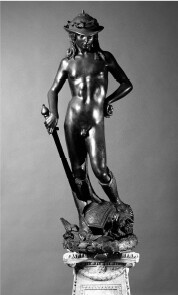
Donatello’s David, in the contrapposto position
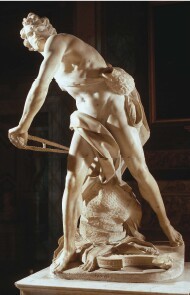
Bernini’s David, exuding more power
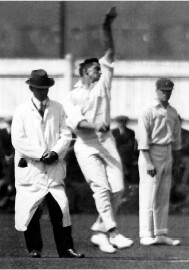
Ted McDonald, bowling at Leicester at the start of the 1921 Australians’ tour
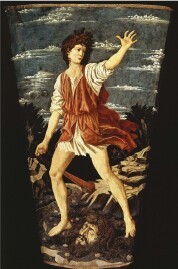
Castagno’s David
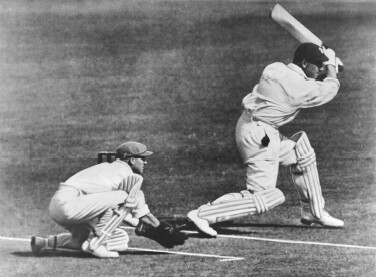
Perfection: Wally Hammond at the Sydney Cricket Ground in 1928-29, with Bert Oldfield keeping wicket.
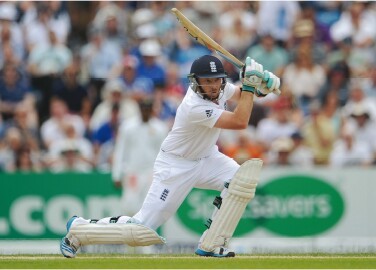
Ian Bell: more powerful, more sponsored, less beautiful.
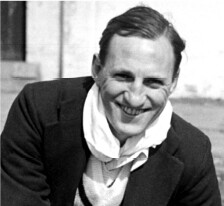
More Yorkshire than Yorkshire: Len Hutton, personification of the county’s cricket, came from the Moravian community in Pudsey.
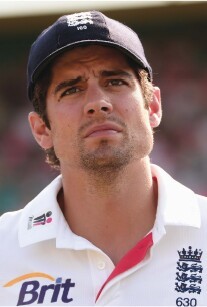
Alastair Cook at the end of England’s 2013-14 tour of Australia: uneasy lies the head that wears a crown.
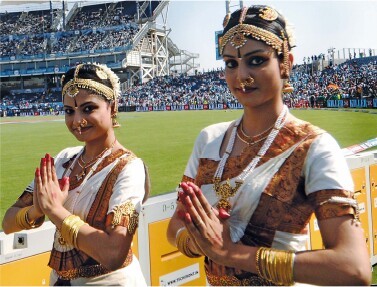
Cheerleaders at an 1PL match in Pune.