
CHAPTER SIX

THE CUSTOMERS I have met at markets and plant events, or who used to visit my shop, have often said that they have lost a cactus or equally easy-care plant in the past, and so therefore believe that they can’t possibly look after any other plant as they must simply be botanically challenged. I don’t believe that anybody has more skill than anyone else when it comes to plant care, it is simply a matter of knowledge and practise, and after a bit of probing, I get down to the real reason that their indoor plants didn’t survive in the first place. Usually it is down to one of the following beginner plant mistakes that come up time and time again, which, in my opinion, are the main reason that most indoor plants don’t live for as long as they should.

Don’t over-water your plants, however tempting it is.
1. Too. Much. Water
This is one of the biggest indoor plant killers going. Over-watering your house plants drowns the roots and can cause root rot, unsightly brown splodges on the leaves and can kill your plant.
Make sure when you buy a plant that you check what it is called and any care tips so that you don’t get home and care for it too much by giving it water every day, for example if it is a desert-living succulent. House plants generally need less water than outdoor plants as the water has nowhere to go other than the pot that it is sitting in (it can’t drain away into the ground as happens in the wild).

Group plants together that like the same levels of water.
If you own a cactus, succulent, snake plant or a ZZ plant then you can over-water these by watering them too regularly. In fact, they prefer to be on the dry side, and I recommend being a bit mean with these plants and only watering once a fortnight unless we are in the middle of a heatwave.
Before watering your plant, use your finger to feel the top few inches of soil. As a general rule, if the top few inches of soil feel dry to touch then it is time to water your plant again. However, for specifics of how often you need to water your plant you should make sure you know what the plant is that you own, and then you can check for watering advice specific to that plant.
If you check with your local plant shop when you buy a plant, make sure you know what the name of the plant you are buying is, then you can follow online guides and other sources of plant knowledge (such as this book) to make sure you are not over-watering it and causing undue damage to your plant. People often think that a peaky-looking plant needs an extra drink of water, when actually it is often the last thing that the plant needs.
When you water your plant, make sure to do it over a sink or bucket, so that any excess water drains out of the bottom of the grower pot. If a plant sits in water that has pooled at the bottom of its ceramic pot, then this can also cause root rot, even when the top couple of inches of soil feel dry to touch.
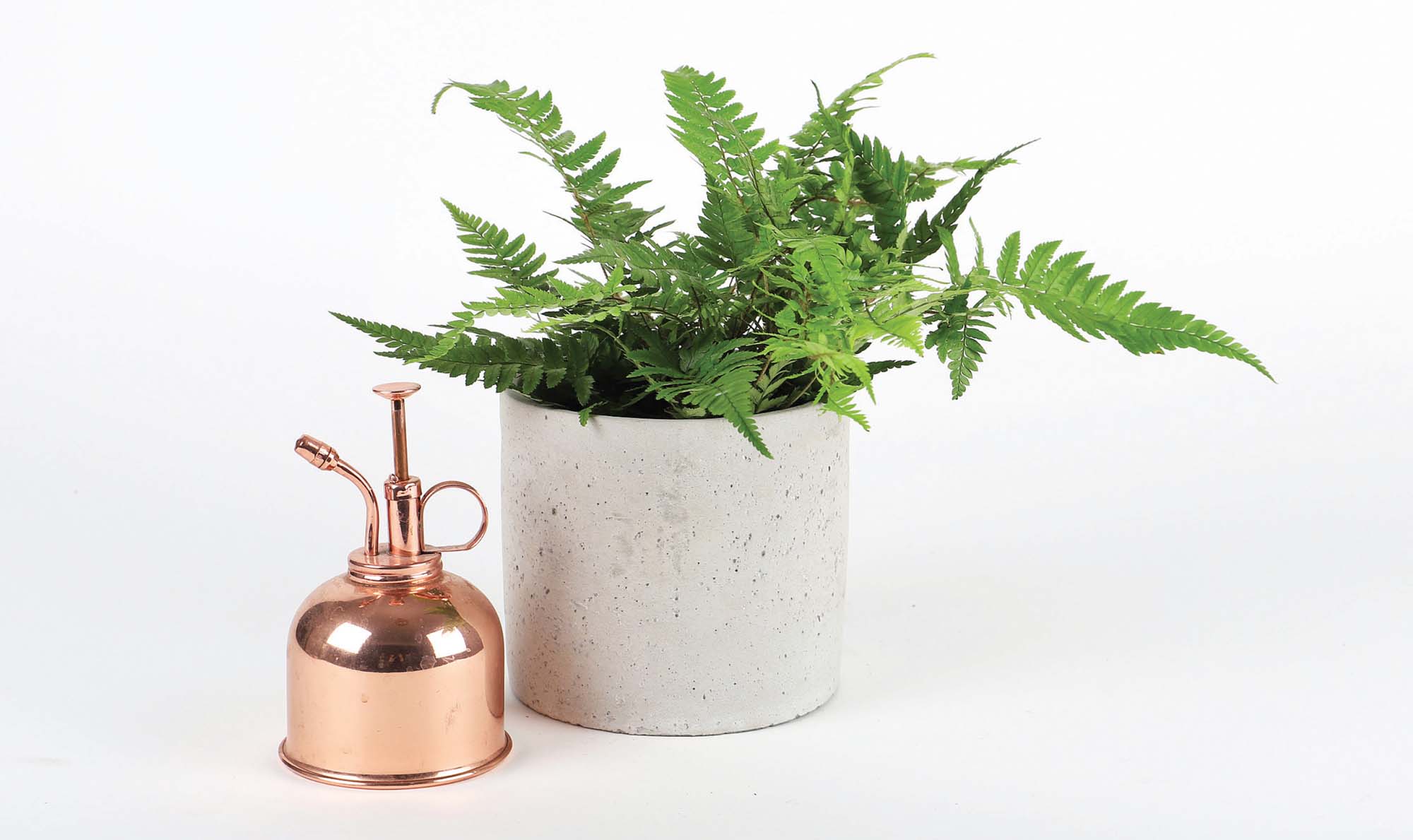
Ferns need a lot more water than other indoor plants. As well as regular misting.
2. Not enough water
This is definitely a rarer issue for most plant owners than the previous one, but it can sometimes take place when a plant owner has lost a plant due to over-watering and then goes completely the other way to avoid making the same mistake. Some plants, such as ferns, require more frequent watering than others, and they also require misting and decent humidity levels. Again, finding out the name of the plant you are buying will help you to refine what care levels the plants you own need.
How often you water your plants can also be an issue when the weather changes and the sunshine begins to get stronger, or alternatively, when winter sets in and the days are shorter and light levels are lower. More often than not, your plant will let you know when it needs a drink – its leaves will droop; it will start to fade in colour, and it will look a bit sad. But before it gets to that stage, give the soil a poke to test how dry it feels – generally if the top few inches of soil feel dry then give it a water, unless your plant is a succulent and wants the soil to be totally dry before each water.?
3. Choosing a plant by its looks alone.
This is a tricky issue to avoid as we all like to be surrounded by aesthetically pleasing things. When shopping for plants make sure you check beforehand by researching, or with the person you are buying from, what conditions the plant you are choosing actually needs rather than choosing a plant just based on its looks.
String of Pearls is a very cool-looking hanging succulent that needs bright light and a small amount of watering (preferably from underneath) and even then, it can be a tough plant to keep alive. However, I meet lots of people who buy it just because it looks good, for a gloomy spot or a soggy bathroom and then are upset that it didn’t survive even with warnings in advance about how fussy it can be. I have always sold these with a warning that it may not survive as well as other hanging plants such as String of Hearts or Devil’s Ivy, which are two of my favourite low-maintenance, hard-wearing hanging plant suggestions for most spaces. (See Chapter 7 for more details.)
Likewise, most ferns are no good for overly bright and dry spaces, as they need humidity and to have a nice level of moistness in the soil, as well as light shade. Although they look incredible, if you haven’t got the time to dedicate to caring for them, or you are planning them for a dry place in the home, then my advice would be to pick something easier that requires less attention.
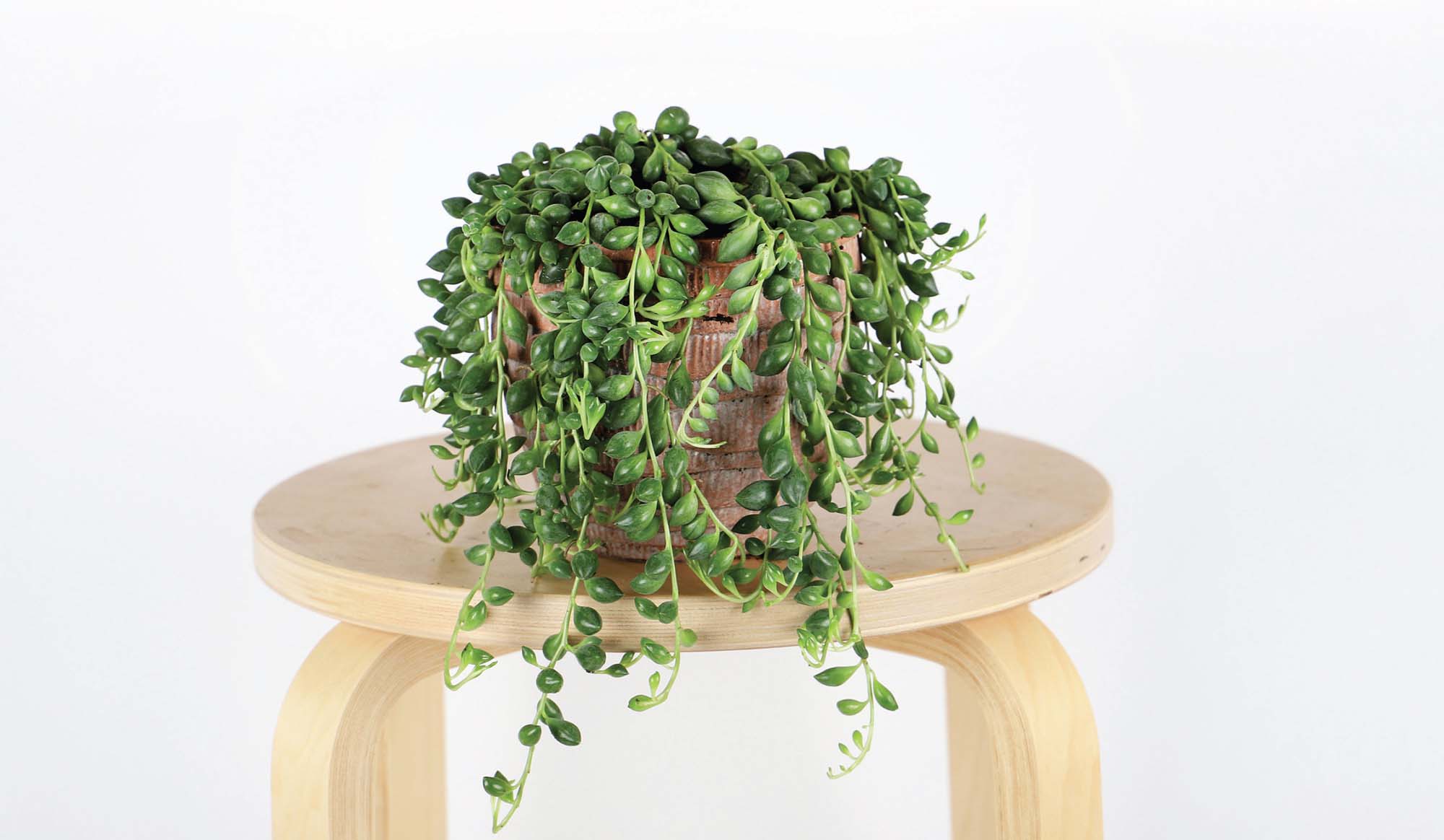
String of Pearls Plant looks fantastic but can be hard to keep alive.
4. Light levels
All plants need some light to photosynthesise, but I still frequently get asked what plant would survive in a dark, window-less, soggy bathroom. The answer unfortunately is none, unless you are willing to move the plant into a naturally lit space from time to time to ensure that it gets the chance to sunbathe.
Light is imperative for a plant to survive, however, and just like with water levels, the needs of each plant will vary in terms of the light that they require; some plants prefer brighter spots, and some prefer less or partial shade. This means that you should be able to find the right plant for your space by looking at what light levels you have at home and choosing a plant based on this. It is also worth remembering that as seasons change, then light levels also change with them and you may need to rearrange your plants depending on the time of year and how much light they are getting in their respective spot in your home.
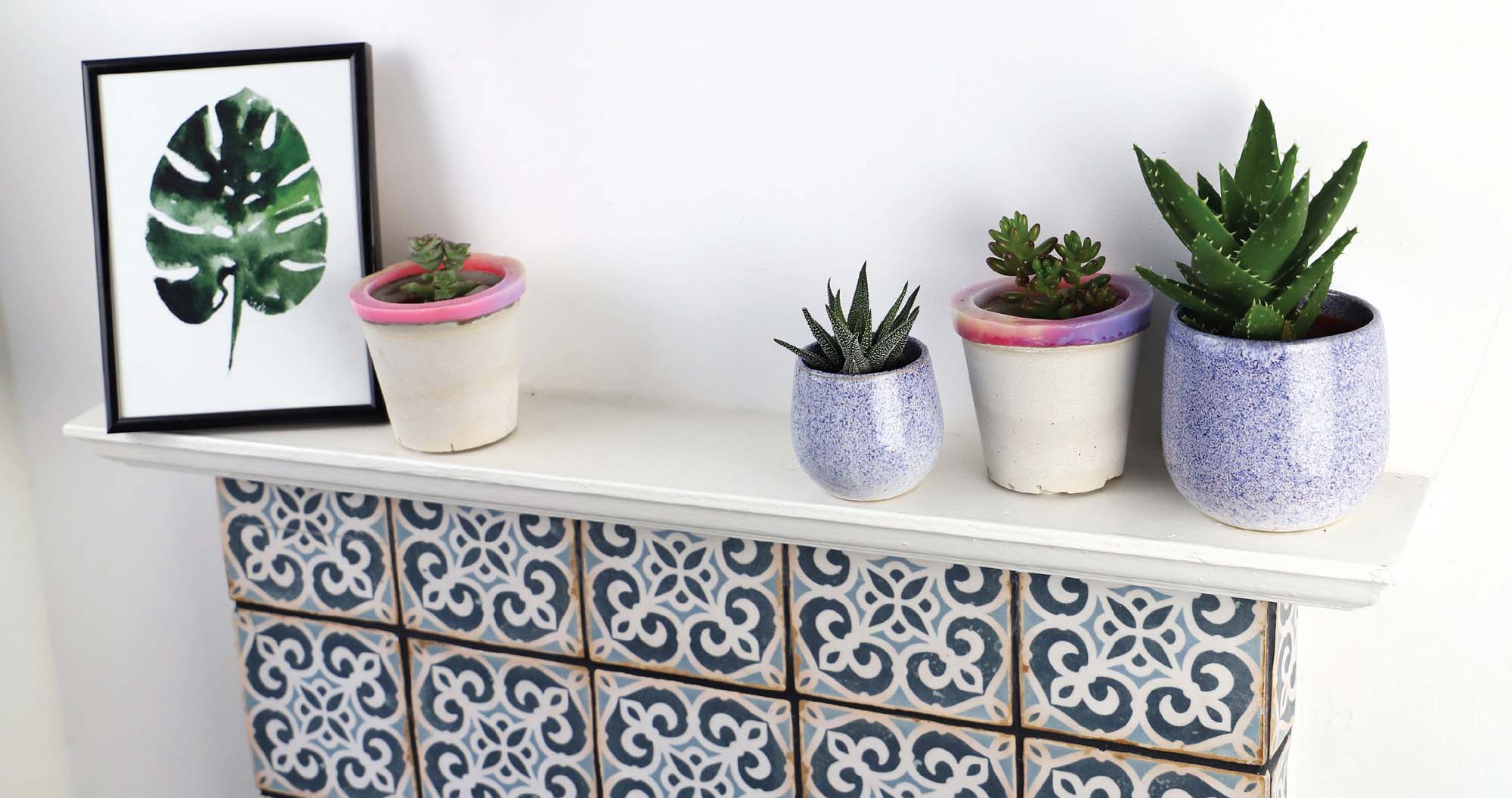
Succulents require good light levels to stay alive.

Get into a routine with your plants, and make sure all people in your household know who is doing the care.
5. Too many people caring for your plants.
I once got called back to an office installation in a panic as the office manager told me that ‘all of the plants are dying’. They weren’t. One succulent had been overwatered and had died, but the other plants were looking parched and a bit peaky, although still alive.
After a good chat, it transpired that the plants were being watered vigorously by all of the team as they wanted to ensure that they survived. The only problem was that most of these plants only wanted to be watered once a week or less and they were being watered daily by lots of different team members! In February – when it was dark and cold, and the plants didn’t need it.
The team then panicked and stopped watering them all together as no one wanted the responsibility for destroying the plants. When I arrived, the plants had been through an ordeal. We decided on one person on the team to take charge of the plant care and they are now thriving again. Make sure if you share a home or a space with other people, you decide who is in charge of the plant care so that the plants don’t get too much or too little care to allow them to thrive.
Most of all, please enjoy your plant care adventure. Use it as an opportunity to learn. You may make mistakes (we all have), but you’ll soon learn from them and you will often find that plants are tougher that you think. This book will give a clear guide on how to care for some of the lowest maintenance plants out there, and with a bit of time and patience you should hopefully have a thriving indoor garden at home.