
Taking the time to correctly set up an SEO program is worth the effort every time. If you’re walking into an established organization, it’s tempting to go along with what’s already been set up. But resist temptation, because your job isn’t to do what’s easy—it’s to increase the growth of a site.
Fuzzy data morphs into untrusted data, also known as dirty data. If you’re starting a project where everyone believes the frameworks that have been set up for the site seem trusty, it’s OK to use it—but stay vigilant because once you start to manage something, you will eventually become responsible for it. If there’s an issue with something like data capture, you’ll soon inherit said issue. Do your own independent investigation when it comes to data capture and analytics instrumentation. A watchful eye catches mistakes; a complacent one doesn’t. I cannot stress enough that it’s fair to walk in the door with some skepticism if you’re being asked to take over an existing search program. Trust, but verify.
Whether it’s a new or continuing project, you always start by determining the target, which is usually a company’s website or sometimes a mobile app install or an Amazon or Etsy page. Clearly set benchmarks and physically examine the site source or landscape of the asset you’re ranking for and skip this at your peril! Avoiding the code check means you are likely to miss out on key observations that will boost the program. There have been numerous cases in which I’ve unveiled ancient tools of the past in the source. Nobody benefits from making calls to other servers for no tangible reason. Set yourself up for success by not keeping too much junk in the trunk.
Building a Growth Program to Last
A program that starts with welcoming an acceptable percentage of failure is more likely to flourish. Without learning there is no growth, and to learn you must test. You must produce results. The elements of a strong program include using measurement for optimization and building a site that fosters trust and transparency. Learning should be the key component in every program and includes a willingness to examine data impartially, constant research, and experimentation.
Failure happens for many reasons, but it will continue to happen in any situation where there is a general unwillingness to ask questions and recognize mistakes.
When a great team loses through complacency, it will constantly search for new and more intricate explanations to explain away defeat.
Pat Riley, former NBA coach
Focus should instead be on building up the institutional mindset and constant tweaking of strategies and campaigns. An example of tweaking would be when you happen to notice that last month’s blogs didn’t pick up much traffic, and suggest that maybe the team should spend more energy promoting them. The same amount of energy or more should be spent promoting a piece of content as building it. Promoting blogs could mean turning parts of them into syndicated content or writing new descriptions to post again on social channels.
Installing an SEO plugin in WordPress is not SEO. The most successful SEOs are the ones who stay focused and let the data show them the real story of what’s going on. They study trends and try to steer the boat correctly, taking bets on multiple territories. Doing what’s easy or out of the box will never get you to the top search spot.
Logically speaking, if you walk into a new project with almost complete agnosticism, then you are in the most likely state to be open to new ideas. If you’re running a WordPress site without mobile optimizations and have tons of unneeded CSS, then it is not typically a winning enterprise.
PHONE A FRIEND
Some industries are unbelievably difficult and specific, so never be afraid to phone a friend with experience in any given area. Learning should always be encouraged for SEO success. One of the coolest parts I’ve enjoyed about being an SEO is the opportunity for cross-collaboration among many different industries. Also, it’s OK to ask for SEO help, too. Most senior-level SEOs who have done it for a long time actually enjoy talking shop, whether it’s about the industry, war stories, or the latest trends.
The day should always include the element of research and discovery. Decisive action cannot be taken without sufficient information. SEOs have to read every day to find good consumable information and stay up on trends. The biggest sites that thrive from organic traffic typically produce a lot of content or aggregate others’ content successfully.
The two most important factors for conversion are trust and transparency. Without both factors present, the chances of a user engaging with a site are minimal. A good example of how to lose trust is to have mismatching page descriptions. The meta description is not a huge SEO factor any longer, but it’s still the method by which your future site visitors see what’s supposed to be a summary of the page. If the summary doesn’t describe what the page actually contains or if it feels too generic, you will not be likely to get the click.
Using Keyword Identification Tools
There’s some wildly popular and long-running folklore about this type of research. When marketers struggle heavily on specific individual keywords, they usually lose sight of the big picture. You have to increase overall organic visibility before you start to focus on individual terms. While it would be nice to automate keyword research, a human element is still required. Machines do not always know the subtle differences between terms. Predictive analytics tools aren’t (yet) what they should be, although there are some very cool ones out there. No one tool currently performs all of the jobs of an SEO practitioner when it comes to keyword research. I have yet to find a one-size-fits-all tool, but—alas—I prefer to use a few different tools as checks and balances.
The problem with using multiple tools is that the data will never match all the way 100%. Servers have syncing issues and varying time zones. Some tools seem to constantly change the way they display information, so it can be hard to correlate. There’s a trend towards oversimplified reporting for popular platforms like Twitter, Facebook, and LinkedIn. Any tool that doesn’t allow the user to download and/or export all crude information into a CSV is holding something back (your data). Otherwise, you’ll have to correlate by hand, which leads to too much time spent on reporting. Automation to some degree is necessary, and we will cover that in the next section.
Go Through the Weeds Toward Goals
There are at least a dozen marketing and development practice areas combined that legitimately fall under SEO’s big hug. When you’re touching the website, it’s easy to get bogged down on things that are seemingly important for the company but not essential SEO. I’ve seen programs fail when they lose focus because they turn into grouped general marketing practices. There’s no silver bullet in SEO; it’s more like you’re weaving a digital quilt. When you combine a variety of little things, the needle feels like it’s moving forward when it’s really not. Silly little crawler bots can be deceiving when you’re looking at traffic. Even the best of us have seen false positives for indicators of growth. The trick is to find them. Course-correct quickly.
SEO goals are a thorny thing, unfortunately. Everyone should have tangible goals for a search program, but it’s impossible to promote specific numbers. I’ve seen marketers and search folk who sometimes overcompensate when outlining their goals (in sales mode), but that should not include promising a hard number for growth or top place in search. Since SEOs do not have direct control over the search engines, it doesn’t make logical sense to claim direct control over results.
This is where it’s good to reframe the concept of what the SEO can do. A key question to always consider: what is our target goal for overall traffic and then also for organic traffic? Set a realistic goal based on the amount of assets you have (i.e., content and/or activities that are happening). If your incoming website traffic is hovering around 100 visits per day from all sources, is a sudden quadruple jump in organic a realistic goal? While everyone wants to achieve scalable marketing growth, it may not happen in the first few months.
When people ask me to pick a goal, I typically say we will increase conversions (sales) and the overall amount of organic search. Never promise exact percentages of growth; credible SEOs do not tend to do this. After reviewing site analytics and looking at the site, I can make my own assessment on the potential for increases. There are too many unknown factors to make assumptions about what’s known. I generally don’t vocalize my predictions too loudly for fear of misrepresenting results, but I can study any available analytics history and look for the factors that indicate whether growth has ever happened in the past. Nobody can promise definitive organic growth; they can only aspire to it. Nobody can explicitly guarantee traffic is coming for certain unless they’re buying it.
All growth depends upon activity. There is no development physically or intellectually without effort, and effort means work.
Calvin Coolidge, US president
The key to growth is watching the dials, and a clear way to do that is through reporting. Goals should be clearly defined enough to feel “locked in” to all relevant parties; you cannot fight on a floating battleground (unless you’re the Navy). An issue many SEO programs face is with reporting. My first major SEO project failed not in the SERPs but in management because I didn’t pick one firm set of metrics to report on regularly for the executive team. Therefore, they had no confidence that what I was doing was working.
Over the years, I have developed my own dashboards and custom reports to demonstrate growth on a consistent basis. I tweak them and build new ones constantly while keeping physical backups in PDF form. Numerous organizations I’ve worked with find reporting to be one of the most difficult pieces of the program. Reporting is especially expensive to an SEO program when it isn’t automated, because nobody typically wants to pay for reporting time. A majority of the SEO’s energy should be spent generating traffic, not bending over backward to show what they are doing.
HATERS GONNA ISOLATE
There are a subset of people, sometimes developers, who do not “believe” in the practice of SEO and therefore will want to dissect all SEO-related practices. Skeptics are present in every organization and that’s OK. The antidote to this is reporting. My suggestion is to find a balance in what’s being reported so all parties feel that transparency exists.
Annotate SEO-impactful changes in analytics diligently—things like updates being made to the website or the launch of a new campaign. A majority of analytics suites have a mechanism to create annotations. Reporting is most difficult when the data is incomplete; running in circles to compile information from multiple sources is an awful position to be in.
If you’re pulling analytics information for a report you’re presenting to others, always pull down a local copy or take a screenshot of what you are viewing. It’s an easy mistake to pull something and forget the timeframe or maybe you’re in the wrong view. Keeping a record of where it’s coming from helps you maintain data integrity in reporting along the way.
Setting Up an Organic Search Program
Whether you’re SEOing a new site or an old one, this section will cover how to set up an organic search marketing program. Your goals for search have now been defined. It is now time to cross over into targeting how people are going to be hitting your site. It used to be good enough to harvest the potential searcher’s interest, but now there’s an industry-wide expectation for a search practitioner to also generate interest. The vehicle for understanding the interest of a potential visitor is the keyword.
Always consider the end point, whether the user will be buying an antique eagle figurine or downloading a white paper. You can start with research by dissection.
Keywords are not necessarily the heart and soul of search anymore (h/t algorithms), but they’re still the best path to attaining search goals. Nontechnical marketers may not grok the nuances of rich snippets or server optimizations, but they’ll certainly get keyword targets. When starting SEO programs, it’s imperative to choose keyword targets and be clear about the audience you are trying to reach. Take the time to understand if your keyword targets are reflective of how people are actually searching. Look at everything from a few potential perspectives—the buyer, the researcher, the looky-loo. There should be a few personas (types) of people who could potentially visit the site you’re optimizing. Mentally put yourself in their shoes. If the site you’re working on existed previously, you can start with the content that is there. Look at whatever analytics might exist to assess what’s performing well, if anything.
If the site is a new one, then start doing random searches for what you would use and find the site yourself. If the product or service is new and therefore undiscovered, pick what’s most closely related. In a new program, you should be the most open to possibilities that don’t feel as natural to you. In the beginning phases, you want to trap organic search queries, period. The true shaping of keyword goals will always come later; it’s not a good idea to get caught up on “the perfect query” as that’s not really a thing. How people find a site (or if they do at all) is always going to evolve and change. In more than 20 years of working on the web, I’ve never heard anyone declare, “my website is done.” Done-ness on the web is also not a thing, especially in the search world. Ranking-focused programs often miss out on new opportunities.
The Google select window (Figure 5-1) or snippet preview window in the browser is the fastest way to see how queries are shaping up in terms of the searcher’s interest. Understanding a site visitor’s intention is the most powerful information to have in keyword research.
Let’s take the example of our friend the eagle. In this exercise, we’re looking to potentially start a new website with the goal of bringing awareness to the endangered eagle, the most majestic bird in the United States. I start typing “eagle” and the snippet preview starts to form:
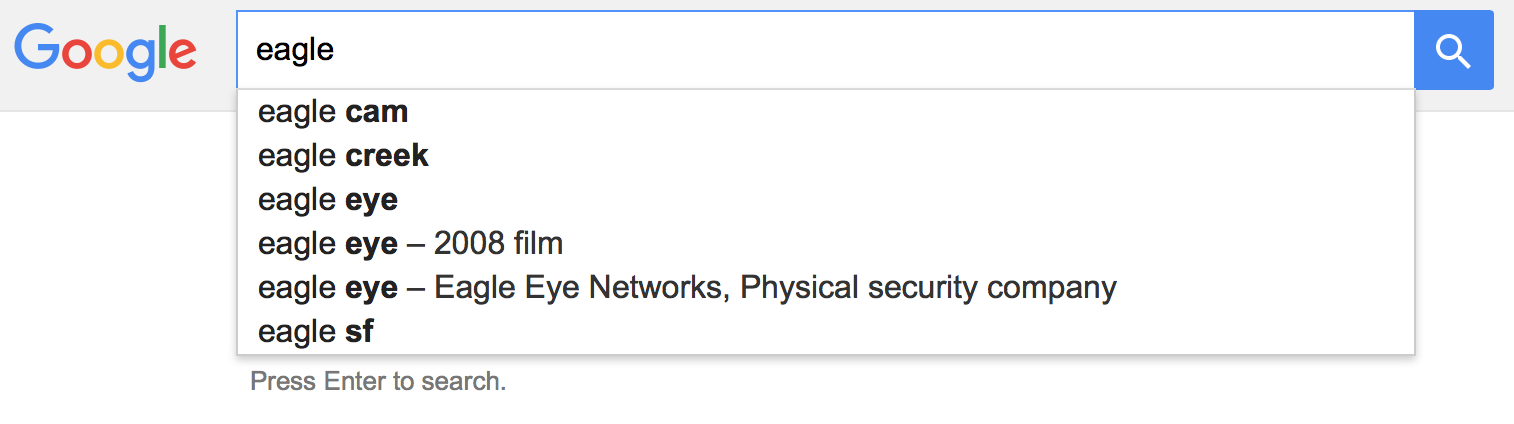
Figure 5-1. Simply start typing to see what’s suggested by most major search engines.
OK, now we know that the eagle cam is popular in the United States. Visit different country sites (like Google.ca or Google.co.uk) if you’re looking for international perspectives. After some research about the eagle cam, we see that many sites are government-run parks. Whether something is .gov or .edu matters more to Yahoo! and Bing than Google. We can keep that in mind for our target audience. Additionally, we see that a movie called Eagle Eye came out in 2008 that we will likely not need to pay attention to.
VARIETY IS THE SPICE OF LIFE!
Bing Webmaster Tools can also be used for organic keyword search. Remember that the demographics for some search engines differ from others. Perform research not just on Google but where your potential site visitors are most likely to be.
Now we will try DuckDuckGo for a fun comparison (Figure 5-2).
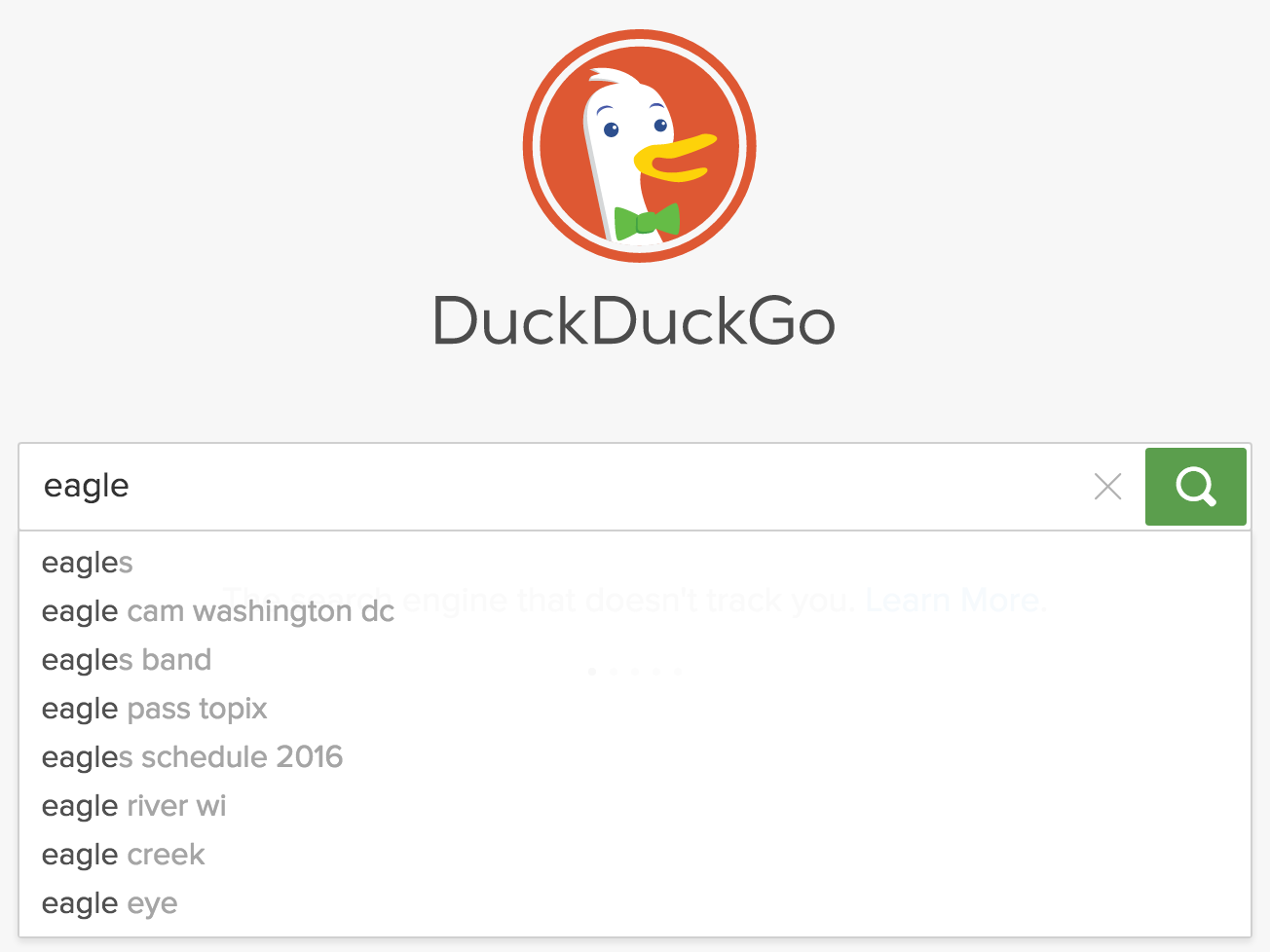
Figure 5-2. Perform searches in multiple search engines to compare suggestions.
We now know that the eagle cam is indeed popular because it has risen in search interest to the very top (since the last time we checked). Theoretically, you’ll do this type of research in a few different engines or sites over a period of time. We also now know in the eyes of two search engines that an eagle is considered an animal, a band, a thriller starring Shia LaBeouf, and a company that makes travel gear.
Since we’re starting an eagle conservation site, we’ll need to think about how any of these buckets (areas) can help us. We need to think about what information does not make sense. For example, sorry not sorry to the late 90s Swedish rocker, Eagle-Eye Cherry, you’re not joining this keyword party. Maybe if I’d typed in the hyphen…
The most likely keyword candidate to consider studying the surrounding data of is the eagle cam. We can now safely study the eagle cam site based in Washington, DC, because this project also aims to increase awareness of conservation for the majestic national bird of the United States. In truth, there are at least 16 countries across the globe that name a various species of the eagle as their national bird.
Once the rough buckets and keyword goals are defined, no matter how loosely, the next phase of search research starts. Tools like Moz’s Keyword Explorer, Wordtracker, SEMrush, SpyFu, Google Trends, or Keyword Planner are typically the next step when performing keyword research.
Take your query or list of queries and let the games begin! If the bucket of search is enormous, then find a data fork in the road to take or try a trends tool first. Keyword research should be a creative and analytical enterprise. Make your best guesses when thinking of different phrasing; chances are you’ll be somewhat right and wrong at the same time. I’ve found that the keyword combination is typically what the site owner thinks people search balanced with actual trends in search. It’s also OK and quite efficient to throw paid search into the mix for experiments. All learning about the user, search queries, etc. will help. Think of keywords like races: which term or phrase is going to get you in front of the right person?
I like to make queries compete in the markets I’m targeting to see who comes out the victor. First I select my category (Figure 5-3).
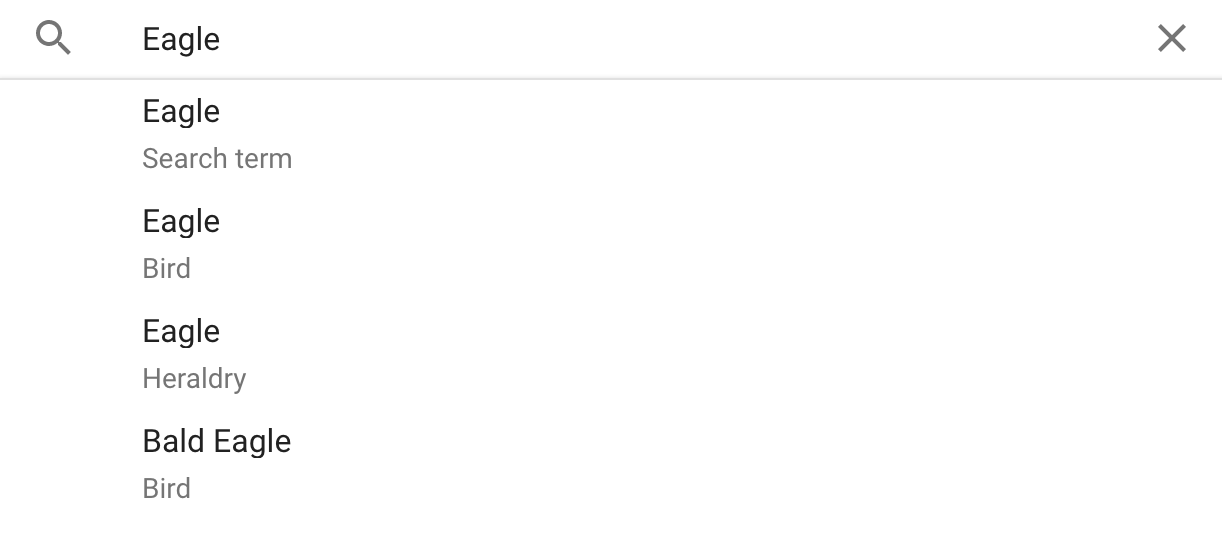
Figure 5-3. The breakdown listed in the Google Trends search window is useful information to file away for later.
After selecting the bird category, things get interesting. When devising a site’s keyword topology, categorization is especially meaningful to an SEO. Once you have a rough impression in your mind of the search landscape for keywords, it’s a good idea to start looking at other tools, like Google Trends research (Figure 5-4).
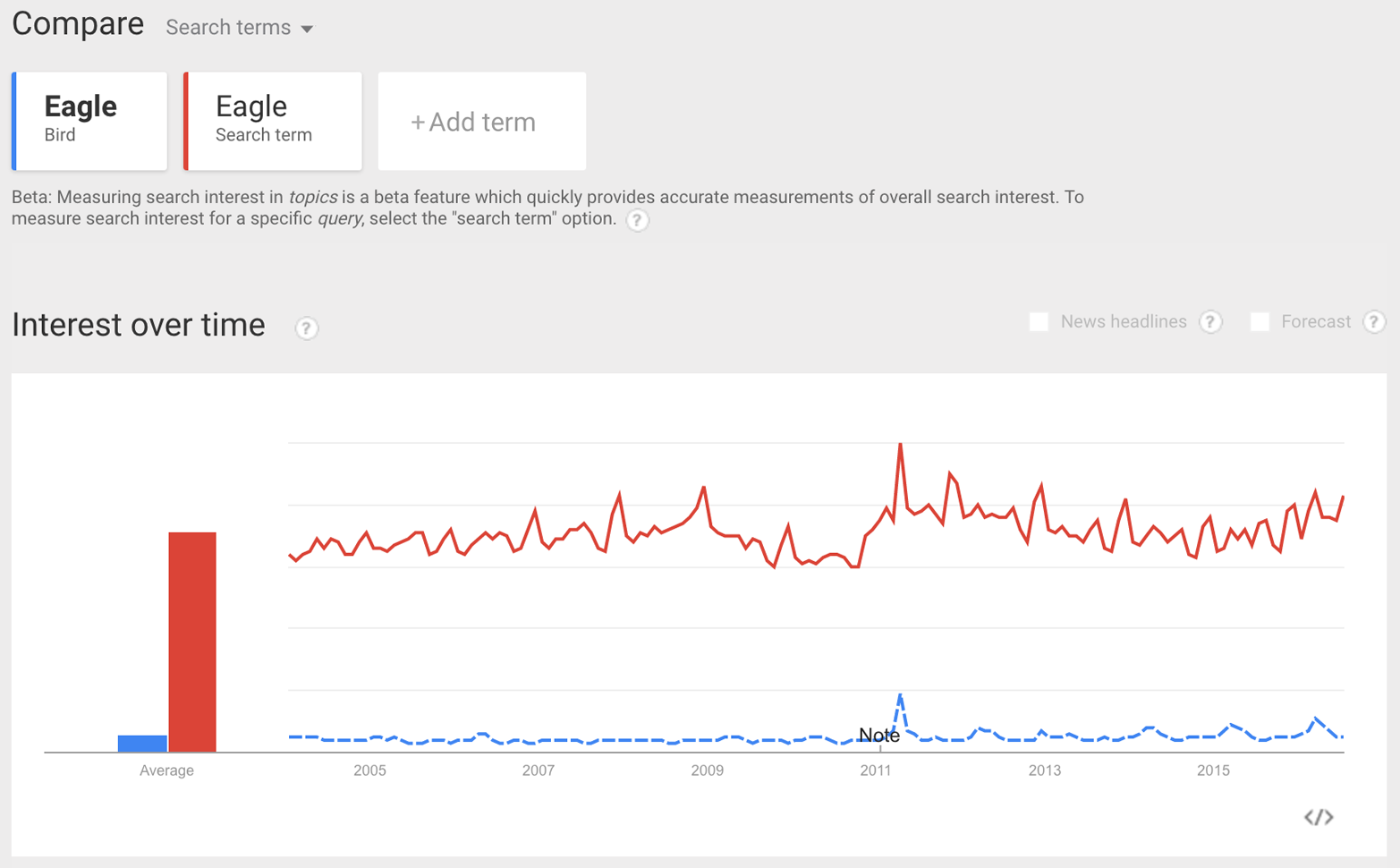
Figure 5-4. We get a better idea of how small search interest is overall for the bird versus the search term.
We can see in Figure 5-4 that this new categorization is a beta feature. New features are rolled out all of the time—it’s important to take note of that. By way of the related searches pane at the bottom, we start to get more ideas. We’re also tipped off about something we hadn’t considered previously after selecting the Rising tab on the bottom right (Figure 5-5).
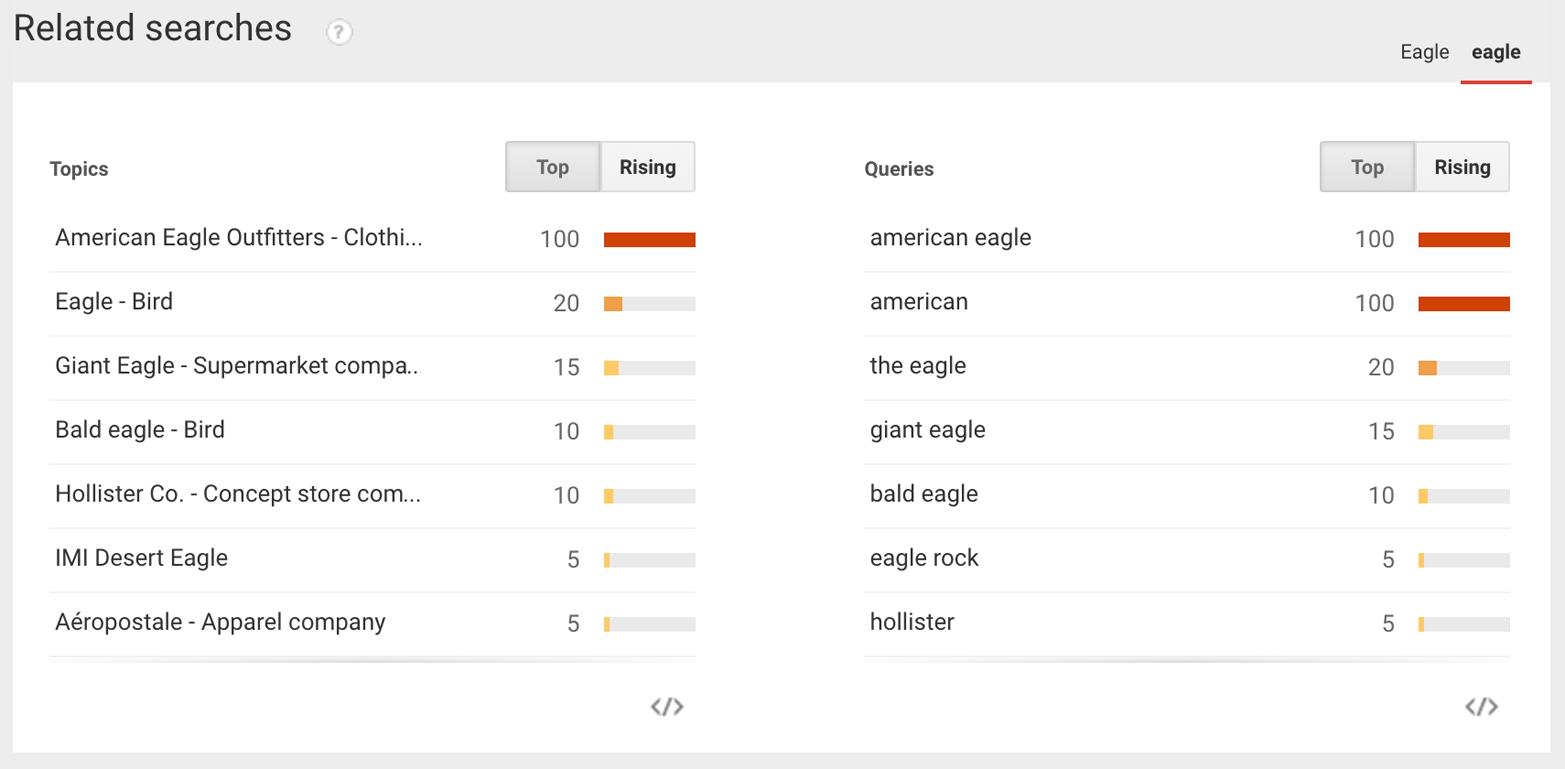
Figure 5-5. Hey, wait! There’s a store named American Eagle that’s possibly on the rise that we should watch out for. We do not want to rank for “American Eagle” or compete there.
Let’s take a look at the organic interest for bald eagles and examine whether or not it’s on the rise categorically (Figure 5-6).
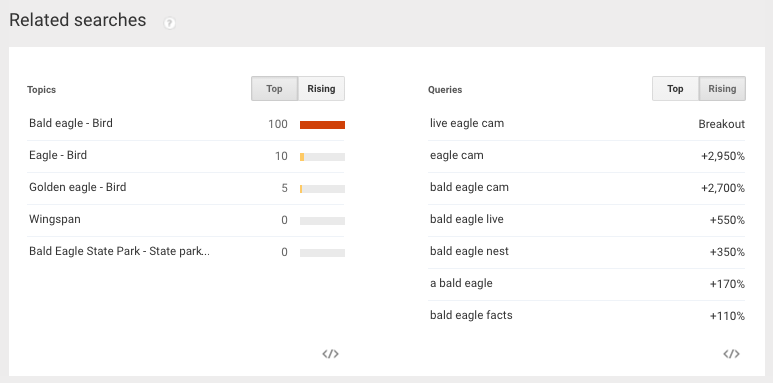
Figure 5-6. Huzzah, we see a suggestion that the eagle cam is on the rise!
Now we understand what surrounds “eagle” as a search term. We’re starting to run out of useful ideas since we are seeing so many unrelated search terms. Time to start looking elsewhere. It’s not a bad idea to also use Google’s PPC Keyword Planner tool to generate lists of new keyword ideas (Figure 5-7). You’ll get to see what competition looks like as well.
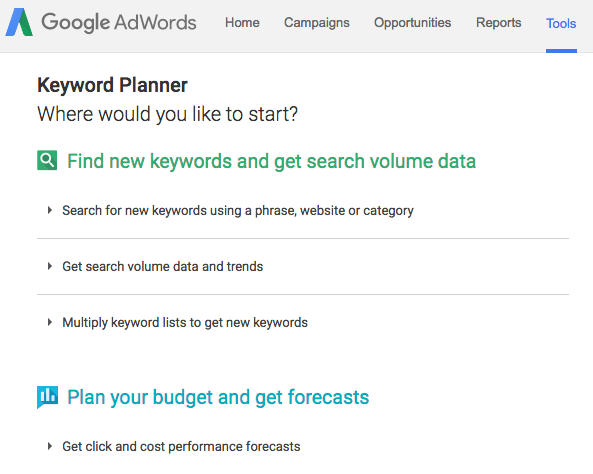
Figure 5-7. Generally, you’ll want to start with at least a few variations to get suggested keywords.
Once you have your list, it’s easy to examine the keyword interest. In this case I’ve chosen “bald eagle” to try and eliminate some of the noise. I do not want to rank for “American eagle” or “eagle cam.” The query has some interest, but it also looks like interest has dropped recently (Figure 5-8). This type of spike indicates a news spike of some type where interest was high and then trailed off.
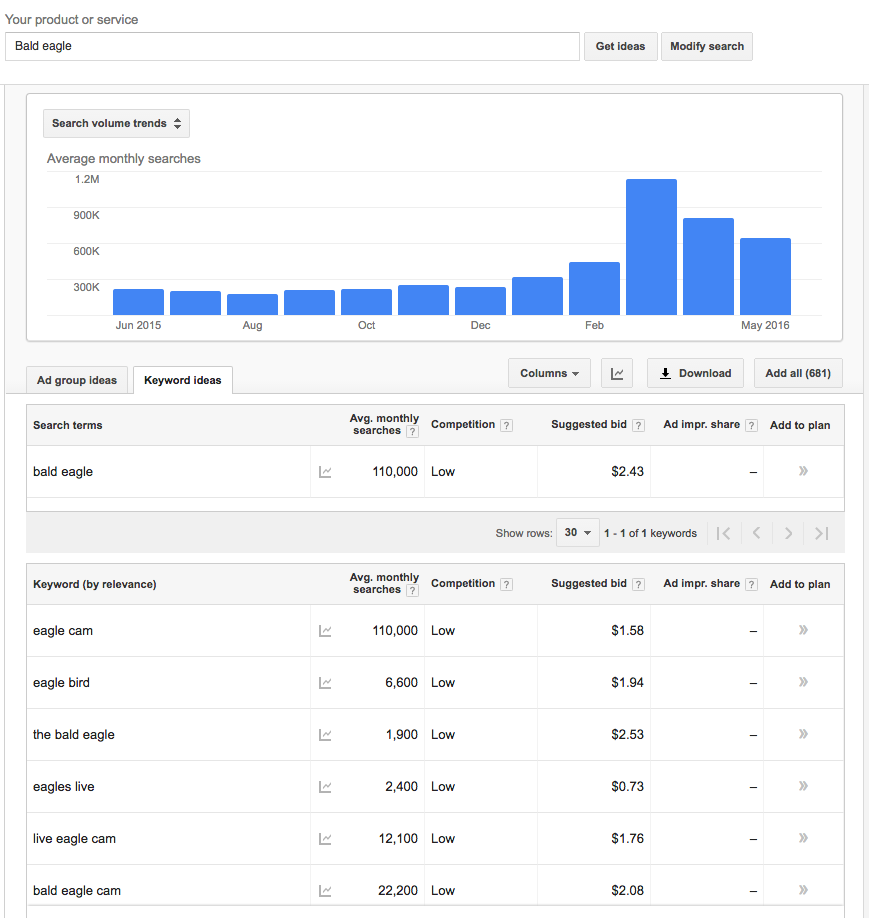
Figure 5-8. Based on timing and news, people searching for “bald eagle” may have been doing so just to watch the famous Washington, DC Bald Eagle Cam.
At this point, I like to export the lists from both tools and then cross-compare. If there’s a set of keywords that will then appear on both lists, you’ve likely got a winner. Winning terms for the example just given would be useful for marketing the bald eagle cam. If you were looking to rank for eagle-shaped teacups and mugs, then you’d need to try another approach.
KEYWORD DEEP THOUGHTS
Another trend to consider hopping aboard on is following the autocomplete suggestions train. Interestingly enough, Google Suggest aka autocomplete cannot be turned off as a feature. You can only choose to not select autocomplete sites in Google searches. What goes into these queries? Google’s guidelines say:
Search predictions are generated by an algorithm without human involvement. The algorithm is:
· Based on objective factors, including how often others have searched for a word.
· Designed to reflect the range of info on the web. Because of this range, the search terms you see might sometimes seem strange or surprising.
Optimizing for suggested answers means using longer queries and thinking semantically. Overall, try to focus on intention. It’s kind of like that book The Secret (Atria Books/Beyond Words) by Rhonda Byrne, but different. If you focus on the intention the user brings to the query, you’re more likely to anticipate what the person wants to know.
Search isn’t always going to be in the web browser; it’s everywhere there’s connectivity and devices. Cast the net wide in the beginning and whittle down the keyword targets as you go based on performance.
Showtime! Check All Systems
So you’ve got some rough keyword targets (buckets) locked down. Nice job. Now we will do one more check by digging into the site’s source. You have to know what you’re dealing with before you can determine where to go. Keywords were once the ultimate goal of the SEO, but as our technology landscape has grown, so have our battlefields. It’s most important to focus on increasing overall traffic from organic search, not on specific target keywords per se.
NOTE
If ecommerce conversions are already present in analytics or there’s use of a shopping cart, it’s always best to correlate them to a secondary data source regularly.
How do we put the program into practice, you may be wondering. There’s one final and very critical piece to set up, the physical site audit. Now that we have our keyword targets and search goals, we can begin examining the physical website audit:
· Review the source of the site to see how it’s put together. What CMS do they use?
· Data capture integrity check. Understand where the various tracking scripts lie and if any customization has happened.
· Check for abandoned tools or scripts no longer in use and commented-out code.
· Check the physical size of the images on the site.
· Test all offers (i.e., webforms) on any page where the form or content is unique.
· Use a utility to check for broken links.
· Physically click around on the links in the site to get a sense for how the funnel works.
· Review site speed performance. Ascertain how many servers are being called.
· It’s also important to check the page for W3C validation and do timing tests.
When starting a program, I like to take screenshots of the website and social media accounts and annotate before any work is performed. It’s also a good idea to set up Google alerts on the major keyword topics. You should also activate alerts on the competition so you’re passively being made aware of any big announcements or press coverage.
If proper analytics tools are not deployed for some reason, correct that horrific error and then take it day by day. In analytics, begin to study which traffic sources are bringing the most traffic and balance your future efforts with which sources perform the best. Performance can be judged by time spent on a site, number of pages reviewed, or conversions themselves. It’s a marketer’s dream to be able to calculate conversion costs. This dream can become reality! Set up analytics, create benchmarks, and deploy any other tools.
Regardless of what types of analytics and tools you use, there are many free ones available. Google Analytics (GA) is free and the tracking script is easy to deploy, but do not forget Google Webmaster Tools (GMT). It’s crucial to combine GA with GMT for website SEO. Creating benchmarks within analytics can be as simple as an annotation in GA denoting when the program is beginning. Documentation is the key to understanding where you’ve started. Memories get fuzzy and site management changes hands so annotations are the key to making meaningful observations.
Once you’ve checked what’s behind the scenes, you can perform the SEO audit on-page. The on-page audit involves a deep eyeballing of the page. Take a good look at the page and compare it against any data you have on the effectiveness of links. For example, when looking at the homepage, you can see in most analytics tools where people are clicking from that page. If something seems askew, like a web form that’s hard to read or too far below the fold, then chances are it’s not working well.
In the early days, we saw users creating a boomerang pattern with their eye patterns in the heat maps. Jakob Nielsen’s research shows that it’s more like an F pattern in the current age (Figure 5-9).

Figure 5-9. Using Neuroscience to Design a Better Blog (Source: Kissmetrics).
Content is the current vehicle for keyword expansion in search. That could change at any time. It’s a historical misconception that one can simply “power it out” by stuffing keywords into every nook and cranny. Think back to the days of the research paper and seek to build credibility page by page for the corresponding keyword.
Keywords are no longer the endgame of SEO; they are more of a guiding light. I have seen many folks in the industry decry keywords as becoming less important than before. Keywords were once one of the most definitive ways for us to measure SEO progress, but this has changed as our measurement tools have improved.
Jayson Demers, who writes about SEO for Forbes, has said that keywords still do matter.
To put it simply, keywords do still matter in 2016. Chances are they’ll always matter, to an extent. However, as search engines have become more sophisticated, they have started putting far less emphasis on specific keywords, and more emphasis on the meaning or intent behind those keywords.
Context matters more than it ever has to search. Context is best determined by intent. It used to be good enough to harvest the intent of a search, but that’s not longer true. Now it’s important to generate intention as well as harvest it. Perhaps the better way to think about it is not just as keywords, but as intent signaled.
GETTING TRAFFIC
Use keywords thoughtfully, but don’t be spammy about it. The growth in traffic will not come from just placing keyboards everywhere. In the beginning, it’s OK to leverage other platforms in your programs for traffic. Eventually it’s necessary to build your own organic program no matter what, though—you have to diversify. For example, if you leverage a weekly trending topic on Twitter for boosts of traffic, then you have to be aware that if the company goes under or gets sold, you’re toast.
Competitors
Everything we put out on the web is fairly transparent: websites, social media, and content distribution are all public information. Study your competitors early and often, and set up auto alerts for web mentions of their names. The benefits of learning from other people’s strategies and online marketing spend are countless.
You can safely sign up for a competitor’s offers on their site to test them. I sometimes test competitors by clicking on their paid search ads as well, but do not recommend doing this excessively (it’s uncool).
My first step in looking at competitors is to plainly view what they put out there and then categorize it. Simply review the competition’s source and social media. Reading a website’s meta title and description will allow you to uncover the targets of their marketing program. If they also happen to list their meta keywords in the source, that’s even better. You can also view what tracking tools they’re using. In hyper-competitive markets, knowing the subtle differences in tools, styles, and even hosts can make a difference.
It’s advantageous to gain knowledge from the investments of others in their SEO. There are tools to study what other sites are using for PPC. Otherwise it’s easy to review a competitor’s website source and glean all sorts of information. Start a spreadsheet and begin gathering the crucial information. Any meta keywords listed will tell you what targets the competition thinks are important. Social media listings and descriptions should be pulled into the same spreadsheet for analysis.
Reporting
The reporting of a search marketing program can sometimes make or break the program. It is also an area where I have seen many people spend excessive amounts of time. If you are struggling with reporting, that generally means the goals are unclear—or even worse—and that performance levels are not good.
People become most skeptical about SEO when they don’t understand what they’re getting; reporting is where everything gets cleared up.
Where I’ve seen programs fail is by staying too insular with what’s going on. If you’re doing the work and things are improving, then showing data should be an easy thing to do. If you’re skating by or have mediocre numbers, then reporting is always going to induce agony.
As already mentioned, it’s most important to pick a few key metrics and report on them consistently. Do not change metrics suddenly or cherry-pick data sets, which can sometimes border on dishonesty.
Here are a few sample metrics to report month-over-month (MOM) for a site:
· CTR for all traffic sources (aka value of traffic)
· Unique page visits/pageviews via all traffic sources
· Unbranded keyword visits to the site
· Quality and number of backlinks to the site
· Page engagement: bounce rate, session duration
· Social shares and corresponding site traffic from social (by channel)
Metrics reported on should directly correspond to the marketing activities happening. If you are only reporting and not doing any of the work, the above metrics are a good way to start. My preferred way to pull together information is with a dashboard. Most tools have some type of prebuilt or suggested reports. The tool I often pull together reports in is Google Analytics (Figure 5-10), but there are other tools as well.
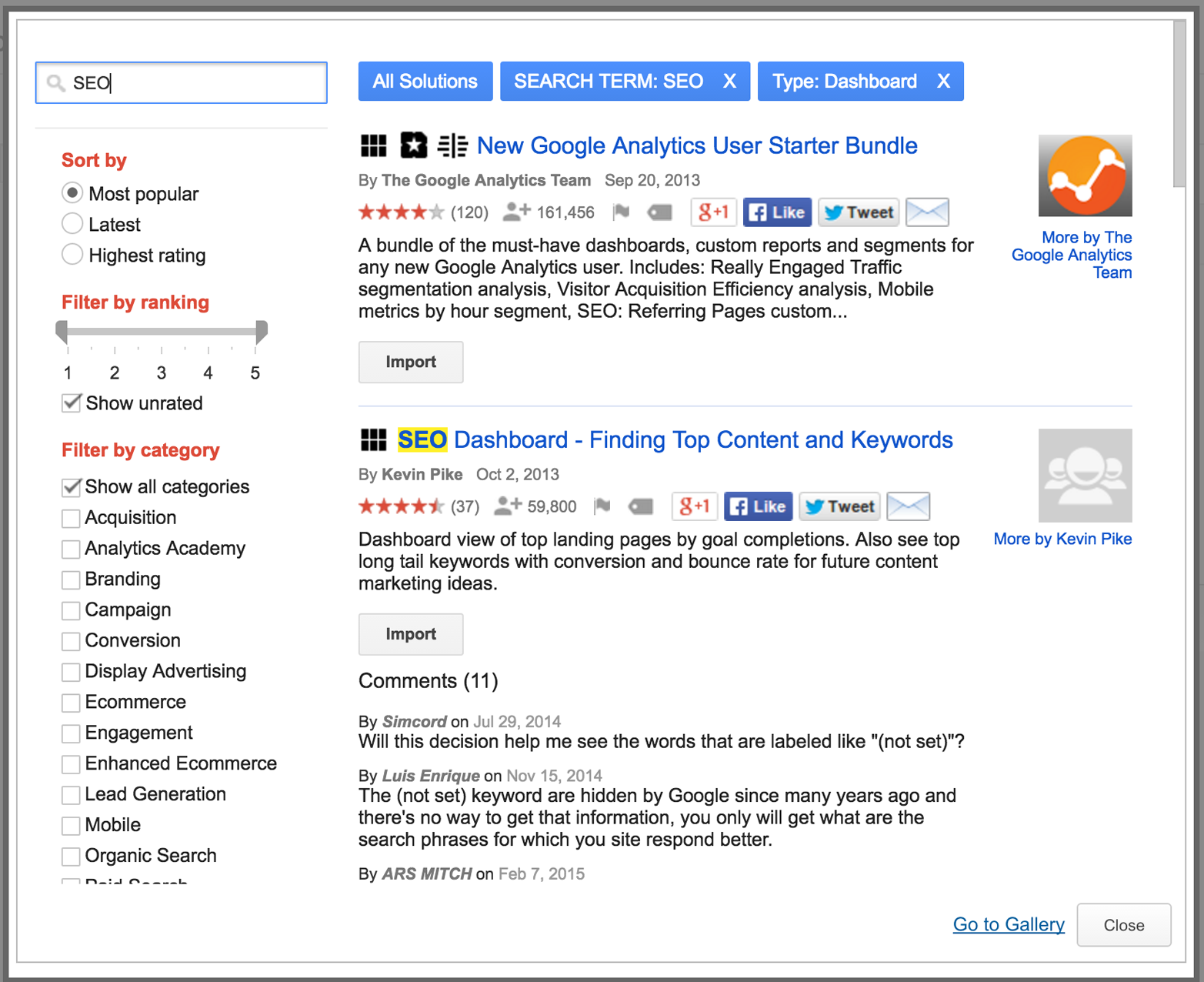
Figure 5-10. Over 700 results for the “SEO” query within the Google Analytics Solutions Gallery. So many places to start!
To create a dashboard, simply select one from the Google Analytics Solutions gallery. Read reviews and choose the one that fits what you need. Click on Reporting then on Dashboards → +New Dashboard (Figure 5-11).
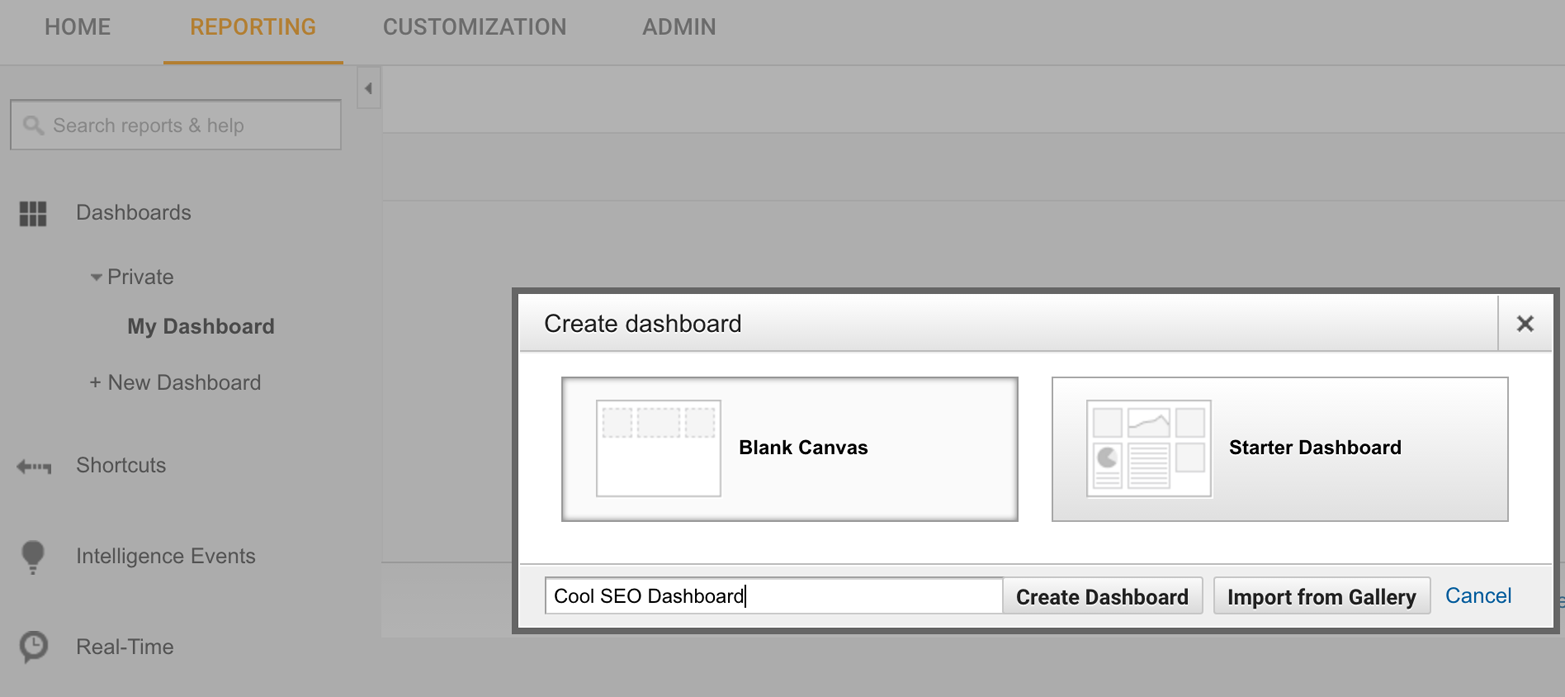
Figure 5-11. Creating a “cool” SEO dashboard gives you an at-a-glance snapshot of important data.
Deciding what matters to your program should be governed by how you spend your time. Are you running social for the site? Then definitely include a widget about social. My recommendation for what to choose in a dashboard always starts from what the key stakeholders want to see. Some people, for example, really care about raw traffic numbers; it’s an indicator of success to them. Others prefer straight-up conversions or final sales. It’s always good to build one widget per activity performed, so if we’re running social, email, and PPC as services, I’d show at-a-glance information for each area respectively. In the case of the dashboard snippet in Figure 5-12, we were running both content and social programs for SEO.
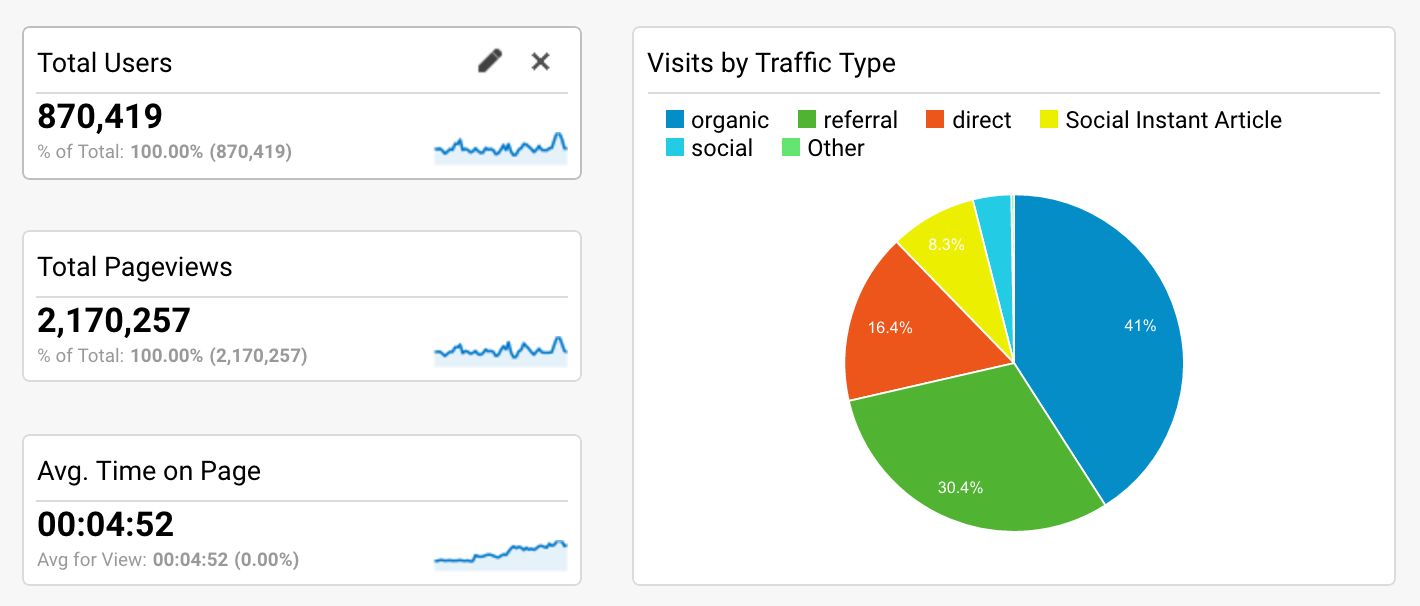
Figure 5-12. An example snippet from a content dashboard in Google Analytics.
If we want to drill down more specifically on social media, we should be studying the data within the platforms themselves as well as how those users interact with the site (Figure 5-13).
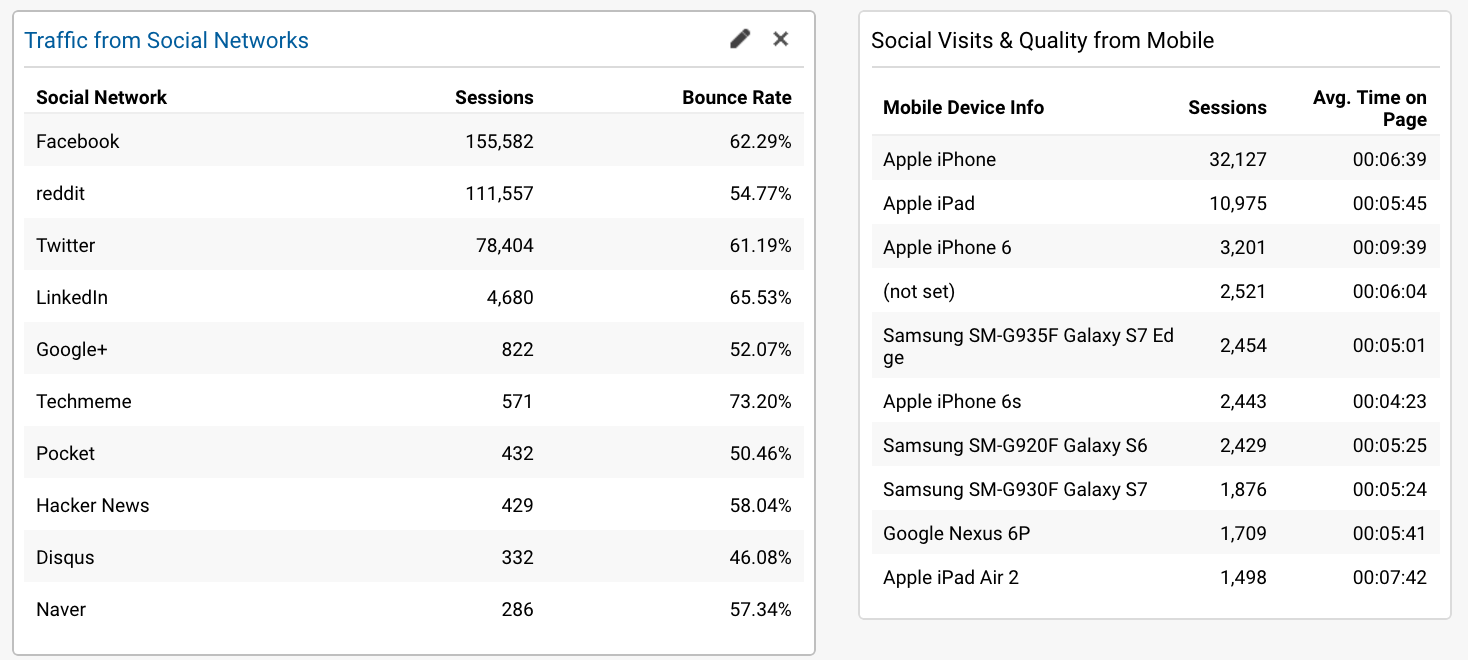
Figure 5-13. Traffic and mobile quality from social media.
We know that social media activity happens quite frequently on mobile, it’s the easiest way to share and digest information. Nearly 80% of overall time spent on social is on mobile.
What is the price of a super sweet tweet? It depends. Ecommerce sites have the clearer path to conversion over those who do not. An organization must carve out what they deem a lead’s worth to be, which typically depends on deal size and how long it takes to close. In Figure 5-14 you’ll find an example of a signature verified dashboard (by use of initials and dates in the headings).
The dashboard in Figure 5-14 helps us to see that our conversion rate is OK. We also know our best sales days are typically Wednesday to Friday and that Google organic is our biggest verified method of search input. Clearly, we have some data capture issues to resolve in the GA account shown in Figure 5-14, because we never want to see such a high percentage of direct/none as a traffic referral.
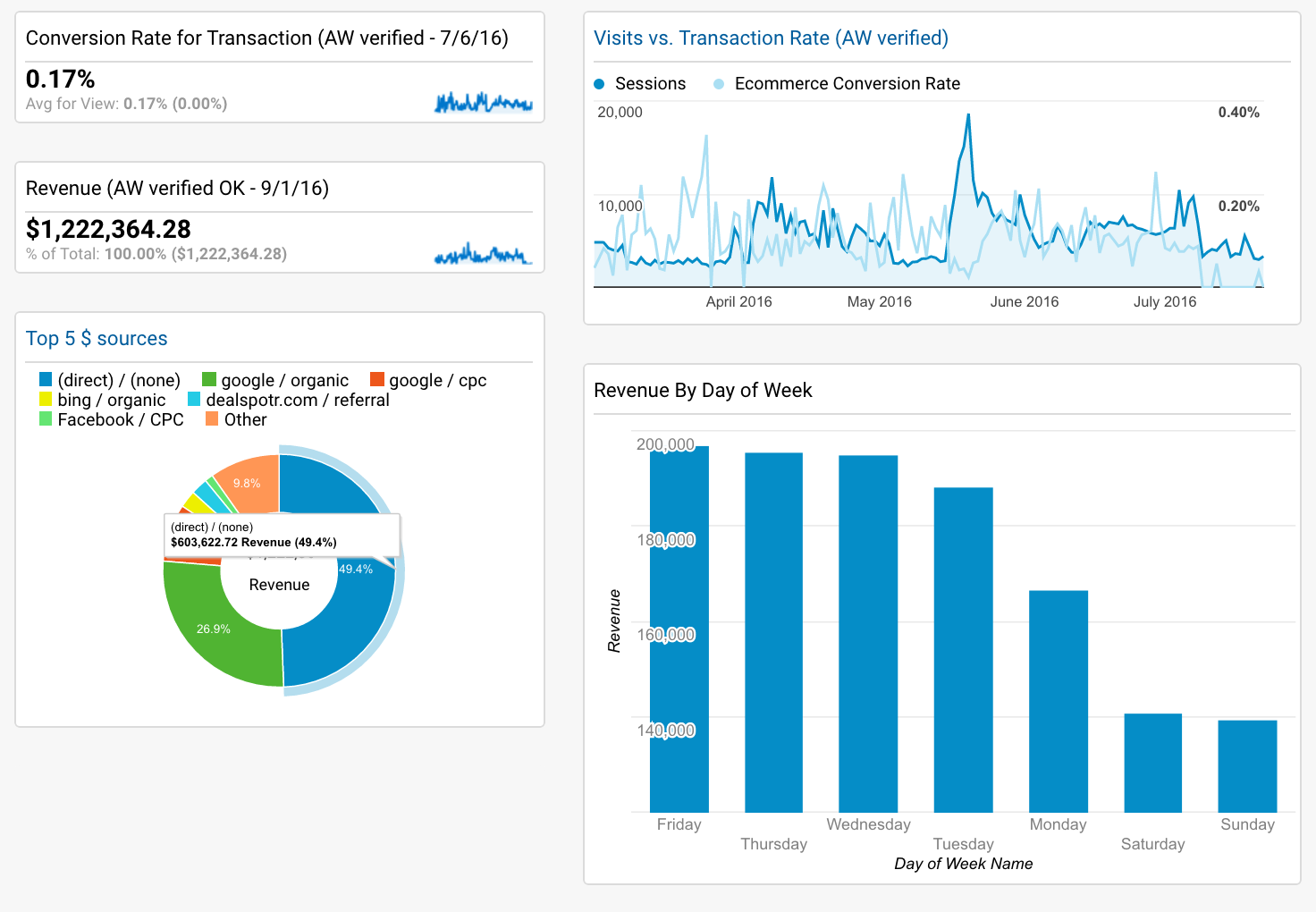
Figure 5-14. Note that this ecommerce dashboard has verified information with initials and dates for easy reference.
NOT ALL WIDGETS WORK
Sometimes, depending on how your goals are mapped out in Google Analytics, you won’t get an exact match for conversions you are expecting to see. I have seen dashboards report data differently than the Goals section sometimes. I do not know why this happens, but sometimes when you use filters or other more intricate tools you’ll have to take an extra step.
Many lovable widgets are available in the Google Analytics Solutions gallery. It will take some energy to customize the dashboard if you decide to go prebuilt. Also, note that nobody else can see your dashboard in Google Analytics unless you specifically share it with others (Figure 5-15).
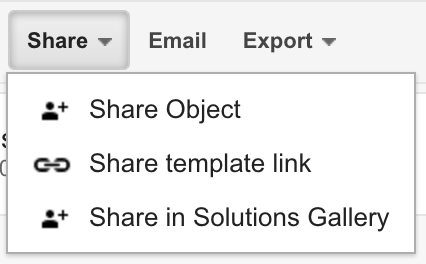
Figure 5-15. Select Share Object for others with GA access to see what you’ve built. Share in the gallery if your dashboard is so freaking cool you cannot keep it for yourself.
It’s also extremely useful to review dashboards with a date comparison range. Measurement over time for the same metrics is a sure road to realization when coupled with annotations. If everyone involved in the SEO program agrees that your dashboard reflects what’s important, then you can also run month-over-month (MOM) analysis for those metrics in an automated fashion.
I like to compare a month or more of data to a previous period. Typically it’s fine to compare one month versus the previous month, except for the summer months. In seasonal industries, it’s very typical to see a drop-off in traffic for the summer or during the heart of winter. When comparing data sets for a seasonal company, it’s most useful to look at the same period the previous year to better gauge performance (Figure 5-16).
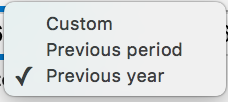
Figure 5-16. In the date selection panel of GA in the top right when viewing any data, comparisons are available.
BRANDING MATTERS
When reporting on value, it’s important to separate branded search terms from nonbranded ones. Unless there are specific concerns and needs, effort should not go into ranking for brand. Nonbranded keyword terms are the ones SEOs can definitely view as a product of their efforts.
Many companies stuff their name into the beginning of the title attribute of a page, but ranking for the name is the easiest thing to do. Instead, focus on what’s relevant to the page itself.
By now, you’ve picked some program goals, built consensus, checked under the hood, started keyword bucket identification, and figured out how to pull together a GA dashboard. You trust your data and have checked for all the basics to ensure site health.
The next phase for the search program is to start embarking on your outbound campaigns like social media content sharing, creating content, and beyond. Huzzah!