
When people think of plagues, they tend to imagine a time much more primitive than our own, before the discovery of vaccines or antibiotics. However, in the 1980s, a plague came to the United States in the form of a little-understood virus, one that would later come to be named the human immunodeficiency virus (HIV). This virus specifically targets the immune system, the system in our bodies that protects against disease. Specifically, HIV attacks a part of the immune system known as CD4 cells (or T cells). As the virus destroys more and more T cells, it becomes harder for a person to fight off infection. When the immune system is so compromised that it can no longer fight off disease, HIV is considered to have progressed to a later stage known as acquired immune deficiency syndrome (AIDS). Once a person has AIDS, their life expectancy is generally no longer than three years. However, there is hope. Medical advances since the identification of HIV have prevented many cases from advancing to AIDS.
Scientists believe that HIV is a mutation of a virus found in chimpanzees in central Africa called the simian immunodeficiency virus (SIV). It is believed that hunters became exposed to chimpanzees’ infected blood and that SIV later mutated into HIV.
As is often the case with viral infections, there are multiple strains of HIV. The two major types are HIV-1 and HIV-2. This history examines how HIV-1, henceforth called simply HIV, spread as well as the destruction it left behind.
The earliest documented case of an HIV infection was that of a man in Kinshasa, now the capital of the Democratic Republic of the Congo, in 1959. The virus spread from the Congo to other areas of Africa, eventually reaching the United States and other Western nations. That being said, HIV’s long incubation period meant that many of those infected with the virus in the earliest years of its outbreak would not show any symptoms until the early 1980s. This would be the start of the AIDS pandemic.
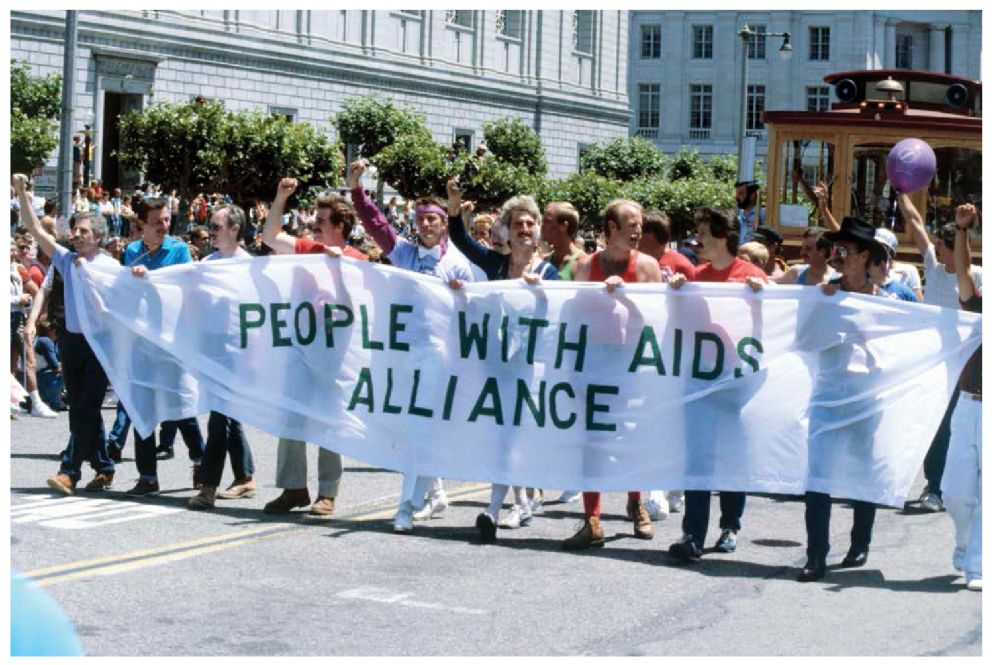
Since the outset of the AIDS pandemic, those affected by it—such as these marchers in the 1983 San Francisco Gay Pride Parade—had to fight for recognition, respect, and adequate medical care.
AIDS is a devastating disease, but a combination of a slow response from the US government, poor funding, and prejudice against the most affected populations turned what could have been a small tragedy into a widespread crisis. One major factor in society’s lulled response to the outbreak of HIV/AIDS is that the primary affected populations in its earliest years were members of the LGBTQ+ community. A combination of apathy and prejudice turned AIDS into a pandemic. Millions died because of those who refused to help or acknowledge the scope of the problem.
A look at primary and secondary historical sources tells the tale of how the HIV/AIDS epidemic unfolded. The minutes from government meetings, reports from the Centers for Disease Control and Preventions (CDC) and the World Health Organization (WHO), and interviews with HIV-positive patients and activists give the most accurate information to one studying these events. Activists were careful to document the crisis and research the effects of new medicines and courses of treatment. Although HIV/AIDS was a horrific tragedy for the LGBTQ+ community, from it rose one of the most accomplished and effective civil rights movements in US history.