

Decades of hard work have produced lifesaving medical breakthroughs in the fight against AIDS. People living with HIV/AIDS who are properly medicated now have life expectancies similar to those who are not infected with the disease. Many of the drugs that make up the AIDS cocktail have been combined so that patients can take one pill rather than several. And in 2002, the FDA approved the first rapid HIV diagnostic test. This test allowed patients to find out their HIV status in one visit to the doctor. Then, in 2004, the FDA approved an oral swab rapid HIV diagnostic test. Without a vaccine or cure, though, the only way to end the epidemic is to halt new infections.
DREAMING DF A FUNCTIONAL CURE
AIDS researchers are working on two different types of cures. The first is called a functional cure, which means that HIV cells will be suppressed to the point that they are undetectable in the blood and the chance of transmitting the virus to others is greatly reduced. It’s only a functional cure because the virus still lives within the body of the patient; it’s just no longer making that person sick. Whereas some doctors think the AIDS cocktail is a functional cure, others believe that a functional cure will be reached when patients no longer need to take daily medication.
In 1998, the New York Times reported on a man of anonymous identity who accidentally and mysteriously achieved this functional cure. He is referred to as the original Berlin Patient and has remained anonymous. On May 10, 1996, he contracted HIV by having unprotected sex. Three weeks later, he was tested for HIV, and on June 20, the results came back positive.
After a few weeks of taking the antiviral medications called indinavir, didanosine (ddI), and hydroxyurea, he was hospitalized with a testicular infection. He had forgotten to bring his medications with him and during the days he spent in the hospital, the virus resurged. He left the hospital and went back on his medications for four months and found the medications to have successfully overtaken the virus.
However, an infection of hepatitis A caused him to stop taking his medications. For some reason, this time he didn’t notice the reemergence of the symptoms that appeared the first time he stopped the medications. He felt it would be fine to never go back to them, despite his doctor’s advice. He was lucky, too, because for some unexplained reason, the virus did not progress to full-blown AIDS.

This model portrays a hydroxyurea molecule. Hydroxyurea is one of the drugs that may have contributed to the anonymous Berlin Patient’s mysterious functional cure.
Doctors have been unable to ascertain whether it was the specific medications he took, the unsteady exposure to the virus, or some natural immunity that kept his HIV from advancing to AIDS. For this reason, science has not discovered a clear path of medical therapy that can replicate such a favorable outcome as a functional cure in other patients. It is thus still the recommended practice for doctors to prescribe continuing antiretroviral therapy without interruption.
THE BERLIN PATIENT 2.0: AN ELUSIVE STERILIZING CURE
The second type of cure AIDS researchers are working on is called a sterilizing cure. This type of cure would completely kill the virus. According to Plus, a publication about HIV, scientists have so far achieved this result in a second person, who also became known as the Berlin Patient.
Timothy Ray Brown of Seattle, Washington, was diagnosed with HIV in 1995 while he was studying in Berlin, Germany. For many years, he took antiretroviral medications to keep the disease at bay. In 2008, Brown faced another medical crisis, a form of blood cancer called leukemia. After receiving a bone marrow transplant from a donor who had a mutation in their CCR5 gene that made that person immune to HIV, doctors could find no trace of HIV anywhere in his body even though he was no longer taking antiretroviral medication.
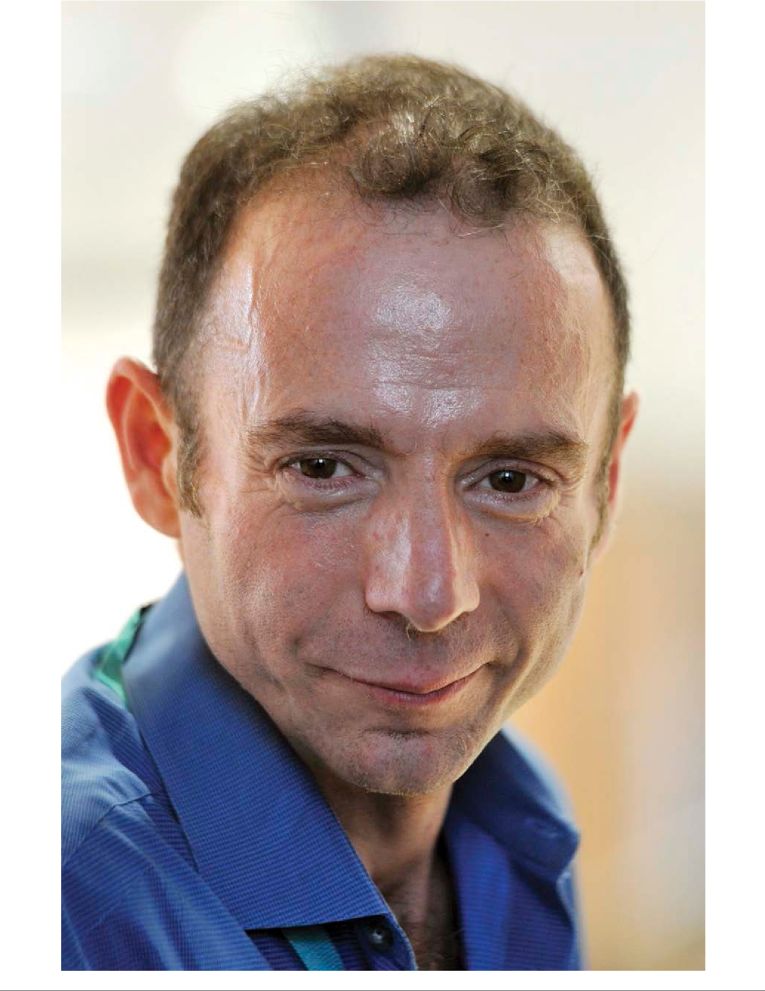
This picture shows a happy and healthy Timothy Ray Brown at the 2012 International Symposium on HIV and Emerging Infectious Diseases assembly.
Brown also suffered from graft-versus-host disease, a complication from bone marrow transplants in which the donor’s white blood cells attack the patient’s healthy cells. Doctors think the disease may have played a part in curing Brown’s HIV. As recently as May 2017, it has been reported that a handful of people with both cancer and HIV have undergone bone marrow transplants that resulted in the same short-term results. New Scientist described the situation as such: “Only one of the six received bone marrow from a person with the CCR5 mutation—however, all six developed graft-versus-host disease.” Only time will tell if these patients will be cured of HIV the way Brown was, but if anything is clear, it’s that our understanding of HIV/AIDS and possible treatments continues to grow.
A RECENT OUTBREAK IN THE UNITED STATES
In December 2015, Indiana had what a CDC director called “one of the worst documented outbreaks of HIV among IV users in the past two decades,” according to USA Today. Two rural towns faced the same issues that New York City had in the 1970s: an economic depression, an injection drug epidemic, and a ban on needles.
HOW TO REDUCE YOUR RISK OF HIV INFECTION
Knowing one’s own HIV status as well as the status of any sexual partners is the first step to reducing one’s risk of being infected. It’s important to get tested regularly.
Reducing one’s exposure to semen, vaginal fluids, breast milk, and blood during sexual or other contact is also important. Physical barriers like male and female condoms are one means of reducing exposure while still allowing for sexual contact. These are ways to practice safe sex. Not sharing or using unsterile needles during injection drug use is another means of reducing exposure to HIV. In general, alcohol and drug use may lower one’s inhibitions so that a person is less discerning, which can lead to unsafe sexual practices. Many medical care providers, reproductive health clinics, and public health clinics offer free condoms and syringe-or needle-exchange programs.
In 2014, the CDC introduced a preventive regimen called preexposure prophylaxis (PrEP), which can help individuals reduce their risk of contracting HIV.
The only drug currently approved for this regimen is called Truvada. PrEP is recommended for people who are at high risk of exposure on a regular basis, such as injection drug users, HIV-negative partners of HIV-positive people, or members of populations with disproportionately high rates of HIV infection (such as men who have sex with men, African Americans, and Latinos). It is a daily medication intended for use alongside other harm-reduction methods such as using condoms. When taken appropriately, PrEP is highly effective at preventing HIV transmission.
Similarly, postexposure prophylaxis (PEP) is a treatment regimen of drugs meant to keep HIV from replicating after a person has already been potentially exposed to the virus. PEP is effective if the regimen is started within seventy-two hours of possible exposure to HIV. A doctor will prescribe the pills to be taken once or twice daily for a full twenty-eight days. Adherence to the regimen is necessary for the best shot at preventing the virus from replicating in a person’s system. While PrEP is generally considered a better option for people whose routine behavior puts them at a higher risk for exposure to HIV, PEP is recommended for people who are not generally at risk of exposure and have possibly been exposed to HIV through an isolated unsafe encounter.
In extremely rare cases, people have contracted antiretroviral-resistant strains of HIV even while on PrEP. Furthermore, neither PrEP nor PEP prevent other STIs, and cost can be a prohibitive factor for low-income patients. Some critics of PrEP and PEP believe they undermine the value of condom usage and other safe-sex practices. However, when used properly and in combination with other safe-sex practices, PrEP and PEP are powerful tools to curtail the transmission of HIV.
In addition to tools such as PrEP and PEP, limiting one’s number of sexual partners is a good sexual health practice, as is getting tested regularly, using condoms properly, and having frank conversations with sexual partners about their sexual practices and health.
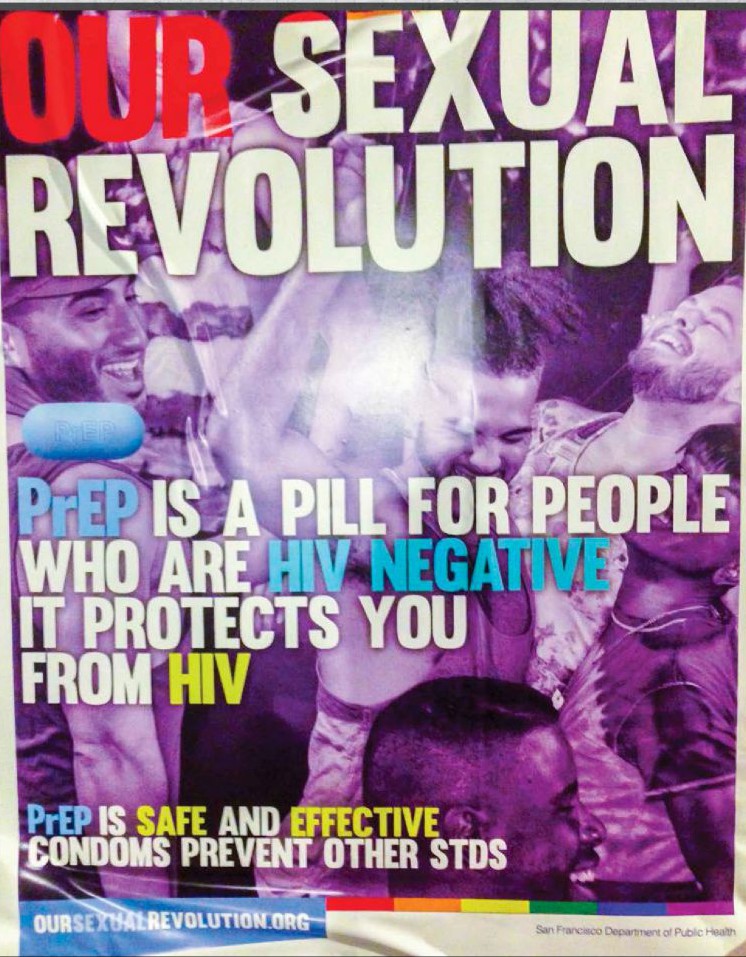
This poster advertises PrEP as a pill that can prevent the spread of HIV.
Part of the problem stemmed from the fact that in 2011, the state government was run by religious conservatives who had voted to defund Planned Parenthood, a women’s health organization, because of religious and moral objections. Planned Parenthood ran five health clinics in rural Indiana that were all shut down as a result of being defunded. They were the only places where the residents of the two towns could be tested, treated, or get information about HIV/AIDS.
Two months after the outbreak was declared, then-governor Mike Pence lifted the ban on needle possession. This action meant the towns could set up temporary needle exchanges, something Governor Pence was personally against. The needle exchanges, combined with the CDC’s aggressive outreach, caused the number of new infections to drop. Contrary to Pence’s expectations, this result demonstrated that harm-reduction efforts really do prevent the spread of disease.
THE PRESENT AND THE FUTURE CRISIS
As of 2016, the pandemic that was recognized with just five sick patients in a few large US cities had killed approximately 675,000 Americans. As of 2017, 70 million people have been infected worldwide. A CDC report published in June 2015 stated that one in eight people living with AIDS in the United States is unaware of his or her status. In 2016, the CDC revealed that between 2005 and 2014, the rate of new HIV infections fell by 19 percent, but some demographics have seen their rates of infection rise. According to the CDC’s New HIV Infections in the United States fact sheet, in 2010, African Americans accounted for 44 percent of new infections, while Hispanics accounted for 21 percent. AIDS.gov states that there are currently an estimated 36.7 million people living with HIV. Around 1 million people died of AIDS in 2016.
THE UNITED STATES HELPS COMBAT AIDS IN AFRICA
HIV originated in west-central Africa in the 1920s and spread rapidly throughout the continent. Many nations in Africa did not have modern health care systems that were capable of handling a disease epidemic of such magnitude. Africa would be the hardest-hit continent in the pandemic. As of 2015, 25.6 million of the 36 million people infected with HIV live in Africa.
President George W. Bush wanted to help combat the AIDS crisis since he first considered running for president. In 2002, Bush signed the President’s Emergency Plan for AIDS Relief, or PEPFAR. It aimed to help African nations prevent and treat the disease.
In practice, PEPFAR has been criticized for spending funds on abstinence-only sex education in places like sub-Saharan Africa. Others believe that PEPFAR doesn’t focus enough on harm-reduction and prevention techniques.
The abstinence-only aspect of the program failed to reduce the rate of infection. That being said, the program did help 7.7 million people with HIV receive antiretroviral medication and provided other services to those suffering from AIDS.
As the AIDS crisis began to become less of an urgent battle due to the medications that were discovered, many gay men who survived found their communities permanently altered. Gay men still account for 55 percent of all people currently living with AIDS. The death toll in the gay community was staggering, and many lost people they loved.
Before the crisis, few LGBTQ+ people had understood how important the demand for civil rights and political representation was. From hospitals and living rooms across the country, the LGBTQ+ community formed activist groups that slowly grew more and more powerful as they needed the support of institutions that showed them nothing but hostility.

On World AIDS Day in 2006, hundreds of people gathered in the Washington, DC, Freedom Plaza for a candlelight vigil to remember those who have lost their lives to HIV/AIDS.
The fight for LGBTQ+ rights is far from over. In the majority of the United States, it is still legal to deny housing and employment to people based on their sexuality. This type of discrimination puts people at higher risk of poverty and health problems, like AIDS. Simiarly, the fight against AIDS still has a ways to go. Homophobia is still present in the medical community, and, as a result, people may be hesitant to seek preventatitve measures, treatment, or any other kind of help when they visit a doctor.
Although many factors contributed to the AIDS crisis, the biggest lesson to be learned from the American government’s response to the AIDS crisis is the sad, but all too real, cost of intolerance.
AIDS has also taught Americans how much can happen when passionate people work together toward a common good.
Although rates of new infections are dropping, the recent outbreaks in Indiana prove that without vigilance, HIV/AIDS will remain a crisis. The need for harm reduction and comprehensive sex education continues to exist. For until there is a cure, it is only through the prevention of new infections that people can truly hope to end the epidemic. In 1988, Surgeon General Koop said, “Stopping AIDS is up to you,” and it still is.