
3
In 1967 a young woman named Nadezhda arrived at a psychiatric clinic in the city of Gorkii to seek medical advice from Yan Genrikhovich Goland, a psychiatrist and sexologist, on her relationship with her husband.1 Her one-year marriage to Andrei was fraught with conflict and antagonism, teetering on the brink of collapse. Besides, there was no sexual intimacy in their relationship. Andrei had gone so far as to suggest a divorce, yet both decided to retain their legal status as spouses in order to keep their flat. Nevertheless, Nadezhda kept nurturing a hope of saving their marriage and this had brought her to visit Goland. Later, in a written account of her family life with Andrei, written at Goland’s prompting, Nadezhda recalled:
We have always had an ‘interesting’ relationship. We could talk or be silent for hours, but any sort of intimacy that happens between young people was out of the question. I thought he was modest. I was certain that he hadn’t had an affair with another girl (devushka). Our town was small, and I would have known about that. Besides, I kind of knew (primerno znala) how he was spending his time. Always with young men … At that time I was not paying attention to that. I was not thinking the worst, besides, I did not know that such things existed.2
The lack of sexual intimacy was not the most problematic aspect of her relationship with Andrei. In fact, what bothered Nadezhda most was her husband’s unusual craving for the company of young men, which often took precedence over their family life. Andrei’s friendships with men seemed far too intimate, a fact made clear when one evening in January 1966 she saw her husband kissing one of his young male friends at a party. Nadezhda sketchily described the unpleasant episode in her diary:
I saw him kissing a boy – both were drunk. He had always been cold with me – and here he wasn’t. I could barely restrain my temper. On seeing me, he was embarrassed. I started paying more attention to his relationships with boys. One of his admirers told me: ‘He told me that he liked guys more than women.’ And one day, after reading some literature, I asked him directly. He replied affirmatively. That drove me mad. I forbade him to talk with boys and I told him if I saw him again with them – I would report him to the procuracy … I raised the question of treatment, but he was against it.3
After carefully listening to Nadezhda’s complaints, Goland instructed her to bring her husband in for an appointment. In short order, Andrei turned up in Goland’s office and his story confirmed Goland’s suspicions: Andrei was a homosexual. After being assured that he could speak frankly without fear of being reported to the police, Andrei opened up completely, relating all his homosexual pursuits. He also confessed that he feared ‘lack of prospects’ (bezperspektivnost’) and loneliness in the future, noting that he had ‘become addicted to homosexuality’ to the point that he lost his ability to ‘feel the woman’ (oshchushchat’ zhenshchinu). The treatment was started immediately and after a series of sessions of psychotherapy, the situation improved: Nadezhda’s husband started paying more attention to her and their sex life slowly normalised.4
This vignette illustrates the ongoing transformations of the Soviet handling of same-sex desire – a departure from prevalent understandings of homosexuality as a mere crime to viewing it as a medical matter. Crucial in the development of this trend was the emergence of a new branch of medical science in the 1960s – sexopathology. Underscoring the importance of sexological research and treatments, the proponents of the new discipline framed their arguments in Foucauldian fashion, contending that medical intervention into the sexual lives of Soviet people was of great interest to the public. Sex was crucial for productive labour and marriage stability. Most importantly, the practitioners of the new science approached the issue of homosexuality scientifically. In their writing, sexopathologists posited that homosexuality was a medical issue treatable with psychotherapy. Some of these doctors received homosexual patients in clinics, encouraging them to confess their desires in the privacy of consultation rooms and to work through them with a view to eliminating them. Others studied homosexuals and their lives, constructing a new image of the homosexual – a personality with its own history and physical and psychological characteristics.
Scholars have emphasised the complex relationship between Soviet medical experts and the state, arguing that the former were the patrons of the latter. They have also contended that, although the USSR was lacking liberal institutions and Soviet doctors could not boast professional autonomy, medicalisation was still happening there. Interestingly enough, the proximity of the Soviet medical professionals to the state did not necessarily preclude medicalisation, but allowed it to develop in unexpected ways.5 Drawing on these insights, in this chapter I will enquire further into the extent of the dissemination of Soviet medical discourses and its potential to exercise disciplinary power over the sexuality of Soviet people. I will start this chapter with a brief examination of discussions of homosexuality in Stalin- and Khrushchev-era books on psychiatry and then I will proceed to the examination of Soviet sexopathology and the texts of its practitioners on homosexuality.
‘Sometimes these psychopaths are even married’: homosexuality and psychiatry under Stalin
The interest of Soviet doctors, especially psychiatrists, in the phenomenon of homosexuality can be traced to the onset of the Soviet state. As Frances Lee Bernstein and Dan Healey have shown, early Soviet-era psychiatrists examined the question of homosexuality’s origins and pondered what exactly constituted male homosexual practice.6 Female homosexuality was also a subject of early Soviet psychiatric inquiry.7 Soviet psychiatrists, such as Vladimir M. Bekhterev, considered options for the medical treatment of homosexuality, offering psychotherapy as a possible solution.8 Such scientific interest in homosexuality, as Dan Healey explains, was driven by discoveries in European sexology and endocrinology, as well as the absence of criminal penalties for same-sex relations in the new Soviet penal code.9 However, medical discussions of homosexuality were discontinued after 1930, when Stalin outlawed homosexuality and introduced rigid ideological controls.
Despite homosexuality being deemed an ‘unmentionable vice’ under Stalin, Soviet psychiatrists did not lose interest in the topic completely.10 For example, in 1935 Soviet psychiatrist Yevgenii Popov produced an article, ‘On the Classification of Sexual Perversions’, which featured in a compendium on psychiatry. Popov argued that homosexuality could be both congenital and acquired.11 Even more unusual was another article, ‘On the Psychotherapy of Homosexuality’, published by Soviet psychiatrist Igor’ Stepanovich Sumbaev from Irkutsk, in the scientific journal Soviet Psychoneurology in 1936.12 In his article Sumbaev presented three cases in the early 1930s where he treated three homosexual men with psychotherapy in the psychiatric clinic of the East Siberian Medical Institute. After the treatment, the patients reported that their homosexual desire ‘became weaker’ and that they were now able to control it.13 The article was published two years after male homosexual acts were deemed crimes yet approached homosexuality as a psychiatric disorder.
From the memoirs of one of Sumbaev’s trainees, the prominent Soviet psychiatrist Aron Isaakovich Belkin, we know that at the time of the article’s publication Sumbaev was providing psychotherapy to homosexuals, who turned to him for help from all over the Soviet Union. He did so with the help of his trainee Nikolai Ivanovich Ivanov, who would later emerge in the 1960s as one of the founders of Soviet sexology and a proponent of psychotherapeutic treatment of homosexuals.14 In the 1930s Sumbaev’s and Ivanov’s practices made Irkutsk, in Belkin’s words, a ‘place of genuine homosexual pilgrimage’.15 In order to undergo treatment and keep in constant touch with their doctors, many patients changed their lives drastically: they obtained residency permits in Irkutsk and settled there. Both Sumbaev and Ivanov conducted individual and group psychotherapy sessions with their patients despite the existing opprobrium and legal sanctions for such crimes. Having witnessed such practices, Belkin underscored their determination and courage: ‘I would call Sumbaev’s and Ivanov’s position on homosexuality dissident. It was a quiet, secret dissidence that did not broadcast itself, but in fact it was very firm and unbending.’16
Sexual abnormalities in women occasionally interested Stalin-era psychiatrists. In 1939 Professor Manenkov from the Gynaecological Clinic of the Kazan Medical Institute produced a short article, ‘A Case of Unusual Cohabitation Between Two Women’. He related that in 1937 an editor of the local newspaper alerted him to the fact of two women cohabiting, whom Manenkov invited for medical examination. One of the women, T. A., claimed during a medical examination that before the age of twenty she was female, but after she began to develop ‘male capabilities’ (muzhskie sposobnosti). She then began to experience sexual arousal for women, wearing male clothes and engaging in sexual intercourse with women. She soon came to feel that she was a male and decided to marry one of her sexual partners.17 The couple even attempted to legally register their marriage, but since both were female, officials denied them such a right. Despite this, they continued living together and considered their relationship a ‘marriage’. After physical examination of both women Manenkov came to the conclusion that they were neither hermaphrodites nor sexual perverts, noting the complexity of the case and the importance of presenting it to the scientific community.
Other mentions of homosexuality as a medical matter appeared in texts on psychiatry towards the end of the 1940s. In a handbook for medical students entitled Psychiatry (1949), a Soviet psychiatrist, Mikhail Gurevich, framed homosexuality as a ‘sexual psychopathy’ (polovaya psikhopatiya), which, he believed, stemmed from a variety of factors, among which were ‘the social conditions (sotsial’no-bytovoi), sexual impression from early childhood, bad example (durnoi primer) and temptations’.18 Gurevich also acknowledged that ‘endocrine disorders’ could be at work.19 Homosexuals with such disorders usually displayed ‘endocrine stigmas’ (endokrinnye stigmy), among which were ‘female-like hair growth’ (rastitel’nost’ po zhenskomu tipu), ‘soft skin’, ‘female-like breasts and waist’ (grudi i taz zhenskogo teloslozheniya) and a ‘high-pitched voice’.20 The behaviour of these men, he said, also resembled that of women – Gurevich claimed that adult male homosexuals ‘wear corsets, powder their face (pudryatsya) and engage in handcrafts (rukodelie)’.21 Female homosexuals, on the contrary, he claimed, displayed male-like features and behaviour.22 Gurevich’s descriptions were accompanied with a photo of a ‘typical’ homosexual (see Figure 1).

Figure 1 ‘A man homosexual–transvestite dressed and undressed’
After Stalin’s death the psychiatric interest in homosexuality saw a gradual revival. It was in the GULAG, as I have demonstrated in Chapter 1, where psychiatric interest in homosexuality was most evident. One of those scientists most concerned with homosexuality in this period was Elizaveta M. Derevinskaya, who began examining lesbian prisoners in the Karaganda corrective labour camp in 1954 and defended her doctoral dissertation on the topic in 1965; her dissertation will be explored later in this chapter. Outside the GULAG, psychiatrists continued to engage with the issue of homosexuality, albeit rarely. In a book titled Psychiatry (1957), Soviet psychiatrist Izmail Fedorovich Sluchevskii demonstrated the same distorted understanding of homosexuality as that presented by Gurevich in 1949. Sluchevskii also branded homosexuals as ‘psychopaths’ and described what he believed was their habitual way of life: ‘When [the homosexual] man comes home, he puts on a female dress (zhenskii kostyum) and in this dress does all the housework. Sometimes these psychopaths are even married, because homosexuals may display bisexuality, that is, have sexual intercourse with women and simultaneously display homosexual tendencies.’23
Sluchevskii did not propose any treatment options for such individuals; if anything, he apparently believed that homosexuals were criminals rather than medical subjects deserving compassion and medical help. His description of a special category of psychopathic disorders – ‘perverted psychopaths’, to which he attributed homosexuals – attests to that. The representatives of this category were described thus:
deceitful (lzhivyi) and immoral, merciless, indifferently cold to the sufferings of other people, egoistical, heartless and cruel. They are rude and shameless. In order to achieve their goals they go all out; to satiate their sexual and eating instinct they defy the societal norms of behaviour; they are oversexed (erotichnyi), inclined to sexual perversions.24
Such framing of homosexuality suggests that in the years immediately after Stalin’s death little changed in Soviet mainstream psychiatric thinking on homosexuality. However ‘medical’ the context in which homosexuality was placed by Soviet psychiatrists, their attitudes remained moralistic and negatively judgmental. The conflation of homosexuality and transvestitism appeared to be conventional wisdom, and no attempts to suggest changing homosexuality’s status from criminal to medical were made.
A more sophisticated discussion of homosexuality through the lens of psychiatry emerged only in the last years of the Khrushchev era, in the Great Medical Encyclopaedia (1962).25 The entry ‘Sexual perversions’, written by Soviet psychiatrist Yevgenii Popov (who, as I have shown, had already discussed sexual perversions under Stalin in 1935), mentioned homosexuality, and for the first time in such a text discussed the possibilities of treatment. According to Popov, homosexuality could be treated with psychotherapy, although it was a ‘difficult task’: ‘At the centre of the contemporary treatment of sexual perversions lies psychotherapy in all its various forms. Sometimes success can be achieved with hypnosis. It is important to remember the importance of “rechannelling” of sexual stimuli into other fields (physical work, sport, arts and so on).’26 Popov’s reference to the usefulness of rechannelling ‘sexual stimuli’ is illuminating, since it suggests the link between unrestricted sexual activity and its role in generating sexual perversions (as I have shown in the previous chapter) which were seen as related phenomena by Soviet sex educators. Popov too reminded his readers that male homosexuality was subject to criminal penalty.27 Such was the verdict of the Soviet psychiatrists of the Khrushchev era: homosexuality was a medical aberration, but it still merited criminal sanctions. However, a new Soviet science – sexopathology, which emerged in 1963 and continued its development throughout the Brezhnev era – offered a different view on the problem of homosexuality.
Emergence of Soviet sexopathology (1963)
Igor Kon has argued that ‘the establishment of [Soviet] sexopathology as a discipline was an attempt to bring sexuality under medical control’.28 However, it appears that the new science was also concerned with the issue of male impotence and its perceived result, family dissolution. The first calls for the establishment of sexopathology were made by prominent Soviet urologist Il’ya Mironovich Porudominskii in his article ‘Who Treats Sexual Disorders?’ published on 29 November 1963 in Meditsinskaya gazeta (see Figure 2).29 There, Porudominskii raised two key problems – the great social impact of male impotence and the virtual inaccessibility of its effective treatment in Soviet clinics.

Figure 2 Il’ya Porudominskii’s article ‘Who Treats Sexual Disorders?’
Porudominskii warned that neglecting sexual disorders, especially in males, could have far-reaching consequences for Soviet society as a whole, for these disorders affected men’s ability to work and have a family life: ‘Male sexual disorder is a severe affliction (tyazhkoe stradanie), which often leads to the loss of ability to perform labour (poterya trudosposobnosti) and irreparable family tragedies (semeinye tragedii).’30 In his view male impotence made it impossible for a Soviet man to have a family, which was crucial for one’s well-being and productivity: ‘Both the impossibility of creating a family and family conflicts have a negative bearing on the physical and psycho-nervous state of the patient, which eventually has negative bearing on his ability to perform labour and his labour productivity.’31 Embedded in Porudominskii’s arguments about the necessity to look into the sexual lives of Soviet people from a scientific perspective were not merely professional concerns about the well-being of his patients, but implicit suggestions to ‘transform the sexual conduct of couples into a concerted economic and political behaviour’.32 Dismissing the sexual lives of Soviet people as an object of scientific observation and study meant overlooking a whole range of issues critical to the economic and political development of the state: progression of propagation, boosting birth rates, fertility and productive labour. Porudominskii essentially proposed to administer sex to make it work for the benefit of the society, rather than simply ignoring it as had been done before.
Porudominskii’s concern about the disastrous consequences of male impotence on family life and, most importantly, ability to perform labour reflected official anxieties on these issues and realities at the time of his article’s publication. Peter H. Juviler tells us that between 1955 and 1965 the Soviet divorce rate increased by a massive 270 per cent.33 Deborah A. Field has shown that Soviet experts under Khrushchev deemed divorce to be dangerous to Soviet society and so sought to avert it. They identified a variety of reasons that contributed to problems in family life: the inability of young wives to manage a household, material misfortune and adultery. In order to prevent divorce, they suggested that problems should be resolved through education, individual will power and community intervention.34
The lack of effective treatment for sexual disorders in the Soviet Union, Porudominskii argued, was a result of the absence of a relevant branch of medicine – sexual pathology (seksual’naya patologiya) – which was essential for the treatment of sexual maladies. Soviet medical university curricula did not include training on sexopathology, nor was there any specialised institution in the Soviet Union conducting related research. Porudominskii concluded that it was necessary to establish a research centre specifically dealing with sexual pathologies. To begin with, he suggested holding a symposium to attract medical professionals interested in the promotion of the new science: ‘In order to coordinate research in this field, it is expedient to hold a special symposium.’35 This call for action did not fall on deaf ears – Porudominskii’s proposition materialised in a symposium that was held the next month.
That effective treatment of male impotence was a key objective of the new science is also clear from the introduction to the first compendium on sexopathology, Contemporary Problems of Sexopathology (1967). Its author was Pavel Posvyanskii, head of the Moscow Department of Sexopathology set up in 1965, the first research centre on sexopathology in the USSR. He observed that the establishment of sexopathology was, in part, a compassionate response to the desperate pleas for help coming from male patients suffering from impotence.36 Embarrassed and desperate, some suicidal, they barraged doctors with letters in which they described their plight and confusion in the face of their ailment. Posvyanskii quoted one:
I cannot call myself a coward, I fought in the war with dignity and I was decorated on numerous occasions, but now I can’t and I don’t want to live. In despair, I grabbed a rope and then I came to my senses – this is not worthy of a Soviet man. So I offer you to use me for any medical experiments needed by science.37
The sexological symposium which Porudominskii proposed took place in the city of Gorkii in December 1963.38 Gorkii, not Moscow, appears to have been chosen as a venue for the seminar for at least one important reason: it was the home of Professor Nikolai Vladimirovich Ivanov (Figure 3), former trainee of the prominent psychiatrist Igor Sumbaev, and therefore a point of personal connection with earlier scientists who had treated homosexuals under Stalin. Since 1954 Ivanov had headed the Department of Psychiatry at the Gorkii State Medical Institute, where he led the research on sexual disorders.39 In cooperation with Porudominskii, Ivanov helped organise the seminar and agreed to share his expertise with the aspiring sexologists. The 1963 seminar was followed by another in 1964. While little is known about the 1963 participants, a photograph of the participants of the 1964 seminar (Figure 4) shows an attendance of sixty-seven doctors from all over the Soviet Union. Among them were leading Soviet psychiatrists – Mark S. Lebedinskii, Il’ya M. Porudominskii, Vladimir M. Myasishchev, Pavel B. Posvyanskii and Nikolai V. Ivanov himself – as well as aspiring sexologists who would later become prominent in the field, Yan G. Goland, Aron S. Belkin and Sergei S. Libikh.40
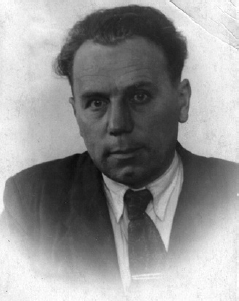
Figure 3 Nikolai V. Ivanov

Figure 4 Medical Seminar on Psychotherapy and Sexology in Gorkii (1964)
The formal emergence of Soviet sexopathology was inaugurated on 29 June 1965, when the deputy health minister Aleksandr Sergeev decreed the establishment of a Department of Sexopathology within the Moscow Research Institute of Psychiatry.41 Professor Pavel Borisovich Posvyanskii (Figure 5) was appointed department head.42 Under his leadership, the department began coordinating efforts of aspiring sexologists across the Soviet Union, organising seminars and conferences where doctors could receive training and exchange expertise. An undated and un-authored report from the Department of Sexopathology (Figures 6 and 7) reveals that from 1965 to 1969 the department organised several such conferences – a seminar in Gorkii in 1965 attended by 120 doctors; a conference in Moscow in 1967 (Figures 8, 9 and 10) attended by 250 doctors; a conference in Moscow in 1969 attended by 180 doctors and one in Riga attended by 200 doctors.43 We also know that in 1966 another seminar on sexology, apparently coordinated by the department, was held in Gorkii (see Figure 11).44 Once the department was established, the annual number of patients grew from 150 in 1966 to 461 in 1969.45 Alongside therapeutic practice, the department’s sexologists engaged in research work; although the number of their publications remained modest throughout the 1960s, it was growing steadily – from three publications in 1965 to seventeen in 1969.46 Some of these publications were devoted to sexual perversions, mainly homosexuality, which, as I will show, was presented as a treatable condition in the 1960s.

Figure 5 Pavel B. Posvyanskii

Figure 6 Undated report on the activities of the Department of Sexopathology, p. 1

Figure 7 Undated report on the activities of the Department of Sexopathology, p. 2

Figure 8 Seminar on Sexology in Moscow (1967)

Figure 9 Seminar on Sexology in Moscow (1967)
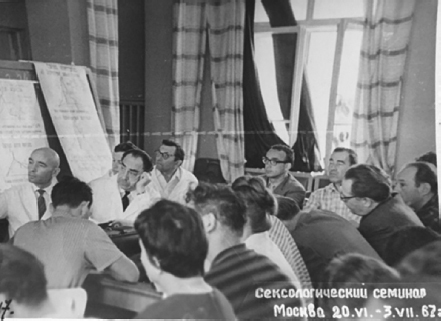
Figure 10 Seminar on Sexology in Moscow (1967)

Figure 11 Medical Seminar on Psychotherapy and Sexology in Gorkii (1966)
Sexology elsewhere in the world
Unlike the Soviet Union, where understanding of homosexuality as a treatable disorder was only beginning to gain recognition among doctors, in some countries of the Eastern bloc the medicalisation of homosexuality had already taken place and even led to decriminalisation of sodomy statutes. One such country was Czechoslovakia, where, as Kateřina Lišková has shown, prominent sexologists started to decry the existing anti-homosexual legislation as early as 1953, promoting the view that homosexuality was a medical problem and had nothing to do with the police. Among them was sexologist Karel Nedoma, who argued in 1953 that a person’s contribution to society in the form of his labour was more important than his homosexuality.47 Another prominent Czechoslovak sexologist, Kurt Freund, argued likewise. In fact, the two co-authored a paper, The Problem of Responsibility and Corrective Measures in Sexual Delinquents in 1959, arguing that homosexuality was not dangerous to society.48 The authorities heard their arguments and decriminalised consensual homosexuality between two adults in Czechoslovakia in 1961.49
Even after the decriminalisation of sodomy, Freund retained his scientific interest in homosexuality. Unlike his Soviet colleagues, he believed that homosexuality could not be cured, expressing this view in a report, ‘On the Problem of Homosexuality in Males’ (1965), in the journal Czechoslovak Medical Review.50 In his article Freund questioned the usefulness of psychotherapy as far as homosexuality was concerned: ‘Among doctors treating homosexual men, unfounded optimism is still prevalent. This is the case, mainly, with the proponents of psychoanalysis. In most cases, they still imagine that homosexual preference can be turned into heterosexual.’51 Freund then argued that such conclusions stemmed from insufficient follow-up examinations of the patients after the treatment and unreliable testimonials from those patients who had problems with the law because of their homosexuality. Such patients, he claimed, simply wanted to secure a medical certificate attesting to their ‘recovery’. Freund then concluded that ‘psychotherapy of homosexuality in the vast majority of cases is not warranted (ne pokazana)’, since even if the doctors managed to instil ‘heterosexual adaptations’ in their patients, their homosexual desire never ceased.52
Medicalisation of homosexuality and the corollary decriminalisation of sodomy laws were under way in Western countries as well. In the UK, for instance, changes towards medicalisation and the decriminalisation of consensual homosexual acts began after the Departmental Committee on Homosexual Offences and Prostitution, better known as the Wolfenden Committee, published a report on 4 September 1957 that recommended decriminalising homosexual sex between two consenting adults and encouraged further research into the aetiology and medical treatment of homosexuality.53 This report’s recommendations were greeted with enthusiasm by British psychiatrists who started trying various methods for the medical treatment of homosexuality, with aversion therapy believed to be the most efficacious treatment option.54 Even so, there were still medical professionals in the UK who espoused views contrary to the mainstream perception of homosexuality as a fixable aberration. These doctors advised their patients to have psychoanalysis only if they felt out of accord with their homosexuality.55 Although the Wolfenden Committee recommended decriminalising homosexuality between two consenting males as early as 1957, this recommendation became law only in 1967.56
Developments of another nature were taking place across the Atlantic, where as early as the late 1940s a new perspective on homosexuality emerged that framed it as a normal variant of human sexuality. This view was presented in a 1948 study called Sexual Behavior in the Human Male by American sexologist Alfred Kinsey.57 Kinsey’s work refuted the hitherto conventional binary view between ‘normal and abnormal’ sexuality and demonstrated that homosexual activity was far from a rare phenomenon. Most notably, his research revealed shocking statistics: 37 per cent of the male population examined by Kinsey had sexual contacts with other men. These findings led Kinsey to design a scale for rating the prevalence of homosexual behaviour in a male from zero to six, with zero standing for exclusive heterosexuality and six standing for exclusive homosexuality.58 Kinsey’s study was followed by a series of papers by an American psychologist Evelyn Hooker, who proved the heretofore untested link between maladjustment and homosexuality.59
The emergence of these ideas stood in marked contrast to the stepped-up homophobia of McCarthyism and still existing sodomy laws in the United States which, despite attacks by renowned American jurists and attorneys, remained in place.60 Furthermore, there was no shortage of scientific studies that continued to relentlessly popularise the view of homosexuality as a sickness. One such study was Homosexuality: A Psychoanalytic Study (1962), written under the primary authorship of psychiatrist Irving Bieber.61 Bieber believed that every homosexual could be cured of his ‘disease’ if he was sufficiently motivated.62 These pathologising views of homosexuality came under attack from members of the homophile movement, which emerged in the 1950s and became more active in the 1960s in the US.63 In 1973 the activism of the movement and later gay liberationists eventually led to the elimination of homosexuality from the list of psychiatric disorders.
The development of Soviet thinking on homosexuality was going in a different direction – towards the pathologisation and medicalisation of homosexuality. However, the emerging status of homosexuality as a disease did not have a similar effect in Russia – Soviet sexopathology was still too weak to launch a comprehensive campaign against the existing sodomy law or to claim homosexuality for the sexological and psychiatric professions. Soviet sexologists made very few attempts to suggest that homosexuality should be a matter of therapeutic, rather than legal, concern, and these attempts did not lead to the decriminalisation of sodomy.
Male and female homosexuality as a medical disorder in the 1960s: Elizaveta Derevinskaya and Nikolai Ivanov
Before the emergence of sexopathology, GULAG doctors of the 1950s made attempts to re-medicalise homosexuality, claiming their authority over the issue of lesbianism. As seen in Chapter 1, they contended that female homosexuality was a temporary phenomenon which would disappear on its own once the prisoner lesbian was released. Around this time, doctors in the ‘free’ society displayed interest in the issue of lesbianism, but from a more sophisticated perspective. These doctors viewed lesbianism as a pathological condition, treatable with psychotherapy and medication. One of them was Elizaveta Derevinskaya, a trainee psychiatrist, whose research was focused on the examination of ninety-six lesbians (most of whom came from the Karaganda corrective labour camp) over the period 1954 to 1964.64 Derevinskaya presented her research in a dissertation, ‘Materials on the Clinical Picture, Pathogenesis, Therapy of Female Homosexuality’, which she defended on 4 June 1965 in the Karaganda State Medical Institute.65
Derevinskaya’s dissertation is interesting in several ways. First, she started researching the topic of her dissertation as early as the 1950s, at a time when Soviet sexopathology was not yet established as an official science. Examining the content of the dissertation, Dan Healey argues that its appearance was seemingly due to the anxieties of GULAG officials regarding the possibility of a spread of camp perversions into wider society after their release.66 Secondly, it appears that Abram Svyadoshch, a prominent psychiatrist and Derevinskaya’s supervisor, did not actively participate in the formative seminars on sexopathology held in Gorkii; perhaps it was because at that time he was based in Karaganda or due to some other reason. Despite Derevinskaya’s and Svyadoshch’s remoteness from Moscow and Gorkii, where the practitioners of sexology were congregating in the 1960s, Derevinskaya’s dissertation upheld the medicalising approaches to the homosexual body which the new science promoted. Citing the works of Soviet psychiatrists who framed homosexuality exclusively as a ‘psychopathy’, Derevinskaya argued that ‘a wide range of sexual perversions can be observed outside psychopathy’.67 In particular, she invoked the description of a ‘typical’ homosexual which Izmail Sluchevskii provided in his manual Psychiatry (1957), describing them as ‘deceitful and immoral’ and as individuals defying social norms. Derevinskaya noted that ‘among homosexuals there can be found individuals who do not possess characteristics vividly described by I. F. Sluchevskii’, thereby insisting on a more complex viewing of the problem of homosexuality.68
As part of her studies Derevinskaya came into close interaction with the objects of her research. Under her medical gaze, lesbians openly confessed and disclosed their past histories and desires. They recalled when they had first felt sexual attraction to members of the same sex, described the manifestations of gender non-conformity in childhood, frequency of masturbation, roles in homosexual intercourse and when they first had homosexual sex. Derevinskaya’s subjects unabashedly described their love affairs with other women and shared the innermost thoughts about their sexuality along with the intimate details of their lives. For example:
During a conversation with Professor A. M. Svyadoshch, the patient admitted that she now loves a doctor and misses her, that for two months after discharge from the hospital she did not receive letters from her [the female doctor]. Then she [patient] decided to go back to the hospital and see the doctor at all costs. To this end, she staged a suicide attempt: she claimed that she had drunk mercury from two thermometers and eventually was taken to a psychiatric hospital.69
Some women confessed that they were not comfortable with their sexuality and communicated their willingness to find a cure. Describing one such woman in a case study, Derevinskaya wrote:
She has been intimately involved with women since she was twenty, playing the role of a woman. She claims she receives satisfaction during homosexual relationships. She says that it is disgusting, she considers herself to be a perished woman (pogibshei zhenshchinoi), she asserts that she wants to be like all women, but she cannot do it herself.70
Another woman confessed that she would like to come back to her husband, from whom she was divorced, but her homosexual liaisons were preventing this:
At the age of nineteen, she met a young man whom she really liked, got married, but receiving no sexual satisfaction, she began to masturbate again. Five months later she left her husband, lived alone for a while, then met a girl, entered into a homosexual relationship with her. The husband asked her to return to him. She says that she is not able to leave her [female] partner, although she would like to do it and she understands that her relationship is unnatural. She asks her to get rid of this orientation (napravlennosti).71
Apart from carefully listening to the lesbian women, Derevinskaya subjected them to a barrage of medical tests, which ranged from measuring blood pressure to thorough gynaecological examinations.72 Their confessions and the results of their medical examinations were then carefully typed up into individual case histories, some of which were presented in her dissertation. Both Derevinskaya and her subjects had a stake in the medicalisation of female homosexuality: while she was willing to expand medical jurisdiction over lesbianism, offering psychotherapy and neuroleptics, her subjects actively assisted her by sharing their stories, and some readily accepted the prospect of undergoing treatment. Far from being a study of former GULAG inmates, Derevinskaya’s research extended beyond places of confinement, as some of the women she examined had been found by her in ‘free’ society. She documented the case of a cohabiting lesbian couple who considered themselves married. One, O. A., entered the psychiatric hospital of the Karaganda Medical Institute to treat several psychological disorders which afflicted her. During her stay at the hospital, O. A.’s wife paid her visits, which Derevinskaya documented in her dissertation:
Soon the patient’s [O. A.’s] ‘wife’ came to the clinic to see her. She refused to provide any information about herself. The patient [O. A.] hugs, kisses and caresses her ‘wife’. After being discharged from hospital, the patient left with her partner … We visited the patient at her home after discharge from hospital three years later. She claims that she is living happily with her ‘wife’ and works as a guard (okhrannikom). She is going to relocate to another city to the house of her wife’s relatives. She has a good relationship with them.73
Derevinskaya’s dissertation is rare evidence of the existence of scarcely explored medical practices of inquiring into the homosexual cohort in places of confinement and psychiatric clinics. Many more reports and dissertations on the issue of homosexuality are likely to be stored in Russian archives, regional psychiatric clinics and similar institutions. GULAG and prison infirmaries were likely to be the places where doctors examined the issue of homosexuality, but only those who harboured a special interest in the topic, like Derevinskaya and Svyadoshch, wanted to publish the results of their interactions. Most such works remained unpublished and, as I have shown, were only circulated among prison officials as manuscripts.
However, it was not only lesbians under medical scrutiny – some doctors now sought to impose medical interpretations on male homosexuality, offering psychotherapeutic treatments. One of them was Nikolai Ivanov, a former trainee of Igor Sumbaev and one of the pioneers of Soviet sexology in the 1960s. At the heart of Ivanov’s psychotherapy for homosexuality lay an intimate conversation between him and the patient, in the course of which the former was expected to confess his desires and talk about them at length. Ivanov described his model of treatment in a monograph, Questions of Psychotherapy of Functional Sexual Disorders (1966), which discussed impotence, female frigidity and sexual perversions.74 That Ivanov put sexual perversions on a par with these ailments suggests that he viewed them as treatable conditions, rather than a criminal psychopathy, which, as we have seen, was the conventional framing of homosexuality in the books on psychiatry. Opening his discussion of sexual perversions (seksual’nye perversii), Ivanov argued that they stemmed from premature sexual experiences, thereby echoing the views of Soviet sex educators:
Soviet clinicians have gathered convincing evidence that various forms of sexual perversions are due to unfavourable factors of upbringing, especially the conditions in which an adolescent or a young man prematurely experiences intense exciting feelings (intensivnye volnuyushchie vpechatleniya), being, for example, an onlooker of a sexual scene or being ‘instructed’ by his more experienced peers.75
Ivanov’s view and those of sex educators concurred on yet another point: sexual perversions stemmed from excessive sexual desire, a ‘pathological increase in sexual attraction’, which he believed to be a ‘halfway house’ (perekhodnaya forma) between normal and perverse sexual life. In order to prevent this pathology and its undesirable consequences, Ivanov recommended elimination of all sexual stimuli from the patient’s life. He also advised that patients with excessive sexual drive engage in physical labour and sports, which would make them oblivious to ‘sexual fantasies’ (seksual’no okrashennye predstavleniya). More radical measures for tackling excessive sexual desire included prescription of sedative and libido-quelling medications in large doses, mainly bromine and Aminazin.76
Among all sexual perversions, homosexuality, according to Ivanov, ‘occupied a central place’.77 Although he did not elaborate on how his view of homosexuality as a medical condition squared with the existing anti-sodomy law, he claimed that: ‘Most perversions are to be situated within the competence of psychiatry (otnositsya k kompetentsii psikhiatorov), since the most important method for its treatment is psychotherapy.’78 A cardinal feature of Ivanov’s psychotherapeutic treatment of homosexuality was the assumption that a homosexual had to work hard on self-improvement: he was expected to rechannel his sexual desire to the opposite sex by commanding himself to stop thinking about men and by trying to increase his contact with women. Ivanov’s treatment scheme therefore involved not only a psychological but a social dimension. Recovery was not only about reducing homosexual desire but about reintegrating the homosexual into society and the collective. This social dimension embedded in Ivanov’s practice was a cornerstone of Soviet psychiatry.79
The concept of working on oneself to become a better Soviet citizen, which lay at the core of Ivanov’s psychotherapy, was not unique. As Oleg Kharkhordin has shown, this concept was an important element of the educational system and ideology of the late Soviet era, with its goal of encouraging Soviet citizens to self-improve and so raise a generation of New Soviet Persons.80 Examining Soviet literature on self-training, published during this period, Kharkhordin summarised the main practices central to the process of working on oneself. Generally, it comprised three stages: the first stage of ‘self-cognition and self-evaluation’, the second stage involving ‘self-compulsion or self-stimulation, leading to self-training of will power’, and the final stage of ‘self-control or self-command’.81 Most importantly, the process of working on oneself began with ‘the realisation of certain personal deficiencies, revealed in the process of self-evaluation’.82 Ivanov’s treatment scheme appears to draw on a similar framework. He argued that for treatment to be successful, a prospective patient had to realise what a serious disadvantage his homosexuality was: ‘In case of homosexuality one of the telling signs [of the patient’s amenability to treatment] is the patient’s attitude to his perversion, whether he has awareness of the inappropriateness of his desire (neadekvatnost’ vlecheniya).’83 Ivanov emphasised this point twice in his text: ‘It should be noted once again that treatment is successful only in those cases when the patient, suffering, realises the inappropriateness (neadekvatnost’) of his way of living, wants to get rid of his pathological desire and persistently, purposefully follows the doctor’s corrective suggestions.’84
Conversely, patients who were not able to perceive their homosexuality as a serious disadvantage were not amenable to treatment:
If the patient finds his state burdensome (tyagotitsya svoim sostoyaniem), then the conduct of psychotherapy is rational (ratsional’no). If the patient, as is often the case, has come to terms with his sexual perversion long ago, and does not find it burdensome (ne tyagotitsya im), but on the contrary, thinks of it as something that makes him superior or original, then the treatment should not be started.85
Apparently not all homosexuals perceived their desire as pathological – as this comment suggests, some of them, despite the social stigma, could have a strong homosexual identity and were comfortable with their sexuality. Ivanov’s observation is consistent with our scant knowledge on self-awareness of Soviet homosexuals in the 1950s: we know that at this time urban homosexual subcultures existed in large cities such as Moscow, where homosexuals possessed self-awareness and had established cruising habits.86
The importance of self-evaluation as a prerequisite for successful treatment is evident in another comment by Ivanov: ‘In the cases of patients actively leading a perverse sexual life, the possibility of a positive psychotherapeutic effect is high, if the patient came to the doctor in a state of acute emotional crisis (dushevnyi krizis) and with awareness that one cannot go on living like this.’87 This realisation, Ivanov argued, could also be a result of unreciprocated or betrayed (obmanutaya) love:
Such critical feeling (kriticheskoe perezhivanie) is especially evident in the cases of unreciprocated or ‘misplaced’ (obmanutoi) love. A torturous disappointment (muchitel’noe razocharovanie) and spiritual dejection (dushevnaya ugnetennost’) arising from it provide a propitious moment for a psychotherapist to intervene, especially when such spiritual crisis is related to deep concerns (ostrye perezhivaniya) of an approaching danger and threat of social responsibility for his desire.88
These fears of some of Ivanov’s patients were far from being unfounded, as in the late 1950s and during the 1960s policing of homosexual men intensified and the KGB occasionally participated.89 The police monitored homosexuals in parks and public toilets and resorted to the help of informants, recruited from other homosexuals who were blackmailed and encouraged to incriminate others.90 Starting from 1965, the USSR health ministry, concerned with the growing rates of STIs, stepped up surveillance and monitoring of homosexuals, resorting to the help of doctors working in STI clinics as well as the police.91
After the patient realised his deficiency and the danger of living with it, he was to embark on the long path towards recovery. With the help of self-control and self-command, the patient was ‘to resist his pathological desire’ with his own efforts.92 He was to do so with the help of ‘autogenic training’, a complex form of self-hypnosis, which Ivanov borrowed from German psychiatrist Johannes Heinrich Schultz, who developed it in 1932.93 This self-hypnosis aimed to help the patient subdue any exciting images (budorazhashchee predstavlenie) and make him devise an individual formula of resistance (formula soprotivleniya) against his homosexual urges.94 The patient was constantly to repeat to himself one of the phrases offered to him by his doctor, such as ‘I am now free of my previous desires, I am indifferent to anything that used to excite me.’95 Other patients, Ivanov noted, also pledged that they would not succumb to ‘anything tempting’.96
As the treatment proceeded, the patient was to get into a special state of mind, the so-called ‘sexual-psychological vacuum’ (seksual’no-psikhologicheskii vakuum). This state was characterised by the disappearance of homosexual urges on the part of the patient.97 Once the patient reached this state, it was time for the doctor to help the patient to ‘activate social communication with persons of the opposite sex’.98 Here again the patient was expected to summon his concentration to achieve this task. Ivanov recommended that ‘at this stage, the patient is strongly recommended to concentrate all his attention on the positive qualities of personality [of a woman] as a whole’.99 The patient was responsible for creating conditions under which he could successfully obtain heterosexual desire, which would ‘burst into a luminous flame’ (vspykhnut’ iarkim plamenem), once the patient organised his way of life ‘in such a way that friendly relationships with the individuals of the opposite sex could facilitate the creation of conditions for the emergence of such feelings’.100 Importantly, Ivanov assigned little importance to the use of medication in the treatment of homosexuality, stating that ‘medical therapy of sexual perversions does not have any substantial importance’.101 However, if the patient insisted on medical intervention, then the doctor could prescribe such medicine to alleviate the patient’s sexual urges.102
Ivanov’s emphasis on the importance of a conscious decision to undertake psychotherapeutic treatment on the part of the homosexual patient suggests that Ivanov was against coercive techniques and did not seek to force psychotherapy on his patients, unlike other Soviet psychiatrists whom I will discuss later. In some cases, he actively tried to dissuade his patients from undergoing psychotherapy for homosexuality. One of Ivanov’s former patients, Leonid, who turned up in Ivanov’s consultation room in 1965, recalled:
I realised that I had an anomaly (anomaliya). I was attracted to men. I made numerous attempts to date girls. Through my acquaintances I came to Ivanov. After reassuring me that our conversation would not go beyond the walls of his office, he asked me: ‘Is it worth breaking nature (lomat’ prirody)?’ And after I told him that I had had contacts with women, he said that we could try.103
Ivanov’s reassurance of the patient that their conversation would not go beyond the walls of the consultation room, as well as the fact that Leonid was offered treatment for homosexuality, may be construed as a sign of what Vladimir Shlapentokh has called ‘privatisation’, a process that had been under way in Soviet society since the mid-1950s.104 One of the main features of this process was a growing ‘unofficial public life’ and Ivanov’s medical practice certainly was an expression of such – according to the official views of the state, male homosexuality was still a punishable crime. Yet Ivanov not only believed that homosexuality could be natural in some cases, he also offered medical treatment for it, which at that time was not acknowledged by official Soviet medicine. His consultation room offered some degree of privacy for his patients and it was also a place where official views on homosexuality were challenged while alternative, unofficial approaches to this phenomenon were undertaken.
Drawing on Leonid’s terse summary, it is difficult to reflect further on the extent of unofficial and private interactions between the patient and the doctor and their implications for the medical treatment of homosexuality during that period. The existing accounts of Soviet psychiatric practice of this time, however, suggest that, although a Soviet psychiatrist was no private entrepreneur and was usually attached to a public hospital, his relationship with the patient often took on unofficial and informal undertones. For instance, there were no standard psychotherapeutic hours – a session could vary from half an hour to two hours and more; a patient or former patient could see his therapist without an advance appointment. Psychiatrists were eager to meet their patients any time, since they believed that ‘the patient should know that the doctor is available to him whenever he needs him’.105 The informality of such interactions, and the potential rapport arising with it, could have certainly facilitated the trust between the two in some cases and could have led some homosexuals to open up to their therapists.
Ivanov started administering psychotherapy to Leonid, but soon had to discontinue the treatment – Ivanov suffered a stroke in 1966 and was no longer able to work with his patients.106 Focused on his own health, Ivanov then handed his patients over to his ambitious young protégé, a psychiatrist from Gorkii – Yan Genrikhovich Goland, who had been his dedicated trainee since the late 1950s.107 Following on from the practice of his mentor, Goland further developed the medical treatment of homosexuality.
Confessions in Yan Goland’s consultation room
Like his mentor, Goland promoted the view that male homosexuality was a treatable medical condition, which the patient could eliminate with his own efforts under a psychiatrist’s careful supervision. Underlying Goland’s model of treatment were the same conceptions, revolving around the idea that the patient was to become a heterosexual person through control, concentration and work on himself. A new element in Goland’s scheme was emphasis on the education of the patient on how to ‘adapt’ himself to the individuals of the opposite sex and on how to appreciate their beauty. Goland reported positive outcomes of the treatment of former Ivanov’s patients in a report ‘On the Question of Psychotherapy of Homosexuality’, presented at a conference on psychiatry in Kharkov in 1968.108 In his report, Goland described a more elaborate model of medical treatment for homosexuality which consisted of three stages. The aim of the first stage was to ‘establish a sexual-psychological vacuum’, a special state characterised by disappearance of homosexual desire; the second stage was aimed at teaching the patient how to appreciate women’s beauty and establish social contacts with them; the third stage was to help the patient further develop his ‘heteroerotic’ desire towards women.109
During the first stage, the patient was given hypnotic suggestions to develop a ‘calm, cold and indifferent attitude to men’.110 The patient was to use auto-training, which would help him distract himself from his ‘fixations’ on men.111 Obtaining patients’ feedback after this stage was completed, Goland noted that they reported ‘a feeling of liberation and joy of victory over oneself’, ‘indifference and tranquillity’ and ‘freedom from dangerous desire’.112 Here Goland placed special emphasis on the fact that on completion of this stage of the treatment the patient was able to ‘rationally’ (ratsional’no) and ‘positively’ (pozitivno) assess his new state, guided by his intellect, rather than feelings. During the second stage, hypnotic suggestions were accompanied with pictures of women shown to the patient. Here, a special emphasis was placed on educating (vospitanie) the patient on how to develop an ‘aesthetic interest’ towards women and to gain skills of ‘adaptation among women’.113 The patient was taught to ‘develop his communicative skills’ with women by following the doctor’s instructions and fulfilling the assigned homework.114 Any unwanted sexual feelings towards men were to be controlled by the patient’s will and ‘rechannelled’ towards women.115 Finally, during the third stage, the patient was shown more sexually explicit images of women. The outcomes reported by the patients were the following: ‘jealousy towards women’ (chuvstvo revnosti k zhenshchine), ‘erection from strong heterosexual stimuli’, ‘erection after touching a woman’, ‘intensification of erotic feelings during intimate contacts with women’ and ‘the appearance of a vivid stable heterosexual desire’.116 Summarising the techniques and the patients’ reactions, Goland concluded that he managed to ‘rechannel’ the patients to ‘completely heterosexual activities’. Yet he added that this treatment scheme could be effective only if patients displayed an ‘eagerness to be treated’ and if they considered their homosexual desire to be ‘an anomaly, preventing them from having a fulfilling social life’.117
Goland’s unpublished manuscripts give us a new perspective on his therapeutic approach to homosexuality and a glimpse of what was actually happening in his consultation room. Particularly illuminating are the questionnaires that Goland designed to evaluate his patients’ progress in transitioning from homosexual orientation to heterosexual, in which the patient was offered statements to choose from that best described his state. The questionnaire contained the following:
Have any of the following changes taken place:
I.Fixations of attention (fiksatsiya vnimaniya) on persons of the same sex have become:
(a)extremely rare
(b)episodic and do not contain any stirring (volnuyushchii) erotic component.
(c)communication with persons of the same sex is smooth and calm.
II.The disappearance of homosexual dreams (gomoseksual’nykh snovidenii). Even if persons of the same sex appear in the dream, it happens without erotic emotions (eroticheskoe perezhivanie).
III.Even when slightly inebriated, there is no display of homosexual tendencies, while previously inebriation used to trigger their realisation.118
The questionnaire also asked patients to describe their emotional state. The available multiple-choice responses included: ‘feeling of liberation, joy, victory over oneself’, ‘indifference, tranquillity’, ‘a sense of ill-being’ (chuvstvo neblagopoluchiya) with ‘elements of confusion’, ‘fear of losing erotic emotions’, ‘uncertainty about acquiring heterosexual feelings’, ‘comfortable, calm’. These statements were used by Goland in his reports on the success of his enterprise.119 Even though, as we can see, Goland expected to hear answers that reflected the unsatisfactory state of his patients, he was still convinced that these were initial reactions that would soon go away. The questions given at the end of the questionnaire attest to that: ‘When did you overcome (pereboleli) the feelings of your new state, get accustomed to it, accept [it] as normal in the course of treatment? When did you start welcoming (privetstvovat’) this state and wait for a new treatment stage?’120
Prior to the second stage of psychotherapy, aimed at helping the patient ‘rechannel’ his sexual interest towards women, the patient was to tell the doctor how he felt about women in another questionnaire, which featured the following questions: ‘Have you had a perverse attitude (prevratnyi vzglyad) to the persons of the opposite sex?’ ‘What is your aesthetic perception (esteticheskoe vospriyatie) of the woman before treatment?’ ‘Was there a total absence of aesthetic perception of the woman?’ The patient was also provided with a set of statements to choose from to describe the nature of his relations with women: ‘calm, just business-like (chisto delovye)’, ‘tentative (nereshchitel’nyi), shackled (skovannyi), timid (boiazlivye) relations, prevalence of a desire to avoid female society’, ‘suspicions that the woman can reveal (razoblachit’) your vice’ and ‘a feeling of dislike, an urge to minimise communication’.121
Once the second stage was completed, the patient was to document his feelings and impressions in his answers to a new set of questions. These included:
Have you acquired skills of communication with women? Are you able to see the fineness of the woman’s physique (izyashchestvo form), spirituality (odukhotvorennost’) and tenderness (nezhnost’)? Was there a necessity to talk with women? Have you acquired or strengthened communication skills with women? Have you started having dreams where you have situations of non-sexual and sexual communication with women?
Other questions were: ‘Have you come up with a paragon of a beautiful female face? Have you got an idea of a beautiful female face? Does seeing a female image fill you with positive emotions (svetlye emotsii)?’122 Goland’s belief that the patient’s start of intimate relations with women was an indicator of the treatment’s success apparently stemmed from his belief that underlying his patient’s homosexuality was a phobia of women. Such belief was also characteristic of some psychiatrists trying to cure homosexuality in the US at that time.123
Apart from the questionnaires, Goland encouraged his patients to produce a written account of their feelings and attempts at dating women, which was part of the therapy. In an unpublished draft for a conference paper, Goland cited the excerpts from his patients’ diaries, presenting them as evidence of the success of his therapy. One of his patients wrote on 13 February 1968: ‘I am in a good mood. I still have full confidence in a positive outcome, but I wish that it all could be happening faster.’124 Goland then went on to describe his patient’s romantic rendezvous with a woman:
I went out with N. for the second time and we went to the circus. Male and female athletes were performing there, yet I had no curiosity whatsoever in their musculature (muskulatura) or anything else. Somehow, I forgot about it, I was delighted by the performance. Fixations on the lads (khloptsy) are very weak, sometimes I don’t think about them at all. I still find attractive facial features and haircuts of the girls I see on the street.125
Several days later, the patient reported a new breakthrough – the appearance of sexual arousal at a woman. Goland provided the patient’s diary entry dated from 29 February 1968, in which the patient described his first sexual emotions, experienced at his friends’ flat, where he saw a girl sitting on bed: ‘One of the girls was sitting on bed in such a way that her legs were showing above the knees. Looking at that, I felt a slight arousal (nebol’shoe vozbuzhdenie).’ Goland’s report ended with this observation and did not provide any comments.
It was not only Goland’s patients who reported their ‘progress’ towards acquiring heterosexuality. Wives who brought their husbands to Goland for treatment of homosexuality also noticed positive changes in the behaviour of their spouses. Nadezhda, who brought her husband Andrei to Goland in 1967, was very content with the treatment outcomes, reporting: ‘He started helping me about the house, beating carpets, doing the shopping (skhodit v magazine). Now he never leaves me alone, he is always with me everywhere. He flirts with me, whenever we are alone. He started thinking about having a baby.’126 According to Nadezhda, Andrei became more attentive to her: ‘Previously, he never paid attention to the way I dressed or my hair. Now he buys me fashion magazines and gives me presents.’127 But the most important improvement was that Andrei resumed having sexual relations with Nadezhda:
He started sexual relations with me very unexpectedly for me. It was after the 1968 new year … After the first time he started showing more affection and day after day I could feel his growing desire. The intervals between intimacies (sblizhenie) at first lasted three weeks, then two, now one.128
The renewed ambitions of the Khrushchev-era leaders to mould a New Soviet Person led them to pay more attention to Soviet families, where such a person would be raised. Various collectives were mobilised to ‘help’ spouses whose marriages were on the brink of collapse, by pressuring them into improving and retaining their relationships.129 Local party organs, trade-union organisations and voluntary groups also intervened in family life by advising spouses on how to properly raise their children.130 Goland’s unofficial practice of medical treatment of homosexuality, which started to get off the ground in the first years under Brezhnev, essentially complemented these efforts, despite not being officially authorised. It addressed homosexuality, a problem that, just like male impotence, had far-reaching implications for marriage and its stability. What’s more, Goland’s psychotherapy not only set out to eliminate perverse sexual desire, it also sought to mould a homosexual into an active contributor to the society, a loving husband and father. Achieving the latter was equally important – after the treatment of her husband was over, Nadezhda noted that her husband started finally participating in their family life.131
Performing medical treatment of homosexuality unofficially, Goland attempted to institutionalise his practice and thereby claim his medical authority over the issue. In 1969 he wrote a letter to Pavel Posvyanskii, the head of the Moscow Department of Sexopathology, in which he deplored an unsatisfactory provision of sexological help in the city of Gorkii.132 Goland lamented that the Gorkii psychiatric clinic, operating under the Gorkii Medical Institute, was failing to provide adequate sexological help to patients with sexual disorders, due to their increasing numbers. As an example, he noted that in 1968 the clinic’s sexologists treated 371 people and those wanting to arrange an appointment with the doctor had to wait an average of six months. To resolve this problem, Goland suggested opening a ‘sexological method centre’ staffed with qualified sexologists and providing sexological help for a range of problems.133
Apart from providing neuropathologists, urologists and psychiatrists with special sexological training and offering treatment for a wide range of sexual disorders, the sexological centre would be a place where homosexuals could come for medical help. According to Goland’s plan, the centre would provide homosexuals with ‘special psychotherapy’, which, as he stressed, was ‘a type of medical aid absent in the clinics of the country’.134 Goland’s request was welcomed by Posvyanskii, who requested additional information from Goland in order to raise this question with the Ministry of Health, which would have the ultimate right to endorse such initiatives.135 Yet, unfortunately for Goland, his plan never materialised and the idea never became reality – as he explained to me later, the reason lay in the lack of funding. Whether it was genuine lack of funding or whether the Ministry of Health was wilfully reluctant to endorse a centre whose activities, primarily medical treatment of homosexuality, would conflict with the official standing of homosexuality as a crime remains unclear. However, if such a centre had been opened it would have furthered the perception of homosexuality not as a crime, but as a disease. This would have given doctors more leverage to argue for the decriminalisation of sodomy.
Kosarev’s article: attempts to frame homosexuality as a disease (1967)
The re-emergence of serious discussions on male homosexuality in Soviet medical books inevitably invited the question: how could the medical status of male homosexuality square with the existing sodomy law? Although the doctors, as discussed above, implicitly claimed homosexuality for the medical profession, none of them shed light on this seeming inconsistency. One of the first sexologists to raise the issue was V. K. Kosarev, a psychiatrist from the Serbskii Central Research Institute of Forensic Psychiatry, about whom we know almost nothing. In 1967 he published an article, ‘On the Question of the Forensic and Psychiatric Importance of Homosexuality’, in an edited volume, Problems of Sexopathology, in which he proposed to subject homosexuals to medical treatment rather than punish them in prisons.136
Kosarev opened his article by briefly discussing how other countries tackled the issue of homosexuality, reminding the reader that in East Germany consensual sodomy between two male persons had already been decriminalised: ‘It should be noted that in the GDR, as well as in other socialist and capitalist countries, homosexuality (except for the cases where it is forcible and conducted in relation to children) is not punishable by law.’137 According to Kosarev, the same was the case in Czechoslovakia: ‘Czechoslovakian psychiatrist Bouchal notes that since the adoption of the new legislation in Czechoslovakia (since 1962) on the repeal of punishment for homosexuality, there ostensibly has been no increase in the number of homosexuals or any change in their behaviour.’138 Kosarev paid particular attention to the arguments of Czechoslovakian sexologists Kurt Freund and Karel Nedoma, who contended that homosexuals should be viewed as individuals with ‘diminished responsibility’:
Psychiatrists Nedoma and Freund (Czechoslovakia) in their paper ‘The Problem of Responsibility and Corrective Measures in Sexual Delinquents’ (1959) posit that in the cases of sex crimes one may always bear in mind the abnormal mental or sexual state that restricts the freedom of an individual to make a decision. Some of these crimes fall under the category of ‘diminished responsibility’ (umen’shennaya vmenyaemost’), adopted in the legislation of some countries. The authors believe that the punishment of such individuals is ineffective, thus, according to the authors, individuals with sexual perversions, dangerous to society, should be treated in a closed medical institution with a specific medical focus.139
It is interesting that in their original article, which paved the way for decriminalisation of consensual sodomy in Czechoslovakia, Nedoma and Freund actually argued that it was paedophiles and sadists who fell under the category of ‘diminished responsibility’, not homosexuals. On the contrary, Nedoma and Freud believed that homosexuality was not ‘dangerous for society’ and therefore should not be considered a crime. They also stated that ‘an exclusively homoerotic person could not be attuned to heterosexuality’ and that doctors could not cure such an individual ‘by prescribing him to get married’.140 Yet, for some reasons, Kosarev chose to avoid mentioning these important points in his article. Justifying the importance of applying the framework of ‘diminished responsibility’ to homosexuals, he wrote: ‘On the one hand, it allows us to appreciate the role of social and organic factors in the formation of homosexuality and on the other hand it underlines the necessity to employ a differentiated approach to the forensic and psychiatric examination of individuals suffering from sexual perversions.’141 Apparently, it was not Kosarev’s intention to suggest that Soviet homosexuals should be viewed as persons with ‘diminished responsibility’ – Soviet law did not permit such determination and recognised only ‘imputability’ or ‘non-imputability’.142 What seems to lie behind his evocation of Nedoma and Freund’s article was a simple suggestion that Soviet homosexuals tried in the courts for sodomy should be carefully examined to see if their imputability could be established and their sentence mitigated.
The protagonist of Kosarev’s case study, 24-year-old man M., was accused of not only sodomy but depraved acts against minors, and so technically he fell under the category of individuals dangerous to society. While working in a boarding school (shkola internat), the convicted M. on numerous occasions invited the school’s children (vospitanniki internata) to his room, where he indulged in mutual masturbation with them. Furthermore, M. indulged in sodomy with one of the school’s teachers, performing a ‘passive’ role.143 The combination of these offences led M. to being sentenced to five years in prison (Kosarev did not specify the type of the sentence).144
The prison, however, failed to correct M., because his homosexuality appeared to be more than a criminal act – it seemed to be an unflagging pathological desire that M. wished to rid himself of. Kosarev wrote:
It was extremely distressing for M. to live among men in penitentiary facilities as the sight of the men always caused him to feel sexual arousal … From prison, on numerous occasions, he wrote letters to the editors of Zdorov’e journal, the Health Ministry and to the chief specialist in forensic psychiatry with a request ‘to investigate his disease and bring back his male happiness (muzhskoe schast’e)’.145
M.’s request was finally responded to and in 1966, two years into his gaol term, he was sent to the Serbskii Central Research Institute of Forensic Psychiatry, where psychiatrists scrutinised him. Psychiatrists established that M. had displayed homosexual tendencies from early childhood. Presenting facts from M.’s medical history, Kosarev noted that ‘since his pre-school age M. preferred the society of his female peers’, ‘he liked to put on women’s clothes’ and at these moments he ‘forgot that he was a boy’.146 A significant milestone in M.’s development as a homosexual was the moment when he started masturbating. I have already noted in Chapter 2 that Soviet sex educators carefully sought to prevent young people from acquiring this habit, believing that it could put children on a slippery slide towards homosexuality. This appeared to be the case with M.: ‘At the age of twelve or thirteen he started masturbating – every time he was fantasising about the boy he liked. That was also when he started to incline his male peers (mal’chikov-sverstnikov) towards mutual masturbation.’147 Kosarev also emphasised M.’s feminine habits which had been evident throughout his early years: ‘until the age of sixteen, M. continued to play with dolls, enjoyed singing and dancing … When he was living at his sister’s place, in her absence, he often tried on her dresses, shoes, put on lipstick, painted his brows.’148 Kosarev especially noted that M. had always been saddened by the fact he was not born a woman.149
Although some of these descriptions are congruent with the Stalin- and Khrushchev-era psychiatric understandings of a typical homosexual as an effeminate individual, Kosarev presented M. as an individual who was genuinely suffering from his perversion and could not do anything about it. Likewise, Kosarev’s attitude to M.’s homosexuality appears to be sympathetic, when we consider some other details drawn from M.’s medical history: ‘He often confessed to the doctor that it was difficult for him to be in the society of men, because the sight of undressing men caused him sexual arousal. At these moments, he becomes as if drunk (slovno pyanyi).’150 Kosarev depicted M. as an unhappy and profoundly dejected person, who found little understanding from the people surrounding him:
During his stay in the institute (Serbskii Institute), M. had displayed an increased sexual interest towards other young patients in his ward. He attempted to sit on the bed of his ‘chosen one’ (izbrannik), talking about something with him ingratiatingly for a long time, tried to put his arms around him (obnimat’). He was in despair if ‘the chosen one’ did not understand his ‘warm feeling (teploe otnoshenie) coming from the soul’. At these moments he was crying in his bed, declaring that he did not want to live.151
Kosarev emphasised the fact that M. was not a psychopath, but a person who was struggling with his desire, who would sacrifice a lot to get rid of his homosexuality:
On numerous occasions he [M.] asked doctors to help him ‘regain man’s happiness’ and help him ‘become a full-fledged (polnotsennyi) man’. In our conversations with him, it became clear that his desire ‘to become a full-fledged man’ appeared in places of confinement, where he realised that the continuation of his previous behaviour would inevitably lead him to run against the law. Somewhat demonstratively, he declares that ‘he would agree to rid himself of his sexual feeling (polovoe chuvstvo)’ in order to ‘resign himself fully to labour’ and ‘profit the people with his labour’.152
Kosarev added that M. ‘possessed a store of knowledge’, that his speech was ‘well-bred’ (gramotnaya) and with a ‘good vocabulary’ (khoroshii zapas slov); he also noted that M. was ‘well versed in social affairs’ (obshchestvennye sobytiya) and was able ‘to critically assess the unfavourable situation he was in’.153 Perhaps these observations led Kosarev to hope that M. could still be reclaimable for the Soviet project and society more broadly. Indeed, M. not only expressed his desire to labour ‘somewhat demonstratively’, he also displayed a certain measure of cultured behaviour or ‘culturedness’ (kul’turnost’). This was an important instrument in moulding the New Soviet Person and Soviet leaders struggled to inculcate it in people from the very onset of the Soviet regime.154 ‘Culturedness’ implied having wide erudition in classical literature and art, as well as knowledge of social etiquette; a ‘cultured’ person was to have a range of personal qualities contrary to vulgarity, cruelty and evil.155 One of a whole range of methods by which Soviet leaders instilled ‘culturedness’ in their people was popular advice literature with instructions on how to be a cultured person; during the 1960s, as Catriona Kelly has shown, this literature accorded ample attention to the subject of ‘kul’tura rechi’ (culture of speech) and to the task of forming linguistic etiquette in Soviet people.156 It was the desirable qualities of a ‘cultured’ Soviet person, primarily erudition and good speech, that Kosarev apparently discerned in his patient, and these very qualities possibly led him and other doctors to conclude that M.’s homosexuality was not a vice, but an unfortunate affliction.
After subjecting M. to a battery of medical tests, a commission of psychiatrists came to the conclusion that M. was sick, as he had demonstrated an inclination to sexual perversions in early childhood. The type of sentence that had originally been handed down to him was modified accordingly: his offence was requalified under Article 362 of the RSFSR Criminal Code, which allowed for relief from punishment due to chronic psychiatric illness.157 Kosarev summarised the psychiatric commission’s decision:
Taking into consideration M.’s organic predisposition and increased sexual arousal (vozbudimost’), which manifested itself quite early and which turned into a syndrome of sexual perversions under the corresponding external circumstances … the commission deemed it possible to interpret M.’s actions under Article 362 of the RSFSR Criminal Code and send him for treatment to a minimum-security psychiatric hospital (obshchego rezhima).158
Despite Kosarev’s proposal to regard homosexuality as a pathological condition and thus to free homosexuals of a prison term, he did not lay out his ideas in more detail. He did not specify whether it was the homosexual himself who had to bring his ‘illness’ to the attention of the court or if it was the court that had to decide whether the homosexual in question had to be sent for medical examination. Other experts in the field who acknowledged the importance of taking into account the defendant’s psychiatric health in sodomy cases were no less ambiguous. A prominent Soviet forensic expert, for example, Mikhail I. Avdeev, wrote in Forensic Examination of Living Individuals (1968), a manual for forensic experts, that homosexual proclivities of a sodomy offender could have a psychopathological nature: ‘When investigating the cases of sodomy psychiatric examination may be required, because in some cases sodomy may be a display of psychopathological peculiarities of the subject.’ Although this represented a significant shift from his previous framing of homosexuality as a vice that required no psychiatric scrutiny, he did not provide further instructions in which cases such examination was required and what investigators were to do if the perpetrator’s crime indeed was a result of ‘psychopathological peculiarity’.159
Another key issue omitted by Kosarev was whether those charged with sodomy could choose either treatment or a prison sentence, as they could at that time in England.160 In Czechoslovakia, prior to the decriminalisation of consensual homosexuality, medical treatment of homosexuality was also seen by authorities as an alternative to legal punishment.161 Was this also the case in the Soviet Union? Scholars have demonstrated that some Soviet homosexual men could consent to undergoing medical treatment in hospitals, considering it a better alternative to incarceration, yet more evidence is needed to establish how widespread such incidents were.162
Soviet sexopathology and Alfred Kinsey
Apart from relying on sexology from socialist countries, Soviet doctors actively engaged with the findings of Western specialists, especially those of Alfred Kinsey, who argued that homosexuality was a natural variant of human sexuality and far more widespread than conventional wisdom dictated. Although recent historiography has questioned Kinsey’s methods and findings, at the time of their production they were revolutionary, and Western liberation movements owed a lot to Kinsey.163 Soviet sexologists were certainly aware of Kinsey’s studies and some of them willingly incorporated them in their work. Elizaveta Derevinskaya’s dissertation on lesbians cited Kinsey and had a lively awareness of Western sexology. Others, inspired by his work, attempted to undertake similar research which would examine the sexual behaviour of the Soviet people. Igor Kon tells us about his student Sergei Golod, who in the early 1960s ‘expressed a desire to study the sexual behaviour of contemporary Soviet young people under the influence of Kinsey’s book’.164 Despite Kon’s admonition that the subject would be ‘non-dissertationable’, Golod decided to proceed with his idea. The project was fraught with numerous obstacles: the Party regional committee was reluctant to approve the questionnaires, and potential participants were afraid to answer even the most innocuous questions.165 Eventually the Party officials branded Golod’s dissertation ‘an ideological diversion against Soviet youth’ and the defence of the dissertation was suspended indefinitely.166
In fact, some Soviet medical professionals had more luck with their studies of sexual behaviour of Soviet people. One of them was Il’ya Popov, a trainee psychiatrist, who defended his dissertation ‘Materials on the Sex Life of Male Workers of an Industrial City of Central Kazakhstan’ at the Karaganda State Medical Institute in 1968 (Figure 12).167 He conducted his research under the supervision of Abram Svyadoshch, the psychiatrist who supervised Elizaveta Derevinskaya’s dissertation. Despite its significance, Popov’s dissertation was never published. In his study he examined the prevalence of homosexual behaviour among Soviet men, comparing his findings to those produced by Alfred Kinsey.

Figure 12 ‘Materials on the Sex Life of Male Workers of an Industrial City of Central Kazakhstan’ (1968)
Popov examined a sample of 500 men drawn from the city of Timer-Tau in the Kazakhstan Republic. Although he did not specify exactly how he chose the subjects for his study, he noted that all of them were workers and all of them willingly took part in his research. Between 1965 and 1967 each man underwent physical examination and was interviewed by Popov. At the interview each man was offered twelve pages of questions concerning various aspects of his sex life.168 Each was asked questions about the most intimate aspects of his life: whether he had engaged in sexual play when he was a child, and if so whether he did so with boys or girls; when he first started masturbating and what his attitude to it was; whether he had extramarital sex and if so at what age did the first such instance occur. The participants were also asked whether or not they had engaged in homosexual relations.169 Aware that participants might not understand some of the terms of the questionnaire, Popov first organised a lecture detailing specificities of male sexual development and male sexual life, as well as the objectives of his study.170 Following the lecture and before the interview, each study subject was told the importance of being honest and giving precise answers to the questions provided.171
The participants of the study were asked about the objects of their sexual play during childhood, whether these were boys or girls.172 Before providing his own data, Popov evoked Kinsey’s findings: ‘According to Kinsey and his associates (1948), sexual play among children was homosexual in 60 per cent of cases and heterosexual in 40 per cent of cases.’173 Popov’s findings in the Soviet context suggested the contrary. Out of 500 only 428 men remembered their early childhood experiences:174 353 men stated that their sexual play was with girls, 27 men acknowledged having sexual play with boys, 12 men said they had sexual play with adults and 36 men said they played with both boys and girls.175 Summarising his findings, Popov concluded: ‘the data on childhood sexual play derived from the examined men has demonstrated that in most cases they are heterosexual in their essence’.176
Another question was whether they had ever indulged in homosexuality. Again, before providing his own data, Popov cited Kinsey’s findings regarding the prevalence of homosexuality among American people: ‘A. Kinsey believes that 37 per cent of the male and 24 per cent of the female population have a homosexual experience in the period between the beginning of sexual maturation and adulthood (starshii vozrast).’177 By contrast, Popov’s findings demonstrated that the rates of homosexuality among the examined men were minuscule: ‘out of 500 men, only 6 state that they had homosexual relations at some points in their lives’.178 Commenting on his findings, Popov noted:
All respondents believed their homosexual liaisons to be a vice and attributed them to a period in their life when they could not be in the society of women (places of confinement, war years, prolonged expeditions). All respondents denied having homosexual liaisons at the time of examination. All six respondents who had such liaisons are now married.179
Popov’s minuscule findings of homosexual activity among men could have also been a result of the methodology he employed – a public lecture on homosexuality delivered to his prospective informants could have encouraged them to underreport their own homosexual proclivities.
Although Popov suggested that his views on sexuality were progressive and ground-breaking, his work demonstrated a strong expectation that the prevalence of homosexuality in a socialist country like the Soviet Union was low compared to the US. Such expectation was not exclusively confined to Popov’s study. Dagmar Herzog has shown that in the early 1960s East German scientists, examining the sexual life of the county’s young people, were keen to demonstrate that the rates of homosexuality were low. He explains that East Germany’s ruling party at that time ‘was always apprehensive and anxious to keep from international attention any empirical data that could possibly be used against socialism by its “enemies”; it was no surprise that research that was able to demonstrate an especially low incidence of youth homosexual activity in the GDR was published’.180 Herzog tells us about an East German medical professor who, after conducting a study of sexual behaviour of young GDR citizens in the early 1960s, concluded, ‘disguising his sense of pride’, that the incidence of homosexual activity was low among them.181 Such stress on low rates of homosexuality in the GDR, in Herzog’s view, was consistent with the regime’s preoccupation with normality.182
Other Soviet sexopathologists also wrestled with the issues of normal sexuality and sexual perversions in light of Kinsey’s findings. Pavel Posvyanskii, the head of the Department of Sexopathology of the Moscow Research Institute of Psychiatry, was one of them. In his article ‘Sexual Perversions: Definition of the Phenomenon, Experience of Classification’, Posvyanskii theorised on which aspects of one’s sex life could be regarded as perverted.183 He defined ‘sexual perversions’ (seksual’nye perversii) as ‘pathological perversions of sexual desire’, which were ‘different from the physiological (normal) way of sexual intercourse’. Yet he pointed out that in real life this assumption was far from being cut and dried: the phenomenon of sexual perversions was rather complex and it was difficult to tell the normal from the pathological: ‘However, the borders here between the norm and pathology are rather blurred and ill-defined to a greater degree than in other areas of medicine.’184 Posvyanskii wrote: ‘Numerous authors (including Kinsey’s report) stress the difficulty in differentiating sexual perversions as morbid states from “perverse” (perverznyi) acts in normal sex life. Some authors … go as far as to erase the border between the norm and pathology. Such a stance is not correct.’185
Here apparently Posvyanskii implied Kinsey’s premise that homosexuality was a normal variant of human behaviour and expressed disagreement with it. The only point that Posvyanskii could agree on with his Western counterparts was that sexual practices other than traditional vaginal intercourse could be admissible: ‘in customary sexual intercourse, during love play (lyubovnaya igra), often those forms of sexual intercourse, going outside the limits of normalcy, can be admissible (dopuskayutsya). Yet, under no circumstances can they be considered as perverse (perverznymi).’186
This statement brought clarity to one of the common misconceptions about sex in the Soviet Union that afflicted almost anyone – that normal sex could not be anything but vaginal intercourse. Such practices as oral or, even more so, anal sex between individuals of the opposite sex were believed to be a sign of debauchery. Mikhail Stern, a Soviet sexologist, attested to that fact, arguing that ‘if a husband suggested such a thing, his wife would immediately begin to suspect that he had been leading a life of secret debauchery’.187 Some criminologists also suggested that if a wife noticed that her husband inclined her to ‘perverse forms of satisfaction of sexual desire’ then it might be a sign of his latent homosexuality.188 Finally, as I will show in Chapter 4, some Soviet legislators equated oral and anal sex to sexual perversions and believed that they were no less dangerous than sodomy between two men. Posvyanskii dispelled these beliefs, thereby partially acknowledging the validity of Kinsey’s findings regarding the variations of human sexual behaviour. Yet, according to Posvyanskii, these variations were admissible only between men and women; sexual practices between individuals of the same sex apparently fell under the category of perverse sexual practices.
Conclusion
In a report presented at a scientific conference on sexopathology in Moscow in 1969, a doctor from Kiev, Y. Borisenko, stated: ‘Sexology and sexopathology have great social importance, since they directly concern the issues of marriage, family and education of youth. Increasingly more attention has been paid lately to the theoretical and practical problems of sexopathology on the part of the medical community (meditsinskaya obshchestvennost’).’189 At the same conference, a doctor from Riga, Z. G. Russinova, mentioned an issue that Borisenko had not apparently deemed to be very pressing. This issue was homosexuality and the importance of lifting criminal sanctions for it so that Soviet homosexuals could seek medical help without fear of being apprehended: ‘The question of sexual pathology should be viewed and resolved not only in medical but in social aspects. In particular, the time has come to raise the question of revising the existing legislation regarding male homosexuality, since the law deprives these individuals of the possibility to consult specialists for medical help.’190
Russinova’s pronouncement represented a significant shift in the medical discussion of homosexuality, which intensified due to the emergence of a new branch of psychiatric science in the 1960s – sexopathology. First and foremost, it fostered a new ‘scientific’ perception of homosexuality, which was different from the hitherto simplistic ‘police’ understandings of it as a criminal psychopathy. In their texts, Soviet sexopathologists presented homosexuals as individuals who realised their deficient sexuality and sought a cure for it. Other homosexuals were depicted as educated individuals with the ability to consider and reflect on their state, which apparently made them reclaimable for Soviet society. The ability of homosexuals to reflect on their state was also an important sign that they were amenable to psychotherapeutic treatment, which taught them how to control their desire and educated them on how to communicate with individuals of the opposite sex. The latter two were consistent with the existing educational and ideological narratives of that time and, therefore, can be viewed as yet one more ramification of the Soviet intent to create a New Soviet Person.
In essence, Soviet medical practices around homosexuality in the 1960s were Foucauldian in nature – patients confessed their desires, while doctors carefully listened to them, subjected them to medical examinations and typed up their findings in articles and reports. Yan Goland, for example, didn’t merely encourage his patients to describe the sexual acts they had engaged in, but asked them to ‘reconstruct, in and around the act, the thoughts that recapitulated it, the obsessions that accompanied it, the images, desires, modulations and quality of the pleasure that animated it’.191 In their diaries, letters and questionnaires Goland’s patients described the objects of their desire, their fantasies and feelings unabashedly and without restraint. They confessed their obsessions with the male penis, their love of ‘slim and athletic [male] bodies’, their feelings of love and sexual attraction towards their unsuspecting male friends, as well as attempts to persuade them into mutual masturbation. They even told Goland about their techniques of self-pleasuring.
Sexopathologists also raised important questions of the legal status of male homosexuality in their works. Unlike psychiatric texts on homosexuality published in the period from 1930 to 1960, which simply stated that male homosexuality was a punishable offence, sexopathologists of the 1960s discussed whether homosexuals could be spared criminal punishment, considering their ‘disease’. In doing so, they were drawing on the writings of Czechoslovakian and East German sexologists who had previously moved forward with similar arguments. However, when it came to the findings of the American sociologist Alfred Kinsey, who argued that homosexuality was a normal variant of human sexuality, Soviet sexopathologists disagreed and even tried to scientifically prove that the rates of homosexuality in the USSR were lower than in capitalist countries; such a stance was shared with scientists working in other socialist states.
Notes
1To preserve the anonymity of the protagonists of the cases explored in this chapter, each one was assigned a pseudonym.
2Typewritten feedback of a wife of Goland’s former patient (hereinafter ‘Nadezhda’s feedback’), which she provided in September 1968 after her husband had completed a psychotherapy course for homosexuality. Yan Goland’s personal collection, 2.
3Nadezhda’s feedback, 2.
4Ibid, 3.
5Frances Lee Bernstein, Christopher Burton and Dan Healey, ‘Introduction: Experts, Expertise, and New Histories of Soviet Medicine’, in Soviet Medicine: Culture, Practice, and Science, ed. Frances L. Bernstein, Christopher Burton and Dan Healey (DeKalb: Northern Illinois University Press, 2010).
6Bernstein, Dictatorship of Sex, pp. 60–1.
7Dan Healey, ‘Unruly Identities: Soviet Psychiatry Confronts the “Female Homosexual” of the 1920s’, in Gender in Russian History and Culture, ed. Linda Edmondson (Basingstoke, Palgrave Macmillan, 2001), pp. 116–38. See also: Healey, ‘Homosexual Existence’: 355.
8Healey, Homosexual Desire, p. 139.
9Ibid., p. 148.
10Kon, Sexual Revolution in Russia, p. 242.
11Yevgenii A. Popov, ‘O klassifikatsii polovykh izvrashchenii’, in Problemy psikhiatrii i psikhopatologii, ed. S. N. Davidenkov (Moscow: Biomedgiz, 1935), pp. 526–31.
12Igor S. Sumbaev, ‘K psikhoterapii gomoseksualizma’, Sovetskaya Psikhonevrologiya, no. 3 (1936): 59–68.
13Ibid., 60–5.
14Aron I. Belkin, Tretii pol: Sud’ba pasynkov prirody (Moscow: Olimp, 2006), pp. 65–7.
15Ibid., p. 266.
16Ibid., p. 267.
17P. Manenkov, ‘Sluchai neobychnogo sozhitel’stva dvukh zhenshchin’, in Yubileinyi sbornik Posvyashchennyi Professoru N. I. Gorizontovu (Novosibirsk: Novosib. gos. institut dlya usovershenstvovaniya vrachei i medinstituta, 1939), p. 102.
18Mikhail O. Gurevich, Psikhiatriya: Uchebnik dlya meditsinskikh institutov (Moscow: Medgiz, 1949), p. 471.
19Ibid.
20Ibid.
21Ibid.
22Ibid.
23Izmail F. Sluchevskii, Psikhiatriya (Leningrad: Medgiz, 1957), p. 343.
24Ibid., p. 342.
25Popov, ‘Polovye izvrashcheniya’, pp. 942–51.
26Ibid., p. 951.
27Ibid.
28Kon, Sexual Revolution in Russia, p. 95.
29Il’ya M. Porudominskii, ‘Kto zhe lechit polovye rasstroistva?’, Meditsinskaya gazeta, no. 96 (29 November 1963): 3.
30Ibid.
31Ibid.
32Foucault, History of Sexuality, p. 26.
33Peter H. Juviler, ‘Cell Mutation in Soviet Society: The Family’, in Soviet Society and Culture: Essays in Honor of Vera S. Dunham, ed. Terry L. Thompson and Richard Sheldon (Boulder and London: Westview, 1988), p. 42.
34Field, Private Life and Communist Morality, p. 68.
35Porudominskii, ‘Kto zhe lechit polovye rasstroistva?’, 3.
36Pavel B. Posvyanskii, ‘Sovremennye problemy seksopatologii’, in Aktual’nye voprosy seksopatologii: Sbornik statei, ed. Dmitrii D. Fedotov (Moscow: Moskovskii nauchno-issledovatel’skii institut psikhiatrii, 1967), p. 17.
37Ibid.
38GARF, f. A-482, op. 48, delo 4039, l. 37.
39Interview with Yan Goland, 1 April 2017, Nizhnii Novgorod.
40Seminar vrachei po psikhoterapii i seksologii (1964), g. Gorkii. A photo from Yan Goland’s personal archive. Popov was a trainee psychiatrist under Svyadoshch, who for some reason did not attend any of the seminars on sexology.
41Nikolai Kibrik, ‘50 let otechestvennoi meditsinskoi seksologii’, Rossiiskoe nauchnoe seksologicheskoe obshchestvo, http://1sexology.ru/4-50-let-otechestvennoj-medicinskoj-seksologii/ (accessed 16 November 2017). The Moscow Research Institute of Psychiatry was founded on 30 March 1920 and since then had been playing a key role in the establishment of the USSR psychiatric service. Various prominent psychiatrists had been working there, for instance Mark I. Sereiskii, the author of the entry on homosexuality in the first volume of the Great Soviet Encyclopaedia. Before becoming head of the Department of Sexopathology, Posvyanskii headed the Moscow Research Institute of Psychiatry himself. See: Anonymous, ‘Istoriya Instituta’, http://mniip.serbsky.ru/home-page/istoriya-instituta/ (accessed 10 March 2018). On the history of the institute, see also: Vladimir V. Kovalev, ‘Vklad Moskovskogo nauchno-issledovetel’skogo instituta psikhiatrii MZ RSFSR v psikhiatricheskuyu nauku i praktiku za 60 let i perspektivnye zadachi’, in Tezisy dokladov, posvyashchennykh 60-letiyu Moskovskogo nauchno-issledovatel’skogo instituta psikhiatrii MZ RSFSR i 50-letiyu Moskovskoi gorodskoi klinicheskoi psikhiatricheskoi bol’nitsy 4 im. P. B. Gannushkina: Konferentsiya, Moscow okt. 1981 (Moscow: Moskovskii NII psikhiatrii, 1981), pp. 3–6.
42Anonymous, ‘Otdelenie seksologii i terapii seksual’nykh disfunktsii’, Moskovskii NII psikhiatrii, http://mniip.serbsky.ru/nauka/nauchnye-podrazdeleniya-instituta/otdelenie-seksologii-i-terapii-seksualnyx-disfunkcij/ (accessed 16 November 2017).
43Anonymous, ‘Deyatel’nost’ otdela seksual’noi patologii Moskovskogo nauchno-issledovatel’skogo instituta psikhiatrii po vnedreniyu v praktiku nauchnykh dostizhenii za period 1965–1973 g.g.’, undated report, Archive of the Department of Sexopathology.
44Seminar vrachei po psikhoterapii i seksologii (1966), g. Gorkii. A photo from Yan Goland’s personal archive.
45Anonymous, ‘Deyatel’nost’ otdela seksual’noi patologii’, 2.
46Ibid., 1.
47Kateřina Lišková, ‘Now You See Them, Now You Don’t: Sexual Deviants and Sexological Expertise in Communist Czechoslovakia’, History of the Human Sciences 29, no. 1 (February 2016): 54.
48Ibid.
49Ibid.
50Kurt Freund, ‘K problematike gomoseksualizma u muzhchin’, Chekhoslovatskoe meditsinskoe obozrenie 6, no.1 (1965).
51Ibid., 21.
52Ibid.
53Tommy Dickinson, Curing Queers: Mental Nurses and Their Patients, 1935–74 (Manchester: Manchester University Press, 2015), pp. 57–61.
54Ibid., pp. 61–76.
55Alkarim Jivani, It’s Not Unusual: A History of Lesbian and Gay Britain in the Twentieth Century (Bloomington and Indianapolis: Indiana University Press, 1997), p. 122.
56Dickinson, Curing Queers, p. 200.
57Ronald Bayer, Homosexuality and American Psychiatry: The Politics of Diagnosis (New York: Basic Books, 1981), p. 43.
58Ibid.
59Henry L. Milton, Departing from Deviance: A History of Homosexual Rights and Emancipatory Science in America (Chicago and London: University of Chicago Press, 2014), pp. 219–42.
60On the homophobia of the McCarthy era and its implications, see Johnson, Lavender Scare; D’Emilio, Sexual Politics, p. 144.
61Jack Drescher and Joseph P. Merlino, eds, American Psychiatry and Homosexuality: An Oral History (New York and London: Harrington Park, 2007), p. xvi. On other psychiatrists promoting the psychopathological status of homosexuality during this period: Bayer, Homosexuality and American Psychiatry, pp. 28–38. For the book: Irving Bieber, ed., Homosexuality: A Psychoanalytic Study (New York: Random House, 1962).
62Bayer, Homosexuality and American Psychiatry, p. 33.
63For instance, in December 1964 four gay protesters showed up at a public lecture, ‘Homosexuality: A Disease’, given by one of the psychoanalysts who participated in Bieber’s studies. They demanded an opportunity to rebut the speaker and were eventually allowed to do so inside ten minutes. For a more nuanced account of the emerging homophile movement in the US: Bayer, Homosexuality and American Psychiatry, pp. 67–100.
64Elizaveta M. Derevinskaya, ‘Materialy k klinike, patogenezu, terapii zhenskogo gomoseksualizma’ (Dissertatsiya na soiskanie uchenoi stepeni kandidata meditsinskikh nauk, Karaganda State Medical Institute, 1965), 39. I was first alerted to this dissertation by Dan Healey.
65Ibid.
66Healey, Homosexual Desire, p. 241.
67Derevinskaya, ‘Materialy k klinike’, 28.
68Ibid., 29.
69Ibid., 122.
70Ibid., 211.
71Ibid., 220.
72Ibid., 118.
73Ibid., 119.
74Nikolai V. Ivanov, Voprosy psikhoterapii funktsional’nykh seksual’nykh rasstroistv (Moscow: Meditsina, 1966).
75Ibid., pp. 128–9.
76Ivanov, Voprosy psikhoterapii, p. 130; Alexander Podrabinek, Punitive Medicine (Ann Arbor: Karoma, 1980), p. 132.
77Ivanov, Voprosy psikhoterapii, p. 132.
78Ibid., pp. 133–4.
79Sidney Bloch and Peter Reddaway, Russia’s Political Hospitals: The Abuse of Psychiatry in the Soviet Union (London: Victor Gollancz, 1977), pp. 42–3.
80Kharkhordin, Collective and the Individual, pp. 231–78.
81Ibid., p. 242.
82Ibid.
83Ivanov, Voprosy psikhoterapii, p. 134.
84Ibid., p. 139.
85Ibid., p. 134.
86Perhaps Ivanov referred to homosexual men working in the world of art. Dan Healey argued that this world of art offered Soviet homosexuals ‘the hope of respectability and even prestige’. Healey wrote that ‘homosexuals believed with some justification that they were tolerated there, and they gravitated towards music, drama, dance, the visual arts and allied professions’. Apparently, some homosexual men from these milieus could believe that their homosexuality was the cornerstone of their talent, and this was Ivanov’s main point here. On homosexual men in the Soviet cultural world, see: Dan Healey, ‘Moscow’, in Queer Sites: Gay Urban Histories since 1600, ed. David Higgs (London: Routledge, 1999), pp. 55–6.
87Ivanov, Voprosy psikhoterapii, p. 135.
88Ibid.
89Healey, Russian Homophobia, p. 171. Ben de Jong also tells us that it was not uncommon for the police to resort to the help of young boys, who were instructed to entice homosexuals and subsequently bring them to the attention of militia; see: Ben de Jong, ‘“An Intolerable Kind of Moral Degeneration”: Homosexuality in the Soviet Union’, Review of Socialist Law 4 (1982): 346.
90Healey, Russian Homophobia, p. 171.
91Ibid., p. 172.
92Ivanov, Voprosy psikhoterapii, p. 137.
93This technique was widely practised in Europe, Russia and Japan, but was far less popular in North America. On its history and essence, see: Wolfgang Linden, ‘The Autogenic Training Method of J. H. Schultz’, in Principles and Practice of Stress Management, 3rd edn, ed. Paul M. Lehrer, Robert L. Woolfolk and Wesley E. Sime (New York: Guilford, 2007), pp. 151–71. Schultz believed that homosexuality was a result of childhood trauma or seduction during adolescence and that it could be cured by psychotherapy – he advanced these claims in his sex education book, published in 1941. Schultz’s view resonated with a great number of his colleagues and even high-ranking Nazis. See: Harry Oosterhuis, ‘Medicine, Male Bonding and Homosexuality in Nazi Germany’, Journal of Contemporary History 32, no. 2 (April 1997): 193.
94Ivanov, Voprosy psikhoterapii, p. 138.
95Ibid.
96Ibid.
97Ibid., p. 136.
98Ibid.
99Ibid., p. 137.
100Ibid.
101Ibid., p. 138.
102Ibid., p. 139
103A videotaped undated interview with Leonid, conducted by Yan Goland in the early 1990s, in the course of which both discussed how they first met each other through Nikolai Ivanov.
104Shlapentokh, Public and Private Life, pp. 153–4.
105Isidore Ziferstein, ‘The Soviet Psychiatrist: His Relationship to His Patients and to His Society’, American Journal of Psychiatry 123, no. 4 (1966): 442.
106Interview with Goland, 1 April 2017.
107Ibid.
108Yan G. Goland, ‘K voprosu psikhoterapii gomoseksualizma’, in Voprosy psikhoterapii v obshchei meditsine i psikhonevrologii: Tezisy i avtoreferaty konferentsii 23–27 dekabrya 1968 g. (Kharkov: Ukrainskii institut usovershenstvovaniya vrachei, 1968), pp. 434–6.
109Ibid., p. 434.
110Ibid., p. 435.
111Ibid.
112Ibid.
113Ibid.
114Ibid., p. 436.
115Ibid.
116Ibid.
117Ibid.
118An undated typewritten document describing the first stage of psychotherapy for homosexuality – ‘sexual-psychological vacuum’ (hereinafter ‘Sexual-Psychological Vacuum’). It also contains a questionnaire for patients, evaluating the progress of their treatment. Yan Goland’s personal archive.
119Ibid.
120An undated typewritten document describing the second stage of psychotherapy for homosexuality, aimed at rechannelling the patient’s sexual interest from men to women (hereinafter, ‘Second Stage of Psychotherapy for Homosexuality’). This document contains questions for patients, evaluating their progress and their suitability for further treatment. Yan Goland’s personal archive.
121Ibid.
122Ibid.
123Bayer, Homosexuality and American Psychiatry, p. 29.
124Yan Goland, untitled and unpublished paper on psychotherapy of homosexuality, 1968 (hereinafter, ‘Goland’s 1968 paper’). Here Goland discusses the process of his patient’s getting accustomed to talking to women. Goland cites the diary of an identified patient who underwent psychotherapy for homosexuality treatment in 1968. Yan Goland’s personal archive, 2.
125Ibid., 2.
126Ibid., 3.
127Ibid.
128Ibid., 4.
129Edward Cohn, The High Title of a Communist: Postwar Party Discipline and the Values of the Soviet Regime (Dekalb, IL: Northern Illinois University Press, 2015), pp. 142–65.
130Field, Private Life and Communist Morality, p. 89.
131Scholars have recently shed new light on the notions of the ‘ideal father’ during the Khrushchev era: he was expected not only to provide financial support for the family and participate in disciplining his children, but to be more emotionally engaged in the family life on a day-to-day basis. The issue of whether the Soviet man was supposed to play a crucial role in the maintenance of the family home was still ambiguous: Claire E. McCallum, ‘Man about the House: Male Domesticity and Fatherhood in Soviet Visual Satire under Khrushchev’, in The Palgrave Handbook of Women and Gender in Twentieth-Century Russia and the Soviet Union, ed. Melanie Ilič (London: Palgrave Macmillan, 2018), p. 343.
132Yan Goland, typewritten letter to Pavel Posvyanskii, 1969. Yan Goland’s personal archive.
133Ibid., 4.
134Ibid.
135Pavel B. Posvyanskii, typewritten letter in response to Goland, July 1969. Yan Goland’s personal archive.
136V. K. Kosarev, ‘K voprosy o sudebno-psikhiatricheskom znachenii gomoseksualizma’, in Aktual’nye voprosy seksopatologii: Sbornik statei, ed. Dmitrii D. Fedotov (Moscow: Moskovskii nauchno-issledovatel’skii institut psikhiatrii, 1967), pp. 292–300.
137Ibid., p. 292.
138Ibid.
139Ibid., p. 293. Karel Nedoma and Kurt Freund, ‘Otazka Pricetnosti a napravnych opatreni u sexualnich delikventu’, Ceskoslovenska Psychiatrie 4, no. 9 (1959): 264–9. Although the article is in Czech, it was supplemented with a summary in Russian, which Kosarev appears to have reproduced in his paper.
140Lišková, ‘Now You See Them, Now You Don’t’, 54.
141Kosarev, ‘K voprosy o znachenii gomoseksualizma’, p. 294.
142Dan Healey, ‘Russian and Soviet Forensic Psychiatry: Troubled and Troubling’, International Journal of Law and Psychiatry 37 (2014): 76.
143Kosarev, ‘K voprosy o znachenii gomoseksualizma’, p. 294.
144Ibid.
145Ibid., p. 295.
146Ibid., p. 293.
147Ibid., p. 294.
148Ibid., p. 294.
149Ibid.
150Ibid., p. 295.
151Ibid., p. 296.
152Ibid.
153Ibid.
154Catriona Kelly, Refining Russia: Advice Literature, Polite Culture, and Gender from Catherine to Yeltsin (Oxford: Oxford University Press, 2001), pp. 230–393.
155Michele Rivkin-Fish, Women’s Health in Post-Soviet Russia: The Politics of Intervention (Bloomington and Indiana: Indiana University Press, 2005), p. 12.
156Kelly, Refining Russia, p. 334. On the concept of ‘culturedness’, see also: Catriona Kelly, ‘Kul’turnost’ in the Soviet Union: Ideal and Reality’, in Reinterpreting Russia, ed. Geoffrey Hosking and Robert Service (London and Sydney: Arnold, 1999), pp. 199–213. On the promotion of kul’turnost’ in the Khrushchev-era sex education manuals, see: Field, Private Life and Communist Morality, pp. 89–97.
157Normally such individuals would be sent for forced treatment or for treatment in conventional psychiatric clinics. See for example: Nina I. Felinskaya, Reaktivnye sostoyaniya v sudebno-psikhiatricheskoi klinike (Moscow: Meditsina, 1968), p. 264.
158Ibid., p. 300.
159See: Mikhail I. Avdeev, Sudebno-meditsinskaya ekspertisa zhivykh lits (Moscow: Meditsina, 1968), p. 323. For Avdeev’s earlier texts, see: Mikhail I. Avdeev, Sudebnaya meditsina (Moscow: Gosudarstvennoie izdatel’stvo yuridicheskoi literatury, 1951), pp. 375–6; Mikhail I. Avdeev, Sudebnaya meditsina (Moscow: Gosudarstvennoie izdatel’stvo yuridicheskoi literatury, 1953), pp. 451–3.
160Dickinson, Curing Queers, p. 1.
161Nathan Ha, ‘Detecting and Teaching Desire: Phallometry, Freund, and Behaviorist Sexology’, Osiris 30, no. 1 (2015): 210.
162Franeta, My Pink Road to Russia, pp. 203–31.
163See: Jonathan Gathorne-Hardy, Alfred Kinsey: Sex the Measure of All Things, a Biography (London: Chatto & Windus, 1998); James H. Jones, Alfred Kinsey: A Public/Private Life (London: W. W. Norton, 1997); Ron Jackson Suresha, Bisexual Perspectives on the Life and Work of Alfred C. Kinsey (London: Routledge, 2010). On the influence of Kinsey’s studies on the Western gay liberation movement, see: Bayer, Homosexuality and American Psychiatry, p. 42–6.
164Kon, Sexual Revolution in Russia, p. 86
165Ibid., p. 87.
166Ibid., pp. 86–7.
167I. A. Popov, ‘Materialy k polovoi zhizni muzhchin-rabochikh promyshlennogo goroda tsentral’nogo Kazakhstana (Dissertatsiya na soiskanie uchenoi stepeni kandidata meditsinskikh nauk, Karaganda State Medical Institute, 1968).
168Ibid., 57–71.
169Ibid., 67.
170Ibid., 57.
171Ibid.
172Ibid., 94.
173Ibid.
174Ibid.
175Ibid. Popov clarified that that those twelve men who reported having sexual play with adults during their childhood stated that these games were often initiated by women and that these instances occurred during the war. Ibid., 95.
176Ibid.
177Ibid., 171.
178Ibid.
179Ibid., 172.
180Herzog, Sex After Fascism, p. 198.
181Ibid., p. 328.
182Ibid.
183Pavel Posvyanskii, ‘Seksual’nye perversii: Opredelenie ponyatiya, opyt klassifikatsii’, in Voprosy seksopatologii: Materialy nauchnoi konferentsii (Moscow: Moskovskii nauchno-issledovatel’skii institut psikhiatrii, 1969), p. 144.
184Ibid.
185Ibid., p. 145.
186Ibid.
187Mikhail Stern and August Stern, Sex in the USSR: (New York: Times Books), p. 73.
188Mikhail N. Khlyntsov, Rassledovanie polovykh prestuplenii (Saratov: Privolzhskoe knizhnoe izdatel’stvo, 1965), p. 152.
189Y. A. Borisenko, ‘Voprosy seksologicheskoi pomoshchi, podgotovka kadrov, opyt prepodavaniia kursa seksopatologii v vysshikh meditsinskikh zavedeniiakh Kieva’, in Voprosy seksopatologii: Materily nauchnoi konferentsii (Moscow: Moskovskii nauchno-issledovatel’skii institut psikhiatrii, 1969), p. 7.
190Z. G. Russinova, ‘K voprosy organisatsii seksologicheskoi pomoshchi naseleniyu’, in Voprosy Seksopatologii: Materialy nauchno-prakticheskoi konferentsii (Moscow: Moskovskii nauchno-issledovatel’skii institut psikhiatrii, 1969), pp. 12–14, p. 13.
191Foucault, History of Sexuality, p. 63.