
79
The commander of the army should know the conditions of the fortress, the inaccessible places and those with ease of access, the impossible and possible places for military action. Further he should know the positions for mining the walls and for scaling ropes, siege ladders and grappling irons.
From a war manual written for Saladin by Al-Ansari.
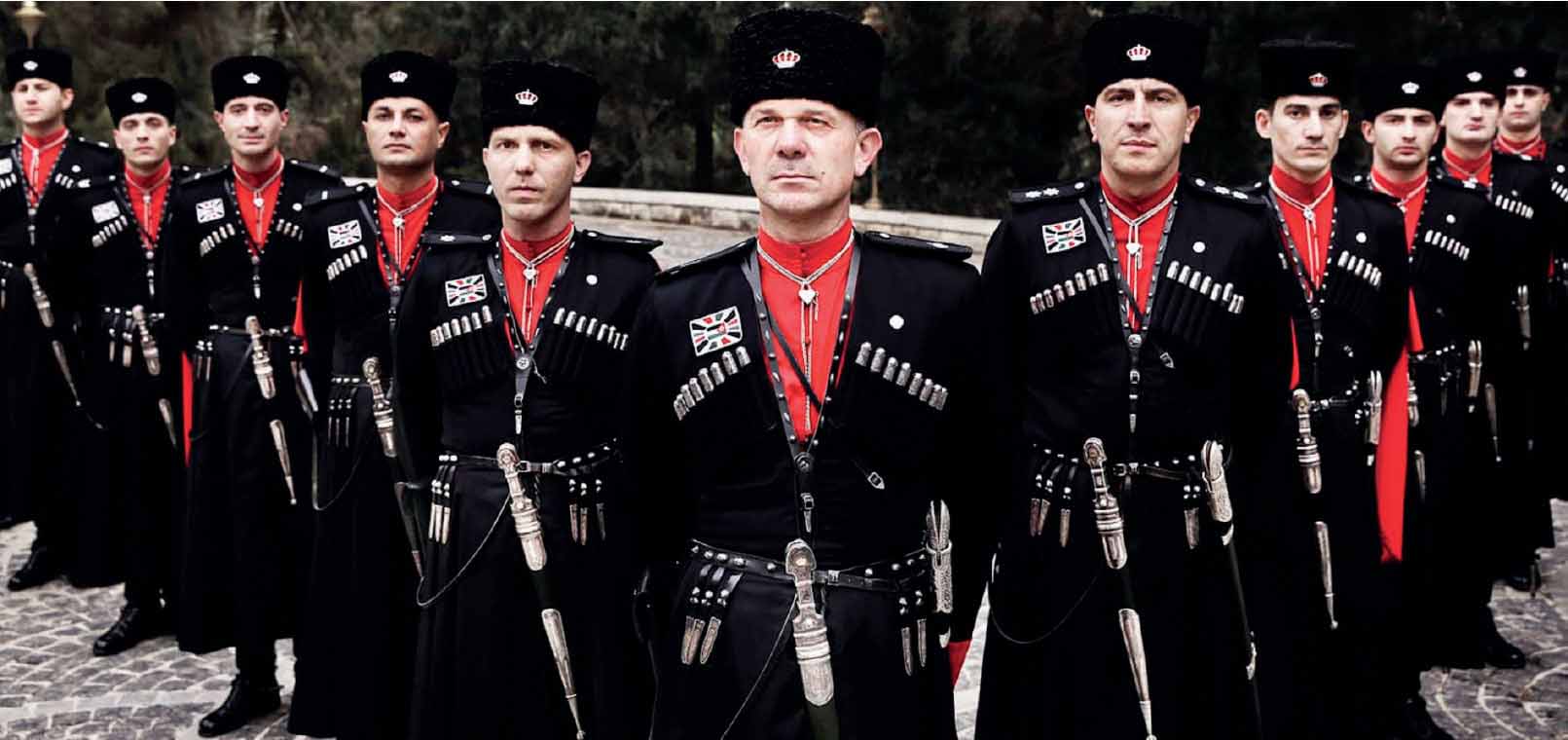
Baybars was twice a regicide. He stabbed Qutuz in the back whilst the sultan was distracted by an accomplice making obeisance and kissing his hand during a hunting party in the desert. Baybars had enough support among the emirs to claim the state, and he recognised that jihad against the Crusaders would seal his hold on power. He installed a puppet caliph in Cairo, after a very cursory examination of his ‘Abbasid’ credentials, and he set the character of this army state. The Mamluk Sultanate would endure until 1517, and Baybars was its architect. The later Circassian Dynasty of the Sultanate still have a place in the Middle East as their descendants form the King of Jordan’s personal bodyguard.
Baybars’s jihad was more intricate, planned, ruthlessly executed and effective than that of any of the leaders before him. He had spies in European courts, he cultivated his relationship with the Genoese to undermine Latin unity, he made treaties with the Golden Horde to hem in Hulegu and he was systematic in his destruction of Outremer. Inland castles that were taken were refortified and garrisoned, while coastal strongholds were reduced to rubble to give no toehold for any Crusade that might be launched from Europe.
Baybars employed wafidiyya, essentially Turcoman warriors who had fled the Mongols in Persia and Anatolia, to constantly raid Crusader lands. Many Crusader lords gave up their leases on lands that they could not hope to defend, and the region to the south of the monastery on Mount Carmel was depopulated as farming there became impossible to maintain.
Baybars brought his Mamluk new model army first against Antioch. Bohemond VI’s support of the Mongols and his close ties to Armenia, the Mongols’ ally in the north, required that he be brought to heel. Raids began in 1261 and continued unabated. Hulegu had to station troops in the city just to prevent its fall. In 1262 Saint Symeon was looted. Nazareth was the next to suffer. The city was plundered and the Church of the Virgin was levelled.
Caesarea fell after the Mamluks used makeshift rope ladders constructed from their bridles to haul themselves up the walls. Arsuf surrendered after its walls were flattened by siege engines and its immense moat was filled. The Templar castle of Safad soon went the same way.
The Mamluk cavalry would appear suddenly at the walls of a fortification. The attack would begin with a hail of arrows being fired at defenders, sometimes with Greek Fire, which would also be thrown using hand slings, then the light artillery of wheel-crossbows would be added, and then only a little later mangonels would be constructed and would begin bombardment. Sapping and filling-in of moats under cover of moveable shelters or dabbaba was also employed. Sieges were pressed rapidly and escalated against a constant and morale-sapping background of terrible thunder coming from the beating of huge paired drums carried on the backs of up to 300 camels. Mid-twelfth-century sources describe siege engines that could throw missiles of 80kg over an arrow’s distance. Baybars possessed mangonels that hurled 400kg rocks at the walls of Crusader castles. It was beginning of the end.