80
When the investment is under way there should be no pause in the discharging of the mangonels against them and there should be no abating of the amount of mangonel fire in any hour of the day or night. To desist in attack against them is among that which cools their fright and strengthens their heart …
From a war manual written for Saladin by Al-Ansari.

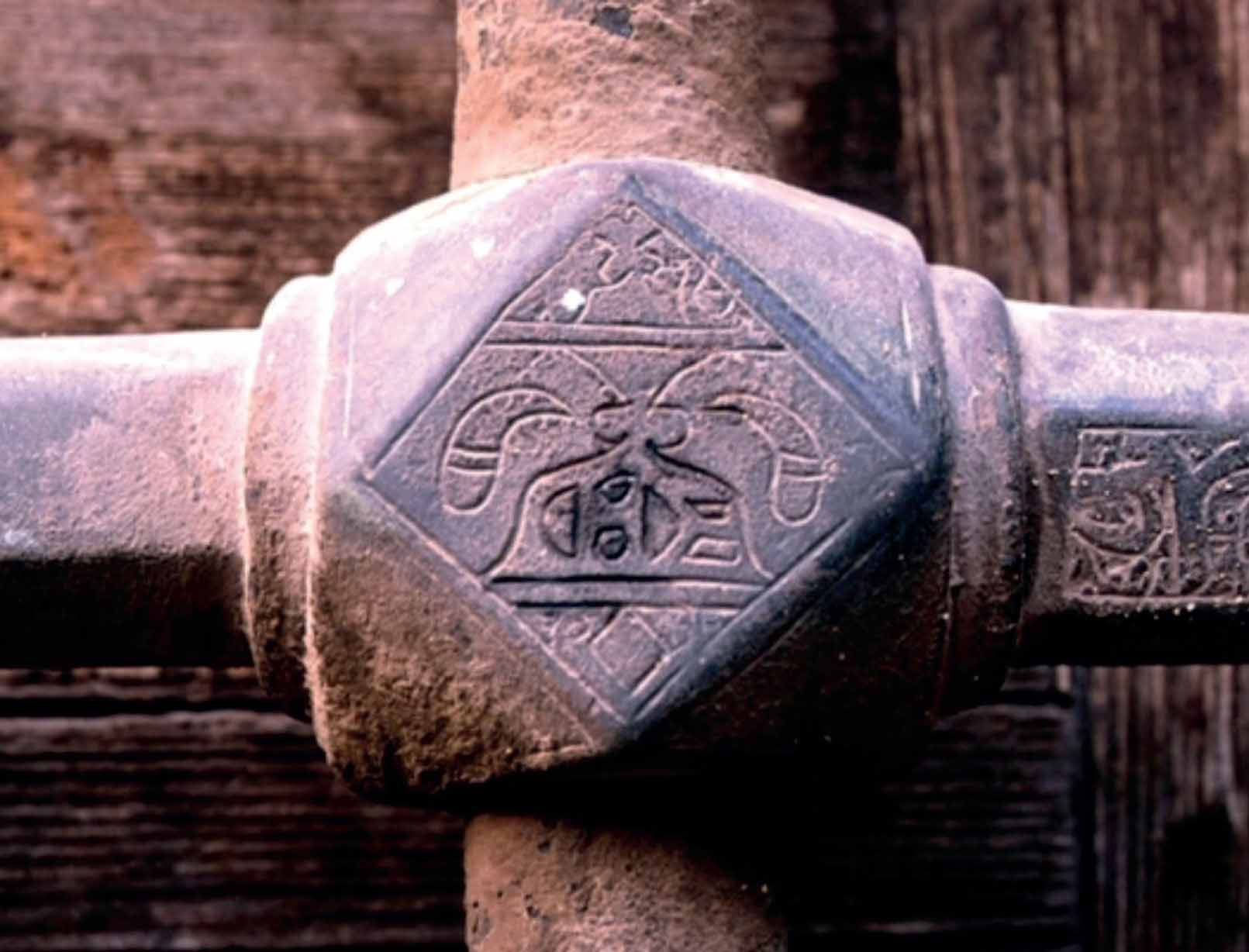
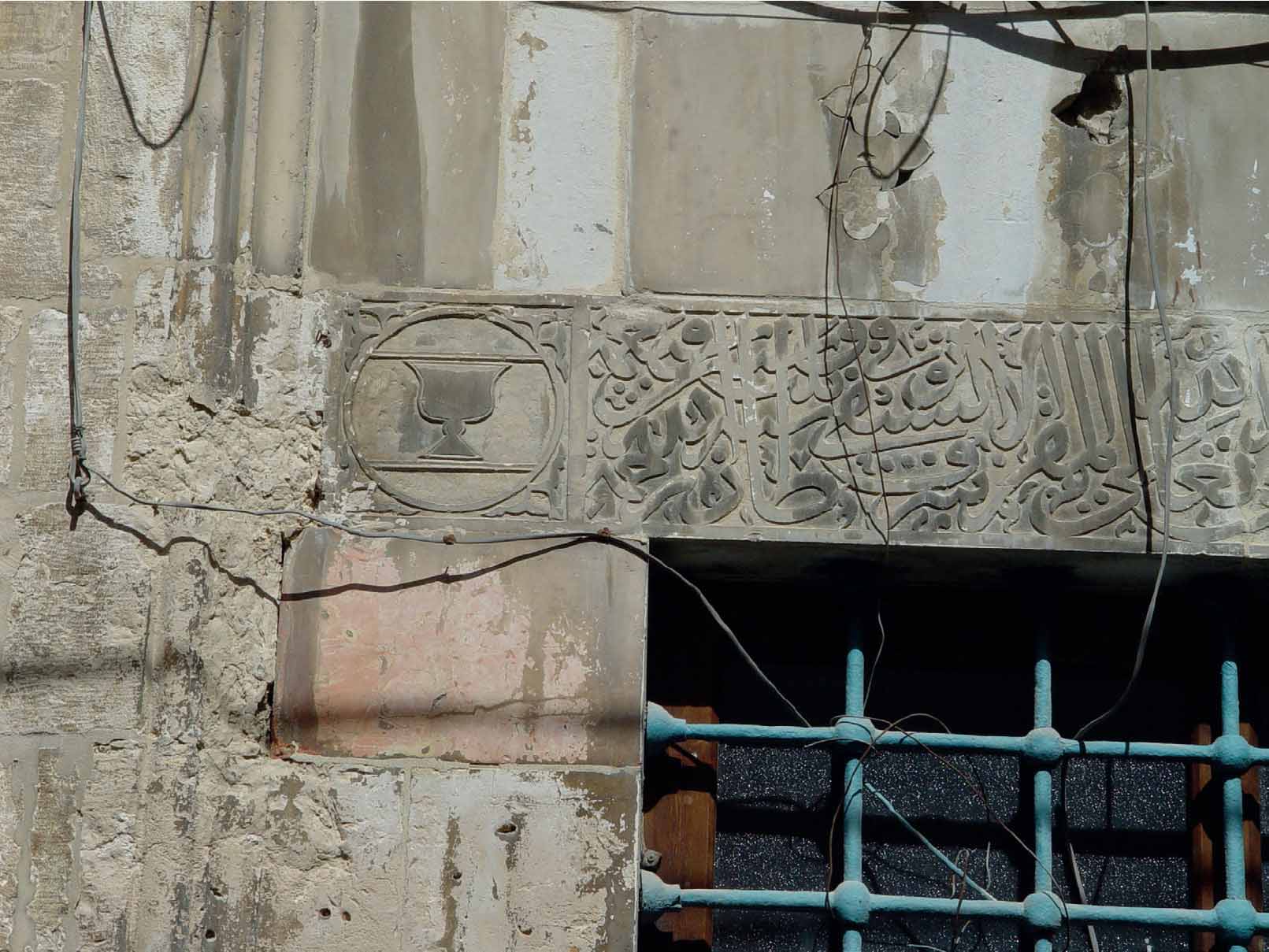
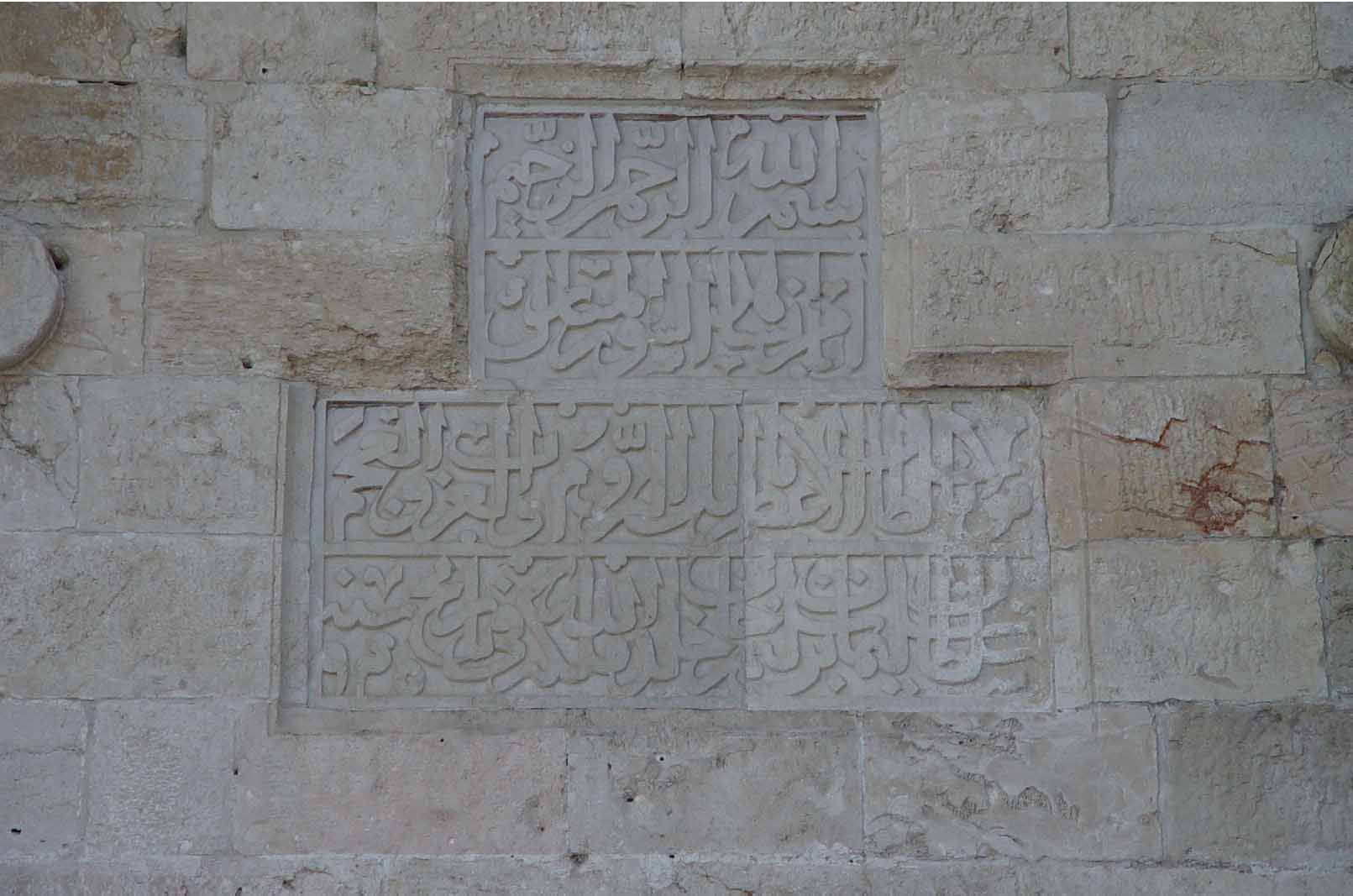
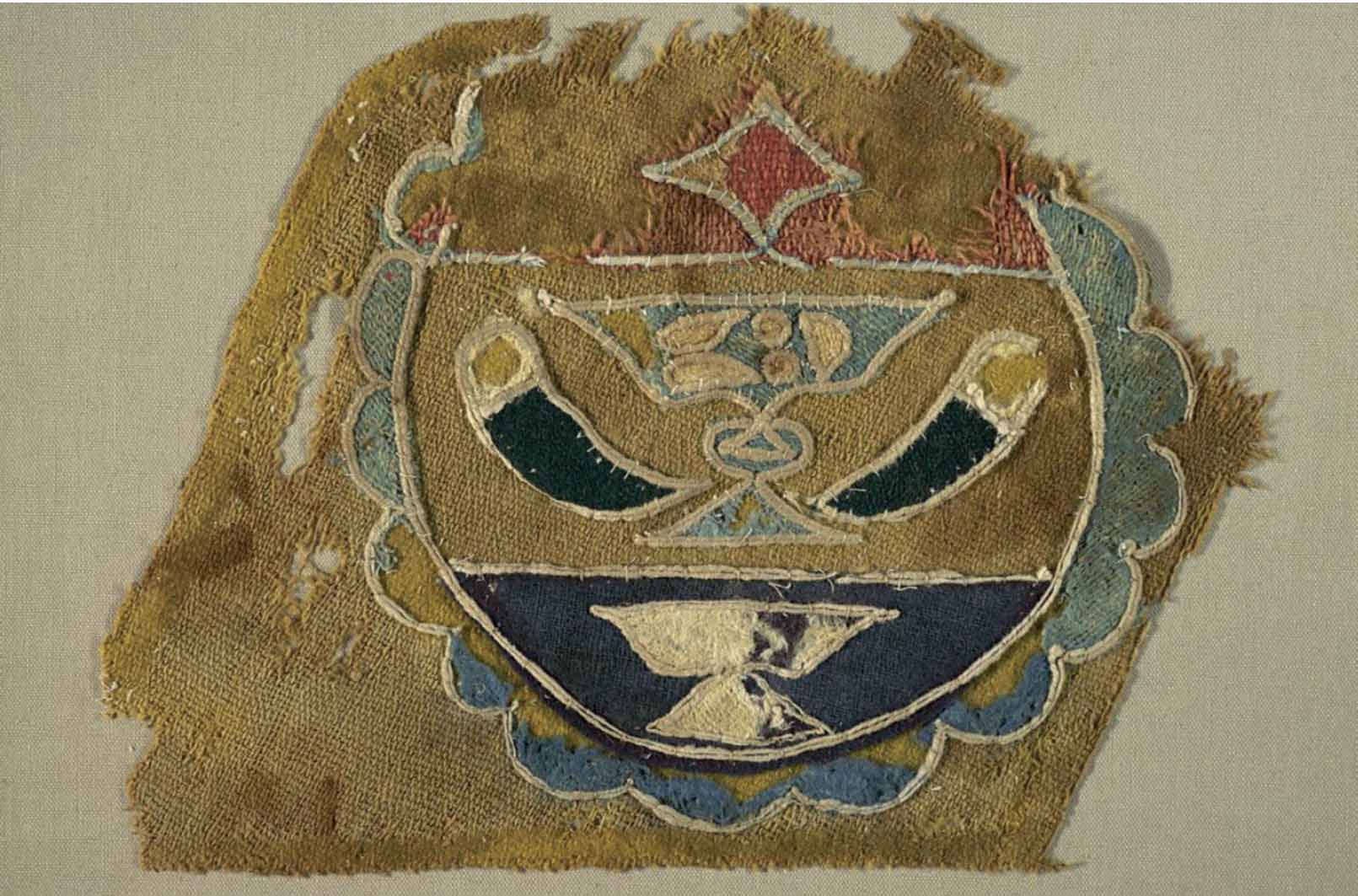
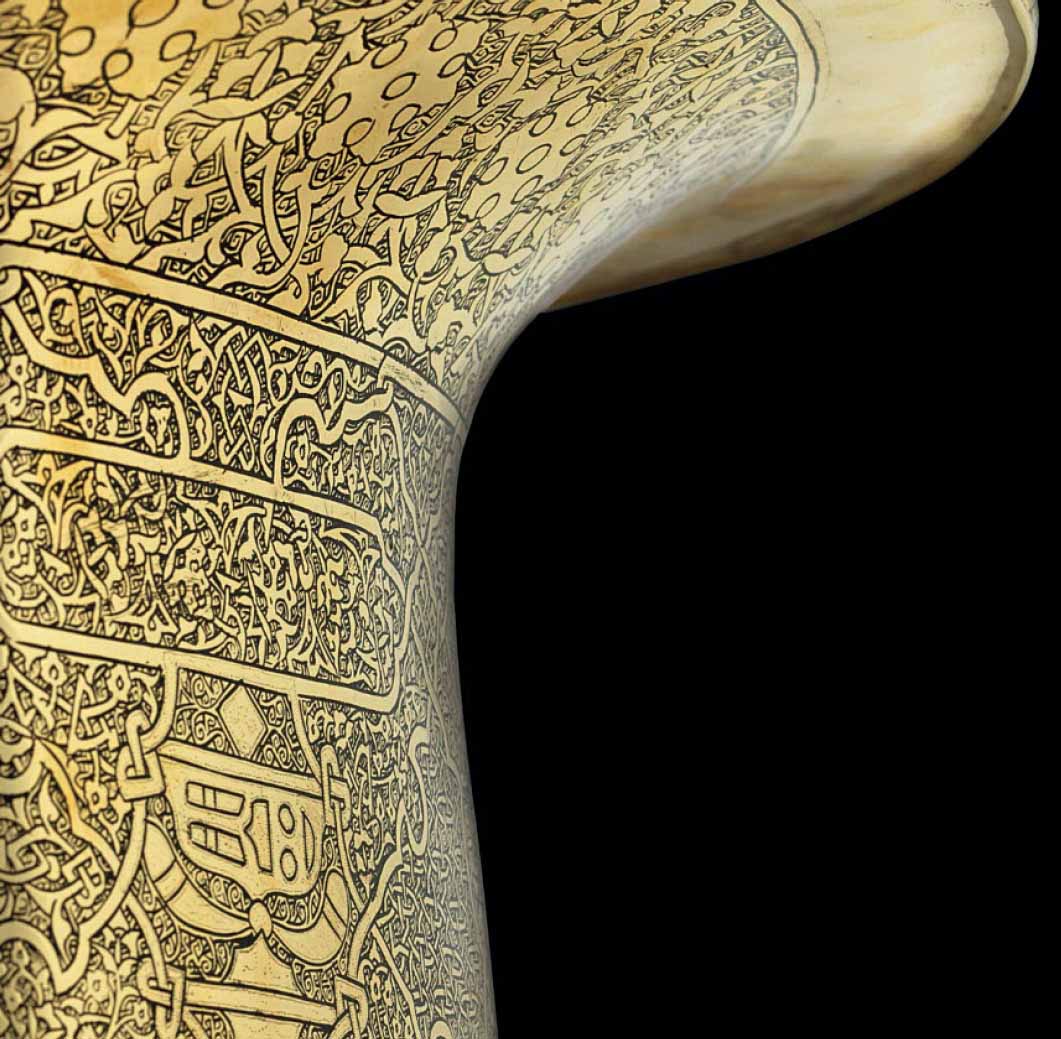
Louis IX of France took the Cross once more in March 1267. He had also been corresponding with Abagha Khan, Hulegu’s successor, for a joint attack on Syria and Egypt. Baybars had consolidated his rule over Syria well, and Mamluk governors were installed in all the major cities, where they left their mark in the shape of their blazons on the walls of their wards. Only Jaffa remained under Crusader control south of Acre. It was a potential landing point for a Crusader army and on 7 March Baybars appeared before its walls. A well-aimed mangonel missile killed three men standing close to Baybars as he planned the assault, but after only 12 hours of fighting the city fell. The city walls and the castle were demolished completely, in line with Mamluk coastal policy, and the marble decoration and wood of the structures were sent back to Cairo to become part of the sultan’s new mosque.
The Templar castle of Beaufort was destroyed over a ten-day period by Baybars’s vast siege engines, as the army moved onto Antioch. Flying columns of cavalry cut the city off from Saint Symeon and the Syrian Gates. Bohemond was not in the city and his constable made a foolhardy sortie against Baybars as his men were in the process of settling in for the siege. He was captured, and bombardments and assaults began immediately. On 18 May the Mamluks made a general attack on every sector of the walls; the garrison was stretched so thin that a break-in was inevitable, and it came on the Mount Silpius section of walls. There was a whole day of murder and rapine. The city gates were sealed to ensure that no citizen could escape.
Slaves and riches were distributed among the ‘emirs of one hundred’, Baybars’s senior emirs, with which they could richly endow their 100 personal Mamluks, among the emirs of 40 and down to the emirs of 10 and to the leading officers of the nonMamluk troopers and infantry: Mamlukdom was a pyramid of interdependencies. Baybars also wrote to Bohemond of the sack:
If you had seen your churches destroyed, your crosses sawn asunder, the pages of the lying gospels exposed, if you had seen your enemy the Muslim trampling in the sanctuary, with the monk, the priest, the deacon sacrificed on the altar … the Churches of Saint Paul and Saint Peter pulled down and destroyed you would have said, ‘Would to God that I was transformed to dust or would to God that I had not received the letter that tells me of this sad catastrophe …’
The Templars abandoned all their castles in the mountains surrounding Antioch, and north Syria slipped from Crusader control.
Antioch’s first Crusader prince, the great Bohemond of Taranto, had taken the city in 1098 by cunning and it is to be wondered if these two men, the Norman adventurer and the slave soldier from the steppes, would not have had a grudging admiration for each other. Both were superb soldiers, both devious and charismatic, and both superb organisers of intelligence and vision.