
93
Root out the era of paganism and spread the bounds of the Christian faith … fight in this battle of the war bravely and strongly like an active Knight of Christ …
A letter from Pope Innocent III to King Valdemar II of Denmark in 1209.

The Livonian Crusade in the Baltic region was a creation of the Archbishop of Bremen rather than the papacy, in a classic case of the tail wagging the dog. The archbishop saw a chance to extend his province, and the papacy obligingly granted indulgences to those who crusaded in the service of the Livonian church. A certain Albert of Buxtehude was appointed as leader of the venture, and he would dominate the Baltics from 1198 to the 1230s. He used a technique, not unheard of in the twentieth and twenty-first century, of settling peasants from the Netherlands and Westphalia in lands east of Germany and then calling for a Crusade to protect these settlements once they were attacked by their pagan neighbours. Albert was given papal authority to recruit priests who had vowed to go to Jerusalem to work on his mission instead. A cult, ‘Our Lady of Riga’, developed over time that recruited pilgrims from Germany to campaign every summer. The military orders of the Teutonic Knights and the Sword Brothers kept the front line intact during the winter. The Danes also exploited the perpetual Crusade’s Drang nach Osten, or ‘Drive to the East’ to conquer the Pomeranian coast, and their fleets attacked Finland in 1191, Estonia in 1194, and Prussia in 1210. Valdemar II was competing with the Germans and the Swedes for these lands. His naval power in the Baltic Sea forced his fellow Crusaders to agree to his control of the new colonies even though its colonists were predominately German.
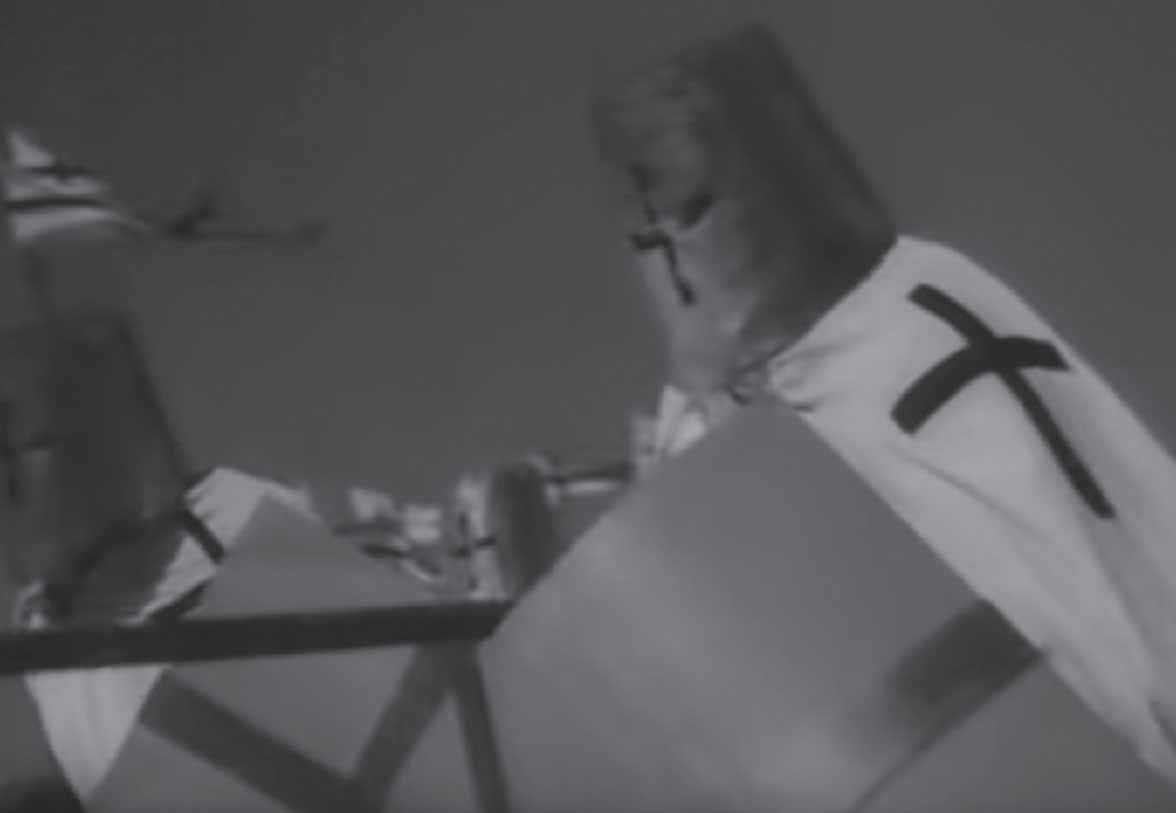
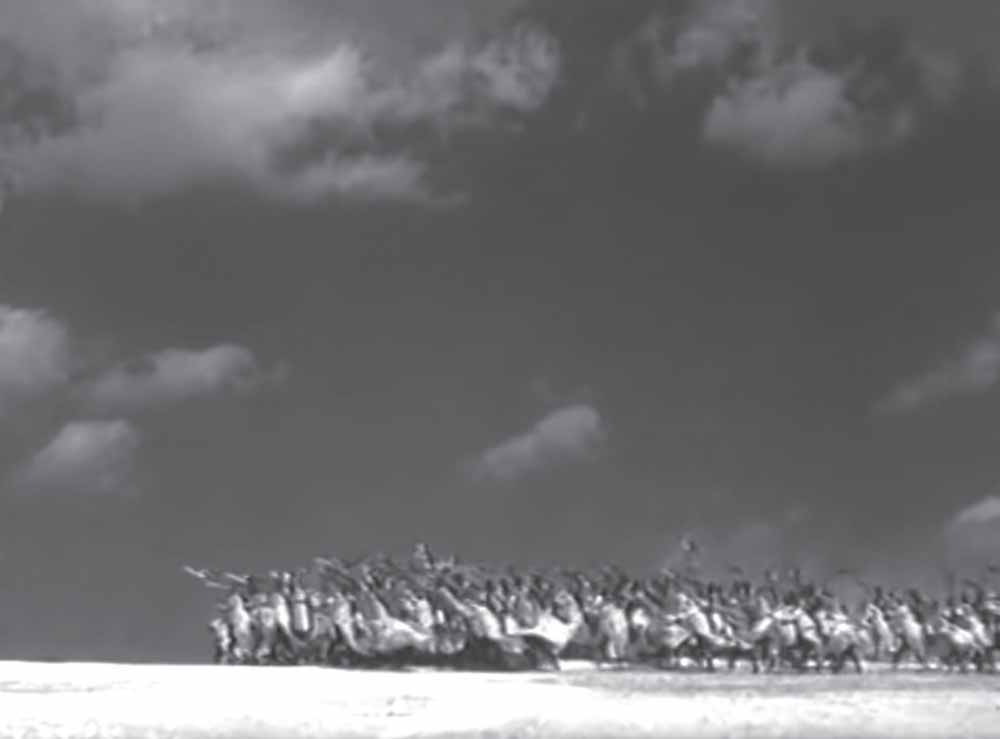

Under the leadership of the German Teutonic Knights the features of the perpetual Baltic Crusade became an ideology. A planned process of colonisation of each area, and the creation of trade points based on the city of Magdeburg’s quarters, gates and tariffs was established. In many ways this connected the new towns of the East with the maturing trade system of the Holy Roman Empire and beyond, but the success of the venture hinged on the proximity of the leaders of this Crusade to the papacy. Unlike their opposite numbers in the Temple and Hospitaller Orders, the Teutonic Knights could always be confident of a Pope, such as Innocent III’s, support:
We concede the same indulgence and privileges that are granted to those going to Jerusalem to all in Germany who in response to the appeals of the Teutonic Knights and without public preaching put on the sign of the Cross …
In 1283 Prussia, which had been at least half-converted to Catholicism, was made a wilderness by the Order, and its population was reduced to the status of serfdom in a brutal put-down of a revolt.
Of course, there were occasional setbacks. In 1242 Alexander Nevsky, the Grand Prince of Kiev, drew the Teutonic Knights onto the frozen Lake Teploe. After absorbing the initial shock of the Knights’ charge, Alexander outflanked them on both the right and the left. The Crusaders exhausted themselves slipping on the ice and one final charge was enough to send them into a panicked retreat. That the knights drowned after the ice broke beneath them seems to have been a creation of Eisenstein.
