
PART
1
ONE
ROBERT F. DEFRAITES, DAVID W. NIEBUHR, BRIGILDA C. TENEZA, LESLIE L. CLARK, AND SHARON L. LUDWIG
INTRODUCTION
This chapter provides an overview of vital statistics that address health issues of men and women serving in the US military during 10 years of continuous conflict (2002–2011). This period of conflict is divided into two major campaigns: Operation Enduring Freedom (OEF; 2001 to present), which has involved counterterrorism operations in many countries, with the majority of effort focused in Afghanistan and the immediate surroundings; and Operation Iraqi Freedom (OIF; 2003–2010), which overthrew the regime of Saddam Hussein, followed by a prolonged period of stabilization in the aftermath. OIF was succeeded by Operation New Dawn (OND) on September 1, 2010, which ended on December 15, 2011.
This overview reflects a public health surveillance perspective, emphasizing major trends and categories of health outcomes and issues. Detailed information on any specific problem is not covered and is beyond the scope of this chapter. Data for this overview were provided by the Defense Manpower Data Center (DMDC; https://www.dmdc.osd.mil) and the Armed Forces Health Surveillance Center (AFHSC; http://www.afhsc.mil).
DMDC’s personnel databases provide military demographic information, including dates of service and rosters of major campaigns and deployments. DMDC maintains the Defense Casualty Analysis System (DCAS; https://www.dmdc.osd.mil/dcas/pages/main.xhtml), which includes summary data on specifically defined war casualties, described as fatalities (hostile and non-hostile) and wounded-in-action from all branches of the US military. Deaths resulting from hostile action are classified as “killed in action” or “died of wounds.” Non-hostile deaths include those determined to have been caused by accident, illness, non-battle injury, homicide, self-inflicted, or undetermined. The primary sources of data in DCAS are the casualty reporting systems of the Services.
The AFHSC manages the Defense Medical Surveillance System (DMSS; Rubertone & Brundage, 2002). DMSS is a continually growing longitudinal compendium of health- and occupation-related data on persons who have served on active duty in the Army, Navy, Air Force, Marines, and Coast Guard. The database is most complete for the almost 10 million persons who have served in the Armed Forces since 1990 (compared to those who served before that date). The structure of the DMSS is centered on the individual Service member (using demographic data provided by DMDC). As the Service member progresses through her military career, extracts of data on her military recruit training, assignments, occupational specialty, major deployments, promotions, marital status, immunizations, hospital admissions and outpatient visits, and other health and military events are maintained. The individual record opens with data from the military accessions process and closes out with termination of active service through discharge, retirement, or, rarely, death. The strength of the DMSS is its inclusion of data from disparate sources on the force over time, optimized for retrospective cohort analysis. Because it includes information on the entire population at risk, it does not suffer the selection bias of studies using hospital-based patient series for studies of military-related illness and injury. Its weaknesses include the lack of detailed health information on behavioral risk factors such as tobacco and alcohol use, exclusion of Reserve component personnel not mobilized for continual active duty service, and lack of information on Service members after discharge from military service.
WOMEN IN THE US MILITARY BEFORE 2001
Prior to the advent of the all-volunteer armed forces in the 1970s, women’s roles in the US military were limited to occupations and professions such as nursing, and women rarely served in combat-related occupations. With the establishment of the all-volunteer force in the 1970s, women were actively recruited into all branches of the US Armed Forces and were deployed in greater numbers with each subsequent military engagement.
During Operation Just Cause in Panama in December 1989, 770 women were deployed (Women in Military Service Memorial; http://www.womensmemorial.org/Education/timeline.html [accessed August 5, 2013]). Over the course of the first Persian Gulf War (1990–1991), approximately 41,000 women (7% of the deployed force; GAO, 1993) were deployed. Operation Desert Shield was a tense but mostly combat-free period from August 7, 1990, through January 16, 1991, in which a rapidly deployed blocking force was augmented by much larger ground, sea, and air forces designed for offensive operations. Operation Desert Storm, which began on January 17, 1991, was marked by six weeks of air bombardment campaign, followed by a 100-hour “ground war” on February 24, 1991; it ended with a rapid withdrawal from Iraq. Most participating troops had returned to their home stations by early April 1991. Because the opposing ground forces rapidly collapsed and did not use chemical or biological weapons, combat-related casualties among the US Armed Forces were low (148; 15 were women), in contrast to pre-war estimates as high as 15,000 (Reuters/Los Angeles Times, 1990). Conversely, environmental hazards, extremely hot temperatures, oil well fires, and fear of potential chemical or biological attack were among the numerous “non-battle” health threats of concern during the military campaign.
Operations in the 1990s—Operations Restore Hope (Somalia 1992–1993), Uphold Democracy (Haiti 1994–1995), Joint Endeavor (Bosnia 1995), and KFOR (Kosovo 1998)—did not involve intense or sustained combat operations, and large numbers of troops were not deployed to these areas.
CHANGING DEMOGRAPHIC PROFILE OF THE ACTIVE FORCE: FROM THE PERSIAN GULF WAR (1991) TO THE PRESENT
The demographic composition of the active component (not including the Reserve and Guard components) has changed over the intervening years between the Persian Gulf War and the current conflicts (Statistical Information Analysis Division, DMDC). Figure 1.1 shows the total number of women on active duty from 1994 to 2011. In 1990, women comprised 11% of the active component; in 2011, the percentage of women on active duty rose to 14.5%. In 1990, only 5.1% of Service members over 40 years of age were women; in 2011, this proportion had risen to 12.7%. Although the Army had the largest total number of women in 2011 (76,000) compared to other Services, the Air Force had the highest proportion of women compared to its total force (active component) at 19%, while the Marines had the lowest proportion of women at 7%.
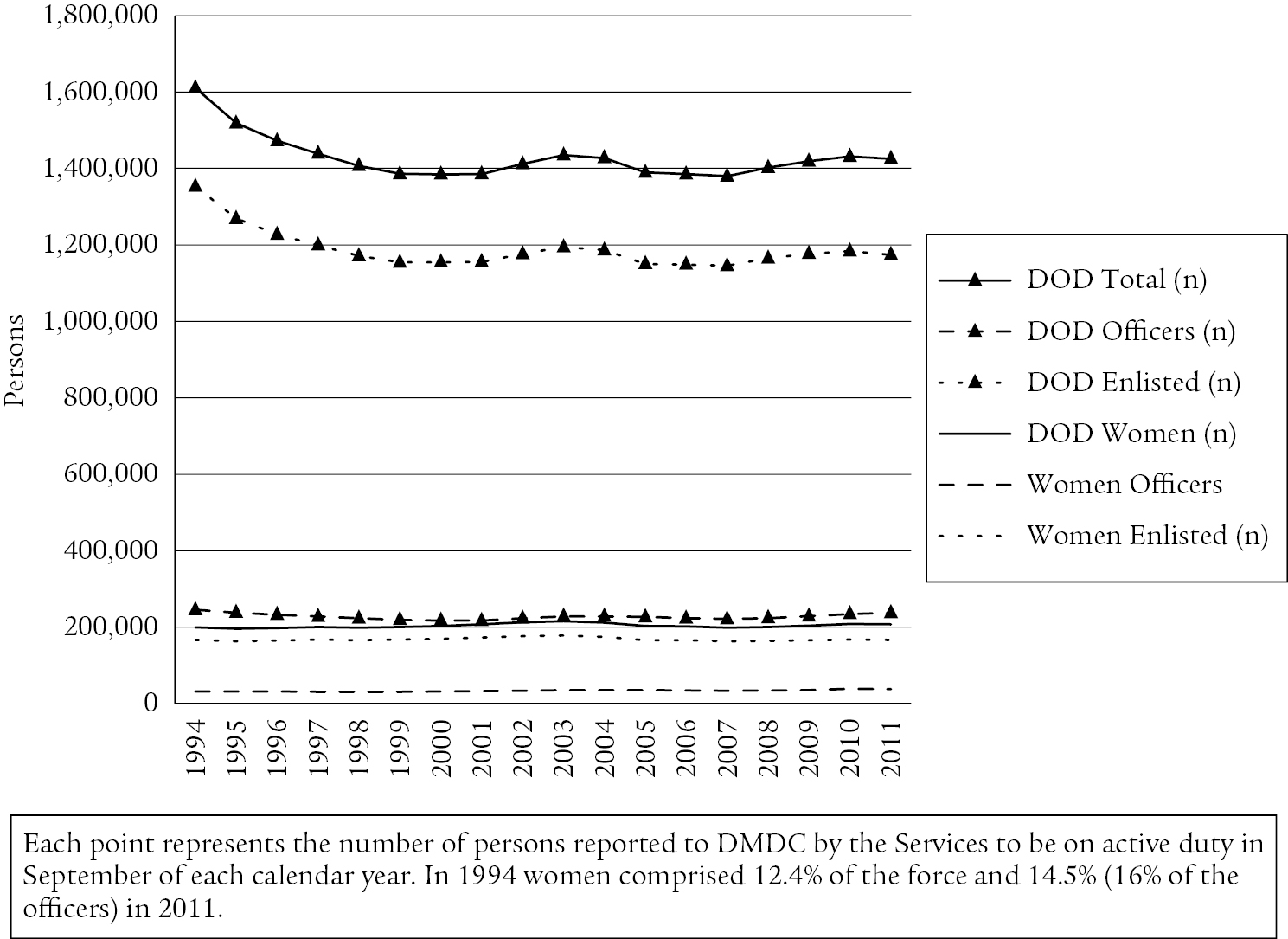
FIGURE 1.1 Officers and enlisted personnel on active duty, DoD, 1994–2011.
SOURCE: Defense Manpower Data Center.
The racial composition of women in active component differed from that of men: 28% of women Service members in 2011 were African American compared with only 13% of male Service members. Non-white racial minorities comprised 45% of active component women in 2011 compared with only 28% of men.
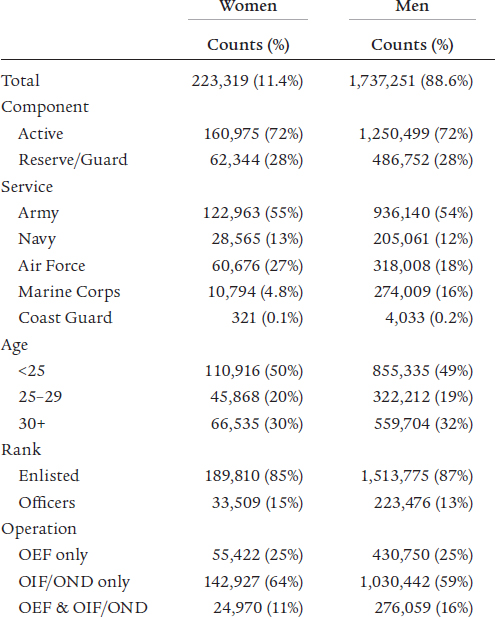
Eleven percent of the US military force deployed in support of major military conflicts in Southwest Asia from 2002 to 2011 were women (223,000 women; see Table 1.1). One-fourth of these women deployed to OEF only; 64% deployed to OIF or OND only; and 11% deployed at least once to both OEF and OIF/OND. Half of the deployed women were under 25 years of age at time of their first deployments, while 30% were over age 29. Fifteen percent were officers, with the remainder in the enlisted ranks.
TABLE 1.1 Service Members Deploying at Least Once to the Southwest Asia Areas of Operations, US Armed Forces, 2002–2011
Population:
All Service (Army, Navy, Air Force, Marine Corps, and Coast Guard).
All Components (Active, Reserve, and Guard).
Time period: January 1, 2002–December 31, 2011.
Deployment: defined as >30 days to OEF, OIF, or OND.
Data Source: Defense Medical Surveillance System (DMSS), as of 30JUL13.
Service members in the US military from 2002 to 2011 served a median of 3¾ years before departure for their first deployments. Those under 25 years of age served a median of 741 days prior to their first deployments to OIF/OND or OEF. Marines served a median of 890 days prior to their first deployments, while members in the combat arms specialties (from all Service branches) deployed earlier in their careers than their counterparts, at 877 days of service (median) prior to their first deployment. Overall, women were deployed after serving about the same number of days of service (1,393 days) as men (1,365 days; AFHSC data, not shown). Women were deployed as frequently and for as long as their male counterparts in their respective branch of Service (Tables 1.2a and 1.2b).
TABLE 1.2a Average Number of Deployments, January 1, 2002–December 31, 2011, by Service and Gender
|
Service |
Men |
Women |
|
Army |
1.5 |
1.3 |
|
Navy |
1.4 |
1.3 |
|
Air Force |
1.8 |
1.5 |
|
Marines |
1.5 |
1.3 |
|
Coast Guard |
1.1 |
1.1 |
TABLE 1.2b Median Length (Months) of Deployments per Service Member by Service and Gender
|
Service |
Men |
Women |
|
Army |
10.9 |
10.5 |
|
Navy |
5.8 |
5.6 |
|
Air Force |
4.1 |
4.2 |
|
Marines |
6.7 |
6.6 |
|
Coast Guard |
7.0 |
7.2 |
Population:
All Service (Army, Navy, Air Force, Marine Corps, and Coast Guard).
All Components (Active, Reserve, and Guard).
Time period: January 1, 2002–December 31, 2011.
Deployment: defined as >30 days to OEF, OIF, or OND.
Data Source: Defense Medical Surveillance System (DMSS), as of 30JUL13.
The deployed women encompassed a wide range of occupational duties (Figure 1.2). The majority of deployed enlisted women were engaged in the fields of functional support and administration (30%); service, transport, and supply (16%); healthcare (9.8%); electrical and mechanical repair (7.9%); and communications and intelligence (6.7%). Key differences in military occupations among women and men were noted in combat-related jobs such as infantry, gun crew, and seamen (4.3% of women, 22% of men,) and functional support and administrative occupations (30% of women vs. 12% of men).
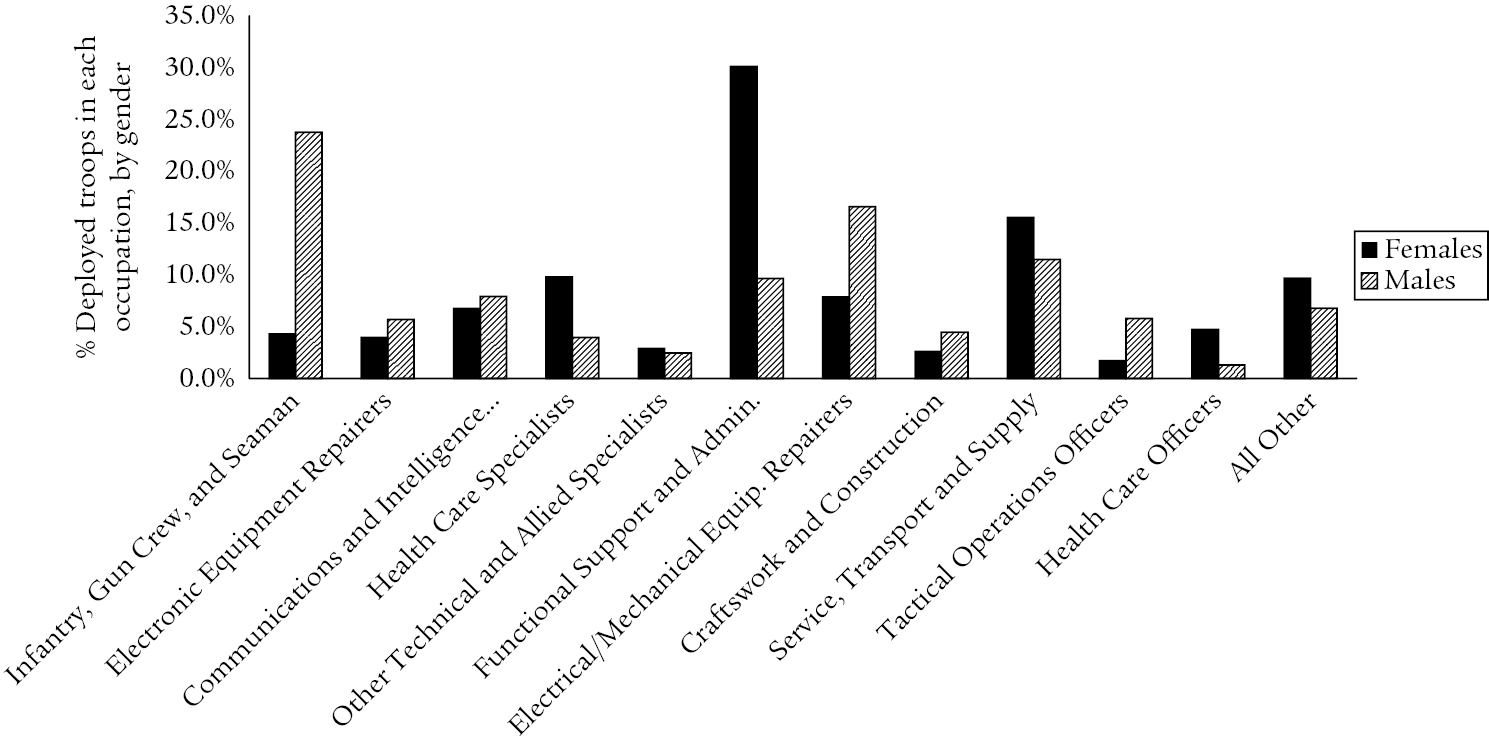
FIGURE 1.2 Military occupational categories of Servicemen and Servicewomen deployed to Southwest Asia (OEF/OIF/OND) 2002–2011.
OIF/OEF HEALTH PROFILE FOR MILITARY WOMEN
Military personnel deployed to Iraq or Afghanistan during this decade of conflict were exposed to a wide variety of health threats. Combat operations involved exposure to small arms munitions, along with shrapnel and blast forces from mortars, bombs, rockets, and improvised explosive devices (IED). Military maneuvers included operation and maintenance of heavy equipment, vehicular traffic, long-distance driving and riding, and operation and maintenance of fixed- and rotary-wing aircraft. Environmental conditions were harsh, including extremes of seasonal temperatures and suspended particulate matter in the ubiquitous dust and smoke. The region harbored a wide variety of infectious disease threats, including leishmaniasis, food- and water-borne infections, and respiratory disease agents. Operational stress was universal, reflecting the uncertainty and risks of prolonged and repeat deployments and their effects on the individual, families, and military units.
Casualties: Killed in Action (KIA), Non-Battle Deaths, and Wounded in Action (WIA)
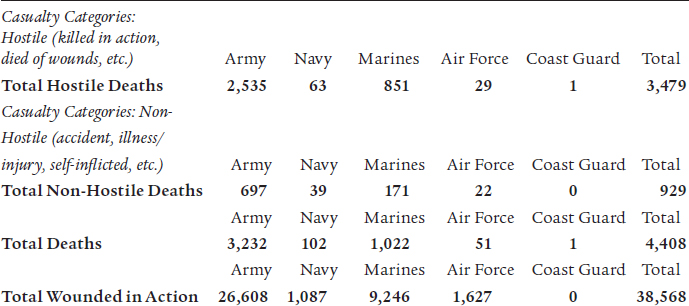
Tables 1.3a and 1.3b reflect data on US Service members with fatal outcomes or wounded in action over the period of major conflicts. Overall, although women comprised 11.4% of the deployed force, only 2.3% of US military fatalities during these conflicts were women. These figures include 18 women killed as a result of hostile action during OEF and 61 in OIF/OND. Similar to the overall casualty profile, the majority of hostile-action casualties among women (77% in OEF and 82% of OIF/OND) were Soldiers (in the Army). Sixteen of the non-hostile fatalities in OEF and 49 cases from OIF/OND were women. Almost 1,000 women were wounded in action (WIA) during these conflicts (1.9% of the total WIA; DCAS data not shown).
TABLE 1.3a US Military (Men and Women Combined) Casualties, 2002–2011, OEF
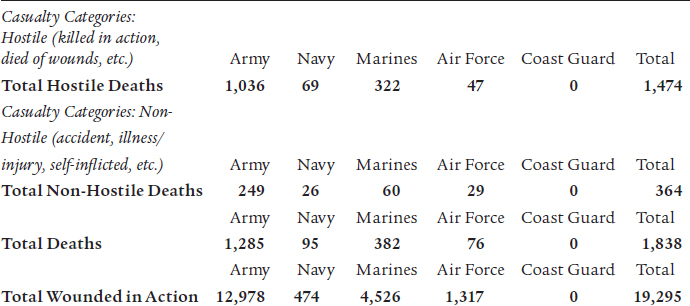
TABLE 1.3b US Military (Men and Women Combined) Casualties, 2002–2011, OIF/OND
Data Source: Defense Manpower Data Center.
Healthcare While Deployed
Service members afflicted with non-fatal injuries or illnesses were cared for in a deployed military healthcare system. This system provided several levels of care for the deployed force from basic first aid to definitive surgical intervention. Every military unit or base possessed some basic level of care from first responders such as enlisted medics and corpsman, with a physician or physician assistant located at a nearby aid station. More complex or severe cases were evacuated to surgical units or field hospitals. Healthcare rendered in this deployed healthcare system was recorded in the Theater Medical Data Store (TMDS; Defense Health Information Management System, http://dhims.health.mil/products/theater/tmds.aspx [accessed August 5, 2013]). A comparison of encounters coded in TMDS with those coded in non-deployed military hospitals and clinics was published in the Medical Surveillance Monthly Report (MSMR) (AFHSC, November 2011). In this analysis, in which data from men and women were combined, most of the major categories of conditions (three digit ICD-9 categories) were found to be roughly equally represented in both deployed and non-deployed settings. Some conditions that appeared to be relatively more common in the deployed setting included skin, digestive, infectious, genitourinary, and oral disorders; these were not unexpected in the harsh environmental setting of the major campaigns.
Review of records of visits recorded in TMDS from both major combat operations 2002–2011 reveal a total of 3.9 million encounters coded as “disease, non-battle injury,” of which 81% were Soldiers (Army) and slightly over 20% were encounters by women. There were also almost 72,000 encounters coded as “battle injury,” of which 85% were accounted for by the Army and slightly less than 3% occurred among women. The TMDS (as well as other electronic health record systems) was not fully distributed to the combat areas for several years after the initial deployments (GAO, 2002), and remained limited to the larger medical treatment facilities at large bases for some time thereafter. Many episodes of care rendered to small combat units at remote outposts were not captured in this system and may account for some of the relative overrepresentation of disease and non-battle injury health encounters by women.
Medical Evacuation from the Deployed Environment
Patients with more severe illness or injury that required specialty care or prolonged convalescence were medically evacuated to military medical centers in Europe and the United States. Figure 1.3 shows the relative proportions of major categories of evacuations for men and women in 2002–2011.
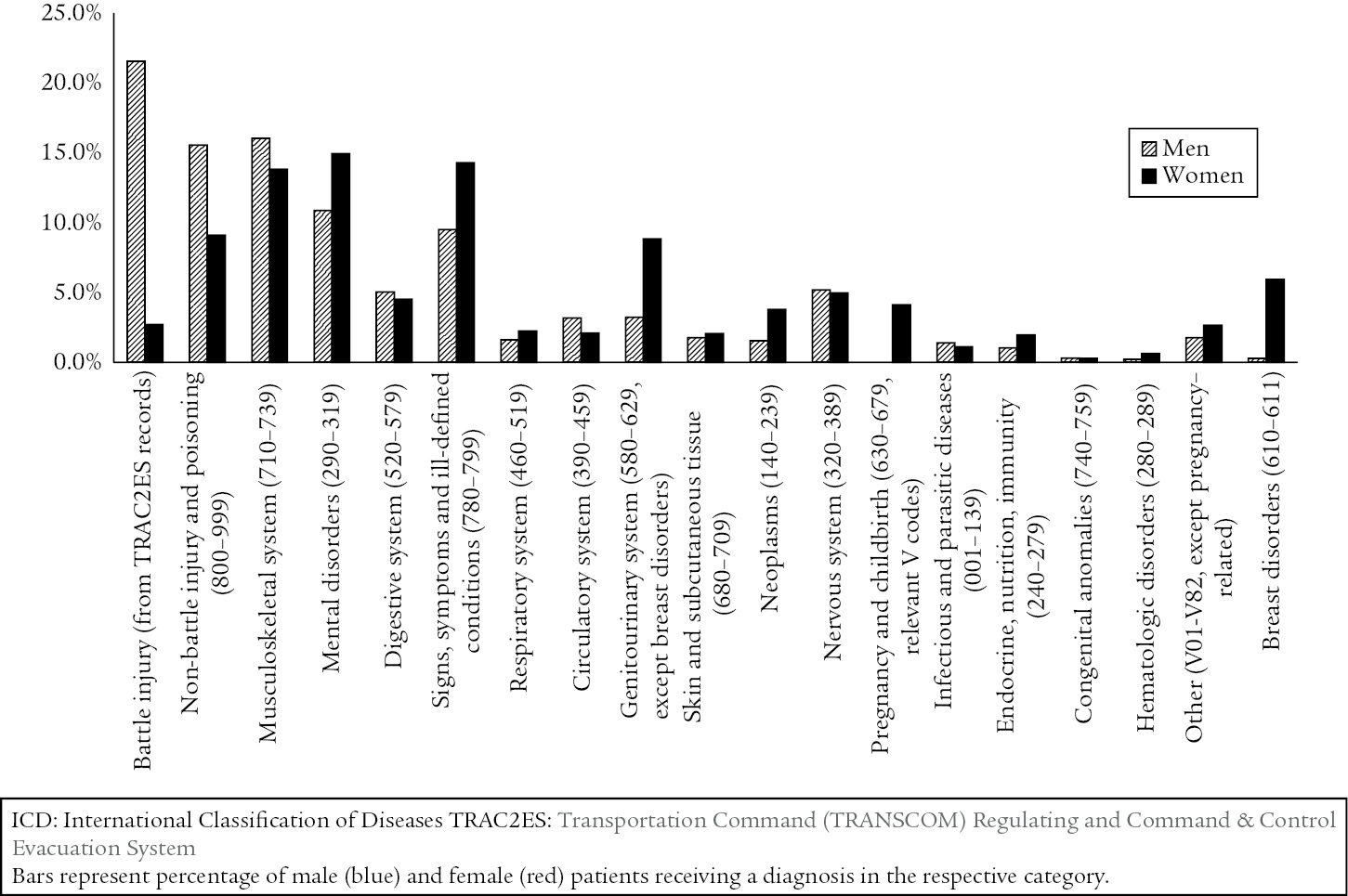
FIGURE 1.3 Medical evacuations from Southwest Asia (OEF/OIF/OND) 2002–2011, by major diagnostic code (ICD-9-CM) category and gender.
The top five categories for men and women combined over these years of conflict include battle injuries (17.7% of all medical evacuations), non-battle injuries (including poisoning; 14.9%), disorders of the musculoskeletal system (16.3%), mental disorders (11.6%), and signs, symptoms, and other ill-defined conditions (ICD 780–799; 10%). The first four broad categories are not surprising given the nature of military deployment, combat, and the population of otherwise healthy young adults engaged. Closer examination of the last category reveals a roughly equal contribution of ill-defined disorders from the musculoskeletal, gastrointestinal, and respiratory systems. These “ill-defined conditions” possibly represented provisional or pre-diagnostic codes used during the medical evacuation process, pending full evaluation at medical centers in Europe and the United States. These data also suggest several differences in the relative frequency of medical evacuation diagnoses between men and women. Battle injury was the single largest category of medical evacuation for men, accounting for almost one in every five, followed by musculoskeletal system disorders (16.7%), non-battle injuries (15.7%), and mental disorders (11.2%). Among women, battle injury accounted for only 2.5% of evacuations; the largest category of medical evacuations for women was mental disorders (14.9%), followed by musculoskeletal disorders and ill-defined conditions (13.9% each). These proportions cannot be translated into relative rates since the underlying populations at risk (men and women deployed) over time are not easily defined. The overall proportions shown here also do not reflect changes over time. An analysis of OIF/OND medical evacuation data (AFHSC, 2012) revealed that the proportion of evacuations in each category varied over the course of the eight years of observation; there was a continuous increase in the proportion of mental health medical evacuations (among men and women) over the entire interval and a sharp downward trend in the proportion of battle injury evacuations of men after 2007. The upward trend of mental health evacuations may reflect a combination of the cumulative negative effect of repeated deployments on the deployed force and the increased level of mental healthcare assessment and triage capabilities deployed to the combat zone in the later years of the current conflicts. The major difference in medical evacuation condition between men and women (battle injury) likely reflects the exclusion of women from combat occupational specialties; although women were not spared exposure to combat, their experience as a group may not have been as widespread or as intense as that experienced by their male counterparts.
Health Issues Upon Return From Deployment
Some deployment-related health problems may not manifest themselves until afterward and may be manifested as post-deployment encounters within the military health system (MHS). Tables 1.4a, 1.4b, 1.5a, and 1.5b, display data on encounters in the MHS (including direct and purchased or contracted care) experienced by active component men and women in 2002–2011 within 365 days (one year) of the end of deployment. These data should be interpreted with caution, however. Although these health encounters occurred following a deployment, the conditions they represent should not be interpreted as being exclusively deployment-related or caused by deployment. Some may represent unrelated new conditions, or care provided for conditions that occurred pre-deployment, but was electively deferred until after the deployment for convenience or the time required for convalescence. Data available for this analysis do not permit full determination as to the likely relationship of the health encounter to the preceding deployment. Reserve component personnel are excluded from this analysis since capture of their medical encounters is limited; thus estimates of their care are likely underestimated.
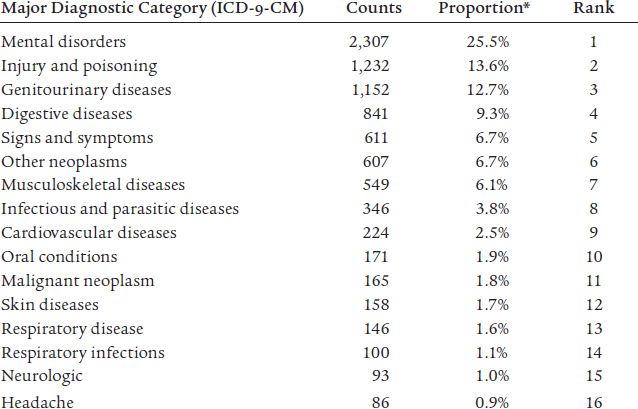
TABLE 1.4a One-Year Post-Deployment Hospitalizations, Active Component Women, 2002–2011
*Proportion of category over all visits, excluding pregnancy, labor, and delivery.
Data Source: Defense Medical Surveillance System (DMSS).
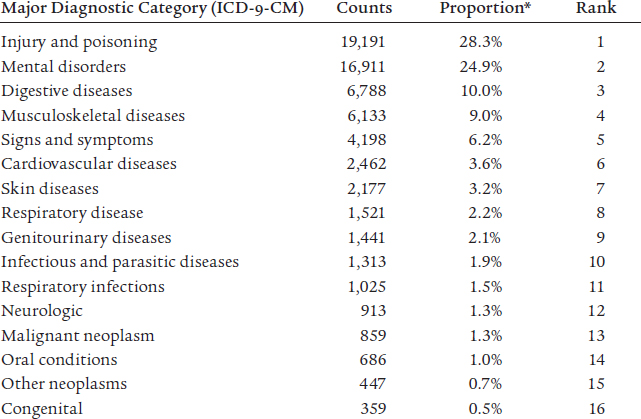
TABLE 1.4b One-Year Post-Deployment Hospitalizations, Active Component Men, 2002–2011
*Proportion of category over all visits.
Data Source: Defense Medical Surveillance System (DMSS).
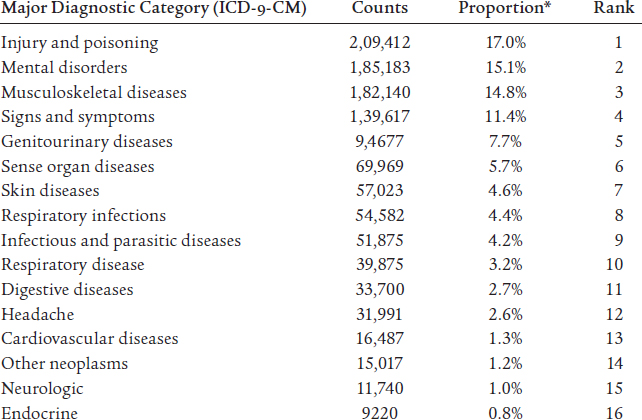
TABLE 1.5a One-year Post-Deployment Ambulatory Visits, Active Component Women, 2002–2011
*Proportion of category over all visits, excluding pregnancy, labor, and delivery.
Data Source: Defense Medical Surveillance System (DMSS).
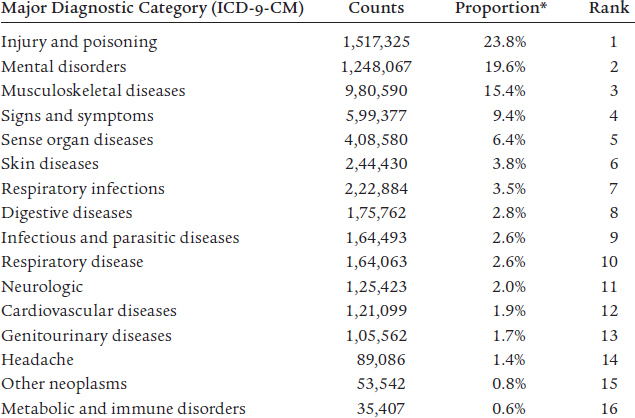
TABLE 1.5b One-Year Post-Deployment Ambulatory Visits, Active Component Men, 2002–2011
*Proportion of category over all visits.
Data Source: Defense Medical Surveillance System (DMSS).
Post-Deployment Inpatient Care
The majority of admissions of active component women in the MHS are for care related to pregnancy, labor, and delivery (DMSS data not shown). To facilitate a comparison of deployed men and women, all admissions classified by ICD-9 codes 630–679 and 760–779 (and associated V codes) were excluded. The remaining admissions were grouped by three-digit ICD categories and were ranked in order of occurrence, with 1 being the most common. With the exclusion of obstetric admissions, men and women were admitted to hospitals for many of the same conditions in the year following return from deployment. For example, approximately one-fourth of all admissions of men and women were coded as mental disorders. Admissions for injury care and mental disorders were the top two categories for both, although mental disorders were the most common in women and injuries in men. However, almost 13% of admissions for women were for genitourinary conditions, as compared with slightly over 2% among men. Increased post-deployment genitourinary health concerns among women have been noted in past conflicts (Murphy et al., 1997) and in OIF/OEF (Klausner et al., 2009).
Post-Deployment Ambulatory Care
Tables 1.5a and 1.5b show similar data focused on outpatient care, excluding prenatal visits for women. The top four most frequent categories of encounters (injury, mental disorders, musculoskeletal conditions, and signs and symptoms) were identically ranked in order of occurrence for men and women and together accounted for the majority of visits (accounting for 68% of all encounters for men and 58% for women) in the year following deployment. There were no appreciable gender differences in the patterns of encounters or condition code proportions.
Reproductive Health/Birth Rates
The active duty service years coincide with the peak reproductive years in women. Long and frequent deployments and an active military operational tempo may impact childbearing in military families. Figure 1.4 shows the birth rate by age group for women in the active component who deployed at least once compared to their counterparts who did not deploy in 2002–2011. Overall, never-deployed women experienced about 100 live births per 1,000 women years of service compared to about 70 births per 1,000 women years in the group that deployed. The highest rates were experienced by Service women in their twenties and the lowest by women in their forties in both groups. In 2011, the MSMR (AFHSC, December 2011) reported overall active component birth rates by Service branch and age for the previous decade, finding an overall birth rate of about 100 live births per 1,000 woman service years over the decade, similar to the results reported here. Figure 1.5 shows the birth rates for active component women expressed as a birth rate per 1,000 per calendar year. The women who had deployed experienced much lower birth rates in the first two years, but were similar to the rates in the never-deployed group after 2004, suggesting a delaying effect of deployment upon childbearing for women who first deployed in 2002 and 2003. In both groups the birth rate increased by approximately 5%–10% over the time period.
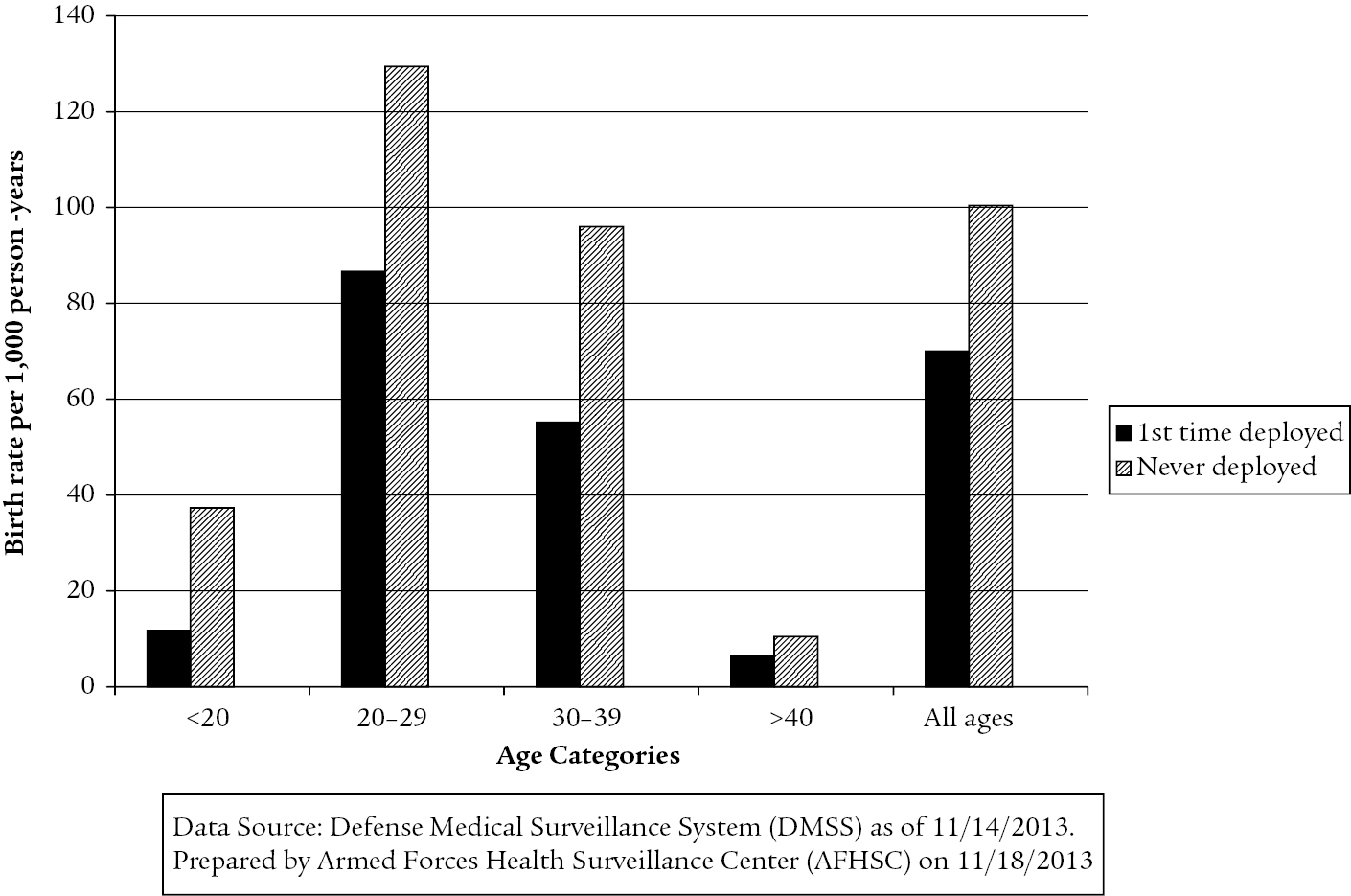
FIGURE 1.4 Birth rate per 1,000 person-years by age among active component US military women 2002–2011, first time deployed compared to never deployed.
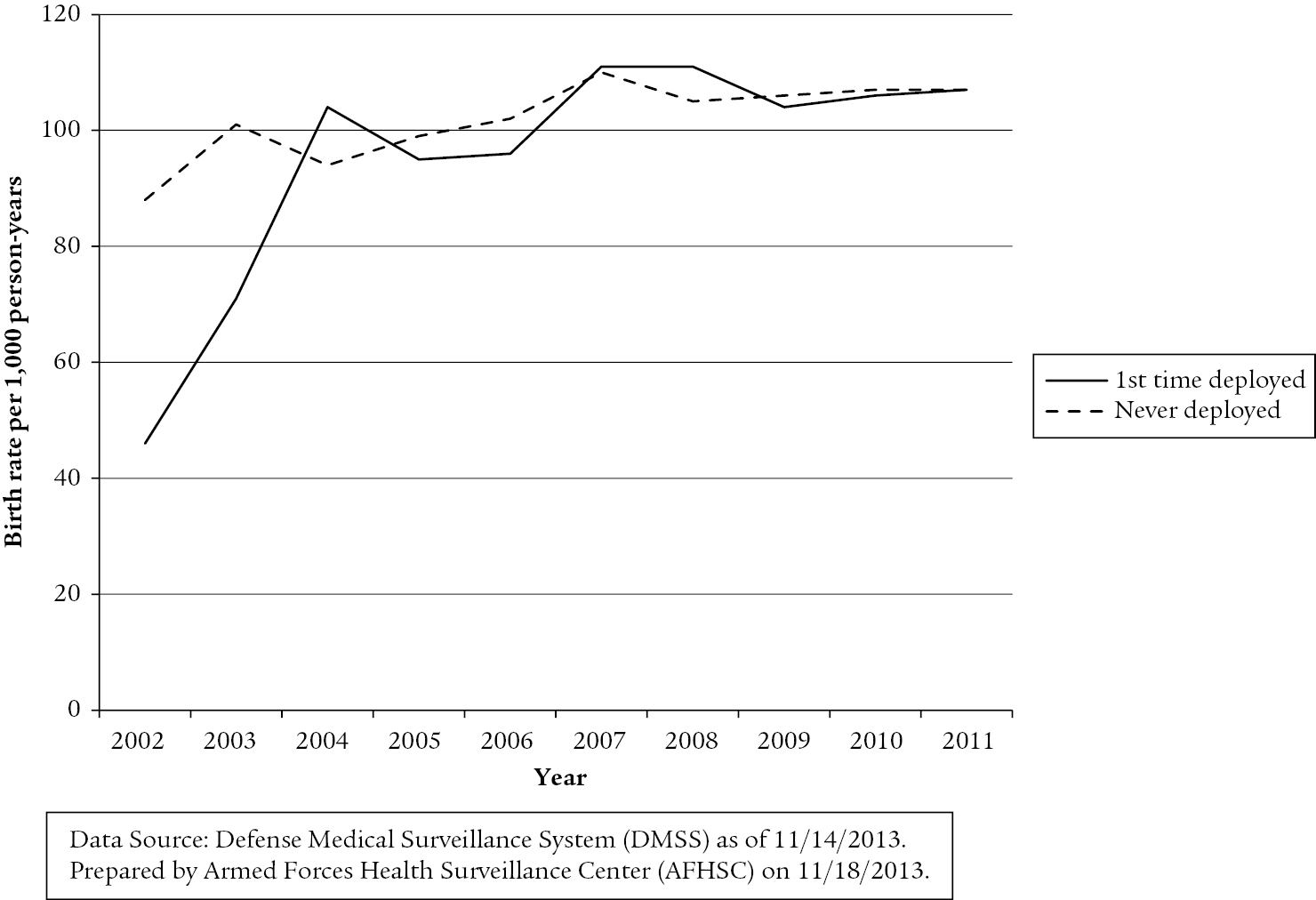
FIGURE 1.5 Birth rate per 1,000 person-years by year among active component US military women 2002–2011, first time deployed (birth occurring within 18 months of first completed deployment) compared to never deployed.
Traumatic Brain Injury
Attributable in part to a relatively common hazard—extreme physical forces generated by explosions, or blasts, delivered by improvised explosive devices (IEDs), suicide bombers, mortars, and so on—traumatic brain injury (TBI) has presented an especially prominent source of morbidity in the recent conflicts (Okie 2005). In response to the burden of war-related TBI on the force, the Department of Defense (DoD) focused particular effort on tracking rates and patterns of TBI. Surveillance included employment of unique case definitions using a combination of ICD-9 diagnostic codes (AFHSC case definitions). Through the end of 2012, 33,108 US Service members had been diagnosed with a deployment-related TBI (diagnosed during deployment or within 30 days of returning), 94% of whom were Marines or Army personnel (AFHSC data, not shown). TBI also affected women; 1,663 cases (5% of the total) occurred among deployed women. Not surprisingly, rates of TBI were higher among ground troops (Army and Marines, 295 and 188 injuries per 10,000 person years [p yr], respectively) and among men (males in the Army 312/10,000 p yr vs. 145/10,000 p yr for Army women). As discussed previously for battle injuries, deployed women as a group may have been relatively less at risk for prolonged exposure to combat and, while not spared entirely from experiencing TBI, suffered relatively fewer than their male counterparts.
Mental Health
The Armed Forces Health Surveillance Center has published several analyses related to military women’s health and deployment in the last several years. In a 2010 MSMR (Vol. 17, November 2010) analysis of mental health conditions in the US military in 2000–2009, the overall incidence of at least one mental health disorder diagnosis among active component Service members increased by about 60% over the 10 years of observation. The incidence rates of mental health diagnoses for adjustment, anxiety, depressive, and personality disorders were twofold higher among women, while alcohol and substance abuse disorders were higher in men. The analysis was not limited to persons who deployed.
A 2009 MSMR (Vol. 16, February 2009) analysis investigated the relationship between the nature and timing of mental health disorders before and after deploying to Iraq or Afghanistan in 2002–2008. This analysis found that active component Service members identified with PTSD or depression prior to their deployments were three times more likely to have mental disorder–related encounters after their deployments compared to those without mental health diagnoses before deploying. Approximately 14% of women deployers and 5% of male deployers had mental health disorder diagnoses before deployment. After deployment, approximately 28% of women and 21% of men received at least one mental health disorder diagnosis. For Service members with any mental health disorder before deployment, this analysis found that those diagnosed after deployment were more likely to receive the same mental health diagnosis category (such as adjustment disorder, anxiety disorder, substance abuse, PTSD, or depression) as the last encounter before deploying.
In another 2009 MSMR study (Vol. 16, October 2009) study, rates of illnesses and injuries among active component women in the two years following return from deployments to OIF or OEF were compared to “expected rates” of illnesses and injuries from three reference groups within the US military. The three cohorts were same women deployers to OEF or OIF at 7–12 months prior to deployment; male Service members returning from OIF or OEF; and women Service members returning from assignment to the Republic of Korea. In general, women who returned from OIF or OEF deployments experienced higher rates of anxiety, depression, and episodic mood disorders than expected based on their pre-deployment experience, their male counterparts in OIF/OEF, and among women returning from assignments to Korea. Similarly, OIF or OEF women Veterans had higher rates of migraine headache and neck/back pain than the referent groups.
There are limitations in these analyses. First, all medical conditions discussed in these analyses are from health encounters received from permanent military treatment facilities or purchased care. These medical encounters, along with other health-related information, are archived in the DMSS and are used by the MSMR in their surveillance reports. Healthcare rendered in deployed temporary treatment facilities or provided outside the military health system (such as counseling provided by chaplains) is not captured in DMSS and is not included in the analyses. Second, these analyses were restricted to the active component Service member. Service members in the Reserve or National Guard not on active duty typically receive most of their routine healthcare outside the military health system since they are usually released from active service shortly after returning from deployment. Since the majority of relevant health encounters from non-deployed Reservists and Guardsmen are therefore not captured in DMSS, they were not included in the analyses. Further, any Service member who separated from active service during the follow-up period is excluded; therefore, those with more severe injuries and illnesses that preclude continuation of active military service may be discounted in these analyses. Finally, health data in DMSS are dependent on the accuracy of health encounter coding. Medical conditions are classified in accordance with the International Classification of Diseases, ninth revision, Clinical Modification (ICD-9-CM). Health conditions that do not fall within the definitions of specific ICD-9 codes or are inaccurately coded by healthcare providers will receive erroneous codes, resulting in incorrect healthcare data in DMSS. Health-related information in DMSS was collected for administrative purposes and may lack the rigor and depth needed for comprehensive research investigations.
LIMITATIONS
Under-reporting or under-recognition of some medical events that may disproportionately affect women, such as those regarding sexual assault, for example, may result in lower rates of events in the data available for this analysis. Data were presented in terms of counts and proportions, which aspire to describe the burden of disease and injury in deployed women compared to men. Many health outcomes discussed here were not expressed in terms of risk or rates. Rates prove to be more difficult to calculate because of the need to determine the population at risk, which was continually changing owing to individual recruitment and attrition from service (and deployment) over the period of observation. Finally, the overall quality of the medical surveillance data is dependent on the accuracy, timeliness, and completeness of coding of electronic health records; thus personnel and health data are at risk for miscoding and under-reporting.
CONCLUSION
The past three decades have shown greater opportunities for women in the US military. The numbers of women who are joining the US Armed Forces are growing with each subsequent decade. As more women are deployed to major military operations and are expanding into combat-related occupations, morbidity and mortality among them are also expected to escalate. As more women join the military, adjustments will be needed in the military health system that augment women-specific health services in order to prepare them for deployment in austere environments and to address their medical needs upon return.
Additional studies are needed for women-specific deployment-related diseases and injuries focusing on mental health issues and reproductive outcomes. Potential investigations include cohort studies that compare men and women on risk of disease in terms of onset of medical conditions, and healthcare utilization during and after deployment. These investigations would advance the current knowledge on gender-specific disease and injuries in relation to age, race, military occupation, and number and length of deployments.
DISCLAIMER AND ACKNOWLEDGMENTS
The opinions expressed herein are those of the author(s), and do not reflect any official policy or position of the Uniformed Services University of the Health Sciences, the Armed Forces Health Surveillance Center, the Department of Defense (DoD), or its subordinate organizations.
The authors acknowledge Celia Byrne, PhD, USUHS, for her generous contributions to the key concepts and structure of this chapter.
REFERENCES
Armed Forces Health Surveillance Center (AFHSC). (2009, February). Relationships between the nature and timing of mental disorders before and after deploying to Iraq/Afghanistan, Active Component, U.S. Armed Forces, 2002–2008. Medical Surveillance Monthly Report (MSMR), 16(2), 2–6.
Armed Forces Health Surveillance Center (AFHSC). (2009, October). Health of women after deployment in support of Operation Enduring Freedom/Operation Iraqi Freedom, Active Component, U.S. Armed Forces. Medical Surveillance Monthly Report (MSMR), 16(10), 2–9.
Armed Forces Health Surveillance Center (AFHSC). (2010, November). Mental disorders and mental health problems, Active Component, U.S. Armed Forces, January 2000–December 2009. Medical Surveillance Monthly Report (MSMR), 17(11), 6–13.
Armed Forces Health Surveillance Center (AFHSC). (2011, November). Brief report: Morbidity burdens attributable to illnesses and injuries in deployed (per Theater Medical Data Store [TMDS]) compared to nondeployed (per Defense Medical Surveillance System [DMSS]) settings, active component, U.S. Armed Forces. Medical Surveillance Monthly Report (MSMR), 18(11), 14–15.
Armed Forces Health Surveillance Center (AFHSC). (2011, December). Brief report: Births, active component, U.S. Armed Forces, 2001–2010. Medical Surveillance Monthly Report (MSMR), 18(12), 16–17.
Armed Forces Health Surveillance Center (AFHSC). (2012, February). Medical evacuations from Operation Iraqi Freedom/Operation New Dawn, Active and Reserve Components, U.S. Armed Forces, 2003–2011. Medical Surveillance Monthly Report (MSMR), 19(2), 18–21.
Armed Forces Health Surveillance Center (AFHSC). Case definitions for data analysis and health reports. Section 13. Neurology. Retrieved from http://www.afhsc.mil/viewDocument?file=CaseDefs/Web_13_NEUROLOGY_APR12.pdf (accessed September 23, 2013).
Defense Casualty Analysis System, Defense Manpower Data Center. Retrieved from https://www.dmdc.osd.mil/dcas/pages/main.xhtml (accessed July 15, 2013).
Government Accountability Office (GAO). (2002, January 24). VA and Defense health care: Progress made, but DOD continues to face Military Medical Surveillance System challenges (GAO-02-377T).
Defense Medical Surveillance System (DMSS). Retrieved from http://www.afhsc.mil/dmss (accessed June 21, 2013).
Government Accountability Office (GAO). (1993, July). Women in the military: Deployment in the Persian Gulf War (GAO/NSIAD-93-93).
Klausner, A. P., Ibanez, D., King, A. B., Willis, D., Herrick, B., Wolfe, L., & Grob, B. M. (2009, December). The influence of psychiatric comorbidities and sexual trauma on lower urinary tract symptoms in female veterans. Journal of Urology, 182, 2785–2790.
Murphy, F., Browne, D., Mather, S., Scheele, H., & Hyams, K. C. (1997, October). Women in the Persian Gulf War: Implications for active duty troops and veterans. Military Medicine, 162(10), 656–660.
Okie, Susan. (2005, May 19). Traumatic brain injury in the war zone. New England Journal of Medicine, 352, 2043–2047.
Reuters News Service (cited by the Los Angeles Times). (1990, September 5). Potential war casualties put at 100,000: Gulf crisis: Fewer US troops would be killed or wounded than Iraqi soldiers, military experts predict.
Rubertone, M. V., & Brundage, J. F. (2002). The defense medical surveillance system and the Department of Defense serum repository: Glimpses of the future of public health surveillance. American Journal of Public Health, 92(12), 1900–1904.
Statistical Information Analysis Division, Defense Manpower Data Center. https://www.dmdc.osd.mil (accessed 15 July 15, 2013).