
10
Conceptually, models of the carbon cycle can easily be reduced to representations of the processes associated with the transformation of carbon dioxide into organic matter and return of this primarily photosynthetically fixed carbon to its mineral form via biological mineralization (see Figure ). This simplistic depiction of the carbon cycle processes provides a means for developing generalized principles, but amassing the knowledge necessary for managing soil sites for ecosystem sustenance or reclamation is reliant upon separation of these two primary carbon reservoirs into pools designated by location in the ecosystem, residence time, and/or chemical form. Commonly studied soil organic carbon reservoirs may include living and dead microbial biomass, animal and plant debris, plant root exudates, as well as humic and fulvic substances (Figure 10.1). Even this grouping of soil organic components must be expanded conceptually before a detailed understanding of the properties of both the individual compounds themselves and their interactions with ecosystem components that limit the rate of flux between these organic reservoirs and the mineral pools can be presented. A reasonably detailed understanding of (i) the quantities as well as the properties of the biological residues (e.g. protein, polysaccharide, lignin, fat, waxes, and resins) and those substances formed via chemical or a combination of biological and chemical reactions (humic substances) entering or contained in the various soil organic matter reservoirs, (ii) the transformations occurring both within living biomass as well as external to the cell structure that impact the fate, long term as well as short term, of organic matter in soil, as well as (iii) the speciifc biological and chemical process that control the retention and loss of soil organic matter is essential for detailed modeling of the soil carbon cycle.
Some soil organic matter pools can be distinguished by their degradation resistance or vulnerability (e.g. humic substances vs animal or plant biomass) but most of the organic matter pools designated in Figure 10.1 are mixtures of biodegradation‐susceptible and relatively stable organic components. Furthermore, due to the occurrence of complexes of mineral and decomposable organic matter and the stability of plant cell structure, the decomposition kinetics of a portion of the easily metabolized substances reflects those of the more resistant materials. Consequences of interactions within the soil environment are exemplified by an analysis of plant biomass decomposition in soil. Accessibility of easily decomposable plant biomass components to the soil microbial population is controlled at least in part by the rate of breaching of the plant cell wall. Biodegradation of readily metabolized organic compounds is also reduced by their occlusion in soil aggregates. Thus, estimates of the rates of mineralization of easily decomposable carbon pools must encompass the degree of enhancement of their stability by inclusion in soil aggregates and stabilization of plant cellular structure. Similarly, a normally decomposable xenobiotic compound, such as some pesticides, may be extended by its sorption to soil mineral particles (e.g. clays) or of associations with soil humic substances.

Figure 10.1 Conceptual model of carbon cycle with transfers between major soil organic matter reservoirs emphasized.
In conclusion, to develop a clearer understanding of the complexity of the processes leading to increases or decreases in quantities of sequestered organic carbon in soil, the nature of the components of this soil fraction and the processes leading to their decomposition must be elucidated. Each of the major organic matter reservoirs in soil is a mixture of readily metabolized organic compounds plus relatively biodegradation‐resistant substances, such as lignin and humic acids. Biodegradation‐resistant humic substances constitute a major portion of the global carbon stores in soil. In contrast, the size of the pool of easily metabolized resources determines the quantity of energy available to drive the soil microbial population and “propel carbon through the carbon cycle.” Ramifications of both of these processes relate to both function and stability of individual soil systems as well as to extended global concerns, such as the role of soil ecosystems in mediation or augmentation of greenhouse gas production and consumption. Therefore, this chapter has the objectives of (i) evaluating the nature of organic compounds retained within major soil organic matter reservoirs, (ii) elucidating the mechanisms involved in the catabolism of these compounds, and (iii) determining the properties of the carbon molecules, the microbial community, and the soil ecosystem itself, which are instrumental in controlling the return of soil organic matter to atmospheric carbon dioxide pools.
10.1 Environmental Implications of the Soil Carbon Cycle
Considering our ability to provide nutrients required for plant growth, ameliorate the impact of toxic materials (such as strong acids or plant toxic materials) found at the site of cultivation, and to institute plant growth‐favorable physical and chemical conditions, it is reasonable to conclude that, with our current state of knowledge, a plant community can be established on nearly any soil‐like supportive matrix. This conclusion is based on the assumption that unlimited human intervention is feasible to support the resultant high‐maintenance production system. Note that this conclusion is based on the postulate that ample energy resources are also available. Highly artificial plant growth systems can be maintained at high expense but a sustainable, fully functional ecosystem is reliant upon occurance of nutrient cycles throughout the soil system. At the top of the list of essential soil processes needed to support a stable biological community is a carbon cycle.
Studies of organic matter fluxes occurring in specific soil reservoirs are frequently inspired by a concern for such ecological and societal problems as demonstration of the potential for utilizing soil systems to recycle organic carbon‐based wastes, reclamation of sites impacted by mismanagement and, from a less direct viewpoint, the impact of soil carbon mineralization and assimilation processes on global processes such as climate change. Historical interest has also been centered on the determination of best management practices for enhancement of soil quality and optimization of ecosystem productivity. For example, data from studies of carbon cycling in soil systems are needed to suppport decisions involving the management of greenhouse gas fluxes, maintenance of natural ecosystems, disposal of societal wastes, reclamation of degraded soils, and the enhancement of agricultural production of food and fiber.
10.1.1 Soils as a Source or Sink for Carbon Dioxide and Methane
Soil ecosystems are producers and consumers of the ultimate end‐products of carbon mineralization – carbon dioxide and methane ‐ both of which are major contributors to global warming. Sequestration of these gases in plant biomass and soil organic matter is a process that can be controlled, at least to some degree, via appropriate soil management for reduction of greenhouse gas production and appropriate management of soil properties so that optimized assimilation of carbon dioxide into plant biomass reduces the amount of the greenhouse gas lost to the atmosphere. Both carbon dioxide evolution and sustained plant growth are soil properties that can be controlled through optimized site management. Increases in soil organic matter contents can result from sequestration of carbon, thereby reducing the quantities of soil carbon entering the atmosphere. That is, with appropriate management, soils can become a net pool for carbon dioxide. Causing declines in colloidal soil organic matter (e.g. via intensive cultivation) converts the soil system into a source of greenhouse gases.
This observation leads to the conclusion that increases in soil organic matter pools and the optimization of plant biomass productivitiy can be major means to optimize the amount of carbon sequestered in plant biomass and soil organic matter, thereby reducing the quantities of carbon dioxide evolving from soil.
An example of soil system management that can result in significant increases in soil organic matter resources is conservation tillage. Kern and Johnson (1993) estimated that implementation of no tillage cultivation could result in sequestering of carbon in soil organic matter equivalent to 0.7–1.1% of the total projected US fossil fuel carbon emissions of a 30‐year period. A less direct but significant interaction between soil organic matter reservoirs and atmospheric mineral carbon concentrations results from management of soil properties for optimization of plant biomass production (i.e. ecosystem productivity). Basically, increases in soil organic matter pools and the optimization of plant biomass productivity (two major soil carbon pools) can meaningfully impact global climate change. Looking a little closer at the processes occurring here, an interacting association between atmospheric processes, plant community development, and soil minerals is revealed. This benefit of the association is a product of their interaction – soil particle aggregation. Plants utilize sunlight for energy to produce biomass, a portion of which, upon death of the plant, is incorporated into soil where it provides energy for growth of soil microbes. The soil microbes produce polysaccharides that contribute to the forces binding soil particles together into soil aggregates. The product of this is improved soil structure, which in turn allows for greater plant growth (see Chapter 1 for more details on these processes).
Since the terrestrial biosphere and associated soils contain far more carbon than the atmosphere, these carbon pools may serve as buffers or modulators of atmospheric carbon dioxide levels. For example, soil organic matter and terrestrial biomass most likely account for at least a portion of this unknown fate of carbon dioxide (e.g. Harden et al. 1992; Sundquist 1993). An estimate of mass of carbon in various biogeochemical pools is provided by Sundquist (1993), where it is estimated that 750 Gt (1 Gt = 1015 g) of carbon was contained in the atmospheric pool in 1990 CE compared to 2160 Gt for the terrestrial biosphere, with the soils component accounting for approximately two‐thirds of this total. Eswaran et al. (1993) estimated that 1576 Gt of carbon is stored in soils, with about 32% of this carbon retained by tropical soils. The importance of soil organic matter as the primary carbon pool is exemplified by considering the distribution of carbon in a forest soil. It has been estimated that between two‐ and threefold the carbon retained in forest biomass is found in dead organic matter on the forest floor compared to atmospheric carbon dioxide (Kögel‐Knaber 1993).
Conversely, the existence of the large biosphere carbon reservoir means that minor changes in biomass production or in retention of fixed carbon within soil can result in significant increases or decreases in atmospheric carbon dioxide levels. That is, biosphere carbon provides a buffer to changes in atmospheric carbon dioxide loads. Potentially world‐impacting ecosystem modifications include (i) cultivation of virgin soils (Tate 1987), (ii) drainage of peat soils (e.g. Armentano 1980; Tate 1980) and (iii) clear‐cutting of forest biomass and its replacement with less productive plant species.
10.1.2 Diffusion of Soil Carbon Dioxide to the Atmosphere
A further consideration in modeling the exchange rate between soil organic carbon pools and atmospheric carbon dioxide is the diffusion rate of carbon dioxide between soil air and the atmosphere. Variation in more localized soil properties (i.e. moisture, structure, temperature) scontrol the gaseous exchange rates but also delimit the mineralization rate (i.e. the mass of carbon dioxide available to move from soil to atmospheric pools) characteristic of the soil site (see Oades 1988). The direction of movement is generally from soil air to the overlying atmosphere in that concentrations of gaseous carbon dioxide in soil pores generally exceed atmospheric carbon dioxide loads.
A variety of soil properties interact to facilitate or inhibit this gas exchange. Along with the increases in mass of carbon dioxide resulting from ecosystem modifications listed above, soil moisture, temperature, structure (aggregate formation and pore structure), biological activity (root development and earthworm activity), and mass movement of water (e.g. rainfall) also control carbon dioxide distribution. Less dramatic variability in ecosystem properties than those resulting from ecosystem‐wide alterations, i.e. natural and anthropogenically induced, may determine the carbon dioxide exchange rate between soil and atmospheric reservoirs. For example, a minor alteration in soil moisture and temperature, such as those resulting from developing crop canopies, can alter the carbon dioxide flux rate. These interactions were presented in a model developed by Ouyang and Boersma (1992a, b). Additionally, it must be noted that transient increases in soil carbon dioxide levels can alter the composition of the soil microbial community. For example, Kandeler et al. (2008) demonstrated that a transient change in soil carbon dioxide levels resulted in shifts in the fungal community in grassland soils.
Not all carbon dioxide diffusing from the soil surface leaves the ecosystem as a whole. A portion of it can be intercepted by the plant community and fixed into new plant biomass. Increased atmospheric carbon dioxide thus can result in an increase in total aboveground biomass production in established ecosystems (e.g. McMurtrie et al. 1992; Polglase and Wang 1992, Rogers et al. 1983; Wasaki et al. 2005). These increases in biomass production are in addition to the changes in atmospheric carbon dioxide loads due to deforestation and reforestation (e.g. Vitousek 1991; Woodwell et al. 1983). In either situation, enhancement of plant productivity can also alter the equilibrium concentration of organic carbon retained in the underlying soil. Most of the photosynthetically fixed carbon entering soil is mineralized to carbon dioxide by the soil microbial community, but some carbon will be retained in soil in more biodegradation‐resistant fractions – microbial biomass and humic substances. Increased fixed carbon inputs may therefore lead to augmented soil microbial populations, their products (e.g. extracellular polysaccharides) as well as greater accumulation of humified substances. Thus, stimulation of biomass productivity by increased carbon dioxide loads could lead to a reduction (albeit of variable magnitude) in atmospheric carbon dioxide and a resultant sequestering of carbon in soil organic matter pools.
10.1.3 Managing Soils to Augment Organic Matter Contents
Due to historical predisposition for the study of soil processes affecting crop yields, most of the data useful for elucidating processes that control soil humus levels are associated with research studies with objectives of improving plant biomass productivity (crop yields). The results of decades of research regarding establishment of natural organic matter levels in soil could be succinctly summarized as follows (see Chapter 1 and Tate 1987 for a more detailed review of this topic).
· The amount of soil organic matter retained in a particular soil system is a product of the balance between organic matter input (primarily aboveground biomass production) and decomposition (predominantly microbial mineralization of plant biomass).
· An equilibrium level of soil organic matter is reached in an undisturbed soil ecosystem. The established quantity of soil organic matter is generally determined by total ecosystem properties. (e.g. the nature of such soil ecosystem properties as the plant community, soil texture, climate, topography, and anthropogenic intervention (see Amundson and Jenny 1991; Jenny 1980).
· Of ultimate importance in evaluation of the impact of soil organic matter transformations on terrestrial carbon cycling is the fact that disturbance of a soil, such as cultivation of virgin prairies or clear‐cutting of a forest, results in establishment of a new equilibrium level of soil organic matter generally lower than that in the pristine or undisturbed ecosystem.
· Processes that reduce soil aggregation by increasing soil oxygen levels or soil organic matter availability, such as intensive cultivation or reduction of plant biomass reaching the soil, result in reduced retention of organic matter.
A variety of examples of alteration of soil organic matter resources due to ecosystem disturbance (e.g. clear‐cutting of forests, cultivation of forest or grassland soils) and of the relationship of subsequent soil management techniques on establishment of new steady‐state organic matter percentages in the soil are available (e.g. Aguilar et al. 1988; Alegre and Cassel 1986; Mann 1986; Rasmussen and Rohde 1988). The extent of change in soil organic matter levels in reaction to ecosystem disturbances tends to be proportional to (i) the amount of disruption of soil structure associated with the initial site clearing, (ii) the extent of cultivation or related management of the soil site subsequent to the initial disturbance (i.e. continued degradation of soil structure and mixing of the soil results in greatest losses of native soil humus), and (iii) the quantities of organic matter produced in or amended to the soil. For example, in the study by Alegre and Cassel (1986), it was shown that in forest soils in the Amazon jungle of Peru, slash‐and‐burn clearing caused greater retention of native soil organic matter than did mechanical clearing with a bulldozer. Similarly, maintenance of soil aggregate structure by bedding and lime application reduced organic matter losses compared to that observed in cleared soils that were managed by more structurally damaging procedures. Alteration of inputs of organic matter can be through maintenance of plant productivity (aboveground as well as root mass) and return of in situ produced plant biomass to the soil ecosystem (Barber 1979; Richter et al. 1990; Wood et al. 1992) as well as through soil amendment (e.g. for the long‐term impact of manure amendments to cropped soils see Jenkinson and Rayner 1977).
Reduction in site intervention, such as that associated with the conversion from intensive tillage to no tillage management of soil, reduces susceptibility of organic matter to microbial decomposition through enhancement of soil aggregate development. See Chapter 9 plus Havlin et al. (1990) and Scott and Wood (1989) for examples of studies of the impact of variation in tillage practices on soil organic matter.
The overall environmental impact of each of these localized soil management procedures is alteration in the quantities of carbon dioxide released to the atmosphere or conversely augmentation of the proportion of total terrestrial carbon residing in the soil organic matter pool. The benefits of the latter situation result in a reduced level of greenhouse gas emissions as well as improved stability and productivity of the ecosystem.
10.1.4 Carbon Recycling in Soil Systems
A major product of human societies is organic waste. These substances include industrial and residential garbage, sewage biosolids, and a variety of petroleum waste products. Incineration of these substances results in conversion of essentially all of the carbon to atmospheric carbon dioxide. Alternatively, utilization of the substances as soil amendments recycles plant nutrients contained therein into plant biomass and allows sequestering of portions of the organic matter into the various soil organic carbon pools.
In the use of soils to recycle organic waste substances, the natural biological decomposers resident in soil are exploited as an economical means of returning bulky, waste vegetative material to less troublesome mineral carbon or stable soil organic carbon reservoirs. For example, see review by Boyle (1990) describing the land disposal of sludge or studies of landfarming of petroleum wastes (see Bossert et al. 1984; Dibble and Bartha 1979a, b; Norris 1980).
Many of the organic components contained in materials such as sludges and composts differ little from plant biomass, litter, and thatch naturally recycled in the soil system. Thus, it can reasonably be concluded that the biochemical processes involved in decomposition of these materials are the same as those associated with general biomass and products of biomass decomposition in soil. Due to differing ratios of decomposable and more biodegradation‐resistant components in the composted materials compared to fresh plant biomass, the kinetics of decomposition generally differ from rates of mineralization of plant biomass. Major concerns with disposal of organic wastes in soil systems commonly are related to (i) the total quantities that can be added before the system is overloaded (i.e. natural decomposition processes are reduced, ecosystem sustainability is threatened, or groundwater contamination is threatened), (ii) difficulties with contaminants of the waste material that may impede soil biological activity or may be resistant to mineralization (e.g. heavy metal contaminants and synthetic organic chemicals), and (iii) the potential for spreading of pathogenic microbes (e.g. fecal coliforms, protozoa, and viruses). For examples of how these potential difficulties are avoided, see review by He et al. (1992) regarding the land disposal of composted municipal solid waste. Societal benefit can result not only from the disposal of troublesome waste substances, but if the process is properly conducted, soil properties can also be improved (e.g. Douglas and Magdoff 1991; Epstein et al. 1976; Mays et al. 1973; Mitchell et al. 1978; Piccolo and Mbagwu 1990).
These limited examples of the impact of soil carbon cycle processes on the total terrestrial ecosystem emphasize the necessity to develop a clear understanding of the types of organic carbon compounds mineralized in soil, their distribution in major carbon cycle pools (Figure 10.1), and their decomposition kinetics.
10.2 Biochemical Aspects of the Soil Carbon Cycle
The complexity of the biochemical processes associated with carbon cycling in soil is exemplified by the diversity of organic compounds mineralized and the array of microbes involved. The soil microbial community is adept at converting native biomass components plus a variety of xenobiotic compounds to atmospheric carbon dioxide, albeit with varying rates dependent upon the substrate structure and ecosystem properties. This seemingly limitless capability of the soil microbial community to mineralize organic carbon compounds could be considered to be the ultimate in recycling. Indeed, at one time in the development of the concepts of soil microbiology, the soil microbial community was considered to be infallible. Failure to discern measurable mineralization of an organic compound was considered to relate to the inability of the researcher to provide conditions conducive to the activity of the requisite microbes, rather than to be an inherent genotypic limitation of the microbes. With the advent of the “xenobiotic chemical age,” it has become apparent that the concept of microbial infallibility was at best optimistic from the view of microbial capacities and pessimistic in regard to the innovative abilities of chemists and the magnitude of the societal appetite for unique industrially synthesized materials.
As a result of the expanding capacity to synthesize organic carbon‐based compounds of little resemblance to those produced naturally, this fallibility/infallibility concept of the soil microbial populations must be adjusted. More accurately, the soil microbial community can only be considered to be infallible at mineralizing biologically synthesized organic compounds. This conclusion is based on current concepts of genotypic diversity of indigenous soil microbes. Interestingly, the potential now exists to expand soil metabolic capabilities through bioengineering. With the increasing ability to develop “designer genes,” the enzymatic array of the soil microbes may come to include a variety of “unnatural” enzymes. These would be characterized by the fact that they result from modifications of cellular DNA to allow the production of enzymes with a specific capacity to cleave molecular bonds not normally encountered in the soil system, thereby resulting in mineralization of the chemically synthesized organic compound. In that situation, perhaps, our concept of microbial infallibility may return to something approaching the optimistic view of the prechemical age. The challenge is for soil microbiologists to become as adept at developing novel degraders of xenobiotic compounds as chemists are at producing such substances.
10.2.1 Individual Components of Soil Organic Carbon Pools
The organic components of soil amendments and native soil organic matter are relatively easily separated conceptually by chemical class; that is, polysaccharides, proteins, lignin, humic acids, and fulvic acids. Each of these groups of compounds is distinguished by specific chemical properties that delimit its utility to serve as a carbon and energy source for the soil microbial community. Since all but the humic and fulvic acids are sufficiently defined chemically that they can be studied in the test tube, the biochemical processes associated with their mineralization appear to be reasonably predictable in soil. Thus a basic understanding of the biochemistry of the soil environment can be revealed through analysis of the organic compounds available as carbon and energy resources.
An understanding of the relative biodegradation susceptibility of each chemical group allows prediction of the relative activity of different soil ecosystems. For example, a site containing large quantities of polysaccharide would support a more active microbial community than one in which essentially all the organic carbon is associated with humic and fulvic acids. The former situation is exemplified by a soil system receiving significant inputs of fresh biomass (most productive, native ecosystems). Alternatively, the soil system characterized by a predominance of biodegradation‐resistant humic substances would be one receiving little fixed carbon input from associated plant or animal activity. Thus, the indigenous microbial population would be expected to reduce the reserves of easily metabolized fixed carbon to a minimum. Then, the only remaining energy source would be the more difficult to catabolize organic substances. Such a site is exemplified by a fallow (bare) soil maintained with little or no plant growth for several seasons.
Quantification of biologically decomposed substrates in a soil sample only provides at best an estimate of the potential biological activity contained therein. This conclusion results from the fact that the organic compounds do not exist in isolation in soil, but instead occur in complex mixtures of easily decomposed and more complex organic substances, not all of which are available to the soil microbial community. For example, proteins and starch are readily detected in soil. These substances may be decomposed within a matter of hours when amended as chemically pure preparations to soil, but both starch and proteins could have half‐lives of days or longer in soil should they be retained within a reasonably biodegradation‐resistant structure, such as a plant cell wall.
Polysaccharides are the primary energy source of the soil biological community. The predominant source of soil polysaccharides is plant tissue, although locally important contributions may be derived from influxes of animal biomass (e.g. amylose). Polysaccharides originating within the soil community are mainly the product of microbial synthesis. Between 5% and 25% of the carbon contained in native soil organic matter (i.e. that organic matter remaining in soil after all recognizable plant and animal debris has been removed) is composed of polysaccharides. Of this soil humus polysaccharide, that originating in newly synthesized biomass is most susceptible to biodegradation, whereas polysaccharides covalently bound to humic acids and those coating soil minerals are more resistant. A diverse mixture of polysaccharides and their decomposition products has been isolated from soil including:
· monosaccharides including hexoses (D‐glucose, D‐galactose, D‐mannose) and pentoses (D‐ribose, D‐arabinose, D‐xylose)
· polysaccharides such as cellulose and a variety of hemicelluloses from plants as well as amino sugar‐containing polysaccharides, found in some fungi and in insect exoskeletons plus the complex mucopeptides of bacterial cell walls
· uronic acids and polyuronic acids such as glucuronic acid, galacturonic acid, and polygalacturonic acid (e.g. pectin)
· methylated sugars: 2‐O‐methyl‐D‐xylose, 2‐O‐methyl‐D‐arabinose, 2‐O‐methyl rhamnose, 4‐O‐methyl galactose.
For greater detail on this subject, see Stevenson (1994).
These polysaccharides are distinguished by the diversity of linkages between the monosaccharide units (cellulose vs amylose), inclusion of nonsugar moieties (chitin and microbial cell walls), as well as combination of a variety of monosaccharides within a single polysaccharide molecule (hemicelluloses). This variation in molecular properties impacts decomposition susceptibility through alteration of the crystalline structure of the molecule and/or the number of enzymes necessary for its mineralization.
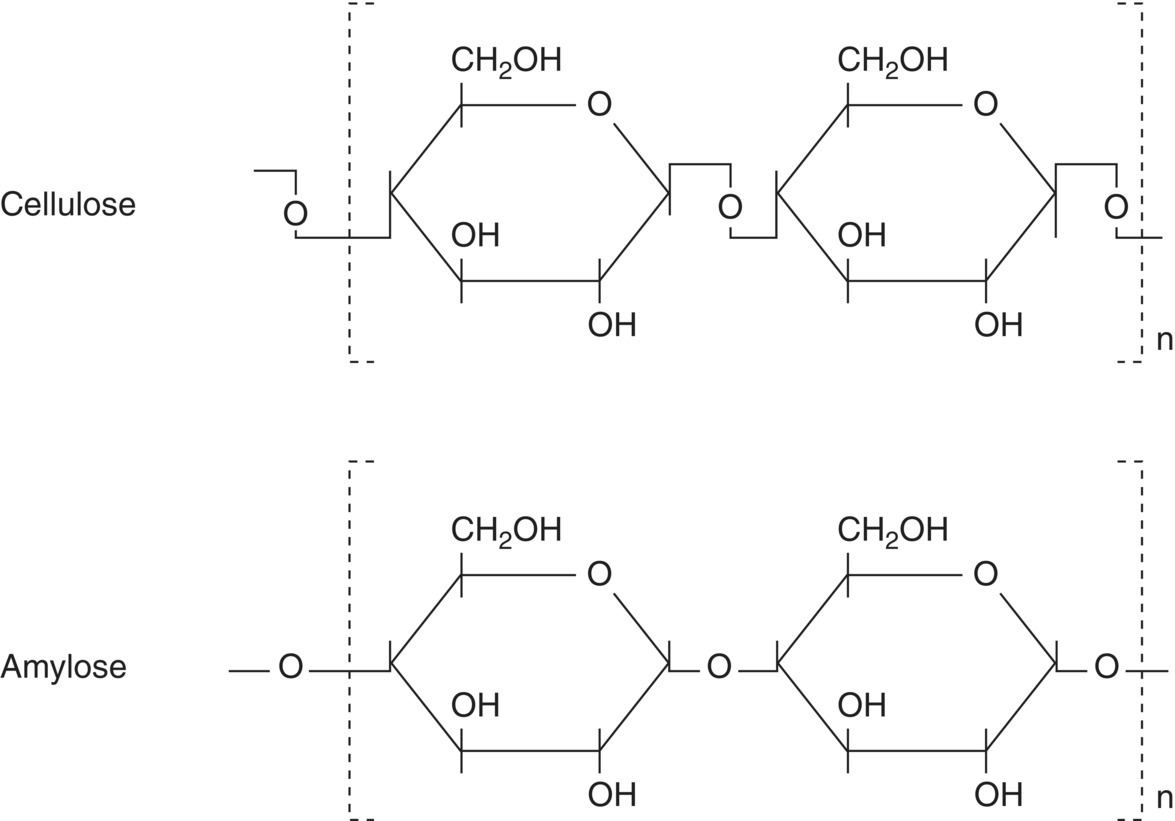
Figure 10.2 Structural formulae of cellulose and amylose.
The effect of linkage of the sugar moieties on biological stability is best exemplified by comparing the structures of two glucopyranose: amylose and cellulose (Figure 10.2). Amylose (α‐(1→4)‐D glucose) is usually decomposed in soil in a matter of hours whereas cellulose (β‐(1→4)‐D‐glucose) has a half‐life in soil that may be measured in years. Amylose is hydrolyzed to simple sugars by a single enzyme, amylase. In contrast, a complex of enzymes is required for disruption of the crystalline structure and cleavage of cellulose into monomers (e.g. Béquin 1990). Specific enzymes are required to disrupt the crystalline structure of cellulose before it can be hydrolyzed. Chitin (β‐(1→4)‐N‐acetylglucosamine) also has a rigid structure that is resistant to most soil bacteria.
In contrast to the reasonably simple structures of the above polysaccharides, the bacterial cell wall (Figure 10.3) is composed of regular repeating units of N‐acetylglucosamine and N‐acetylmuramic acid interlinked by short peptide chains. A degree of biodegradation resistance is anticipated since these substances protect the easily metabolized substances comprising bacterial cytoplasm from degradation. Bacterial cell wall polymers are significant sources of mineral nitrogen following death and mineralization of the bacterial cell.
Hemicellulose is second in abundance in plant tissue only to cellulose. It is found in proximity to cellulose in primary and secondary cell walls. Structurally, the only commonalty between cellulose and hemicellulose is that they are both polysaccharides. Two groupings of hemicellulose are found in soil – homoglucans and heteroglucans. Homoglucans, the less common grouping, consist of single monosaccharide units. Examples include xylan (polyxylose), mannan (polymannose), and galactan (polygalactose). Heteroglycans are composed of more than one monosaccharide or uronic acid. Most contain 2–4 different monosaccharides, but examples of 5–6 components are detected. The most abundant moiety is listed last in the name, for example mannose for glucomannan and arabinomannan. Hemicelluloses are structurally complex, containing 50–60 monosaccharide units with branching. A small group of monosaccharides (xylose, arabinose, mannose, glucose, galactose, glucuronic acid, and galacturonic acid) provide the bulk of the sugar moieties of hemicelluloses.
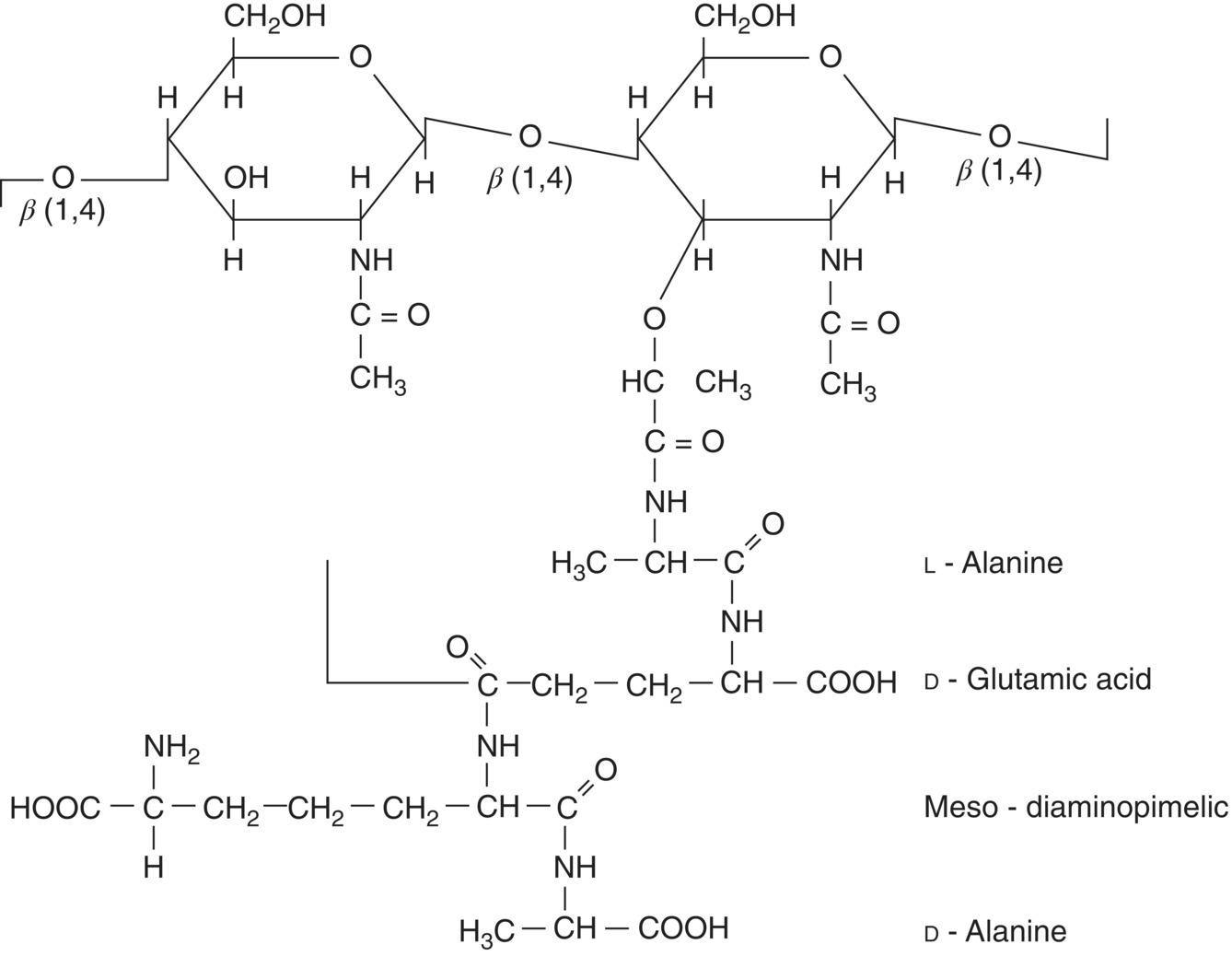
Figure 10.3 Structural formula for Escherichia coli peptidoglycan cell wall structure.
Lipids are a more heterogeneous group of soil organic compounds. This soil component is defined operationally. Soil lipids are those soil organic components that are soluble in organic solvents. They include fats, waxes, and resins. Chemical components include waxes (long chain fatty acids and higher chain aliphatic alcohols and some cyclic alcohols), organic acids (both short and longer chain), normal paraffins (C16 to C32) as well as polycyclic hydrocarbons. The latter groups include polycyclic aromatic hydrocarbons, sterols, terpenoids, and chlorophyl. (See Stevenson 1994 for a more complete discussion of these compounds.)
Lignin is a major component of plant biomass. Stems of woody angiosperms contain between 18% and 25% lignin (on a dry weight basis). For comparison, gymnosperms are composed of 25–35% lignin whereas 10–30% of the weight of monocotyledons is lignin (Crawford 1981). Lignin is a random polymer of sinapyl, coniferyl, and coumaryl alcohols containing a variety of complex organic linkages that are considerably less common than those in other plant substituents. Spruce (Picea abies), for example contains 48% arylglycerol‐β‐aryl ethers, 6–8% noncyclic benzyl aryl ethers, 9.5–11% biphenyl, 7% 1,2‐diarylpropane structures, 9–12% phenylcoumaran structures, and 3.5–4% diphenyl ethers (Crawford 1981). Due to the complex aromatic structure of this plant component, lignin is decomposed slowly in soil (see Kirk and Farrell 1987 for discussion of the biochemistry of lignin decomposition). The most labile components of this complex molecule are the side chains and methoxyl groups. For example, after a six‐month incubation period in a neutral sandy loam, about 23% of the ring carbons and 2‐carbons and 39% of the methoxyl carbons of coniferyl alcohol units linked into model and cornstalk lignins were evolved as carbon dioxide (Martin and Haider 1979). (See Tate 1987 for a more detailed examination of the decomposition of this compound in soil.)
Summary points regarding the decomposition of lignin that are useful for evaluation of the impact of lignin on the rate of plant carbon cycling through soil are as follows.
· The complexity of the structure results in extended residence time for the plant carbon contained in lignin in soil.
· Although lignin contains a variety of chemical components that could yield energy to growing microbes, recovery of this energy by the soil microbial community is unlikely. The variety of components and their random assembly into the lignin molecule increase the quantities of energy that the microbes must expend to recover energy from the mineralization of lignin. This includes that energy expended in the production of enzymes involved in their mineralization.
· The extended residence time of lignin results in incorporation of significant portions of the lignin molecule into soil humic acids. This extends further the longevity of these carbons in the soil ecosystem.
Humic substances are the most biodegradation‐resistant component of soil humus. Although lignin presents a formidable barrier to microbes instrumental in cycling organic carbon entering or contained within the soil ecosystem to mineral pools, an even more complex structure is encountered by soil microbial populations active in mineralization of humic and fulvic acids. Humic acids are random aggregates of aromatic and aliphatic moieties. Molecular weights for these substances have been shown to range from a few thousand to over 1 million daltons (e.g. Stevenson 1994). Malcolm (1990) specified a molecular weight range for soil humic acids of 50 000–500 000 Da. Although traditional concepts of the generalized structure of humic acids are based on the assumption that these substances are predominantly aromatic, recent research has shown that humic substances are characterized by a range of aromaticities (Malcolm 1990). Some humic acids are predominantly aliphatic whereas others (as traditionally believed for all humic acids) are composed of nearly all aromatic ring‐containing substituents. For example, Hatcher et al. (1981) calculated aromaticities for humic acids from a variety of climatic zones ranging from 35% to 92%. Thus the commonly encountered hypothetical structure of humic acids must be interpreted to contain representative aromatic and aliphatic moieties, but the ratio between these individual components differs from that shown in general models (see Stevenson 1994 for examples of these molecular models). See Chapter 1 as well as Piccolo (2001), Piccolo and Mbagwu (1990), and Piccolo et al. (2002) for further discussion regarding humic acid structures.
A variety of proteins and polysaccharides may be covalently bound to the humic acid molecules. Furthermore, organic compounds entering soil or produced therein may become associated with humic acids through a variety of associations (e.g. hydrogen bonding, van der Waals forces, ionic bonds). Individual components of the humic acid complex may be microbiologically synthesized aromatic compounds, xenobiotic compounds, such as pesticides, or even extracellular proteins and polysaccharides released into the environment by microbial and plant biomass either as a normal process of cellular metabolism or through death and decay of the biomass. Additionally, low molecular weight organic substances may become stabilized within the large humic acid molecule through noncovalent linkages (predominantly weak molecular interactions, such as hydrogen bonding and van der Waals interactions). These interactions may be nearly as stable as associations involving covalent bond formation (Dec and Bollag 1997). Also, stable, noncovalent interactions of humic acid and hydrophobic organic substances can occur in hydrophobic regions of the molecule (micelles or of smaller extent) of the humic acid molecule (von Wandruszka 1998).
The soil fulvic acid fraction contains a mixture of organic compounds that includes monosaccharides, oligosaccharides, polysaccharides, amino acids, peptides, organic acids, and fulvic acids. Removal of the defined organic compounds through ion exchange chromatographic procedures (Malcolm 1990) leaves the more ill‐defined soil organic component, fulvic acid. Fulvic acid is composed of a light brown, low molecular weight organic material of only a postulated composition. These materials have a molecular weight range of about 1000–5000 Da (Malcolm 1990) and are more oxidized than humic acids. Their origin in soil is more problematic. They may be decomposition products of the larger, more complex humic acids, precursors of these molecules, or, more likely, both.
Humic and fulvic acids present a formidable, but not insurmountable, barrier to the microbes involved in mineralization of soil organic matter. A long list of papers have been published in which it is concluded that specific microbial strains with the capability of mineralizing these complex compounds have been isolated (e.g. Andreyuk and Gordienko 1978; Andriiuk et al. 1973; Blondeau 1989; Fedorov and Il'ina 1963). The fact that an equilibrium level of these substances is reached in soil further indicates that these substances are mineralized, albeit at a slow rate, in the soil environment. The latter conclusion is supported by the fact that ages of humic acids in soils have been estimated to range from a few decades to several thousands of years (Stout et al. 1981).
Examination of the structure of soil humic acids and of their distribution in soil reveals two sources of the resistance of these substances to microbial catabolism. Biochemical stability is derived in part from (i) the diversity of the components of the molecule and (ii) the random distribution of the individual components within the humic acid structure distribution. For a microbial species to utilize these complex molecules for a carbon and energy source, a large number of enzymes would have to be synthesized. The energy expended by the cell in producing the enzymes would most likely exceed that which could be derived from catabolism of the complex aromatic/aliphatic structure. Further impediments to microbial decomposition of humic acids develop from the association of the large molecule with soil minerals, especially clay particles. This chemical and physical interaction would inhibit approach of the molecule by either cells or enzymes (Theng et al. 1989).
Because of the diversity of the biological compounds associated with humic acids either through covalent linkage or a weaker association, the potential does exist for microbes to gain at least a limited amount of energy from catabolism of portions of the humic acid molecule. The most easily envisioned mechanism for energy production would be the mineralization of humified proteins and polysaccharides. Even the oxidation of these normally easily decomposed substances would be slow when they are associated with the large humic acid molecule. The approach of the protease or hydrolase would be inhibited physically by the obtrusive aliphatic/aromatic humic acid component. Thus, it can be proposed a priori that the organisms involved with mineralization of humified substances would be slow growing. This hypothesis appears to be true in that most reports of microbial growth on humic acids involve the activity of slow‐growing bacteria such as Actinomyces spp., Nocardia spp. and related microbes (e.g. Andreyuk and Gordienko 1978; Andriiuk et al. 1973; Blondeau 1989; Fedorov and Il'ina 1963).
Linkage of the observations that (i) humic acid molecules are decomposed biologically, (ii) oxidation of the random structure of the aliphatic/aromatic portion of the molecule would not yield sufficient energy to support microbial growth, and (iii) humified polysaccharides and proteins could be oxidized to yield energy suggests that in the vast majority of situations, the soil microbial community decomposes the aliphatic/aromatic humic acid core cometabolically. Energy for microbial growth could be supplied by oxidation of the humified proteins and polysaccharides as well as by nonhumified organic matter located in the same microsite as the humic acid molecule.
10.2.2 Analysis of Soil Organic Carbon Fractions
Difficulties in quantifying components of soil organic matter are not generally the result of shortage of analytical methods. An immense and diverse body of literature exists in which the quantification of xenobiotic chemicals or specific biologically synthesized compounds has been described. Primary difficulties result from attempts to apply the methods developed for analysis of reasonably homogeneous or mildly complex samples to chemically complex soil samples. Association of the target organic compound with humic substances or soil minerals reduces recovery efficiencies. Furthermore, the chemical and physical reactivity of soil organic components may be enhanced during the extraction period, thereby creating a diverse array of procedural artifacts. Thus, implementation of any analytical procedure for use with soil systems requires modification in order to maximize extraction efficiency and minimize artifact generation.
Analysis of a defined organic component (e.g. pesticides and other xenobiotics) in a heterogeneous matrix is complicated by the degree of interaction of various substituents with soil organic and mineral components. The intensity of the extraction procedure employed necessarily varies depending on the extent of association of the organic grouping of interest with the mineral and humic components, the complexity of the material to be extracted, and the solubility of the substance to be analyzed. The least complex procedure would be that applied to analysis of substances in soil interstitial water or easily separated from particulate substances; for example, the extraction of free carbohydrates, water‐soluble proteins, or simple organic compounds (e.g. acetate, amino acids) with water or ethanol. As the solubility of the organic component in water decreases or the association with soil minerals increases, use of more stringent extractants is necessitated. Differential solubility is commonly utilized to separate soil mineral and organic fractions. This situation is exemplified by the utilization of ether or methylene chloride to extract aliphatic compounds. Perhaps the most extreme extraction procedure is the separation of humic substances from mineral matter with strongly alkaline solutions (usually 0.5 M NaOH).
A clear understanding of the limitations of each fraction procedure is necessary to determine its general applicability as well as to interpret the data yielded. Concerns range from the more mundane (e.g. how to remove the soil from the extraction suspension) to the highly critical determination of artifacts resulting from the extraction procedure. Some specific questions regarding soil organic matter fractionation include the following.
· What is the best method to reduce mineral contamination of the extract? Soil extracts contain mixtures of the target compound plus dissolved soil minerals and suspended colloidal minerals, such as clays. The degree of contamination with soil mineral colloids and salts is termed the ash content of the extract. Since these substances interfere with many of the analytical procedures used to quantify soil organic fractions subsequent to extraction, they must be removed or minimized. Ionic contaminants may be removed with ion exchange resins. Mineral inclusions (e.g. clays) are reduced by pretreatment of the soil with hydrofluoric acid prior to extraction.
· Does the extraction procedure modify the organic carbon pool? Strongly acidic or alkaline solutions are frequently utilized to dissociate soil organic components from soil minerals. This may result in oxidation, hydrolysis, or even total destruction of some compounds. Polysaccharides and proteins may be hydrolyzed under acidic conditions. The oxidation state of humic acids is increased under alkaline conditions in the presence of oxygen. Furthermore, some amino acids are destroyed by heating in the acidic solutions generally used for extraction of proteins from soil.
· Are the extractions quantitative? Two questions are generally considered in evaluating a procedure for extracting organic matter from soil: Is the procedure efficient? Is the array of compounds contained in the extract representative of that existing in situ? An indication of the proportion of material extracted is required for determination of in situ concentrations but for many studies, a representative sample not total extraction is acceptable. As long as a representative, reproducible extraction of the organic matter is conducted, 100% efficiency is not required. Difficulties are encountered if not all components of a fraction are contained in an extract or if their ratio is altered by the extraction procedure. For example, should it be of interest to elucidate the diversity of polysaccharide monomers in an organic soil, all polysaccharide pools must be represented in the extract in proportion to their occurrence in soil. This mixture of sources includes the more easily extracted plant‐associated materials as well as those less readily solubolized, bacterially synthesized heteropolysaccharides coating soil minerals.
· How does the extraction procedure affect postextraction analysis? Due to the complexity of soil and the intensity of the extraction procedure necessitated by the association of organic materials with soil mineral and humic components, it is not uncommon to produce a soil extract containing high concentrations of substances that interfere with subsequent characterization of extract components. Probably the best example of this situation is the fulvic acid fraction. The high salt content in the fraction necessitates extensive purification of the extract before the individual organic components can be characterized.
Specific extraction procedures for analysis of soil organic matter typically involve dissolution of the organic matter in strongly alkaline or acid solutions (Stevenson 1994). All the questions listed above pertain to these procedures. These methods are characterized by the intensity of the extractants (highly acidic or alkaline solutions), incomplete removal of the fraction from soil, modification of the substance of interest during extraction, and production of an extraction solution that must be neutralized and desalted prior to analysis.
These limitations of extraction procedures create significant problems with data interpretation, particularly in comparing results attained with different soils or laboratories. Data must be interpreted with the understanding that extraction efficiencies may vary with soil type and that the degree of modification of the soil organic component during extraction may not be equivalent for different laboratories. The latter condition is particularly acute when examining historical data in that many early experiments were conducted without an appreciation of the potential for creation of artifacts by the extraction procedure. For example, the alkaline extraction of soils must be conducted under a nitrogen atmosphere to reduce oxidation of the organic matter. See Stevenson (1994) for a more detailed discussion of specific procedures used in isolation of soil organic matter fractions, their applicability, and limitations.
10.2.3 Structural versus Functional Analysis
As outlined in the previous section, procedures for analyzing organic components in soil are reasonably straightforward. For the soil microbiologist, the greater difficulty is derived from the fact that provision of a quantity and identity of a chemical entity in soil achieves only a minor portion of the objective. Experimental objectives usually require determination of a specific role of the organic materials in the soil ecosystem. None of the extraction procedures for soil organic matter used differentiate organic matter pools on a functional basis. More commonly, substances are extracted and quantified based on their solubility (e.g. humic substances), chemical class (e.g. protein, polysaccharide, lipid), or even distribution in specific biomass components (microbial, plant, or animal). Thus, the soil extracts contain a mixture of functionally active and inactive materials. For example, polysaccharides that are actively contributing to microbial respiration may be found in the fulvic acid, humic acid, and humin soil fractions. In contrast, protein, all of which can be quantified in an acid hydrolyzate of soil, is a mixture of protein directly contributing to soil respiration as well as biodegradation‐resistant or chemically stabilized protein (i.e. that protein stabilized by covalent linkage into soil humic substances).
The capacity to analyze soil organic matter fractions based on their role in the ecosystem is limited. One approximate division of soil organic substances of some functional value – at least conceptually – is separation based on decomposition susceptibility. Organic components may be classified as being easily (readily) decomposable or relatively biodegradation resistant. This elementary division allows discernment of that portion of fixed carbon that provides energy for growth and development of the rapidly dividing microbial populations and that fuels those more ephemeral processes commonly associated with hourly, daily or even seasonal changes in soil carbon as opposed to the more constant processes driven by the gradual decomposition of the more stable organic fractions.
By definition, readily metabolized soil organic matter provides a carbon and energy source for the soil microbial community with a minimal energy expenditure by the microbe. The microbial investment in energy acquisition involves synthesis of catabolic enzymes and direct substrate activation (as exemplified by substrate‐level phosphorylation of glucose in the hexose monophosphate pathway of glucose catabolism). Compounds which require the action of a few enzymes prior to producing energy to the microbe are more easily decomposed than complex substances requiring interaction with a variety of enzymes prior to imposition of an oxidative change that provides energy to the microbe. The greater the energy deficit created by the microbe in preparation for catabolism of a substance, the less likely that the substance will serve as a primary energy source for the soil microbial community. For example, glucose and other monosaccharides; disaccharides, such as sucrose; amino acids; proteins; polypeptides; and simple aromatic compounds are all classified as easily metabolized compounds. Humic substances and lignin are extreme examples of more biodegradation‐resistant substances.
In conclusion, a useful means of grouping compounds into readily decomposed and biodecomposition‐resistant fractions is to evaluate the diversity of enzymes that must be synthesized to mineralize the substrate in relationship to the quantities of energy provided to the microbes. Simple organic compounds are easily decomposed and provide adequate energy to support viable microbial populations. Similarly, polysaccharides, although they may have extended longevity in soil as long as a few years, still yield growth‐supporting energy with minimal expenditure by the microbes for enzyme synthesis. In contrast, considerable energy for microbial growth is contained in lignin and humic acids, but the energy expenditure involved in enzyme synthesis that would be required for the microbes to recover this energy in growth‐supporting quantities is prohibitive.
Impact of physical distribution in soil on oxidation of readily metabolized carbon sources: Inherent properties of a chemical compound are primary contributers defining its longevity in soil, provided that the substance exists in a free state and the microbial community (or their enzymes) enjoys unimpaired access to the material. Limitations to this access include the probability of interaction of the substance with the cell (i.e. the lower the concentration of the carbon/energy source, the less likely it is to be mineralized). Similarly, protection of the decomposable organic material by soil aggregates or inclusion within a partially decomposed or dead microbial cell reduces the substance's oxidation rate. Specifically in the latter situation, all cytoplasmic components, irrespective of their mineralization potential, are precluded from microbial attack until the plant or microbial cell wall is breached. Similarly, access to these energy‐yielding substances is also precluded or limited sterically by linkage to soil humic acids.
Carbon dioxide yields from catabolism of easily metabolized substances: The role of readily decomposable organic compounds in soil carbon cycling is unquestioned. These compounds are the primary sources of energy and nutrients in an active soil ecosystem. Acetate catabolism in soil provides an excellent example of the decomposition kinetics and fate of this chemical grouping. After six days of incubation in soil, typically greater than 70% of acetate carbon is usually evolved as carbon dioxide, with the remainder incorporated into microbial biomass components, such as carbohydrates and amino acids (Sørensen and Paul 1971). Similarly, Kassim et al. (1982) found that as much as 90% of the carbon contained in readily decomposable compounds could be accounted for by carbon dioxide evolution Additionally, with inclusion of the carbon incorporated into microbial biomass into the calculation, a total of 95% of the readily decomposable carbon was accounted for.
These decomposition efficiencies are sufficiently reproducible that if they are not achieved where anticipated, the procedure must be carefully reevaluated. If less than about 70% of the carbon contained in a readily decomposable substance is evolved as carbon dioxide, either an error in experimental design may have occurred or some unanticipated soil property is inhibiting microbial activity. An example of the former situation is an incubation of a bulk soil sample where the soil moisture was not maintained throughout the experimental period. Declines of the soil water level to levels limiting microbial activity would result in an underestimation of the biodegradation potential of the soil microbial community. Alternatively, an environmentally meaningful result could have been occluded by a failure to account for all the potential fates of the compound. An experimenter may assume that all the amended substance should be mineralized to carbon dioxide. That reaction could occur, but insufficient carbon dioxide could be detected to account for total mineralization of the compound. This result could occur in a soil system where the pH of the soil favors conversion of carbon dioxide to bicarbonate and carbonate (pH > 7). The true quantity of carbon dioxide generated by carbon mineralization could be revealed by treatment of the soil sample following the incubation period with hydrochloric acid, thereby allowing for the chemically retained carbon dioxide to be contained within the gas phase.
For comparison, a small portion of the carbon contained in a biodegradation‐resistant compound is evolved as carbon dioxide, even after extended incubation periods. In a study of melanin decomposition, after a one‐year incubation period, between 5% and 13% of the carbon had been evolved as carbon dioxide, with less than 0.7% of the carbon retained in microbial biomass (Stott et al. 1983). With this class of compounds, the bulk of the amended carbon is retained in unmodified or slightly changed parent molecules. The biodegradation‐resistant compounds have an increased probability of being incorporated into soil humic substances (Tate 1987).
10.2.4 Microbial Mediators of Soil Carbon Cycle Processes
The concept of microbial infallibility presented above was soundly based on an appreciation of the diversity of microbial species that function as primary decomposers in soils. Biologically synthesized organic carbonaceous compounds are mineralized in essentially all soil systems where biological life is supported by the chemical and physical properties of the site. Organic carbon compounds are oxidized in soil with a variety of compounds, such as nitrogen oxides, molecular oxygen, organic substances, and sulfur compounds, serving as terminal electron acceptors. Active populations include primary decomposers (bacteria, actinomycetes, and fungi) as well as secondary feeders.
The breadth of organisms involved in carbon mineralization is exemplified by listing a portion of the microbial world involved in cellulose catabolism. This primary soil community energy source is used as a carbon and energy source by fungi (including Alternaria, Aspergillus, Chaetomium, Coprinus, Penicillium, Phanerochaete, Polyporus, Rhizopus, Trichothecium, and Zygorhynchus), yeasts (including Kluyveromyces and Candida), actinomycetes (including Micromonospora, Microbispora, Nocardia, Streptomyces, and Streptosporangium), as well as a wide variety of commonly occurring bacterial genera (including Bacillus, Cellulomonas, Clostridium, Corynebacterium, Cytophaga, Pseudomonas, Sporocytophaga, and Vibrio) (Béquin 1990).
Considering the vast number of microbial genera involved in carbon cycling processes, a functional division of cycle participants is commonly more useful in assessing metabolic potential and kinetics individual soil sites than is a detailed analysis of the microbial species present in the sample. Perhaps the most commonly encountered grouping of soil microbes is based on growth substrate and the rate of catabolism of the substrate. For example, soil bacteria may be grouped into such metabolic categories as amino acid oxidizers or cellulose degraders. The capacity of the carbon substrate to provide energy for growth and the capability of the microbial species to compete with other members of the microbial community result in their separation into two groups based on growth rate. Rapidly growing soil bacteria, which are primarily involved in catabolism of easily metabolized or fresh biomass, are termed zymogenous bacteria. The slow‐growing organisms (i.e. those predominantly associated with the steady decomposition of native soil organic matter) are classed as autochthonous (Winogradsky 1924).
Growth substrate/rate division of soil bacteria is useful to some degree but, as the metabolic diversity of the various species (especially members of the genera Arthrobacter and Pseudomonas) and their survival capacity in soil are elucidated, it becomes clear that an unequivocal separation of soil microbes into these defined groups is difficult. This delineation of soil bacteria is further complicated by the observation that growth rate of an organism is the result of the expression of genetically determined capabilities within the physical and chemical framework of the soil microsite. Thus, an organism that grows rapidly with an easily metabolized substrate as a source of carbon and energy source in the test tube may have generation times of days or longer in soil. Autochthonous or zymogenous designation becomes cloudy at best.
Other large‐scale groupings that are commonly encountered, which are perhaps as tenuous as the autochthonous/zymogenous grouping, include division of the soil population into native and alien species and, a more modern apparition of this separation, natural vs bioengineered. As with the bipartite division of autochthonous and zymogenous bacteria, these designations are useful in clear‐cut cases, but become confusing or even convey an erroneous impression of the diversity of the soil system with the more cosmopolitan or even with little‐studied microbes. For example, organisms alien to the soil system could be cynically defined as those that have not to date been isolated from soil. In such situations, future studies would result in “alien” becoming “native.” Further confusion may be derived from varying degrees of inclusiveness associated with native. Is a determination of native soil organisms related to a specific soil site, ecosystem, or all terrestrial soils? Difficulties with designations of bioengineered vs natural will likely emerge as nonengineered organisms with the same or nearly identical genotypes to the laboratory‐produced microbes are isolated from soil.
A caveat associated with analysis of data in which soil microbes are divided into any of these general groupings is that the subjectivity of the decision process must be evaluated to assure that bias has not been introduced into the conclusions of the experimental study as a result of this artificial grouping of soil populations.
Many current studies have used phospholipid fatty acid analysis as well as DNA analyses to assess relationships of soil microbes due to plant growth as well as soil physical structure. Kravchenko et al. (2014) used 16sRNA pyrosequencing analysis to elucidate the influence of interaggregate pore structure on phylogenetic compositions of the bacterial community in macroaggregates. The results support the conclusion that the legacy of the rhizosphere presence relating to interaggregate pore structure as well as microbial community composition can be sustained for 4–9 months. The data also suggested that sieving of soil samples could obscure meaningful changes in the microbial community composition.
Real‐time quantitative polymerase chain reaction (PCR) is a method currently used to examine the impact of elevated carbon dioxide and moisture limitation on total bacterial 16S rRNA and denitrifier (nosZ genes). They found little impact of elevated carbon dioxide on bacterial abundance, as well as soil carbon and nitrogen concentrations. But in the microaggregates under low‐moisture conditions, the microbial populations, as assessed via the PCR procedures, increased. That is, an impact of the low‐moisture conditions was increased formation of microaggregates, which in turn supported enhanced microbial growth. Additional examples of such studies include those of Denef et al. (2009), who assessed impacts of management on microbial populations variation, and Ladygina and Hedlund (2010) who evaluated microbial population changes due to plant growth.
10.3 Kinetics of Soil Carbon Transformations
Identification and quantification of the proportion of the soil carbon distributed in various organic matter pools is both interesting and useful. But, in reality, from the view of determining the impact of this soil component on our ecosystem, movement of carbon between these various pools and rate of return to the atmosphere are better descriptors of the dynamics of carbon cycle processes occurring in any specific soil site. As discussed above, questions that are dependent upon carbon flux measurements (kinetics of the process) include evaluation of such terrestrially important processes as the capacity of the soil community to reduce or modulate atmospheric carbon dioxide concentrations and its utility in recycling organic wastes.
A variety of mathematical models have been developed in which carbon mineralization processes in soil and the effects of soil environmental properties are described (see Manzoni et al. 2014; Tate 1987). Based on the observation that most carbon mineralization results from biological decomposition, it would be reasonable to assume that the carbon transformations are best described by Michaelis–Menten kinetics (see Chapter 6). When evaluating the decomposition of simple biochemicals, their decomposition can easily be described by this simple descriptor of enzyme kinetics or similar equations describing microbial growth kinetics (the Monod equations). Unfortunately, because of the complexity of the populations catalyzing the processes, these models are rarely applicable in assessing microbial metabolic processes in soil.
More commonly, organic carbon‐based substances decomposed in soil are a complex mixture of biochemicals that are decomposed by a variety of soil microbes as described above in a heterogeneous ecosystem. In this situation, carbon dioxide flux rates are a summation of the kinetics of individual biodegradation processes. Thus, any Michaelis–Menten type relationships could be obscured by the variety of active microbes present, the diversity of carbon‐based substrates catabolized, differences in individual growth rates and enzyme efficiencies, and variation in the impact of the physical environment on the activity of the organisms and the enzymes. That is, kinetics of carbon dioxide evolution become the sum of all sources of this gas. Therefore, the rate of decay of these substances is frequently more easily described by a simple first‐order equation with a series of terms for each biochemical group present in the complex substrate. A generic representation of the equation is as follows:
(10.1)
where C1 and C2 are concentrations of the individual organic carbon fraction, t is time, and k1 and k2 are decomposition rate constants. An individual term could be added to this equation for each biochemical component of the complex organic substance studied, but experience demonstrates that the decomposition rates can be grouped into readily metabolized and more biodegradation‐resistant fractions. That is, the decomposition of complex organic substances in soil is biphasic (Figure 10.4) with an initially rapid decomposition period (predominantly due to readily metabolized or labile organic carbon decomposition) followed by a slow decomposition phase (resistant and occluded organic matter). The magnitude of the rapid decomposition phase is proportional to the quantity of readily decomposed organic matter in the tissue and its accessibility. This phase could represent the majority of the carbon contained in the substrate (succulent green grass tissue mixed into soil) or a minority of the carbon (woody tissue).It must be noted that there is a certain amount of arbitrariness associated with the biodegradation susceptibilities associated with each portion of this biphasic curve. Some of the carbon dioxide produced during the rapid decline phase (initial decomposition portion of the curve) is the result of mineralization of a portion of the more resistant biomass components. These substances are clearly mineralized throughout the incubation period, just at a much slower rate than is associated with the easily decomposable pool. Furthermore, some of the carbon dioxide produced late in the incubation period is the product of mineralization of those easily metabolized compounds whose decomposition kinetics reflect those of the more resistant substances. As indicated above, this phenomenon is the result of the fact that the degradable substances are protected by the resistant materials (e.g. located within a plant cell wall) and thus can only be mineralized after the barrier is breached.
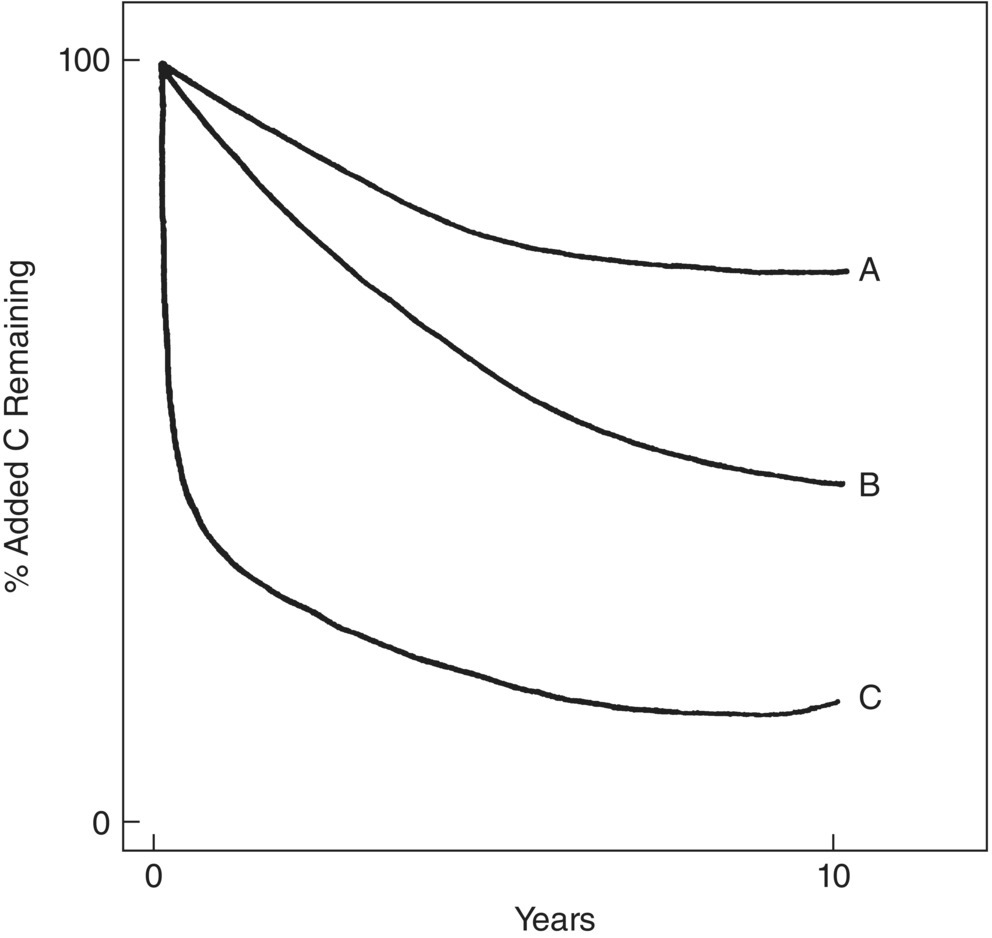
Figure 10.4 Biphasic decomposition curves for complex organic amendments to soil. The percent easily decomposable organic matter in A << B << C.
Decomposition kinetics of rice and barley straw (Murayama 1984), rye straw and maize (Jenkinson and Ayanaba 1977), and water hyacinth (Eichornia crissipes [Mart.] Solmes) (Moorhead et al. 1986) provide examples of the applicability of this two term equation in evaluating transformations of complex organic substances in soil. These materials are all constituted primarily of labile organic carbon. Therefore, most of their biomass is mineralized to carbon dioxide during the initial year following incorporation into soil. With these types of material, it is reasonable to anticipate that approximately two‐thirds of the carbon will be evolved as carbon dioxide during the first year of incubation in soil. In contrast, first‐year weight loss of leaf litter, which contains more biodegradation‐resistant structures than do the succulent grass tissues and water hyacinths discussed above, has been shown to be considerably smaller (e.g. Fagus grandifolia, 21%; Acer saccharum, 32%; Quercus alba, 39%) (Shanks and Olson 1961).
These data were collected in aerobically incubated soil samples, but similar results can be derived from anaerobically incubated soil samples, if all decomposition products are considered. Gale and Gilmour (1988) derived rate constants for decomposition of alfalfa (Medicago sativa L.) in aerobically and anaerobically incubated soil samples. The aerobically incubated samples were incubated at optimum soil moisture under a carbon dioxide‐free atmosphere whereas the anaerobic soils were flooded under a nitrogen atmosphere. Carbon dioxide, methane, and water‐soluble organic carbon were assayed. Three decomposition phases were distinguished (rapid, intermediate, and slow). Aerobic rate constants were 0.123, 0.059, and 0.0095 day−1 for each phase. The constants for the anaerobic decomposition were slower (0.118 and 0.024 day−1 for the rapid and intermediate phases, respectively). No constant was derived in this study for the slow phase.
These rate constants in the mathematical model are system dependent in that they are the result of the summation of all environmental parameters affecting the decomposition process in the individual site studied at the time of the experiment. Thus, the specific equation derived from any individual study can only be extrapolated to a system with similar properties, such as temperature, pH, moisture, and soil mineral content. The magnitude of the variation in these constants is not only shown in the above study with variation in oxygen tensions, but was also revealed in a comparison of the impact of climate on ryegrass decomposition kinetics in England and Nigeria. Decomposition of ryegrass and maize in Rothamsted, England, was described by the equation:
(10.2)
where t represents time in years. The decomposition of these substances in Nigeria was described by the same equation, except that each decomposition coefficient was multiplied by four. Variations in the decomposition constants due to localized variation in seasonal soil moisture differences and soil type effects were also detected (Ayanaba and Jenkinson 1990). Should the experimental objectives include derivation of an ecosystem‐independent mathematical representation of biomass decomposition in soil, then more extensive models than the two term model described herein must be derived (Tate 1987).
The data collected in the types of experiments described herein are commonly derived by assessing the evolution of 14C‐labeled carbon dioxide from soil samples amended with 14C‐labeled plant biomass. Thus, strictly speaking, in such studies the longevity of the carbon atom in soil organic fractions is being assessed rather than the survival of the actual plant biomass. This distinction is critical in conceptualizing the nature of the organic carbon from which the carbon dioxide is evolved in the latter stages of such a study. Initially, the vast majority of the carbon dioxide collected results from mineralization of added labile plant carbon. During this time of rapid plant biomass decomposition, a portion of the carbon mineralized is incorporated into soil microbial biomass. As time passes, some of the 14C‐label is incorporated into other soil organic matter fractions, such as humic substances, in situ synthesized polysaccharides, and stabilized proteins. Thus, during the slow phase of the decomposition curve (Figure 10.4), the 14C evolved from the soil sample could originate in residual (more biodegradation‐resistant) plant components of the biomass initially added to the soil as well as from the mineralization of soil microbial biomass and humic substances synthesized in situ subsequent to amendment. For example, Sørensen (1987) found that after 8–15 years incubation in soil, the portion of the carbon originally added to a soil sample as barley straw was distributed in the soil amino acid fraction (21%) and microbial biomass (2.7%).
10.4 Conclusions: Management of the Soil Carbon Cycle
The basic properties of soil and the soil carbon cycle reviewed in this chapter demonstrate and support the conclusion that the soil microbial community is a basic mediator of a variety of soil processes required for development of a productive and sustainable ecosystem. Additionally, it is noted that appropriate management of our soils has both regional (e.g. agricultural and recreational uses) and worldwide implications (mediators of climate change). We can reasonably conclude that ecosystem productivity and sustainability rely to a large extent on the activity of the soil microbial community, especially for energy and nutrient transformations. Microbes are major players in sustaining the productivity of soils whether they are supporting food production, conducting those processes essential for sustaining our natural parks and other conservation sites, or assisting in completing the common cycles associated with disposal of organic wastes.
From the information provided in this text and examples of studies from the primary scientific literature, we conclude that in each of these roles, whether considering food productivity, management of organic wastes, or for esthetic enjoyment, the rate and direction of change of the organic carbon compounds are of greater importance than their mere presence. In soils at steady state, total soil organic carbon contents are relatively constant yet, even in these soils, large quantities of carbon may be cycling between various carbon pools. The products of this carbon cycling include the mineral and organic products required for sustenance of both aboveground animal and plant populations, as well as the soil biological community. These processes can be exemplified by comparing organic matter transformation in grassland soils compared to dry desert soils. In soils with relatively large inputs of fixed carbon, such as a grassland soil, enhanced inputs of carbon and energy result in a more active soil biological community, producing carbon dioxide and a variety of compounds shunted into soil organic matter. Not only will the biological activity increase but the participation of this community in soil improvement (e.g. aggregate production) could be enhanced.
On a global scale, soil site management has a major impact on world carbon balances, especially ecosystems in transition, as exemplified by intensively managed agricultural soils. Such perturbation of soil properties leads to an altered equilibrium concentration of soil organic matter organic matter; that is, a new steady‐state carbon content (and therefore, carbon dioxide flux rate) is achieved.
Soil organic matter contents may range from nearly zero (e.g. desert soils) to approaching 100% (e.g. the organic soils, Histosols, of South Florida). To a large degree, the equilibrium level of soil organic matter depends not only on inputs of organic matter but also on the basic properties of the soil itself and the impact of how the ecosystem is managed. Inappropriate management of a soil site, e.g. excessive cultivation, can result in reduction of soil aggregates and loss of soil structure that often leads to nearly total depletion of the native soil organic matter. In contrast, under swampy situations, soils (Histosols) consisting of essentially 100% organic carbon may be formed (i.e. the flooded conditions of the ecosystem result in preservation rather than loss of soil organic matter). With most mineral soils, a level of a few percent organic matter is usually attained and maintained, both in properly managed and native soil sites. The quantity of organic matter retained in a particular soil is the result of the achievement of a balance between inputs and mineralization as impacted by the physical and chemical properties of the site. Optimization of the organic content of the soil clearly leads to an optimization of soil productivity and sustainability.
Since organic matter synthesis and decomposition are primarily biologically controlled, they can be managed. Modulators of soil biological activity that may be anthropogenically managed include pH, temperature, nutrient concentration, and moisture. Therefore, in conclusion, an improved understanding of the basic transformations of soil organic matter and the environmental parameters controlling its fate allows for the development and application of the appropriate best management practices.
References
1. Aguilar, R., Kelly, E.F., and Heil, R.D. (1988). Effects of cultivation on soils in Northern Great Plains rangeland. Soil Sci. Soc. Am. J. 52: 1081–1085.
2. Alegre, J.C. and Cassel, D.K. (1986). Effect of land‐clearing methods and post clearing management on aggregate stability and organic carbon content of a soil in the humid tropics. Soil Sci. 142: 289–295.
3. Amundson, R. and Jenny, H. (1991). The place of humans in the state factor theory of ecosystems and their soils. Soil Sci. 151: 99–109.
4. Andreyuk, E.I. and Gordienko, S.A. (1978). Transformation of humic acids by soil actinomycetes. Mikrobiol. Zh. (Kiev) 40: 690–697. (Russian).
5. Andriiuk, K.I., Hordienko, S.O., Havrysh, I.N. et al. (1973). Decomposition of peat humic acids by associative cultures of microorganisms. Mikrobiol. Zh. 35: 554–559. (Russian).
6. Armentano, R.V. (1980). Drainage of organic soils as a factor in the world carbon cycle. Bioscience 30: 825–830.
7. Ayanaba, A. and Jenkinson, D.S. (1990). Decomposition of carbon‐14 labeled ryegrass and maize under tropical conditions. Soil Sci. Soc. Am. J. 54: 112–115.
8. Barber, S.A. (1979). Corn residue management and soil organic matter. Agron. J. 71: 625–627.
9. Béquin (1990). Molecular biology of cellulose degradation. Annu. Rev. Microbiol. 44: 219–248.
10. Blondeau, R. (1989). Biodegradation of natural and synthetic humic acids by the white rot fungus Phanerochaete chrysosporium. Appl. Environ. Microbiol. 55: 1282–1285.
11. Bossert, I., Kachel, W.M., and Bartha, R. (1984). Fate of hydrocarbons during oily sludge disposal in soil. Appl. Environ. Microbiol. 47: 763–767.
12. Boyle, M. (1990). Biodegradation of land‐applied sludge. J. Environ. Qual. 19: 640–644.
13. Crawford, R.L. (1981). Lignin Biodegradation and Transformation. New York: Wiley.
14. Dec, J. and Bollag, J.‐M. (1997). Determination of covalent and noncovalent binding interactions between xenobiotic chemicals and soil. Soil Sci. 162: 858–874.
15. Denef, K., Roobroeck, D., Manimel Wadu, M.C.W. et al. (2009). Microbial community composition and rhizodeposit‐carbon assimilation in different managed temperate grassland soils. Soil Biol. Biochem 41: 144–153.
16. Dibble, J.T. and Bartha, R. (1979a). Rehabilitation of oil‐inundated agricultural land: a case history. Soil Sci. 128: 56–60.
17. Dibble, J.T. and Bartha, R. (1979b). Effect of environmental parameters on the biodegradation of oil sludge. Appl. Environ. Microbiol. 37: 729–739.
18. Douglas, B.F. and Magdoff, F.R. (1991). An evaluation of nitrogen mineralization indices for organic residues. J. Environ. Qual. 20: 368–372.
19. Epstein, E., Taylor, J.M., and Chaney, R.L. (1976). Effects of sewage sludge compost applied to soil on some soil physical and chemical properties. J. Environ. Qual. 5: 422–426.
20. Eswaran, H., van den Berg, E., and Reich, P. (1993). Organic carbon in soils of the world. Soil Sci. Soc. Am. J. 57: 192–194.
21. Fedorov, M.V. and Il'ina, T.K. (1963). Utilization of humic acid by soil actinomycetes as a sole source of carbon and nitrogen. Microbiology 32: 234–237.
22. Gale, P.M. and Gilmour, J.T. (1988). Net mineralization of carbon and nitrogen under aerobic and anaerobic conditions. Soil Sci. Soc. Am. J. 52: 1006–1010.
23. Harden, J.W., Sundquist, E.D., Stallard, R.T., and Mark, R.K. (1992). Dynamics of soil carbon during deglaciation at the Laurentide ice sheet. Science 258: 1921–1924.
24. Hatcher, P.G., Schnitzer, M., Dennis, L.W., and Marciel, G.E. (1981). Aromaticity of humic substances in soil. Soil Sci. Soc. Am. J. 45: 1089–1094.
25. Havlin, J.L., Kissel, D.E., Maddux, L.D. et al. (1990). Crop rotation and tillage effects on soil organic carbon and nitrogen. Soil Sci. Soc. Am. J. 54: 448–452.
26. He, X.‐T., Traina, S.J., and Logan, T.J. (1992). Chemical properties of municipal solid waste composts. J. Environ. Qual. 21: 318–329.
27. Jenkinson, D.S. and Ayanaba, A. (1977). Decomposition of carbon‐14 labeled plant material under tropical conditions. Soil Sci. Soc. Am. J. 41: 912–915.
28. Jenkinson, D.S. and Rayner, J.H. (1977). The turnover of soil organic matter in soil of the Rothamsted classical experiments. Soil Sci. 123: 298–305.
29. Jenny, H. (1980). The Soil Resource, Origin and Behavior. New York: McGraw‐Hill Book Co.
30. Kandeler, E., Mosier, A.R., Morgan, J.A. et al. (2008). Transient elevcation of carbon dioxide modifies the microbial community composition in a semi‐arid grassland. Soil Biol. Biochem. 40: 162–171.
31. Kassim, G., Martin, J.P., and Haider, K. (1982). Incorporation of a wide variety of organic substrate carbons into soil biomass as estimated by fumigation procedure. Soil Sci. Soc. Am. J. 45: 1106–1112.
32. Kern, J.S. and Johnson, M.G. (1993). Conservation tillage impacts on national soil and atmospheric carbon levels. Soil Sci. Soc. Am. J. 57: 200–210.
33. Kirk, T.K. and Farrell, R.L. (1987). Enzymatic “combustion”: the microbial degradation of lignin. Annu. Rev. Microbiol. 41: 465–505.
34. Kögel‐Knaber, I. (1993). Biodegradation and humification processes in forest soils. In: Soil Biochemistry, vol. 6 (eds. J.‐M. Bollag and G. Stotzky), 101–135. New York: Marcel Dekker.
35. Kravchenko, A.N., Negassa, W.C., Guber, A.K. et al. (2014). Intra‐aggregate pore structure influences phylogenetic composition of bacterial community in macroaggregates. Soil Sci. Soc. Am. 78: 1924–1939.
36. Ladygina, N. and Hedlund, K. (2010). Plant species influence microbial diversity and carbon allocation in the rhizosphere. Soil Biol. Biochem. 42: 162–168.
37. Malcolm, R.L. (1990). The uniqueness of humic substances in each of soil, stream and marine environments. Anal. Chim. Acta 232: 19–30.
38. Mann, L.K. (1986). Changes in soil carbon storage after cultivation. Soil Sci. 142: 279–288.
39. Manzoni, S.S., Schaeffer, M., Katul, G. et al. (2014). A theoretical analysis of microbial eco‐physiological and diffusion limitations to carbon cycling in drying soils. Soil Biol. Biochem. 73: 69–83.
40. Martin, J.P. and Haider, K. (1979). Biodegradation of 14C‐labeled model and cornstalk lignins, phenols, model phenolase humic polymers, and fungal melanins as influenced by a readily available carbon source and soil. Appl. Environ. Microbiol. 38: 283–289.
41. Mays, D.A., Terman, G.L., and Duggan, J.C. (1973). Municipal compost: effects on crop yields and soil properties. J. Environ. Qual. 2: 89–92.
42. McMurtrie, R.E., Comins, H.N., Kirschbaum, M.U.F., and Wang, Y.‐P. (1992). Modifying existing forest growth models to take account of effects of elevated CO2. Aust. J. Bot. 40: 657–677.
43. Mitchell, M.J., Hartenstein, R., Swift, B.L. et al. (1978). Effects of sewage sludges on some chemical and biological characteristics of soil. J. Environ. Microbiol. 7: 551–559.
44. Moorhead, K.K., Graetz, D.A., and Reddy, K.R. (1986). Decomposition of fresh and anaerobically digested plant biomass in soil. J. Environ. Qual. 16: 25–28.
45. Murayama, S. (1984). Decomposition kinetics of straw saccharides and synthesis of microbial saccharides under field conditions. J. Soil Sci. 35: 231–242.
46. Norris, D.J. (1980). Landspreading of oily and biological sludges in Canada. Proc. Ind. Waste Conf. 35: 10–16.
47. Oades, J.M. (1988). The retention of organic matter in soils. Biogeochem. 5: 33–70.
48. Ouyang, Y. and Boersma, L. (1992a). Dynamic oxygen and carbon dioxide exchange between soil and atmosphere: I. Model development. Soil Sci. Soc. Am. J. 56: 1695–1702.
49. Ouyang, Y. and Boersma, L. (1992b). Dynamic oxygen and carbon dioxide exchange between soil atmosphere: II. Model simulations. Soil Sci. Soc. Am. J. 56: 1702–1710.
50. Piccolo, A. (2001). The supramolecular structure of humic substances. Soil Sci. 166: 810–832.
51. Piccolo, A. and Mbagwu, J.S.C. (1990). Effects of different organic waste amendments on soil microaggregates stability and molecular sizes of humic substances. Plant Soil 123: 27–37.
52. Piccolo, A., Conte, P., Trivellone, E. et al. (2002). Reduced heterogeneity of a lignite humic acid by preparative HPSEC following interaction with an organic acid. Characterization of size‐separates by Pyr‐GC‐MS and 1H‐NMR spectroscopy. Environ. Sci. Technol. 36: 76–84.
53. Polglase, P.J. and Wang, Y.P. (1992). Potential CO2‐enhancing carbon storage by the terrestrial biosphere. Aust. J. Bot. 40: 641–656.
54. Rasmussen, P.E. and Rohde, C.R. (1988). Long‐term tillage and nitrogen fertilization effects on organic nitrogen and carbon in a semiarid soil. Soil Sci. Soc. Am. J. 52: 1114–1117.
55. Richter, D.D., Barbar, L.I., Huston, M.A., and Jaeger, M. (1990). Effects of annual tillage on organic carbon in a fine‐textured udalf: the importance of root dynamics to soil carbon storage. Soil Sci. 149: 78–83.
56. Rogers, H.H., Thomas, J.F., and Bingham, G.E. (1983). Response of agronomic and forest species to elevated atmospheric carbon dioxide. Science 220: 428–429.
57. Scott, H.D. and Wood, L.S. (1989). Impact of crop production on the physical status of a Typic Albaqualf. Soil Sci. Soc. Am. J. 53: 1819–1825.
58. Shanks, R.E. and Olson, J.S. (1961). First year breakdown of leaf litter in southern Appalachian forests. Science 134: 194–195.
59. Sørensen, L.H. (1987). Organic matter and microbial biomass in a soil incubated in the field for 20 years with 14c‐labelled barley straw. Soil Biol. Biochem. 19: 39–42.
60. Sørensen, L.H. and Paul, E.A. (1971). Transformation of acetate carbon into carbohydrate and amino acid metabolites during decomposition in soil. Soil Biol. Biochem. 3: 173–180.
61. Stevenson, F. (1994). Humus Chemistry: Genesis, Composition, Reactions. New York: Wiley.
62. Stott, D.E., Martin, J.P., Focht, D.D., and Haider, K. (1983). Biodegradation, stabilization in humus, and incorporation into soil biomass of 2,4‐D and catechol carbons. Soil Sci. Soc. Am. J. 47: 66–70.
63. Stout, J.D., Goh, K.M., and Rafter, T.A. (1981). Chemistry and turnover of naturally occurring resistant organic compounds in soil. In: Soil Biochemistry, vol. 5 (eds. E.A. Paul and J.N. Ladd), 1–73. New York: Marcel Dekker.
64. Sundquist, E.T. (1993). The global carbon dioxide budget. Science 259: 936–941.
65. Tate, R.L. III (1980). Microbial oxidation of organic matter of histosols. In: Advances in Microbial Ecology, vol. 4 (ed. M. Alexander), 169–201. New York: Marcel Dekker.
66. Tate, R.L. III (1987). Soil Organic Matter: Biological and Ecological Effects. New York: Wiley.
67. Theng, K.G., Tate, K.R., and Sollins, P. (1989). Constituents of organic matter in temperate and tropical soils. In: Dynamics of Soil Organic Matter in Tropical Ecosystems (eds. D.C. Coleman, J.M. Oades and G. Uehara), 5–32. Honolulu, Hawaii: University of Hawaii Press.
68. Vitousek, P.M. (1991). Can planted forests counteract increasing atmospheric carbon dioxide? J. Environ. Qual. 20: 348–354.
69. Von Wandruszka, R. (1998). The micellar model of humic acid: evidence from pyrene fluorescence measurements. Soil Sci. 163: 921–930.
70. Wasaki, J., Rothe, A., Kania, A. et al. (2005). Root exudation, phosphorus acquisition, and microbial diversity in the rhizosphere of white lupine as affected by phosphorus supply and atmospheric carbon dioxide concentration. J. Environ. Qual. 34: 2157–2166.
71. Winogradsky, S. (1924). Sur la microflora autochtone de la terre arable. Comptes rendus ebdomadaire des séances de l'Academie des Sciences (Paris) D 178: 1236–1239.
72. Wood, C.W., Mitchell, R.J., Zutter, B.R., and Linn, C.L. (1992). Loblolly pine plant community effects on soil carbon and nitrogen. Soil Sci. 154: 410–419.
73. Woodwell, G.M., Hobbie, J.E., Houghton, R.A. et al. (1983). Global deforestation: contribution to atmospheric carbon dioxide. Science 222: 1081–1086.