
11
The nitrogen cycle consists of a series of oxidation and reduction transformations of nitrogen. The major processes occurring therein can be summarized as follows (Figure 11.1). Relatively inert atmospheric nitrogen (dinitrogen, N2) is converted into a biologically available form (fixed nitrogen in the biomass of the microbe catalyzing the process). The reduction of dinitrogen into organic nitrogen is nitrogen fixation. This organic nitrogen is mineralized into ammonium (nitrogen mineralization) by decomposer populations. The oxidation of the ammonium to nitrate (nitrification) provides energy to the nitrifiers and produces a form of fixed nitrogen generally used by the plant community. Ammonium and nitrate may be assimilated into microbial biomass (immobilization). The most oxidized form of fixed nitrogen in soil, nitrate, is returned to the atmosphere as dinitrogen and nitrous oxide by organisms using the nitrogen as a terminal electron acceptor (denitrification).
For the practical objective of understanding the magnitude or relative importance of these processes in soil, the soil nitrogen cycle can easily be divided into two “minicycles”: (i) a predominantly soil resident portion consisting of those processes (mineralization, ammonification, nitrification, immobilization) which are associated primarily with the conversion of organic nitrogenous compounds to plant‐available mineral forms and their return to biomass (plant, microbial, and, indirectly, animal); and (ii) the more inclusive cycle (soil as well as the greater biosphere resident processes) entailing the conversion of atmospheric dinitrogen into forms available to the living components of the ecosystem (i.e. nitrogen fixation), the transformations within the soil described above, and the return of the fixed nitrogen to atmospheric dinitrogen (i.e. denitrification). The interrelationships of these two aspects of the nitrogen cycle are depicted in Figure 11.1.
The significance of this positional differentiation of the nitrogen cycle in native environments is readily exemplified and contrasted by comparison with the situation in a climax forest ecosystem and a newly developing soil system, such as would occur with reclamation of a highly impacted mineland soil in which all naturally occurring organic matter has been destroyed. In the forest system, the use of fixed nitrogen sources from external sources (atmospheric deposition and nitrogen fixation) is minimal. As much as 85–90% of the fixed nitrogen incorporated into new plant biomass is derived from mineralization of soil humus and indigenous biomass. The approximately 10–15% of the fixed nitrogen lost from the system (via denitrification, leaching, runoff, etc.) is replaced by a low level of nitrogen fixation. In contrast, for a soil system with little accumulated organic matter, fixed nitrogen must be imported. This task is accomplished by nitrogen‐fixing bacteria. For example, in a pioneer system (volcanic ash or even some mine spoils), indigenous fixed nitrogen resources are minimal. Plant biomass productivity is totally reliant on external resources. Nitrogen can be provided symbiotically by lichens or by free‐living nitrogen‐fixing bacteria (see Chapter 13) or through amendment with organic residues in managed systems.
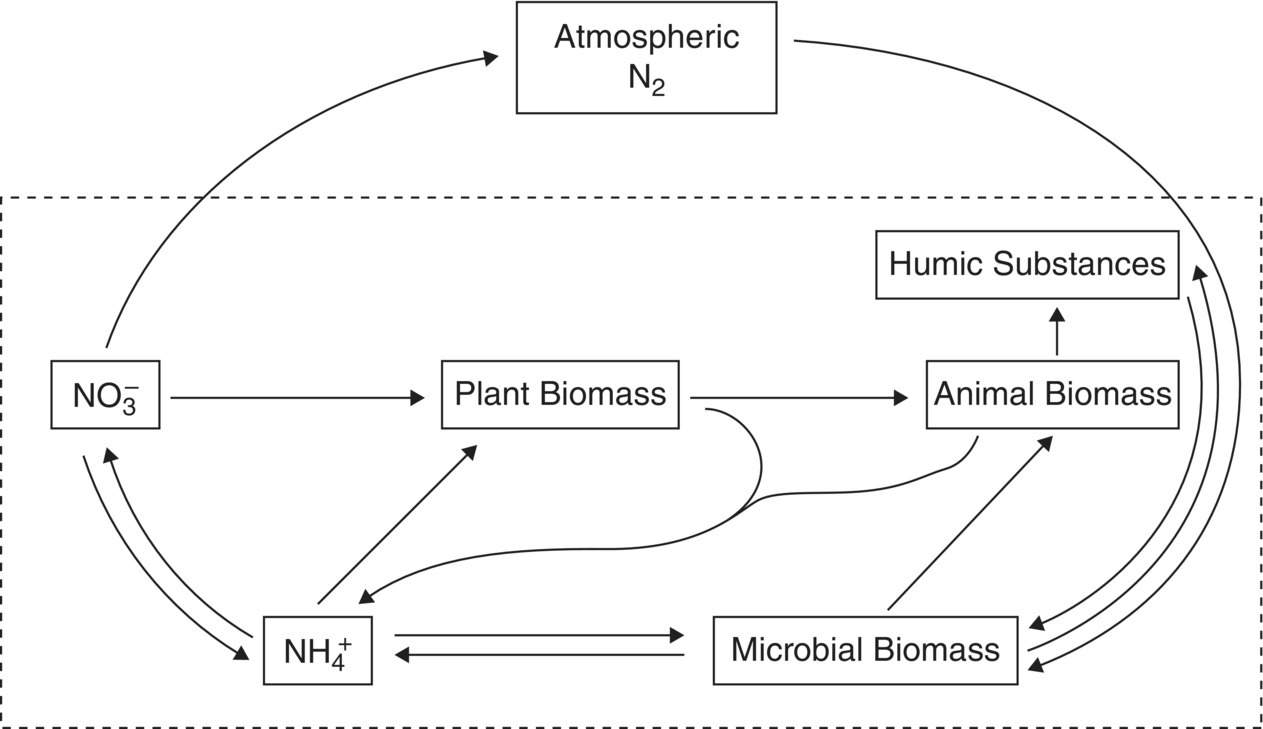
Figure 11.1 Conceptual model of the nitrogen cycle. Nitrogen reservoirs enclosed in the dashed lines are resident in soil whereas dinitrogen is replenished from atmospheric sources.
In those situations where the bulk of the nitrogen utilized for plant biomass synthesis is the product of recycling soil resident nitrogen compounds between organic and mineral forms, homeostasis of the ecosystem can only be maintained if nutrient losses are minimized. Thus, it is advantageous for the majority of the fixed nitrogen contained in soil reservoirs to exist in nonmobile forms, such as organic or biomass nitrogenous compounds and, to some degree, ammonium ion. Fortunately, most of the fixed nitrogen in soil systems is retained in organic nitrogen pools. Typical data demonstrating the distribution of soil nitrogen in organic and mineral forms are presented in Table 11.1. Although soil nitrate and ammonium concentrations are highly variable with time and position in the soil profile, note that these compounds at most comprise a few percent of the total soil nitrogen. In the examples cited, quantities of nitrogen in soil organic matter ranged from about 10‐fold to 500‐fold the mass of nitrogen in mineral forms. (For further discussion of nitrogen distribution in these various soil reservoirs, see Tate 1987 or Stevenson 1986 for a review of the topic, or Bolton et al. 1990, Cabrera and Kissel 1988a, Cassman and Munns 1980, Clarhom et al. 1981 or Serna and Pomares 1992 for examples of primary research into the nitrogen transformations involving these nutrient pools.)
Table 11.1 Examples of nitrogen distribution in mineral and organic forms: agricultural soils from Valencia, Spaina, and soils beneath shrub‐steppe vegetation (south eastern Washington, USA)b
|
Soil |
Organic N |
Mineral N |
Mineral N |
|
Sandy soils (Spain) (n = 9) |
300–2470 |
0–86 |
0–7.1 |
|
Loamy soils (Spain) (n = 9) |
710–2400 |
3–153 |
0.4–6.7 |
|
Clay soils (Spain) (n = 9) |
720–3680 |
3–85 |
0.2–1.8 |
|
Shrub‐steppe soils (n = 15) |
1500–3300c |
3.71–7.00 |
0.2–0.3 |
a From Serna and Pomares (1992).
b From Bolton et al. (1990).
c Total Nitrogen.
This documentation of the predominance of organic nitrogen in soil ecosystems reveals a potential indicator of plant biomass production potential. Since plant biomass synthesis is frequently controlled by the availability of soil mineral nitrogen resources (other potential delimiters of plant productivity include soil moisture, phosphate or trace mineral levels, and a variety of soil physical and chemical properties), assessment of net nitrogen mineralization rates of the internal soil organic nitrogen pools and/or amendment rates of external fixed nitrogen resources can provide a valuable estimation of the fertility of an ecosystem. Nitrogen inputs from sources external to the soil biological community (fixation or soil amendment) are the primary determinants of ecosystem productivity in soils containing low levels of biologically decomposable organic matter or in cropped soils receiving inputs of industrially fixed nitrogen or organic residues.
A conceptual model of the dependence of plant community productivity and structure on nitrogen mineralization is depicted in Figure 11.2. Nitrogen mineralization provides a pivotal base for total biomass production. In an ecosystem with large reservoirs of organic matter (microbial, plant, and animal biomass plus colloidal soil organic matter), the quantity of fixed nitrogen available for plant biomass synthesis is controlled by the balance between nitrogen mineralization and immobilization (Navailable = Nmineralized − Nimmobilized). Due to the heterogeneity of soil and the fact that it is an open system, not all of this available nitrogen is retained in soil biomass. Some fixed nitrogen is lost through denitrification, volatilization, leaching, and runoff of soil water. The total quantity of fixed nitrogen within a soil system is also reduced by plant biomass removal (harvesting by animals in native sites and cropping in agricultural systems) and by soil erosion. (In reality, the fixed nitrogen in the latter reservoirs [harvested biomass and eroded soil] is not lost from the soil system in general, merely translocated to a different specific ecosystem.)
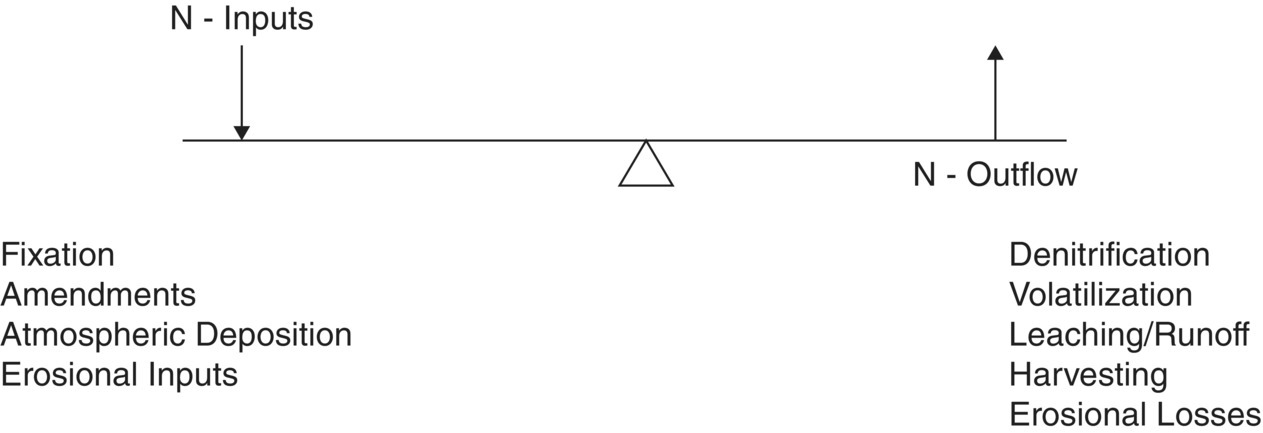
Figure 11.2 Processes contributing to soil nitrogen balance.
In a sustained ecosystem, nitrogen outputs must necessarily be balanced by inputs: nitrogen fixation, plant biomass inputs, atmospheric deposition, erosional deposition or anthropogenic intervention. In a steady‐state system, a balance exists between the rates of mineral nitrogen generating/removal processes and plant growth. Modification of these rates results in establishment of a new biomass productivity steady state wherein these factors would again be balanced. Continued losses of fixed nitrogen without concurrent replacement would eventually result in creation of a biomass desert.
An appreciation of the pivotal role of nitrogen mineralization in the nature and productivity of the plant community of an ecosystem is essential in managed systems. Both excessive nutrient inputs and losses have negative consequences in regard to system sustainability. Fixed nitrogen decrements in agricultural systems commonly arise from crop removal, enhanced leaching of mineral nitrogen, and augmented soil erosion. Conversely, system overloads may occur through excessive organic matter amendments as may be encountered through disposal of sludge, composts, or animal waste materials or overuse of nitrogenous fertilizers.
Based on the essential influence of mineralization, immobilization, and nitrification on stability of soil ecosystems, the objective of this chapter is to evaluate the primary nitrogen cycling processes in soil and the properties of soil which control these reactions. Biological nitrogen fixation will be evaluated in Chapter 13 and denitrification in Chapter 14.
11.1 Nitrogen Mineralization
Simply stated, nitrogen mineralization is the conversion of organic nitrogen to inorganic nitrogen. Since, in soil, ammonium is usually rapidly oxidized to nitrate by nitrifiers, net nitrogen mineralization in an ecosystem is estimated by quantifying ammonium and nitrate concentrations. A determination of the absolute amount of nitrogen mineralized requires quantification of the nitrogen immobilized (see Chapter 10, Section ). Since many studies involving assessment of nitrogen mineralization are concerned with determination of the quantity of fixed nitrogen available to the growing crop, most workers quantify net rather than total nitrogen mineralization. A more limited term, ammonification, is used to designate the conversion of organic nitrogen to ammonium. Mineralization is the sole, soil resident, biological means of generating the nitrogen forms usable by green plants.
11.1.1 Soil Organic Nitrogen Resources
Soil organic nitrogen is distributed between plant, animal, and microbial biomass, litter, and humic substance pools. Thus, determination of the biochemicals mineralized by the soil microbial community entails elucidation of the nitrogenous substances contained in biomass plus the more exotic humified substances. All nitrogenous compounds commonly contained in living cells are found in the soil organic fraction. Humified nitrogen, i.e. nitrogen linked to humic and fulvic acids, may be in recognizable biochemical forms (e.g. humified proteins and amino sugar‐containing polysaccharides) or in heterocyclic ring compounds incorporated into the basic structure of humic or fulvic acids. (For more information on the chemistry of soil nitrogen associated with humic substances, see Stevenson 1994 for a review of the topic or Bondietti et al. 1972, Malcolm 1990, Piccolo et al. 1990 or Schnitzer and Kerndorff 1980 for examples of primary research.) It is interesting that Schnitzer and Kerndorff (1980) found that humic and fulvic acids from industrially and environmentally polluted soils contained more nitrogen and sulfur and less oxygen than did these substances isolated from unpolluted soils.
Those complex heterocyclic aromatic compounds contained in humic substances are of interest for developing a complete picture of the soil organic nitrogen component, but they contribute minimally to soil nitrogen cycling. Their rate of mineralization would be equivalent to that of humic acid in general. Nitrogen mineralization rates are determined essentially in totality by the quantity and availability of the more readily metabolized organic nitrogen compounds found in soil. These substances are composed primarily of amino acids and amino sugars and their oligomers and polymers. Other contributors include nucleic acid components plus, in managed systems, such societal products as various heterocyclic ring‐containing pesticides. Again, except in the more limited situations where these latter compounds enter the soil system in the high concentrations associated with accidental spills or mismanagement, they usually contribute minimally to overall soil nitrogen cycling.
This short list of classes of nitrogen‐containing biochemicals creates an impression of simplicity of nitrogen mineralization processes that does not represent reality in soil. Biochemically, the process of converting organic to mineral nitrogen is the result of catalysis of a limited number of compounds by a few relatively commonly occurring enzymes (e.g. proteases and amidases). The predominant nitrogenous compounds (amino acids and amino sugars – monomers, dimers, oligomers, and polymers) are all relatively rapidly decomposed by a vast variety of soil microbes. Yet, it is reasonably easily demonstrated that nitrogen mineralization is not proportional to the quantities of these compounds present in the soil site, as could naively be predicted. For example, Fox and Piekielek (1978a,b) reported that after a two‐year period, a variety of chemical soil nitrogen parameters correlated with nitrogen mineralization in soils from cornfields yet, with a longer testing period (four years) and greater variability in soil and weather, none of the tests were found to be accurate predictors of soil nitrogen mineralization (Fox and Piekielek 1983). Serna and Pomares (1992) found that prediction of soil nitrogen availability to plants in growth chamber studies required analysis of initial mineral nitrogen compounds of the soils plus several chemical and biological assays.
Similarly, Juma and Paul (1984) evaluated nitrogen mineralization dynamics using a 15N‐labeled Weirdale, loam soil. Their study of 15N enrichment in mineral nitrogen products supported the conclusion that extraction of highly labeled organic N pools from the soil only partly explained the substrates used for nitrogen mineralization in the soil. Their data supported the conclusion that a variety of nitrogen pools interact in nitrogen mineralization processes. Note that here, a nitrogen pool or reservoir is not equated with or limited to a specific biochemical. For example, in this situation, nitrogen pools would include nitrogenous compounds in the relatively stable form of microbial biomass as well as the ephemeral pools of water‐soluble amino acids, proteins, and amino sugars. Form or state of the biochemical is as important as the chemical identity in determining or designating soil nitrogen pools. Nitrogen‐containing biochemicals may be bound to soil organic matter or particles, contained in plant, animal or microbial biomass or debris, or exist free in soil interstitial water or, simply, a biodecomposable organic nitrogen substance may be occluded within a soil aggregate. Each of these situations provides an unique impediment to access to the biochemical for liberation of the nitrogen contained therein. For example, humified compounds are protected by the inability of the enzyme to approach the substrate whereas microbial cells present a reasonably resistant cell wall barrier to protect internal biodegradable compounds.
Another aspect of the difficulty in using concentrations of decomposable organic nitrogen compounds as predictors of nitrogen mineralization potential is the fact that nitrogen mineralization may not be the primary reason for the conversion of the organic nitrogen to ammonium or nitrate. Organic nitrogenous compounds found in soil may also serve as sources of carbon and energy for the microbial community. Thus, any mineral nitrogen produced by these processes is a by‐product of carbon and energy metabolism. For example, Learch et al. (1992) evaluated the mineralization of organic sewage sludge constituents in soils. The quantity of proteins extracted from the sludge was highly correlated with carbon mineralization but had limited relationship to the nitrogen mineralization rate. This observation supports the hypothesis that the soil microbial community was using the protein as a carbon rather than nitrogen source. In these situations, the carbon/nitrogen ratio tends to serve as a better indicator of nitrogen mineralization potential in that with a narrow ratio, a significant production of mineral nitrogen can be expected to occur whenever the microbial community uses the substrate for a carbon/energy source (e.g. DeLuca and Keeney 1993; Learch et al. 1992). (See discussion below regarding the interaction of the carbon/nitrogen ratio of the substrates metabolized by soil microorganisms and the resultant impact on mineral nitrogen production.)
11.1.2 Assessment of Nitrogen Mineralization
Soil nitrogen mineralization has traditionally been viewed from the viewpoint of its contribution to plant biomass production – generally in agricultural systems. It must be stressed that not all the nitrogen mineralized in soil is available to the plant community. Mineral nitrogen is removed from soil through assimilation by plants and microbes, it may be denitrified, and it may be leached from the root zone. Hence, change in soil mineral nitrogen could be represented as follows:
(11.1)
where Ni represents inorganic nitrogen, Na is nitrogen assimilated by microbes, Np is nitrogen assimilated by plants, Nl is nitrogen leached from the soil, Nv is nitrogen volatilized, and Nd is nitrogen denitrified. The number of terms in this relationship indicates the complexity of tracing the flux of nitrogen atoms between various soil nitrogen reservoirs in a field situation. The movement of this atom is simplified in laboratory‐incubated soil samples.
Nitrogen mineralization potential, usually measured in laboratory‐incubated soil samples, is most commonly estimated by assessing net mineral nitrogen production over a given time period in a closed system (batch soil samples or soil columns) in the absence of growing plants. Since such a system would be physically isolated, leaching, volatilization, and denitrification losses are also minimized. Denitrification is generally reduced by maintaining aerobic soil conditions. Therefore, in these closed laboratory‐managed, soil systems:
(11.2)
Thus, it is apparent that to understand the dynamics of mineral nitrogen production for plant biomass synthesis, the nuances of nitrogen immobilization must be evaluated.
11.2 Nitrogen Immobilization
11.2.1 Process Definition and Organisms Involved
Nitrogen immobilization is the microbial assimilation of mineral nitrogen compounds. Any actively growing microbe in soil contributes to this incorporation of soil ammonium and nitrate into microbial biomass. If the environmental conditions for microbial growth stall, nitrogen is immobilized. Thus, nitrogen immobilization occurs under such diverse environmental conditions as those associated with aerobic or anoxic soils, acid‐impacted sites, and soils receiving hot spring or even nuclear power plant waste waters. The microbes that convert mineral nitrogen to microbial biomass are aerobes, facultative anaerobes, anaerobes, thermophiles, mesophiles, psychrophiles, acidophiles, neutrophiles, and alkalinophiles. That is, nitrogen immobilization is catalyzed by all groups of soil microorganisms.
Historically, the primary justification for study of nitrogen mineralization has related to its role in the loss of plant nutrient nitrogen from agricultural soils. In unmanaged ecosystems, studies of nitrogen immobilization have mainly involved evaluation of basic nitrogen cycling processes, such as the quantification of total nitrogen mineralization and the proportion of soil mineral nitrogen reservoirs cycled through microbial biomass. In contrast, in agricultural soils or other managed sites, such as reclamation projects, interest in nitrogen immobilization kinetics acquires an economic aspect since, quite frequently, the major justification of soil amendment with anthropogenically fixed nitrogen is to stimulate aboveground plant biomass synthesis. Excessive incorporation of the amended nitrogen into microbial biomass necessarily impacts plant community development.
11.2.2 Impact of Nitrogen Immobilization Processes on Plant Communities
The quantities of mineral nitrogen incorporated into the soil microbial population depend on community activity, which in turn in most aerobic soil systems is controlled by the availability of carbon and energy resources. In anaerobic or oxygen‐limited soils, moisture‐limited sites, or soils of extreme acidity, microbial activity is usually sufficiently controlled by these factors that nitrogen immobilization is not a significant impediment to plant biomass productivity. In carbon‐controlled communities, the impact of an influx of carbon‐rich material on mineral nitrogen resources (i.e. ammonium and nitrate) depends upon the carbon/nitrogen ratio of the soil amendment. If the carbonaceous compounds providing carbon and energy to the active portion of the soil microbial community contain sufficient nitrogen to meet the needs of the soil microbes decomposing them, then a nitrogen deficient does not occur. Unfortunately, with most commonly utilized carbon and energy source in soil (plant biomass), this is not the situation. Plant biomass has carbon/nitrogen ratios as high as 60–80/1. Thus, since soil bacteria have carbon to nitrogen ratios of 4–6/1 and fungal ratios generally range from 10/1 to 12/1, synthesis of microbial biomass from these substrates necessarily results in a soil nitrogen deficit. That is, some soil nitrogen must be incorporated into microbial biomass to balance the carbon inputs. In soils where insufficient mineral nitrogen exists to compensate for the deficiencies of the carbon and energy source, the microbial growth rate is reduced by the nitrogen limitation. In either situation, a reduction in total soil mineral nitrogen resources by immobilization results in a loss of plant biomass productivity.
The differential fate of carbon and nitrogen contained in the organic matter mineralized by the soil microbial community is reflected in the change in the carbon/nitrogen ratio of the organic matter as it is transformed from plant biomass into soil organic matter. With the decomposition of biomass, the carbon contained therein is oxidized primarily to carbon dioxide with a small portion being incorporated into microbial biomass components. The nitrogen in the substance being decomposed is conserved in the soil site. Thus, the effective carbon/nitrogen ratio of soil humus decreases with time. Field data indicate that after the carbon/nitrogen ratio of the biomass residues amended to soil reaches about 30/1, net nitrogen immobilization is no longer a problem. At this point, instead of consuming mineral nitrogen, the catabolism of the plant biomass becomes a mineral nitrogen source; that is, there is net nitrogen mineralization within the system.
If the microbes decomposing the plant residue have an average carbon/nitrogen ratio of 10/1, why is nitrogen not limiting until the metabolized substrate carbon/nitrogen ratio approaches 10/1 rather than 30/1? At least a partial answer to this question is derived from analysis of the basic biochemical composition of the plant biomass. It must be remembered that a portion of the plant biomass entering the soil system is of limited metabolic availability to the soil microbes. These carbonaceous substances include lignin and lignified substances, easily metabolized substances protected by the more slowly decomposed plant cell walls, plus substances which become associated with and thereby become protected by soil mineral matter such as soil clays. Lignin has a high carbon to nitrogen ratio and is a major component of plant biomass. Thus, the effective C/N ratio of the substance actively metabolized by the soil microbial community may be much lower than the overall ratio detected by gross analysis of the decomposing organic matter. That is, the portion of the plant biomass mineralized by the soil microbial community is essentially the total plant biomass minus the high‐carbon, low‐nitrogen lignin component.
The rate of decomposition of even the more readily decomposed organic substances providing carbon and energy to the soil microbial community affects the impact of the amendment on nitrogen immobilization. This fact is exemplified by two studies, one using relatively simple carbon compounds, the other with complex plant components. Kelley and Stevenson (1987) added glucose, a phenolic glycoside, or catechol with 15N‐labeled ammonium sulfate to soil and evaluated nitrogen immobilization. Most rapid immobilization occurred in glucose‐amended soils (maximum incorporation at six days) compared to maximum incorporation times of 10 days with the phenolic glycoside and 20 days with catechol. It should be also noted that in their study, Kelly and Stevenson found that at maximum immobilization, the nitrogen incorporated into microbial biomass was 3.5–6‐fold more susceptible to mineralization than was native soil nitrogen. Thus, more recently synthesized, most likely less humified, organic nitrogen compounds are more metabolically available to the soil microbial community. Similarly, Mengel and Schmeer (1985) evaluated the effect of straw, cellulose, or lignin soil amendments on nitrogen immobilization with the overall objective being to increase the retention of nitrogen in soil as organic nitrogen, thereby reducing denitrification losses. These workers found that straw and cellulose stimulated greater nitrogen immobilization than did lignin in the 36‐day incubation period. This observation relates to the biodegradation susceptibility of the substrates in that little microbial biomass synthesis resulted from amendment of the soil with lignin due to its inherent resistance to microbial catabolism. The complexity of the soil nitrogen cycle interactions was demonstrated in that the study found that straw and cellulose amendment also stimulated the denitrification rate in amended soils compared to uncropped soil. Thus, incorporation of added nitrogen into the crop was higher in the unamended soils than in those receiving exogenous carbon sources.
These observations suggest that the percent nitrogen of organic material entering soil declines or increases until it approaches the percent nitrogen content of the soil microbial biomass. In reality, this change can be predicted and is observed in soil systems receiving large influxes of organic material, but the final carbon/nitrogen ratio achieved in a soil system at equilibrium is considerably greater than that detected in axenic cultures of bacteria and fungi. This limitation results from the fact that in a biologically active mineral or organic soil, there is a significant concentration of soil humic substances (humic and fulvic acids plus humin). These humic substances have very wide (60–80/1) carbon to nitrogen ratios. Recall that these soil organic components are only minimally susceptible to catabolism by the biological community. The presence of these substances obscures changes induced by the amendment of soil with plant biomass.
The carbon/nitrogen ratio of native soil organic matter is a mean of the average 10/1 ratio of the microbial community and the elevated value of the soil humic substances. For example, Post et al. (1985) measured the C/N ratio of the humus from a variety of soil ecosystems. The ecosystems were from sites with varying climate and aboveground vegetation communities. They found that all but three samples had C/N ratios ranging from 10.2 to 30.2 with a mean of 16.0 for all soil types studied and a mean of 17.8 when the values were weighted for the variable number of samples per ecosystem type studied. The exceptions were a subtropical wet forest (C/N ratio = 3.3) and two soil samples from a tropical thorn wood land (C/N ratio = 9.2). Wet and dry ecosystems from a variety of climates were evaluated. Although none of these mean values for the C/N ratios of soils can be considered to be representative of all soils, they do provide an indication of the situation in steady‐state native soil ecosystems.
11.2.3 Measurement of Soil Nitrogen Immobilization Rates
Measurement of total nitrogen mineralized requires quantification of the soil nitrogen immobilization rate. This assessment generally requires labeling of nitrogen atoms so that their movement between various soil nitrogen reservoirs can be traced. This task is accomplished through the use of 15N. Mineral nitrogen compounds enriched in 15N may be added to soil samples and the incorporation of the labeled nitrogen atom into organic nitrogen pools can be quantified. Nitrogen mineralization can similarly be assessed by quantifying the enrichment of 15N in mineral nitrogen pools subsequent to soil amendment with 15N‐enriched organic matter. Since nitrogen already occurs in all of the soil nitrogen pools, the value measured in these experiments is the rate of enrichment of the existing pool with the 15N. Limitations of this procedure, aside from availability of the mass spectrometer necessary to detect the 15N, are involved with mixing of the labeled substances into soil. Calculations of nitrogen mineralized or immobilized by this technique are based on the assumption that a distinct nitrogen pool is not created by the soil amendment. That is, the added 15N‐labeled substance is of the same availability to the soil microbial community as are the indigenous nitrogen reservoirs. Due to the heterogeneity of soil, this assumption is likely rarely met, but this procedure yields data which are a reasonable estimate of the rate of in situ processes.
There has been some interest in developing soil extraction procedures which are specific for recently immobilized nitrogen compounds. For example, He et al. (1988) and Kelley and Stevenson (1985) demonstrated that milder extraction procedures (e.g. hot water, hot 10 mM CaCl2) removed more of the recently immobilized nitrogen than did the more intensive procedures (e.g. acidified permanganate). Although some enrichment of immobilized nitrogen was achieved with these procedures, the nitrogen contained in the extracts was still derived from a variety of soil pools. Serna and Pomares (1992) evaluated a combination of biological methods (plant uptake and aerobic soil incubations) and chemical extraction procedures (autoclave, 0.5 M KmnO4, 6M HCl, or 0.01 M NaHCO3) as predictors of nitrogen availability to maize in calcareous soils. They found no extraction method was an effective indicator of the concentrations of organic nitrogen compounds which can be metabolized by the soil microbial community, but predictive capabilities were improved by combining results from assessment of initial mineral nitrogen contents of the soils plus several chemical and biological assays in regression analyses.
These observations confirm that nitrogen immobilization is an essential function in soil microbial communities in that it represents the proportion of nutrients incorporated into the microbial community. From the view of the total ecosystem, the nitrogen immobilization pathway provides an alternate fate (e.g. incorporation into plant biomass vs soil microbial biomass) of mineral nitrogen. This concept provides a contrast to the viewpoint of the agriculturist and, to some the degree, an ecologist or reclamation specialist. To the former, optimizing aboveground crop production is of primary importance, whereas the latter may be more concerned with ecosystem sustainability. For those optimizing or maximizing biomass production, immobilization represents a troublesome economic problem. With each nitrogen atom incorporated into the microbial biomass, additional external nitrogen inputs are necessitated to maximize achievement of the desired end of an attractive and/or productive aboveground community development.
11.3 Quantitative Description of Nitrogen Mineralization Kinetics
Net nitrogen mineralization in native soil systems is generally observed to follow first‐order kinetics (see Section ). Its kinetics are approximated by the equation
(11.3)
where N is the concentration of mineralizable nitrogen, k is a rate constant, and t is time. Thus, an integrated form of this equation commonly used to calculate net nitrogen mineralization is as follows:
(11.4)
where Nm represents the net nitrogen mineralized, NO is the organic nitrogen at zero time, and k and t are a rate constant and time, respectively. It must be noted that situations may also exist where zero‐order net nitrogen mineralization kinetics are detected. Nitrogen mineralization is independent of the organic nitrogen concentration. In this situation, nitrogen mineralization kinetics are described by the equation:
(11.5)
where k is a rate constant. Occurrence of zero‐order kinetics can be predicted to occur in soils amended with high concentrations of nitrogen‐rich organic substances (e.g. bacterial or fungal biomass waste substances from fermentative, industrial processes). In this situation, the capacities of the mineralizer population are saturated. Increased mineralization cannot occur without an increase in the enzymes or population densities of the organisms catalyzing the process.
The alternative mathematical model most commonly used to describe nitrogen mineralization in soil samples is the double exponential model. As indicated above, organic nitrogen occurs in a variety of forms and physical situations in native soil samples. Some organic nitrogen compounds are easily decomposed by the microbial community whereas others are inherently biochemically resistant or physically occluded. In reality, each class or specific organic nitrogenous compound has a characteristic decay rate, but field data indicate that these substances can reasonably easily be grouped into two categories: those relatively rapidly metabolized and a more resistant reservoir. Thus, the above model can be expanded to include both organic nitrogen reservoirs as follows:
(11.6)
where Nt is the nitrogen mineralized in time t, NO is the potentially mineralizable nitrogen, S and (1 – S) represent the labile and less accessible organic nitrogen fractions of the total organic nitrogen pool, and h and k are decomposition rate constants for the labile and less accessible pools, respectively. Deans et al. (1986) applied this double exponential model to a variety of historical studies and found that it provided a good description of the net nitrogen mineralization kinetics. Other mathematical representations of nitrogen mineralization include empirical models (e.g. Broadbent 1986) and a variety of double exponential and mixed order representations (e.g. Bonde and Rosswall 1987; Bonde and Lindberg 1988). A caveat in deriving nitrogen mineralization constants from application of these mathematical expressions is that the values derived may vary depending on the methods used to fit the data to the model (e.g. Ellert and Bettany 1988; Juma et al. 1984; Talpaz et al. 1981).
Extrapolation of laboratory‐derived net nitrogen mineralization rates to field situations: Independent of which mathematical model is used to analyze nitrogen mineralization data, application of the laboratory‐derived results to field situations is dependent upon a number of assumptions. The primary assumptions that must be considered are (i) soil organic nitrogen mineralization occurs in the laboratory‐incubated samples at rates comparable to those existing in the field, (ii) preparation of soil samples for laboratory analysis does not alter the availability of various soil organic nitrogen reservoirs to the microbial community, and (iii) many workers assume that nitrogen mineralization is a first‐order process; that is, alternative models are not evaluated in the data analysis process. In reality, all of these assumptions are of questionable validity, at best.
The difficulties with the assumption that laboratory nitrogen mineralization kinetics reflect field rates are readily exposed when it is considered that nitrogen mineralization kinetics vary widely with temperature and moisture (e.g. Addiscott 1983; Cabrera and Kissel 1988b; Cassman and Munns 1980; Kladivko and Keeney 1987; Myers et al. 1982; Smith et al. 1977; Stanford et al. 1975) whereas in the most commonly implemented laboratory incubation methods, these soil ecosystem properties are controlled within a limited range. Cassman and Munns (1980) derived mathematical models to compensate for field variation in temperature (15, 20, 25, and 30°C) and moisture (0.1, 0.3, 0.7, 2, 4, and 10 bars). Marion and Black (1987) used empirically derived models to include the effect of time and temperature on nitrogen mineralization kinetics in Arctic tundra soils. Temperature variability may be compensated through use of the buried bag procedure (Poovarodom et al. 1988; Westermann and Crothers 1980), but field moisture variation is limited within the bag. Utilization of empirically derived relationships or even widely applied models, such as Q10 or the Arrhenius relationship, is useful in adapting laboratory parameters to the more variable field situation.
The second assumption, that collection and preparation of soils for laboratory incubation has minimal effect on nitrogen mineralization kinetics, is invalidated by a consideration of the soil properties controlling the availability of the various soil organic nitrogen pools to the microbial community. It has already been stated that a primary controller of nitrogen mineralization is accessibility of the substrates to the microbes and enzymes. Physical handling of soils as occurs during collection and sieving of samples clearly alters the occlusion of organic compounds within soil aggregates and thereby their susceptibility to biological decomposition. For studies of the impact of this liberation of soil organic matter in sample preparation on kinetics and the development of mathematical models to account for this laboratory‐generated artifact, see Beauchamp et al. (1986), Crasswell and Waring (1972a, b), Cabrera (1983), and Cabrera and Kissel (1988a, b). Since it is appreciated that even the minimal handling of soil samples associated with the buried bag procedure results in alteration of nitrogen availability and thus the nitrogen mineralization parameters derived from the study, it can be concluded that currently no method exists to negate the impact of sample handling on estimation of soil nitrogen mineralization potential.
A final consideration in estimating field nitrogen mineralization parameters is their spatial and temporal variation. Among the many factors limiting laboratory analysis of this soil community property is the reality that only a limited number of soil samples can be analyzed and that the incubations require several weeks for completion. Insufficient numbers of soil samples are generally assayed to overcome the impact of variability of nitrogen mineralization rates in the field in space and time. Nitrogen mineralization is highly variable across the landscape and changes significantly on a microscale with variation of limiting physical and chemical parameters. Goovaerts and Chiang (1993) found that microscale nitrogen mineralization variability (<1 m) was explained to a large degree by the distribution of soil oxidizable carbon which correlated with gravimetric water content. This microscale variation impacts the nature of a representative soil sample. Goovaerts and Chiang estimated that 24–37 samples were needed to estimated nitrogen mineralization potential (with a precision of 0.1 at p = 0.05) for a 1600 m2 plot. The impact of variation with time requires incorporation of data describing variability of primary soil properties controlling nitrogen mineralization into the analysis procedure. Similar results were presented by Starr et al. (1992) in determining soil sample size and number requirements for assessing field variation of soil nitrate concentrations.
The basis for this spatial variation in nitrogen mineralization potential relates to properties of the macro‐soil ecosystem and the micro‐structure of the system. The former is exemplified by studies of the impact of plant distribution on soil organic nitrogenous compounds and nitrogen mineralization potential (e.g. Bolton et al. 1990). Typically in such studies, soil organic nitrogen as well as associated biological activities are concentrated within the portions of the soil profile that are under direct influence of the growing plant; that is, the rhizosphere and areas impacted by plant litter. The rhizosphere effect may be direct through the addition of plant‐derived organic matter to the soil system or indirect as a result of the improvement of soil properties conducive to microbial population development. The latter may include moisture preservation due to elevated soil organic matter levels, temperature modulation on hot summer days under plant canopies, as well as improved soil structure due to encouragement of granule formation by plant roots.
Variation in the distribution of soil organic nitrogen reservoirs is also associated with soil structural development. Separation of soil fractions by particle density or size results in fractioning of soil organic matter into more readily decomposed and more biodegradation‐resistant portions. Mineralizable carbon and nitrogen tend to be associated with smaller particle sizes (Anderson et al. 1981; Cameron and Posner 1979; Schnitzer and Kodama 1992). These fractions tend to have a lower carbon to nitrogen ratio, with most of the mineralizable soil nitrogen found in the fractions with smaller diameter particles. Similarly, separation of soil based on density fractionation results in enrichment of readily decomposable organic matter (hence, an enrichment for higher nitrogen mineralization potential) in light fractions (i.e. specific gravity greater than 1.2 g cm−3) (Sollins et al. 1984).
11.4 Microbiology of Mineralization
Nitrogen mineralization is essential for development of a sustainable ecosystem. Hence, it is reasonable to conclude that organic nitrogenous compounds are converted to mineral nitrogen in any situation where life is possible. Were this not a basic truth, the biotic community would require a continued input of mineral nitrogen and would have to adapt continuously to increasing levels of accumulated organic matter. This situation is rare, if it ever occurs, in natural soil systems. Plant biomass accumulates in swampy ecosystems, but aboveground plant production is balanced with the slow nitrogen mineralization rate occurring in waterlogged soils associated with the swampy conditions. Situations in which soils receive constant inputs of mineral nitrogen are, in our society, either fertilized agricultural or landscaped situations (wherein the fertilization regime presumably balances plant production needs) or pollution‐impacted situations (such as soils receiving nitrogen‐laden industrial effluents).
Thus, based on occurrence of nitrogen mineralization in essentially any ecosystem where life can occur, it is predictable that an equally diverse microbial community is capable of catalyzing the process. Nitrogen is mineralized by a diverse group of bacteria, fungi, and actinomycetes. These organisms are aerobes, anaerobes, thermophiles, mesophiles, psychrophiles, as well as metabolically diverse in regard to their energy needs. Specific microbial species active in this process represent all microbial genera growing and reproducing in soil. Indeed, quantification of nitrogen‐mineralizing populations in soil is limited not by the number present in the soil sample, but rather by the ingenuity of the individual devising the growth medium for the populations. Common nitrogen substrates used to isolate organisms involved in nitrogen mineralization include protein, chitin, and amino sugars.
11.5 Environmental Influences on Nitrogen Mineralization
In that the processes associated with nitrogen mineralization and immobilization are basic to microbial life in general, it is reasonable to assume a priori that these biological catalyzed portions of the nitrogen cycle occur under essentially any environmental condition wherein microbial growth is possible. Simply stated, nitrogen immobilization is the incorporation of mineral nitrogen into cell biochemicals. Thus, nitrogen immobilization is easily concluded to be a major by‐product of microbial growth. In contrast, the direct association of nitrogen mineralization with carbon mineralization provides an indirect link between the former process and biological energy generation. Thus, the questions in regard to environmental influences on nitrogen mineralization and immobilization relate not to whether the processes occur but rather to the impact of modification of soil physical and chemical properties on the rate of these nitrogen conversions.
Primary ecosystem properties that are usually evaluated for their impact on nitrogen immobilization and mineralization rates are nitrogen concentration, soil moisture, pH, and temperature. Nitrogen concentration effects were considered above with the discussion of net nitrogen mineralization rates. The impact of moisture, temperature, and pH variation on these processes follows a pattern similar to that which has been observed for most biologically catalyzed processes (Figure 11.3). There is a minimum and maximum level of the stress factor wherein no activity is possible. Between these limiting values, the biological activity tends to increase to a maximum level at the optimal adaptation point of the stress factor, after which the biological activity again declines. This generalized reaction of the microbial community is exemplified best by analyzing the impact of soil moisture on nitrogen mineralization. Again, a generalized description of the process is presented, since individual reaction rates at specific soil moisture levels vary with the nature of the microbial community existent in a particular soil ecosystem.

Figure 11.3 Nitrate‐nitrite cycle involving diffusion of nitrate and nitrite between aerobic and anaerobic zones in sediments.
With no other limitations, microbial growth, and thus nitrogen mineralization and immobilization, tends to increase as water availability increases. An optimal level of activity is generally reached at approximately water saturation. At this water level, adequate soil water is available for the microbes to interact with their growth substrates and for by‐products of their metabolism to be removed from the cells' environs. As the soils become flooded, oxygen diffusion becomes a limiting factor to microbial respiration. Once the oxygen tension is reduced by an imbalance between consumption and influx of free oxygen, cellular processes become limited. Nitrogen mineralization and immobilization rates are reduced as the activity of soil microbes in general declines due to the anoxic conditions. Both nitrogen mineralization and immobilization do continue under anaerobic conditions, albeit at a generally reduced rate compared to that occurring under oxygenated conditions. Optimal soil moisture conditions for aerobic transformations of nitrogen generally range between 0.3 bar and saturation (60–90% water‐filled pore space) (e.g. Walters et al. 1992), whereas the optima for pH and temperature are near neutrality and within the thermophilic range (40–60°C), respectively. Clearly, although most soils are not thermophilic and major active ecosystems have soils with pH values substantially below neutrality (e.g. tropical and temperate forest soils), these processes still occur at rates sufficient to sustain highly productive ecosystems under the less than optimal conditions of most soils.
11.6 Nitrification
Nitrification is the biological formation of nitrate and nitrite from compounds containing reduced nitrogen. These oxidative reactions are catalyzed by two, mutually exclusive, groups of organisms: ammonium and nitrite oxidizers. The primary reactions involved are as follows:


These processes involve the direct incorporation of molecular oxygen into the nitrogen oxide products. Note that hydrogen ions are produced by ammonium oxidation. Conversion of ammonium to nitrate results in a change in the oxidation state of the nitrogen from its most reduced state (−3) to the most oxidized form (+5) (Table 11.2). As will be elucidated below, the primary implications of these observations are that (i) nitrification is an obligatorily aerobic process and (ii) oxidation of ammonium results in acidification of the soil environment.
11.6.1 Identity of Bacterial Species that Nitrify
All nitrifiers are closely related by their specialized biochemical reactions. All oxidize reduced nitrogenous compounds for energy and fix carbon dioxide for their carbon source. The primary taxonomic difference at the genus level is based on cellular morphology. Common ammonium oxidizers, nitrite oxidizers, their source and morphology are listed in Table 11.3. Note that the ammonium oxidizers are distinguished by the prefix Nitroso‐ for the genus name whereas the nitrite oxidizers have the comparable prefix Nitro‐.
Some confusion may develop in study of classical literature due to the impact of past dogma on our concept of the role of these various species in soil. Prior to the early 1980s, it was commonly held that of the five nitrifiers, only Nitrosomonas spp. and Nitrobacter spp. occurred commonly in soil. This assumption led to the conclusion that these two genera were undoubtedly the primary nitrifying chemoautotrophs in soil ecosystems. Therefore, when population densities of ammonium oxidizers were estimated, the numbers were presented as populations densities of Nitrosomonas. Similarly, the epithet Nitrobacter was used globally for nitrite oxidizers. With the advent of the use of fluorescent antibodies to quantify nitrifier populations in soil at the species level, it has become evident that a variety of different species are found in soil systems (e.g. Belser and Schmidt 1978a, b; Fliermans et al. 1974; Stanley and Schmidt 1981). As more specific enumeration procedures such as polymerase chain reaction (PCR) (e.g. Navarro et al. 1992) and fluorescent antibodies specific for various genera of nitrifiers are applied to the study of the diversity of nitrifier populations in soil, an improved understanding of the variety of these organisms in situ will emerge. At this point, it is evident that sufficient variation in the identity of active nitrifiers in soils occurs to justify the use of the epithets ammonium and nitrite oxidizers in place of the more specific genera designations.
Table 11.2 Oxidation state of nitrogen compounds associated with soil nitrogen cycling
|
Compound |
N oxidation state |
|
NH4+ |
−3 |
|
NH2OH |
−1 |
|
NO |
+2 |
|
N2O |
+1 |
|
NO2− |
+3 |
|
NO3− |
+5 |
Table 11.3 Common species of autotrophic nitrifiers, their sources, and morphologies
|
Bacterial species |
Source |
Morphology |
|
Ammonium oxidizers: |
||
|
Nitrosomonas europea |
Soil, water, sewage |
Ellipsoidal, short rods |
|
Nitrosospira briensis |
Soil |
Spiral |
|
Nitrosococcus oceanus |
Marine |
Spherical |
|
Nitrosococcus mobilis |
Marine |
Spherical |
|
Nitrosococcus nitrosus |
Marine, soil |
Spherical |
|
Nitrosolobus multiformis |
Soil |
Lobate, pleomorphic |
|
Nitrosovibrio tenuis |
Soil |
Comma shaped |
|
Nitrite oxidizers: |
||
|
Nitrococcus mobilis |
Marine |
Spherical |
|
Nitrobacter gracilis |
Marine |
Short rods |
|
Nitrobacter winogradski |
Soil |
Short rods |
|
Nitrobacter agilis |
Soil, water |
Short rods |
11.6.2 Benefits to the Microorganism from Nitrification
The primary organisms responsible for ammonium oxidation to nitrate in soil are chemolithotrophs (see Section 11.6.6 for discussion of the possible role of heterotrophic nitrifiers in soil). The organisms derive their energy from the oxidation of the nitrogen atom. Conversion of ammonium to nitrite yields 66 kcal per mole whereas nitrite oxidation to nitrate produces 20 kcal. The recovery of this energy by the microbes ranges from about 5% to 15%. Thus, large quantities of ammonium or nitrite must be oxidized for each carbon fixed by the microbes. Ammonium oxidizers typically oxidize between 14 and 70 ammonium‐nitrogen per carbon incorporated into cellular biomass whereas between 76 and 135 nitrite‐nitrogen must be oxidized for the comparable task.
11.6.3 Quantification of Nitrifiers in Soil Samples
Difficulties associated with culture of the bacterial species involved in nitrification have resulted in the development of indirect culture methods and procedures for direct observation of cells within the soil sample or in extracts. Historically, the two most commonly employed techniques for quantifying soil nitrifiers have been the most probable number method using nitrifier‐specific growth media and direct enumeration of specific organisms using fluorescent antibodies. As marker genes for these organisms are identified, PCR‐based procedures will provide a clearer estimation of these populations. Examples of research applying 16S rDNA gene analysis to study nitrifier population diversity include Hastings et al. (1997), Kowalchuk et al. (1997), and Stephen et al. (1996).
Two requirements of the most probable number method are that (i) media and growth conditions must be used which allow any and all nitrifying cells present in the soil sample to grow to a population density which can be detected and (ii) the cells must be sufficiently separated from any particulate matter in soil that each cell will be individually and independently dispersed in the diluent (that is, nitrifier cells and not soil particles must be enumerated). No most probable number technique for quantification of nitrifiers meets either of these requirements. All media are selective. Only a portion of the nitrifier population is able to grow. This situation is the most likely reason for the development of the central dogma cited above in that the dominant species growing in the commonly used most probable number media are Nitrosomonas sp.
A further complication associated with essentially all procedures based on selective media is that the more rapidly growing organisms limit or preclude development of populations of more fastidious organisms. Support for the role of this phenomenon with nitrifiers is seen in the work of Matulewich et al. (1975) where it was found that the much shorter incubation times commonly employed for nitrifier assays (e.g. Alexander and Clark 1965) did not allow for maximal population development. Incubation times of up to 55 and 100 days were required for ammonium and nitrite oxidizers, respectively. Difficulties associated with using the longer incubation periods include delays in data acquisition as well as the generally encountered problems associated with the evaporation of the liquid growth media. With longer incubation times, the increased salt concentration in the growth media due to the loss of water may itself induce artifacts in population selection. Therefore, analysis of data procured through this procedure must always be predicated on an appreciation of the limitations imposed by the selectivity of the media, artifacts resulting from the long incubation times necessary for population development, and the failure of some investigators to use sufficient incubation periods for their studies. These inherent methodological problems are enhanced by the low statistical precision inherent in such procedures. The latter limitation precludes utilization of the procedure for studies where detection of slight changes in population densities is necessary.
In light of these methodological problems, the question may be asked, “Why is the most probable number procedure still the most commonly used to estimate field populations of nitrifiers?” Perhaps, even more crucial is the question, “Why is its continued common usage likely?” The answer to both of these questions relates to the practicality of the procedure. Most probable number assays of nitrifiers are still the only methods available to most investigators in the field.
All of the problems inherent in the most probable number procedures are overcome with the use of fluorescent antibody techniques. Data are produced rapidly, specific populations are quantified, and small changes in populations of the nitrifiers are easily measured. Yet, as with any scientific procedure, some methodological limitations of the fluorescent antibody technique govern the wide implementation of the procedure. A major barrier to its application is the availability of equipment necessary for the assays. Whereas most probable number incubations can be conducted with equipment available in essentially any field microbiology laboratory, fluorescent antibody procedures require at least the availability of a fluorescent microscope. Should in‐house production of the species‐specific antibodies be necessary, the investigator will also need to have the necessary animal care facilities. Specific data interpretation difficulties associated with the use of fluorescent antibodies are that (i) many serotypes of autotrophic nitrifiers occur (thus, large numbers of fluorescent antibody types may have to be used to quantify the total nitrifier population), and (ii) it is difficult to isolate and purify nitrifiers, which is a necessary prerequisite for antibody production. This latter limitation assures that noncultured nitrifiers will not be detected by this method.
11.6.4 Discrepancies between Population Enumeration Data and Field Nitrification Rates
As indicated above, the energy yield from oxidation of ammonium and nitrite and the free energy efficiency for the process are known. Thus, it is reasonable to assume that some relationship between the amount of nitrate produced in a soil system and the population of nitrifiers detected therein should occur. Unfortunately, the most common observation is that the population density of autotrophic nitrifiers in soil samples is insufficient to yield the nitrate concentrations detected. A number of reasons have been proposed to explain the difficulties.
· Inherent inaccuracies of the most probable number procedure: These include the fact that in many situations, total nitrifier populations are underestimated because of their inability to grow in the selective media utilized as well as the imprecision of the procedure.
· Noncoincidence of nitrifiers and nitrate production: The nitrate present in the soil sample could have been produced in the past and the population of nitrifiers responsible for its production subsequently declined.
· Errors in estimating growth yields: The growth yields in culture used to estimate population production per unit of ammonium or nitrite oxidized probably differ from those yielded in soil.
· Imported nitrate: The nitrate detected in a soil sample may not have been produced in situ. Nitrate moves freely in the soil profile. The nitrate detected in a particular sample of soil could have been produced elsewhere and transported into the soil sample with water infiltration.
Each of these explanations for the fact that the nitrifier population detected in soil samples is frequently less than 10% of that necessary to produce the nitrate present in the samples is plausible.
11.6.5 Sources of Ammonium and Nitrite for Nitrifiers
Ammonification is the primary in situ source of ammonium in nonfertilized soils. External ammonium inputs include point sources such as sewage or comparable waste substances amended to soil as well as nonpoint sources such as nitrogenous fertilizers leaching from or applied to cropped lands. Continuous enrichment of nitrifiers may occur downstream from a sewage plant or intermittent population stimulation may occur from irregular flow from cropped soils due to variation in rainfall patterns.
Any nitrite found in soil is presumed to arise from ammonium oxidation. Under normal situations, nitrite does not accumulate in soils. Thus, the limiting factor in nitrite oxidation to nitrate in most soils is the conversion of ammonium to nitrite (low levels of ammonium are detected in most soils). The nitrite is usually converted to nitrate as rapidly as it is formed. Under alkaline conditions, nitrite may accumulate. This results from the fact that ammonia is toxic to Nitrobacter sp. An equilibrium between ammonium and ammonia normally exists in soils, with ammonium predominating in neutral and acidic conditions and ammonia predominating under alkaline conditions. Thus, under alkaline conditions, Nitrobacter spp. are inhibited but the ammonium oxidizers remain active. Hence, nitrite accumulates. This phenomenon also occurs in microsites when anhydrous ammonium is added to soil.
Nitrite oxidizers may also derive a portion of their growth substrate from the reduction of nitrate (e.g. Belser 1977). In a flooded system, nitrate may be reduced to nitrite in anaerobic microenvironments. The nitrite may then diffuse to aerobic sites where the nitrite oxidizers can convert it to nitrate. In these situations, populations of nitrite oxidizers would be elevated in comparison to the ammonium oxidizers.
11.6.6 Environmental Properties Limiting Nitrification
In contrast to the situation with both carbon and nitrogen mineralizers, where a wide diversity of soil microbes are capable of catalyzing the process, the kinetics and occurrence of nitrification in soil reflect the fact that a limited number of bacterial species are involved in the process. Primary concerns in predicting the extent and rate of nitrification in an ecosystem are substrate availability, temperature, pH, oxygen tension, and soil moisture.
Substrate availability: As indicated above, most soils contain low concentrations of nitrate and ammonium, with detectable nitrite levels occurring rarely (e.g. Jones and Schwab 1993). Thus, it can be concluded that the nitrite oxidizers are generally controlled by the presence of their growth substrate, which indirectly is determined by ammonium availability. Thus, the growth‐limiting step for nitrification in general is nitrogen mineralization.
The kinetics of nitrification processes necessarily depend upon population density of nitrifying bacteria and efficiency of nitrifying enzymes. Nitrifiers are highly efficient at recovering ammonium and nitrite from their environment. That is, the enzymes responsible have low Michaelis constants. Properties of the nitrifier community that can be deduced from the reaction kinetics are as follows.
· Nitrate production may increase proportionally to ammonium concentration in the soil sample. In this situation, the ammonium oxidizing enzymes in the existing nitrifier population are substrate limited. Thus, nitrate production in these systems is described by Michaelis–Menten kinetics (e.g. Malhi and McGill 1982).
· Nitrate production in some cases is described by zero‐order kinetics. In this situation the indigenous ammonium production is adequate to provide all the substrate necessary to support growth of the indigenous nitrifier population. Energy sources (NH4+) and energy consumers (ammonium oxidizers) are in balance. A relatively constant nitrification rate can be anticipated to occur unless this balance is shifted; that is, through an increase in NH4+ supply or inhibition of the nitrifier population. Augmentation of the energy supply can induce population growth. Then, the nitrifier population will increase until another environmental factor (e.g. space, oxygen, pH, species interactions) becomes limiting. Amendment of an ecosystem wherein the nitrifier population is controlled by one of these latter site properties rather than growth substrate availability will not induce population growth and thereby deviation from zero‐order kinetics will not occur.
· Nitrification may not occur in an ecosystem until several days following amendment. In this case, for some reason a functional nitrifier population has not developed. With amendment of the soil site with ammonium, a nitrifier population slowly develops. An example of this phenomenon was provided in a study of a pine forest soil by Vitousek and Matson (1985).
In conclusion, the in situ nitrification rate varies with the degree of saturation of the existent enzymes in the soil system and the environmental limitations controlling nitrifier population development. Changes in the nitrification rate are dependent upon the capacity of the nitrifier population density to increase.
Toxic concentrations of ammonium and nitrite can be reached in axenic cultures of nitrifiers. Generally, normally encountered environmental levels of the nitrification substrates are far below these inhibitory concentrations, but elevated ammonium concentrations have been shown to inhibit the process. For example, Malhi and McGill (1982), in a study of three Canadian soils, found that concentrations of 200 μg g−1 NH4+‐N supported rapid nitrification but elevation of the ammonium‐nitrogen concentration to 300 μg g−1 inhibited the process. Malhi and McGill suggested that the inhibition could result from a combined effect of low pH and salt content.
Temperature: In the laboratory, ammonium oxidation to nitrite occurs at temperatures from near freezing to 65 °C. Nitrite oxidation occurs from near freezing and is completely inhibited at about 40 °C. The latter process has an optimum generally reported to be between 30 and 35 °C. Since nitrification occurs in tropical and subtropical soils at temperatures far above the limits for nitrite oxidation, some compensation must occur in the microbe's native environment that is not provided under axenic culture.
pH: In culture, both the rate of nitrification and the number of nitrifiers decline below a pH of about 6.0. Negligible nitrification is detected below a pH of 5.0–5.5 The generally detected optimum for this process is between 6.6 and 8.0. This observation has led to the dogma that autotrophic nitrification cannot occur in acidic environments yet, it can readily be shown that nitrification does occur in acid soils, such as commonly encountered in forest soils. Explanations of this discrepancy between the laboratory and “real‐world” observations include (i) microsite variation in soil pH, (ii) invoking the possibility of the occurrence of nonculturable, acidophilic, autotrophic nitrifiers in these soils, (iii) selection of heterotrophic nitrifier populations under these acidic conditions, and (iv) adaptation of the growth properties of commonly encountered nitrifiers to accommodate the acidic conditions.
Each of these hypothesized mechanisms for nitrification in acid forest soils may be operative under some situations but none is totally satisfying. (See Dommergues et al. 1978 for a review of the pros and cons of these mechanisms.) For example, the possibility of nonculturable, acid‐loving organisms is plausible, and some acid‐loving autotrophic nitrifiers have been cultured (e.g. Hankinson and Schmidt 1988). The presence of humic acid has also been shown to provide some relief of pH inhibition of nitrification in soil columns (Bazin et al. 1991). The postulation of more neutral microsites in otherwise acidic soils is plausible in soils whose predominant pH is near the limit for autotrophic nitrifiers, but prediction of the occurrence of such islands of neutrality in extremely acidic soils is implausible. The potential for the formation of microaggregates of nitrifying bacteria in acidic soils is interesting and a potentially useful resolution of this laboratory‐field anomaly (De Boer et al. 1991, 1993). The size of the aggregates is limited by the penetration depth of the oxygen necessary for this obligatorily aerobic process.
The most commonly encountered (and perhaps debated) interpretation of the field data relating to nitrification in acidic soils involves the role of heterotrophic nitrifiers. Heterotrophic nitrification is the oxidation of reduced nitrogen forms to nitrite or nitrate by heterotrophic bacteria and fungi. The reduced nitrogen can be either organic or inorganic. Heterotrophic nitrification can be easily demonstrated in culture. Large numbers of soil bacteria, actinomycetes, and fungi have long been known to exist in soil which are capable of oxidizing ammonium to nitrite or nitrate (e.g. Doxtander and Alexander 1966; Eylar and Schmidt 1959; Schimel et al. 1984; Tate 1977; Verstraete and Alexander 1973), but their function in native soil ecosystems at rates to affect significantly in situ nitrate concentrations is questioned. Ammonium or organic nitrogen oxidation by these organisms generally occurs after the active growth phase of the organism in media with a low carbon/nitrogen ratio. More nitrogen is usually present than the organisms need for growth. The quantities of nitrate or nitrite produced are small compared to those produced by the autotrophic population (less than 1 vs 2000 or greater μg mL−1 solution for the heterotrophs and autotrophs, respectively). Since the oxidation of the reduced nitrogen occurs subsequent to replication of the heterotrophic cells, it is unlikely that the organisms are recovering the energy from the oxidation. Although there are reports of the existence of large populations of heterotrophic microbes in some ecosystems, their environmental significance is unknown.
Oxygen tension: Nitrification is an obligatorily aerobic process. Molecular oxygen is directly incorporated into the final product. Therefore both soil moisture and soil structure impact the nitrification rate indirectly through control of oxygen diffusion. Nitrification can occur at oxygen concentrations as low as 0.3 μg mL−1, thus the key to the occurrence of this process in waterlogged or otherwise diffusion‐limited systems is the availability of a means for oxygen import. Influx of oxygen into soils where it would normally not be found can be through such processes as mass movement of oxygenated water into flooded soils or even transport of air through the plant into the rhizosphere, as occurs with rice plants.
Moisture: As indicated above, limitations of nitrification in elevated moisture situations are derived primarily from the indirect control of availability of molecular oxygen by its diffusion rate in water. At the other extreme, desiccated soils, preclusion of nitrification in extremely dry soils, and the direct proportionality of nitrification rate with moisture level between this totally inhibitory level and moisture saturation results from the fact that the soil microbial community is essentially aquatic. That is, microbes require a thin film of water on the soil particles within which to respire and grow. In the absence of this layer of water, no nitrification can occur. As the thickness of the coating of water on soil particles increases, the “aquatic” soil nitrifier bacterial population becomes active.
Other limitations to nitrification: Two site characteristics with potential to alter soil nitrification potential which should be considered in land reclamation or management plans are metal contamination and salinity. Both have been demonstrated to have a significant impact on nitrification rates.
Liang and Tabatabai (1978) assessed the inhibition of nitrification by a variety of elements including silver, mercury, cadmium, nickel, arsenic, chromium, boron, aluminum, selenium, molybdenum, manganese, lead, cobalt, copper, tin, iron (II and III), and zinc. Soil pHs ranged from 5.8 to 7.8, clay contents from 39% to 50%, and organic matter from 2.58% to 5.45%. When added at a concentration of 5 μmol g−1 soi,l all 19 metals inhibited nitrification, but the amount of inhibition varied with metal added and the soil. The potential exists for adaptation of the microbial population to the toxicant in situations where the active microbial population is not killed. This possibility was suggested by a report by Morrissey et al. (1974) when they recorded an initial inhibition of nitrification in a Cheshire fine sandy loam soil by cadmium, chromium, copper, lead, manganese, nickel, and zinc and a subsequent adaptation to the presence of the metal over a several‐week period. Thus, these workers concluded that although with elevated metal concentrations a transient inhibition was observed, in the long run there was little significant inhibition of nitrification by the metals in their system.
McClung and Frankenberger (1985) noted that increased salinity generally decreased nitrification rate in three diverse soils. Inhibition of the nitrification rate varied from 8% to 83%, dependent upon the soil type and the nature of the salt added (Na2SO4, NaCl, or CaCl2). Generally, the sulfate salt was less inhibitory than were the chloride salts. As with the metal‐contaminated soils cited above, the potential exists for microbial adaptation to increased salt content. Somville (1984) found that freshwater nitrifiers were capable of adapting to increased salinity in an estuarine environment.
11.7 Concluding Observations: Control of the Internal Soil Nitrogen Cycle
In nonmanaged or minimally managed soil ecosystems (e.g. native forests, “wild lands”), nitrogen cycling could be described as being in balance. That is, organic nitrogen is mineralized to ammonium, a portion is nitrified to nitrate, and most of the mineral nitrogen is returned to biomass. This balance does not imply that no mineral nitrogen is lost from the site. Aside from denitrification processes (as discussed in Chapter 14), some nitrate can be leached below the root zone through soil‐saturating rain falls. In balanced systems, this small nitrogen loss is balanced by atmospheric inputs and nitrogen fixation (see Chapter 12).
Greater potential for disruption of the balance between nitrogen mineralization and incorporation into nascent biomass occurs in managed sites as exemplified by systems amended with external supplies of organic matter or receiving significant mineral fertilizer inputs. In these situations, the internal nitrogen cycle could be said to have been disrupted or skewed by the anthropogenic intervention. Rates of soil biological processes generally adjust in these situations (usually through enhanced biomass production, perhaps through increased denitrification), but the potential also exists for enhanced negative ecosystem impact. Since ammonium is relatively nonmobile in the soil profile (Stevenson 1986), most environmental contamination difficulties are derived from the synthesis of nitrate, i.e. nitrification.
The process of nitrification in soil can be likened to a double‐edged sword. To maximize crop production and plant community development in reclaimed sites, fertilization with nitrogenous fertilizers is desirable, if not essential. Nitrification of this added nitrogen is necessary to maximize plant incorporation, but this oxidation of ammonium to nitrate greatly increases the mobility of this essential nutrient. Hence, nitrate may be leached into groundwaters or transported through overland flow into surface waters. A desirable soil substituent is transformed into a water contaminant.
The best means to reduce the environmental impact of nitrification in a managed system is an attempt to maintain nitrate availability at the level required by the growing plant. This control is generally achieved through the use of slow‐release fertilizers or nitrification inhibitors.
Ammonium concentration is the primary nutrient limitation of nitrification in soil. Once the ammonium is formed, it is rapidly transformed to nitrate – a trait desirable in balanced systems where plant biomass synthesis is tightly linked to organic matter mineralization. Such is not the case in fertilized sites. To slow ammonium release from fertilizers, the fertilizer particles (for example, urea) can be coated with a substances that slowly dissolves in soil, thus gradually releasing the ammonium or ammonium precursor. This objective is commonly achieved through the use of slow‐release fertilizers or timed mixing of plant growth nutrients with irrigation water (e.g. fertigation of turf or golf grasses or drip irrigation systems for row crops). Dissolution of fertilizer nitrogen can be achieved by variation of fertilizer particle size, coating of the particles with slowly dissolving or metabolized substances such as sulfur‐coated urea (e.g. Landschoot and Waddington 1987; Severson and Mahler 1988) or by incorporation of the fertilizer in polymers (e.g. Gandeza et al. 1991), which are commonly used in urban systems for yard and turf fertilization or in agricultural systems, as well as through the use of urease inhibitors (e.g. Bremner and Douglas 1971; Gould et al. 1978; Krogmeier et al. 1989). Urease is an enzyme that produces ammonium through the hydrolysis of urea. Similarly, a variety of compounds have been shown to be efficient and effective inhibitors of the conversion of ammonium, once it is produced, to nitrate (e.g. Baldwin et al. 1983; Belser and Mays 1980; Belser and Schmidt 1981; Bremner and McCarty 1993; Goring 1962; McCarty and Bremner 1986).
It must be noted that the role of plant‐derived toxicants in the inhibition of nitrification in soil is questionable, in that although these compounds may inhibit nitrifier activity in culture, there is little evidence supporting their function at concentrations naturally detected in soil systems (Bremner and McCarty 1993).
References
1. Addiscott, T.M. (1983). Kinetics and temperature relationships of mineralization and nitrification in Rothamsted soils with differing histories. J. Soil Sci. 34: 343–353.
2. Alexander, M. and Clark, F.E. (1965). Nitrifying bacteria. In: Methods of Soil Analysis, pt. 2 (ed. C.A. Black), 1477–1483. Madison: American Society of Agronomists.
3. Anderson, D.W., Saggar, S., Bettany, J.R., and Stewart, J.W.B. (1981). Particle size fractions and their use in studies of soil organic matter: I. The nature and distribution of forms of carbon, nitrogen, and sulfur. Soil Sci. Soc. Am. J. 45: 767–772.
4. Baldwin, I.T., Olson, R.K., and Reiners, W.A. (1983). Protein binding phenolics and the inhibition of nitrification in subalpine balsam fir soils. Soil Biol. Biochem. 15: 419–423.
5. Bazin, M.J., Rutili, A., Gaines, A., and Lynch, J.M. (1991). Humic acid relieves pH‐inhibition of nitrification in continuous‐flow columns. FEMS Microbiol. Ecol. 85: 9–14.
6. Beauchamp, E.G., Reynolds, W.D., Brasche‐Villeneuve, D., and Kirby, K. (1986). Nitrogen mineralization kinetics with different soil pretreatments and cropping histories. Soil Sci. Soc. Am. J. 50: 1478–1483.
7. Belser, L.W. (1977). Nitrate reduction to nitrite, a possible source of nitrite for growth of nitrite‐oxidizing bacteria. Appl. Environ. Microbiol. 34: 403–410.
8. Belser, L.W. and Mays, E.L. (1980). Specific inhibition of nitrite oxidation by chlorate and its use in assessing nitrification in soils and sediments. Appl. Environ. Microbiol. 39: 505–510.
9. Belser, L.W. and Schmidt, E.L. (1978a). Diversity of ammonia oxidizing nitrifier population of a soil. Appl. Environ. Microbiol. 36: 584–588.
10. Belser, L.W. and Schmidt, E.L. (1978b). Serological diversity within a terrestrial ammonia‐oxidizing population. Appl. Environ. Microbiol. 36: 589–593.
11. Belser, L.W. and Schmidt, E.L. (1981). Inhibitory effect of nitropyrin on three genera of ammonia‐oxidizing nitrifiers. Appl. Environ. Microbiol. 41: 819–821.
12. Bolton, H. Jr., Smith, J.L., and Wildung, R.E. (1990). Nitrogen mineralization potentials of shrub‐steppe soils with different disturbance histories. Soil Sci. Soc. Am. J. 54: 887–891.
13. Bonde, T.A. and Lindberg, T. (1988). Nitrogen mineralization kinetics in soil during long‐term aerobic laboratory incubations: a case study. J. Environ. Qual. 17: 414–417.
14. Bonde, T.A. and Rosswall, T. (1987). Seasonal variation of potentially mineralizable nitrogen in four cropping systems. Soil Sci. Soc. Am. J. 51: 1508–1514.
15. Bondietti, E., Martin, J.P., and Haider, K. (1972). Stabilization of amino sugar units in humic‐type polymers. Soil Sci. Soc. Am. Proc. 36: 597–602.
16. Bremner, J.M. and Douglas, L.A. (1971). Inhibition of urease activity in soils. Soil Biol. Biochem. 3: 297–307.
17. Bremner, J.M. and McCarty, G.W. (1993). Inhibition of nitrification in soil by allelochemicals derived from plants and plant residues. Soil Biochemistry 8: 181–218.
18. Broadbent, F.E. (1986). Empirical modeling of soil nitrogen mineralization. Soil Sci. 141: 208–213.
19. Cabrera, M.L. (1983). Modeling the flush of nitrogen mineralization caused by drying and rewetting soils. Soil Sci. Soc. Am. J. 57: 63–66.
20. Cabrera, M.L. and Kissel, D.E. (1988a). Potentially mineralizable nitrogen in disturbed and undisturbed soil samples. Soil Sci. Soc. Am. J. 52: 1010–1015.
21. Cabrera, M.L. and Kissel, D.E. (1988b). Evaluation of a method to predict nitrogen mineralization from soil organic matter under field conditions. Soil Sci. Soc. Am. J. 52: 1027–1031.
22. Cameron, R.S. and Posner, A.M. (1979). Mineralisable organic nitrogen in soil fractionated according to particle size. J. Soil Sci. 30: 565–577.
23. Cassman, K.G. and Munns, D.N. (1980). Nitrogen mineralization as affected by soil moisture, temperature, and depth. Soil Sci. Soc. Am. J. 44: 1233–1237.
24. Clarhom, M., Popovic, B., Rosswall, T. et al. (1981). Biological aspects of nitrogen mineralization in humus from a pine forest podzol incubated under different moisture and temperature conditions. Oikos 37: 137–145.
25. Crasswell, E.T. and Waring, S.A. (1972a). Effect of grinding on the decomposition of soil organic matter. I. The mineralization of organic nitrogen in relation to soil type. Soil Biol. Biochem. 4: 427–433.
26. Crasswell, E.T. and Waring, S.A. (1972b). Effect of grinding on the decomposition of soil organic matter. II. Oxygen uptake and nitrogen mineralization in virgin and cultivated cracking clay soils. Soil Biol. Biochem. 4: 435–442.
27. De Beer, D., van den Heuvel, J.C., and Ottengraf, S.P.P. (1993). Microelectrode measurements of the activity distribution in nitrifying bacterial aggregates. Appl. Environ. Microbiol. 59: 573–579.
28. De Boer, W., Klein Gunnewiek, P.J.A., Veenhuis, M. et al. (1991). Nitrification at low pH by aggregated chemolithotrophic bacteria. Appl. Environ. Microbiol. 57: 3600–3604.
29. Deans, J.R., Molina, J.A.E., and Clapp, C.E. (1986). Models for predicting potentially mineralizable nitrogen and decomposition rate constants. Soil Sci. Soc. Am. J. 50: 323–326.
30. DeLuca, T.H. and Keeney, D.R. (1993). Soluble organics and extractable nitrogen in paired prairie and cultivated soils in Central Iowa. Soil Sci. 155: 219–228.
31. Dommergues, Y.R., Belser, L.W., and Schmidt, E.L. (1978). Limiting factors for microbial growth and activity in soil. In: Advances in Microbial Ecology, vol. 2 (ed. M. Alexander), 49–104. New York: Plenum Press.
32. Doxtander, K.G. and Alexander, M. (1966). Nitrification by heterotrophic soil microorganisms. Soil Sci. Soc. Am. Proc. 30: 351–355.
33. Ellert, B.H. and Bettany, J.R. (1988). Comparison of kinetic models for describing net sulfur and nitrogen mineralization. Soil Sci. Soc. Am. J. 52: 1692–1702.
34. Eylar, O.R. and Schmidt, E.L. (1959). A survey of heterotrophic micro‐organisms from soil for ability to form nitrite and nitrate. J. Gen. Microbiol. 20: 473–481.
35. Fliermans, C.B., Bohlool, B.B., and Schmidt, E.L. (1974). Autecological study of the chemoautotroph Nitrobacter by immunofluorescence. Appl. Microbiol. 27: 124–129.
36. Fox, R.H. and Piekielek, W.P. (1978a). Field testing of several nitrogen availability indexes. Soil Sci. Soc. Am. J. 42: 747–750.
37. Fox, R.H. and Piekielek, W.P. (1978b). A rapid method for estimating the nitrogen‐supplying capability of a soil. Soil Sci. Soc. Am. J. 42: 751–753.
38. Fox, R.H. and Piekielek, W.P. (1983). Response of corn to nitrogen fertilizer and the prediction of soil nitrogen availability with chemical tests in Pennsylvania. Pa. Agric. Exp. Stn. Bull. 843.
39. Gandeza, A.T., Shoji, S., and Yamada, I. (1991). Simulation of crop response to polyolefin‐coated urea: I. Field dissolution. Soil Sci. Soc. Am. J. 55: 1462–1467.
40. Goovaerts, P. and Chiang, C.N. (1993). Temporal persistence of spatial patterns for mineralizable nitrogen and selected soil properties. Soil Sci. Soc. Am. J. 57: 372–381.
41. Goring, C.A.I. (1962). Control of nitrification by 2‐chloro‐6‐(trichloro‐methyl) pyridine. Soil Sci. 93: 211–218.
42. Gould, W.D., Cook, F.D., and Bulat, J.A. (1978). Inhibition of urease activity by heterocyclic sulfur compounds. Soil Sci. Soc. Am. J. 42: 66–72.
43. Hankinson, T.R. and Schmidt, E.L. (1988). An acidophilic and a neutrophilic Nitrobacter strain isolated from the numerically predominant nitrite‐oxidizing population of an acid forest soil. Appl. Environ. Microbiol. 54: 1536–1540.
44. Hastings, R.C., Ceccerini, M.T., Miclaus, N. et al. (1997). Direct molecular biological analysis of ammonia oxidising bacteria populations in cultivated soil plots treated with swine manure. FEMS Microbiol. Ecol. 23: 45–54.
45. He, X.‐T., Stevenson, F.J., Mulvaney, R.L., and Kelley, K.R. (1988). Extraction of newly immobilized 15N from an Illinois Mollisol using aqueous phenol. Soil Biol. Biochem. 20: 857–862.
46. Jones, R.D. and Schwab, A.P. (1993). Nitrate leaching and nitrite occurrence in a fine‐textured soil. Soil Sci. 155: 272–282.
47. Juma, N.G. and Paul, E.A. (1984). Mineralizable soil nitrogen: amounts and extractability ratios. Soil Sci. Soc. Am. J. 48: 76–80.
48. Juma, N.G., Paul, E.A., and Mary, B. (1984). Kinetic analysis of net nitrogen mineralization in soil. Soil Sci. Soc. Am. J. 48: 753–757.
49. Kelley, K.R. and Stevenson, F.J. (1985). Characterization and extractability of immobilized 15N from the soil microbial biomass. Soil Biol. Biochem. 17: 517–523.
50. Kelley, K.R. and Stevenson, F.J. (1987). Effects of carbon source on immobilization and chemical distribution of fertilizer nitrogen in soil. Soil Sci. Soc. Am. J. 51: 946–951.
51. Kladivko, E.J. and Keeney, D.R. (1987). Soil nitrogen mineralization as affected by water and temperature interactions. Biol. Fertil. Soils 5: 248–252.
52. Kowalchuk, G.A., Stephen, J.R., Deboer, W. et al. (1997). Analysis of ammonia‐oxidizing bacteria of the beta subdivision of the class proteobacteria in coastal sand dunes by denaturing gradient gel electrophoresis and sequencing of pcr‐amplified 16S ribosomal DNA fragments. Appl. Environ. Microbiol. 63: 1489–1497.
53. Krogmeier, M.J., McCarty, G.W., and Bremner, J.M. (1989). Potential phytotoxicity associated with the use of soil urease inhibitors. Proc. Natl. Acad. Sci. U.S.A. 86: 1110–1112.
54. Landschoot, P.J. and Waddington, D.V. (1987). Response of turfgrass to various nitrogen sources. Soil Sci. Soc. Am. J. 51: 225–230.
55. Learch, R.N., Barbarick, K.A., Sommers, L.E., and Westfall, D.G. (1992). Sewage sludge proteins as labile carbon and nitrogen sources. Soil Sci. Soc. Am. J. 56: 1470–1476.
56. Liang, C.N. and Tabatabai, M.A. (1978). Effects of trace elements on nitrification in soils. J. Environ. Qual. 7: 291–293.
57. Malcolm, R.L. (1990). The uniqueness of humic substances in each of soil, stream, and marine environments. Anal. Chim. Acta 232: 19–30.
58. Malhi, S.S. and McGill, W.B. (1982). Nitrification in three Alberta soils: effect of temperature, moisture and substrate concentration. Soil Biol. Biochem. 14: 393–399.
59. Marion, G.M. and Black, C.H. (1987). The effect of time and temperature on nitrogen mineralization in Arctic tundra soils. Soil Sci. Soc. Am. J. 51: 1501–1508.
60. Matulewich, V.A., Strom, P.F., and Finstein, M.S. (1975). Length of incubation for enumerating nitrifying bacteria present in various environments. Appl. Environ. Microbiol. 29: 265–268.
61. McCarty, G.W. and Bremner, J.M. (1986). Effect of phenolic compounds on nitrification in soil. Soil Sci. Soc. Am. J. 50: 920–923.
62. McClung, G. and Frankenberger, W.T. Jr. (1985). Soil nitrogen transformations as affected by salinity. Soil Sci. 139: 405–411.
63. Mengel, K. and Schmeer, H. (1985). Effect of straw, cellulose, and lignin on the turnover and availability of labelled ammonium nitrate. Biol. Fertil. Soils 1: 175–181.
64. Morrissey, R.F., Dugan, E.P., and Koths, J.S. (1974). Inhibition of nitrification by incorporation of selected heavy metals in soil. Abst. Ann. Mtg. Am. Soc. Microbiol. 1974: 2.
65. Myers, R.J.K., Campbell, C.A., and Weier, K.L. (1982). Quantitative relationship between net nitrogen mineralization and moisture content of soils. Can. J. Soil Sci. 62: 111–124.
66. Navarro, E., Simonet, P., Normand, P., and Bardin, R. (1992). Characterization of natural populations of Nitrobacter spp. using PCR/RFLP analysis of ribosomal intergenic spacer. Arch. Microbiol. 157: 107–115.
67. Piccolo, A., Campanella, L., and Petronio, B.M. (1990). Carbon‐13 nuclear magnetic resonance spectra of soil humic substances extracted by different mechanisms. Soil Sci. Soc. Am. J. 54: 750–756.
68. Poovarodom, S., Tate, R.L. III, and Bloom, R.A. (1988). Nitrogen mineralization rates of the acidic, xeric soils of the New Jersey Pinelands: field rates. Soil Sci. 145: 257–263.
69. Post, W.M., Pastor, J., Ainke, P.J., and Stangenberger, A.G. (1985). Global patterns of soil nitrogen storage. Nature (London) 317: 613–616.
70. Schimel, J.P., Firestone, M.K., and Killham, K.S. (1984). Identification of heterotrophic nitrification in a Sierran forest soil. Appl. Environ. Microbiol. 48: 802–806.
71. Schnitzer, M. and Kerndorff, H. (1980). Effects of pollution on humic substances. J. Environ. Sci. Health 15B: 431–456.
72. Schnitzer, M. and Kodama, H. (1992). Interactions between organic and inorganic components in particle‐size fractions separated from four soils. Soil Sci. Soc. Am. J. 56: 1099–1105.
73. Serna, M.D. and Pomares, F. (1992). Evaluation of chemical indices of soil organic nitrogen availability in calcareous soils. Soil Sci. Soc. Am. J. 56: 1486–1491.
74. Severson, G.R. and Mahler, R.L. (1988). Influence of soil water potential and seed‐banded sulfur‐coated urea on Spring barley emergence. Soil Sci. Soc. Am. J. 52: 529–534.
75. Smith, S.J., Young, L.B., and Miller, G.E. (1977). Evaluation of soil nitrogen mineralization potentials under modified field conditions. Soil Sci. Soc. Am. J. 41: 74–76.
76. Sollins, P., Spycher, G., and Glassman, C.A. (1984). Net nitrogen mineralization from light‐ and heavy‐fraction forest soil organic matter. Soil Biol. Biochem. 16: 31–37.
77. Somville, M. (1984). Use of nitrifying activity measurements for describing the effect of salinity on nitrification in the Scheldt Estuary. Appl. Environ. Microbiol. 47: 424–426.
78. Stanford, G., Frere, M.H., and Pol, R.A.V. (1975). Effect of fluctuating temperatures on soil nitrogen mineralization. Soil Sci. 119: 222–226.
79. Stanley, P.M. and Schmidt, E.L. (1981). Serological diversity of Nitrobacter spp. from soil and aquatic habitats. Appl. Environ. Microbiol. 41: 1069–1071.
80. Starr, J.L., Parkin, T.B., and Meisinger, J.J. (1992). Sample size consideration in the determination of soil nitrate. Soil Sci. Soc. Am. J. 56: 1824–1830.
81. Stephen, J.R., McCaig, A.E., Smith, Z. et al. (1996). Molecular diversity of soil and marine 16S rRNA gene sequences related to beta‐subgroup ammonia‐oxidizing bacteria. Appl. Environ. Microbiol. 62: 4147–4154.
82. Stevenson, F.J. (1986). Cycles in Soil: Carbon, Nitrogen, Phosphorus, Sulfur, Micronutrients. New York: Wiley.
83. Stevenson, F.J. (1994). Humus Chemistry: Genesis, Composition, Reactions. New York: Wiley.
84. Talpaz, H., Fine, P., and Bar‐Yosef, B. (1981). On the estimation of N‐mineralization parameters from incubation experiments. Soil Sci. Soc. Am. J. 45: 993–996.
85. Tate, R.L. III (1977). Nitrification in histosols: a potential role for the heterotrophic nitrifier. Appl. Environ. Microbiol. 33: 911–914.
86. Tate, R.L. III (1987). Soil Organic Matter: Biological and Ecological Effects. New York: Wiley.
87. Verstraete, W. and Alexander, M. (1973). Heterotrophic nitrification in samples of natural ecosystems. Environ. Sci. Technol. 7: 39–42.
88. Vitousek, P.M. and Matson, P.A. (1985). Causes of delayed nitrate production in 2 Indiana USA forests. For. Sci. 31: 122–131.
89. Walters, D.T., Aulakh, M.S., and Doran, J.W. (1992). Effects of soil aeration, legume residue, and soil texture on transformations of macro‐ and micronutrients in soil. Soil Sci. 153: 100–107.
90. Westermann, D.T. and Crothers, S.E. (1980). Measuring soil nitrogen mineralization under field conditions. Agron. J. 72: 1009–1012.