
13
Root nodule‐based nitrogen fixation associations are exemplified by Rhizobium–legume and actinorhizal symbioses. As noted in Chapter 12, these interactions between diazotrophic bacteria and plants are major biological contributors of fixed nitrogen in soil‐based ecosystems. The predominance of this fixed nitrogen source results from (i) the agricultural exploitation of Rhizobium–legume symbioses and (ii) the advantages conferred on these symbiotic diazotrophs by the ready availability of plant‐produced photosynthate. Recall that nitrogen fixation is an energy‐intensive process and the heterotrophic diazotrophs living in the legume or actinorhizal nodule have more energy available to devote to nitrogen fixation than do diazotrophs living nonassociated or loosely linked with plants.
Actinorhizal associations are interactions of nonleguminous angiosperms with actinomycetes of the genus Frankia. Rhizobium–legume symbioses are the most studied, to a large degree perhaps due to their agricultural and economic importance. From a total ecosystem viewpoint, actinorhizal symbioses are also major contributors to terrestrial nitrogen cycling. The latter symbioses are more characteristic of nonmanaged ecosystems. Commonly considered actinorhizal associations are bayberry (Myrica pensylvanica) and Casuarina, a nonleguminous tree found in tropical and semiarid countries, plus a variety of ferns. Actinorhizal associations are frequently found in acidic or physically or chemically stressed soils. Nitrogen‐fixing legumes are more common in agricultural soils and other ecosystems with soils of pH 5 or greater. Additionally, the ability of actinorhizal associations to function in acid‐stressed sites suggests a potential for their use in acid‐impacted reclamation sites.
The primary objectives for this portion of our analysis of the symbiotic diazotrophs are to elucidate the properties of the bacteria and the host plant that control the efficacy and predominance of the associations in ecosystems and to use these interactions as models for evaluation of their potential for manipulation for management of biogeochemical cycles in soil ecosystems. Topics were selected for analysis to stress the environmental aspects of nitrogen fixation in nodulated plant root systems. Biochemical and biological aspects of the topic will be analyzed only where needed to provide a foundation for understanding their impact on the occurrence of nitrogen fixation by these symbiotic associations in native ecosystems. For a more detailed discussion of the biochemistry or biology of actinorhizal or Rhizobium–legume interactions, refer to essentially any basic general microbiology or biochemistry text. Several reviews that provide an overview of these topics in greater detail than can be provided herein are also presented.
13.1 Rhizobium–Legume Symbioses
Due to the extensive cultivation of legumes, the greatest documented contribution of fixed nitrogen into land‐based systems results from the infection of legume roots by species of the bacterial genera Rhizobium and Bradyrhizobium. A tremendous potential for contribution of fixed nitrogen to soil ecosystems exists among the legumes. There are approximately 700 genera and about 13 000 species of legumes, only a portion of which have been examined for the ability to fix nitrogen. Estimates are that the rhizobial symbiosis with the somewhat greater than 100 agriculturally important legumes contributes nearly half of the annual quantity of biological fixed nitrogen entering soil ecosystems.
The bacterial symbionts are gram‐negative, nonspore‐forming, aerobic rods. Some strains are nonmotile, but typically rhizobia are motile. Rhizobia metabolize several carbohydrates, possibly with the production of acid, but no gas. The symbiotic association with legumes is a distinguishing classification trait of the genus (rhizobial species are grouped into the genera Rhizobium, Bradyrhizobium, and Azorhizobium [stem nodulating organisms, e.g. Adebayo et al. 1989]). Speciation of these bacteria is traditionally based on host specificity as defined by cross‐inoculation grouping. Strain‐specific DNA probes are proving useful in studying the occurrence of these organisms in soil (e.g. Watson et al. 1995) as well as in studying their taxonomy and phylogeny (e.g. Agius et al. 1997; Anyango et al. 1995; Young and Haukka 1996). For example, sequencing of small subunit ribosomal RNA supports division of rhizobia into three genera (Young and Haukka 1996). Serological typing, DNA analysis, and legume infection have also been used to detect, identify, and quantify rhizobia. Particularly reassuring is the fact that the groupings of rhizobia delineated by the three types of analyses generally agree.
13.1.1 Grouping of Rhizobial Strains
From the view of a microbiologist, rhizobia constitute a somewhat nondescript group of bacteria. Classification schemes based on data derived from traditional physiological tests are inadequate to separate the genus into meaningful groupings. An alternative trait common to rhizobia that provides a reproducible method for their classification that was testable by methods available to early microbiologists is host specificity. The resultant association of strains into groups based on host specificity is called cross‐inoculation groups. Cross‐inoculation groups are, by definition, a collection of leguminous species that develop nodules when exposed to bacteria obtained from the nodules of any member of that group. More than 20 cross‐inoculation groups have been established. Of the seven most studied groups, six are sufficiently described to designate the responsible bacteria as species. The most studied cross‐inoculation groups are as follows.
· The alfalfa group: alfalfa (Medicago spp.) and sweet clover (Melilotus spp.) nodulated by Rhizobium meliloti.
· The clover group: clovers (Trifolium spp.) nodulated by Rhizobium trifolii.
· The pea group: pea (Pisum spp.) and vetch (Vicia) nodulated by Rhizobium leguminosarum.
· The bean group: beans (Phaseolus spp.) nodulated by Rhizobium phaseoli.
· The soybean group: soybeans (Glycine spp.) nodulated by Bradyrhizobium japonicum. B. japonicum and Bradyrhizobium spp. (symbionts of the cowpea group) were previously classified as slow‐growing variants of Rhizobium japonicum.
· The cowpea group: this group has not achieved a species designation, but these organisms nodulate a variety of legumes including cowpeas (Vigna sp.), kudzu (Pueraria sp.), peanuts (Arachis sp.), and lima beans (Phaseolus sp.).
The cross‐inoculation system has provided a useful classification system for rhizobial strains, but some major problems have historically been associated with its application. Some of these are logistical. For example, considerable greenhouse space is necessary to grow the legume seedlings required for accurate determination of the identity of the Rhizobium strain of interest. Of perhaps greater concern in using this method to group newly isolated rhizobial strains is the potential for some organisms to nodulate more than one legume species. For example, soybean and cowpea groups contain strains of rhizobia isolated on legume groups that nodulate other legume species. This variation in nodulation specificity is termed symbiotic promiscuity.
Thus, the validity of the cross‐inoculation system has been challenged in some situations. The procedure works reasonably well for the frequently studied rhizobia nodulating common, agricultural crops of temperate regions. More difficulties may be encountered as a greater proportion of the currently little studied rhizobia that nodulate tropical legumes are classified. Fortunately for the classification system, many rhizobia do nodulate legumes outside their particular class, but these nodules are generally nonfunctional in nitrogen fixation (i.e. they are not effective). Thus, the designation of species or group based on formation of effective nodules is sustained. It should be noted that not all of the literature reports of symbiotic promiscuity represent true diversity in legume species specificity. In some cases, apparent host diversity has been the result of contamination of the rhizobial cultural with other rhizobial strains (Leps et al. 1980).
Cross‐inoculation groups have provided a reasonably stable philosophical basis for the taxonomic scheme for grouping rhizobial strains. But the extent of the species isolated was/is greatly limited – basically to a few rhizobial strains. This myopia resulted at least in part from the fact that the crops and soils examined tended to be limited to those associated with major agricultural food crops. A variety of methods, including genetic analysis and nutritional traits, are now commonly studied in both agricultural and “wild” soils. These techniques plus examination of a more diverse grouping of soils than previously used in the majority of biological nitrogen fixation have reinforced the concepts of species designations derived by more classical methods (e.g. Brunel et al. 1996; Madrzak et al. 1995; Texfaye et al. 1997), revealed strain variations within individual species (e.g. Dye et al. 1995; Hernandezlucas et al. 1995; Urtz and Elkan 1996; Vanberkum et al. 1995), and detected occurrence of specific strains in soils and nodules (e.g. Desa et al. 1997; Hartmann and Amarger 1991; Sessitsch et al. 1997; Simon et al. 1996). As the nuances of the implications of the application of these procedures to the study of rhizobial taxonomy become better understood, a more inclusive grouping of microbial strains will emerge. (See Elkan and Bunn 1992 for examples of the status of rhizobial taxonomy.) The utility of study of more general, less specific soil sources is demonstrated by work of de Meyer et al. (2015) and Howieson et al. (2013). Examples of DNA sequence and gene diversity utility are provided by de Meyer et al. (2011), Bellenger et al. (2014), Izquierdo and Nüsslein (2006), Magadlela et al. (2017), and van Cauwenberghe et al. 2015.
13.1.2 Rhizobial Contributions to Nitrogen Fixation
Rhizobia are capable of fixing nitrogen in axenic culture. Pagan et al. (1975) developed a defined medium and culture procedure that allows nitrogen fixation by free‐living rhizobial strains. With this method, the bacteria are grown to a high density on yeast extract and mannitol agar, suspended in sterile water and spread on a defined agar medium. Other studies have shown that nitrogenase activity of R. japonicum growing in defined medium is dependent upon the carbon source metabolized (Kurz and Larue 1975) and oxygen tension of the growth medium (Tjepkema and Evans 1975). Microaerophilic conditions are required for induction of nitrogen‐fixing activity by the rhizobial cells. Kiester and Evans (1976) found that the optimal oxygen level for nitrogen fixation by R. japonicum and a Rhizobium sp. was approximately 0.1% in the gas phase. Carbon dioxide is also required by the rhizobial cells. Aguilar and Favelukes (1982) found an obligatory need for carbon dioxide for nitrogen fixation under microaerophilic conditions. This effect of carbon dioxide is mediated through ribulose bisphosphate carboxylase activity (Manian et al. 1984). Once the environmental conditions are optimized, the rate of nitrogen fixation by free‐living cells is comparable to that observed with bacteroides isolated from soybean nodules.
13.1.3 Nodulation of Legumes
Rhizobia in soil are capable of infecting roots of susceptible plants to produce root nodules (Figure 13.1). These nodules have a structure characteristic for the various symbiotic associations. Both the plant and the infecting bacteria control the development of the nodule structure. This summary of the process of formation of legume root nodules can be divided into three topic areas: (i) properties of the plant and microbe facilitating contact and binding of rhizobial cells to the host root, (ii) recognition of susceptible host roots and attachment, and (iii) root invasion processes and development of effective nodules. A variety of excellent reviews describing the biological, genetic, and biochemical aspects of nodule formation have been published (e.g. Brewin 1991; Caetano‐Anollés and Gresshoff 1991). Thus, only the salient details of the process will be outlined here. Selected primary research publications are cited to exemplify studies of the interaction of rhizobial strains and their hosts.
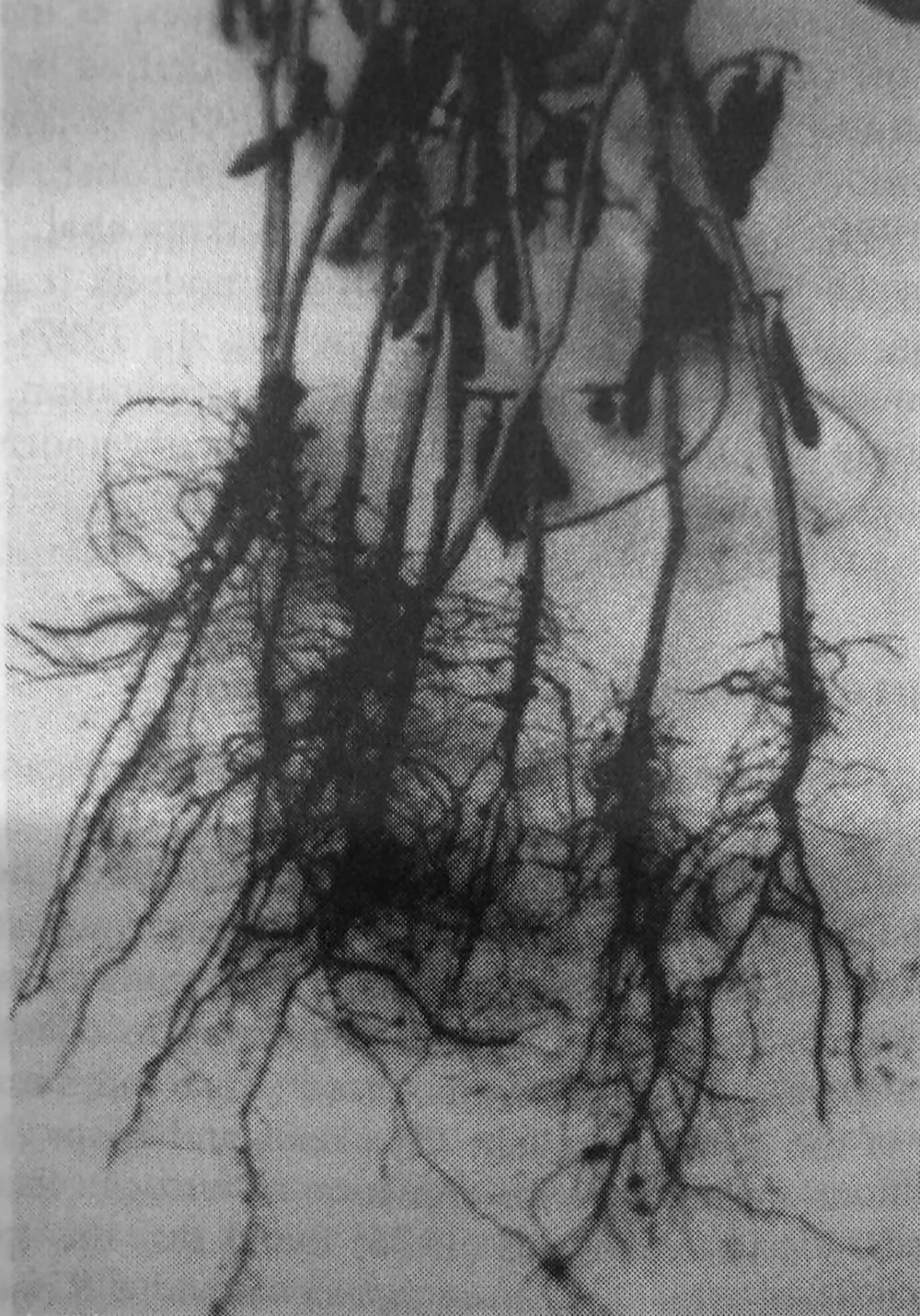
Figure 13.1 Root nodules formed by Bradyrhizobium japonicum and soybeans.
Encounter between susceptible roots and rhizobia: Although their population densities may be low, rhizobia are found in most soils, even those sites where legumes have not been cultivated for many decades. Therefore, limitations in frequency of nodule formation in native ecosystems tend to result more from the rate of encounter of infecting bacteria and host rather than presence of the symbiotic partners. Considering the heterogeneity of soil, the size of the bacterial cell, and the low proportion of the A horizon of the soil profile occupied by plant roots, random encounter between stationary bacterial cells and growing roots must be considered to be an inefficient means of inducing nodulation. Fortunately, a variety of basic properties of the soil system enhance this naturally low probability. First, in undisturbed soils, rhizobial cells are concentrated in the vicinity of the decaying root from previous growing seasons. The probability of infection of nascent root tissue is therefore enhanced by the propensity of newly developing root systems to grow into preexisting root channels.
A further increase in nodulation frequency could result from the movement or migration of infective bacteria which occurs within the soil profile. This migration of the rhizobial cells is primarily passive. That is, it usually does not involve directed motility of the cells (Issa et al. 1993a, b). The bacteria are carried by water flowing through soil macropores. Macropores are large passages in the soil matrix that allow the ready movement of soil air and water. These pores include the spaces between soil aggregates as well as the channels created by growth of roots (root channels) and movement of animals (e.g. earthworm channels). Passive transport of soil bacteria with leaching water provides for dispersion of cells over relatively large distances (in the A horizon, millimeter to centimeter distances). Note that this predominance of passive transport does not imply that directed motility of bacteria plays no role in nodulation. Compared to the situation with passive transport of cells, active motility of individual bacterial cells is of greater importance in movement of the cells in the microsite in response to exudate production by the growing root (chemotaxis; see below).
This differentiation of impact between passive and active aspects of bacterial mobility in soil does not preclude conference of a competitive advantage to rhizobial cells by the capacity for active motility. It must be noted that a number of reports exist in the literature supporting as well as opposing the conclusion that motile strains of rhizobia have an enhanced potential to occupy legume nodules compared to nonmotile bacteria. The seemingly contradictory conclusions result to a large degree from variation in the properties of the laboratory‐ or greenhouse‐incubated soils used in the experiments as well as from the various population densities of bacteria used in the experiments. It is indisputable that motility of rhizobia is not required for nodule formation yet a number of studies have shown both enhanced occurrence of nodulation by mobile strains compared to comparable nonmotile strains (e.g. Gulash et al. 1984; Hunter and Fahring 1980; Malek 1992; Napoli and Albersheim 1980) and no benefit for motility (Ames et al. 1980; Issa et al. 1993a, b; Liu et al. 1989).
Many of the contradictory results are attributable to variation in the importance of chemotaxis of infective rhizobia under the various experimental conditions. In situations where both motile and nonmotile strains have equal access to susceptible root tissue, no benefit is gained from mobility. In contrast, if the soil moisture levels and population densities used in the experiment are such that the microorganisms are required to traverse a short distance from their habitat in the soil to the root, then an actively motile organism would gain a benefit over one that must rely on passive diffusion. Thus, it can be concluded that directed motility (i.e. chemotactic attraction) is most important to nodulation once the microbe has been moved passively by mass water flow into the vicinity of the susceptible portion of the root. It is assumed that flowing water is more important in moving the bacteria over distances up to several centimeters or more whereas microbial motility primarily impacts interactions of the bacteria with roots for cells located within a few millimeters or less from the root.
This model of the relative importance of passive and active motility of bacterial strains in nodule formation rests upon the assumption that rhizobia are capable of responding chemotactically to root exudates. Rhizobia are attracted to root exudate components (e.g. Bhagwat and Thomas 1982). Exudate components found to attract various rhizobial strains include sugars and amino acids (e.g. Bergman et al. 1988), proteins (e.g. Currier and Strobel 1977), dicarboxylic acids (e.g. Barbour et al. 1991), aromatic compounds (e.g. Kape et al. 1991), and flavonoids (e.g. Dharmatilake et al. 1992). (It should be noted that attraction to the general organic chemical components of root exudates is not specific to the rhizobia, but a variety of rhizosphere bacteria are attracted to the root by these compounds. To a major degree, the response of the rhizobial population to root exudates is part of a more generalized stimulation of bacterial population densities in the rhizosphere.)
There is an impact of some root exudate components and expression of nodulating genes by the Rhizobium cell. Deletions in the nif‐nod region of the symbiotic megaplasmid eliminated the chemotactic attraction of R. meliloti to plant roots by the flavonoid luteolin (Caetano‐Anollés et al. 1988). The nif‐nod region is constituted of genes involved in nodule formation and nitrogen fixation. For further discussion of the induction of these genes by components of root exudates and their role in nodule initiation, see Brewin (1991).
Host recognition and attachment: Reaction to root exudate components may allow the rhizobial strains to reach the specific portion of the root structure most susceptible to Rhizobium infection (that portion of the root behind the apical meristem at the site of emergence of the root hair, i.e. the zone of root elongation) more efficiently. The next step in nodule formation requires recognition and attachment to the root. Recognition of susceptible host tissue involves an interaction between proteins (lectins) on the plant root surface and rhizobial exopolysaccharides. This process could be likened to the specificity and interactions associated with an antibody–antigen reaction. Early suggestions of the role of lectins in the recognition process were presented by Bohlool and Schmidt (1974). They found that a lectin from soybean combined specifically with the soybean nodulating bacterium (B. japonicum) and that this lectin did not combine with other representative rhizobia. Sherwood et al. (1984) found that the location of the lectin‐binding polysaccharides of R. trifolii on the cell surface varied with age of the culture. Random distribution of the binding agent as well as polar concentration of the substance were detected after different periods of cellular growth. The quantity and location of these receptors on the bacteria directly correlated with their attachment in short‐term studies of clover root hair binding. For example, cells from three‐ or 21‐day‐old cultures attached nearly exclusively in a polar fashion whereas five‐day‐old cells with the binding factors randomly distributed on the cell surface attached randomly to the root tissue.
Rhizobial exopolysaccharides appear to serve multiple purposes in nodulation (see Reuber et al. 1991 for a more detailed discussion of the role of exopolysaccharides in nodule formation). The varied roles include assistance in entangling the bacterial cell in the mucigel of the plant root, inhibition of host defenses through masking of the bacterial surface, and encapsulation of the bacterial cell for its protection in the infection thread. For example, after attachment and orientation of the R. trifolii cell with the clover root surface, an accumulation of extracellular microfibrils associated with lateral and polar surfaces of the bacterial cell occurs (Dazzo et al. 1984). The formation of these fibrils results in an attachment of the bacteria to the root hair sufficiently strong to withstand the hydrodynamic shear forces associated with high‐speed vortexing of the mixture. (See Brewin 1991 for further discussion of the role of these substances in nodule formation.)
Nodule formation: Once the rhizobial cell has attached to the legume root, an infection thread spreading down the root hair is formed. Development of this structure is preceded by deformation of the root hair that is induced by exopolysaccharides formed by the rhizobial cell (e.g. Battisti et al. 1992; Ervin and Hubbell 1985; Higashi and Abe 1980; van Brussel et al. 1992). The invagination of root hair wall forming the cellulosic infection thread allows the bacterial cells to invade into the central portions of what becomes the nodule. The invading rhizobial cells pass through the infection thread to the root cells adjacent to the root hair. These root cells subsequently become infected by the invading rhizobial cells. Only tetraploid cells are infected and become the primordia of the nodule. It must be noted that only a small portion (usually less than 5%) of the invaded root hairs develop nodules. Division of the infected cells results in formation of the nodule. Bacteria multiply within the tetraploid cells, forming swollen, variable shaped and branched cells known as bacteroids, that are separated into packets within the nodule by a peribacteroid membrane. There are typically 4–6 bacteria per packet. Nitrogen fixation within the root nodules only occurs after formation of the bacteroids.
The nodulation cycle could be said to be completed by death and deterioration of the nodule and release of the bacteroids and bacteria contained therein into the soil. The bacteroids are apparently incapable of division when released into soil by death and decay of the nodule. Data collected by Paau et al. (1980) indicate that R. meliloti bacteroids in alfalfa nodules are degraded during nodule senescence. The nodule apparently always contains small numbers of dormant rod‐shaped cells that are capable of existence free in the soil environment.
13.1.4 Plant Control of Nodule Formation
The host plant is not a passive participant in this process involving “rearrangement of its architecture” by the Rhizobium strain. Expression of several plant genes is necessary for establishment of the symbiotic interaction. In their survey of the literature, Caetano‐Anollés and Gresshoff (1991) provide a listing of symbiotic legume mutants for soybean (Glycine max [L.] Merr.), alfalfa (Medicago sativa L.), red clover (Trifolium pratense L.), crimson clover (Trifolium incarnatum L.), pea (Pisum sativum L.), chickpea (Cicer arietinum L.), and peanut (Archis hypogaea L.). For some of the legumes, only one or two genes impacting nodulation have thus far been elucidated, but a total of 22 genes interacting with the bacterial symbiont in nodule formation were listed for pea. These observations support the conclusion that the genetic‐based contribution of the host plant to root nodule formation is as or more complex as that of the invading bacterium.
An interesting point of control by the host plant is its determination and optimization of the number of nodules formed. Most obvious among these properties is the impact of untimely fertilization of the crop on nodulation. Such inappropriate addition of fixed nitrogen to the crop suppresses nodule formation.
A less appreciated interaction is autoregulation. With autoregulation of nodulation, the plant controls the quantity and timing of nodule formation. After the first infection of roots, no further increase in number of root nodules occurs. The benefit to the host plant in preventing formation of unnecessary nodules is obvious since nodulation requires the commitment of large quantities of plant resources. This inhibition of nodulation is reversible in that removal of nodules can induce a new round of nodule formation. This process requires expression of specific, as yet undescribed plant genes.
Furthermore, the rhizobia involved in the first round of infection must have the genetic capability to induce nodule formation and to grow within the nodules. George and Robert (1991) assessed the capacity of a number of mutants of R. leguminosarum bv. phaseoli to induce an autoregulatory response of Phaseolus vulgaris L. They found that all mutants unable to form nodules failed to induce a suppressive response of the host. The host response correlated with the ability of the bacteria to grow inside the nodules but not with the capacity to initiate nodule formation or to fix nitrogen. That is, the host response required that the infecting bacterium be infective, but not effective.
The interaction of autoregulatory responses and bacterial population density to yield optimal nodulation has been examined in soybean (G. max [L.] Merr. cv. Bragg) following inoculation with B. japonicum USDA 110 (Caetano‐Anollés and Gresshoff 1991). The roots were initially susceptible to infection 3–4 days following germination. The number of nodules formed was proportional to the bacterial density up to an optimal concentration. The maximal population density resulting in an increase in the quantities of nodules formed was greater for a supernodulating soybean variant than was observed with the wild type. Thus, the plant genome can be manipulated to increase nodulation of this agronomically important crop.
13.2 Manipulation of Rhizobium–Legume Symbioses for Ecosystem Management
The foregoing evaluation of the Rhizobium–legume symbiosis suggests the existence of a relationship that is of interest not only for basic studies but also for a variety of practical applications. The ubiquity of legumes and their significance as food crops suggest both economic and environmental benefits from management of this interaction. Prime questions in such considerations are as follows.
· Do Rhizobium–legume symbioses add significant quantities of fixed nitrogen to a soil ecosystem?
· Is there potential to improve the nitrogen inputs in a manner that will also augment ecosystem productivity?
· Are these improvements feasible with currently available methods?
Encouragement of Rhizobium–legume symbioses development does increase soil fixed nitrogen resources. The balance between nitrogen inputs and outputs to land systems and the identity of the sources of this fixed nitrogen (Burns and Hardy 1975) support the conclusion that Rhizobium–legume symbioses are a major source of fixed nitrogen in land‐based systems. About 64% of the 139 × 109 kg N2 biologically fixed in terrestrial systems is produced in agricultural systems. Since the bulk of biological nitrogen fixation in agricultural systems is derived from the cultivation of legumes, these symbioses can be concluded to provide well over half of the biological source of fixed nitrogen. Data collated by Alexander (1977) provide a prospective on fixed nitrogen contributions of individual crops on a more localized basis. Inputs of fixed nitrogen for alfalfa, red clover, pea, soybean, cowpea, and vetch range from 65 to 335 kg N2 fixed ha−1 yr−1.
Once it has been concluded that these symbiotic associations are major contributors of fixed nitrogen in soil systems, the point of concern must be redirected to a consideration of the potential to increase fixed nitrogen inputs by optimization of this process. That is, the possibility of improving plant biomass yields or plant community sustainability through use of more efficient combinations of rhizobia and legumes must be examined. A diverse population of rhizobial strains already exists throughout the soil profile in agricultural and nonagricultural soils: a leguminous tree, black locust (Robinia pseudoacacia L.) (Batzli et al. 1992); R. leguminosarum in agricultural soil (e.g. Bottomley and Dughri 1989; Brockman and Bezdicek 1989); soils under acacia trees (Acacia albida) (Dupuy and Dreyfus 1992); soils from an alfalfa field (Jenkins et al. 1987); the woody legume, mesquite (Prosopis glandulosa) in desert soils (Jenkins et al. 1989; Waldon et al. 1989), and in tropical soils of Hawaii (Woomer et al. 1988). Furthermore, the indigenous rhizobial population can be quite diverse. For example, Noel and Brill (1980) used sodium dodecyl sulfate (SDS) gel electrophoresis to evaluate nodule occupants from soybeans collected from two Wisconsin (USA) locations. At one location, 19 gel types were distinguished and classified into three groups.
Nodule occupancy by these indigenous rhizobia is not the result of superior nitrogen‐fixing capacity. It is derived more from a capacity of the bacterial strain to survive in soil. Additionally, both the population density and location of the bacterial habitat must allow optimal contact with susceptible roots. The proportion of the total soil rhizobial population represented by any individual strain is controlled by soil properties as well as plant growth traits. For example, the predominance of any particular rhizobial strain in the soils studied by Noel and Brill (1980) depended on the time and depth of nodule formation on the host plant. Also, Mahler and Bezdicek (1980) found that serogroup variability of R. leguminosarum strains in soils was affected by soil temperature, moisture, and position on the slope in the catena. Both microclimate and macroclimate variation altered strain distribution of R. leguminosarum strains in peas (P. sativum L.) in a Palouse (Washington, USA) site. Subsequent studies of 192 R. leguminosarum strains from this site showed that they grouped into three serogroups and 18 plasmid profile groups. Similar variety and distribution have been observed for R. meliloti (Jenkins and Bottomley 1985). The latter individuals identified a variety of protein profiles for Rhizobium isolates from alfalfa (M. sativa L.) with SDS‐gel electrophoresis.
Thus, it can be concluded that in any given soil system supporting growth of legumes, a variety of rhizobial strains are available for nodulation of root tissue. The adequacy of this indigenous population to form optimal numbers of nodules on legume populations generally depends on plant density. This principle is best exemplified by contrasting native and intensively cultivated legumes. In native ecosystems, indigenous rhizobial population densities are generally sufficient to support adequate nodulation of leguminous species to maintain ecosystem fertility and biomass productivity. With high yield, cultivated agricultural systems or with monoculture systems, such as alfalfa fields, nitrogen fixation is commonly seen to be augmented by inoculation with exogenously grown rhizobia. Therefore, it is reasonably concluded that indigenous soil population densities were insufficient to support optimal nodulation. Thus, addition of laboratory‐produced or axenically grown field Rhizobium sp. isolates to soils and legumes seeds to stimulate crop productivity has long been a common agricultural practice. The increased nodulation of the legume roots and subsequent augmentation of biologically produced fixed nitrogen result in part from the higher probability of encounter between the host root and infective bacteria as well as the utilization of rhizobial isolates selected for enhanced nitrogen‐fixing capability.
13.3 Rhizobial Inoculation Procedures
Primary concerns in analysis of the benefits of manipulation of soil rhizobial populations have been (i) development of an effective delivery system, (ii) determination of the interactions with the soil environment and soil microbial population affecting survival of the inoculant, and, more recently, (iii) elucidation of properties of the inoculant strain affecting its competition with indigenous rhizobial variants for nodule occupancy. (See Brockwell and Bottomley 1995 for a review of this topic.)
13.3.1 Inocula Delivery Systems
Axenically grown rhizobial strains capable of efficient nitrogen fixation are of little value if they do not form effective associations in the field. The first step in effective use of laboratory‐derived/produced rhizobial strains is the physical conveyance of viable bacterial cells to the soil. In a scientific experiment, this step is reasonably easy since a microbiologist can quite easily prepare an active bacterial culture that can immediately be added to crop roots or seeds. Difficulties are encountered in transferring this “technology” into a “real‐world” situation where the viable bacterial cells may be abused tremendously before introduction to their new environment. A commercially prepared inoculum must be capable of surviving for long periods of time under somewhat adverse conditions between growth and delivery to the agriculturist and of enduring potential maltreatment on site before the legume seeds are inoculated.
A variety of delivery systems for rhizobial inocula have been evaluated and implemented in field situations. Examples include ground peat or an oil carrier (Kremer and Peterson 1983) with or without fertilizer (Kremer et al. 1982), irrigation water (Ciafardini et al. 1992), water (Crist et al. 1984), coal‐based carriers (Crawford and Berryhill 1983), soils (Chao and Alexander 1984), and fluid gels (Jawson et al. 1989). A variety of commercial inoculants are available (e.g. Hume and Blair 1992). Variables that must be evaluated include pretreatment of the support media (e.g. sterilization of the peat [Strijdon and van Rensburg 1981]), and methods to prepare the inoculum for storage (e.g. drying of inocula and humidity for storage [Mary et al. 1985]).
13.3.2 Survival of Rhizobial Inocula
A related aspect to optimization of fixed nitrogen inputs from Rhizobium–legume symbioses is maximization of inoculum survival once they are amended to the soil system. Although the bacterial strain or variant selected for legume inoculation may have been derived from the soil–plant environment, cultivation under laboratory conditions necessarily induces changes in the phenotypic and genotypic properties of the cell. These alterations may or may not affect the capacity of the organism to adapt to the soil environment and to compete with indigenous populations. Axenically grown laboratory rhizobial strains added to legume seeds or amended directly to soil are stressed by the physical and chemical properties of the harsh soil environment as well as by interactions with the general soil microbial community. The capacity of the organism to overcome these barriers to survival determines its probability of existing in the soil site for sufficient duration to encounter a susceptible legume root and initiate infection.
Rhizobial strains amended to soils may survive for several years. For example, Crozat et al. (1982) found that their strains of R. (Bradyrhizobium) japonicum introduced into a variety of French soils survived at high rates (≥104 bacteria g−1 dry soil after five years). Similarly, Brunel et al. (1988) found that B. japonicum USDA strains 125‐Sp, USDA 138, and USDA 138‐Sm survived for 8–13 years following their release into soil. Alien rhizobial strains (i.e. axenically grown and introduced or reintroduced into the soil system) persisted by passage through legume nodules produced in the soil. Survival of a portion of the introduced population may result from a capacity to adapt to the prevailing soil conditions and to compete with indigenous microbes. Viteri and Schmidt (1987), using fluorescent antibody techniques to study variation in population densities of B. japonicum seroclusters 123 and serogroups 110 and 128, found that amendment of soil samples with metabolizable sugars resulted in not only an increase in the general microbial populations but growth of the various rhizobial strains. This observation supports the conclusion that rhizobia are capable of competing with the general soil flora. That is, these bacteria do not require the exclusive protection of the plant nodule to maintain soil populations.
13.3.2.1 Controllers of Diazotroph Growth
Primary soil physical and chemical properties affecting survival and nodule formation which are of concern to environmental microbiologists include soil pH, metal interactions, salinity, and moisture. Although the effects of these soil properties on nodulation have been most studied with agronomically important crops, they are also a major consideration when developing procedures to encourage fixed nitrogen inputs into reclaimed or managed ecosystems. It is generally desirable to minimize anthropogenic intervention in reclamation sites. That is, it is useful to develop site‐resident biological mechanisms for control of fixed nitrogen inputs rather than to rely on long‐term fertilization plans. Thus, selection and control of an indigenous biological population capable of fixing nitrogen is essential.
13.3.2.2 Rhizobia and Acid Soils
Soil acidity affects the legume plant, the infecting rhizobia, and the product of their interaction – the symbiotic association. Generally, host plant growth is less sensitive to extremes of acidity than is the Rhizobium species. Infection of host roots and survival of the bacterial symbiont are generally limited to pH greater than 5.0 whereas the host plants may grow at values as low as 4.0. This pH sensitivity is of concern to the agricultural community because of the need for sustained growth of symbiotic associations in acid soils, as well as to the environmental science community in order to determine the potential for use of these highly effective fixed nitrogen sources in acid‐impacted sites, such as soils receiving acid mine slags or drainage. Examples of agricultural concerns include the difficulties associated with maintenance of alfalfa (Barber 1980; Lowendorf and Alexander 1983a), lucerne (Munns and Fox 1977; Pijnenborg et al. 1991), and clover (Richardson et al. 1988a) stands in acidic soils. Similar sensitivity to acidic soils has been observed for tropical legumes (18 legume species) as occurs with temperate legumes.
Both direct and indirect effects of acidic conditions on rhizobial activity are observed. Bacterial cells are affected by the elevated hydrogen ion concentration of acidic soils (direct effect) as well as the alteration of metal solubility resulting from reduction in the soil pH (indirect effect) (e.g. Franco and Munns 1982; Keyser and Munns 1979a). The latter interaction can be due to increased metal concentrations (e.g. inhibition of growth by augmented aluminum concentrations under acidic conditions) or result from decreased soluble metal levels (e.g. reduction of the essential mineral molybdenum by increased acidity).
A differential sensitivity of the rhizobial strains to the various changes in soil cation concentration resulting from increased soil acidity has been observed. Keyser and Munns (1979b) in a study of cation effect on growth of R. (Bradyrhizobium) japonicum found that aluminum toxicity and acidity itself had a greater impact on rhizobial growth than did manganese toxicity and calcium deficiency. It must be noted that aluminum toxicity and acid sensitivity independently affect rhizobial survival in soil (e.g. Hartel and Alexander 1983; Hartel et al. 1983). It appears that survival of cowpea (Vigna unguiculata [L.] Walp.) rhizobia is pH but not aluminum sensitive. Hartel et al. (1983) concluded that aluminum content of soil was not a major factor controlling cowpea rhizobial survival but it did significantly alter the nodulation process.
Although it has been proposed that survival of indigenous populations of R. trifolii in extremely acidic soils can occur through refuge in soil microsites of less extreme acidity (Richardson and Simpson 1988), rhizobial strains with increased tolerance of acidic conditions can be isolated (e.g. Indrasumunar et al. 2011; Keyser et al. 1979; Lowendorf and Alexander 1983b; Thornton and Davey 1983; Tiwari et al. 1992) and constructed genetically (Chen et al. 1991). Increasing acid tolerance of rhizobial strains under axenic condition does result in augmented survival in sterile acid soils (Lowendorf et al. 1981). Thus, the potential exists to select or engineer rhizobial strains in the laboratory that are both efficient nitrogen fixers and acid tolerant for use in acid‐impacted soil sites. Augmented survival in the acid soils could increase the probability of nodule occupancy (Dughri and Bottomley 1983). Furthermore, interactions between the acidic conditions and cation concentrations can also affect nodule formation by rhizobia. For example, acidic conditions and levels of calcium and aluminum ions reduce induction of the nodulation genes in R. leguminosarum bv. trifolii (Richardson et al. 1988b). Thus, it can be concluded that the concentrations of fixed nitrogen provided by the Rhizobium–legume symbioses in acidic and/or cation‐impacted soils depend at least in part upon the capacity to maintain adequate population densities of infective bacteria in the soil for optimal encounter between the bacterium and susceptible plant roots.
No single cell property can be selected to optimize the acid tolerance or aluminum sensitivity of rhizobia. For example, DNA repair mechanisms (Johnson and Wood 1990), extracellular polysaccharide production (Cunningham and Munns 1984a), and ability to maintain intracellular pH (O'Hara et al. 1989) all appear to affect aluminum and/or acid tolerance of rhizobial strains. Variation between rhizobial strains is exemplified by studies of the role of extracellular polysaccharide production in protection of the bacterial cell. Cunningham and Munns (1984a) found that acid tolerance of rhizobial strains for six legume genera (Cicer, Phaseolus, Leucaena, Lens, Melilotus, and Trifolium) all correlated with extracellular polysaccharide production. The quantities of extracellular polysaccharide produced by 20 strains of R. phaseoli varied from 18 to 75 mg per 100 mL culture. The amounts of polysaccharide produced correlated with acid tolerance. Data from further studies (Cunningham and Munns 1984b) indicated that the apparent protection did not relate to buffering capacity of the extracellular polysaccharide or its ability to chelate aluminum ions. In contrast, Kingsley and Bohlool (1992) evaluated the role of extracellular polysaccharide produced by R. leguminosarum bv. phaseoli (CIAT899) with mutant strains incapable of producing the polysaccharide. No difference in aluminum tolerance of the wild‐type strain from the mutant was detected. Results from this study indicate that neither intracellular or extracellular products of the R. leguminosarum strain alleviated the aluminum toxicity of sensitive rhizobial strains. These studies demonstrate the potential to increase the utility of the Rhizobium–legume symbioses for augmenting fixed nitrogen inputs into acidic soil ecosystems as well as the complexity of the genetic control of this acid and aluminum sensitivity of the infective bacteria.
Although most interest in the effect of toxic metals on nitrogen fixation by Rhizobium–legume associations has involved growth of agriculturally important legumes in acidic soils, some consideration of the impact of metals is necessary in evaluating the use of these associations in metal‐impacted sites or in soils amended with materials that may contain environmentally significant levels of metals (e.g. Dahlin et al. 1997; McGrath et al. 1988; Smith 1997). For example, McGrath et al. (1988) determined the potential for reduction of fixed nitrogen yields from nodulated Trifolium repens in soils receiving metal‐contaminated sewage sludge. Plants grown on the contaminated sludge‐amended soil had reduced nitrogen concentrations and reduced yields compared to those produced on uncontaminated control soils. The root nodules on the impacted plants were numerous but ineffective in nitrogen fixation.
13.3.2.3 Soil Moisture Impact on Diazotroph Populations
The occurrence of rhizobial populations in desert soils and the effective nodulation of legumes growing therein (e.g. Jenkins et al. 1987, 1989; Waldon et al. 1989) attest to the fact that rhizobia are capable of existing in soils with low moisture levels. Population densities do tend to be lowest under the most desiccated situations, with increasing densities as the moisture stress is relieved. The wide range of moisture levels characteristic of ecosystems where legumes have been shown to fix nitrogen suggests that rhizobial strains with varying sensitivity to soil moisture can be selected. Laboratory studies have shown that sensitivity to moisture stress varies with bacterial strain with a variety of rhizobial strains and species (e.g. with R. leguminosarum bv. trifolii [Boonkerd and Weaver 1982; Fuhrmann et al. 1986], with R. meliloti [Busse and Bottomley 1989], with cowpea rhizobia [Osa‐Afiana and Alexander 1982a], and with B. japonicum [Mahler and Wollum II 1980]). Thus, it is reasonable to assume that rhizobial strains can be selected with moisture stress tolerance within the range of growth of its legume host.
The moisture tolerance of rhizobia is also affected by other soil properties or components. For example, survival of rhizobia in drying soils can be extended by increasing contents of soil organic matter and decreased by elevated soluble aluminum (Chao and Alexander 1982) and by the proportion of clay in the soil (Osa‐Afiana and Alexander 1982b). Furthermore, organisms produced in situ tend to be better adapted to moisture stress than axenically grown organisms (Pena‐Cabriales and Alexander 1979). Optimization of soil moisture for growth of the host plant, which generally is more sensitive to moisture stress than is the bacteria, results in maximization of development of Rhizobium–legume fixed nitrogen inputs into the soil system.
13.3.2.4 Soil Salinity
An allied concern in regard to soil moisture in reclamation of environmentally impacted sites can be the effect of salinity on survival of rhizobia in soil systems. For example, amendment of soils with products of our industrial society can raise the soil salinity (e.g. sludge‐borne salts [Madariaga and Angle 1992]). As indicated in Chapter 5, increasing salts may have a detrimental effect on soil microbial populations as a result of direct toxicity as well as through osmotic stresses.
Rhizobia vary in efficacy of osmoregulation – response to salt stress (e.g. Busse and Bottomley 1989; Surange et al. 1997; Zahran 1997). This adaptation of the microbial population was exhibited in a study of the survival of B. japonicum in sludge‐amended soils. The soluble salts of the sludge (not the heavy metals) were shown to be primarily responsible for a short‐term reduction in bradyrhizobial populations following sludge application to soil. Singleton et al. (1982) found many Rhizobium strains with enhanced salinity tolerance compared to most agriculturally important varieties. In a study of distribution of fast‐growing and slow‐growing mesquite nodulating rhizobia in desert ecosystems, it was found that distribution of the rhizobial strains within the rooting system was related to total soil salts (Jenkins et al. 1989).
This analysis of some soil properties affecting survival, growth, and nodulation capacities of soil rhizobial populations demonstrates the versatility and adaptability of these essential soil populations. The genotypic and phenotypic flexibility exists within these organisms to adapt to many of the stressed soil conditions normally encountered in our soil system. This observation does not imply efficient nitrogen‐fixing capabilities under these conditions. The legume may be nodulated, but fixed nitrogen production may be below the level required for optimal growth of the host plant. In these situations, symbiotic associations, such as the actinorhizal interaction, may be better adapted or more adaptable for use in site management or reclamation.
13.3.3 Biological Interactions in Legume Nodulation
Rhizobia are capable of growth in native soil samples when the soils have been amended with fixed carbon sources supportive of their metabolism (e.g. Pena‐Cabriales and Alexander 1983a; Viteri and Schmidt 1987) or when they receive nutrients from growing roots (e.g. Pana‐Cabriales and Alexander 1983b). Success of this nutrient‐based competition with indigenous populations depends on the capacity of the alien microbe to become established in an unoccupied niche.
Rhizobia are best suited for competition for the newly created niche of the nitrogen‐fixing nodule. Life as a member of the “free‐living soil community” is more difficult. Rhizobia not only must compete for limited nutrients, but interactions with indigenous heterotrophic microbes and predators reduce their capacity to maintain population densities at sufficient levels to assure contact with susceptible legume roots (e.g. Li and Alexander 1986; Pugashetti et al. 1982; Ramirez and Alexander 1980). The outcome of competition between indigenous microbial can be manipulated. Aside from the brute force method of overwhelming the system with massive population densities of the laboratory‐grown rhizobial strain, use of fungicides and antibiotics can enhance the probability of rhizobial colonization (Hossain and Alexander 1984; Li and Alexander 1986). Hossain and Alexander (1984) augmented soybean rhizosphere colonization with B. japonicum through use of benomyl (a fungicide) and the antibiotics streptomycin and erythromycin. Rhizobium strains used with these procedures must be resistant to the inhibitors. Unfortunately, amendment of the soils with specific antibiotics may also result in the development of antibiobic‐resistant microbial strains.
13.4 Nodule Occupants: Indigenous vs Foreign
Two sources of rhizobia for root infection can occur in many managed agricultural soils: (i) native populations and (ii) crop inoculants. The laboratory‐produced rhizobial strains used to inoculate crops must be capable of competing for nutrients with indigenous populations until they encounter a susceptible root. Additionally, they also participate in an intense race with native strains for occupancy of nodules. A study of the history of use of Rhizobium inoculants for legume cropping suggests that it has been assumed that the soil‐amended strain necessarily predominated in nodule occupation. Perhaps a more pragmatic assessment of the situation would include the idea that the investigator and growers have not been as concerned with the identity of the nodule occupant as they were with augmentation of fixed nitrogen resources and the concurrent improvement in crop yields. If crop yields increased, a benefit from inoculation with highly efficient rhizobial strains was assumed to have occurred. Unfortunately, detailed examination of legume nodules reveals that it is not unusual for the laboratory‐cultivated rhizobial strains to lose the competition for a place in the nodule to the less efficient but better adapted indigenous soil populations.
Nodule occupancy frequencies for nonnative rhizobial strains ranging from nearly zero to essentially 100% have been reported. For example, van Rensburg and Strijdom (1985) compared Rhizobium nodule occupancy frequency of indigenous and axenically grown strains in Trifolium spp., Medicago spp., G. max, and Lotus pedunculatus. They collected 420 nodules from crops growing in fields that had been inoculated 4–8 years previously with highly efficient rhizobial strains. The rate of nodule occupancy for the inoculated strain ranged from 17.7% in G. max (soybean) to 100% with L. pedunculatus. Klubek et al. (1988), in a study of B. japonicum nodule occupancy in the Midwestern USA, detected frequency of occurrence of inoculated strains as low as 0.3%. Detection of highly variable capacity of laboratory‐grown strains to compete with indigenous populations is commonly reported (e.g. Materon and Hagedorn 1992; McDermott and Graham 1989; Moawad and Bohlool 1984).
The most obvious explanation for the variation in frequency of nodule occupancy of soil‐amended rhizobial strains involves the probability of encounter of the added organism with susceptible portions of the legume root. In a study of seven legume species in Hawaii (Thies et al. 1991a), it was shown that the proportion of the nodules occupied by inoculated rhizobial strains depended on the population density of the indigenous population. Indigenous organisms would be anticipated to be better adapted to the soil system and perhaps even more appropriately distributed within the soil profile than alien organisms. The latter conclusion is based upon the observation that the physical location of indigenous organisms depends in part on the distribution of the root system in which they grew and the homogenization of the soil associated with intensive cultivation systems. Thies et al. (1991b) found that 59% of the observed variation in inoculation response could be attributed to the population density of the indigenous population.
Properties of rhizobia that enhance nodule occupancy rates are diverse and, to a major extent, poorly defined. A primary requirement is the ability to maintain sufficient population densities in the soil to allow a reasonable probability of encounter with host roots. Therefore selection of inoculant strains must include consideration of the properties of the soil in which they are to be used (e.g. moisture/salinity stresses, pH) as well as the ability to compete with indigenous microbes for available nutrients and to withstand incursions of predators and parasites. Further considerations relate the efficiency of the nodulation process. Initiation and development of effective nodules is a complex process. Many of the rhizobial cells attracted to the appropriate portion of the legume root fail to complete the infection process. To increase the probability of the inoculant with improved nitrogen‐fixing efficiency contributing to augmentation of ecosystem fixed nitrogen resources, variants with increased capability of completing the nodule formation process are desirable.
13.5 Actinorhizal Associations
When the potential to form nitrogen‐fixing nodules on plant roots is considered, the Rhizobium–legume association is frequently discussed, nearly at the exclusion of considering any other interactions, yet actinorrhizal interactions (nonleguminous nitrogen‐fixing symbiotic associations between actinomycetes of the genus Frankia and a variety of woody angiosperms) are major contributors to nitrogen inputs in forests, wetlands, fields, and disturbed sites of temperate and tropical regions. Actinorhizal associations involve more than 160 species of angiosperms classified among six or seven orders. As shown in Table 13.1, a wide variety of genera of angiosperms are capable of forming actinorhizal associations. Not all genera in the various families cited are active in nitrogen fixation and not all species of the cited genera form nitrogen‐fixing associations.
Contributions of fixed nitrogen to native as well as managed ecosystems by these symbioses are comparable to those of the more studied Rhizobium–legume interactions. The nitrogen gains due to these interactions vary with soil, climate, and plant age. Typical contributions represented by Alnus associations are 12–2000 kg N ha−1 and Hippophae (27–179 kg N ha−1). See Baker and Mullin (1992) for a review of the contributions of this association to global nitrogen cycling.
Table 13.1 Examples of angiosperm families involved in nitrogen‐fixing actinorhizal associations
|
Family |
Genera |
|
Betulaceae |
Alnus |
|
Casiaromaceae |
Casuarina |
|
Coriariaceae |
Coriaria |
|
Elaeagnaceae |
Elaeagnus |
|
Myricaceae |
Myrica |
|
Rhamnaceae |
Ceanothus |
|
Rosaceae |
Cercocarpus |
Furthermore, the energy requirements (i.e. photosynthetate contributions from host plants) and nitrogenase activity of actinorhizal symbioses are comparable to those of the Rhizobium–legume associations (Gauthier et al. 1981; Tjepkema and Winship 1980). Note that as with rhizobia, Frankia strains are capable of fixing nitrogen growing in axenic culture on defined media (Gauthier et al. 1981).
It has been recognized that the microbial symbiont is an actinomycete for more than 100 years. Early identification was based on microscopic detection of actinomycete‐like mycelial structures in nodule tissue (see Quispel 1990 for a discussion of this topic). The greatest limitation to study of actinorrhizal associations has been, until recently, the inability to culture the microbial partner exclusive of the plant nodule. Until the early 1980s, the microbial partner was generally regarded to be an unculturable actinomycete. Most hypotheses regarding participation of the microbial symbiont were therefore developed from observation of the cells in the nodule or from biochemical studies of partially purified microbial biomass extracted from crushed nodules.
The Frankia sp. can now be isolated and cultured (e.g. Baker et al. 1979; Benson 1982). Procedures generally involve surface sterilization of the nodules with such substances as chlorox, hydrogen peroxide, or dilute silver nitrate. The sterilant is washed from the nodules and the nodules are crushed. The extraneous debris may be removed (Baker et al. (1979) used sucrose gradients) or laboratory culture media may be inoculated directly with the nodule extract. A variety of nitrogen‐free media containing antibiotics have been used to culture the actinomycete. A key in culture of these organisms is the necessity of inhibiting the growth of fast‐growing contaminants. Colonies of the slow‐growing Frankia spp. are easily overgrown by faster growing microbes also contained in the inocula. Thus, antibiotics such as cycloheximide and nystatin are amended to the growth media (e.g. Benson 1982). Once isolated, the proof that the axenically grown actinomycete participates in symbiotic produced fixed nitrogen results from successful nodulation of uninfected host plants with the cultured microbial strain (e.g. Diem et al. 1982; Mansour et al. 1990; Rogers and Wollum 1974; van Dijk and Sliumer‐Stolk 1990).
Polymerase chain reaction amplification and related DNA analytical techniques may be valuable tools for elucidation of the diversity of Frankia strains involved in actinorhizal symbioses (e.g. Beayzova and Lechevalier 1992; Sellstedt et al. 1992; Simonet et al. 1990, 1991) as well as the variability of these nitrogen‐fixing actinomycetes in soil (e.g. Hahn et al. 1990a; Hilger and Myrold 1991; Myrold et al. 1990) and in host nodules (Bloom et al. 1989; Hahn et al. 1990b).
Although at this time it is not recommended that the genus Frankia be divided into individual species (Lechevalier and Lechevalier 1989), axenically grown Frankia strains are extremely diverse. For example, DNA hybridization studies (Bloom et al. 1989) revealed highly divergent populations of Frankia could be isolated from bayberry (Myrica pensylvanica) nodules. In fact, Frankia strains isolated from the same nodule were shown to be not only phenotypically different but also genotypically diverse. Similarly, restriction fragment length polymorphism analysis has been used to divide Frankia strains into groups that correlate with host specificity groups separated by cross‐inoculation studies (Nittayarjarn et al. 1990) (As with rhizobia, Frankia strains can be separated into groups based on the specificity toward their host plant.)
13.6 Conclusions
Root nodule‐forming symbiotic associations are primary producers of fixed nitrogen in terrestrial ecosystems. Both rhizobial and Frankia sp. strains form specific associations with legume and angiosperm hosts, respectively. Although adequate populations of infective diazotrophs commonly occur among soil microbes, the potential exists for manipulation of these bacterial populations to increase their contribution of fixed nitrogen to the ecosystem. For rhizobial populations, it has been shown that sufficient genotypic variability exists for resistance to soil pH, moisture, and salinity extremes as well as for nitrogen‐fixing efficiency to allow for development of rhizobial strains that will support increased fixed nitrogen inputs compared to those provided by the activity of indigenous populations. Selection of such strains and their utilization in the field also require consideration of those phenotypically expressed traits that improve the microbes’ capacity to compete with other soil herotrophs as well as indigenous rhizobia.
With the application of newly developed DNA‐based procedures, understanding of the genotypic varability of soil diazotrophs and their contributions to fixed nitrogen pools in both native and anthropogenically managed soils is greatly enhanced. Examples of such studies include (i) a large diversity of nonrhizobial endophytes as well as nonclassical rhizobia have been detected in soil (de Meyer et al. 2011, 2015; Howieson et al. 2013); (ii) novel strains of diazotrophs have a role in nitrogen fixation in acidic and nutrient‐poor soils (Garau et al. 2009; Magadlela et al. 2017); and (iii) geographic location has a significant effect on genetic diversity and composition of R. leguminosarum (van Cauwenberghe et al. 2015). As our understanding of the ecological associations of Frankia spp. develops, similar manipulations to increase fixed nitrogen production by actinorhizal symbiosis in managed and wild‐land ecosystem should be possible.
References
1. Adebayo, A., Watanabe, I., and Ladha, J.K. (1989). Epiphytic occurrence of Azorhizobium caulinodans and other rhizobia on host and nonhost legumes. Appl. Environ. Microbiol. 55: 2407–2409.
2. Agius, F., Sanguinetti, C., and Monza, J. (1997). Strain‐specific fingerprints of Rhizobium loti generated by PCR with arbitrary and repetitive sequences. FEMS Microbiol. Ecol. 24: 87–92.
3. Aguilar, O.M. and Favelukes, G. (1982). Requirement for carbon dioxide for nonsymbiotic expression of Rhizobium japonicum nitrogenase activity. J. Bacteriol. 152: 510–513.
4. Alexander, M. (1977). Introduction to Soil Microbiology. New York: Wiley.
5. Ames, P., Schluederberg, S.A., and Bergman, K. (1980). Behavioral mutants of Rhizobium meliloti. J. Bacteriol. 141: 722–727.
6. Anyango, B., Wilson, K.J., Beynon, J.L., and Geller, K.E. (1995). Diversity of rhizobia nodulating Phaseolus vulgalis L. in two Kenyan soils with contrasting pHs. Appl. Environ. Microbiol. 61: 4016–4021.
7. Baker, D.D. and Mullin, B.C. (1992). Actinorhizal symbiosis. In: Biological Nitrogen Fixation (eds. G. Stacey, R.H. Burris and H.J. Evans), 259–292. New York: Chapman and Hall.
8. Baker, D., Torrey, J.G., and Kidd, G.H. (1979). Isolation by sucrose‐density fractionation and cultivation in vitro of actinomycetes from nitrogen‐fixing root nodules. Nature (London) 281: 76–78.
9. Barber, L.E. (1980). Enumeration, effectiveness, and pH resistance of Rhizobium meliloti populations in Oregon soils. Soil Sci. Soc. Am. J. 44: 537–539.
10. Barbour, W.M., Hattermann, D.R., and Stacey, G. (1991). Chemotaxis of Bradyrhizobium japonicum to soybean exudates. Appl. Environ. Microbiol. 57: 2635–2639.
11. Battisti, L., Lara, J.C., and Leigh, J.A. (1992). Specific oligosaccharide form of the Rhizobium meliloti exopolysaccharide promotes nodule invasion in alfalfa. Proc. Natl. Acad. Sci. U.S.A. 89: 5625–5629.
12. Batzli, J.M., Graves, W.R., and van Berkum, P. (1992). Diversity among Rhizobia effective with Robinia pseudoacacia L. Appl. Environ. Microbiol. 58: 2137–2143.
13. Beayzova, M. and Lechevalier, M.P. (1992). Low‐frequency restriction fragment analysis of Frankia strains (Actinomycetales). Int. J. Syst. Bacteriol. 42: 422–433.
14. Bellenger, J.P., Xu, Y., Zhang, X. et al. (2014). Possible contribution of alternative nitrogenases to nitrogen fixation by asymbiotic N2‐fixing bacteria in soils. Soil Biol. Biochem. 69: 413–429.
15. Benson, D.R. (1982). Isolation of Frankia strains from alder actinorhizal root nodules. Appl. Environ. Microbiol. 44: 461–465.
16. Bergman, K., Gulash‐Hoffee, M., Hovestadt, R.E. et al. (1988). Physiology of behavioral mutants of Rhizobium meliloti: evidence for a dual chemotaxis pathway. J. Bacteriol. 170: 3249–3254.
17. Bhagwat, A.A. and Thomas, J. (1982). Legume‐Rhizobium interactions: Cowpea root exudate elicits faster nodulation response by Rhizobium species. Appl. Environ. Microbiol. 43: 800–805.
18. Bloom, R.A., Mullin, B.C., and Tate, R.L. III (1989). DNA restriction patterns and DNA‐DNA solution hybridization studies of Frankia isolates from Myrica pensylvanica (Bayberry). Appl. Environ. Microbiol. 55: 2155–2160.
19. Bohlool, B.B. and Schmidt, E.L. (1974). Lectins: a possible basis for specificity in the Rhizobium‐legume root nodule symbiosis. Science 185: 269–271.
20. Boonkerd, N. and Weaver, R.W. (1982). Survival of cowpea rhizobia in soil as affected by soil temperature and moisture. Appl. Environ. Microbiol. 43: 585–589.
21. Bottomley, P.J. and Dughri, M.H. (1989). Population size and distribution of Rhizobium leguminosarum bv. Trifolii in relation to total soil bacteria and soil depth. Appl. Environ. Microbiol. 55: 959–964.
22. Brockwell, J. and Bottomley, P.J. (1995). Recent advances in inoculant technology and prospects for the future. Soil Biol. Biochem. 27: 683–697.
23. Brewin, N.J. (1991). Development of the legume nodule. Ann. Rev. Cell Biol. 7: 191–226.
24. Brockman, F.J. and Bezdicek, D.F. (1989). Diversity within serogroups of Rhizobium leguminosarum biovar Viceae in the Palouse region of eastern Washington as indicated by plasmid profiles, intrinsic antibiotic resistance, and topography. Appl. Environ. Microbiol. 55: 109–115.
25. Brunel, B., Cleyet‐Marel, J.‐C., Normand, P., and Bardin, R. (1988). Stability of Bradyrhizobium japonicum inoculants after introduction into soil. Appl. Environ. Microbiol. 54: 2636–2642.
26. Brunel, B., Rome, S., Ziani, R., and Cleyetmarel, J.C. (1996). Comparison of nucleotide diversity and symbiotic properties of Rhizobium meliloti populations from annual Medicago species. FEMS Microbiol. Ecol. 19: 71–82.
27. Burns, R.C. and Hardy, R.W.F. (1975). Nitrogen Fixation in Bacteria and Higher Plants. New York: Springer‐Verlag.
28. Busse, M.D. and Bottomley, P.J. (1989). Growth and nodulation responses of Rhizobium meliloti to water stress induced by permeating and nonpermeating solutes. Appl. Environ. Microbiol. 55: 2431–2436.
29. Caetano‐Anollés, G. and Gresshoff, P.M. (1991). Efficiency of nodule initiation and autoregulatory responses in a supernodulating soybean mutant. Appl. Environ. Microbiol. 57: 2205–2210.
30. Caetano‐Anollés, G., Crist‐Estes, D.K., and Bauer, W.D. (1988). Chemotaxis of Rhizobium meliloti to the plant flavone luteolin requires functional nodulation genes. J. Bacteriol. 170: 3164–3169.
31. Chao, W.‐L. and Alexander, M. (1982). Influence of soil characteristics on the survival of Rhizobium in soils undergoing drying. Soil Sci. Soc. Am. J. 46: 949–952.
32. Chao, W.‐L. and Alexander, M. (1984). Mineral soils as carriers for Rhizobium inoculants. Appl. Environ. Microbiol. 47: 94–97.
33. Chen, H., Richardson, A.E., Gartner, E. et al. (1991). Construction of an acid‐tolerant Rhizobium leguminosarum biovar trifolii strain with enhanced capacity for nitrogen fixation. Appl. Environ. Microbiol. 57: 2005–2011.
34. Ciafardini, G., Marinelli, G., and Missich, R. (1992). Soil biomass of Bradyrhizobium japonicum inoculated via irrigation water. Can. J. Microbiol. 38: 584–587.
35. Crawford, S.L. and Berryhill, D.L. (1983). Survival of Rhizobium phaseoli in coal‐based legume inoculants applied to seeds. Appl. Environ. Microbiol. 45: 703–705.
36. Crist, D.K., Wyza, R.E., Mills, K.K. et al. (1984). Preservation of Rhizobium viability and symbiotic infectivity by suspensions in water. Appl. Environ. Microbiol. 47: 895–900.
37. Crozat, Y., Cleyet‐Marel, J.C., Giraud, J.J., and Obaton, M. (1982). Survival rates of Rhizobium japonicum populations introduced into different soils. Soil Biol. Biochem. 14: 401–405.
38. Cunningham, S.D. and Munns, D.N. (1984a). The correlation between extracellular polysaccharide production and acid tolerance in Rhizobium. Soil Sci. Soc. Am. J. 48: 1273–1276.
39. Cunningham, S.D. and Munns, D.N. (1984b). Effects of rhizobial extracellular polysaccharide on pH and aluminum activity. Soil Sci. Soc. Am. J. 48: 1276–1279.
40. Currier, W.W. and Strobel, G.A. (1977). Chemotaxis of Rhizobium spp. to a glycoprotein produced by birdsfoot trefoil roots. Science 196: 434–435.
41. Dahlin, S., Witter, E., Martensson, A. et al. (1997). Whereas the limit – changes in the microbiological properties of agricultural soils at low levels of metal contamination. Soil Biol. Biochem. 29: 1405–1415.
42. Dazzo, F.B., Truchet, G.L., Sherwood, J.E. et al. (1984). Specific phases of root hair attachment in the Rhizobium trifolii‐clover symbiosis. Appl. Environ. Microbiol. 48: 1140–1150.
43. De Meyer, S.E., van Hoorde, K., Vekeman, B. et al. (2011). Genetic diversity of rhizobia associated with indigenous legumes in different regions of Flanders (Belgium). Soil Biol. Biochem. 43: 2384–2396.
44. De Meyer, S.E., de Beuf, K., Vekeman, B., and Willems, A. (2015). A large diversity of non‐rhizobial endophytes found in legume root nodules in Flanders (Belgium). Soil Biol. Biochem. 83: 1–11.
45. Desa, N.M.H., Kattah, L.D., Seldin, L. et al. (1997). Genomic heterogeneity within bean nodulating Rhizobium strains isolated from cerrado soils. Soil Biol. Biochem. 29: 1011–1014.
46. Dharmatilake, A.J., BaueBreackman, W.D., and Willems, S. (1992). Chemotaxis of Rhizobium meliloti towards nodulation gene inducing compounds from alfalfa roots. Appl. Environ. Microbiol. 58: 1153–1158.
47. Diem, H.G., Gauthier, D., and Dommergues, Y. (1982). Isolation and cultivation in vitro of an infective and effective strain of Frankia isolated from nodules of Casuarina sp. C. R. Seances Acad. Sci., Ser. III 295: 759–763.
48. Dughri, M.H. and Bottomley, P.J. (1983). Effect of acidity on the composition of an indigneous soil population of Rhizobium trifolii found in nodules of Trifolium subterraneum L. Appl. Environ. Microbiol. 46: 1207–1213.
49. Dupuy, N.C. and Dreyfus, B.L. (1992). Bradyrhizobium populations occur in deep soil under the leguminous tree Acacia albida. Appl. Environ. Microbiol. 58: 2415–2419.
50. Dye, M., Skot, L., Mytton, L.R. et al. (1995). A study of Rhizobium leguminosarum biovar trifolii populations from soil extracts using randomly amplified polymorphic DNA profiles. Can. J. Microbiol. 41: 336–344.
51. Elkan, G.H. and Bunn, C.R. (1992). The rhizobia. In: The Prokaryotes, 2e (eds. A. Balows, H.G. Trüper, M. Dwarkin, et al.), 2197–2213. New York: Springer Verlag.
52. Ervin, S.E. and Hubbell, D.H. (1985). Root hair defomations associated with fractionated extracts from Rhizobium trifolii. Appl. Environ. Microbiol. 49: 61–68.
53. Franco, A.A. and Munns, D.N. (1982). Acidity and aluminum restraints on nodulation, nitrogen fixation, and growth of Phaseolus vulgaris in solution culture. Soil Sci. Soc. Am. J. 46: 296–301.
54. Fuhrmann, J., Davey, C.B., and Wollum, A.G. II (1986). Desiccation tolerance of clover rhizobia in sterile soils. Soil Sci. Soc. Am. J. 50: 639–644.
55. Garau, G., Yates, R.J., Deiana, P., and Howieson, J.G. (2009). Novel strains of nodulating Burkholderia have a role in nitrogen fixation with papilionoid herbaceous legumes adapted to acid infertile soils. Soil Biol. Biochem. 41: 125–134.
56. Gauthier, D., Diem, H.G., and Dommergues, Y. (1981). In vitro nitrogen fixation by two actinomycete strains isolated from Causuarina nodules. Appl. Environ. Microbiol. 41: 306–308.
57. George, M.L.C. and Robert, F.M. (1991). Autoregulatory response of Phaseolus vulgaris L. to symbiotic mutants of Rhizobium leguminosarum bv. phaseoli. Appl. Environ. Microbiol. 57: 2687–2692.
58. Gulash, M., Ames, P., Larosiliere, R.C., and Bergman, K. (1984). Rhizobia are attracted to localized sites on legume roots. Appl. Environ. Microbiol. 48: 149–152.
59. Hahn, D., Kester, R., Starrenburg, M.J.C., and Akkermans, A.D.L. (1990a). Extraction of ribosomal RNA from soil for detection of Frankia with oligonucleotide probes. Arch. Microbiol. 154: 329–335.
60. Hahn, D., Starrenburg, M.J.C., and Akkermans, A.D.L. (1990b). Oligonucleotide probes that hybridize with rRNA as a tool to study Frankia strains in root nodules. Appl. Environ. Microbiol. 56: 1342–1346.
61. Hartel, P.G. and Alexander, M. (1983). Growth and survival of cowpea rhizobia in acid aluminum‐rich soils. Soil Sci. Soc. Am. J. 47: 502–506.
62. Hartel, P.G., Whelan, A.M., and Alexander, M. (1983). Nodulation of cowpeas and survival of cowpea rhizobia in acid, aluminum‐rich soils. Soil Sci. Soc. Am. J. 47: 514–517.
63. Hartmann, A. and Amarger, N. (1991). Genetic diversity of an indigenous Rhizobium meliloti field population assessed by plasmid profiles, DNA fingerprinting, and insertion sequence typing. Can. J. Microbiol. 37: 600–608.
64. Hernandezlucas, I., Segovia, L., Martinezromero, E., and Pueppke, S.G. (1995). Phylogenetic relationships and host range of Rhizobium spp. that nodulate Phaseolus vulgaris L. Appl. Environ. Microbiol. 61: 2775–2779.
65. Higashi, S. and Abe, M. (1980). Promotion of infection thread formation by substances from Rhizobium. Appl. Environ. Microbiol. 39: 297–301.
66. Hilger, A.B. and Myrold, D.D. (1991). Method for extraction of Frankia DNA from soil. Agric. Ecosyst. Environ. 34: 107–113.
67. Hossain, A.K.M. and Alexander, M. (1984). Enhancing soybean rhizosphere colonization by Rhizobium japonicum. Appl. Environ. Microbiol. 48: 468–472.
68. Howieson, J.G., de Meyer, S.E., Vovas‐Marfisi, A. et al. (2013). Novel Burkholderia bacteria isolated from Lebeckie ambigua – a perennial suffrutescent legume of the fynbos. Soil Biol. Biochem. 60: 55–64.
69. Hume, D.J. and Blair, D.H. (1992). Effects of numbers of Bradyrhizobium japonicum applied in commercial inoculants on soybean seed yield in Ontario. Can. J. Microbiol. 38: 588–593.
70. Hunter, W.J. and Fahring, C.J. (1980). Movement by Rhizobium and nodulation of legumes. Soil Biol. Biochem. 12: 537–542.
71. Indrasumunar, A., Dart, P.J., and Menzies, N.W. (2011). Symbiotic effectiveness of Bradyrhizobium japonicum in acid soils can be predicted from their sensitivity to acid soil stress factors in acidic agar media. Soil Biol. Biochem. 43: 2046–2052.
72. Issa, S., Simmonds, L.P., and Wood, M. (1993a). Passive movement of chickpea and bean rhizobia through soils. Soil Biol. Biochem. 25: 959–965.
73. Issa, S., Wood, M., and Simmonds, L.P. (1993b). Active movement of chickpea and bean rhizobia in dry soil. Soil Biol. Biochem. 25: 951–958.
74. Izquierdo, J.A. and Nüsslein, K. (2006). Distribution of extensive nifH gene diversity across physical soil microenvironments. Microb. Ecol. 51: 441–452.
75. Jawson, M.D., Franzluebbers, A.J., and Berg, R.K. (1989). Bradyrhizobium japonicum survival in and soybean inoculation with fluid gels. Appl. Environ. Microbiol. 55: 617–622.
76. Jenkins, M.B. and Bottomley, P.J. (1985). Evidence for a strain of Rhizobium meliloti dominating the nodules of alfalfa. Soil Sci. Soc. Am. J. 49: 326–328.
77. Jenkins, M.B., Virginia, R.A., and Jarrell, W.M. (1987). Rhizobial ecology of the woody legume mesquite (Prosopis glandulosa) in the Sonoran desert. Appl. Environ. Microbiol. 33: 36–40.
78. Jenkins, M.B., Virginia, R.A., and Jarrell, W.M. (1989). Ecology of fast‐growing and slow‐growing mesquite‐nodulating rhizobia in Chihuahuan and Sonoran desert ecosystems. Soil Sci. Soc. Am. J. 53: 543–549.
79. Johnson, A.C. and Wood, M. (1990). DNA, a possible site for action of aluminum in Rhizobium spp. Appl. Environ. Microbiol. 56: 3629–3633.
80. Kape, R., Parniske, M., and Werner, D. (1991). Chemotaxis and nod gene activity of Bradyrhizobium japonicum in response to hydroxycinnamic acids and isoflavonoids. Appl. Environ. Microbiol. 57: 316–319.
81. Keyser, H.H. and Munns, D.N. (1979a). Tolerance of rhizobia to acidity, aluminum, and phosphate. Soil Sci. Soc. Am. J. 43: 519–523.
82. Keyser, H.H. and Munns, D.N. (1979b). Effects of calcium, manganese, and aluminum on growth of rhizobia in acid media. Soil Sci. Soc. Am. J. 43: 500–503.
83. Keyser, H.H., Munns, D.N., and Hohenberg, J.S. (1979). Acid tolerance of rhizobia in culture and in symbiosis with cowpea. Soil Sci. Soc. Am. J. 43: 719–722.
84. Kiester, D.L. and Evans, W.R. (1976). Oxygen requirement for acetylene reduction by pure cultures of rhizobia. J. Bacteriol. 127: 149–153.
85. Kingsley, M.T. and Bohlool, B.B. (1992). Extracellular polysaccharide is not responsible for aluminum tolerance of Rhizobium leguminosarum bv. Phaseoli (CIAT899). Appl. Environ. Microbiol. 58: 1095–1101.
86. Klubek, B.P., Hendrickson, L.L., Zablotowicz, R.M. et al. (1988). Competitiveness of selected Bradyrhizobium japonicum strains in Midwestern USA soils. Soil Sci. Soc. Am. J. 52: 662–666.
87. Kremer, R.J. and Peterson, H.L. (1983). Effects of carrier and temperature on survival of Rhizobium spp. in legume inocula: development of an improved type of inoculant. Appl. Environ. Microbiol. 45: 1790–1794.
88. Kremer, R.J., Polo, J., and Peterson, H.L. (1982). Effect of suspending agent and temperature on survival of Rhizobium in fertilizer. Soil Sci. Soc. Am. J. 46: 539–542.
89. Kurz, W.G.W. and Larue, T.A. (1975). Nitrogenase activity in rhizobia in absence of plant tissue. Nature (London) 256: 407–409.
90. Lechevalier, M.P. and Lechevalier, H.A. (1989). Genus Frankia Brunchorst 1885, 174AL. In: Bergy's Manual of Systematic Bacteriology, vol. 4 (eds. S.T. Williams, M.E. Sharpe and J.G. Holt), 2410–2417. Baltimore: Williams & Wilkins.
91. Leps, W.T., Roberts, G.P., and Brill, W.J. (1980). Use of two‐dimensional polyacrylamide electrophoresis to demonstrate that putative Rhizobium cross‐inoculation mutants actually are contaminants. Appl. Environ. Microbiol. 39: 460–462.
92. Li, D.‐M. and Alexander, M. (1986). Bacterial growth rates and competition affect nodulation and root colonization by Rhizobium meliloti. Appl. Environ. Microbiol. 52: 807–811.
93. Liu, R., Tran, V.M., and Schmidt, E.L. (1989). Nodulating competitiveness of a nonmotile Tn7 mutant of Bradyrhizobium japonicum in nonsterile soil. Appl. Environ. Microbiol. 55: 1895–1900.
94. Lowendorf, H.S. and Alexander, M. (1983a). Selecting Rhizobium meliloti for inoculation of alfalfa planted in acid soils. Soil Sci. Soc. Am. J. 47: 935–938.
95. Lowendorf, H.S. and Alexander, M. (1983b). Identification of Rhizobium phaseoli strains that are tolerant or sensitive to soil acidity. Appl. Environ. Microbiol. 45: 737–742.
96. Lowendorf, H.S., Baya, A.M., and Alexander, M. (1981). Survival of Rhizobium in acid soils. Appl. Environ. Microbiol. 42: 951–957.
97. Madariaga, G.M. and Angle, J.S. (1992). Sludge‐borne salt effect on survival of Bradyrhizobium japonicum. J. Environ. Qual. 21: 276–280.
98. Madrzak, C.J., Golinska, B., Kroliczak, J. et al. (1995). Diversity among field populations of Bradyrhizobium japonicum in Poland. Appl. Environ. Microbiol. 61: 1194–1200.
99. Magadlela, A., Beukes, C., Venter, F. et al. (2017). Does P deficiency affect nodule bacterial composition and N source utilization in a legume from nutrient‐poor Mediterranean‐type ecosystems? Soil Biol. Biochem. 104: 164–174.
100. Mahler, R.L. and Bezdicek, D.F. (1980). Serogroup distribution of Rhizobium leguminosarum in peas in the Palouse of Eastern Washington. Soil Sci. Soc. Am. J. 44: 292–295.
101. Mahler, R.L. and Wollum, A.G. II (1980). Influence of water potential on the survival of rhizobia in Goldsboro loamy sand. Soil Sci. Soc. Am. J. 44: 988–992.
102. Malek, W. (1992). The role of motility in the efficiency of nodulation by Rhizobium meliloti. Arch. Microbiol. 158: 26–28.
103. Manian, S.S., Gumbleton, R., Buckley, A.M., and O'Gara, R. (1984). Nitrogen fixation and carbon dioxide assimilation in Rhizobium japonicum. Appl. Environ. Microbiol. 48: 276–279.
104. Mansour, S.R., Dewedar, A., and Torrey, J.G. (1990). Isolation, culture, and behavior of Frankia strain HFPCgI4 from root nodules of Casuarina glauca. Bot. Gaz. 151: 490–496.
105. Mary, P., Ocin, D., and Tailliez, R. (1985). Rates of drying and survival of Rhizobium meliloti strains during storage at different relative humidities. Appl. Environ. Microbiol. 50: 207–211.
106. Materon, L.A. and Hagedorn, C. (1992). Competitiveness of Rhizobium trifolii strains associated with red clover (Trifolium pratense L.) in Mississippi soils. Appl. Environ. Microbiol. 44: 1096–1101.
107. McDermott, T.R. and Graham, P.H. (1989). Bradyrhizobium japonicum inoculant mobility, nodule occupancy, and acetylene reduction in the soybean root system. Appl. Environ. Microbiol. 55: 2493–2498.
108. McGrath, S.P., Brookes, P.C., and Giller, K.E. (1988). Effects of potentially toxic metals in soil derived from past applications of sewage sludge on nitrogen fixation by Trifolium repens L. Soil Biol. Biochem. 20: 415–424.
109. Moawad, H. and Bohlool, B.B. (1984). Competition among Rhizobium spp. for nodulation of Leucaena leucocephala in two tropical soils. Appl. Environ. Microbiol. 48: 5–9.
110. Munns, D.N. and Fox, R.L. (1977). Comparative lime requirements of tropical and temperate legumes. Plant and Soil 46: 533–548.
111. Myrold, D.D., Hilger, A.B., and Strauss, S.H. (1990). Detecting Frankia in soils using PCR. In: Nitrogen Fixation: Achievements and Objectives (eds. P.M. Gresshoff, L.E. Roth, G. Stacey and W.E. Newton), 429. New York: Chapman and Hall.
112. Napoli, C. and Albersheim, P. (1980). Infection and nodulation of clover by nonmotile Rhizobium trifolii. J. Bacteriol. 141: 979–980.
113. Nittayarjarn, A., Mullin, B.C., and Baker, D.D. (1990). Screening of symbiotic frankiae for host specificity by restriction fragment length polymorphism analysis. Appl. Environ. Microbiol. 56: 1172–1174.
114. Noel, K.D. and Brill, W.J. (1980). Diversity and dynamics of indigenous Rhizobium japonicum populations. Appl. Environ. Microbiol. 40: 931–938.
115. O'Hara, G.W., Goss, T.J., Dilworth, M.J., and Glenn, A.R. (1989). Maintenance of intracellular pH and acid tolerance in Rhizobium meliloti. Appl. Environ. Microbiol. 55: 1870–1876.
116. Osa‐Afiana, L.O. and Alexander, M. (1982a). Differences among cowpea rhizobia in tolerance to high temperature and desiccation in soil. Appl. Environ. Microbiol. 43: 435–439.
117. Osa‐Afiana, L.O. and Alexander, M. (1982b). Clays and the survival of Rhizobium in soil during desiccation. Soil Sci. Soc. Am. J. 46: 285–288.
118. Paau, A.S., Bloch, C.B., and Brill, W.J. (1980). Developmental fate of Rhizobium meliloti bacteroids in alfalfa nodules. J. Bacteriol. 143: 1480–1490.
119. Pagan, J.D., Child, J.J., Scowcroft, W.R., and Gibson, A.H. (1975). Nitrogen fixation by Rhizobium culture on a defined medium. Nature (London) 256: 406–407.
120. Pana‐Cabriales, J.J. and Alexander, M. (1983b). Growth of Rhizobium in unamended soil. Soil Sci. Soc. Am. J. 47: 81–84.
121. Pena‐Cabriales, J.J. and Alexander, M. (1979). Survival of Rhizobium in soils undergoing drying. Soil Sci. Soc. Am. J. 43: 962–966.
122. Pena‐Cabriales, J.J. and Alexander, M. (1983a). Growth of Rhizobium in soil amended with organic matter. Soil Sci. Soc. Am. J. 47: 241–245.
123. Pijnenborg, J.W.M., Lie, T.A., and Zehnder, A.J.B. (1991). Nodulation of lucerne (Medicago sativa L.) in an acid soil: effects of inoculum size and lime‐pelleting. Plant and Soil 131: 1–10.
124. Pugashetti, B.K., Angle, J.S., and Wagner, G.H. (1982). Soil microorganisms antagonistic towards Rhizobium japonicum. Soil Biol. Biochem. 14: 45–49.
125. Quispel, A. (1990). Discoveries, discussions, and trends in research on actinorhizal root nodule symbioses before 1978. In: The Biology of Frankia and Actinorhizal Plants (eds. C.R. Schwintzer and J.D. Tjepkema), 15–33. San Diego: Academic Press.
126. Ramirez, C. and Alexander, M. (1980). Evidence suggesting protozoan predation on Rhizobium associated with germinating seeds and in the rhizosphere of beans (Phaseolus vulgaris L.). Appl. Environ. Microbiol. 40: 492–499.
127. Reuber, T.L., Urzainqui, A., Glazebrook, J. et al. (1991). Rhizobium meliloti exopolysaccharides. Structures, genetic analyses, and symbiotic roles. Ann. N.Y. Acad. Sci. 646: 61–68.
128. Richardson, A.E. and Simpson, R.J. (1988). Enumeration and distribution of Rhizobium trifolii under subterranean clover‐based pasture growing in an acid soil. Soil Biol. Biochem. 20: 431–438.
129. Richardson, A.E., Anderson, A.P., James, G.S., and Simpson, R.J. (1988a). Consequences of soil acidity and the effect of lime on the nodulation of Trifolium subterraneum L. growing in an acid soil. Soil Biol. Biochem. 20: 439–445.
130. Richardson, A.E., Simpson, R.J., Djordjevic, M.A., and Rolfe, B.G. (1988b). Expression of nodulation genes in Rhizobium leguminosarum biovar trifoli is affected by low pH and by Ca and Al ions. Appl. Environ. Microbiol. 54: 2541–2548.
131. Rogers, R.O. and Wollum, A.G. II (1974). Virulens if the Alnus endophyte after in vitro cultivation. Soil Sci. Soc. Am. J. 38: 756–759.
132. Sellstedt, A., Wullings, B., Nyström, U., and Gustafsson, P. (1992). Identification of Casuarina‐Frankia strains by use of polymerase chain reaction (PCR) with arbitrary primers. FEMS Microbiol. Lett. 93: 1–6.
133. Sessitsch, A., Hardarson, G., Akkermans, A.D.L., and Devos, W.M. (1997). Characterization of Rhizobium etli and other Rhizobium spp. that nodulate Phaseolus vulgaris L. in an Austrian soil. Mol. Ecol. 6: 601–608.
134. Sherwood, J.E., Vasse, J.M., Dazzo, F.B., and Truchet, G.L. (1984). Development and trifoliin A‐binding ability of the capsule of Rhizobium trifolii. J. Bacteriol. 159: 145–152.
135. Simon, T., Klaova, S., and Petrzik, K. (1996). Identification of Rhizobium strains and evaluation of their competitiveness. Folia Microbiol. 41: 65–72.
136. Simonet, P., Normand, P., Moiroud, A., and Bardin, R. (1990). Identification of Frankia strains in nodules by hybridization of polymerase chain reaction products with strain‐specific oligonucleotide probes. Arch. Microbiol. 153: 235–240.
137. Simonet, P., Grosjean, M.‐C., Misra, A.K. et al. (1991). Frankia genus‐specific characterization by polymerase chain reaction. Appl. Environ. Microbiol. 57: 3278–3286.
138. Singleton, P.W., El Swaify, S.A., and Bohlool, B.B. (1982). Effect of salinity on Rhizobium growth and survival. Appl. Environ. Microbiol. 44: 884–890.
139. Smith, S.R. (1997). Rhizobium in soils contaminated with copper and zinc following long‐term application of sewage sludge and other organic wastes. Soil Biol. Biochem. 29: 1475–1489.
140. Strijdon, B.W. and van Rensburg, H.J. (1981). Effect of steam sterilization and gamma irradiation of peat on quality of Rhizobium inoculants. Appl. Environ. Microbiol. 41: 1344–1347.
141. Surange, S., Wollum, A.G., Kumar, N., and Nautiyal, C.S. (1997). Characterization of Rhizobium from root nodules of leguminous trees growing in alkaline soils. Can. J. Microbiol. 43: 891–894.
142. Texfaye, M., Petersen, D.J., and Holl, F.B. (1997). Comparison of partial 23s rDNA sequences from Rhizobium species. Can. J. Microbiol. 43: 526–533.
143. Thies, J.E., Singleton, P.W., and Bohlool, B.B. (1991a). Influence of the size of indigenous rhizobial populations on establishment and symbiotic performance of introduced rhizobia on field‐grown legumes. Appl. Environ. Microbiol. 57: 19–28.
144. Thies, J.E., Singleton, P.W., and Bohlool, B.B. (1991b). Modeling symbiotic performance of introduced rhizobia in the field by use of indices of indigenous population size and nitrogen status of the soil. Appl. Environ. Microbiol. 57: 29–37.
145. Thornton, F.C. and Davey, C.B. (1983). Acid tolerance of Rhizobium trifolii in culture media. Soil Sci. Soc. Am. J. 47: 496–501.
146. Tiwari, R.P., Reeve, W.G., and Glenn, A.R. (1992). Mutations conferring acid sensitivity in the acid‐tolerant strains of Rhizobium meliloti WSM419 and Rhizobium leguminoarum biovar vicae WMS710. FEMS Microbiol. Lett. 100: 107–112.
147. Tjepkema, J. and Evans, H.J. (1975). Nitrogen fixation by free‐living Rhizobium in a defined liquid medium. Biochem. Biophys. Res. Commun. 65: 625–628.
148. Tjepkema, J.D. and Winship, L.J. (1980). Energy requirement for nitrogen fixation in actinorhizal and legume root nodules. Science 209: 279–280.
149. Urtz, B.E. and Elkan, G.H. (1996). Genetic diversity among Bradyrhizobium isolates that effectively nodulate peanut (Arachis hypogaea). Can. J. Microbiol. 42: 1121–1130.
150. van Brussel, A.A.N., Bakhuizen, R., van Spronsen, P.C. et al. (1992). Induction of pre‐infection thread structures in the leguminous host plant by mitogenic lipo‐oligosaccharides of Rhizobium. Science 257: 70–72.
151. Van Cauwenberghe, J., Michiels, J., and Honnay, O. (2015). Effects of local environmental variables and geographic location on the genetic diversity and composition of Rhizobium leguminosarum nodulating vicia cracca populations. Soil Biol. Biochem. 90: 71–79.
152. van Dijk, C. and Sliumer‐Stolk, A. (1990). An infective strain type of Frankia in the soil of natural stands of Alnus glutinosa (L.) Gaertner. Plant and Soil 127: 107–121.
153. van Rensburg, H.J. and Strijdom, B.W. (1985). Effectiveness of Rhizobium strains used in inoculants after their introduction into soil. Applied Environ. Microbiol. 49: 127–131.
154. Vanberkum, P., Beyene, D., Vera, F.T., and Keyser, H.H. (1995). Variability among Rhizobium strains originating from nodules of Vicia faba. Appl. Environ. Microbiol. 61: 2649–2253.
155. Viteri, S.E. and Schmidt, E.L. (1987). Ecology of indigenous soil rhizobia: response of Bradyrhizobium japonicum to readily available substrates. Appl. Environ. Microbiol. 53: 1872–1875.
156. Waldon, H.B., Jenkins, M.B., Virginia, R.A., and Harding, E.E. (1989). Characteristics of woodland rhizobial populations from surface and deep‐soil environments of the Sonoran Desert. Appl. Environ. Microbiol. 55: 3058–3064.
157. Watson, R.J., Crockett, C.H., Martin, T., and Heys, R. (1995). Detection of Rhizobium meliloti cells in field soil and nodules by polymerase chain reaction. Can. J. Microbiol. 41: 816–825.
158. Woomer, P., Singleton, P.W., and Bohlool, B.B. (1988). Ecological indicators of native rhizobia in tropical soils. Appl. Environ. Microbiol. 54: 1112–1116.
159. Young, J.P.W. and Haukka, K.E. (1996). Diversity and phylogeny of rhizobia. New Phytol. 133: 87–94.
160. Zahran, H.H. (1997). Diversity, adaptation and activity of the bacterial flora in saline environments. Biol. Fertil. Soils 25: 211–223.