
12
A reliable source of fixed nitrogen is an obligatory requirement for sustaining all biomass components, above and below ground, in terrestrial ecosystems. In sites with significant accumulations of organic matter, the majority of this nutrient is provided by the internal cycling of the nitrogen between organic and plant available inorganic pools as was described for climax forest ecosystems in Chapter 11. In contrast, the biological communities of more nutrient‐limited soil ecosystems may be totally reliant upon external sources for support of living community development. Such situations are characteristic of pioneer soil sites, as exemplified by volcanic soils, which contain essentially no or minimal fixed nitrogen pools. Although there is a clear difference between climax and pioneer systems, care must be taken in not undervaluing the importance of fixed nitrogen inputs in either system. Due to the inevitable losses of fixed nitrogen from all soils, some external supply of fixed nitrogen is always required to maintain long‐term ecosystem productivity. Otherwise, soil fixed nitrogen reserves would slowly decline to the level that biomass productivity is reduced or even precluded. Therefore, it can be concluded that a portion of the foundation for sustained productivity of soil‐based systems is insured by the replenishment of the fixed nitrogen pool, in part, through the function of a nitrogen‐fixing microbial population in situ.
Fortunately for the development of highly productive, sustainable terrestrial systems, fixed nitrogen inputs do generally balance losses. One example of estimates of these losses and inputs was provided by Knowles (1981). Specifically, estimates of these losses of fixed nitrogen from terrestrial ecosystems were indicated to range from 160 to 225 TG yr−1 but were balanced by inputs of newly fixed nitrogen of 214–262 Tg yr−1 (Knowles 1981). The rising trend in these numbers due to increased agricultural demands was suggested by Galloway et al. (2008). A summary of the various pathways of fixed nitrogen into and out of land ecosystems in general is demonstrated in Figure 12.1. Primary routes for nitrogen loss from soils are volatilization, runoff, and denitrification. By far the largest nitrogen source in noncultivated soils is biological nitrogen fixation. In general, fertilizer application (anthropogenic input) is a distant second. This conclusion is based in part on the observation that the vast majority of the world's agricultural soils do not receive appropriate inputs of fertilizer in relationship to the stresses resulting from the food demands of ever growing populations. Understandably, most of the anthropogenically fixed nitrogen entering the soil ecosystem (estimated to be 30 Tg yr−1 by Burns and Hardy 1975) is applied to agricultural and urban soils (i.e. lawns and recreational areas).
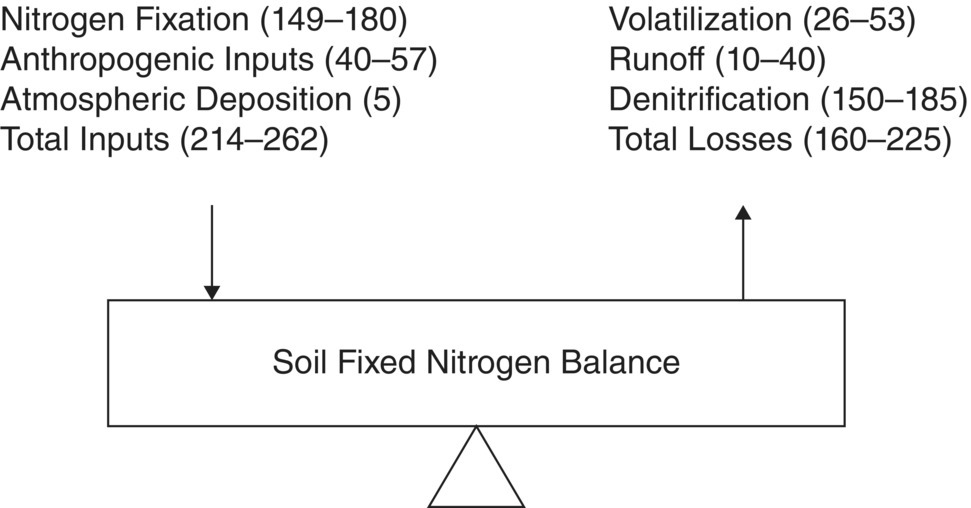
Figure 12.1 Major nitrogen inputs and losses contributing to the soil fixed nitrogen balance. Values in parentheses are Tg N yr−1 as estimated by Knowles (1981).
Interestingly, a less obvious observation is that due to the intensive management of nitrogen‐fixing crops, the majority of the biologically fixed nitrogen enters the land‐based nitrogen reserves in cropped lands (Burns and Hardy 1975; Galloway et al. 2008). True, intensive agricultural systems have, for the most part, been sustained through liberal use of industrially fixed nitrogen, but societal as well as environmental concerns are dictating a return to utilization of biological nitrogen fixation processes to replace at least a portion of the quantities of industrially fixed nitrogen used in crop production. Most commonly, this entails cultivation of legumes, crops commonly involved in symbiotic associations with nitrogen‐fixing bacteria. Similar plant–microbe partnerships involved in nitrogen fixation are actinorhizal associations. In contrast to the legume interactions, which tend to be identified with temperate agricultural systems, actinorhizal symbioses are more generally linked to native or “wild land” situations. (It must be noted that many of the vast number of underappreciated legumes are tree species, which therefore would be associated with less managed ecosystems.)
With legume crops, the greatest gain in fixed nitrogen results from return of all new plant biomass to the soil. Removal (i.e. harvesting) of aboveground portions of the plant leads to little increase in soil nitrogen. Some benefit results from retention of the legume root system within soil (Alexander 1977) but the bulk of the fixed nitrogen is contained within the harvested crop. Therefore, the best situation for cultivated legumes that can be anticipated would be retention of sufficient fixed nitrogen through incorporation of the root systems alone to maintain or minimize fixed nitrogen losses. In contrast to this situation with cropped legumes (e.g. soybeans, beans, alfalfa, and peas), a less appreciated, perhaps even more beneficial situation results from growth of leguminous trees. General soil fertility gains are realized for growth of the nitrogen‐fixing trees (e.g. Budowski and Russo 1997; Jonsson et al. 1996; Sanginga et al. 1996).
These introductory comments reveal the critical nature of nitrogen fixation in maintenance of native as well as managed ecosystems. Consideration of the balance between fixed nitrogen supplies, losses, and inputs in a soil ecosystem is especially important for the development of management or reclamation plans for damaged or mismanaged soil sites. Thus, this chapter is presented with the primary objective of evaluating nitrogen fixation as a process and of elucidating the nuances of variation of ecosystem properties on nitrogen fixation rates in managed and native soil systems.
12.1 Biochemistry of Nitrogen Fixation
An indepth evaluation of the biological, biochemical, and genetic aspects of biological nitrogen fixation exceeds the purview of primary interest of most soil microbiologists. Yet, a foundational understanding of some essential properties of the enzymes and organisms involved is necessary to comprehend the soil ecosystem that controls the dynamics of nitrogen fixation in native ecosystems. Primary traits of biological nitrogen fixation controlling the yields of fixed nitrogen in native soils and the kinetics of this production to be considered herein are the complexity of the enzyme (nitrogenase) catalyzing the reduction of dinitrogen (N2) to ammonium, the quantities and sources of the energy required to drive the process, and the diversity of microbes responsible for the process. For more detailed analyses of the biochemical and genetic aspects of nitrogen fixation processes, see basic biochemistry and general microbiology textbooks and reviews of the topic (e.g. Brewin 1991; Burris 1991; Caetano‐Anollés and Gresshoff 1991).
12.1.1 The Process
Dinitrogen, because of the triple bond between the two nitrogen atoms, is a nearly inert molecule with respect to the metabolic potentialities of the biological community. The only enzymologically catalyzed reaction involving dinitrogen is accomplished by a limited number of bacterial strains. As will become evident when individual microbial genera are discussed, these nitrogen‐fixing bacteria constitute a highly diverse physiological group with the capacity to reduce dinitrogen to ammonium as their primary common trait. It should also be stated that the ability to transform dinitrogen to ammonium is limited to bacteria; that is, thus far no fungi, plants, or animals have been found to possess this capability.
In nitrogen fixation, the nitrogen atom is reduced from its most oxidized state (N2) to its most reduced form (NH4+) by the following reaction:

Although the nitrogen atom passes through a number of oxidation states in between dinitrogen and ammonium, no free intermediates between dinitrogen and ammonia are produced. All intermediates are retained within the nitrogen‐fixing bacterial cell and associated with the enzyme catalyzing the reaction (i.e. nitrogenase). Thus, the only direct product of nitrogen fixation encountered by soil microbes is ammonium.
Energy consumption during nitrogen fixation: Considering the bonding energy associated with the triple bond of dinitrogen, it is reasonable to conclude that nitrogen fixation is an energy‐intensive process. Under ideal conditions, a minimum of 16 molecules of MgATP are required for each atom of dinitrogen cleaved and reduced. Since ideal conditions are rarely achieved in soil, the quantity of energy required is generally found to be between 20 and 30 molecules of MgATP (Burris 1991). To put this quantity of energy into perspective, recall that the total oxidation of one molecule of glucose yields a maximum of 38 ATP molecules (see Chapter 4). Thus, a microbe fixing nitrogen must devote nearly all of the energy provided by the oxidation of a glucose molecule to the reduction of one dinitrogen molecule to two ammonium ions. The ATP molecules supporting nitrogen fixation are derived primarily either directly from photosynthetic processes (nitrogen‐fixing photoautotrophs) or from decomposition of organic compounds (heterotrophic metabolism).
Knowledge of this energy requirement allows the soil microbiologist to deduce the sites of activity and the relative importance of the various metabolic groups of nitrogen‐fixing bacteria. For example, as will be discussed below, this energy requirement limits the quantities of dinitrogen that can be reduced by microbes catalyzing soil organic matter as their energy source. For maximal conversion of dinitrogen to ammonium, a stable, abundant energy source is necessary. Such reliable supplies occur naturally in the rhizosphere (i.e. photosynthetically fixed carbon contained in root exudates or provided by symbiotic associations) or through direct conversion of light energy for the process (cyanobacteria and photosynthetic bacteria). Therefore the quantity of easily metabolized organic matter in soils in general is rarely sufficient to support high levels of nitrogen fixation.
This energy requirement essentially dictates that the primary sites for nitrogen fixation in soil are located in the rhizosphere. Potential exceptions to this observation could be soil sites receiving large quantities of fixed carbon; that is, spill sites or systems receiving large quantities of industrial effluents. For example, Neilson and Sparell (1976) isolated nitrogen‐fixing enterobacteria from paper mill process waters. In conclusion, in native ecosystems, highest nitrogen fixation contributions to soil ecosystems are associated with situations where energy inputs are provided by photosynthesis (nitrogen fixation by blue‐green bacteria) or through transfer of plant photosynthate directly to nitrogen‐fixing bacteria or actinomycetes (symbiotic nitrogen fixation).
Hydrogen production and hydrogenase activity: A related concern involving the stoichiometry of reduction of dinitrogen to ammonium involves the inefficiency associated with loss of reducing power (H+) through the formation of hydrogen gas. It appears to be logical that the most efficient process would be the incorporation of all reducing power into the nitrogenous product but that does not occur. Formation of hydrogen gas appears to be illogical also from the fact that hydrogen is a specific competitive inhibitor of nitrogenase. Although there has been considerable research involving optimization of utilization of reducing power in dinitrogen reduction, the synthesis of hydrogen gas appears to be an obligatory part of the nitrogen fixation reaction (Burris 1991).
The quantities of electron flow lost to the microbe through hydrogen ion reduction can be significant. For example, nodules formed by Rhizobium meliloti or R. trifolii on their respective hosts have been shown to lose at least 17% of their electrons through this mechanism (Ruiz‐Argüeso et al. 1979). The mean conversion of reducing power to hydrogen gas for each of these organisms was considerable greater than this minimum value. For the alfalfa nodulator R. meliloti, the average proportion of electrons lost was 25%. The comparable value for the clover‐modulating organism (R. trifolii) was 35%.
Although there appears to be no way of preventing the formation of this hydrogen gas during nitrogen fixation, a means of improving the efficiency of the nitrogen‐reducing process for the microorganism is to recover the energy contained in hydrogen gas. Hydrogenase is an enzyme that catalyzes the oxidation of hydrogen gas with water as the final product. This oxidative reaction is coupled with ATP formation or with reduction of ferredoxin or flavodoxin. These electron acceptors are of particular interest since their reduction can lead to increased ammonium ion yields. The electrons transferred to ferredoxin and flavodoxin are returned to the dinitrogen reductase portion of the nitrogenase enzyme. Examples of the occurrence of hydrogenase activity in nitrogen‐fixing bacteria include Rhodopseudomonas capsulata (Colbeau et al. 1980). High hydrogenase activities were also found Bradyrhizobium japonicum (Keyser et al. 1984; Merberg and Maier 1983), and Rhizobium leguminosarum (Nelson and Salminen 1982). The proportion of each of the strains of the species producing hydrogenase is extremely variable. For example, in the study conducted by Keyser et al. (1984), a small portion of the B. japonicum strains produced hydrogenase (i.e. were Hup+). Of 972 B. japonicum isolates from 65 soybean fields located in 12 states (USA) studied, only 20% produced hydrogenase. Frequency of occurrence of these hydrogenase producers varied considerably between strains. None of the isolates in serogroup 135 were Hup+ whereas 93% were positive in serogroup 122.
12.1.2 The Enzyme, Nitrogenase
Reduction of dinitrogen to ammonium in nitrogen‐fixing bacteria is catalyzed by an enzyme system consisting of two distinct proteins: dinitrogenase (also known as MoFe protein or protein I) and dinitrogenase reductase (alias Fe protein or protein II). Dinitrogenase is a large protein (220–240 KDa) that binds to and reduces dinitrogen. Dinitrogenase reductase transfers the electrons to dinitrogenase.
Dinitrogenase and dinitrogenase reductase are highly conserved proteins between the various strains of nitrogen fixers. This fact is supported by the observation that purified dinitrogenase and dinitrogenase reductase produced from a variety of nonrelated bacterial species can be combined to produce active nitrogen fixation. Thus, a limited set of basic properties can be attributed to all nitrogenase enzymes.
All nitrogenases are extremely oxygen sensitive. Since nitrogen fixation is catalyzed by strictly anaerobic bacteria, facultative aerobes, microaerophilic organisms, and strictly aerobic bacteria, a major proportion of the organisms involved must possess a mechanism to protect the oxygen‐labile protein. Two adaptive mechanisms to protect nitrogenase are available to the microbes. Either a means can be developed that results in the exclusion of molecular oxygen from sites of active nitrogen fixation or nitrogenase molecules inherently resistant to oxygen can be selected.
At least seven individual means for exclusion of molecular oxygen from the environment of nitrogenase enzymes have been observed.
· Respiratory protection: The rate of consumption of oxygen by individual cells may be enhanced so that the oxygen in the microenvironment is reduced to acceptable levels. For example, Azotobacter sp. cells have been observed to oxidize more fixed carbon in the presence of oxygen than is needed to satisfy microbial energy requirements. This protective mechanism appears to be operative in a variety of free‐living organisms, including such metabolically diverse organisms as Azotobacter vinelandii (e.g. Shah et al. 1973) and cyanobacteria (e.g. Murry et al. 1984; Peschek et al. 1991).
· Conformational protection: An alternative to developing an enzyme that is inherently resistant to oxygen is to develop a nitrogenase that changes to a protective conformation in the presence of oxygen. This has been observed with Azotobacter. In the protected state, nitrogen fixation is totally precluded, but the activity rapidly returns when the oxygen tension is reduced to acceptable levels. This alteration of nitrogenase structure results from association of a small protein (approx. 24 000 Da molecular weight) with the nitrogenase protein.
· Oxygen regulation of nitrogenase synthesis: Nitrogenase is a complex of large protein molecules. Synthesis of these molecules thus requires expenditure of significant portions of the cell’s energy resources. One means of protection of the nitrogen‐fixing apparatus is to prevent its production under unfavorable conditions. Molecular oxygen represses nitrogenase synthesis in Klebsiella pneumoniae, Azotobacter chroococcum, and some strains of rhizobia.
· Gum production: For oxygen to interfere with dinitrogen reduction, the inhibitor and susceptible enzyme must interact. Nitrogenase can be protected by production of a physical barrier to molecular oxygen. Gums or polysaccharides accumulated external to the cell wall may provide such protection. Microorganisms may synthesize extracellular polysaccharides that would reduce the diffusion rate of oxygen in the vicinity of the cell wall. This has been proposed to occur for Azotobacter spp. and Derxia gummosa.
· Heterocyst production: Nitrogen fixation can be an especially incompatible process in photosynthetic organisms in that molecular oxygen is a product of carbon fixation in aerobic, nitrogen‐fixing cyanobacteria. With these organisms, the oxygen‐labile enzymes may be isolated in structures with thick cell walls (heterocysts) to reduce contact of nitrogenase with molecular oxygen. (For further discussion of the protection of nitrogenase in cyanobacteria, see Fay 1992 or Yoon and Golden 1998.)
· Leghemoglobin production: In Rhizobium–legume nodules, molecular oxygen is complexed by substances with high oxygen affinities in order to reduce intracellular oxygen concentrations. A hemoglobin‐like molecule (leghemoglobin) is synthesized in the cytosol around the packets of bacteria. This complexing of molecular oxygen results in reduction of oxygen at the bacteroid surface to about 10 nM. Further protection of nitrogenase in the bacteroids is provided by a terminal oxidase system that has an unusually high affinity for molecular oxygen.
· Migration to suitable environment: Aerotactic organisms may migrate to positions in their microenvironment suitable for nitrogen fixation. This has been observed with Azospirillum spp. (Barak et al. 1982).
· Other mechanisms: In aquatic ecosystems, as exemplified by cyanobacteria associated with rice cultivation, nitrogen‐fixing cells may be protected by clumping of the cells or oxygen‐generating and nitrogen‐fixing processes may be separated temporally. For example, cyanobacterial cells have been shown to form clusters. Molecular oxygen consumption on the surface of the cluster is sufficient to reduce oxygen concentrations inside the grouping to noninhibitory levels.
12.1.3 Measurement of Biological Nitrogen Fixation in Culture and in the Field
Accurate quantification of fixed nitrogen inputs into terrestrial systems due to the biological nitrogen fixation is difficult to achieve. Even though large quantities of dinitrogen are reduced to ammonium by the soil biological community annually (e.g. Knowles 1981), the actual change in quantities of fixed nitrogen in individual soil microsites is relatively small compared to the background concentrations of both ammonium and dinitrogen, which are common chemical components of both soil air and water as well as the general atmosphere. This situation necessitates sensitive and accurate measurement of small changes in reactants and products. Such procedures for use with complex soil samples are of limited availability.
A variety of techniques adaptable for quantification of dinitrogen or ammonium ions in terrestrial ecosystems are available. Unfortunately, their use to evaluate changes in fixed nitrogen concentrations in native soil samples or in growth media of axenically grown microbial cultures is problematic. To a large degree, use of direct measurements of changes in ammonium or dinitrogen concentrations for quantification of fixed nitrogen production yields equivocal data. It is not unusual for gains or losses of these nitrogenous substances in soil samples where nitrogen fixation is actively occurring to be less than or approximately equal to the intrinsic variability of the procedure used to quantify them. Thus, the sought after value is obscured within the background “noise” associated with the data (i.e. the standard deviation or standard error of the mean of the results).
To overcome the methodological limitations imposed by the ubiquity of dinitrogen and ammonium, a variety of indirect as well as more direct procedures have historically been employed to estimate quantities of nitrogen fixed in culture and in soil samples. Methods utilized have included growth in microbiological media lacking a fixed nitrogen source (based on the assumption that any increase in levels of fixed nitrogen results from nitrogen fixation), assessment of changes in the distribution of fixed nitrogen in known soil nitrogen pools (nitrogen balance studies), tracing movement of nitrogen atoms with 15N‐labeled substrates, and use of acetylene reduction as an indicator of nitrogen fixation capacity.
Nitrogen‐free cultivation and nitrogen balance procedures: Two apparently logical procedures for assessing nitrogen fixing potential are (i) determination of the capacity of a microorganism to grow in media lacking a source of fixed nitrogen and (ii) assessment of the changes in nitrogen pools in a soil site. These were the most commonly used early methods for assessing nitrogen fixation potentials. Unfortunately, both yield equivocal results, at best. These techniques, although applied to very different systems (field soil sites or samples thereof and defined microbial culture media), are examined together because they are both supported by the same faulty assumption, which is that all nitrogen inputs and losses in a soil sample or a culture medium are understood and can be accurately quantified. Thus, changes in both quantities of inorganic fixed nitrogen in the field or the amount of the microbial biomass produced in laboratory cultures were assumed to have resulted from biological nitrogen fixation. The tenets of this assumption are rarely achieved in either the field or the laboratory.
From the view of assessment of nitrogen‐fixing activity of axenically grown microbial cells, it has long been possible to prepare laboratory media with nitrogen‐free chemicals and reasonably pure water. Since it is also known that a fixed nitrogen source is obligatory for cell growth and reproduction, it can logically be concluded that if a microbe grows in a growth medium composed of nitrogen‐free water and chemicals, it must be fixing nitrogen. Superficially, it appears that there are no other sources of fixed nitrogen. It is not difficult to find a variety of papers published prior to the 1950s documenting nitrogen‐fixing capabilities of a variety of bacterial species through use of this method.
Unfortunately, conclusions reached using nitrogen‐free growth media for microbial culture are equivocal at best and are more commonly erroneous. Why? Assuming that the fixed nitrogen has been adequately removed from substituents of the growth media or that the quantities of microbial biomass produced exceed those that would be allowed by the trace nitrogenous contaminants of the substituents of growth medium, it would seem apparent that the only other source of fixed nitrogen for microbial replication would be biological fixation. Unfortunately, fixed nitrogen is a common component of the atmosphere of laboratories and incubators. The tendency to disregard this air pollution resulted in a misplaced confidence in the laboratory results. Volatile nitrogenous compounds are easily transferred via the atmospheric route into the nitrogen‐free media in laboratory situations. It is easy to envision conditions where a culture of a microbe producing a volatile nitrogenous compound is growing adjacent to a culture containing a nitrogen‐free medium. Furthermore, biological products of neighboring cultures are not the only source of contamination for such studies utilizing nitrogen‐free growth media. Although scrupulously clean chemical and water were generally employed in preparing for culture of the test microbes, incorporation of ammonium into the microbial culture media easily occurred any time ammonia‐based cleaning solvents were used in the laboratory or when a bottle of ammonium hydroxide was opened in the laboratory.
In the more complex field situations, the extent of biological nitrogen fixation has been historically estimated by quantifying changes in quantities of nitrogen contained within the various soil nitrogen pools. Nitrogen balance sheets were prepared. With this method, fixed nitrogen concentrations were measured directly in soil samples. Ammonium was usually extracted from the sample, steam distilled and titrated. Nitrate and nitrite ions were then reduced to ammonium and similarly assayed. Finally, organic nitrogen was converted to ammonium using the Kjeldahl digestion procedure. Two requirements that are basic to any nitrogen balance‐sheet analysis are (i) diligence in analyzing all nitrogen sources and (ii) a capacity to assess accurately small changes in generally sizable nitrogen pools. Neither condition is met in these analyses. Error results from difficulties in quantifying fixed nitrogen losses through denitrification and erosion as well as inputs from atmospheric sources (e.g. inputs of volatized ammonium). The problems associated with quantification of slight changes in preexisting fixed nitrogen pools were discussed above. Applicability of nitrogen balance data to total ecosystems is further reduced by the inaccuracies introduced by extrapolation of data with high standard deviations collected by analysis of a single or a limited number of field samples to account for all nitrogen inputs into the study site. Use of nitrogen balance‐sheet type studies is most commonly limited to well‐defined systems experiencing major changes in the size of the nitrogen reservoirs, such as the closed system represented by a soil sample incubated in a beaker in the laboratory.
Use of 15N tracers: A nearly ideal means of compensating for the tendency of background nitrogen concentrations to obscure small changes in distribution of atoms among the various reservoirs of soil nitrogen is to trace the movement of 15N‐labeled atoms within the system of interest. Sufficient labeled dinitrogen can be added to the soil sample to overcome any difficulties associated with the natural background levels of the nitrogen isotope contained therein. There are no radioactive nitrogen isotopes with a sufficiently long half‐life to be practical for quantifying nitrogen fixation in soil environments. The heavy isotope 15N can be used to trace nitrogen transformations in natural soil samples. Assays for 15N in soil nitrogen pools are sensitive and accurate.
The primary assumption underlying use of 15N for quantification of nitrogen fixation is that the labeled atom is utilized by the microbes indiscriminately; that is, the microbes are not capable of differentiating between the 15N label and the more abundant 14N isotope. A further consideration is that an apparent microbial discrimination in nitrogen atom sources must not be imposed on the system by incomplete homogenization of the amended labeled nitrogenous substrate with indigenous soil nitrogen pools. This means that the 15N‐labeled dinitrogen molecules must be reduced to ammonium proportionally to their contribution to the total dinitrogen pool, not by their occurrence in different locations within soil microsites. Unfortunately, when using 15N to study nitrogen fixation, it must be remembered that some discrimination favoring 15N atoms by nitrogenase in leguminous root nodules has been shown (Burris 1991). Furthermore, it is not possible to distribute evenly an externally supplied 15N labeled mixture within the heterogeneous, complex soil structure. Even with these difficulties, 15N is commonly used as a tracer for nitrogen in nitrogen fixation studies.
One means of counteracting the isotope discrimination problem is to use 15N‐depleted dinitrogen. For this method, the reduction in the atom percent 15N in the ammonium present in the sample is measured in samples incubated in an atmosphere containing dinitrogen from which the 15N has been removed or highly reduced.
Other difficulties associated with large‐scale utilization of 15N to quantify nitrogen fixation in environmental samples are the requirement for a mass spectrometer to quantify enrichment or depletion of the 15N in the ammonium pool extracted from the test system, the cost involved with purchase of the isotopically labeled substances, and the rather long incubation times in gas‐tight systems required to insure that the labeled dinitrogen sources are not diluted by atmospheric sources.
Acetylene reduction: To overcome the methodological limitations involved with utilization of 15N‐labeled dinitrogen, a surrogate compound, reduced by nitrogenase at rates comparable to those associated with dinitrogen reduction, could be useful. Ideally, this substance should be quantified easily by methods readily available in most laboratories, and reasonably inexpensive. Fortunately, nitrogenase is not totally specific for dinitrogen as a substrate. This enzyme can also reduce nitrous oxide, cyanide, methyl isocyanide, azide, acetylene, and cyclopropene (Figure 12.2). The reduction of these compounds can serve as a measure of nitrogenase. The most useful alternate substrate for nitrogenase is acetylene in that it is not normally present in atmospheric samples, is relatively inexpensive, and can be quantified using gas chromatographs.
Since most studies of nitrogen fixation have an objective of assessing or predicting the quantities of dinitrogen that could be reduced in the samples, it would be useful if the quantities of ethylene produced from acetylene could be extrapolated to nitrogen fixation potential. The stoichiometry of the reduction of dinitrogen or acetylene by nitrogenase is as follows:


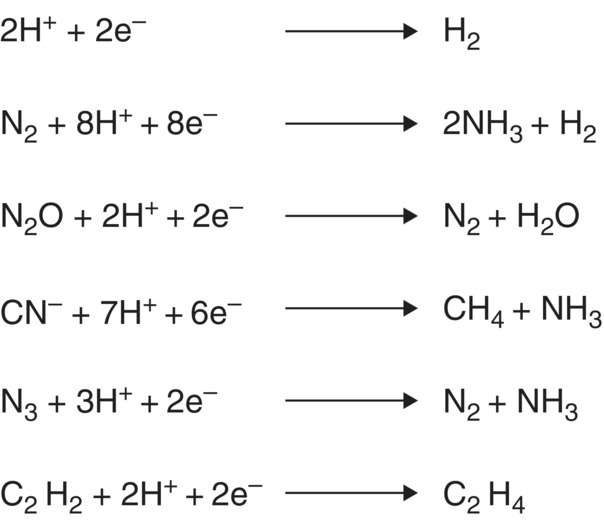
Figure 12.2 Some alternate substrates reduced by the nitrogenase system.
Considering the hydrogen ions incorporated into the acetylene and dinitrogen by nitrogenase, reduction of three acetylene atoms to three ethylene atoms should be equivalent to reduction of one dinitrogen to two ammonia atoms; that is, production of three ethylene molecules should represent the reduction of one dinitrogen.
Unfortunately, extrapolation of data collected from analysis of acetylene to estimate field nitrogen fixation rates is more complicated than this stoichiometric comparison predicts. Comparison of data derived from the assessment of nitrogen fixation in parallel samples using 15N‐labeled dinitrogen and acetylene suggests that this ratio of 3 : 1 (ethylene to dinitrogen) can be attained at times in culture and soil, but more commonly the ratio ranges from 0.75 to 4.5 or greater. Therefore, caution is necessary in interpretation of the acetylene‐derived data. Due to this data inconsistency, nitrogen fixation potential measured by the acetylene procedure is generally designated “nitrogen fixation (acetylene)” so that readers may realize that the results are derived from extrapolation from an acetylene‐based assay rather than from an assessment of dinitrogen reduction directly.
This discrepancy between predicted equivalence of acetylene and dinitrogen reduction from basic chemical principles and actual field results can be explained to a large degree by the different solubilities of dinitrogen and acetylene in water. Dinitrogen is poorly soluble in water. Thus, nitrogenase is rarely saturated by its primary substrate. In contrast, acetylene is highly water soluble. An acetylene concentration of 0.2 atm is usually sufficient to saturate nitrogenase. Therefore, when acetylene is used as a substrate for nitrogenase, all nitrogenase enzyme molecules in the sample are measured. (Since the substrate is at saturating concentrations in the reaction mixture, the reaction rate is proportional to the quantities of enzyme present.) When the nonsaturating concentrations of dinitrogen are used to assess nitrogen‐fixing capacity, some of the enzyme is inactive and therefore undetected. (In the latter situation, the reaction rate is substrate‐, not enzyme‐concentration limited.)
A further complication in using the acetylene reduction procedure to estimate biological nitrogen fixation rates in field samples can result from reduction of the ethylene produced by nitrogenase. To accurately quantify nitrogenase activity, all the ethylene produced from reduction of acetylene must be detected. In some soil ecosystems, the ethylene produced by nitrogenase is oxidized by soil microorganisms. Some soil microbes are capable of using ethylene as a carbon and energy source. Thus, to assure that the ethylene detected during measurements of nitrogenase activity represents the total amount produced by nitrogenase, a control sample for disappearance of ethylene must be included in the study.
12.2 General Properties of Soil Diazotrophs
Nitrogen fixation is catalyzed solely by bacteria either living among the general soil microbial population or in symbiotic associations (i.e. Rhizobium–legume or actinorhizal symbioses or with fungi [lichens]). Rhizosphere‐associated nitrogen‐fixing bacteria (e.g. Azospirillum sp. growing in and around the root) can also be defined as existing in a loosely symbiotic relationship with the plant. Nitrogen‐fixing microorganisms, that is diazotrophs, constitute a large group of marginally related bacteria. In contrast to the situation with nitrifying bacteria where the capacity to nitrify is sufficiently definitive that it can be used as a taxonomic trait, the extreme physiological and structural diversity of diazotrophs preclude using a single metabolic property, synthesis of nitrogenase, as a generic defining trait. Grouping nitrogen‐fixing organisms into one or a few bacterial genera based on their capacity to reduce dinitrogen to ammonium is counterproductive. These organisms are found in such diverse groups as eubacteria, the photosynthetic cyanobacteria (formerly known as the blue‐green algae), and actinomyctes.
The only clear commonalties between the diazotrophs is their general classification as bacteria and their ability to fix nitrogen. Diazotrophs are aerobes, facultative anaerobes, or anaerobes. They may derive their energy from organic substances, inorganic compounds, or directly from solar energy. Diazotrophs grow as single cells or chains of individual cells (e.g. rhizobia, clostridia), as loosely associated colonies (e.g. some blue‐green algae), and as mycelial structures (e.g. the actinomycetes). This metabolic and physical variability enables these organisms to contribute to fixed nitrogen pools in essentially any ecosystem where microbes are capable of growth and reproduction (see Table 12.1).
12.2.1 Free‐Living Diazotrophs
From a consideration of the wide variety of ecosystems in which free‐living diazotrophs are found, it can be concluded that a vast diversity of diazotrophs must exist. Indeed, bacteria capable of fixing nitrogen while growing independently in soil are distributed among at least 26 genera, 11 families, and three orders of bacteria. It must be noted that within each individual genus, the number of species capable of fixing nitrogen is small, and that not every strain of a diazotrophic species will necessarily be capable of fixing nitrogen.
To provide an indication of the limitations to growth and their contributions to total fixed nitrogen in soil ecosystems, representative examples of aerobic, anaerobic, and autotrophic nitrogen‐fixing bacteria will be discussed. The relationship of some of these organism to the properties of their natural habitats is analyzed in the next section. The individual species examined are not necessarily the most important in any given ecosystem or in soil ecosystems in general. In many cases, they simply represent the more commonly studied. Quite commonly, the frequency of isolation and evaluation of individual diazotrophs is determined by the ease of isolation and their propensity for reproducible growth of the organism in axenic culture rather than the proportion of the soil nitrogen‐fixing population that they represent.
Table 12.1 Examples of diazotrophs commonly found in soil, rhizosphere, and soil‐linked aquatic systems
|
Habitat and metabolic grouping |
Microbial groups |
|
Nonassociated, aerobes, heterotrophs |
Azotobacter spp. |
|
Nonassociated, aerobes, lithotrophs |
Thiobacillus spp. |
|
Nonassociated, anaerobes, heterotrophs |
Clostridium spp. |
|
Aquatic (swamps, bogs, rice fields), aerobes, phototrophs |
Cyanobacteria (blue‐green algae) |
|
Aquatic (swamps, bogs, rice fields), anaerobes, phototrophs |
Chaetomium spp. |
|
Rhizosphere (loosely associated), facultative aerobes, heterotrophs |
Enterobacter spp. |
|
Rhizosphere (loosely associated), aerobes, heterotrophs |
Azospirillum spp. |
|
Root nodules (legumes or angiosperms) |
Frankia spp. |
Aerobic, free‐living diazotrophs: The three most studied free‐living, strict aerobes are Azotobacter chroococcum, A. beijerinckia (Beijerinkia sp.), and Derxia gumosa. From the number of reports in the literature, the conclusion could easily be reached that A. chroococcum is the most widespread species in neutral or alkaline soils. This conclusion is tentative at best and may easily be in error. The frequency with which this organism is studied may relate to the fact that it has been commonly studied in general bacteriology classes. Thus, soil microbiologists are well versed in the methods for isolating and growing this bacterial species.
Azotobacter chroococcum is a strict aerobe with a temperature optimum of about 30 °C. The numbers of these organisms in soil range from undetectable to several thousand g−1 soil. It is unusual to find large populations of this organism in soil, so it is unlikely to be an important contributor to total ecosystem fixed nitrogen inputs, except in some specialized situations (e.g. soils receiving inputs of fixed carbon substances that can provide energy for growth of the Azotobacter spp.). A. beijerinckia is dominant in acidic soils – pH values as low as 3.0. These organisms are common in tropical soils, rarely being found in temperate soils. They have also been reported to occur in high Arctic soils (Jordan and McNicol 1978) whereas both A. chroococcum and A. beijerinckia populations have been detected in Antarctic soils (Vishniac 1993). Similarly, D. gummosa is common in tropical soils of South America with pH values ranging from about 4.5 to 6.5.
A variety of nonsymbiotic diazotrophs are frequently found in rhizosphere soils. These organisms include Azospirillum species plus a variety of enteric bacterial species. Azospirillum lipoferum, which was originally described by Beijerink in 1922 and named Spirillum lipoferum, forms loose symbiotic associations on grasses. These spiral‐shaped gram‐negative organisms typically grow around roots and also penetrate the roots to grow intercellularly. These organisms use root exudates for their carbon and energy source while fixing nitrogen. The latter group of nitrogen‐fixing bacteria – the enterics – includes Klebsiella sp.
Anaerobes and facultative anaerobic bacteria: The most commonly encountered anaerobic diazotrophs are Clostridium spp. These organisms are nearly universally present in poorly drained soils as well as in anaerobic microsites of arable soils. Klebsiella spp. are the most commonly observed facultative anaerobic nitrogen‐fixing bacteria. These organisms are widely distributed in aquatic and terrestrial environments, especially in rhizosphere soils. In arable lands, clostridial populations commonly range from 102 to 105 propagules g−1 soil although under optimal conditions, populations as high as 106 g−1 have been detected. In contrast, Klebsiella spp. have been found in rhizosphere samples at population densities of 106–108 g−1 root tissue (Evans et al. 1972). The nitrogen fixation efficiency of these organisms is comparable to that reported for aerobic organisms (2–20 mg N fixed g−1 carbohydrate consumed). It has been suggested that in some systems, such as forest soils, nitrogen fixation is probably limited to anoxic microsites (e.g. Limmer and Drake 1996).
Cyanobacteria: Soil microbiologists tend to disregard the input of algae to soil biogeochemical cycles, but blue‐green algae can provide significant inputs of fixed nitrogen into land‐based ecosystems. These photosynthetic organisms are found primarily in surface soil crusts. Significant algal populations may develop on soil surfaces, especially in the presence of a thin layer of free‐standing water. Approximately one‐tenth of the established genera of cyanobacteria contain diazotrophs. The absolute contribution of these organisms to soil nitrogen economy is difficult to assess since their distribution is frequently localized, but significant contributions have been measured in rice field soils.
Due to the photosynthetic nature of these organisms, the quantities of nitrogen fixed are independent of the availability of an external chemical energy supply. Yields of fixed nitrogen due to cyanobacteria can be highly meaningful. In rice paddy soils, contributions up to 30 kg N ha−1 yr−1 are commonly reported. Rychert and Skujins (1974) found that algae and lichens in soil crusts of the Great Basin Desert could produce fixed nitrogen at rates up to 84 g N ha−1 yr−1 (acetylene) in the laboratory. The rates they observed would extrapolate to 10–100 kg N ha−1 yr−1 if comparable efficiency were achieved in field samples.
12.2.2 Examples of Function of Nonsymbiotic Diazotrophs in Soil Ecosystems
Although population densities of nonsymbiotic diazotrophs may suggest that they are minimal contributors to fixed nitrogen levels in most ecosystems, soil ecosystems wherein they are major fixed nitrogen producers are easily recalled. They are meaningful players in nitrogen cycling in such ecosystems as wetlands (natural and agricultural managed sites) as well as plant rhizospheres. Selection and function of diazotrophs for function in these two types of ecosystem are particularly instructional in that conditions in each of these system types exemplify extremes in soil properties conducive to the function of nitrogenase. Both wetland soils and rhizosphere sites can contain elevated concentrations of readily metabolizable organic matter in comparison to generally arable soils, and oxygen tensions are reduced in both sites with increased probability of development of anaerobic microsites.
12.2.3 Diazotrophs in Rhizosphere Populations
The rhizosphere is home to a variety of heterotrophic diazotrophs exemplified by members of the family Enterobacteriaceae (including Enterobacter agglomerans, K. pneumoniae, Enterobacter cloacae, and Erwinia herbicola [e.g. Haahtela et al. 1981; Lindberg and Granhall 1984; Pedersen et al. 1978]), Bacillus species (e.g. Lindberg and Granhall 1984), and A. lipoferum (e.g. Haahtela et al. 1981). The presence of the enterobacteria and Azospirillum species conforms to a priori notions regarding this ecosystem; that is, the organisms are heterotrophs and capable of functioning under reduced oxygen tensions or in the total absence of oxygen. Indeed, since both aerobic and anaerobic microsites occur in the vicinity of the growing root, even the isolation of strict aerobes, such as the example of a Bacillus species cited above, from this environment is not problematic.
A perhaps more significant concern for a student of the environment relates to the significance of the contribution by diazotrophs residing in the rhizosphere to the fixed nitrogen resources of the growing plant. Although situations have been demonstrated where a significant role of rhizosphere diazotrophs in provision of plant‐fixed nitrogen is suggested (Döbereiner 1997), the importance of free‐living diazotrophs in the rhizosphere in plant nitrogen metabolism is more commonly described as minimal but significant. Acetylene and 15N‐labeled dinitrogen are reduced in the rhizosphere albeit at minimal levels. For example, Giller et al. (1988) found little to no nitrogen fixation in the rhizosphere of sorghum (Sorghum bicolor) and millet (Pennisetum americanum). With the sorghum, measurable nitrogen fixation was only detected on one occasion whereas with the millet, nitrogen fixed was less than 1% of the plant nitrogen accumulated. Berestetskii and Vasyuk (1983) found weak nitrogen fixation activity with spring wheat (Triticum aestivum), Poa pratensis, and Phleum pratense, but higher activity with millet. Pedersen et al. (1978) estimate that the maximum rate of nitrogen fixation (extrapolated from acetylene reduction data) in spring wheat and sorghum was 2.5 g N ha−1 d−1.
Interestingly, although diazotrophs functioning in rhizosphere or rhizoplane ecosystems rely on root exudates to meet fixed carbon and energy requirements, these nitrogen fixation rates are within the range generally observed for free‐living diazotrophs in less nutritionally luxuriant soil sites. This observation suggests that although a priori it could be anticipated that the rhizosphere‐residing nitrogen‐fixing bacteria should not be energy limited, the actual nitrogen fixation rates detected indicated that competition with the general rhizosphere microbial community for carbon and energy supplies limits the capacity of the diazotrophs to exploit nutrients in root exudates.
The contribution of rhizosphere nitrogen fixation to the nitrogen budget of higher plants is minimal (see Giller and Day 1985 for a further discussion of this topic). From the view of managing soil biologically fixed nitrogen to decrease anthropogenic intervention and increase system sustainability, the question emerges of whether the nitrogen‐producing capacity of the rhizosphere ecosystem can be increase. Although optimal conditions for nitrogenase function can be anticipated to occur in the rhizosphere, either microsite conditions vary from these anticipated situations or the efficiency of nitrogen fixation by the diazotrophs in the field is not sufficient to lead to meaningful fixed nitrogen contributions to the plant.
Difficulties with heterogeneity of the microenvironment of the rhizosphere encountered by nitrogen‐fixing bacteria are exemplified by evaluating the impact of variation of oxygen tension of the root environment on in situ nitrogen fixation. Haahtela et al. (1983) found that anaerobic conditions were required for maximal expression of nitrogenase activity of Klebsiella sp. and Enterobacter sp. isolated from plants. Similarly, in roots of corn (Zea mays), maximal acetylene reduction was noted at partial pressures of oxygen of 1–2 kPa. The activity was strongly inhibited with oxygen tensions above or equal to 6 kPa (Alexander et al. 1987). Alexander and Zuberer (1989) found that with 15N‐labeled dinitrogen ammonium production was 200‐fold greater at 2 kPa molecular oxygen than at 10 kPa. Thus, it could be predicted that a controlling factor for nitrogen fixation in the rhizosphere would be the development of anaerobic microsites. Total anaerobiosis in this habitat is clearly precluded by the requirement for oxygen for respiration of the root tissue.
Management of rhizosphere diazotroph populations: A potential means of reducing fertilizer expense for cropped (nonlegume) systems and anthropogenic intervention in reclamation projects is to optimize in situ inputs of biologically fixed nitrogen through manipulation of rhizosphere populations. Since habitats favorable to growth and development of diazotrophs exist around the plant root, the objective of such studies can be reduced to selection of efficient nitrogen‐fixing strains of rhizosphere bacteria that are capable of competing with indigenous microbes when returned to the root ecosystem. An apparently optimistic expectation for achievement of such goals is possible in that selection of natural genetic variants and production of genetic engineered strains with improved nitrogen fixation efficiency can readily be accomplished in the laboratory. Furthermore, the potential exists for the manipulation of rhizosphere populations for the successful inoculation of these laboratory‐cultivated strains into field situations. Application of these procedures is exemplified by studies of Azospirillum spp. which are normal components of the rhizosphere microbial community, fix nitrogen, and are amenable to laboratory culture.
As with any inoculation procedure, be it soil or rhizosphere inoculation, the initial concerns with amendment of axenically cultivated strains are (i) “Can the desired effect be observed in the ecosystem following addition of the test strain (e.g. stimulation of plant biomass synthesis?” and (ii) “Does the alteration of the ecosystem result from the anticipated activity of the amended microbe or is an alternative mechanism operative?” Once responses to these questions are acquired, then considerations regarding reproducibility, stability, and magnitude of the amendment response must be addressed.
Inoculation of a variety of grass varieties with Azospirillum strains does increase plant biomass production (e.g. Bashan and Holguin 1997; Desalamone et al. 1996; Gaskins et al. 1977; Smith et al. 1976; Subba‐Rao et al. 1978). Several mechanisms may be proposed to explain this increase in plant growth by inoculation with cultures of Azospirillum. Explanations of the stimulation of biomass production include (i) augmented ammonium supplies produced by the Azospirillum sp. (i.e. nitrogen fixation), (ii) plant hormone synthesis by the bacterium (e.g. Tien et al. 1979), (iii) alteration of root structure (e.g. Fallik et al. 1988; Hadas and Okon 1987; Jain and Patriquin 1984), and (iv) response to increased plant nutrients provided by mineralization of dead Azospirillum cells. (See Vanderbroek and Vanderleyden 1995 for a review of the genetics of phytohormone production, nitrogen fixation, and mechanisms of plant root attachment.)
It is probable that all these mechanisms function in part in regard to Azospirillum inoculation of grasses since nitrogenase synthesis and activity appear not to be the primary explanation for increases in plant productivity. Estimates of fixed nitrogen produced by Azospirillum sp. in the rhizosphere range from 2 kg N ha−1 (von Bülow and Döbereiner 1975) to as much as 90 kg N ha−1 (Döbereiner et al. 1972, 1973) with inoculated grasses in South America. Other studies have reported low levels of nitrogen fixation in temperate grasses (e.g. Barber et al. 1976; Harris et al. 1989; Okon et al. 1983). Alternatively, some impact of plant hormone production by the Azospirillum sp. used as an inoculant is logical. The bacterially produced plant hormones would stimulate root biomass production (e.g. Tien et al. 1979). Bashan and Dubrovsky (1996) have shown mixed results of inoculation with Azospirillum spp. on shoot to root ratio. In about half of the cases, this ratio was increased whereas in the remainder the ratio was decreased. Cation accumulation by the plant may (Lin et al. 1983) or may not (Bashan et al. 1990) be meaningful.
These data suggest limitations in yields of fixed nitrogen in inoculated rhizospheres. As our understanding of the genetics mechanisms associated with nitrogen fixation in Azospirillum and with ability of the bacterium to compete with indigenous rhizosphere populations improves, the probability of developing an economic and effective rhizosphere inoculation procedure will increase. Also, along with using genetic modification to improve competitive ability of Azospirillum cells introduced into the rhizosphere, fungicide or bacteriocides may be added with the diazotroph to increase the probability of establishment of the culture (Bashan 1986a). With this procedure, the inhibitors are used to limit the activity of indigenous populations until the foreign bacterial strain can become established, thereby giving the amended organism a competitive advantage.
Associated with selection of appropriate strains for inoculation of root or seed tissue is the development of an effective inoculation method. Viable cells must be delivered to the appropriate habitat on the root at a time of root development when maximal benefits to the plant are accrued and the conditions in the microsite wherein the microbes are anticipated to function are optimal for nitrogen fixation. Azotobacter populations can become established on grass roots through inoculation of either seeds or root tissue, although seed inoculation appears to be the most effective means of delivery (Bashan 1986b). One advantage of seed inoculation is that the amended bacterial strain is present as the nascent root tissue is produced. Thus, instead of having to compete with established bacterial populations, as would be the situation when roots are inoculated directly, the competition is reduced to a race between seed and soil flora to colonize the newly emergent root tissue.
Should the objective be to inoculate root tissue directly, the ability of the added cells or their progeny to spread from inoculated to noninoculated roots becomes important. Roots of infected plants can serve as a vector for transmission of the exogenous bacterial strain to noninfected populations (Bashan and Levanony 1987, 1989). In fact, weeds growing between rows of crop plants can serve to transport the added bacterial strain (Bashan and Levanony 1989). Thus, although a time delay in spread of the inoculant must occur with direct inoculation of plant roots in the field, diffusion of inoculated bacterial strains throughout a field can be anticipated to result eventually. For this process, active bacterial cultures may be added to the soil surface adjacent to the plant stem and washed into the rhizosphere, plant roots could be dipped into the inoculum prior to planting, or the inoculum could be banded adjacent to the plant in a region where the roots of the growing plant would be anticipated to penetrate. As has been shown with rhizobial inoculation of legumes (see Chapter 13), a variety of carriers may be used for introduction of Azospirillum inoculum into soil (e.g. Bashan 1986c). Each of these techniques would be less efficient than seed inoculation (i.e. from a time as well as quantity of inoculum which would have to be used), but with highly competitive and nitrogen fixation‐efficient diazotroph strains, such procedures may become more feasible.
An interesting variation of the observed effect of the inoculation of nonlegumes with Azospirillum spp. is the situation where legumes are inoculated with a mixture of the appropriate rhizobial strain for the legume plus Azospirillum sp. (e.g. Bashan and Holguin 1997; Burdman et al. 1997; Galal 1997). With appropriate ratios of the two microbial strains, nodulation and nitrogen fixation of the association are increased over those seen with plants inoculated with the rhizobial strain alone.
12.2.4 Dizaotrophs in Flooded Ecosystems
Wetland soils are sites of limited but active biological nitrogen fixation. The quantities of fixed nitrogen gained by this source are within the range commonly reported to be produced by free‐living microbes in soils in general. For example, Waugman and Bellamy (1980) estimate nitrogen fixation inputs due to heterotrophic bacteria in German mires (using the acetylene reduction method) to range from 0.07 to 2.1 g N m−1 yr−1. Slightly higher fixed nitrogen contributions have been reported for Gulf coast salt marshes (USA) at 4.5 and 15 g N m−2 yr−2 (Casselman et al. 1981). Since biomass productivity is low in swampy environments due to the flooded conditions, biologically fixed nitrogen can be a major source of this essential plant nutrient.
Free‐living bacteria are responsible for nitrogen fixation in swampy soils. As might be anticipated considering the oxygen‐limiting conditions of marshes, anaerobic bacteria are major participants in this process. Dicker and Smith (1980) found that Clostridium sp. and Desulfovibrio sp. accounted for a major portion of the nitrogen‐fixing activity in a Delaware salt marsh, although large populations of Azotobacter sp. were also present in the samples. Co‐occurrence of obligate aerobes and anaerobes in this ecosystem appears to be contradictory, but consideration of the heterogeneity of the soil profile (i.e. water‐saturated soil overlain by flowing water) reveals that it is reasonable to anticipate occurrence of both aerobic and anoxic microsites. Oxygen‐bearing water flowing into the system provides for the sustenance of aerobic microsites whereas activity of the aerobic bacteria in the system creates anaerobic sites. Furthermore, sequestering of water into nonflowing situations within the soil profile also results in development of anaerobic habitats within the soil profile (stagnation).
The diversity of diazotrophs present in swampy soils indicates the existence of a variety of energy sources supportive of microbial growth. Metabolic energy supply in these ecosystems is provided by (i) root exudates (e.g. from the Spartina alterniflora Loisel. plants in the salt marshes), (ii) accumulations of partially decomposed organic matter under anoxic conditions (i.e. products of anaerobic decomposition of biomass substituents), and (iii) solar energy (e.g. growth of cyanobacteria in the aquatic portion of the site).
Rice paddies provide an excellent example of the function of these various diazotroph groups in a managed, flooded ecosystem. A diverse population of autotrophic bacteria is found in the flood waters (e.g. Habte and Alexander 1980a; Kulasooriya and de Silva 1981). For example, 73 strains of cyanobacteria distributed taxonomically among 21 genera were isolated from rice soils in central Sri Lanka (Kulasooriya and de Silva 1981). Similarly, the rhizosphere contains an active heterotrophic diazotroph population (e.g. Habte and Alexander 1980b; Yoo et al. 1986). It should also be noted that these heterotrophic strains may be active on aboveground plant surfaces (Ito et al. 1980). The activities of the latter populations were shown to be approximately 2.5‐fold more efficient at fixing nitrogen than rhizosphere populations (Ito et al. 1980).
Wetland systems, with their low but significant biologically fixed nitrogen inputs, provide an even more vivid picture of the complexity of diazotrophic communities within a single ecosystem than is provided by the rhizosphere examples discussed above. This diversity in physiological ability provides a genotypic foundation for long‐term sustenance of the system under ever‐changing conditions. Balance between fixed nitrogen inputs from heterotrophic or autotrophic populations, aerobes or anaerobes, rhizosphere or leaf sheath populations is dependent upon such site properties as water influx rate, depth of flooding (i.e. drained to submerged), diurnal variation of temperature, and light influx.
12.3 Conclusions
The capacity to fix nitrogen is widely distributed among the bacterial genera, although only a limited number of species are actually capable of catalyzing the process. Nitrogenase, the enzyme responsible, is highly conserved among this diverse group of bacteria. Two characteristics of this reductive process dictate the yield of fixed nitrogen in various terrestrial environments. First, nitrogen fixation is an energy‐intensive process. Thus, large quantities of dinitrogen are fixed only in situations where there is a high energy supply (e.g. symbiotic associations involving formation of root nodules and through action of photosynthetic bacteria). Diazotrophs growing in competition with the general heterotrophic soil microbial community contribute small quantities of fixed nitrogen to the biological community. Second, nitrogenase is an oxygen‐labile enzyme so each diazotroph must expend resources to maintain anoxic conditions in the environment of active nitrogen fixation. These two overall traits of the nitrogen fixation process and the diverse group of bacteria capable of catalyzing the reaction combined with the extremely heterogeneous soil ecosystem select for a highly diverse indigenous population of diazotrophs in any terrestrial ecosystem. For example, the rhizosphere can contain aerobic, facultative anaerobic and strictly anaerobic diazotrophs when the oxygen sensitivity of the organisms alone is considered. This diversity of in situ populations and the variations in phenotypic expression of nitrogen‐fixing efficiency allow cautious optimism for genetic manipulation and selection of diazotrophs that can be introduced into soil systems to improve contributions to soil fixed nitrogen resources.
References
1. Alexander, M. (1977). Introduction to Soil Microbiology. New York: Wiley.
2. Alexander, D.B. and Zuberer, D.A. (1989). 15N2 fixation by bacteria associated with maize roots at a low partial O2 pressure. Appl. Environ. Microbiol. 55: 1748–1753.
3. Alexander, D.B., Zuberer, D.A., and Vietor, D.M. (1987). Nitrogen fixation (C2H2 reduction) associated with roots of intact Zea mays in fritted clay at reduced oxygen tensions. Soil Biol. Biochem. 19: 1–6.
4. Barak, R., Nur, I., Okon, Y., and Henis, Y. (1982). Aerotactic response of Azospirillum brasilense. J. Bacteriol. 152: 643–649.
5. Barber, L.E., Tjepkema, J.D., Russell, S.A., and Evans, H.J. (1976). Acetylene reduction (nitrogen fixation) associated with corn inoculated with Spirillum. Appl. Environ. Microbiol. 32: 108–113.
6. Bashan, Y. (1986a). Enhancement of wheat root colonization and plant development by Azospirillum brasilense following temporary depression of rhizosphere microflora. Appl. Environ. Microbiol. 51: 1067–1071.
7. Bashan, Y. (1986b). Significance of timing and level of inoculation with rhizosphere bacteria of wheat plants. Soil Biol. Biochem. 18: 297–302.
8. Bashan, Y. (1986c). Alginate beads as synthetic inoculant carriers for slow release of bacteria that affect plant growth. Appl. Environ. Microbiol. 51: 1089–1098.
9. Bashan, Y. and Dubrovsky, J.G. (1996). Azospirillum spp. participation in dry matter partitioning in grasses at the whole plant level. Biol. Fert. Soils 23: 435–440.
10. Bashan, Y. and Holguin, G. (1997). Azospirillum–plant relationships – environmental and physiological advances (1990–1996). Can. J. Microbiol. 43: 103–121.
11. Bashan, Y. and Levanony, H. (1987). Horizontal and vertical movement of Azospirillum brasilense CD in the soil and along the rhizosphere of wheat and weeds in controlled and field environments. J. Gen. Microbiol. 133: 3473–3480.
12. Bashan, Y. and Levanony, H. (1989). Wheat root tips as a vector for passive vertical transfer of Azospirillum brasilense CD. J. Gen. Microbiol. 135: 2899–2908.
13. Bashan, Y., Harrison, S.K., and Whitmoyer, R.E. (1990). Enhanced growth of wheat and soybean plants inoculated with Azospirillum brasilense is not necessarily due to general enhancement of mineral uptake. Appl. Environ. Microbiol. 56: 769–775.
14. Berestetskii, O.A. and Vasyuk, L.F. (1983). Nitrogen‐fixing activity in rhizosphere and on roots of nonleguminous plants. Biol. Bull. 10: 32–37.
15. Brewin, N.J. (1991). Development of the legume root nodule. Annu. Rev. Cell Biol. 7: 191–226.
16. Budowski, G. and Russo, R. (1997). Nitrogen‐fixing trees and nitrogen fixation in sustainable agriculture – research challenges. Soil Biol. Biochem. 29: 767–770.
17. Burdman, S., Kigel, J., and Okon, Y. (1997). Effects of Azospirillum brasilense on nodulation of common bean (Phaseolus vulgaris L.). Soil Biol. Biochem. 29: 923–929.
18. Burns, R.C. and Hardy, R.W.F. (1975). Nitrogen Fixation in Bacteria and Higher Plants. New York: Springer‐Verlag.
19. Burris, R.H. (1991). Nitrogenases. J. Biol. Chem. 266: 9339–9342.
20. Caetano‐Anollés, G. and Gresshoff, P.M. (1991). Plant genetic control of nodulation. Annu. Rev. Microbiol. 45: 345–382.
21. Casselman, M.E., Patrick, W.H. Jr., and DeLaune, R.D. (1981). Nitrogen fixation in a gulf coast salt marsh. Soil Sci. Soc. Am. J. 45: 51–56.
22. Colbeau, A., Kelley, B.C., and Vignais, P.M. (1980). Hydrogenase activity in Rhodopseudomonas capsulata: relationship with nitrogenase activity. J. Bacteriol. 144: 141–148.
23. Desalamone, I.E.E., Döbereiner, J., Urquiaga, S., and Boddey, R.M. (1996). Biological nitrogen fixation in Azospirillum strain‐maize genotype associations as evaluated by the N‐15 isotope dilution technique. Biol. Fert. Soils 23: 249–256.
24. Dicker, H.J. and Smith, D.W. (1980). Enumeration and relative importance of acetylene‐reducing (nitrogen‐fixing) bacteria in a Delaware salt marsh. Appl. Environ. Microbiol. 39: 1019–1025.
25. Döbereiner, J. (1997). Biological nitrogen fixation in the tropics – social and economic contributions. Soil Biol. Biochem. 29: 771–774.
26. Döbereiner, J., Day, J.M., and Dart, P.J. (1972). Nitrogenase activity in the rhizosphere of sugarcane and some other tropical grasses. Plant Soil 37: 191–196.
27. Döbereiner, J., Day, J.M., and Dart, P.J. (1973). Rhizosphere associations between grasses and nitrogen fixing bacteria: effect of O2 on nitrogenase activity in the rhizosphere of Paspalum notatum. Soil Biol. Biochem. 5: 157–159.
28. Evans, H.J., Campbell, N.E.R., and Hill, S. (1972). Asymbiotic nitrogen‐fixing bacteria from the surfaces of nodules and roots of legumes. Can. J. Microbiol. 18: 13–21.
29. Fallik, E., Okon, Y., and Fisher, M. (1988). Growth response of maize roots to Azospirillum inoculation: Effect of soil organic matter content, number of rhizosphere bacteria and timing of inoculation. Soil Biol. Biochem. 10: 45–50.
30. Fay, P. (1992). Oxygen relations of nitrogen fixation in cyanobacteria. Microbiol. Rev. 56: 340–373.
31. Galal, Y.G.M. (1997). Dual inoculation with strains of Bradyrhizobium japonicum and Azospirillum brasilense to improve growth and biological nitrogen fixation of soybean (Glycine max L.). Biol. Fert. Soils 24: 317–322.
32. Galloway, J.N., Townsend, A.R., Ersiman, J.W. et al. (2008). Transformation of the nitrogen cycle: recent trends, questions and potential solutions. Science 320: 889–892.
33. Gaskins, M.H., Garcia, M.U., Tien, T.M., and Hubbell, D.H. (1977). Nitrogen fixation and growth substance produced by Spirillum lipoferum and their effects on plant growth. Plant Physiol. 59: 128.
34. Giller, K.E. and Day, J.M. (1985). Nitrogen fixation in the rhizosphere: significance in natural and agricultural systems. In: Ecological Interactions in Soil: Plants, Microbes, and Animals (ed. A.E. Fitter), 127–147. Boston: Blackwell Scientific Publications.
35. Giller, K.E., Wani, S.P., Day, J.M., and Dart, P.J. (1988). Short‐term measurements of uptake of nitrogen fixed in the rhizospheres of sorghum (Sorghum bicolor) and millet (Pennisetum americum). Biol. Fert. Soils 7: 11–15.
36. Haahtela, K., Wartiovaara, T., Sundman, V., and Skujins, J. (1981). Root‐associated N2 fixation (acetylene reduction) by Enterobacteriaceae and Azospirillum strains in cold‐climate spodosols. Appl. Environ. Microbiol. 41: 203–206.
37. Haahtela, K., Kari, K., and Sundman, V. (1983). Nitrogenase activity (acetylene reduction) of root‐associated, clod‐climate Azospirillum, Enterobacter, Klebsiella, and Pseudomonas species during growth on various carbon sources and at various partial pressures of oxygen. Appl. Environ. Microbiol. 45: 563–570.
38. Habte, M. and Alexander, M. (1980a). Nitrogen fixation by photosynthetic bacteria in lowland rice culture. Appl. Environ. Microbiol. 39: 342–347.
39. Habte, M. and Alexander, M. (1980b). Effect of rice plants on nitrogenase activity in flooded soils. Appl. Environ. Microbiol. 40: 507–510.
40. Hadas, R. and Okon, Y. (1987). Effect of Azospirillum brasilense inoculation on root morphology and respiration in tomato seedlings. Biol. Fert. Soils 5: 241–247.
41. Harris, J.M., Lucas, J.A., Davey, M.R. et al. (1989). Establishment of Azospirillum inoculant in the rhizosphere of winter wheat. Soil Biol. Biochem. 21: 59–64.
42. Ito, O., Cabrera, D., and Watanabe, I. (1980). Fixation of dinitrogen‐15 associated with rice plants. Appl. Environ. Microbiol. 39: 554–558.
43. Jain, D.K. and Patriquin, D.G. (1984). Root hair deformation, bacterial attachment, and plant growth in wheat‐Azospirillum association. Appl. Environ. Microbiol. 48: 1208–1213.
44. Jonsson, K., Stahl, L., and Hogberg, P. (1996). Tree fallows – a comparison between five tropical tree species. Biol. Fert. Soils 23: 50–56.
45. Jordan, D.C. and McNicol, P.J. (1978). Identification of Beijerinckia in the high Arctic (Devon Island, Northwest Territories). Appl. Environ. Microbiol. 35: 204–205.
46. Keyser, H.H., Weber, D.F., and Uratsu, S.L. (1984). Rhizobium japonicum serogroup and hydrogenase phenotype distribution in 12 states. Appl. Environ. Microbiol. 47: 613–615.
47. Knowles, R. (1981). Denitrification. In: Soil Biochemistry, vol. 5 (eds. E.A. Paul and J.N. Ladd), 323–369. New York: Marcel Dekker.
48. Kulasooriya, S.A. and de Silva, R.S.Y. (1981). Mutivariate interpretation of the distribution of nitrogen fixing blue‐green algae in rice soils in central Sri Lanka. Ann. Bot. (Lond.) 47: 31–52.
49. Limmer, C. and Drake, H.L. (1996). Non‐symbiotic N2‐fixation in acidic and pH‐neutral forest soils – aerobic and anaerobic differentials. Soil Biol. Biochem. 28: 177–183.
50. Lin, W., Okon, Y., and Hardy, R.W.F. (1983). Enhanced mineral uptake by Zea mays and Sorghum bicolor roots inoculated with Azospirillum brasilense. Appl. Environ. Microbiol. 45: 1775–1779.
51. Lindberg, T. and Granhall, U. (1984). Isolation and characterization of dinitrogen‐fixing bacteria from the rhizosphere of temperate cereals and forage grasses. Appl. Environ. Microbiol. 48: 683–689.
52. Merberg, D. and Maier, R.J. (1983). Mutants of Rhizobium japonicum with increased hydrogenase activity. Science 220: 1064–1065.
53. Murry, M.A., Horne, A.J., and Benemann, J.R. (1984). Phsiological studies of oxygen protection mechanism in the heterocysts of Anabaena cylindrica. Appl. Environ. Microbiol. 47: 449–454.
54. Neilson, A.H. and Sparell, L. (1976). Acetylene reduction (nitrogen fixation) by Enterobacteriaceae isolated from paper mill process waters. Appl. Environ. Microbiol. 32: 197–205.
55. Nelson, L.M. and Salminen, S.O. (1982). Uptake hydrogenase activity and ATP formation in Rhizobium leguminosarum bacteroids. J. Bacteriol. 151: 989–995.
56. Okon, Y., Heytler, P.G., and Hardy, R.W.F. (1983). N2 fixation by Azospirillum and its incorporation into host Setaria italica. Appl. Environ. Microbiol. 46: 694–697.
57. Pedersen, W.L., Chakrabarty, K., Klucas, R.V., and Vidaver, A.K. (1978). Nitrogen fixation (acetylene reduction) associated with roots of winter wheat and sorghum in Nebraska. Appl. Environ. Microbiol. 35: 129–135.
58. Peschek, G.A., Villgrater, K., and Wastyn, M. (1991). 'Respiratory protection' of nitrogenase in dinitrogen‐fixing cyanobacteria. Plant Soil. 137: 17–24.
59. Ruiz‐Argüeso, T.R., Maier, J., and Evans, J.H. (1979). Hydrogen evolution from alfalfa and clover nodules and hydrogen uptake by free‐living Rhizobium meliloti. Appl. Environ. Microbiol. 37: 582–587.
60. Rychert, R.C. and Skujins, J. (1974). Nitrogen fixation by blue‐green‐algae‐lichin crusts in the great basin desert. Soil Sci. Soc. Am. Proc. 38: 768–771.
61. Sanginga, N., Danso, S.K.A., and Zapata, F. (1996). Field measurements of nitrogen fixation in leguminous trees used in agroforestry systems – influence of N‐15‐labeling approaches and reference trees. Biol. Fert. Soils 23: 26–32.
62. Shah, V.K., Pate, J.L., and Brill, W.J. (1973). Protection of nitrogenase in Azotobacter vinelandii. J. Bacteriol. 115: 15–17.
63. Smith, R.L., Bouton, J.H., Shank, S.C. et al. (1976). Nitrogen fixation in grasses inoculated with Spirillum lipoferum. Science 193: 1003–1005.
64. Subba‐Rao, N.S., Tilak, K.V.B.R., Lakshmi Kumari, M., and Singh, D.S. (1978). Response of crops to Spirillum lipoferum inoculation. In: Steinbock‐Kettering International Symposium on Nitrogen Fixation (eds. W.H. Orme‐Johnson and W.E. Newton), 20. Madison: University of Wisconsin.
65. Tien, T.M., Gaskins, M.H., and Hubbell, D.H. (1979). Plant growth substances produced by Azospirillum brasilense and their effect on the growth of pearl millet (Pennisetum americanum L.). Appl. Environ. Microbiol. 37: 1016–1024.
66. Vanderbroek, A. and Vanderleyden, J. (1995). Genetics of the Azospirillum‐plant root association – review. Crit. Rev. Plant Sci. 14: 445–466.
67. Vishniac, H.S. (1993). The microbiology of Antarctic soils. In: Antarctic Microbiology (ed. E.I. Friedmann), 297–241. New York: Wiley‐Liss.
68. Von Bülow, J.F.W. and Döbereiner, J. (1975). Potential for nitrogen fixation in maize genotypes in Brazil. Proc. Natl. Acad. Sci. U. S. A. 72: 2389–2393.
69. Waugman, G.J. and Bellamy, D.J. (1980). Nitrogen fixation and the nitrogen balance in peatland ecosystems. Ecology 61: 1185–1198.
70. Yoo, I.D., Fuji, T., Sano, Y. et al. (1986). Dinitrogen fixation of rice and Klebsiella associations. Crop Sci. 26: 297–301.
71. Yoon, H.‐S. and Golden, J.W. (1998). Heterocyst pattern formation controlled by a diffusible peptide. Science 282: 935–938.