

CHAPTER 6
–
‘There are all kinds of addicts, I guess. We all have pain. And we all look for ways to make the pain go away.’
–
Sherman Alexie, The Absolutely True
Diary of a Part-Time Indian
GET READY FOR a shock-horror admission. I have taken drugs. Caffeine. Alcohol. And yes, cannabis. I tried magic mushrooms, too, and came out the other end loving Pink Floyd. Biggest mistake of my life. We humans are a curious species, and we like trying new things. We also keep developing things we become addicted to and that cause us trouble. The latest addiction is your smartphone. I recently lost mine, and it felt like I’d lost a limb. I felt intensely uneasy and couldn’t stop thinking about the loss. I did everything I could to get a replacement. I felt great relief when I bought a new one and uploaded information from the Cloud (back up your iPhone right now, fellow addicts). A study into ‘problematic smartphone usage’ among teenagers has concluded that as many as 30 per cent have a problem that looks remarkably like an addiction. Research commissioned in 2019 by Deloitte showed that Irish people on average check their smartphones 50 times a day – higher than the European average of 41.1 Smartphones have been shown to light up the reward centres in your brain, giving you a dopamine hit every time you get a notification, not unlike how addictive drugs work. Like other addictions, smartphones are all about seeking pleasure, and the list of substances and activities that do this continues to grow. Addiction is a scourge on people’s lives and every government worries about it. It has an astonishingly high financial and emotional toll. Why are we built this way, and what can we do when something becomes so addictive that it ruins our lives?
Although smartphone addiction is nowhere near as serious as an addiction to heroin or alcohol, studies on smartphone use are telling us a lot about the nature of addiction. For most of us, the alarms on our smartphones wake us up – and then the stream of notifications begins (as we saw in the last chapter). One possible reason for the upsurge in anxiety and depression in young people is that one-third of teens wake up in the middle of the night to check their smartphone.2 This is highly disruptive to their sleep, a well-known cause of anxiety. The apps and social media sites we use feed our need for social contact, information and fun. We’ve become hardwired to our phone. Here are the features of problematic smartphone usage, which are strikingly similar to how addiction is defined – have a look at these and see if you have any:
•You regularly have an intense urge to use your smartphone.
•You spend more time on it than you intend.
•You panic when the battery runs down.
•You keep using it even though you know it’s having a negative effect on your life (that’s a big one when it comes to addiction).
Studies show that 89 per cent of university students report feeling phone vibrations that aren’t there.3 As many as 86 per cent of us regularly check our emails and social media sites, on average 55 times a day.4 All of this suggests addiction, and recently brain scanning would appear to confirm this. Scientists have used a technique called magnetic resonance imaging spectroscopy to examine the brains of teenagers who were diagnosed with internet or smartphone addiction.5 Although the numbers were small – 19 were in the ‘addicted’ group and 19 were in the control group – interesting findings were made. The control group in this case comprised teenagers who were matched for gender and age but were not addicted. (How they found the control group in this day and age remains a mystery.)
A questionnaire was used to assess the extent to which internet or smartphone use affected daily lives, social activities, productivity and sleep patterns. The addicted teens had higher scores for depression, anxiety and insomnia. What the scientists found was fascinating. They were able to measure certain brain chemicals – GABA and glutamate – and observed major changes in a part of the brain known as the anterior cingulate cortex, which confirm the profound effect smartphone use has on our brains. Importantly, 12 of the addicted group received nine weeks of cognitive behavioural therapy, modified from a programme for gaming addiction. When the teens went through the therapy sessions, brain chemicals returned to normal. This study indicates that smartphone or internet addiction is causing changes to our brain neurochemicals, and such changes lie at the heart of any addiction.

What actually constitutes addiction? It is defined as a brain disorder whereby people engage compulsively with a rewarding stimulus despite adverse consequences. You know it’s bad for you, but you keep doing it. This seems stupid, as surely we should be able to stop doing things that are bad for us? And yet it seems that the part of our brain that controls common sense or insight doesn’t seem to work in those of us who are addicted, or is overridden by those parts that drive addiction. It’s almost as if we have an angel and a devil on our shoulders and the angel is ignored in favour of the devil. The devil of addiction has two features. First, its use is reinforcing, which means that when you partake of the substance or behaviour, you will be driven to seek repeated exposure. Second, what you are doing is perceived as being rewarding – it makes you feel good, at least when you’re using the addictive substance or participating in the addictive behaviour. Addiction is different from dependency, which is defined as a disorder where cessation results in an unpleasant state known as withdrawal, which usually involves symptoms such as irritability, fatigue and nausea. These may provoke further use, but withdrawal symptoms are different from the compulsive behaviour of addiction, in which a person unrelentingly seeks the substance or activity to which they are addicted, which often occurs independently of any physical symptoms. Addiction and withdrawal, however, often occur together.
Overall, there are two main categories of addiction – chemical and behavioural.6 Chemical addiction means that you are addicted to a substance, whereas behavioural addiction means you are addicted to an activity. Chemical addiction is extremely common in Ireland, be it to alcohol or the whole gamut of so-called drugs of abuse. Around 40 per cent of Irish people binge-drink, which is much higher than most other countries.7 Binge drinking is defined for men as consuming more than six standard drinks (the equivalent of three pints or three medium (175ml) glasses of wine) over a period of two hours. For women, it’s four standard drinks in the same period. This level of alcohol consumption is considered bad for us.
Alcohol is poison in our bodies and the liver does a great job at breaking it down. The problem is, our livers can only handle one standard drink per hour, so if you drink more than that it can’t cope, and the alcohol starts to cause damage. Our brains are hypersensitive, and one reason why we feel euphoric is the parts of the brain involved in anxiety (especially social anxiety) are turned off by alcohol, so we relax and enjoy ourselves.8 This is where alcoholism begins. The changes in brain chemistry can set us on the path to addiction. Long-term binge drinking increases the risk of liver disease, given the hammering we are giving our livers, which eventually become so scarred by the injury that they pack up altogether. It also increases the risk of various types of cancer, notably those parts of the body that are most exposed to the alcohol: the liver, mouth, throat, oesophagus and digestive system. There is also a much higher risk of heart disease and stroke. Ireland has the second highest rate of binge drinking in the world, with 81 per cent of the population consuming two and a half times the global average of alcohol.9 The Irish seem to be world-beaters when it comes to alcohol abuse. Around 150,000 people in Ireland are alcoholics. The reasons for excessive alcohol consumption in Ireland are varied and have been reported to include the malign influence of the Catholic Church, English colonialism and even the weather. Alcohol is a major part of social and cultural life in Ireland, and, as such, it is difficult to avoid.
In spite of these statistics and recommendations, it’s not clear what binge drinking actually does to the Irish population. Life expectancy overall is not that different from other countries, nor is the incidence of a range of diseases associated with alcohol consumption. The population that binge-drinks into old age don’t seem to be any more infirm than one that doesn’t. The fact that so many people consume over two and a half times the average global level of alcohol isn’t necessarily translating into two and a half times the rate of alcohol-related diseases. The Irish population are no more likely to die of liver cirrhosis than other European countries, but a particularly worrying trend is the number of women who are seeking help for alcohol addiction; many of these women also have a co-addiction to prescription medications for depression or anxiety.10

THE TOBACCO BRAND ‘TOBACCO KILLS’ NEVER TOOK OFF.
Looking at other chemicals to which we risk becoming addicted, nicotine is next in overall use.11 Nicotine, found in the tobacco plant, acts on nicotinic acetylcholine receptors in the brain. The tobacco plant most probably makes it as an insecticide, a separate feature to being an addictive drug in humans. It is classified as a stimulant; it triggers the release of dopamine, giving pleasurable feelings. It also causes the release of another neurotransmitter called epinephrine (also called adrenaline), which gives you a buzz. However, once you are addicted, you need nicotine just to feel OK – the very nature of what it is to be an addict. The Healthy Ireland Survey found that around 17 per cent of Irish adults are smokers, with 14 per cent smoking on a daily basis.12

MARIJUANA IS NOW LEGAL IN MANY PLACES AND CAN BE SOLD IN SHOPS LIKE ANY OTHER AGRICULTURAL PRODUCT.
Each country in Europe produces an annual report on drug addiction under the auspices of the European Monitoring Centre for Drugs and Drug Addiction (EMCDDA).13 The report for 2019 revealed that drug use has become more common in Ireland in 15–64-year-olds. Over the past 20 years, drug use in Ireland has been increasing steadily. In 2002 fewer than two in ten adults reported using any illicit drug in their lives, but this number has risen to three in ten in 2014. Between 2016 and 2017 the number of cases of cocaine addiction jumped by 32 per cent. Cocaine works by preventing neurons from taking up the neurotransmitters serotonin, norepinephrine and dopamine, boosting the levels of all of these.14 It’s like turning on all the lights in your brain at once, creating a feeling of euphoria. MDMA (also known as ecstasy) works in a similar way.15 Cannabis remains the most used illicit drug in Ireland, followed by MDMA and cocaine.16 Cannabis has the active ingredient tetrahydrocannabinol (THC), which, like nicotine in tobacco, acts as an insecticide for the plant. The insects that feed on cannabis leaves get stoned and fall off. THC binds to cannabinoid receptors in the brain and induces feelings of relaxation and, to a lesser extent, euphoria.17 Of those who seek treatment for cannabis addiction, 79 per cent are male and 21 per cent are female.
The numbers are similar for cocaine with 81 per cent seeking treatment for cocaine addiction being male and 19 per cent being female. For young adults in the age bracket 15–34, 13.8 per cent used cannabis, 4.4 per cent used MDMA, 2.9 per cent used cocaine and 0.6 per cent used amphetamines. Amphetamine increases alertness, concentration and self-confidence. It boosts the levels of dopamine and norepinephrine in the brain by stopping the enzymes that break them down.18 In 2017 there were 18,988 heroin users in Ireland, of which 10,316 attended opioid substitution treatment centre. Heroin works by binding mu-opioid receptors, which act to limit the inhibitory neurotransmitter GABA, causing euphoria. Ireland places slightly above the European average for the use of these drugs.
There are also problems with addiction to prescription drugs. Prescription-drug abuse is defined as the use of a medication without a prescription in a way other than as prescribed. Several studies in Ireland have found that medicines that are used to treat pain, attention deficit disorder (defined as poor concentration, hyperactivity and learning difficulties) and anxiety are being abused at a rate second only to cannabis.19 It is likely that these drugs are being obtained illegally or on the internet. In the US in 2016 prescription drugs were implicated in 70 per cent of poisoning deaths.20 The opiate methadone (used to help people kick heroin) and the tranquilliser diazepam were the most common prescription drugs implicated, with methadone being implicated in 30 per cent of these cases.
One of the most troubling stories about prescription-drug addiction is the epidemic in the US of addiction to oxycodone (trade name Oxycontin).21 Like other opiates, such as heroin, it acts on the mu-opioid receptor and is used as a powerful painkiller in cases of moderate to severe pain. It has an intriguing history. Oxycodone was first made in Germany in 1916. The German pharmaceutical company Bayer had made heroin in the late 1800s. It was actually used as a cough medicine before Bayer realised the other rather troubling properties of heroin and stopped making it. It was hoped that oxycodone would retain the painkilling effects of heroin without the addictive properties. This turned out not to be the case. During World War II oxycodone was the main battlefield painkiller used by the German army. Adolf Hitler’s physician, Dr Theodor Morell, gave Hitler repeat injections of oxycodone and, when it was no longer possible to obtain it, Hitler likely went into full-scale withdrawal in January 1945, which might well explain his behaviour during the latter part of World War II.22 Oxycodone was also routinely given to U-boat captains to improve their performance. When the Nazi leader Hermann Göring was taken into custody by the Americans, he had thousands of doses of oxycodone in his possession.
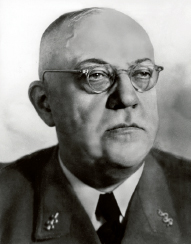
THEODOR MORELL (1886–1948), HITLER’S DOCTOR. HE KEPT HITLER HIGH ON THE OPIATE OXYCODONE UNTIL SUPPLIES RAN OUT IN 1945, POSSIBLY EXPLAINING HITLER’S BEHAVIOUR TOWARDS THE END OF WORLD WAR II.
In the 1990s the drug company Purdue Pharma developed a prescription version, which they named Oxycontin. When it was launched in 1995 it was hailed as a medical breakthrough that could help patients suffering from moderate to severe pain. The drug became a blockbuster and generated $35 billion in revenue for Purdue. Yet Oxycontin rapidly became a drug of abuse, with many people becoming addicted, both from medical and from illicit use. The latest US data shows that Oxycontin abuse has claimed the lives of a staggering 400,000 people between 1999 and 2017. In the last few years life expectancy in the US has fallen, unlike in most developed countries. One reason for this is the current opioid crisis, with Oxycontin being called the ‘jet fuel’ of the crisis.
In 2017 the New Yorker magazine published an article claiming that Purdue Pharma’s founders, Raymond and Arthur Sackler, encouraged business practices and direct pharmaceutical marketing to increase sales, which eventually led to the rise of addiction to opioids in the US.23 The business practices included organising conferences in resorts in Florida, Arizona and California for more than 5000 physicians, pharmacists and nurses, where all expenses were paid.24 Purdue repeatedly targeted physicians who were low prescribers. There was a lucrative bonus system for salespeople. In 2001, Purdue paid $40 million to its sales staff in bonuses. Purdue also distributed branded promotion items, such as Oxycontin fishing hats, expensive toys and a compact disc entitled ‘Get into the swing with OxyContin’. This promotion campaign also minimised the risk of addiction, which Purdue has admitted to. Remember, Oxycontin has claimed the lives of over 400,000 people. All of this has given rise to litigation against Purdue Pharma, since it is alleged that Purdue Pharma and members of the Sackler family knew that high doses of Oxycontin over long periods would greatly increase the risk of addiction. The Massachusetts Attorney General, Maura Healy, has accused Purdue of deceiving patients and doctors about the addictive and deadly risks of Oxycontin. Massachusetts is one of many jurisdictions that are suing Purdue and, in some cases, the Sackler family themselves for the damage done by Oxycontin. The opioid epidemic in the US is currently killing 200 people per day.
The claim is that Purdue deceived doctors and patients to get ‘more and more people on its dangerous drugs’ and ‘mislead them to use higher and more dangerous doses’.25 The allegations against Purdue include that they hired many hundreds of sales staff and taught them false claims to use to sell Oxycontin. There are also claims that Purdue engaged in aggressive promotion campaigns, paid selected ‘key opinion leaders’ to make what appeared to be unbiased endorsements of Oxycontin and targeted its marketing to vulnerable patient groups such as the elderly and veterans. Purdue denies the allegations. There is evidence that scientists in the federal government, as well as scientists in Purdue, warned Richard Sackler of the risk that Oxycontin would be abused if uncontrolled. Purdue Pharma filed for bankruptcy in September 2019 and has offered $12 billion to settle around 2,000 lawsuits (which have come from 23 states), but this has been rejected and litigation continues. Purdue has stated that it will dedicate all of its remaining assets and resources ‘for the benefit of the American public’.

ARTHUR M. SACKLER (1913–1987), FOUNDER OF PURDUE PHARMA. HE DIED BEFORE OXYCONTIN WAS INTRODUCED.
Although chemical addiction is the primary type of addiction, behavioural addiction is becoming more common. Behavioural addiction is a chronic obsession with an activity such as gambling, sex, gaming or use of the internet and smartphones. The internet is seen as especially problematic as it encourages reclusive behaviour and personal isolation, both of which promote behavioural addiction. In Ireland, gambling is common, with 44 per cent of people playing the lotto weekly, 12 per cent placing bets with bookmakers and around 2 per cent gambling online.26 The Irish bet an incredible €5 billion per year. Gambling is the only form of behavioural addiction recognised by the bible of what constitutes mental health issues – the Diagnostic and Statistical Manual of Mental Disorders. But this designation is controversial, and addiction counsellors are often of the view that addiction to sex, gaming and the internet are equally worthy of inclusion.
The list of chemicals or behaviours that lead to addiction would lead us to wonder why everyone isn’t addicted to something. But why do some of us succumb to addiction and some of us not? As with other human traits, the answer will lie somewhere along the continuum from genetics to the environment. Understanding more about this critical issue is important for the effort to provide help to people who desperately want to escape their addiction. There is no doubt that genetic factors play an important role, but even those at a low genetic risk who are exposed to high doses of an addictive substance over a period of time will become addicted.27 For many drugs it seems to be a matter of dosage. There’s a well-known statement in the discipline of toxicology: everything we consume is a poison, it’s just a matter of dose. With drugs, it looks like some of us have a lower threshold for addiction than others. This might be caused by genetic susceptibility, with a sensitivity in the brain caused by differences in the levels or activity of proteins that are sensing the drugs, such that pathways that lead to addiction are triggered. There is also the well-known feature of tolerance, where the brain tries to protect itself and ramps down the sensing of the drug: drug-users become tolerant to the drug, so they need more to get the same effect and overcome the decreased responsiveness.
Lots of family studies have been done to find the needle in the haystack that points to a genetic susceptibility to addiction.28 These include studies of identical twins, fraternal twins (who are no more genetically identical than regular siblings, but who are likely to have more similar environments than regular siblings), siblings and adoptees. The needle has to be found in the 0.1 per cent of our DNA that makes each of us unique. When taken together, around half of a person’s risk of becoming addicted is based on his or her genetic makeup.29 With identical twins, if one twin is addicted to a substance, it is rare for the other twin not to be addicted, but this is not the case with fraternal twins. If one family member has an addiction, the chances of another family member developing the same habit are high. When addiction to specific substances has been examined, interesting findings emerge. Around 30 per cent of cannabis users will develop an addiction.30 A study of 2,387 cases and 48,985 controls identified a gene called CHRNA2 that was linked to cannabis addiction. If you make less of the protein encoded by this gene, you had a higher risk of cannabis addiction. This study was replicated in a subsequent study involving 5,501 cases and 301,041 controls.31 Why this gene is associated with addiction isn’t known, but it is the first strong candidate gene for risk of cannabis addiction.
In another study, a variant in the gene for a protein called SLC6A11 has been associated with risk of nicotine addiction.32 This protein regulates the level of the inhibitory neurotransmitter GABA, a pathway that is targeted by nicotine. The protein produced by the variant may be more susceptible to targeting by nicotine and people with it may be more susceptible to nicotine addiction. Intriguingly, we might have inherited this gene variant from our Neanderthal cousins, the Stone Age people we met when modern humans migrated from Africa into Europe some 100,000 years ago.33 Humans had sex with the Neanderthals and we are all descended from the resulting offspring. Some of us still carry this Neanderthal gene. Since Neanderthals didn’t smoke (as far as we know) it’s not clear what the function of that particular gene would be in Neanderthals, but its presence goes some way to explaining the risk of nicotine addiction.
Genetic factors account for around 50 per cent of the risk of developing alcoholism, while cocaine addiction might be as high as 79 per cent.34, 35 Genetic factors are substantial when it comes to the chances of someone developing an addiction. Having a parent who has a drug or alcohol addiction thus becomes an important risk factor.36 One study, involving over 100 scientists, examined addiction to nicotine and alcohol in the amazingly large number of 1.2 million people.37 They also measured behaviours such as the age when smoking began, the age when smoking stopped, the number of cigarettes per day and drinks per week. They then cross-checked the findings with life events, such as years of education and any diseases suffered. Scientists then correlated these findings with genes linked to addiction. The study illustrates how complex the link to environment and genetics is because the scientists reported over 566 genetic variants that influence the risk of addiction to nicotine or alcohol and associated these with the life events measured. The genes encoded proteins involved in how nerve cells fire in our brains and pointed to the old favourites of dopamine, glutamate and acetylcholine. Overall, the scientists concluded that the risk of addiction is indeed a complex combination of genetic and environmental influences. Three genes, CUL3, PDE4B and PTGER3, emerged as being especially important for the risk of addiction and further work on these could prove especially informative.
As for environmental factors, these are of course seen as important as any genetic factors and in fact possibly more so. If we know the environmental factors, there’s a chance we might be able to intervene and alter them to reduce the risk. This is because addiction will emerge as a combination of environment and genetics – it will be driven by nature via nurture. People may well have certain genetic variants that put them at risk of addiction, but that will only be revealed if the person is in a particular environment.

ADDICTION WILL BE DRIVEN BY NATURE VIA NURTURE.
A number of environmental influences have been implicated: lack of parental supervision, pressure from peers, drug availability and poverty are all proven risk factors.38 An extensive study of 900 court cases involving people who had experienced abuse as children revealed they were at great risk of developing substance abuse problems later in life.39 Adverse childhood experiences, which include mistreatment in childhood, including physical and sexual abuse, are strongly associated with the risk of addiction later in life. Globally, a history of child sexual abuse is estimated to be responsible for 4–5 per cent of alcoholism in men and 7–8 per cent in women.40 This agrees with several studies indicating that girls are more likely to be at risk from adverse life events than boys.41 A girl who experiences such events in childhood is at a higher risk of developing an addiction later in life than a boy who is exposed to the same level of childhood stress.
What is also interesting is that the more frequent stressful life events a child experiences, the more likely it is that addiction will develop. This has also been shown to be the case in adults. It seems as if we have a set capacity for a number of stressful life events, and beyond that number we are at risk of mental stress, which might lead to addiction. The timing of the stressful event has also been shown to be influential. The quality of the nurturing a child receives in early childhood is especially impactful and overall maltreatment presents a greater risk of addiction.42
Studies in animals support the idea that stress in early life is a major risk factor for later substance abuse. Early-life stress in macaque monkeys and rodents has been shown to promote alcohol or substance abuse later in life in drug self-administration models.43 One study in the 1970s, carried out by psychologist Bruce Alexander, proved to be especially informative.44 Dr Alexander showed that if a rat in a cage is offered two water bottles, one filled with water and the other with water containing heroin or cocaine, the rat will repeatedly drink the water containing the drug until it overdoses and dies. Alexander then wondered if the experiment was about the drug or the environment. He repeated the experiment, putting the rats in a ‘rat park’. Here they could roam free, play with rat toys and socialise with other rats. The environment was an enriching one. And guess what? They preferred the regular water. Even when they did go for the drug-laced water, they did so intermittently and never became addicted. The results suggested that a social community protects against drug addiction. This is important as it suggests that a stressful environment or upbringing, and/or not being part of a community, is a major risk factor for heroin or cocaine addiction.

BRUCE ALEXANDER, WHO USED RATS TO DEMONSTRATE THAT A HARSH ENVIRONMENT WILL ENCOURAGE THEM TO TAKE HEROIN.
Another important environmental factor in the risk of developing an addiction is age. The evidence suggests that a child’s neurological development can be permanently damaged if they are chronically exposed to stressful events, including physical, emotional or especially sexual abuse. When the child reaches adolescence, they may turn to addictive substances as a coping mechanism.45 Adolescence is when vulnerability to addiction appears to be at its highest.46 This is because the so-called incentive-reward systems in the brain mature ahead of the cognitive control centre. The adolescent will be susceptible to intense reward sensations ahead of having the cognitive ability to control the feelings of reward, increasing the risk of addiction. The reward system therefore has the upper hand. Adolescents are well known to engage in impulsive, risky behaviour that might give rise to addiction. Those who start to drink alcohol at a younger age are more likely to develop alcoholism later. Studies have shown that 16 per cent of alcoholics started drinking before the age of 12.47
And so, as a result of a complex interplay between environment and genetics, people become addicted. Once addicted, are there any physical signs of addiction in the person’s brain and might it be possible to reverse those changes to relieve the addiction? Putting nicotine, alcohol, cocaine or heroin into your brain will have all kinds of effects. It’s possible to image the brains of people with addiction and observe changes.48 Most addictive drugs reduce receptor levels for dopamine in the brain, which is directly responsible for tolerance. Over time, though, regions outside the dopamine reward centre also change. These brain regions are involved in judgement, decision-making, learning and memory, so all of these functions also become compromised. Stopping drug use doesn’t necessarily lead to immediate restoration of these areas. Some drugs actually kill particular neurons that are never replaced. This can make it difficult for addicts to return to the way they were before they became addicted. Dopamine is especially interesting when it comes to addiction. A precursor of dopamine, L-Dopa, is used to treat Parkinson’s disease, in which neurons that make dopamine die. These neurons that die are involved in movement, so the key feature of Parkinson’s is altered movements (for example, enhanced tremor). L-Dopa boosts dopamine levels and can relieve symptoms, but the problem is that it can give rise to addictive behaviour, with people developing so-called impulse control disorders such as gambling, overeating and hypersexuality, which is directly caused by the L-Dopa.49 Since L-Dopa boosts dopamine levels, this strengthens the conclusion that dopamine plays a vital role in addiction.

TRAINSPOTTING (1996) FEATURES THE MEMORABLE LINE FROM LEAD CHARACTER RENTON, ‘WE WOULD HAVE INJECTED VITAMIN C IF ONLY THEY HAD MADE IT ILLEGAL!’
How can people escape the clutches of addiction? A person with addiction often has to convince themselves of their own addiction. There can be a lot of denials, especially when it comes to alcoholism and heroin addiction. It’s a rare person who will admit to these addictions, for fear of being labelled weak-willed and a failure. It’s worth stating what an addiction is. First, you will have an urge to use the drug every day and sometimes multiple times a day. Second, you will become aware that you are taking more drugs than you actually want to, but you can’t help yourself. Third, you will try to ensure that you have the drug with you at all times. Fourth, you will buy it even when you know you can’t afford it. Fifth, you keep using the drug even though you know it’s causing trouble at work or with family and friends. Sixth, you will spend more time on your own, and you won’t take care of yourself or be too concerned about your appearance. Seventh, you will do dangerous things like driving while you’re on the drug or having unsafe sex. Finally, you will have no compunction about lying or stealing to obtain the drug.
This is a scary enough list of the toll of drug addiction, both on you and the people close to you, who will also suffer. But there is hope. It’s important for addicts to know that being addicted to drugs or alcohol is not due to a character flaw or a sign of weakness:50 it is due to a combination of factors. Studies have shown that the first step towards recovery is the toughest: the person with addiction must recognise they have a problem and decide to make a change.
Recovery usually starts with talking to a doctor, who will know how to help. Detoxification may be needed to clear the body of the drug. People with addiction will have to avoid friends who still use, and also avoid bars or clubs where they used to go because the environment where they drink or take drugs can be a trigger, which will enhance craving. Behavioural counselling will be needed to help them identify root causes, repair their relationships and learn coping skills. Medication may also help. Two examples are the use of methadone for heroin users and various nicotine-replacement approaches for smokers. Methadone is a drug somewhat similar to heroin. It is used to help people wean themselves off heroin. It relieves pain but also blocks the high from heroin. Yet its use has been criticised for not so much curbing addiction as maintaining drug dependency through an authorised, government-sponsored provider. For smokers, nicotine replacement, which involves such products as nicotine patches and chewing gum, reduces the craving for nicotine and increases the chances of quitting smoking by 50–60 per cent.51 Drugs like Bupropion, an antidepressant, have also been shown to help people stop smoking and it improves the chances of quitting 1.6 fold. E-cigarettes, also known as vaping, have also been shown to help; vaping involves the inhalation of vaporised nicotine and is seen as a real alternative to smoking because it might ultimately lead to smoking cessation. It still has nicotine, but it’s seen as the lesser of two evils as it is less dangerous to overall health. A recent study compared vaping to other nicotine replacement approaches in a year-long trial and found that, of 886 participants, 18 per cent in the e-cigarette group had given up smoking, compared to 9 per cent in the nicotine replacement group.52 Both groups had received behavioural support during the trial.
Addiction remains a major health issue for so many of us, and a major challenge for society at large. It seems to be part and parcel of being a human. The bottom line: if you are unfortunate enough to have an addiction that is having a negative effect on your life, remember, it’s because you’re a member of the human race and there is hope. With the right care you can escape your addiction and continue to live a fulfilling life.