
7
EVEN THE 1955 FREEDOM CHARTER clearly said that “freedom” must imply more than simply citizens being able to choose their leaders. Famously, the document declared, “There Shall be Houses, Security, and Comfort.”
Almost forty years later, those dreams were still not realities for millions of South Africans. As such, during its first electoral campaign in 1994, the ANC’s party leaders promised to provide houses, health care, lighting, security, and other sources of material prosperity to those who went without. In fact, when he was speaking to prospective voters, Mandela could sometimes be mistaken for an ordinary politician, as he promised “a better life for all” if elected. Stanley Greenberg, a veteran American political strategist who assisted with the inaugural ANC campaign, recalled Mandela as being a fiercely competitive politician. The liberation stalwart was not satisfied with the idea of simply taking in the votes they would receive because of his organization’s role in the struggle or his own personal stature.1 Mandela wanted to win the election convincing citizens that an ANC government would actually deliver concrete improvements to their lives. Moreover, the 1996 constitution enshrined several material needs as rights, including with respect to health care, reproductive health, sufficient food and water, adequate housing, basic education, and social security for those unable to support themselves.
By 2019, even in Mogale City, located in South Africa’s richest province and industrial heartland, citizens routinely asserted that the government had failed to deliver what people needed. The rhetoric surrounding persistent service delivery protests echoed what many residents—Black and White—said to me in interviews: the government has accomplished nothing. And throughout the 2019 election campaign, political opponents pointed to the realities of poverty, inequality, and obvious human want as evidence of the government’s disastrous performance over the previous quarter century.
In turn, many suspect that democracy has not been a help but rather a hindrance to human development. To be sure, the record is littered with disappointments. The complaints and protests are rooted in actual instances of deprivation. And South Africa remains a profoundly unequal society. Yet, it is also the case that since the end of Apartheid, South Africa has chalked up some extraordinary accomplishments in terms of improving the material well-being of its citizens, especially the most vulnerable. And much of this can be directly linked to democratic practice—that is, the application of competitive political pressures to enact and to implement development-enhancing policies. Moreover, many of the disappointments and even the severe shortfalls of the post-Apartheid record reflect at least as much about the continued weight of the country’s historical legacies and global conditions as they do about the performance of democratic government. Various government critics have rightly highlighted how social and economic policies and practices could have been more thoroughgoing, implemented earlier and more efficiently. But if we take a step back to focus not just on the critiques but also on what has been accomplished during the first quarter century, we see that much of the record on material progress, especially for the poor, and in light of the country’s history, is quite remarkable.
First, I consider the conditions of human settlement, including access to basic services, where the changes are most apparent especially at the local level. Second, I look at the challenge of growing and equalizing cash incomes. And third, I briefly describe the record of investing in human capital, including with respect to health and education. Once again, I try to highlight patterns in Mogale relative to the rest of South Africa, and South Africa in comparative context.
Give Me Shelter
From 1994, the idea of a “better life” for millions of South Africans largely connoted gaining access to formal housing and basic services—electricity, water, and sanitation. And to varying degrees, politicians from the ANC, and from competing parties, promised during all of the subsequent election campaigns that they would expand access to these.2 For millions of people, the results were life-changing.
The most important signature project was the RDP house: RDP is the acronym for the first government’s economic and development strategy, the Reconstruction and Development Programme. In a country where millions of people lacked reliable shelter, the government proposed to build millions of homes. While the design has undergone some revision over the years, it has always been a very basic, rectangular concrete structure with a tin roof, designed to provide accommodation for a single family. The intentions and ambitions were noble: people deserve to live in a real, secure shelter, not in an overcrowded shack. If your household income fell below a certain level, and you were a South African citizen, you would be eligible to get one of these houses. But you had to get in line.
Good data on the number of houses actually built are hard to come by. One reasonable estimate that echoes what various government officials have shared with me is that between 1994 and 2015, over 2.8 million houses were delivered, meaning that approximately one-third of all South African residences are fully subsidized by the government.3 Certainly nowhere else in Africa has such a scheme existed, and I have not been able to find anything comparable anywhere in the Global South, let alone in the richest countries. The most generous programs elsewhere involve low-cost loans or subsidies for housing, but not a title deed to a house free of charge. Due in large part to the RDP, in 2016, 79 percent of South Africans lived in formal housing—marking a 21-percentage-point gain since 1995.4 And beyond just houses, statistical data reveal an important and broader portrait of change, one in which democratic pressures have arguably been quite important.
First, consider electrification. In 1996, 58 percent of households had electricity connections and by 2016, over 90 percent had access.5 To be sure, the country has in recent years faced long periods of rolling blackouts and sometimes-interrupted power supplies—all of which are the sources of daily frustration and anger. Yet, the transformation in access is both impressive and, to a degree, the cause of such shortages as so many more people now make demands on the system.
Consider also basic water and sanitation services. In 1996, just 47 percent of Black Africans had piped water in their dwellings (compared with over 96 percent of Whites).6 By 2011, that figure had jumped to 67 percent for Black Africans (and 99 percent of Whites). By 2015, over 95 percent of all South Africans had direct access to piped water.7
In 1996, just 50 percent of households had access to flush toilets connected to sewerage systems or septic tanks. By 2016, coverage increased to 64 percent of households.8 And in an important related public health trend, in 2000, over 12 percent of the population practiced open defecation, but that was down to less than 2 percent by 2018.9
These are solid jumps in service coverage in the context of a growing population—but I don’t want to overstate the South African picture because in countries around the world, citizens have also enjoyed substantial improvements in recent decades. For example, across sub-Saharan Africa, the gains in electrification coverage were from 16 percent to 43 percent; among Low- and Middle-income countries, the number of households covered went from 65 percent to 85 percent. Nonetheless, South Africa still outperforms these group averages. South Africa also bested neighbors Lesotho, Zimbabwe, Namibia, and Mozambique in terms of gains in service coverage. Only in Botswana was the overall change more significant (17 percent had access to electricity in 1995; 64 percent had it in 2016) but, of course, from a much lower base.10
The fact that we’ve observed all of this progress during the era of democratic politics doesn’t necessarily imply that democracy caused these changes. It’s impossible to know how things would have been under a different type of political system. Looking at the timing and geographic distribution of who got what and when, there are good reasons to think that democratic pressures—starting from the Mandela campaign—did play a role.
For example, one excellent study demonstrates that in areas where electricity was provided by the national parastatal (Eskom), during the 1996–2001 period, increased electrification of households was most profound in the areas with the largest numbers of newly enfranchised (i.e., non-White) voters.11 The authors interpret this to imply that since just about everywhere the new pivotal voters were Black and likely without electricity, this would lead the government to want to be responsive to voters in providing this service in order to improve the likelihood of a win in the next election. And they argue that those in power were acting to satisfy a large number of new voters who largely lacked services—a winning strategy if voters value them.
Relatedly, for a later period (approximately 2001–11), Daniel de Kadt and I found that changes in levels of citizen support for the ANC across almost three thousand wards was inversely related to changes in the extent of basic service provision, especially of water access. Although initially counterintuitive, we concluded that this was a nuanced form of accountability and now potentially more forward-looking. For those areas that had not yet seen great improvements in service provision, citizens were more likely to continue to support the ANC in the hopes that they would be next, whereas the citizens in now-serviced areas were more likely to be looking to other parties to focus on policies beyond basic service provision.12 Together, these studies highlight the ways in which the links between service delivery and voting can incentivize action, especially when political competition is high.
While electoral pressures may always loom large, the courts and appeals to constitutional rights have also proved to be extremely important sources of pressure for government to provide basic services for the poor, including with respect to housing, land rights, health, and education. For example, the legal case Government of the Republic of South Africa vs. Grootboom (2000) was particularly influential. Irene Grootboom and others had been evicted from their informal dwellings by the government, which was trying to build some low-cost housing on their site. In turn, drawing on the constitutional right to shelter, Grootboom went to court to force the government to provide at least temporary adequate housing, especially because children were involved. The court found that, indeed, the government had this obligation, which essentially breathed life into the aspirations of the constitution, saying that these rights were not simply platitudes but needed to be enforced. The ruling argued that the denial of shelter was tantamount to the denial of human dignity and the opportunity to enjoy other rights enshrined in the constitution.13
While that judgment had many positive long-term effects in helping to make the courts an effective vehicle for social transformation, and securing the right to housing, one cannot escape the unfortunate reality that Irene Grootboom herself never got housing and died poor and in a shack in 2008. Many South Africans have been frustrated and frequently engage in protest because supply has not kept up with demand. To put the size of the promise in perspective, each house costs approximately 10,000 USD to build, and South Africa’s per capita income is less than 7,000 USD. Nonetheless, these political pressures continue to keep further development and allocation of RDP houses on the political agenda, often to the dismay of local politicians, who face running lists of people waiting for theirs.
Township Life
Traveling up and down Mogale City’s rolling hills and around its sometimes narrow streets, I spoke with citizens, politicians, journalists, and civil society leaders. I tried to learn the extent to which the statistical portraits described above resonated with the lived realities in various neighborhoods, with a particular focus on the predominantly Black townships of Kagiso and Munsieville and the formal and informal settlements around the more rural Muldersdrift. I concluded in short order that the municipality is not a standout success story by any means, nor is it the opposite. In fact, Mogale’s record of development seems to reflect much of what has transpired in other midsized South African municipalities.
Norman Sedumedi, a former teacher who serves as the councillor for Ward 24 in Munsieville, the township in which he was born and raised, provided some history. As an ANC politician with a record to defend, he wanted to highlight progress when I asked if there was any to report. Still, the facts of what he shared with me when I asked, “What’s changed?” were easily corroborated, including by my own site visits. He spoke of Munsieville’s relatively new sports complex and a regional park, as well as the fact that all the streets were tarred and that all the houses, except some small and newer informal settlements, had electricity. He described the high school and the primary schools built to accommodate additional children and to reduce the length of their walk to school. The government had built health clinics and early childhood development and youth centers. He conceded that many of them don’t work as they had hoped or intended. I passed the relatively new senior center on multiple occasions, and indeed, I could see throngs of older residents coming and going, and at least superficially, it appeared to play a vibrant role in the community. By contrast, the tennis courts without nets that stood barren next to a locked recreational center reminded me how public projects can sometimes become white elephants.
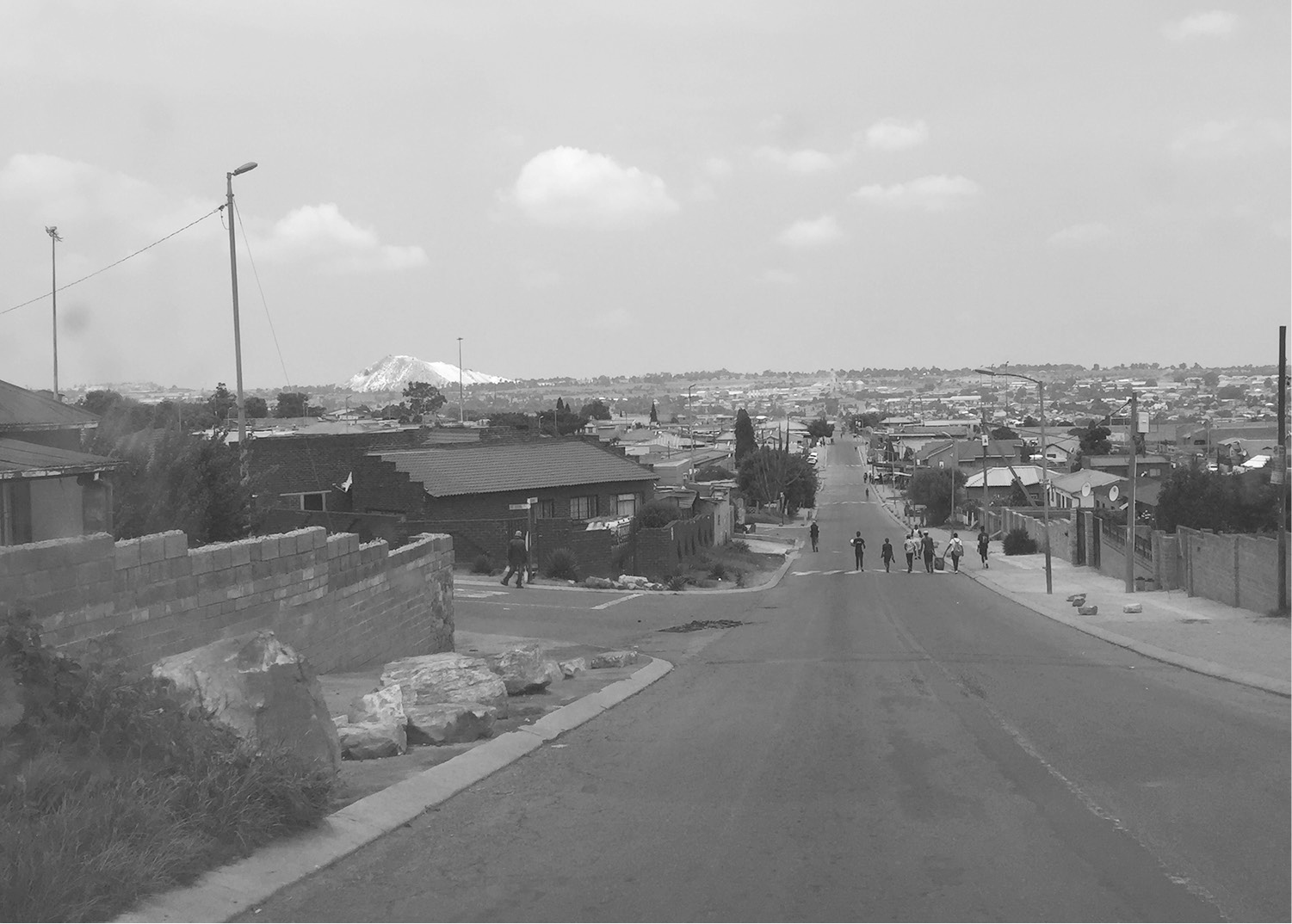
FIGURE 7.1. Corane Street, Munsieville, February 2019. Credit: Evan Lieberman.
When it came to the subject of housing and service provision, Sedumedi shared both a record of pride and a concern for dependency on the state in the context of low growth and high unemployment. He also expressed a general sense of exasperation that “it is a moving target. You never get it right for as long as people are alive and for as long as we have not fixed the issue of changing the economic landscape. Because the more the economy remains as it is, all of the burden will be for the state.”
He said that since 1994, between 3,000 and 4,000 RDP houses had been built in the area. He worried that free housing, health care, and education might be disincentivizing people to work. On the other hand, it’s also hard to imagine how productive people could be without these basic needs.
In the larger Black township of Kagiso, I spoke with seventy-nine-year-old Lerato Dube. We met at the Kagiso Methodist Church on a Tuesday afternoon, the time she serves soup to local residents. Her hair was wrapped in a bright green ANC bandana, and it was just a day before the 2019 election. She insisted on being referred to as Gogo (Zulu for Granny) and on serving me as well, so I obliged with some embarrassment at being fed a meal meant for those who actually needed one. But there was more soup available than takers on that afternoon, and this was her preference. So while I ate, I asked her to tell me about her life, what had changed, what had stayed the same.
Dube was born in KwaZulu-Natal a few years before Apartheid was implemented14 and recounted what amounted to local transformation.
When I [came to] Kagiso [in] 1992, Kagiso wasn’t like this. They were making fires with coal and wood. There was no electricity. They were lighting candles and lamps. There was no road. The taxi was no taxi because there was no road. It looked like a field.15
… Times goes and comes until 1994, then we ask electric and got. Then we asked for water. Even the water, it was very, very slow. The old house, that’s the other side of our house, there was the water on the outside. They were not allowed to make a pipe to put the water inside. If you want to wash, in cold or raining or snowing, you stand outside and do your washing or maybe bathing.
After 1994, things [were becoming] better and better because now … we got water everywhere. We got the right toilet everywhere. Then we got the proper houses.
Older South Africans, like other South Africans, have many concerns and frustrations about what has not changed, and about the changes they see that are for the worse, including increased drug use and violence among young people. But like Dube, many highlight that the material circumstances of their lives are radically different today from what they previously experienced, particularly for those who moved from shacks and squatter camps to their own homes. Notable exceptions are those who worked as teachers or nurses during the Apartheid days, who tended to have access to simple but formal government houses and some basic services.
As of 2018, approximately 20 percent of all Black Mogale residents lived in RDP houses.16 Moreover, basic service delivery has expanded widely. In my sample, of adults forty years of age and older who said they had always lived in the area of Mogale City, as shown in figure 7.2, the racial gap in service delivery closed quite dramatically during the democratic era. In 1994, just 24 percent of Blacks had access to electricity, while 79 percent of Whites had access; by 2019, both approached universal access: 84.5 percent of Blacks and 95.4 percent of Whites.17
For Black South Africans who received RDP houses, they were much more likely to have access to other basic services compared with all other Black South Africans. For instance, in Mogale City, 99 percent of those living in RDP houses in 2019 had access to electricity, flush toilets, and piped water. Among all other Black residents, 15 to 20 percent fewer Black households had access to those services.18
Again, the RDP houses are modest structures generally erected in neighborhoods that look nothing like the established suburbs of Krugersdorp North or Noordheuwel, which are still mostly populated by Whites. While the houses were meant to displace shacks, in many cases, homeowners have built shack “additions,” which they rent out, or they move into the additions themselves and rent out the house. In many cases, homeowners have sold their homes, sometimes to recently arrived foreign nationals, which has generated resentment and has tended to exacerbate the sense of a fundamental housing crisis, certainly in Mogale City.
FIGURE 7.2. The Black-White gap in basic service delivery, Mogale City (1970–2019). Source: Author analysis of HMS_2019. Based on survey responses for year of access among respondents who always lived in Mogale City area.
All of these patterns are frustrating but quite understandable responses to the basic condition of having an asset but little income. In turn, many RDP housing developments do not present as vibrant communities or the sources of local or national pride that planners once might have hoped. Nonetheless, even well-founded frustrations ought not obscure the fundamental accomplishment of providing formal shelter for so many.
Ethembalethu: A Case Study of Possibility
Most RDP housing communities are characterized by a somewhat harsh and uninviting design aesthetic, familiar among state-sponsored housing developments the world over. One notable and positive exception is virtually hidden amid the farmlands, light industry, and scenic wedding venues of Muldersdrift in northeast Mogale City. The area typifies “urban periphery,” in the sense that one is surrounded by agriculture and agro-industry, and yet, in just a few minutes you can be in a sizable town, and in less than an hour, a major urban metropolis.
A community called Ethembalethu (“ours” in Zulu) proved to be one of the most extraordinary RDP housing developments I’ve seen anywhere in South Africa. I traveled to the area for the first time on the recommendation of a local activist who, having learned of my broader interests, suggested I check it out. The story of how this community came to be offers important reminders of the social and political hurdles that remain for human development even in the post-Apartheid era, as well as the ways in which wealthy White landowners still wield enormous power despite their relatively small numbers. It also highlights the opportunities for organized citizens to achieve their goals and to build robust and prosperous communities, including through democratic participation and engagement.
Ethembalethu sits at the end of an unmarked road just off the M5, a few miles north of Krugersdorp. An unoccupied guard station serves as a gateway to the neighborhood. The area is comprised of more than one hundred houses, all with the same basic RDP “core” structure, but most of the owners have expanded their living spaces with sturdy additions. Residents had painted the outsides in bright colors with different finishes, and many owners planted small lawns out front. On the various days I visited, groups of people walked the streets, talking and visiting with neighbors. It was not a luxury development, but from the outside, it radiated a sense of security and comfort and amounted to not simply a set of houses but a coherent community. And unlike in Munsieville and Kagiso, in Ethembalethu, there were no shacks anywhere (a fact I verified with satellite images from Google Maps).
To learn more, I was referred to Molefi Selibo. As councillor for Ward 23, Selibo had his champions and his detractors within Mogale City, as most ambitious political leaders do. But even his critics were willing to acknowledge that his efforts in building the Ethembalethu community were successful, and perhaps even exemplary. On a return visit, I contacted Selibo and he agreed to meet with me in his small ward office, situated in a converted shipping container off Clinic Road in Muldersdrift, just south of the RDP community.
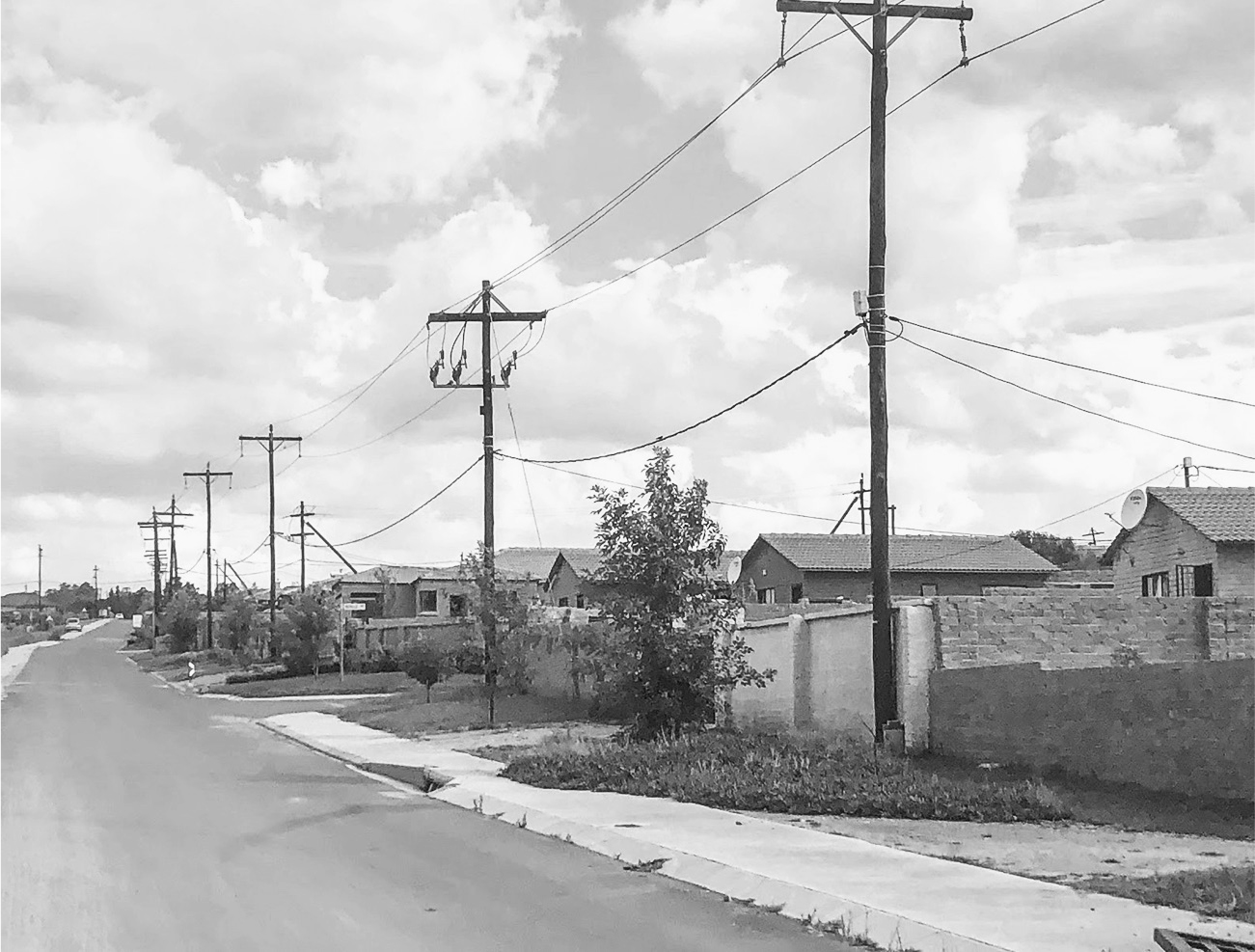
FIGURE 7.3. Row of RDP houses in Ethembalethu community, Muldersdrift, February 2019. Credit: Evan Lieberman.
Selibo was born near the largely Afrikaner city of Bloemfontein in 1958 and came to the Muldersdrift area in search of work in 1986. An entrepreneur, he built a hair salon business, which he maintained for twenty years, and like barbers and hairdressers the world over, people came to him with their concerns, looking for advice. He recalled his efforts with pride: “A lot of people were interested to come to my salon because of how I handled issues. They said, ‘I think you can assist us as a community leader.’ ” He took on this role and highlighted that Black people in Muldersdrift had long lived with housing insecurity. They tended to stay on the farms where they worked. And if your boss fired you, you also lost your home. Political change offered the promise of new opportunities, but absent any specific promises about how they would get houses, in 1994, Selibo decided to start an organization, mainly to mobilize the community to buy land. And by 1996, they formally established the Muldersdrift Home Trust Foundation. At the time, Selibo himself resided in a small structure built by a White landowner, lived without electricity, and used a pit toilet. The fundamental strategy of the nascent organization was to require members to contribute 100 rand per month in a saving scheme, in order to accumulate the capital needed to buy land and to form a partnership with government.
Less than a year later, they identified an appropriate parcel and began negotiations with a landowner, who initially agreed, with a modestly revised counterproposal. However, when other White landowners learned about the deal that was being struck—which would bring a sizable group of Black neighbors to subdivide a plot for housing—they persuaded him to not sell and bought the land away from him.
At the time, Selibo had about two hundred members and they persisted, identifying yet another piece of land. This time they were more careful about the negotiations and tried to ensure that White landowners would not get wind of the deal. They negotiated and signed an agreement in 1997. At that point, they began to engage town planners, environmentalists, and others to formalize the arrangement. Yet once again, the prospect of this new community rooting itself in Muldersdrift did not sit well with many White residents from the area. As Selibo explained, “The challenge was that those who were in charge at that time were very close to White landowners in the area. [Ours] was the first organization led by a Black community in the White area … and they were not comfortable with that.” Soon thereafter, Selibo received another cancellation letter, as the landowners had pressured the seller to renege on the agreement. Selibo pushed back and said they had a binding contract.
Even in post-Apartheid South Africa, with Black-led local, provincial, and national governments, the system still seemed stacked against them. Selibo recounted, “When the community was visiting the site, the landowners called police who came and arrested the people who were visiting. ‘They are trespassing.’ And they obliged. We were arrested on the property that we bought.” Selibo continued on, and the White landowners tried another tack: they withdrew from their frivolous court case against Selibo’s group and approached him with the offer of an out-of-court settlement. They would pay Selibo’s group for all of their costs, including lawyers’ fees, and for the price of the land including interest, and on top of that, an additional 250,000 rand. The Whites were willing to pay a tidy sum to avoid having Black neighbors. Insulting, of course, but Selibo and his community decided to take the money in a 1999 settlement, and then they identified a new plot that was almost four times the size of the original. Once again, they negotiated with the landowner, but now they didn’t have enough to cover the full price of the larger plot.
They wrote to the provincial government and the national government to share their story and to ask for assistance.
During that time, it was not easy for a nongovernment organization—for a government to give it money. We were still new in the democracy and didn’t have all the legislation. [The government] was very interested and supportive of our approach in terms of dealing with the housing issue. They were very interested and said we will assist … but we will transfer money to the municipality, and then you and the municipality will enter into a land agreement to drive this forward.
From that point, in 2002, Selibo said he continued to meet with members every two weeks to keep them informed. Along with the municipality, they submitted a “township application,” and by local code, this triggered an invitation for local comments.
Yet again, White landowners organized and tried in various ways to object. And according to Selibo, many of the people handling housing-related issues in the area were still White and still sympathetic to the landowners, and this led to more delays.
The process would be delayed and delayed and delayed. They didn’t realize we were becoming specialists. You do like that to a person you are empowering that person. So now we are able to articulate each and every aspect of development. We were able to do our homework to do deal with the landowners in the area and to defend ourselves in the process, but it took a long time.
A “long time” is really an understatement. But the agreements were finally approved. Selibo and his community received the land, and the government agreed to build RDP houses on it. In April 2014, more than 120 houses were finally completed and the government handed them over to waiting residents. The national government news agency released a piece announcing the ceremony, in which a Mogale local government leader proclaimed, “Land is important to human settlements. We need land to build houses and when you have a house, your dignity is restored.”19
For all the endless stories about what has not worked in terms of housing and development in South Africa, I was surprised to find almost no coverage of the ceremony or the development itself in the news media.20
Selibo highlighted that more recently, another 133 houses had been approved for development. When I asked him why he thought that the final product appeared so different from other RDP communities, he emphasized that what made the community unique was that it had developed solidarity through the years, and they created their own informal zoning regulations, which reflected a desire to avoid what had gone wrong elsewhere.
Now we have a code of conduct. You can extend, but you can’t have a shack, you can’t sell it. But now the issue is that … it is a beautiful safe village and no one wants to move. Everyone wants to get a space here. They realize we have a treasure here.
Especially in that village, their lives have improved significantly and the way we have been doing the work in the area, we have assisted them to get job opportunities, because we have worked as a family for a long time. It’s not easy in the country with high unemployment rate, but in that village, close to 99 percent are working because we have instilled responsibility. Even if they go and work for you … they have instilled a sense of responsibility and built one another. You would be very happy if someone came to work for you given how they conduct themselves. Also discussing how can we build ourselves. Their lives have improved a lot.
When I conducted my Historical Memories Survey in Mogale, I decided to “oversample” in Ethembalethu to see whether the assertions of success had any merit. In a typical survey, given the small size of the area relative to the rest of Mogale City, we might have wound up with zero or just a few of the residents. But I was interested to see if the area was “the real deal” from the perspective of the people who actually lived there. We interviewed fourteen owners of these RDP houses, which is still a very small sample—more illustrative than statistically representative—but enough to shed some light on what makes the community unique. For example, 79 percent said they “never” felt unsafe walking in their neighborhood, as compared with 52 percent of Blacks in other areas of the same ward, and compared with just 34 percent of Black RDP owners in Mogale City.
It seemed discouraging to find that only 46 percent of Ethembalethu residents said that “most people in their neighborhood could be trusted,” but that’s still much better than 30 percent of RDP owners throughout the municipality. And I asked the survey enumerators to rate the respondent’s “level of cooperation,” and fully 100 percent of the Ethembalethu respondents were “fully cooperative,” as compared with just 82 percent of RDP owners municipality wide. The residents seemed to have higher levels of the “social capital”21 that helps make democracy work.
As I spoke with Selibo, I reminded myself to consider the research conducted by one of my former students, Gwyneth McClendon, who wrote an acclaimed book on the topic of envy in politics.22 A central problem she raised was the enormous challenges of delivering public housing because, particularly in South Africa, those who have not yet received this benefit can become very envious of those who have. And that frustration can turn to destructive behavior, leaving everyone worse off.
I asked Selibo if that was a problem here, and he said, unequivocally, yes. “It’s a major problem in this area. Especially in this ward. Because now we have this beautiful township and a lot of community members [those in his ward] are still in that poor status. Most of the time we can’t always speak of Ethembalethu because people are not staying there and they are envious.” He went on to mention future plans, and indeed perhaps the best antidote to envious behavior is a credible commitment that the same benefits will be extended to all. On the other hand, given the twenty-year process to get phase one completed, this could be a dangerous proposition if that timetable is not accelerated given the growing impatience with demands.
And in fact, Leslie Gama, whom I met in Muldersdrift on the last weekend of voter registration and whose parents went off to vote while he stayed at home during the first election of the new democratic era, showed me his designs to replicate what had been achieved in Ethembalethu. On an individual level, Gama bears some striking similarities to Selibo. He also grew up in a rural area with few human comforts. He stayed in Muldersdrift with his grandparents in a house made of mud bricks, built on a cattle farm. Because the construction process involved smearing cow dung on the bricks, he said that even today when he smells cow dung, he is reminded of his childhood. Leslie and his family had no electricity, and they got their water from a neighboring farm, illegally tapping into an irrigation system. They dug their own pit latrines to use as toilets. And he even worked for a spell in a hair salon.
He started his own organization, Umnotho, which for about seven years by the time I met him in 2019 had been collecting money from families who wanted to upgrade their lives from shacks to formal settlements. I was very impressed by the bountiful gardens the community had grown and the detailed plans—including architectural drawings and models—they had commissioned for an integrated community. But just like Selibo, Gama faced the hurdles of local opposition, zoning rules, and occasional theft from his offices, as well as the challenge of getting the right attention from the right officials. Nonetheless, given his tenacity, the cohesion and support of his community, the progress he has detailed to me since we met, and the example of Ethembalethu, I am cautiously optimistic that he’ll succeed in this or a related venture.
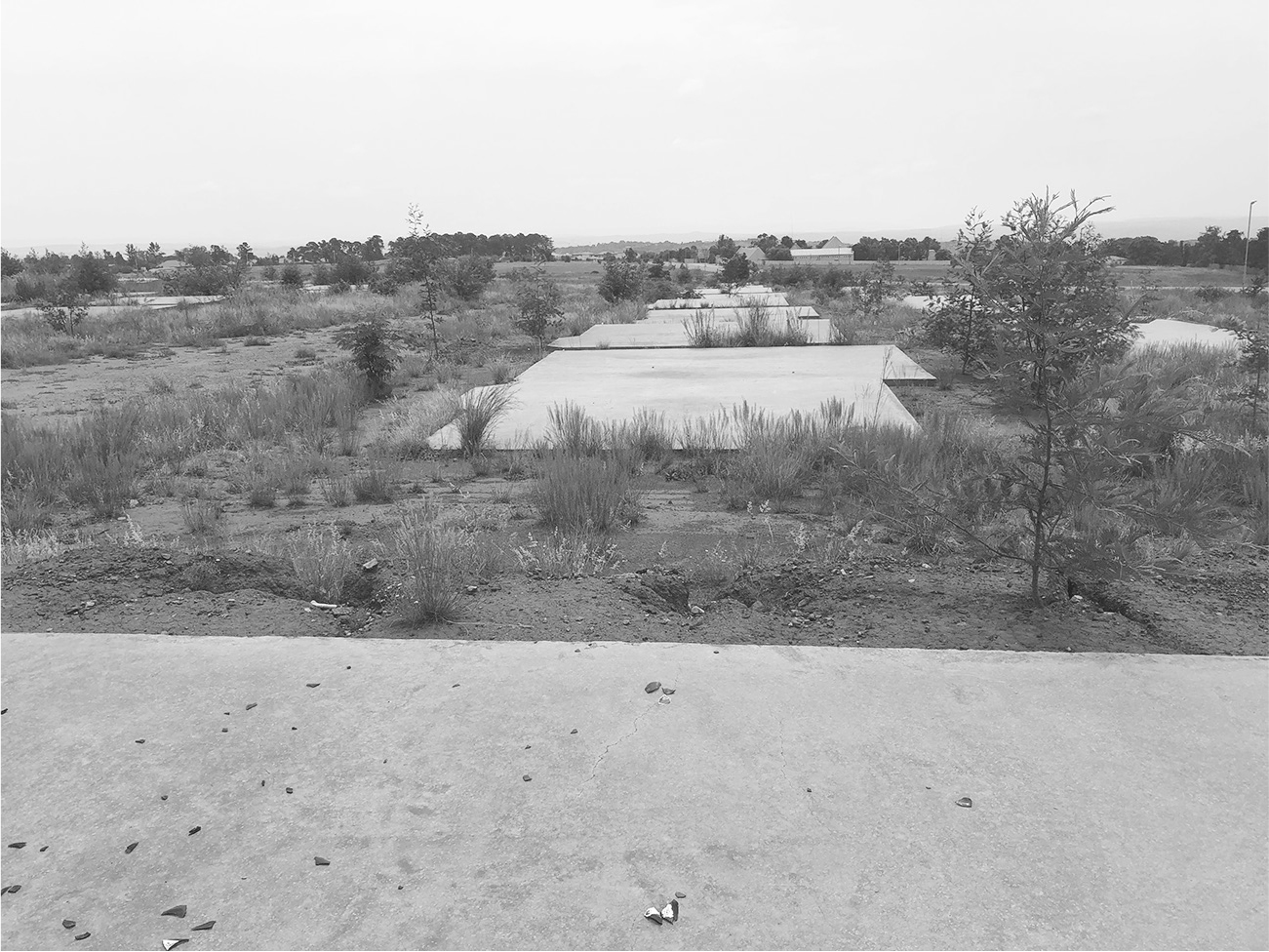
FIGURE 7.4. Slabs awaiting RDP houses in Munsieville, February 2019. Credit: Evan Lieberman.
Without active involvement from community leaders like Selibo and Gama, government policies can languish. Too frequently, housing projects get started but remain unfinished owing to lack of planning, funding, and/or oversight, let alone as the result of a stalemate between competing political interests. In Munsieville, I toured a site with a checkerboard of concrete slabs designed to support RDP houses but that, at least for the time being, were nothing but useless eyesores. The latter, of course, tend to capture the imagination of democracy skeptics all around the municipality. While important, my broader point is that such failures are not the whole story.
Income, Security, and Equality
Beyond shelter and basic services, citizens want jobs, income, and to not be on the wrong end of extreme inequality. In 2019, Ramaphosa and the ANC campaigned on the slogan “Let’s grow South Africa together,” a tacit acknowledgment of what was needed. Nonetheless, while the economic record is certainly not the basis for a victory lap, it is also not dispositive for the value of democracy in the country. Moreover, although unemployment and inequality remain staggeringly high, the government has also provided critical cash grants to provide social security for millions of the most vulnerable. It may not have been rapid economic development, but the record contributed to dignified development.
As a liberation movement, the ANC had been on record, including quite explicitly in the Freedom Charter, calling for the nationalization of the mines and of large sections of the economy. Moreover, the organization and its alliance partners, COSATU and the SACP, all drew heavily on Marxist-Leninist thought as guiding principles. They envisioned a new democratically elected government having a very strong hand in all aspects of the economy.
As they prepared to govern, and once in power, ANC elites engaged in far-ranging discussions with a variety of economists and others inside and outside the country concerning strategies that would thread the needle between achieving economic growth and attaining some level of adequate redistribution in the near term. They actively and openly debated various models and the lessons to be learned from other countries’ experiences. Like most planners at the time, they wondered how they could emulate the high-performing economies in East Asia.
Prominently in the background of such debates and discussions was the collapse of the Soviet Union. The failed record of centrally planned economies provided leverage for White business leaders to strike bargains with the liberation party and its partners to avert nationalization. They made the familiar argument that the new government should not “kill the goose that lays the golden egg.” (White business was the goose here.) Neo-liberal economic principles had gained global prominence and if you didn’t play by those rules, it was clear that international financial institutions would restrict access to credit and investments. Mandela and other top ANC brass were ultimately persuaded against nationalizing and, for that matter, against massive land distribution. As early as 1996, they adopted an economic strategy that involved privatization of state assets, trade liberalization, and bureaucratic reform.23 The compromise solution was to combine a largely free market system, while actively promoting Black economic empowerment. Companies could remain private, but they would need to demonstrate active inclusion of those who had been disadvantaged under Apartheid. And the government would be tasked with providing social support to the poor and extending social benefits widely.
In October 1997, Finance Minister Trevor Manuel delivered a keynote speech for a book launch hosted by the Budget Information Service at IDASA. I had just started my work there the previous week and the event immediately highlighted for me the emerging political fault lines on economic policy. Like many of the other government leaders, Manuel had spent several years of his adult life in jail protesting the old government; he had long been a champion of the poor and the working class. Now, he was already being accused of being a lackey for the well-heeled. Critics said that the government’s revised economic strategy, called Growth, Employment and Redistribution (GEAR), with its emphasis on fiscal discipline and low inflation, reflected an abandonment of a focus on jobs and development for the impoverished masses. Manuel resisted this characterization. He quoted phrases from the original RDP plan to remind critics that the party had always intended to proceed in a fiscally responsible manner. And he quoted from Capital, in which Karl Marx argued that the burden of budget deficits falls on the working class. He was sharp and persuasive.
Given the scale of wants and needs, the challenge of building the economy was enormous. At the very least, most assumed that simply ending Apartheid would yield some important economic benefits. First, the government should attain some savings from the elimination of multiple and inflated homeland governments, which cost much more than they took in, and a reduction in military spending, as it would no longer be at war with much of the country and the region. They would also save on the resources wasted controlling the movement of Black people. International economic sanctions would end, and perhaps foreign investors would flock to South Africa. The most optimistic held out hope that the merging of these two wildly different segments of the economy would quickly lead to everyone living at the level of White South Africans.24
In practice, the period 1994–2007 actually produced solid economic growth, especially compared with the disastrous last decade of Apartheid that preceded it. And during this interval, the incomes, opportunities, and lifestyles for millions of Black South Africans improved, generating widespread expansion of the Black middle class. As in the United States, the term “middle class” means many things to many people—certainly in South Africa, it does not connote an average or the middle of the income distribution but a lifestyle associated with some degree of comfort with disposable income. In other words, millions of Black South Africans began to gain access to the lifestyles that had been enjoyed almost exclusively by Whites: university for their children, the ability to purchase goods at one of South Africa’s many shopping malls, perhaps the ability to own an automobile. By some estimates, in terms of “affluence,” the middle class grew from 2.2 million in 1993 to 4.9 million in 2008 (and by 2008, 20 percent of the 1 million “upper class” were now Black African).25
For many, this was exactly the dream of a post-Apartheid South Africa. On the other hand, growth in this segment of the population gave rise to a growing chasm between Black haves and Black have-nots. For many of the millions without the disposable income to take advantage of new shopping opportunities or to purchase the latest mobile phone, let alone to have a decent roof over their heads, patience began to wear thin. Many criticized the GEAR plan as an abandonment of the poor majority.
And then the global financial crisis of 2007–8 ravaged South Africa’s economy. In 2009, the year Jacob Zuma became president, the economy contracted by 1.5 percent—almost 3 percent, when calculated on a per capita basis. After that, the economy failed to sustain a serious recovery throughout his term. Per capita GDP growth practically screeched to a halt at 0.3 percent during those years. All told, between 1994 and 2018, South Africa’s average annual economic growth on a per capita basis was a paltry 1.2 percent.26
There is no single definitive answer for why the South African economy grew at the pace it did. Political conflicts and news of corruption within the ANC surely scared off some potential investments and deprived citizens of resources that would otherwise have been used on public expenditures.27 Insufficient infrastructure investment to meet the demands of citizens and businesses has also surely constrained productivity and growth. It is certainly plausible that the strength of organized labor contributed to wage bills that made some companies uncompetitive. And foreign direct investment into Africa has always been extremely low, and despite the end of Apartheid, investment into South Africa remained modest relative to initial hopes.
FIGURE 7.5. GDP per capita growth, South Africa compared to other Upper-middle-income countries (1985–2018). Source: Author analysis of WDI.
Moreover, it is hard to ignore the extent to which the previous decade was challenging for most Upper-middle-income countries.28 For example, during this period, Brazil chalked up an average annual growth rate of 1.3 percent, almost exactly the same as South Africa’s, and with peaks and valleys that are remarkably similar.
If we evaluate South Africa’s economic performance relative to other Upper-middle-income countries29 and to the rest of the countries in sub-Saharan Africa, as presented in figure 7.5, the country’s lackluster economic performance still appears to lag. However, on average, those countries only grew about 1.2 and 0.8 percentage points faster than South Africa did, and even these comparisons are driven by a few high-growth countries rather than a consistent difference. And within these sets of countries for this period, there is really no discernible difference between democracies and non-democracies (despite some compelling research suggesting that democracies do tend to grow faster on average).30
For those who like to hold out the “Specter of Zimbabwe” theory to describe Black rule in South Africa, it’s important to dispel the myth that South Africa’s post-Apartheid economic performance has in any way resembled Zimbabwe’s. With respect to the latter, one of my favorite teaching props is a photo I took of a Zimbabwean one hundred trillion dollar note, along with a photo of ordinary Zimbabweans using this currency as wallpaper. With declining government revenues, Zimbabwe’s authoritarian government under Robert Mugabe simply printed more and more money to finance its expenditures amid the president’s lavish lifestyle. In turn, the country experienced hyperinflation and the collapse of its currency. Stores could not set consistent prices nor could they reliably stock goods. Increasingly, citizens were forced to barter with one another to get what they needed. By contrast, South Africans have experienced only minor devaluations of their currency, and their economy has been generally well managed with low rates of inflation, low debt, and small budget deficits.
Notably, the post-Apartheid period was marked by steep declines in the mining industry. The country’s gold output decreased steadily since 1994, with some decline already underway between 1980 and 1994.31 The historical discovery of gold near Krugersdorp preceded Mandela’s election by more than a century. The mining went very deep into the Rand, and it simply became much less profitable relative to the degree it once was as the effort-to-yield ratio continually climbed, and it would no longer be a source of easy profits in the new democracy.
The collapse of mining has hit Mogale hard. As one resident recounted, “We would grow up seeing [miners] with their hats going down into the mines, and then coming up. It used to be a very vibrant area. But now of late, there’s a lot of unemployment. You feel pity when you see them on the corners staying or sitting idle by the shops, and becoming drunk.” From multiple vantage points within the municipal borders, one can see the large, ugly West Rand Consolidated Mine hill. It’s a reminder of what made this city (gold) and what it is now (essentially without a mining sector). Thousands of able-bodied people are not gainfully employed. Instead, a few informal miners dangerously try to retrieve small treasures where they can, with little regard for personal safety.
The failure to grow the economy deprived the country of a key weapon against the Apartheid legacies of high unemployment, high poverty, and high inequality. By any measure, South African unemployment levels have remained staggering—at least 25 percent—in the decades following the end of Apartheid, perhaps over 40 percent if applying a “strict” definition.32 And on surveys, in interviews, and on the radio and other media, lack of jobs was the most important issue that people indicated as a concern for them. In 2017–18, a full 44 percent of Mogale residents surveyed said they were “unemployed and looking for work”—and that figure is low for all of Gauteng Province, where 52 percent responded this way.33
Are democratic politics to blame? As figure 7.6 clearly shows, South African unemployment in 2018, as reported using International Labor Organization models, was very high in comparative perspective—measured as the worst among Upper-middle-income countries. But it was already high at the dawn of the democratic era, so the failure is one of being unable to solve an existing problem rather than creating a new one.
The picture of inequality is similar: in the decade after 1995, already high levels of income inequality intensified. After 2005 this trend reversed somewhat, and by 2015 income inequality was at the approximate level it had been in the mid-1990s.34 The fact that a highly unequal society has remained highly unequal is nothing to celebrate. But again, in the current state of the world, in which wealthier people have much better work and investment opportunities,35 the South African story is clearly part of a global one. Even after the 2008 worldwide economic meltdown, increasing numbers of South Africans came to own major household assets—realizing a “middle-class” lifestyle. In 2009, just 15.1 percent owned a computer; by 2015 that number jumped to 22.1 percent. Similar gains were observed with respect to satellite television (13.0 to 35.1 percent), washing machines (27.5 to 35.9 percent), and refrigerators (64.7 to 79.7 percent).36
FIGURE 7.6. Unemployment in South Africa compared to other Upper-middle-income countries (1996–2018). Source: Author analysis of International Labor Organization estimates in WDI.
As the United Nations has recently documented, during approximately the period considered here (1990–2015), two-thirds of the share of income going to the top 1 percent increased in 59 of 100 countries with available data.37
Cash Is King
One of the most important ways in which the post-Apartheid government has assisted the poor—in the face of a weak economy, dismal employment prospects, and high inequality—has been through direct cash grants, fulfilling a constitutional right and Freedom Charter aspiration to social security. In 2018–19, in a country of 56 million people, 17.6 million were beneficiaries of social grants. The vast majority of these funds are allocated through a Child Support Grant (12.5 million children) and the Old-Age Grant (3.5 million people older than sixty). Other grants are given to people with disabilities, for care dependency, to war veterans, and to support the care of foster children.38
The system is far from perfect, and news stories occasionally pop up about fraud and delays. Yet, this does not go unchecked: for example, in 2012, the South African Social Security Agency (SASSA) introduced a biometric scheme in the payout process that saved millions of rand in false claims. Even that was not foolproof, and the DA and others charged that fraud persisted. In 2018, the biometric system was scrapped in favor of a legacy system.39
While such stories and reports frequently contribute to claims and perceptions that the entire agency is corrupt and failing, by and large, most people are paid every month; and the incidence of grant relief has been extremely pro-poor—certainly relative to the rest of sub-Saharan Africa and among most Upper-middle-income countries. In many other countries with generous social insurance schemes, particularly in Latin America, the wealthier segments of society manage to capture disproportionate gains, making the net distribution of resources even more unequal. By contrast, according to data from the World Bank ASPIRE database, for the period approximately 2008–16, South Africa provided the most generous transfers with the greatest impact for reducing income inequality by targeting the very poorest.40
Cash grants have contributed to decreasing poverty rates, especially extreme poverty,41 particularly after 2000.42 Although the amount transferred for each grant tends to be modest—about $30 per month for a child grant, for example—getting cash into the hands of the very poor allows individuals and caregivers to buy the essentials. This critical set of grants helped lower the share of the population living under an international poverty line43 from about 34 percent in the period 1993–96 to about 17.5 percent in the period 2010–14.44
Investments in Human Value
Reflecting both global trends and the aspirations of the Freedom Charter, South Africa’s 1996 constitution identified access to health care and basic education as fundamental rights of citizenship. Health and education are often described as key components of “human capital,”45 in the sense that investments in these can generate returns in the form of economic productivity. I believe that is too limited a view: we also value better health and education because they are inextricably linked to human autonomy and well-being. Promoting health and education might be better understood simply as investments in and recognition of the value of humans.
From the dawn of South Africa’s new democracy, activist critics, journalists, and academics have repeatedly highlighted government failures in meeting crucial needs in these sectors. For example, Section 27, an organization so named for the section of the constitution that details citizens’ social and economic rights, has routinely applied intense pressure to improve both outcomes, especially among the poor, through the media, organized protests, court cases, and direct presentations to government bodies. The LRC, Lawyers for Human Rights, and a host of sector-specific NGOs have developed or adapted their missions to hold the government accountable to make good on constitutional promises.
And once again, the list of gaps such organizations have identified is real and observable—especially if one looks at persistent disparities between the haves and have-nots. For example, much like in the United States, the quality of everyday health-care access remains very much a function of ability to pay. The Netcare Krugersdorp Hospital and the Yusuf Dadoo Hospital are situated about a mile apart from one another, but the distance between the quality of facilities and care received is much, much greater. At the former, where people must pay for their care, the outside looks like the glossy Boston hospital buildings I see close to my home and work, and inside, the shelves are stocked and patients can expect to be seen relatively quickly and to receive excellent care. At the latter, citizens report that wait times are long, supplies are frequently unavailable, and the likelihood that the facilities will be clean is low.
Similar gaps divide the educational sphere. Notably, there are three types of primary and secondary schools: public schools that are fully free; those in which fees are collected; and private or independent schools. For example, Monument High School, the site of the first polling station I visited on election day in 2019, is a former “Model C” school. These were once White-only public schools and tend to be located in historically White areas. During the early 1990s, as Apartheid was ending, they were afforded greater autonomy, and the government allowed them to collect fees. Today, these are generally the highest-quality public schools, and in Mogale City, both White and Black families who can afford the fees—but not the cost of private school—tend to send their children there. By contrast, most townships, like Munsieville and Kagiso, host public schools in which parents are not expected to pay fees, but the resulting resources and quality—for example, at Munsieville Primary School and Lodirile Secondary School in Rietvallei—tend to be much more modest. As one Mogale City teacher described to me, “These schools are often not that clean and do not look like conducive environments for productive teaching and learning.” And for those who can afford it or who attain scholarships, South Africa boasts many excellent private schools, including in Mogale City, where independent school franchises have come in to meet the growing demand from families—for example, Alma Mater International School and Curro Krugersdorp Independent School, where students can expect access to world-class media resources, relatively small student-to-teacher ratios, and outstanding athletic facilities. These schools also tend to prepare students for possible overseas university education and frequently follow British curricula.
As of 2019, of the approximately 75,000 students in Mogale City schools, only about 5 percent attended private schools, and an additional 31 percent attended fee-collecting public schools. As in most things South African, the gulf between what a minority—even if increasingly multiracial—can access relative to the rest is so enormous as to make for frustrating comparisons. As just one important metric of school quality for which objective data are available, I calculated student-to-teacher ratios for Mogale City primary and secondary schools and found that at the 15 independent schools, the ratio was 12:1, at the 23 fee-collecting public schools it was 24:1, and at the 47 no-fee public schools it was 34:1. Meanwhile, not surprisingly, the neighborhoods (wards) for the fee-collecting public schools were 39 percent Black with just 7 percent of the residents living in informal settlements; the no-fee schools were, on average, 91 percent Black and 27 percent of residents in informal settlements.46 In turn, we should not be surprised when we see inequality reproduced across generations given this state of affairs.
Even serious concerns about persistent inequities—wholly reminiscent of the American health and educational systems—should not obscure critical efforts and accomplishments or the challenging context that democratic governments have faced. In both sectors, the government has spent heavily, has vastly widened access, and has made some clear and observable inroads, especially in improving the quality of life and capacities of the very poor. In terms of education, in 2019 the South African government spent approximately 50 percent more as a share of GDP (6.5 percent) compared with other countries in sub-Saharan Africa (4.3 percent) or the average of all Upper-middle-income (UMI) countries (4.1 percent).47 And with respect to health, government spending increased substantially over the period 2002–18 such that by the latter year South Africa was also vastly outspending peers from these reference groups (4.4 percent/GDP for South Africa compared with 3.2 percent for UMI countries and 1.9 percent for Africa).48 Moreover, in each sector, democratic processes have contributed to important gains and corrections.
Health and Health Care
Just a few months after his inauguration, Mandela’s government rolled out as a first signature project a new program offering free health care for all pregnant and nursing women as well as all children under six.49 The newly covered population was guaranteed treatment at all public hospitals, clinics, and community health centers. And to accommodate increased demand, the policy was coupled with the construction of new clinics.50 By 2003, free hospital care was extended to children older than six with disabilities.51 In turn, the share of births attended by professional staff grew from 82 percent in 1994 to 97 percent in 2016.52 And in 2017, South Africa had the highest numbers of physicians, nurses, and midwives relative to the size of the population of all non-island, sub-Saharan African countries.53
FIGURE 7.7. Average life expectancy at birth in South Africa compared to other Upper-middle-income and African countries (1995–2017). Source: Author analysis of WDI.
Owing at least in part to the availability of these inputs and other policies, leading indicators suggest that health and well-being for the most vulnerable have improved. The under-5 mortality rate at the time of Mandela’s election in 1994 was 61 deaths per 1,000, and that dropped to a low of 37.1 by 2017.
As depicted in figure 7.7, at the beginning of the democratic period the life expectancy rate in South Africa was the lowest of all Upper-middle-income countries but among the highest of all other African countries. However, it took a profound dip in the late 1990s owing to the rash of deaths from the staggering AIDS epidemic. Once the government finally adopted policies and practices of administering anti-retroviral drug therapy, extending the lives of those living with HIV—responding to political pressures as described in chapter 6—estimated life expectancy quickly returned to an upward trajectory, albeit diminished relative to its economic peers.
Indeed, the mushrooming of extraordinarily large HIV/AIDS and tuberculosis epidemics at the tail end of the Apartheid era proved to be an overwhelming burden on other aspects of the health-care system. As early as the mid-1990s, more than 10 percent of the adult population aged 15–49 was living with HIV, and by 2000, the incidence (new cases) of tuberculosis was almost 800 per 100,000 people. Both disease burdens were much higher than the typical experience of most African and Upper-middle-income country cohorts or, frankly, countries anywhere in the world.54 While it’s true that the ongoing size of these epidemics in terms of numbers infected can be partially ascribed to early government failures in response, it is also important to point out that both HIV and tuberculosis have remained highly prevalent throughout the southern African region, even in countries like Botswana that responded much earlier and more aggressively (in part because successful treatment has kept people alive). Moreover, the South African government, despite its early flawed response under Mbeki, and after relentless democratic challenges from civil society, went on to embark on the world’s largest AIDS treatment program.55 Today, both its AIDS and tuberculosis government responses are far-reaching and world class—and various studies have identified South Africa as leading the way in best practices.56
Moreover, concerns about poor health and health disparities are not simply a matter of access to formal health care. Better infrastructure and living conditions in the form of clean water, sanitation, and shelter are themselves critically important for healthy outcomes, and progress in those areas contributes to better health outcomes for the very poor and is likely reflected in positive trends in life expectancy and infant mortality. On the other hand, the persistence of vast socioeconomic differences in South Africa will no doubt continue to reproduce inequalities in health outcomes for some time, and even the equalization of health-care resources would almost surely not be sufficient to equalize health outcomes in the near term.
Along these lines, particularly in Mogale City, the legacy of the country’s mining economy contributes to widespread environmental risks. Despite the metaphorical status of “gold dust,” the reality is that mining dust is a major health hazard. First, for miners who have worked or continue to work deep in the mines, silicosis—also known as “black lung”—is a debilitating disease acquired from the inhalation of the very fine silica dust generated through the process of extraction. It causes shortness of breath and chest pain and makes individuals more vulnerable to tuberculosis, already widely prevalent in the country.
Second, Krugersdorp and other mining towns are replete with mine dumps or tailings. When the wind blows, toxic dust fills the air and seeps into the local streams and canals. Perhaps unsurprisingly, the brunt of such environmental degradation is again borne by poor and Black citizens, including in Mogale, especially in and around the mines of Kagiso, which are replete with acid mine drainage.57 One notoriously awful site is the Mintails mine I passed on election day. Within these tailings, scientists have detected arsenic, lead, and other chemicals, frequently radioactive. Nonetheless, children routinely play on toxic mining excavations as if they were sand dunes, as they are not sufficiently guarded from the general public.58
Although concerns about the safe cleanup of such sites rarely find their way into electoral politics, pressure from other democratic institutions has proven important to raise awareness and to apply pressure on businesses and government to take action. I became aware of these concerns through my own involvement with the LRC, as I was introduced to a partner of theirs, Mariette Liefferink, sometimes described as South Africa’s “Erin Brockovich” because of her passionate involvement in environmental issues. On our tour of the area, she pointed out the neglect and failings of various mining corporations to properly close the dormant mines, as well as the ways in which they have tried to avoid taking responsibility by selling off their assets to very small companies that could never afford to pay any claims for damages.
She, the LRC, and others have been documenting the extent of environmental degradation and the harms caused and have sought justice for those most affected, especially through the courts. Undoubtedly, the democratic era ushered in the opportunities to pursue such work, first by putting an accent on the indignities leveled against those central and/or proximate to the mining economy; and second by actually securing some compensation for them. They highlight, of course, that much work remains, but they have had some important successes.
Most notably, owing to a vast class action suit, in May 2018 the mining companies agreed to an unprecedented 5 billion rand (400 million USD) settlement for thousands of miners suffering from silicosis.59
Education
As has been the case for health, in terms of equity of access to schooling, particularly to higher levels of education, we can document substantial progress. For example, I consider the distribution of the highest level of education attained by individuals in the Mogale area on two South African census rounds: 1991 and 2011, and just those individuals aged 19 to 29 in each. This restriction helps us isolate the educational opportunities created before and after 1994. In 1991, close to 70 percent of Whites had completed at least their “matric” year—named for the all-important standardized, national high school completion exam—which is viewed as the critical attainment of credentials for high-paying jobs that demand skills. At that time, not even 20 percent of Blacks had those credentials. And more than 50 percent of Blacks lacked even a completed primary education. By 2011, the gap had substantially narrowed: Blacks gained almost 30 percentage points, with just shy of 50 percent completing at least secondary school, and in this later round, less than 8 percent had not completed primary school. And this did not come at the “expense” of White enrollments: by 2011, secondary school rates among Whites had climbed to 76 percent.
When considering the national level—and in comparative perspective—secondary school enrollment was already higher in 1990 than the average for Upper-middle-income countries (and much higher compared with African countries). And all the way until 2018, South Africa at least kept pace with growth in enrollment as compared with both of the reference groups.60
Such broad portraits clearly mask critical nuances with respect to the actual quality of education that students receive, let alone the attainment of education as an ultimate goal. The gaps are troubling, and some studies have even concluded that the quality of education overall has decreased during the post-Apartheid period.61
One often-cited indicator of government failure on education is the fact that South African students have generally performed poorly on international tests.62 This is true. On the other hand, South African students were already performing relatively poorly in 1995, and at least achieved some marginal gains, especially between 2001 and 2011 and particularly among the lowest-performing students. As one nuanced assessment of twenty years of South African education has highlighted, such benchmarks need to be viewed in context—especially the fact that most of the other countries that participate in such testing are far richer.63 While many countries around the world face legacies of uneven and unequal educational systems, few are burdened by a history comparable to that of the Apartheid system’s “Bantu Education,” which deliberately sought to limit the potential of a majority of learners with respect to curriculum and promotion of critical thinking skills, which also affected the training of teachers.64 Combine this with persistent de facto residential segregation, and it is not surprising that huge educational gaps remain across racial lines, as well as between students in free public schools, fee-paying public schools, and private schools, where parents also tend to be more educated.65
A particularly grave affront to human dignity lies with the horrific quality of public educational facilities and instruction in rural areas—outside the industrial Gauteng Province. Eighty or more students are routinely forced to crowd themselves into classrooms, and their schools frequently lack running water, functioning toilets, and well-trained teachers. In one tragic account, first documented in the New York Times66 and that subsequently went “viral” in the South African media, two children drowned in pit toilets in a dilapidated school in Mpumalanga Province. The story juxtaposed the greediness of government officials and the disappearance of millions of dollars of funding next to a tragic and truly unpleasant death of young people, providing powerful fodder for citizen anger.
Ten days after the publication of the original article, and no doubt spurred on by the embarrassing revelations, President Ramaphosa announced the launch of a new program, the Sanitation Appropriate for Education Initiative. According to Ramaphosa, the initiative would “spare generations of young South Africans the indignity, discomfort and danger of using pit latrines and other unsafe facilities in our schools.”67 The good news? One NGO subsequently calculated that the initiative resulted in the upgrading of toilets in twenty thousand schools. The bad? The same NGO estimated that at this pace, it would take nineteen years to complete the job on a national scale.68
Did the news story cause the policy change? The proximity of the actions and the responses suggests that it certainly triggered the timing of the reactions, but it’s hard to imagine that the story would have come to light if there were not already so much political attention being paid to sanitary conditions and if civil society organizations and public interest lawyers were not already applying pressure through political campaigns and sometimes through appeals to constitutional law in the courts. Like many gains in a democratic polity, it was victory from a million cuts. For people in remote rural areas, democratic political pressures ultimately led to government actions that would bring visibility and material improvements to their lives. In a polity that valued economic growth above all else, rural schoolchildren might have been deliberately overlooked as a necessary casualty of “development.” In the context of democratic South Africa, at the very least, no one can publicly question the deservingness of these children to receive the same opportunities and services. Continuing to shine a light on deficiencies sometimes elicits action, even if rarely sufficient to close substantial gaps.
Palpable Progress, if Incomplete
For every material gain I’ve detailed here, one could add valid caveats and qualifications. Electrification? But what about rolling blackouts? Social grants? Those are too small to be meaningful! Housing? Too many people still waiting and the construction is shoddy! All of these are fair concerns and useful grist for the democratic mill. In no country in the world do people think that all of their material needs have been met, and by any objective standard, most South Africans still have much to wish for, not the least of which are better opportunities to work, to earn a steady income, and to gain access to high-quality education and health care.
Nonetheless, I think it’s hard to deny that the overall gains have been quite substantial for millions of people who hoped for material comfort and a degree of economic security after Apartheid. When asked, people can document meaningful change. In fact, perhaps this entire book is motivated by the transformation I’ve observed with my own eyes over the past several decades: I have continued to return to the very places I first toured almost thirty years ago, including largely Black townships on the outskirts of the three largest South African cities: Cape Town, Johannesburg, and Durban. Observable conditions have improved substantially, sometimes dramatically. Back then, raw sewage ran through the streets, and electrical connections were rare. At night, in many areas, high-mast street lamps projected harsh, bright light over large areas, as if for an airport rather than a human settlement. During June and July—wintertime in the southern hemisphere—the putrid smell of burning garbage could sting your nose for miles around as people sought to keep warm.
Today, Soweto is a city unto itself, one in which poverty persists, but alongside an increasingly thriving Black middle class with upscale amenities. In Khayelitsha, near Cape Town and Kwamashu, near Durban, and in townships and locations across the country, tarred roads have replaced dirt passageways; more people live in houses and flats (apartments) rather than shacks; and millions more enjoy electricity, lighting, piped water, and flush toilets. Since my first visit to South Africa, I have traveled to every one of the country’s nine provinces and have been to urban, peri-urban, and rural areas. Now, having in mind the many other African contexts I have visited in the meantime, including rural and urban Uganda, Kenya, Tanzania, Botswana, Namibia, and Zimbabwe, it is hard to imagine many South Africans wanting to trade places with their counterparts on the respective socioeconomic ladders of any of the countries north of the Limpopo River. Only in the small (and also democratic) countries of Mauritius, Cape Verde, and Botswana and the small, oil-rich, but not democratic country of Gabon do measured overall levels of service provision consistently approximate what South Africans enjoy.69
And these accomplishments were set against the extremely challenging background of high inequality, a difficult global economic environment, an evaporating mineral economy, and substantial backlogs in the development of human capital. With respect to the latter point, we should not forget that the New South Africa was comprised of millions of Black South African adults who had been previously denied a decent education and yet were called on to run vast government agencies and fill the management ranks of businesses. Moreover, we can blame Jacob Zuma for many things, but not for the global economic meltdown that coincided with the start of his presidency.
The social and economic legacies of South Africa’s past have not been easily overcome. Life in the still largely White suburbs around Krugersdorp remains far, far more comfortable than in the townships of Munsieville and Kagiso. Nonetheless, the conditions of the latter have measurably improved, with much greater parity in access to government services. This pattern is repeated in much of the country. Political competition, citizen pressure, and respect for the constitutional order have all contributed to such dignified development and reflect well on the value of democracy in South Africa.